Watching your toddler explore the world is incredible. Their days are filled with boundless energy and a powerful drive to understand everything. A great early learning program for toddlers, whether it’s a weekly mommy and me class or a full-time preschool, harnesses this natural curiosity. It’s about creating a rich, hands-on environment where they learn through play and discovery. Understanding what are the benefits of different toddler education curriculum approaches for early learning is the first step. Knowing the full scope of the benefits of early childhood education can help you make this important decision with confidence.
Key Takeaways
- Look beyond academics: The best early learning programs focus on whole-child development, nurturing your toddler’s social skills, emotional growth, and physical coordination through guided, play-based learning.
- Find a philosophical fit: Choose a program with an educational approach that aligns with your family’s values and makes you feel like a true partner in your child’s education through open communication.
- Verify quality with clear indicators: When making your decision, look for concrete signs of a high-quality program, including NAEYC accreditation, low teacher-to-child ratios, and a safe, clean environment with caring educators.
The Real Benefits of an Early Learning Program for Toddlers
Watching your toddler grow is an incredible experience. Every day brings a new word, a new discovery, or a new little dance move. A high-quality early learning program can help channel that amazing energy, providing a space where your child can flourish in every way. It’s about more than just learning letters and numbers; it’s about building the foundational skills that will help them become confident, curious, and kind individuals. In a supportive classroom environment, toddlers don’t just prepare for school, they learn how to connect with the world around them.
How They Learn to Make Friends and Manage Feelings
In a classroom setting, toddlers get to practice important social skills in a safe and guided environment. They learn how to share toys, take turns, and express their big feelings in healthy ways. These early interactions are the building blocks for friendship and empathy. Our toddler classrooms are designed to encourage this growth, with teachers who help children understand their emotions and navigate social situations with kindness. This focus on emotional intelligence helps your child build confidence and form positive relationships with their peers and caregivers, skills that will benefit them for a lifetime.
Building Empathy and Patience
Patience doesn’t always come naturally to toddlers, but it’s a skill that blossoms with practice in a supportive environment. In a group setting, children learn to wait their turn for a favorite toy or for a teacher’s attention, and these small moments are huge learning opportunities. With caring guidance from our educators, toddlers begin to understand the feelings of others and the importance of being patient. Our curriculum, inspired by collaborative philosophies like Reggio Emilia, encourages this growth. Through group projects and shared play, children see firsthand how working together and respecting others’ needs makes the experience better for everyone. They develop empathy not because they’re told to, but because they experience it in their daily interactions with friends.
From First Words to Full Conversations
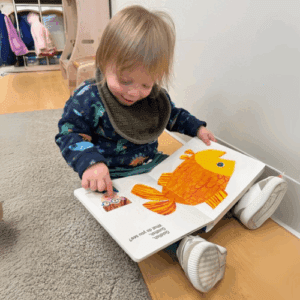
Early learning centers are rich with language. Through stories, songs, and simple conversations, toddlers are constantly absorbing new words and learning how to communicate their thoughts and needs. Research shows that this early exposure helps children develop stronger reading and thinking skills down the road. At Strong Start, a typical day is filled with opportunities for conversation, from circle time discussions to one-on-one interactions with our exceptional educators. This language-rich environment helps expand your toddler’s vocabulary and gives them the confidence to express themselves clearly.
Getting Ready for Kindergarten (and Life!)
The transition to a more formal school setting is much smoother when a child has a positive early learning experience. Toddlers in our programs learn to follow simple routines, like washing their hands before snack time and helping to clean up their toys. These predictable schedules help them feel secure and independent. Our curriculum, inspired by the Reggio Emilia approach, views children as capable and competent. By encouraging them to take on small tasks and make choices, we help them develop self-help skills and a sense of responsibility that prepares them for kindergarten and all the adventures that follow.
Developing Focus and Problem-Solving Skills
A toddler’s world is one big puzzle they are determined to solve. A high-quality early learning program channels this innate curiosity into powerful problem-solving skills. Through hands-on play and sensory activities, children naturally explore concepts in math and science while learning how to focus on a task. Instead of giving them the answers, our teachers act as guides, asking thoughtful questions that encourage toddlers to investigate and find solutions on their own. This method is a core part of The Project Approach, where we help children build the concentration and confidence to tackle challenges. It’s how we lay a strong foundation for a lifetime of curious, capable learning.
From Stacking Blocks to Running and Jumping
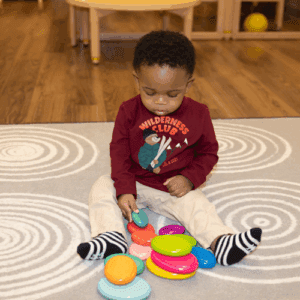
Toddlers are busy bodies, and an early learning program gives them plenty of space to move and develop their physical skills. Activities like running, jumping, and dancing help build gross motor skills, which involve the large muscles in their arms and legs. At the same time, tasks like drawing with crayons, stacking blocks, or working with playdough strengthen their fine motor skills, giving them control over their hands and fingers. Our enrichment programs, including art and movement, provide fun, hands-on ways for your child to build coordination, strength, and confidence in their physical abilities.
More Than Just a School: Benefits for Your Family
Choosing an early learning program is a decision that impacts your entire family. While the primary focus is on your child’s growth and happiness, the right program extends its benefits to you, the parents, as well. It becomes a support system and a community you can rely on. When you find a school that aligns with your values and treats you as a true partner, it lightens the load of parenting. This partnership provides not only a safe and enriching place for your child but also offers peace of mind and expert guidance for you, making the journey of raising a little human feel a lot less lonely.
Peace of Mind for Working Parents
As a working parent, your mind is constantly juggling a dozen different things. Knowing your child is in a place where they are not only safe but also genuinely cared for and happily engaged can make all the difference. This peace of mind allows you to focus on your work without the weight of worry or guilt. A high-quality program provides a secure and nurturing environment where every detail, from health and safety protocols to the warmth of the classroom, is designed to help your child thrive. Consistent communication and updates throughout the day give you a window into their world, so you can feel connected to their experiences even when you’re apart, reducing stress and helping you find a better balance between work and family life.
Access to Professional Guidance and Support
Your child’s teachers are more than just caregivers; they are your partners in parenting. With specialized training in child development, they can offer a professional perspective on your toddler’s progress, celebrating their strengths and identifying areas where they might need a little extra support. Our exceptional educators become a valuable resource, providing expert advice on everything from navigating picky eating to encouraging positive behaviors at home. This collaborative relationship means you have a team of experts to turn to for guidance. This active partnership with parents ensures that we are all working together to support your child’s development, both in the classroom and at home.
Which Toddler Education Approach Is Best for Your Child?
As you explore different early learning programs, you’ll find they often draw from several educational philosophies. Understanding these approaches can help you find a classroom environment where your toddler will feel comfortable and excited to learn. While some programs lean heavily on one style, many, including ours, blend elements from different philosophies to create a rich, well-rounded experience for young children. The key is finding a program that aligns with your family’s values and your child’s unique personality.
The Power of Play-Based Learning
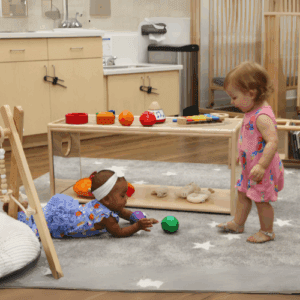
Play is the natural language of toddlers. A play-based learning style uses this instinct for fun to help children grow. Instead of formal lessons, learning happens organically through activities that spark curiosity and imagination. Think of children building towering block structures, engaging in pretend play in a kitchen corner, or exploring different textures at a sensory table. This approach emphasizes exploration and creativity, which are foundational for developing social skills, emotional resilience, and a genuine love for learning. It’s about creating an environment where children can freely discover the world around them at their own pace.
The Reggio Emilia Approach: Following Your Child’s Lead
The Reggio Emilia approach views children as capable and curious individuals with a natural drive to learn. In this style, the curriculum is built around the children’s interests. If a group of toddlers becomes fascinated by shadows, their teachers will facilitate activities and discussions to help them explore that interest more deeply. This child-led discovery allows children to engage in meaningful investigations, which promotes critical thinking and collaboration. At Strong Start, our curriculum is guided by our Reggio Emilia inspiration, empowering children to be active participants in their own education and ensuring they are always engaged with topics that excite them.
The Environment as the “Third Teacher”
In the Reggio Emilia philosophy, the classroom itself is considered a teacher. This means the physical space is thoughtfully designed to be inviting, inspiring, and full of possibilities for discovery. Instead of being just a container for learning, the environment is an active participant. You’ll see this in classrooms with natural light, accessible shelves with interesting materials, and cozy corners for quiet reflection. The layout encourages children to interact and collaborate, while the materials spark questions and invite exploration. Our toddler classrooms are intentionally arranged to provoke curiosity, allowing children to move freely and engage with a space that respects their intelligence and encourages them to learn through their surroundings.
The “Hundred Languages” of Expression
The “Hundred Languages” is a beautiful way of saying that children have countless ways to express their thoughts and feelings beyond just words. A child might communicate an idea by painting, building a sculpture with clay, creating a dance, or arranging loose parts into a pattern. This approach values all forms of expression and provides children with open-ended materials—like fabric, wire, light, and natural objects—that don’t have a single “right” way to be used. This freedom encourages creativity, critical thinking, and problem-solving. Through our enrichment programs, we give children the tools and opportunities to explore these many languages, helping them share their unique perspectives with the world.
Making Learning Visible Through Documentation
If you walk into a Reggio-inspired classroom, you’ll likely see walls covered with photos, children’s artwork, and notes from their conversations. This is called documentation, and it’s a core part of the approach. Teachers carefully observe and record the children’s work and discussions to make their learning process visible. This isn’t about grading or testing; it’s about honoring the child’s journey and understanding how their ideas evolve. This practice allows teachers to plan future projects based on the children’s interests and provides a wonderful way of partnering with parents, giving you a window into your child’s day and the amazing connections they are making.
How Project-Based Learning Sparks Curiosity
Project-based learning takes child-led discovery a step further by turning interests into in-depth investigations. This hands-on approach allows toddlers to explore big ideas and develop problem-solving skills. For example, a simple interest in gardening could blossom into a project where children plant seeds, care for them, and observe their growth over several weeks. The Project Approach helps children make connections between different concepts, like science, art, and teamwork, all while working toward a tangible goal. It’s a powerful way to show toddlers that their ideas have value and that learning can be a rewarding, hands-on adventure.
The Montessori Method: Fostering Independence
The Montessori approach is centered on nurturing a child’s natural desire for independence. In this model, the classroom is a carefully prepared environment filled with specific, hands-on learning materials that children can choose and work with at their own pace. As one expert notes, “Montessori focuses on kids becoming independent, concentrating, and learning self-control in a special, organized classroom.” Teachers act as guides, observing and introducing new activities when a child is ready, rather than leading whole-group lessons. This child-led structure helps toddlers develop deep concentration, self-discipline, and a strong sense of confidence in their own abilities as they master new skills on their own terms.
The Waldorf Approach: Nurturing the Whole Child
The Waldorf philosophy is designed to educate the whole child—their “head, heart, and hands.” The goal is to help children learn *how* to think, not *what* to think. Classrooms often feel like a cozy home, filled with natural materials, soft colors, and a focus on creative, imaginative play. The daily rhythm is predictable and includes practical activities like baking, artistic work like painting, and plenty of storytelling and music. This approach encourages a deep love for learning by connecting academics with hands-on experiences and artistic expression, fostering a child’s sense of wonder and creativity in a warm, nurturing environment.
The HighScope Model: A “Plan-Do-Review” Process
If you’re looking for a more structured, research-backed curriculum, the HighScope model might be a great fit. This approach is built around a consistent daily routine and a unique “plan-do-review” process. Children begin by planning what they want to do, then they carry out their activities in well-organized learning centers, and finally, they reflect on their experiences with a teacher. This cycle empowers children to make their own choices while developing important life skills. As Wonderschool explains, “Kids learn through hands-on activities to build school skills and life skills like talking and solving problems.” This predictable framework helps toddlers build confidence, independence, and strong problem-solving abilities.
Nature-Based Learning: The World as a Classroom
Nature-based learning operates on the simple but powerful idea that the outdoors is the ultimate classroom. In these programs, children spend the majority of their day outside, learning directly from their interactions with the natural world. Teachers facilitate this exploration by setting up learning opportunities in nature, whether it’s counting acorns, observing insects, or building shelters with fallen branches. This hands-on approach helps children develop resilience, physical coordination, and an appreciation for their environment. Many programs are now incorporating elements of nature-based education, recognizing the immense benefits of connecting with nature and giving children the freedom to play and learn in the great outdoors.
The Benefits of a Structured Curriculum
A structured curriculum provides a predictable routine that helps toddlers feel safe and secure. This doesn’t mean the day is rigid or filled with drills; rather, it means there are consistent times for activities, meals, and rest. Within this framework, teachers play an active role in guiding learning experiences. They might introduce specific concepts or skills during circle time or gently steer play to ensure children are meeting developmental milestones. This balance of routine and guided learning helps prepare children for the more formal academic settings they’ll encounter in preschool and beyond, building a strong foundation for future success.
Approach vs. Curriculum: What’s the Difference?
When you’re exploring early learning programs, you’ll often hear the terms “approach” and “curriculum,” and it helps to know how they fit together. Think of the approach as the “why”—it’s the core philosophy that guides how teachers see children and their role in the classroom. For example, our program is built on a Reggio Emilia inspiration, which views children as curious, capable learners who help direct their own education. The curriculum, on the other hand, is the “how.” It’s the framework of activities, routines, and investigations that brings that philosophy to life each day. It’s the roadmap our educators use to blend our core philosophy with other powerful methods, like The Project Approach, creating a consistent and dynamic learning experience that truly follows your child’s lead.
How to Choose the Right Early Learning Program for Your Toddler
Choosing an early learning program is a big decision, and it’s completely normal to feel a little overwhelmed by the options. You’re looking for a place where your toddler will not only be safe and happy but will also be encouraged to explore, learn, and grow. The right environment can make all the difference in these formative years. To help you find the perfect fit for your family, you can focus on a few key areas: the quality of the teachers, the classroom environment, health and safety protocols, the educational philosophy, and how the program communicates with you.
Why Qualified, Caring Teachers Matter Most
The heart of any great toddler program is its educators. You want to find teachers who are not just qualified but also warm, patient, and genuinely passionate about working with young children. Caregivers in high-quality programs understand that toddlers’ brains are growing incredibly fast. They know that each child is unique and that there’s no one-size-fits-all approach to early education. When you tour a center, observe how the teachers interact with the children. Do they get down on their level? Do they respond with kindness and respect? These interactions are the foundation of a nurturing learning environment where your child can build trust and confidence. Look for programs that invest in their staff through ongoing training and support, as this shows a true commitment to exceptional educators.
Why Class Size and Teacher-to-Child Ratios Matter
Imagine a room full of curious, energetic toddlers. Now, picture one teacher trying to meet all their needs. It’s a tough job! That’s why class sizes and teacher-to-child ratios are so important. High-quality early learning environments typically maintain low child-to-teacher ratios, which allows for more individualized attention and support for each child’s development. Smaller group sizes mean teachers can form stronger bonds with each toddler, better understand their individual needs, and create a calmer, more focused learning atmosphere. When you’re exploring options, be sure to ask about the specific ratios in their toddler classrooms and how they compare to state licensing requirements. A lower ratio is almost always a sign of a higher-quality program.
What to Look for in Health and Safety Policies
As a parent, your child’s well-being is your top priority. The right early learning program will keep your child healthy and safe while supporting their learning every day. When you visit a potential school, take a good look around. Does the space look clean and well-maintained? Are toys sanitized regularly? Are the classrooms and playgrounds secure? Ask about their specific policies on everything from illness and allergies to emergency procedures and background checks for staff. A top-tier program will have clear, comprehensive health and safety protocols and should be happy to walk you through them. Feeling confident in a school’s commitment to safety will give you invaluable peace of mind.
Does the Program’s Philosophy Fit Your Family?
Not all early learning programs are created equal, and their educational philosophies can vary quite a bit. Some, like Montessori, offer a more structured, individualized approach, while others are centered around learning through play. At Strong Start, we are inspired by the Reggio Emilia approach, which views children as capable, curious individuals who help guide their own learning. We also use The Project Approach to allow children to do deep, meaningful investigations into topics that fascinate them. Think about what matters most to your family. Do you value creativity, independence, or a structured curriculum? Finding a program whose philosophy aligns with your own parenting style will create a more consistent and supportive experience for your toddler.
Staying Connected: What to Ask About Communication
You and your child’s teachers are a team. Strong, open communication is the key to a successful partnership. A great program will keep you in the loop about your toddler’s day, their developmental milestones, and any challenges they might be facing. Ask potential schools how they facilitate this connection. Do they use an app for daily updates and photos? How often do they hold parent-teacher conferences? Are there opportunities for families to get involved in the school community? When you feel like you are truly partnering with parents, you can work together to provide the best possible support for your child. Your insights are valuable, and a quality program will recognize and welcome your involvement.
A Preschool Readiness Checklist for Parents
As your toddler grows more independent, you might start wondering if they’re ready for the next step: preschool. It’s important to remember that readiness isn’t about a specific age but rather a stage of development. Every child gets there on their own timeline. Instead of focusing on academic benchmarks, think about their social, emotional, and practical skills. Looking at these key areas can help you decide if a more structured learning environment is the right fit for your child and family right now.
Social and Emotional Readiness
One of the biggest shifts in moving to a preschool setting is the social dynamic. Is your child showing interest in playing alongside other children? Can they handle being away from you for short periods without too much distress? In a classroom setting, toddlers get to practice important social skills in a safe and guided environment. They learn how to share toys, take turns, and express their big feelings in healthy ways. These early interactions are the building blocks for friendship and empathy. A quality program will have educators who are skilled at helping children navigate these new social waters, turning moments of conflict into opportunities for learning and growth.
Cognitive Skills to Look For
Preschool readiness isn’t about knowing the alphabet; it’s about curiosity and the ability to communicate. Can your child follow simple, two-step instructions like, “Please get your shoes and bring them to me?” Are they starting to ask “why” questions about the world around them? Through stories, songs, and simple conversations, toddlers are constantly absorbing new words and learning how to communicate their thoughts and needs. This early exposure helps children develop stronger reading and thinking skills down the road. An environment that nurtures this curiosity, like one inspired by Reggio Emilia, will encourage your child to ask questions and explore their interests, laying a strong foundation for a lifetime of learning.
Adaptability and Following Routines
The transition to a more formal school setting is much smoother when a child has a positive early learning experience. Toddlers in our programs learn to follow simple routines, like washing their hands before snack time and helping to clean up their toys. These predictable schedules help them feel secure and independent. You can see signs of this readiness at home if your child thrives on a consistent schedule for meals, naps, and bedtime. This ability to understand and follow a sequence of events helps them feel confident and prepared for the structure of a typical day in preschool, making the transition feel exciting rather than overwhelming.
What Milestones Can You Expect?
When your toddler joins an early learning program, you’ll get to watch them grow in so many exciting ways. While every child develops at their own pace, a quality program provides the right environment and gentle guidance to help them reach key developmental milestones. From their first friendships to newfound independence, you’ll see them build the foundational skills that will support them for years to come.
How Programs Support Growth at Every Stage
Infants (6-12 months): Building Trust and Motor Skills
For the youngest learners, a high-quality program is all about creating a safe, loving space where they can begin to make sense of the world. In our infant classrooms, the focus is on building a strong sense of trust between your baby and their caregivers. This secure bond is the foundation for all future learning. Through gentle routines and responsive care, infants learn that their needs will be met, which gives them the confidence to explore. Activities like sensory play with different textures, listening to stories, and moving to music help babies discover new things and develop curiosity. These simple, joyful experiences are carefully designed to support their rapidly developing brains and bodies, helping them build crucial motor skills as they reach, grasp, and begin to move with purpose.
Toddlers (1-2 years): Gaining Independence
The toddler years are marked by an exciting explosion of independence. Suddenly, your little one wants to do everything “by myself!” A great early learning program channels this powerful drive into productive growth. In a classroom setting, toddlers get to practice their newfound skills in a safe and supportive environment. They learn to feed themselves, try to put on their own shoes, and use their expanding vocabulary to express their wants and needs. Our toddler classrooms are designed to provide these opportunities, with patient teachers who encourage their efforts and celebrate their successes. This is also when they begin to improve their walking and hand skills, and a well-equipped classroom gives them the space to climb, build, and create, turning their boundless energy into valuable learning.
Older Toddlers (2-3 years): Preparing for Preschool Routines
As toddlers approach the age of three, they are ready for a bit more structure and new challenges. This is a crucial time for preparing them for the routines of preschool. Predictable schedules for meals, naps, and activities help older toddlers feel secure and independent, as they know what to expect from their day. In our bridge classrooms, we introduce more collaborative projects and group activities that lay the groundwork for preschool success. Our curriculum, which is inspired by the Reggio Emilia approach, views children as capable and competent learners. By following their interests and encouraging them to solve problems together, we help them develop confidence and a love for learning that will make the transition to a more formal school setting feel exciting and natural.
Watching Their Word Count Grow
One of the most noticeable changes you’ll see is a burst in your toddler’s language skills. Early learning centers create a language-rich environment where children are constantly hearing new words and sounds. Through daily activities like story time, singing songs, and simply talking with their teachers and friends, toddlers absorb an incredible amount of information. Our Toddler Classrooms are designed to encourage this growth, with educators who ask open-ended questions and engage children in meaningful conversations. This consistent exposure helps them move from single words to forming simple sentences, giving them the tools to express their big ideas and feelings.
Taking Turns and Playing Together
Learning to be a good friend is a big job for a toddler. A group care setting is often their first chance to practice important social skills like sharing, taking turns, and cooperating with others. Through guided, play-based activities, children learn how to communicate their needs and understand the feelings of their peers. Our curriculum, which draws Reggio Emilia inspiration, views children as capable individuals who learn through interaction. Teachers gently guide these interactions, helping toddlers work through small conflicts and celebrate shared successes. These early experiences are the building blocks for developing empathy, kindness, and lasting friendships.
“I Can Do It Myself!”: Building Confidence
As toddlers realize how much they can do on their own, their confidence blossoms. Early learning programs support this budding independence by creating predictable routines and offering age-appropriate responsibilities. Simple tasks like washing their hands before snack time, putting their toys away, or carrying their own backpack give them a powerful sense of accomplishment. You can get a feel for what this looks like by learning about your child’s day at our centers. This structure helps them feel secure and capable, encouraging them to try new things and trust in their own abilities, both in the classroom and at home.
Mastering New Physical Skills
Toddlers are constantly on the move, and a quality program gives them plenty of space to develop their physical abilities. Gross motor skills, which involve the large muscles in the arms and legs, are strengthened through running, jumping, and climbing during active play. At the same time, fine motor skills are refined through more focused activities. Tasks like holding a crayon, stacking blocks, or using child-safe scissors help develop the small muscles in their hands and fingers. Our Enrichment Program includes activities that support both, ensuring your child gets a well-rounded experience that builds coordination and physical confidence.
What Does an Early Learning Program Cost?
The cost of child care is a significant consideration for every family. It’s helpful to view it not just as an expense, but as an investment in your child’s future development and your own peace of mind. While tuition can seem daunting, there are many avenues for financial support that can make a high-quality program more accessible. From government assistance to employer benefits, understanding your options is the first step toward finding a program that fits your family’s budget and your child’s needs.
Breaking Down Tuition and Fees
One of the first things you’ll notice when researching early learning programs is that tuition can vary quite a bit. Costs often depend on your location, the type of program, and your child’s age, with infant care typically being the most expensive. When you see the price, it’s important to consider what’s included. Tuition often covers the cost of highly qualified educators, low student-to-teacher ratios, a safe and clean environment, and a well-rounded curriculum. Some programs may also offer a tuition benefit or sibling discounts to help manage the cost for growing families.
How to Access State and Local Assistance
Many states and local communities offer financial assistance to help families afford child care. These subsidy programs are often designed for families with low income who need child care to work, attend school, or look for a job. Eligibility requirements vary, so it’s best to check with your state’s child care agency to see what’s available. Some local initiatives even go a step further by covering the “family fees” that are sometimes required with state subsidies, which can make care much more affordable for those who qualify.
Are You Eligible for Federal Assistance?
The federal government plays a big role in making child care more accessible by providing funding to states through programs like the Child Care and Development Fund (CCDF). States use this money to offer child care financial assistance to eligible families, often in the form of vouchers or certificates. These can be used at a wide range of licensed child care programs, giving you the flexibility to choose the best environment for your toddler. These programs are a key resource for families working to build a stable future.
How Your Job Can Help Pay for Childcare
Don’t forget to check with your employer about any child care benefits they might offer. Some companies have partnerships with local centers that provide a discount to employees. Another great tool is a Dependent Care Flexible Spending Account (FSA), if your employer offers one. An FSA allows you to set aside pre-tax money from your paycheck to pay for child care expenses, which can lead to significant savings. It’s always worth a conversation with your HR department to explore all the benefits available to you.
How to Find a Quality Early Learning Program Near You
Once you’ve decided to find an early learning program for your toddler, the next step is figuring out how to sort through the options. It can feel like a huge task, but you can simplify your search by focusing on a few key indicators of quality. Think of it as a fact-finding mission to find a place where your child will be safe, happy, and inspired to learn.
A great program will feel like a true partner in your child’s development, offering a nurturing environment that aligns with your family’s values. By looking for official accreditations, using local resources, and asking thoughtful questions during your tour, you can confidently find a center that feels like a second home. These steps will help you move past the marketing and get a clear picture of what a program is really like day-to-day, ensuring you find the perfect fit for your little one.
Why Accreditation (Like NAEYC) Matters
One of the most reliable signs of a high-quality program is accreditation from the National Association for the Education of Young Children (NAEYC). This isn’t just a sticker on the door; it’s a rigorous process that shows a center is committed to the highest standards. As experts note, NAEYC accreditation is a hallmark of quality, indicating that a program excels in areas like curriculum, teaching practices, health and safety, and family engagement.
When a school is NAEYC-accredited, you can feel confident that it has a well-rounded, research-based approach. It means they’ve been evaluated by a third party and have proven their dedication to creating the best possible environment for children to thrive.
Where to Find Local Program Reviews and Ratings
Your state likely has resources designed to help parents find quality child care. Many states use a Quality Rating and Improvement System (QRIS), which evaluates and rates early learning programs based on specific standards. For example, some systems award stars to programs based on factors like teacher qualifications and learning environment.
Searching for your state’s QRIS or department of early childhood education online is a great starting point. These resources can provide a list of licensed centers in your area and offer objective information about their quality. This helps you create a shortlist of programs that already meet a certain standard before you even begin scheduling tours.
Your Tour Checklist: What to Ask
A school tour is your chance to get a feel for the environment and see if it matches your expectations. The right program will do more than keep your child safe; it will actively support their learning every single day. When you visit, ask about their approach to learning, how they support each child’s individual development, and how they partner with parents.
Look for a program that values your child’s unique personality and provides responsive care. Don’t hesitate to ask about daily routines, how teachers handle separation anxiety, and what their communication style is like. The answers will give you a clear sense of the school’s philosophy and whether it’s the right community for your family.
The Strong Start Approach to Early Learning
Choosing an early learning program is a big decision, and you want to find a place that feels like a second home for your toddler. At Strong Start, we’ve thoughtfully designed our program to honor this unique and exciting stage of development. We see toddlers not as little kids who need to be managed, but as curious explorers, capable scientists, and creative artists ready to make sense of their world. Our entire approach is built on a deep respect for each child’s individual pace and interests, creating an environment where they can truly flourish.
We combine a nurturing, safe atmosphere with a curriculum that sparks joy and encourages hands-on discovery. It’s a place where your child can build foundational skills for learning and life, all while feeling loved, seen, and supported every single day. We believe that the best learning happens when children are actively engaged, which is why our classrooms are filled with opportunities for movement, creativity, and collaboration. From our dedicated teachers to our strong parent partnerships, every element of our program is designed to give your toddler the best possible start. We’re proud to be NAEYC accredited, a mark of our commitment to the highest standards in early childhood education.
A Curriculum That Follows Your Child’s Curiosity
Toddlers are naturally curious, and we believe in following that curiosity wherever it leads. Our curriculum is inspired by the Reggio Emilia philosophy and the Project Approach, which means learning is driven by your child’s own questions and interests. Instead of rigid lesson plans, our days are filled with hands-on exploration and discovery. If a child shows fascination with how water moves, we might spend days exploring pouring, splashing, and floating. This method helps toddlers become confident, engaged learners who see themselves as capable researchers of their world. Our toddler classrooms are designed to support this kind of deep, meaningful learning.
An Inspiring Environment That Encourages Discovery
We believe the classroom itself is a powerful teacher. Our spaces are intentionally designed to be warm, inviting, and full of possibilities for exploration. You won’t find rows of desks, but rather cozy reading nooks, art stations stocked with interesting materials, and areas for building and imaginative play. This setup allows learning to happen organically, as children move freely and follow their interests. By creating a nurturing and inspiring atmosphere, we give toddlers the confidence to experiment, ask questions, and make their own discoveries. Our enrichment programs further enhance this environment, offering specialized activities in art, STEM, and movement that turn simple curiosity into hands-on learning adventures.
Why We Invest in the Best Educators
The heart of any great program is its teachers, especially for toddlers who are forming some of their first relationships outside the family. We are incredibly proud of our team of exceptional educators, who are not only highly qualified but also deeply passionate about early childhood development. They are experts at creating a warm, nurturing environment where your child feels safe to explore, take risks, and be themselves. Our teachers are skilled observers who understand how to gently guide learning, celebrate small victories, and provide the comfort and encouragement your toddler needs to thrive. They are true partners in your child’s growth.
We’re Your Partner in Your Child’s Education
We know that you are your child’s first and most important teacher. That’s why partnering with parents is a cornerstone of our philosophy. We believe in building a strong, collaborative relationship with every family, because when we work together, your child benefits most. You can expect regular, open communication about your child’s day, their developmental milestones, and all the fun they’re having. We welcome your insights and involvement, creating a true community where families feel connected and supported. Your journey is our journey, and we are honored to be a part of it every step of the way.
Related Articles
Frequently Asked Questions
How do I know if my toddler is ready for an early learning program? This is a question so many parents ask, and there isn’t a single magic answer. Instead of looking for one specific sign, consider your child’s general disposition. If they show curiosity about other children, are beginning to engage in simple pretend play, and can handle short periods of separation from you, they may be ready. It’s also important to remember that readiness is a process, not a switch. A quality program will partner with you to make the transition smooth, helping your child build the confidence they need to feel secure and happy in a new environment.
What does a child-led approach actually look like in a toddler classroom? It’s much more organic than it might sound. A child-led approach means our teachers are expert observers who notice what sparks your toddler’s interest and then build learning experiences around it. For example, if a few children become fascinated by the trucks they see outside the window, their teachers might bring toy trucks into the art area to make tracks with paint, read stories about construction vehicles, and build a giant block ramp for them to roll down. Learning becomes a joyful investigation driven by their natural curiosity, not a set of predetermined lessons.
How do you support toddlers and parents with separation anxiety? Separation anxiety is a completely normal part of development, and we see it as a sign of the strong, healthy attachment you have with your child. Our approach is all about partnership and creating a predictable, comforting routine. We work with you to establish a consistent goodbye ritual, and our teachers are experts at helping your child engage in a favorite activity right after you leave. We also provide updates and photos throughout the day, so you can see for yourself that your child has settled in and is happily playing, which often brings a lot of peace of mind.
What is the main difference between a toddler program and a preschool program? The primary difference is the developmental focus. Our toddler program is centered on exploration, building language, and learning crucial social skills like sharing and taking turns in a group setting. It’s about creating a safe and nurturing space for them to navigate their growing independence. A preschool program builds on that foundation by introducing more complex, long-term projects and activities that prepare children for the structure of kindergarten. The goals become more focused on problem-solving, collaboration, and early literacy and math concepts.
How do you handle challenging behaviors like hitting or biting? When toddlers exhibit challenging behaviors, it’s usually because they are trying to communicate a big feeling they don’t have the words for yet. Our approach is not about punishment; it’s about guidance. We intervene immediately to ensure everyone is safe, and then we focus on teaching. We help the child who was hurt express their feelings, and we give the other child the language to use next time, saying something like, “It looks like you were frustrated. Let’s use our words to ask for a turn.” This helps them build empathy and develop positive ways to solve problems.
Written By
Marc Hoffman
Founder, Strong Start Early Care & Education
Marc founded Strong Start in 2014, inspired by his studies at Williams College, Yeshiva University, and research at Yale University. His child-centered, inquiry-based approach to early education has helped hundreds of families in the Trumbull and Bridgeport communities. As a parent himself, Marc understands the importance of finding a nurturing environment where every child can learn, grow, and flourish.