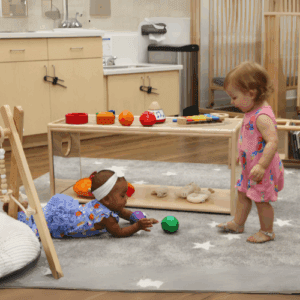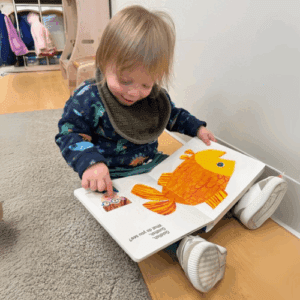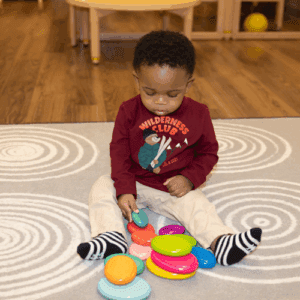
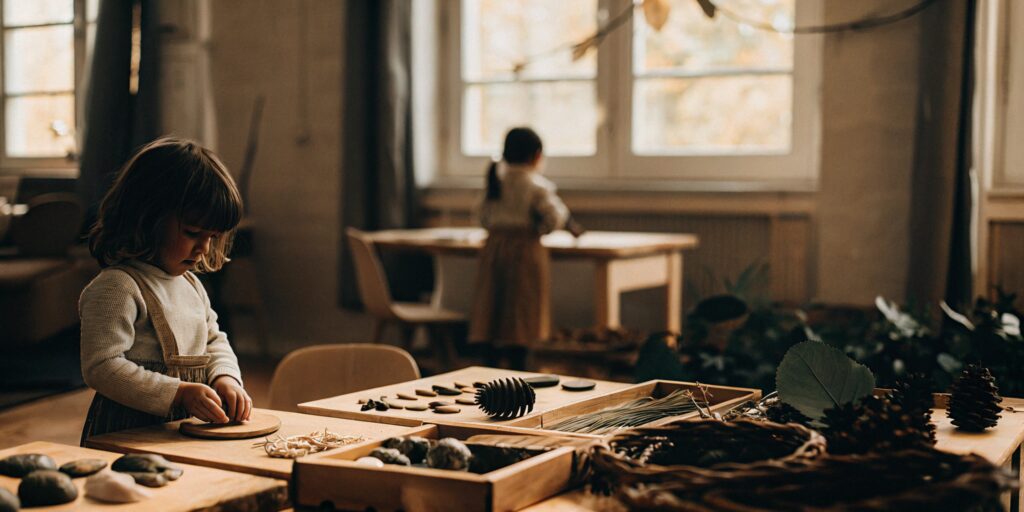
Have you ever watched your child get completely lost in a pile of leaves or spend ages arranging their toys just so? That intense focus is their natural curiosity at work—the very heart of the Reggio Emilia philosophy. This approach honors these powerful moments of discovery, seeing children as capable researchers of their own world. It’s about creating an environment that encourages this exploration. We’ll share practical reggio emilia approach examples and even some simple reggio emilia project examples you can try, helping you turn everyday observations into meaningful discoveries together.
Key Takeaways
- Observe More, Direct Less: Trust your child as a capable and curious individual. Your primary role is to watch what naturally fascinates them and then provide the space and materials for them to explore those interests on their own terms.
- Make Your Home an Invitation to Play: Your environment acts as a “third teacher.” You can support independent learning by making simple, open-ended materials like blocks, art supplies, and natural items accessible, encouraging your child to bring their own ideas to life.
- Celebrate the Process, Not Just the Product: Shift your focus from the final creation to the journey of discovery. Ask open-ended questions about their thinking and display their work to show that you value their ideas, which helps build their confidence as a learner.
What is the Reggio Emilia Approach?
Have you ever watched your child become completely absorbed in stacking blocks or meticulously arranging leaves they found outside? That deep focus and natural curiosity are at the very heart of the Reggio Emilia Approach. Born from the villages of Reggio Emilia, Italy, after World War II, this educational philosophy sees children as strong, capable, and full of wonder. It was developed by a teacher named Loris Malaguzzi, who believed that children have a natural drive to understand their world. Instead of a rigid, pre-planned curriculum, learning is guided by the children’s own interests and questions.
At its core, this approach views your child as the main character in their own learning story. They are active participants who co-create their education. A beautiful concept in this philosophy is the “hundred languages of children.” This means that children express their understanding of the world in countless ways—not just through speaking. Drawing, sculpting with clay, dancing, building, and making music are all seen as powerful forms of communication and thinking. Our role as adults is to listen to and encourage all these languages.
The learning space itself is considered a “third teacher.” It’s more than just a pretty classroom; it’s a place intentionally designed to be inviting, inspiring, and rich with materials that provoke exploration and discovery. This philosophy is a huge part of what we do at Strong Start. Our Reggio Emilia inspiration guides us in honoring each child’s unique way of learning and seeing the world, creating a collaborative community where we are all partners in their education. It’s all about fostering that innate curiosity and empowering children to become confident, creative thinkers.
The Philosophical Roots: Piaget, Vygotsky, and Dewey
The Reggio Emilia approach didn’t just appear out of thin air; it’s built on the shoulders of some of the most respected thinkers in child development. It draws heavily from the work of theorists like Jean Piaget, who saw children as active builders of their own knowledge, and Lev Vygotsky, who highlighted the importance of social relationships in learning. You see these ideas in action when children work together on a project, sharing theories and learning from one another. It’s also inspired by John Dewey, who believed that education must be tied to real-life experiences. This deep way of thinking means that learning isn’t about memorizing facts but about making meaning through hands-on exploration and community connection.
Reggio Emilia vs. Reggio-Inspired Schools
You might hear the terms “Reggio Emilia” and “Reggio-inspired” used, and it’s helpful to know the difference. The term “Reggio Emilia” officially refers only to the original, city-run schools in the Reggio Emilia region of Italy. Because the philosophy is so deeply tied to its specific community and culture, it can’t be perfectly replicated elsewhere. Instead, schools around the world, like Strong Start, are Reggio-inspired. This means we thoughtfully adapt the core principles of the approach—like viewing the child as capable, the environment as a teacher, and the curriculum as emergent—to fit our own unique community of children, families, and educators. It’s a sign of respect for the philosophy’s origins and a commitment to making it meaningful right here at home.
How Strong Start Adapts the Reggio Philosophy
At Strong Start, our Reggio inspiration comes to life in the way we structure our days and design our spaces. We embrace The Project Approach, where learning is driven by the children’s genuine questions. If a group of toddlers becomes fascinated by the shadows on the playground, our educators don’t just give them a quick answer. Instead, they become co-researchers, providing materials like flashlights, sheer fabrics, and drawing tools to help the children investigate their own theories. This approach honors their curiosity and empowers them to see themselves as capable learners. Our classrooms are intentionally designed to be rich with possibilities, inviting children to explore, create, and collaborate as they make sense of the world around them.
How Reggio Emilia Empowers Your Child to Lead
The Reggio Emilia approach is built on a deep respect for children as capable, curious individuals who are full of potential. Instead of following a rigid, pre-planned curriculum, learning is a fluid, collaborative adventure directed by the children themselves. This philosophy sees children as the protagonists of their own education, with teachers and parents acting as supportive guides on their journey of discovery. At its core, this approach trusts that children have a natural drive to understand the world, and our job is to provide the right environment for them to do so.
Learning often takes the shape of long-term projects that spring from the children’s spontaneous interests. If a child finds a unique insect on the playground, that single moment of curiosity could blossom into a group investigation of bugs, involving drawing, building habitats, and reading stories. This is the foundation of The Project Approach, where children’s questions guide the learning path. Teachers listen carefully to children’s conversations and observe their play to identify these emerging interests, then help them explore those topics in meaningful ways.
In a Reggio-inspired classroom, the teacher is more of a co-learner and researcher than a lecturer. They create an environment rich with possibilities and introduce “provocations”—intentionally arranged materials or open-ended questions designed to spark new ideas and challenge thinking. The classroom itself is considered the “third teacher.” It’s a beautiful, orderly, and inspiring space filled with natural light, real tools, and interesting objects that invite exploration. The walls feature documentation of the children’s work, making their learning process visible and valued. This method allows children to guide their own learning projects, making the experience more personal and exciting.
The Teacher as a Researcher and Co-Learner
In a Reggio-inspired setting, you won’t find a teacher standing at the front of the room giving instructions. Instead, our educators act as co-learners, discovering alongside your child. Their role is to observe, listen, and document the children’s interests to understand what truly captivates them. Based on these observations, they introduce “provocations”—thoughtfully arranged materials or open-ended questions designed to spark curiosity and encourage deeper thinking. For example, if a child is fascinated by shadows, a teacher might set up a light table with various objects to explore how shapes and light interact. This collaborative approach respects your child’s ideas and empowers them to take an active role in their own learning, guided by our team of exceptional educators.
The “Atelier”: A Workshop for Creativity
A key feature of the Reggio Emilia philosophy is the “atelier,” which is essentially an art studio or creative workshop within the classroom. This isn’t just a corner for crafts; it’s a dedicated space where children can experiment with a wide variety of materials to express their ideas. The atelier is stocked with everything from clay, paint, and wire to recycled materials and natural objects like leaves and stones. It’s a place where children can explore the “hundred languages” and translate their thoughts and theories into tangible forms. This hands-on exploration is central to our enrichment programs, giving children the tools and freedom to bring their unique visions to life and make their learning visible.
Multi-Age Grouping and Long-Term Relationships
Building a strong, trusting community is fundamental to the Reggio Emilia approach. To foster this, children often stay with the same teacher and group of peers for up to three years. This practice, sometimes called “looping,” allows for deep and meaningful relationships to form, which is why we focus on partnering with parents just as much as we do with children. It creates a stable, secure environment where children feel truly known and understood. This consistency helps build a strong sense of belonging and turns the classroom into a family-like community. It also provides wonderful opportunities for mentorship, as older children naturally guide and support their younger peers, reinforcing their own learning in the process.
Reggio Emilia Approach Examples: Activities for Curious Kids
The Reggio Emilia approach is all about hands-on, experiential learning driven by your child’s own interests. You don’t need a formal classroom to bring this philosophy to life—your home and backyard are full of opportunities for discovery. The key is to observe what your child is drawn to and then provide the tools and space for them to explore those ideas more deeply. These activities are designed to be simple, adaptable, and focused on the process of learning, not just the final product. Think of them as starting points to help you follow your child’s lead and see where their curiosity takes you both.
Make Space for Art and Creative Expression
In the Reggio Emilia philosophy, art isn’t just a separate subject; it’s a language children use to express their thoughts and understanding of the world. Instead of providing coloring books with set instructions, offer a variety of open-ended materials like clay, watercolors, charcoal, and collage scraps. Let your child explore the textures and colors without a specific outcome in mind. You can ask open-ended questions like, “Tell me about what you’re making,” to encourage them to share their thought process. This approach helps children see themselves as capable creators and communicators. At Strong Start, we integrate these ideas into our Exploration Through The Arts program, giving children countless ways to show what they know.
Self-Portrait Invitations
A wonderful way to put this into practice is with a self-portrait invitation. This activity is a beautiful exploration of identity and self-awareness. To set it up, simply place a child-safe mirror on a low table or easel, along with a piece of paper and a variety of art materials. Think beyond crayons—offer clay, charcoal, watercolors, or even loose parts like buttons, yarn, and fabric scraps. The goal isn’t for your child to create a realistic likeness of themselves, but to explore the question, “Who am I?” As they study their reflection and choose materials to represent their hair, eyes, and smile, they are engaging in a deep form of self-expression. This process is a core part of how children build a strong sense of self, something we nurture every day in our preschool classrooms by valuing each child’s unique perspective.
Explore the Wonders of Nature Together
The natural world is one of the best classrooms. A simple walk around the neighborhood can turn into a scientific investigation. Encourage your child to collect interesting leaves, stones, or seed pods. Back at home, you can examine them with a magnifying glass, sort them by color or texture, or try to draw them. This hands-on exploration helps children develop observation skills and a genuine appreciation for their environment. By treating nature as a source of wonder, you’re fostering a lifelong love of learning and discovery. This connection to the outdoors is a powerful way to support a child’s development and curiosity about the world around them.
Long-Term Shadow Projects
If you’ve ever seen your child become fascinated with their own shadow, you’ve witnessed the perfect starting point for a Reggio-inspired project. A simple observation, like noticing how shadows stretch and shrink on the playground, can blossom into a long-term investigation. Instead of a one-time activity, you can follow their lead over several days or weeks. You might start by tracing their shadows with chalk at different times of the day, then bring the exploration inside with flashlights and puppets to create a shadow theater. This is the essence of The Project Approach, where a child’s spontaneous curiosity guides a deep and meaningful learning journey, allowing them to become true researchers of their own questions.
Build Something Amazing Together
Building with open-ended materials encourages creativity, problem-solving, and engineering skills. Swap out single-purpose toys for items like wooden blocks, magnetic tiles, cardboard boxes, and recycled materials. These “loose parts” can become anything your child imagines—a towering castle, a sprawling city, or a cozy den. The beauty of these materials is that there’s no right or wrong way to use them. This freedom allows children to test their ideas, learn from their mistakes, and collaborate with others. This type of imaginative work is a cornerstone of The Project Approach, where children build and create to bring their big ideas to life.
Playdough Bakery Provocation
Set up an inviting “bakery” by arranging homemade or store-bought playdough with a few simple tools like a small rolling pin, some cookie cutters, and a baking sheet. The real magic comes from the “decorations.” Offer small, open-ended items like beads, buttons, dried beans, or small pebbles for “sprinkles” and toppings. This isn’t just about making pretend cookies; it’s an invitation for your child to explore textures, practice fine motor skills, and engage in imaginative storytelling. As they roll, squish, and decorate, they’re also experimenting with early math concepts like counting and sorting. This kind of hands-on, sensory learning is central to our Budding Bakers & Little Cooks enrichment, where children can explore ingredients and express their creativity. Let your child be the head baker—you might be surprised by the imaginative recipes they invent.
Engage Their Senses Through Play
Sensory play is fundamental for brain development, especially for infants and toddlers. It’s how young children learn about the world—by touching, tasting, smelling, seeing, and hearing. You can easily set up a sensory bin at home with materials like water, sand, dry pasta, or playdough. Add scoops, cups, and funnels to encourage pouring, measuring, and mixing. This type of play helps refine motor skills and introduces early math and science concepts in a fun, low-pressure way. It’s a core part of our curriculum in the toddler classrooms, where children are encouraged to get their hands messy as they learn and explore.
“Potions” and Safe Chemical Reactions
Who doesn’t love mixing up a magical potion? This activity taps into that sense of wonder while introducing some basic science. All you need are a few simple household items: baking soda, vinegar, a little dish soap, and some food coloring. Let your child take the lead in measuring and mixing the ingredients in a bowl or jar. They’ll be captivated by the fizzing and foaming that happens when the baking soda and vinegar react. This isn’t just messy fun; it’s a hands-on lesson in cause and effect and chemical reactions. By creating their own “recipes,” they’re practicing early math and science skills in a playful, engaging way. This kind of exploration is a perfect example of how we approach STEM learning, turning natural curiosity into a foundational understanding of the world.
Geode Science Experiments
Watching crystals grow feels like witnessing a little bit of magic, and it’s an experiment you can easily do at home. The process is simple: coat the inside of a clean eggshell with glue and a saturated crystal solution (like one made from borax or sugar and water). Then, you wait and watch. Over a few days, your child can observe the crystals forming and growing. Encourage them to draw what they see each day or compare the sizes of different crystals. This activity is a wonderful introduction to scientific observation and patience. It shows children how to track changes over time and document their findings, which is a key part of how we explore ideas in our long-term projects. It’s a tangible way for them to see a scientific process unfold from beginning to end.
Guide a Child-Led Research Project
One of the most exciting parts of the Reggio Emilia approach is the long-term project. This isn’t a parent-led craft but a deep investigation that stems directly from your child’s interests. If you notice your child is fascinated by bugs, you can start a project about insects. Together, you can read books about bugs, go on a bug hunt in the backyard, and draw pictures of the creatures you find. The project evolves based on the questions your child asks. This method shows children that their ideas are valuable and that learning is an exciting, collaborative adventure. It’s a wonderful way to follow their curiosity and learn right alongside them.
Use Digital Tools as One of the “Hundred Languages”
In a world full of screens, it’s natural to be cautious about technology. But when viewed through the Reggio Emilia lens, digital tools can become just another powerful medium for expression—one of the hundred languages. Instead of passive consumption, think of technology as a tool for active creation and research. A tablet can be a camera for your child to document their block tower from different angles, or a microscope to get a closer look at a leaf they found outside. They can use a simple recording app to capture the sounds of a rainstorm and then use those sounds in a story they create. The focus is always on empowering your child to be the creator, not just the user. This approach transforms technology from a distraction into a dynamic tool for exploring their ideas and sharing their unique perspective on the world.
How to Capture and Celebrate Your Child’s Learning
In the Reggio Emilia philosophy, learning isn’t an invisible process—it’s something to be seen, shared, and celebrated. This is done through what educators call “documentation.” It’s more than just snapping a photo of a finished block tower; it’s about capturing the how and why behind your child’s creations and discoveries. By taking notes, collecting work samples, and taking pictures of the process, we make their thinking visible.
This practice helps children reflect on their own growth and see themselves as capable learners. It also gives us, as parents and educators, incredible insight into their world. When we document their journey, we’re not just creating a scrapbook; we’re honoring their curiosity and showing them that their ideas have value. At Strong Start, our educators are dedicated to this process, creating a rich story of your child’s development that we can all celebrate together. This is a key part of The Project Approach, where children’s work is documented and displayed to honor their learning journey.
Tell Their Story with Photos and Journals
A learning story is exactly what it sounds like: a narrative that tells the story of a child’s learning moment. It often combines photos with short, written observations about what your child said, did, or discovered. For example, instead of just a picture of a mud pie, you might jot down a note about how your child spent ten minutes carefully selecting the perfect leaves and pebbles to decorate it.
These stories and photo journals become a beautiful record of your child’s progress over time. They allow your child to look back on their experiences and talk about what they learned, which builds their confidence and communication skills. Our exceptional educators are skilled at capturing these moments in the classroom to share with families.
Compile a Portfolio of Their Work
A project portfolio is a collection that showcases your child’s work on a specific topic or project. Think of it as a tangible record of their investigation from start to finish. It might include their initial sketches, photos of their process, quotes of their questions and ideas, and the final creation itself. If they were exploring how bridges are built, their portfolio might contain drawings, photos of block structures they tested, and notes about what made them strong or wobbly.
This collection helps children see their own thinking process and recognize how their ideas evolved. It’s a powerful way for them to understand that learning is a journey, not just a destination. Seeing their work gathered in a portfolio gives them a huge sense of accomplishment and pride.
Share Their “Aha!” Moments with Family
Learning becomes so much richer when it’s shared. Bringing these learning stories and portfolios home creates a wonderful opportunity to connect with your child about their day. When you look through their work together, you can ask open-ended questions like, “Tell me about what you were thinking here,” or “What was the most interesting part of this project?” This shows your child that you are genuinely interested in their world.
This collaborative spirit is at the heart of our philosophy. We believe in actively partnering with parents to create a strong support system for every child. Sharing these documented moments strengthens the connection between home and school, creating a consistent and nurturing environment where your child can truly thrive.
How to Make Your Home the “Third Teacher”
In the Reggio Emilia philosophy, the environment is viewed as the “third teacher”—a dynamic space that actively shapes a child’s learning and exploration. Your home is your child’s first world, and with a little intention, you can transform it into a place that nurtures their natural curiosity. This isn’t about creating a picture-perfect playroom or buying expensive toys. It’s about thoughtfully arranging spaces and materials to invite discovery, creativity, and independent thinking.
When your home acts as a teacher, it communicates what is valued. A space filled with accessible books says reading is important. A corner dedicated to art supplies shows that creativity is celebrated. By seeing your home through this lens, you can create an environment that supports your child’s development every single day. Our own Reggio Emilia inspiration guides how we design our classrooms, and you can use the same principles to make your home a powerful partner in your child’s learning journey. The following ideas will help you get started.
Create an Inviting Learning Nook
Creating a learning-rich environment starts with how you arrange your space. Think about making things accessible and inviting from your child’s perspective. A cozy corner with soft pillows, a low basket of books, and good lighting can become a beloved reading nook. Try displaying your child’s artwork at their eye level to show them their work is valued.
Simple organization can also make a huge difference. Using clear bins or low, open shelving for toys and materials allows your child to see their choices, make decisions independently, and learn to put things away. You don’t need a dedicated playroom; even a small corner of the living room can be transformed into an inspiring space for play and discovery, much like our own preschool classrooms are designed to do.
Start with Blank Walls as a Canvas
It might sound counterintuitive, but one of the best ways to create an inspiring space is to start with less. Instead of filling the walls with store-bought posters or decorations, think of them as a blank canvas waiting for your child’s story to unfold. When the walls are reserved for their artwork, photos of their projects, and quotes from their conversations, it sends a powerful message: their ideas are the most important thing in the room. This approach allows the environment to evolve with your child’s interests, creating a living gallery of their learning journey. It honors their work and builds their confidence by making them the primary creator of their own space, which is a core part of how we partner with families to celebrate each child’s unique perspective.
Use Neutral Colors to Highlight Children’s Art
To make your child’s creations the true focal point, consider the color palette of the room. Bright, loud colors and busy patterns can be visually overwhelming and compete for attention. Instead, a background of calm, neutral colors—like soft whites, grays, or earthy tones—allows your child’s vibrant artwork to stand out. This doesn’t mean the room has to be boring; the color comes from their paintings, sculptures, and block towers. A neutral backdrop creates a sense of peace and order, reducing distractions and helping your child focus. It also helps connect the indoor space to the natural world, a key element of our Reggio Emilia inspiration. You can easily achieve this by painting an accent wall or using natural wood furniture and baskets for storage.
Stock Up on Natural, Open-Ended Materials
Swap out single-purpose plastic toys for materials that can be used in endless ways. These are called “open-ended materials,” and they are fantastic for sparking imagination and problem-solving. Think of items like wooden blocks, colorful scarves, clay, and recycled materials like cardboard tubes and boxes. A simple stick can become a magic wand, a bridge for a toy car, or a tool for drawing in the dirt.
Bringing natural elements indoors is another wonderful way to connect your child with the world around them. A basket of pinecones, smooth river stones, seashells, or leaves can become tools for counting, sorting, and creating. These materials engage the senses and encourage a deeper appreciation for nature. This hands-on exploration is a cornerstone of The Project Approach we use to guide deep, meaningful learning.
Incorporate Mirrors and Clear Materials for Light Play
Light is a simple yet powerful material for play, encouraging your child to see their world from a new perspective. A shatterproof mirror placed on the floor offers infants and toddlers a fascinating view, while older children can use it to explore symmetry and reflection with their blocks. Try taping colored cellophane or translucent scarves to a sunny window to watch how light transforms as it passes through. These simple setups turn light itself into a tool for exploration. This kind of play naturally sparks their curiosity about their environment. It’s a beautiful example of how your home can become the “third teacher,” inviting your child to ask questions and make their own amazing discoveries.
Set Up “Provocations” to Spark Curiosity
A “provocation” is simply an invitation to explore. It’s a thoughtfully arranged collection of materials designed to provoke curiosity and encourage your child to ask questions and test their own theories. Instead of telling your child what to do, a provocation gently nudges them toward discovery. It’s a powerful way to encourage child-led learning and show that you trust their ability to direct their own play.
For example, you could set out a mirror with some blocks and small animal figures, inviting them to explore symmetry and reflection. Or, place a collection of leaves and crayons on a table, prompting them to make leaf rubbings. You could even just leave a magnifying glass next to an interesting-looking flower. The goal isn’t a specific outcome, but to spark wonder and let your child’s curiosity lead the way.
Use Open-Ended Questions to Guide Exploration
The questions we ask can either close a conversation or open up a world of possibilities. Instead of asking questions with a simple yes or no answer, try using open-ended questions to guide your child’s exploration. When they’re painting, rather than asking, “Are you painting a sun?” try, “Tell me about the colors you chose.” This small shift invites them to share their thought process and shows you’re interested in their ideas, not just the final product. This approach honors the many ways children express themselves and helps them see themselves as capable creators and communicators, a core belief that guides our Reggio Emilia inspiration.
Co-Create the Classroom Environment with Your Child
Your child’s learning space should feel like it belongs to them. You can foster this sense of ownership by inviting them to help create and organize it. Let them choose where to display their latest artwork or which books to place in their reading nook. When you’re tidying up, ask them where they think their blocks or art supplies should live. By making these decisions together, you’re sending a powerful message: their opinions matter, and this space is a reflection of them. This collaborative approach helps build a strong sense of community and respect, which is a vital part of how we partner with parents to create a supportive environment for every child.
How to Be Your Child’s Learning Partner
In the Reggio Emilia philosophy, parents are not just spectators; you are essential partners in your child’s education. You are, after all, your child’s first and most important teacher. This approach thrives on a strong, collaborative relationship between children, teachers, and families. When you actively participate, you create a seamless learning experience that flows between home and school, reinforcing your child’s curiosity and confidence.
This partnership is built on communication and mutual respect. By sharing your unique insights about your child—their quirks, their passions, their questions—you give educators a more complete picture of the amazing little person they’re guiding each day. At Strong Start, we see this as a core part of our mission, which is why we focus on partnering with parents to create a supportive community for every child. Your involvement, big or small, makes a world of difference in how your child sees themselves as a capable and valued learner.
Participate in Their Projects
One of the most exciting parts of the Reggio Emilia approach is its use of long-term, child-led projects. If your child’s class becomes fascinated with butterflies, their learning might involve creating butterfly art, reading stories about caterpillars, and researching their life cycle. You can become a co-researcher in this adventure. Ask your child’s teacher about the current project and look for ways to contribute. If the class is studying buildings, and you’re an architect or have a passion for construction, you could share photos or simple blueprints. Your involvement shows your child that their interests are important and that learning is a collaborative journey we all take together.
Bring the Community into Your Learning
Learning doesn’t just happen inside the classroom walls; it extends into the world around us. The Reggio Emilia approach values deep connections with the local community, and you are the perfect bridge. Think about your own network and neighborhood. Do you know a local baker, artist, or gardener who might be willing to visit the class or share their skills? You can also enrich your child’s learning by exploring the community together on weekends. A trip to the farmer’s market, a local park, or a fire station can spark new questions and ideas that your child can bring back to school. This helps them see their community as a rich resource for discovery and a place where they belong.
Continue the Conversation at Home
Bringing the spirit of Reggio Emilia into your home doesn’t require a major overhaul. It’s about nurturing the same sense of curiosity and respect for your child’s ideas that they experience at school. You can support their learning by simply sharing your own skills and interests. If you love to cook, invite your child to help you measure ingredients. If you enjoy gardening, give them a small patch of dirt to call their own. Talk with your child about their day and listen closely to the ideas they share. By creating space for their questions and celebrating their discoveries, you reinforce the message that their voice matters and that learning is a joyful part of everyday life.
Follow Genuine Interests, Not Generic Themes
Instead of planning a rigid “dinosaur week,” try observing what genuinely captures your child’s attention. The Reggio Emilia approach encourages us to follow these organic sparks of curiosity. Learning often takes the shape of long-term projects that spring from a child’s spontaneous interests. For example, if your child finds a unique insect on the playground, that single moment of wonder could blossom into a deep investigation of bugs, complete with drawing, building habitats, and reading stories. This is the essence of The Project Approach. By trusting your child to lead, you show them that their ideas are valuable and that learning is an exciting process of discovery, not just a series of pre-planned activities.
Define a Child’s Workspace with a Mat or Tray
A simple but powerful way to bring order and focus to playtime is by defining a workspace. Use a small mat, a placemat, or a tray to create a designated area for an activity. This simple boundary helps your child understand that the materials for their puzzle, playdough, or block creation belong in that space. It not only makes cleanup easier but also teaches respect for their work and materials. This practice helps prevent frustration over jumbled pieces or spilled paint and allows your child to concentrate fully on the task at hand. It’s a technique we use in our toddler classrooms to help children develop focus and independence during their explorations.
Common Reggio Emilia Hurdles (and How to Clear Them)
Adopting Reggio Emilia principles at home is an exciting process, but like any new adventure, it can come with a few questions. It’s completely normal to wonder if you’re “doing it right.” The good news is that this approach is all about flexibility and following your child’s lead, which means there’s plenty of room for learning and adjusting as you go.
Many of the common hurdles you might encounter are the same ones educators face. You might worry about finding the perfect materials, fully grasping the philosophy, or striking that delicate balance between freedom and gentle guidance. The key is to remember that you don’t have to be a certified teacher to create a rich, child-led learning environment. By approaching these challenges with curiosity—just like your child—you can find simple, effective solutions that work for your family. Let’s walk through some of these common sticking points and how to handle them.
What If I Can’t Find the Right Materials?
It’s easy to think you need a classroom full of special supplies, but the Reggio Emilia approach actually encourages the opposite. The focus is on using natural, recycled, and open-ended materials that spark imagination. You don’t need to buy a thing. Instead, think of your home and backyard as a treasure trove. A cardboard box can become a castle, a collection of leaves and twigs can be used for a collage, and old fabric scraps can inspire a puppet show. The goal isn’t to have more materials, but to see the potential in everyday objects. This approach not only saves money but also teaches children creativity and resourcefulness.
What If the Philosophy Feels Overwhelming?
Because Reggio Emilia is a philosophy and not a strict curriculum, it can feel a bit abstract at first. Don’t get bogged down trying to become an expert overnight. At its heart, the philosophy is about respecting your child as a capable and curious individual. Your main role is to listen, observe their interests, and ask thoughtful questions that encourage deeper thinking. Start small by simply paying attention to what your child is drawn to and wondering alongside them. You can trust that our exceptional educators have a deep understanding of the philosophy, creating a seamless experience between school and home.
How Do I Balance Structure and Freedom?
One of the biggest questions parents have is how to balance child-led exploration with the need for structure. A Reggio-inspired environment is not a free-for-all; it’s a carefully prepared space where freedom can flourish safely. The structure comes from the routines you establish and the intentional “provocations” you set up. For example, the structure might be the predictable rhythm of your child’s day, while the freedom is how they choose to engage with the art materials you’ve laid out. It’s about creating a reliable framework that gives your child the confidence to explore, experiment, and direct their own learning.
How Reggio Emilia Compares to Other Philosophies
When you start looking into early childhood education, you’ll quickly come across a few different names, like Montessori and Waldorf. While all of these approaches care deeply about children, they have unique ideas about how kids learn best. Understanding the key differences can help you find the philosophy that feels right for your family. The Reggio Emilia approach is distinct in its view of the child as a collaborator and researcher, which shapes everything from the classroom environment to the teacher’s role. Let’s look at how it stands apart from two other well-known methods.
Reggio Emilia vs. Montessori
The biggest difference between Reggio Emilia and Montessori lies in the structure of learning and the role of social interaction. Montessori classrooms are known for their specific, self-correcting materials designed for children to master skills independently, often following a set order. The focus is on individual concentration and self-directed work. In contrast, the Reggio Emilia approach is built around collaboration. Learning happens through group projects that emerge from the children’s shared interests. While a Montessori child might work alone to master a puzzle, children in a Reggio-inspired classroom might work together for weeks to build a city out of recycled materials, documenting their process along the way. This emphasis on inquiry and teamwork is central to The Project Approach we use at Strong Start.
Reggio Emilia vs. Waldorf
The Waldorf philosophy centers on nurturing a child’s imagination, spirit, and creativity through storytelling, art, and a predictable daily rhythm. The environment is intentionally simple and natural, often limiting exposure to media and formal academics in the early years to protect the magic of childhood. The Reggio Emilia approach also values creativity, but it grounds learning in inquiry and real-world exploration. Instead of focusing on fantasy, it encourages children to investigate their immediate environment, ask questions, and represent their findings through many forms of expression, or “languages.” Our Reggio Emilia inspiration guides us to see children as capable researchers who co-create their education by exploring the world around them, rather than one built purely from imagination.
How You Can Start with Reggio Emilia Today
You don’t need to be a teacher or have a perfectly curated playroom to bring the spirit of Reggio Emilia home. It’s all about shifting your perspective and celebrating your child’s natural curiosity. You can start incorporating these ideas into your daily routine with a few simple, intentional changes.
Start by becoming a careful observer. What does your child gravitate toward? Is it bugs in the garden, the way light makes shadows on the wall, or how mixing colors creates a new one? Paying close attention to their interests is the first step in child-led learning. This simple act of observation is the starting point for The Project Approach, where children take deep dives into topics that genuinely excite them. Instead of planning activities for them, follow their lead and wonder alongside them.
Next, think about your home environment. Can you make their favorite books, art supplies, or building blocks more accessible? Try placing a few interesting, open-ended items—like smooth stones, fabric scraps, or cardboard tubes—in a basket for them to discover. You can also create a cozy corner with pillows for quiet reflection or a clear space on the floor for big, imaginative play. The goal is to create an environment that invites exploration and creativity.
Finally, change the way you talk about their work. Instead of saying “Good job!” ask open-ended questions like, “Tell me about what you made,” or “What was your favorite part of building that?” This shows you’re interested in their process, not just the final product. By documenting their journey with a quick photo or by displaying their creations, you show them their ideas are important. This philosophy, a core part of our Reggio Emilia inspiration, helps your child see themselves as a capable and confident learner.
Related Articles
Frequently Asked Questions
Is the Reggio Emilia approach just unstructured playtime? That’s a great question, and the simple answer is no. While it looks like play, it’s actually a very intentional process. Think of it as freedom within a thoughtful framework. The structure comes from the carefully prepared environment, the materials we offer, and the thoughtful questions we ask to guide discovery. It’s not a free-for-all; it’s a child-led exploration where the learning is deep and personally meaningful because it stems from their own genuine curiosity.
Do I need to buy special toys to bring these ideas home? Absolutely not. In fact, you’ll find that the most effective materials are often things you already have. The philosophy encourages using open-ended items that can be used in countless ways. Think cardboard boxes, old fabric, natural treasures like sticks and stones, and kitchen utensils. These simple objects do more to inspire creativity and problem-solving than most single-purpose toys ever could.
How does this child-led approach prepare my child for the structure of kindergarten? This approach is fantastic preparation for kindergarten and beyond because it focuses on teaching children how to learn. Instead of just memorizing facts, they develop critical skills like problem-solving, collaboration, and creative thinking. They learn to ask questions, test theories, and work with others on complex projects. This builds a deep sense of confidence and a genuine love of learning that makes them adaptable and ready for any new academic environment.
What if my child isn’t interested in the activities or “provocations” I set up? Don’t worry—this is actually part of the process! If your child ignores a provocation, it’s not a failure. It’s simply information. It tells you what they aren’t interested in at that moment. The goal is to follow their lead, so take it as a cue to observe what they choose to do instead. Their spontaneous play is your best guide. Let their actions become the new starting point for your next shared exploration.
How is the Reggio Emilia approach different from Montessori? While both philosophies deeply respect children, their methods differ. Montessori environments often use specific, self-correcting materials designed to teach a particular skill, and children typically work independently. The Reggio Emilia approach, on the other hand, emphasizes collaboration and relationships. Learning happens in small groups through long-term projects, and it uses open-ended materials that encourage creative expression and symbolic thinking in countless ways.
Written By
Marc Hoffman
Founder, Strong Start Early Care & Education
Marc founded Strong Start in 2014, inspired by his studies at Williams College, Yeshiva University, and research at Yale University. His child-centered, inquiry-based approach to early education has helped hundreds of families in the Trumbull and Bridgeport communities. As a parent himself, Marc understands the importance of finding a nurturing environment where every child can learn, grow, and flourish.