
The search for childcare can feel like a monumental task, filled with long checklists and even longer waitlists. It’s easy to get lost in the details, but at its heart, this decision is about finding a second home for your child—a place where they will be loved, nurtured, and understood. You’re not just looking for a service; you’re looking for a community that will support your entire family. Finding high quality childcare means finding a true partner in your parenting journey. This guide is designed to cut through the noise and help you focus on what truly matters, giving you the tools to identify a program that feels right and make your final decision with absolute confidence.
Key Takeaways
- Focus on the People and Philosophy: A program’s quality is defined by its warm, qualified educators and a curriculum that uses play and exploration to spark a genuine love of learning.
- Seek a True Partnership: The best childcare centers act as a support system for your family, prioritizing open communication, providing reliable care, and making you feel like a valued team member.
- Combine Diligent Research with Your Intuition: Make a confident choice by verifying key details like safety policies and accreditation, and then trusting your gut feeling during an in-person tour about the environment and interactions you observe.
What Does High-Quality Childcare Really Mean?
As you begin your search, you’ll see the term “high-quality” everywhere. But what does it actually look like day-to-day? It’s much more than just a safe place for your child to be while you’re at work. High-quality childcare is an environment intentionally designed to help children grow into curious, confident, and kind individuals. It’s a place where learning happens through play, relationships are nurtured, and every child is seen and supported.
Think of it as the difference between babysitting and early education. A high-quality program is built on a thoughtful foundation that includes everything from the teachers’ training to the way they speak with your child. It’s a partnership between educators and families, all working together to give your child the best possible start. If you’re still deciding between options, our guide to daycare vs. preschool breaks down the key differences. Understanding the key components of a truly excellent program will help you spot one when you see it.
The Building Blocks of an Excellent Program
A top-tier childcare program is built on several core pillars that work together. It starts with a safe, healthy, and caring place where children feel secure enough to explore, learn, and make friends. This goes beyond basic safety measures to create a warm, emotionally supportive atmosphere. The heart of any program is its people. Look for exceptional educators who are not only qualified but also genuinely passionate about working with young children.
Great programs also foster strong relationships and use age-appropriate activities to help children grow socially, emotionally, and academically. Finally, a key ingredient is a genuine commitment to partnering with parents. Open communication and family involvement ensure that you and your child’s teachers are working as a team.
Why Accreditation Matters
How can you be sure a program truly meets high standards? This is where accreditation comes in. Think of it as a seal of approval from a respected, third-party organization that has thoroughly vetted the school. To earn accreditation, a program must prove it meets very high standards in all areas, including teacher qualifications, curriculum, health and safety, and family engagement.
One of the most recognized seals of quality is accreditation from the National Association for the Education of Young Children (NAEYC). When a school achieves NAEYC Accreditation, it means they’ve gone above and beyond state licensing requirements to provide an exceptional learning environment. This external validation gives you peace of mind, confirming that a program is truly committed to excellence.
How Quality Care Shapes Your Child’s Future
Choosing a childcare program is one of the first big decisions you’ll make for your child, and it goes far beyond finding a safe place for them to spend their day. The experiences your child has in their first five years are powerful, shaping everything from their brain architecture to their social skills and their attitude toward learning. A high-quality early education program isn’t just about supervision; it’s about intentionally creating a rich, nurturing environment where your child can truly flourish.
Think of it as giving them the strongest possible start. In the right setting, your child will be encouraged to ask questions, explore their own ideas, and build relationships with caring adults and new friends. This is where they begin to see themselves as capable, confident learners. A great program understands that you are your child’s first and most important teacher, which is why they focus on partnering with parents to create a consistent and supportive experience between home and school. This collaborative approach ensures your child feels secure and understood, laying a foundation for success that extends well beyond the classroom walls and into their future.
Fueling Early Brain Development
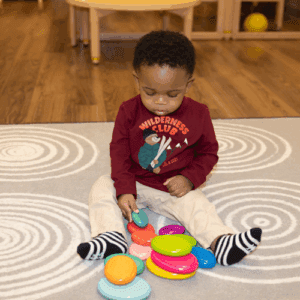
From birth to age five, your child’s brain is developing faster than at any other time in their life. Every new sight, sound, and interaction helps build the neural connections that form the foundation for all future learning. A quality childcare environment is designed to fuel this incredible growth. Instead of just passively entertaining children, it actively engages their natural curiosity. Through hands-on activities and play, children are encouraged to explore, experiment, and solve problems. This kind of inquiry-based learning turns every moment into an opportunity for discovery, helping your child build a complex and resilient brain.
Nurturing Social and Emotional Skills
For many children, an early care program is their first real community outside of their family. It’s where they learn the delicate art of getting along with others—how to share a favorite toy, take turns on the slide, and use their words to express big feelings. These social and emotional skills are just as critical as academic ones. In a high-quality program, caring educators gently guide these interactions, helping children develop empathy, build friendships, and gain confidence. They learn to see themselves as part of a group, laying the groundwork for positive relationships throughout their lives.
Building a Foundation for School and Beyond
All the cognitive and social skills your child develops in a quality program come together to build a solid foundation for kindergarten and beyond. School readiness isn’t just about knowing the ABCs; it’s about being a curious, confident, and resilient learner who isn’t afraid to try new things. The best programs blend structured activities with plenty of child-led play, which is how children learn best. This approach prepares them for the academic challenges ahead while protecting their innate love of learning. By the time they enter their preschool classroom, they have the tools they need to succeed—not just in school, but as lifelong learners.
Your Checklist for Finding a Great Childcare Program
Searching for the right childcare can feel like a monumental task, but it doesn’t have to be. When you know what to look for, you can cut through the noise and focus on what truly matters for your child’s happiness and development. Think of this as your practical guide to identifying a program that not only meets your logistical needs but also feels like a true partner in your parenting journey. A high-quality center is built on a few key pillars: the people who will care for your child, the environment where they’ll spend their days, the philosophy that guides their learning, and the individual attention they’ll receive.
As you visit different centers, this checklist will help you observe and ask questions with confidence. The goal is to find a place where your child will be safe, loved, and inspired to explore the world around them. It’s about finding a community that supports your entire family and gives you peace of mind knowing your little one is in the best possible hands. After all, you’re not just looking for a service; you’re choosing your child’s home away from home, and hearing what other families are saying can often provide invaluable insight.
Passionate and Qualified Teachers
The heart of any great childcare program is its teachers. Look for educators who have a genuine warmth and a clear passion for working with young children. While credentials and experience in early childhood education are essential, the best teachers combine that knowledge with a patient and nurturing spirit. During your tour, watch how they interact with the children. Do they get down on the child’s level to speak with them? Do their faces light up when a toddler shares a new discovery? These small moments reveal so much. Exceptional educators receive ongoing training to stay current on the best ways to support your child’s growth, ensuring they are not just cared for, but truly understood.
A Safe, Warm, and Welcoming Space
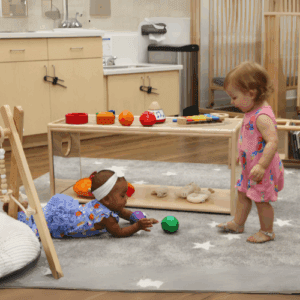
When you walk into a childcare center, it should feel inviting and secure. A top-notch program prioritizes a clean, organized, and child-proofed environment. Check for clear health and safety policies, including procedures for illness, emergencies, and secure drop-off and pick-up. But safety is just the starting point. The space should also feel cheerful and engaging. Look for classrooms filled with natural light, children’s artwork proudly displayed on the walls, and a variety of age-appropriate toys and materials that are easily accessible. A warm, thoughtfully designed space tells you that this is a place where children are respected and encouraged to feel comfortable and confident.
A Playful, Purposeful Curriculum
Young children learn best through hands-on exploration and play. A high-quality curriculum isn’t about flashcards and rigid schedules; it’s about creating intentional experiences that spark curiosity and joy. Ask about the center’s educational philosophy. Does it balance structured activities with plenty of time for free play? A great program, like one inspired by the Reggio Emilia approach, sees children as capable and curious learners. The curriculum should be flexible enough to follow the children’s interests, turning a fascination with bugs into a week-long project on insects or a love of building blocks into an early lesson on engineering. This approach ensures learning is always meaningful and fun.
Small Class Sizes and Attentive Care
Individual attention is crucial for a young child’s emotional and social development. Lower teacher-to-child ratios allow educators to form strong, trusting bonds with each child in their care. This connection helps your little one feel secure, which gives them the confidence to explore, learn, and interact with their peers. When there are fewer children per adult, teachers can be more responsive to individual needs, whether it’s offering a comforting hug, celebrating a new milestone, or gently guiding social interactions. For the youngest children, this attentive care is especially important, which is why dedicated infant classrooms often have the lowest ratios in a center.
Making the Most of Your Childcare Tour
Once you’ve narrowed down your list of potential childcare centers, the tour is your chance to see everything up close. Think of it as an interview where you’re deciding if the school is the right fit for your family. A website can show you beautiful photos, but walking through the halls and peeking into classrooms gives you a genuine feel for the daily environment. This is your opportunity to observe how teachers and children interact, see the curriculum in action, and get a sense of the overall atmosphere. Is it calm and nurturing? Is it vibrant and engaging?
Pay attention to your gut feeling as you walk around. Do you feel welcomed? Can you picture your child thriving here? This is also the perfect time to ask all your questions—the big ones and the small ones. A great program will be happy to answer them and will be transparent about their policies, curriculum, and communication style. Hearing directly from other parents can also be incredibly helpful, so see what families are saying about their experiences. The goal is to leave the tour with a clear picture of what a typical day would look like for your child and feel confident that it’s a place where they will be safe, happy, and supported.
Key Questions to Ask on Your Visit
Having a list of questions ready can help you make the most of your tour and ensure you don’t forget anything important. Beyond basics like tuition and hours, dig a little deeper to understand the center’s philosophy and daily operations. A strong program will emphasize its commitment to partnering with parents and should be able to answer these questions with ease.
Consider asking:
- How do you keep parents informed about their child’s day and progress?
- What qualifications and training do your teachers have?
- Can you describe the daily routine for my child’s age group?
- What is your approach to discipline and guiding children’s behavior?
- How do you handle separation anxiety for new children?
What to Watch For in the Classroom
While the director answers your questions, take a good look around the classrooms. The environment can tell you a lot about the quality of care. Look for children who seem happy, comfortable, and engaged in what they’re doing. A high-quality program provides a mix of structured activities and free play, allowing kids to learn by exploring their interests. You should see teachers who are actively involved with the children—sitting on the floor with them, asking questions, and offering gentle guidance. The classroom itself should be clean, organized, and filled with a variety of age-appropriate toys and materials that invite curiosity. This hands-on, child-led style is a core part of The Project Approach, which helps children become confident learners.
Recognizing Potential Red Flags
Just as important as knowing what to look for is knowing what to watch out for. Trust your instincts—if a center doesn’t feel right, it’s probably not the one for your family. A major red flag is a facility that seems unclean or disorganized. Safety should always be a top priority, so a lack of clear health and safety protocols is a serious concern. Also, observe the staff. Do they seem stressed, unhappy, or disengaged? High staff turnover can be a sign of underlying issues, so don’t be afraid to ask about it. If the director is vague when answering your questions or if the children seem consistently bored or distressed, these are signs that you should continue your search elsewhere.
Putting Health and Safety First
When you leave your child in someone else’s care, you need absolute confidence that they are safe, secure, and healthy. This is the baseline for any quality childcare program, and it’s an area where you should never have to compromise. A truly great program doesn’t just meet the minimum requirements; it builds its entire philosophy around creating a nurturing environment where children’s well-being is the top priority. This means having thoughtful, comprehensive policies for everything from cleaning routines to emergency preparedness.
At Strong Start, we believe that a secure environment is the foundation upon which all learning and development are built. Our commitment to health and safety is woven into every aspect of our day, from the design of our classrooms to the training of our educators. When you’re evaluating a childcare center, pay close attention to the details. Ask direct questions about their policies and observe how they are put into practice. This isn’t about being difficult—it’s about being a diligent parent who is your child’s best advocate. A program that welcomes your questions and is transparent about its procedures is one that takes its responsibility to your family seriously.
Spotting a Clean and Healthy Environment
From the moment you walk in the door, you can get a feel for a center’s commitment to cleanliness. Look beyond a generally tidy appearance and notice the details. Are the toys clean and in good repair? Are the floors, surfaces, and food-prep areas visibly sanitized? Pay special attention to diapering stations and bathrooms. A high-quality center will have clear, consistent hygiene rules, including frequent handwashing for both children and staff. Don’t hesitate to ask about their sick-child policy—a clear plan for preventing the spread of illness shows they are proactive about keeping everyone healthy.
Understanding Safety and Security Policies
A safe environment is about more than just clean floors. It’s about having robust systems in place to protect every child. Look for secure entryways that prevent unauthorized access and a strict check-in and check-out procedure for all children and approved guardians. Ask about the center’s emergency plans for situations like fires or severe weather. It’s also essential that the staff is prepared to handle any immediate health concerns. Every caregiver should have up-to-date training in pediatric first aid and CPR, giving you peace of mind that your child is in capable hands.
Promoting Healthy Habits and Nutrition
Good health is also nurtured through daily routines. A quality program will serve nutritious, balanced meals and snacks that help children grow and learn. Ask to see a sample menu—it should be filled with whole grains, lean proteins, fruits, and vegetables. Mealtimes should be more than just about eating; they are valuable opportunities for children to develop independence, try new foods, and practice social skills. Beyond nutrition, look for a program that incorporates healthy habits into the daily schedule, including plenty of time for active play, outdoor exploration, and adequate rest.
More Than Just Childcare: A Partnership for Working Parents
As a working parent, you’re not just looking for a place to watch your child. You’re looking for a partner—a team of people who will support your family, communicate with you openly, and provide the reliable care you need to manage your career and home life. The best childcare programs understand this. They don’t just offer a service; they build a genuine partnership with parents based on trust and mutual respect.
This relationship is the foundation of a positive childcare experience. When you feel confident that your child is in a loving, safe, and enriching environment, you can focus on your work without a cloud of worry hanging over you. This partnership means having a support system that celebrates your child’s milestones with you, works through challenges alongside you, and understands the unique pressures of being a working parent. It’s about creating a seamless extension of the care and values you provide at home, making the daily juggle feel a lot more manageable.
Open Communication and Daily Updates
Feeling connected to your child while you’re at work is so important. A high-quality childcare center makes this a priority with clear and consistent communication. Look for programs that give you a real window into your child’s day, not just a quick “everything was fine” at pickup. This often comes through a parent communication app where you can see photos, get updates on naps and meals, and read about the activities your child enjoyed. Regular check-ins and detailed progress reports from teachers who are happy to talk with you are also key signs that a center values keeping you in the loop.
Opportunities to Get Involved
Great childcare centers see parents as essential partners in a child’s education and create a welcoming community for families. This doesn’t mean you’re expected to volunteer every week—they understand you have a demanding schedule. Instead, it’s about offering flexible ways to participate and feel included. This could be through family events, parent-teacher conferences that fit your schedule, or a Family Council where you can share feedback. When a program actively invites your involvement, it shows they respect your role and value your input, creating a stronger experience for everyone.
Reliability You Can Count On
For a working parent, consistency is everything. A reliable childcare program provides the stability you need to succeed at your job and maintain a predictable routine for your child. This means having dependable hours of operation, clear policies for holidays or weather-related closures, and low staff turnover. When you know you can count on your childcare, it removes a huge source of stress from your daily life. This dependability is a core part of a center’s commitment to health and safety, ensuring a secure and stable environment where your child—and your family—can thrive.
Common Hurdles in the Childcare Search
Finding the right childcare can feel like a second job. Just when you think you’ve found the perfect place, you might run into a few common challenges that can make the process feel overwhelming. From figuring out the budget to finding an open spot, most parents face the same set of obstacles. The good news is that with a little preparation, you can work through them. Knowing what to expect can help you feel more in control and confident as you find a program that’s a wonderful fit for your child and a true support system for your family. Let’s walk through some of the most common hurdles and how you can approach them.
Managing the Cost of Care
It’s no secret that high-quality childcare is a significant financial investment for families. It’s often one of the largest items in a household budget, right up there with a mortgage or rent payment. The reason childcare costs so much is that providing excellent, attentive care requires a team of dedicated and qualified professionals who deserve to be paid fairly for their incredibly important work. Instead of just looking at the price tag, it helps to think of it as an investment in your child’s future and your own peace of mind. When you’re exploring options, look for schools that are transparent about their costs and ask if your employer offers any kind of tuition benefit to help offset the expense.
Dealing with Waitlists and Limited Spots
You’ve done your research, taken the tours, and found a center you absolutely love—only to find out there’s a long waitlist. This is an incredibly common and frustrating part of the childcare search. In fact, it’s not unusual for families to get on childcare waitlists before they are even pregnant, which shows just how scarce spots can be. While this can be discouraging, it’s often a sign of a high-quality program. Limited spots mean the center is committed to maintaining low teacher-to-child ratios, ensuring every child gets the individual attention they need to thrive. The best advice is to start your search as early as possible to give yourself plenty of options and time.
Finding the Right Fit for Your Family’s Schedule
Beyond cost and availability, there’s the practical challenge of finding a program that works with your life. You need a childcare center that is convenient, with hours that align with your work schedule. But a great fit goes deeper than just logistics. You’re looking for a place that shares your family’s values and feels like a genuine community. This means finding a program where you feel seen, heard, and supported as a parent. The goal is to find more than just a service; you want to find a team that acts as a true partner in your parenting journey, celebrating your child’s milestones right alongside you and providing reliable care you can count on every day.
How to Make Your Final Decision with Confidence
After the tours, the research, and the endless questions, you’ve likely narrowed your list down to a few top contenders. Making that final choice can feel like the biggest decision in the world—and that’s okay. You’ve put in the work to find a place where your child will be safe, happy, and loved. Now, it’s about pulling all that information together and choosing the program that feels right for your entire family. With a clear head and a little organization, you can move forward feeling great about your decision and excited for your child’s next chapter.
Start Your Search Early and Get Organized
The best advice anyone can give you is to begin your search for child care at least six months before you need it. This isn’t about adding stress; it’s about giving yourself the gift of time. An early start allows you to explore all your options without feeling rushed, get on waitlists if needed, and make a choice based on confidence, not panic. To keep everything straight, try creating a simple chart or spreadsheet for your top choices. You can include columns for tuition, hours, teacher-to-child ratios, and your personal notes from each tour. Having all the facts in one place makes it much easier to compare programs and see which one truly aligns with your family’s needs and values.
Trust Your Gut (and the Facts)
You can have a checklist a mile long, but sometimes the best tool you have is your intuition. As you reflect on your visits, think about how each center felt. Did the children seem happy and engaged? Did the teachers get down on the floor to interact with them? A quality program is built on supportive, nurturing relationships and a positive environment. While facts like accreditation and curriculum are essential, your gut feeling about the atmosphere and the people is just as important. If a place looks perfect on paper but something feels off, listen to that instinct. The right choice will be the one that satisfies both your head and your heart.
Prepare for a Smooth Transition
It’s completely normal for children—and parents—to experience some separation anxiety when starting a new program. A great childcare center understands this and will work with you to make the transition as smooth as possible. Don’t hesitate to ask about their process. Do they offer orientation days or a gradual start where your child attends for shorter periods at first? How do they comfort children who are having a tough time? Open communication is key, so look for a school that is committed to partnering with parents from day one. Knowing there’s a supportive plan in place can ease your worries and help your child feel secure as they begin this exciting new adventure.
Related Articles
- When to Start Looking for a Daycare
- A Parent’s Guide to Infant Care Daycare
- child care – Strong Start Early Care and Education
Frequently Asked Questions
What’s the real difference between a standard daycare and a high-quality early education program? Think of it as the difference between supervision and engagement. A standard daycare provides a safe place for your child to be while you work, which is essential. A high-quality early education program does that and so much more. It’s an environment intentionally designed to nurture your child’s curiosity and development. The teachers are trained educators, the activities are based on a thoughtful curriculum, and the entire day is structured to help your child build social, emotional, and cognitive skills through play and exploration.
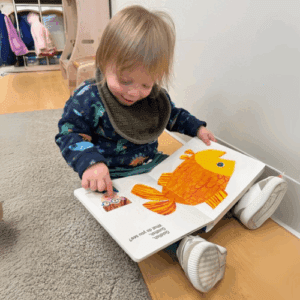
My child is still a baby. How important is a curriculum at that age? It’s incredibly important, but it probably doesn’t look like what you’re picturing. A curriculum for infants isn’t about flashcards or scheduled lessons. It’s about responsive, relationship-based care. A high-quality infant program has a curriculum centered on creating strong bonds, engaging the senses, and responding to each baby’s individual needs and cues. It means teachers who talk, sing, and read to your baby throughout the day, providing a language-rich environment and creating activities that encourage motor skills and sensory exploration, which are the building blocks for all future learning.
How can I tell if the teachers are truly passionate, or just being nice for the tour? This is where your observation skills come in. During your tour, try to look past the initial greeting and watch how the educators interact with the children when they aren’t focused on you. Do they get down on the floor to join in the play? Listen to the tone they use when speaking with the children—is it respectful and engaging? A truly passionate teacher’s face will light up when a child makes a new discovery. You can also ask the director about staff longevity and professional development, as happy, supported teachers tend to stay and grow with a school.
What’s the best way to handle separation anxiety when my child first starts? First, know that separation anxiety is completely normal for both you and your child. A great program will anticipate this and partner with you to create a smooth transition plan. This might involve visiting the classroom together before the first day or starting with shorter days and gradually increasing the time. When you say goodbye, be loving but confident and brief. A long, drawn-out departure can often make things harder. The school’s teachers should be pros at helping your child get engaged in an activity as soon as you leave, and they should be happy to give you a call or send a picture to reassure you that your little one has settled in.
Accreditation seems like a lot of paperwork. Does it actually make a difference in my child’s day-to-day experience? Yes, it makes a huge difference. Think of accreditation, like the one from NAEYC, as a promise that the center is committed to the highest standards in everything they do. This translates directly to your child’s daily life. It means their teachers are more likely to have advanced training in child development, the classroom will have a wider variety of high-quality learning materials, and the health and safety standards are rigorously followed. It’s an external validation that the program isn’t just meeting basic licensing requirements but is actively striving for excellence.
Written By
Marc Hoffman
Founder, Strong Start Early Care & Education
Marc founded Strong Start in 2014, inspired by his studies at Williams College, Yeshiva University, and research at Yale University. His child-centered, inquiry-based approach to early education has helped hundreds of families in the Trumbull and Bridgeport communities. As a parent himself, Marc understands the importance of finding a nurturing environment where every child can learn, grow, and flourish.