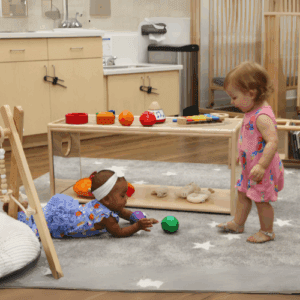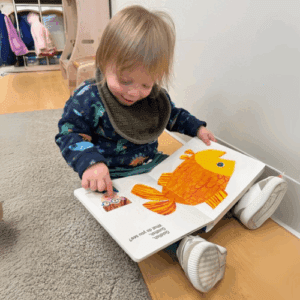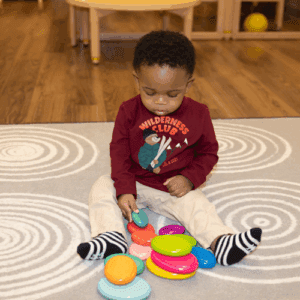
You know learning happens everywhere, but a classroom offers something special: your child’s first community. It’s a unique space where they learn to share, take turns, and solve problems with friends. These are the foundational skills for life, practiced every single day in full-time early learning programs. The extended time with peers and caring educators provides countless opportunities for these interactions. Understanding the benefits of exploring education early shows just how powerful this consistent social practice can be in helping your child build empathy, confidence, and lasting friendships.
Key Takeaways
- A consistent routine is the foundation for learning: The predictability of a full-time schedule helps your child feel safe and secure, freeing them up to explore, build relationships, and absorb new ideas with confidence.
- Daily social practice builds essential life skills: More than just playtime, a full-time program provides a consistent community where children learn to share, solve problems, and understand others—skills they’ll use for life.
- Reliable care creates peace of mind for your family: Knowing your child is in a stable, nurturing environment allows you to focus on your work and be more present at home, creating a better balance for everyone.
What is Full-Time Early Learning?
When you’re exploring care options for your child, you’ll often see terms like “full-time” and “part-time.” While part-time programs can be a great fit for some families, a full-time program offers a unique depth and consistency that can make a significant difference in your child’s development. It’s about creating a stable, predictable, and enriching second home where your child can truly settle in and grow. Let’s look at what a full-time early learning experience really involves and how its structure supports young learners.
What Exactly is a Full-Time Program?
Full-time early learning is much more than just extended childcare. It’s a comprehensive approach that supports your child’s growth in every area: academically, socially, and emotionally. Because children are present for the full day, they benefit from a consistent and immersive learning environment. This consistency allows our exceptional educators to build deep, trusting relationships with each child, understanding their unique personalities and learning styles. The structure of a full day provides ample time for a balanced mix of guided activities and child-led exploration, ensuring your child’s day is paced in a way that is both stimulating and nurturing. This rhythm helps them feel secure and ready to learn.
Full-Time vs. Part-Time: What’s the Difference?
The primary advantage of a full-time program is the consistency it provides. Children who attend full-time often find the transition to kindergarten much smoother because they are already comfortable with classroom routines, teacher expectations, and being part of a group. While part-time programs offer valuable experiences, the extended hours of a full-time schedule allow for deeper dives into learning projects and more opportunities for social interaction. This additional time helps children build the focus and stamina needed for elementary school. High-quality programs use this time to do more than just watch over children; they actively prepare them for future academic and social success in our Preschool classrooms.
Why a Consistent Daily Routine Matters
Children thrive on predictability. A steady daily routine helps them feel safe, secure, and confident. Full-time care provides this structure, which in turn helps children build trust with their teachers and better manage transitions throughout the day. This consistency also supports the development of healthy habits around eating, sleeping, and self-care. At Strong Start, our daily schedule is thoughtfully designed to include a blend of active play, quiet time, group activities, and individual discovery. This reliable rhythm gives children the freedom to relax, engage fully, and focus on what they do best: learning and growing.
The Developmental Benefits of Full-Time Programs
When your child spends their days in a full-time early learning program, they get more than just supervision—they get a consistent, supportive environment designed to help them flourish. This steady routine is a game-changer for young minds. It creates a predictable world where they feel safe to explore, ask questions, and build relationships. Full-time care helps children grow in all the important ways: academically, socially, and emotionally. The consistency gives them the time and space to truly absorb new ideas, practice social skills, and form secure attachments with their teachers and friends.
This immersive experience is about nurturing the whole child. It’s in the small, everyday moments—the shared stories, the collaborative block-building, the gentle guidance through a disagreement—that the biggest growth happens. A full-time program provides countless opportunities for these moments to unfold naturally. With a curriculum that balances structured activities and free play, children learn how to think critically, manage their feelings, and communicate their needs. This consistent support builds a strong foundation not just for school, but for life.
How Early Learning Shapes Brain Development
The first few years of life are a period of incredible brain growth, and a consistent environment plays a huge role in supporting this development. Full-time early learning provides a stable and predictable routine that helps children feel secure, freeing up their mental energy to focus on learning and exploring. When children know what to expect each day, they can confidently engage with new materials and ideas. This consistency allows our exceptional educators to build on concepts day after day, creating deeper and more meaningful learning connections. It’s this steady, nurturing care that helps shape a strong foundation for future academic, social, and emotional success.
Growing Cognitive Skills Through Play and Discovery
Children are natural scientists, and a full-time program gives them ample time to experiment and make discoveries. Through carefully planned activities, teachers spark curiosity and encourage children to think deeply. Our curriculum is inspired by approaches like Reggio Emilia, where learning is driven by the child’s own interests. Whether they’re working on puzzles, listening to stories, or engaging in imaginative play, children are constantly challenged to ask questions and solve problems. Teachers are there to guide them through tasks they can’t quite do alone, helping them build essential cognitive skills like planning, focusing, and critical thinking in a fun, hands-on way.
Learning to Manage Big Feelings
Learning to understand and manage big feelings is one of the most important jobs of early childhood. A full-time program provides a consistent setting where children can practice these skills with gentle guidance. They learn to wait their turn, ask for help when they’re frustrated, and express their needs and feelings with words. Because our teachers have more time with each child, they can provide the steady, patient support needed to help them develop self-regulation and independence. This consistent emotional coaching helps children build confidence and feel secure, knowing they have trusted adults to help them through challenges.
Developing Strong Language and Communication Skills
A classroom full of friends and caring teachers is the perfect place for language to blossom. Full-time programs create a language-rich environment where children are constantly exposed to new words and complex sentences. Daily conversations, story times, and group activities give them endless opportunities to practice speaking and listening. In our preschool classrooms, children learn to share their ideas, listen to others’ perspectives, and use language to solve problems. This daily immersion helps them build a strong vocabulary and develop the communication skills they’ll need to succeed in school and build meaningful relationships.
Promoting Health and Well-being
A healthy child is a happy learner, and a full-time program is designed to support your child’s total well-being. It’s about more than just preventing sniffles; it’s about building a strong foundation for lifelong health. The consistent daily schedule helps establish positive routines around nutritious meals, rest, and active play. At Strong Start, we weave health into every part of the day, from our Fit Kids enrichment program that gets little bodies moving to the healthy habits practiced in the classroom. This supportive environment, combined with the emotional security provided by our caring teachers, helps your child feel confident. Knowing that their physical and emotional needs are met in a setting that prioritizes health and safety allows them to fully embrace learning and discovery.
Learning the Social Skills That Last a Lifetime
Beyond learning letters and numbers, one of the most significant advantages of a full-time early learning environment is the daily practice of social skills. Think of the classroom as a mini-community where your child learns to interact with others, navigate relationships, and understand different perspectives. These aren’t just “soft skills”; they are foundational abilities that will support your child through school and into adulthood. Spending consistent time with peers and caring educators gives children countless opportunities to practice sharing, working together, and solving problems.
At Strong Start, we see social and emotional learning as a cornerstone of our curriculum. Our educators are skilled at guiding children through social situations, helping them build confidence and competence in their interactions. We believe in partnering with parents to reinforce these skills, creating a consistent bridge between school and home. This consistent practice in a supportive setting helps children build a strong social foundation, preparing them for the collaborative world of kindergarten and beyond.
Learning to Make Friends and Build Relationships
For young children, learning to make and keep friends is a complex process. It involves initiating play, taking turns, sharing materials, and communicating ideas. A full-time program provides the perfect setting for these skills to blossom. With more time spent together each day, children get more opportunities to form genuine bonds, move past initial shyness, and learn the give-and-take of friendship. They learn to read social cues, join in games, and invite others to play. Our toddler classrooms, for example, are designed to encourage parallel and interactive play, guided by teachers who help facilitate positive connections.
Practicing Problem-Solving and Conflict Resolution
When you put a group of young children together, disagreements are bound to happen. Two kids might want the same toy, or they might have different ideas for their block tower. These moments aren’t just challenges; they’re critical learning opportunities. In a guided environment, children learn to work together and solve problems peacefully. Instead of a parent stepping in immediately, our educators help children use their words to express their feelings and listen to others’ points of view. This approach, central to our use of The Project Approach, teaches them to negotiate, compromise, and find solutions together, building resilience and essential life skills.
Growing Empathy and Emotional Intelligence
Understanding your own feelings and recognizing them in others is the heart of empathy. A full-time program creates a safe space where children feel supported in expressing their full range of emotions. Our educators help children put names to their feelings—”I see you’re feeling frustrated that the tower fell down”—and model how to respond with kindness. Inspired by the Reggio Emilia philosophy, we view children as capable individuals and respect their emotions. Through stories, conversations, and observing their peers, children learn to understand that others have feelings just like them, which is the first step toward becoming a caring and compassionate friend.
Learning to Work and Play Together
Many of the best learning experiences happen when children work together toward a common goal. Full-day programs provide the time and structure for these collaborative projects to unfold naturally. Whether it’s tending to a classroom plant, creating a large-scale art mural, or participating in a group cooking activity, children learn that their contribution matters to the group’s success. Our enrichment programs are filled with opportunities for teamwork. By sharing ideas, dividing tasks, and celebrating a shared accomplishment, children develop a sense of belonging and learn the joy of collaboration from a very early age.
Getting Your Child Ready for Kindergarten
The transition to kindergarten is a huge milestone for your child and for you. It’s natural to wonder if they’ll be ready for a more structured classroom, new social dynamics, and academic expectations. One of the most significant benefits of a full-time early learning program is how it thoughtfully prepares children for this next big step. It’s not about drills or pushing academics before they’re ready; it’s about creating a gentle, consistent ramp-up to the world of elementary school that builds skills and confidence at the same time.
Children in a full-time setting grow comfortable with the rhythms and routines of a school day. They learn how to be part of a group, listen to their teachers, and focus on activities for growing periods. This familiarity makes starting kindergarten feel less like a scary leap and more like an exciting next chapter. When children feel secure in their environment and know what to expect, they are free to be curious, ask questions, and engage with new ideas. By building a strong foundation of social, emotional, and pre-academic skills, we can help our children walk into their new classrooms feeling capable and excited to learn.
What Does ‘School Ready’ Really Mean?
When a child attends a full-time program, they become deeply familiar with a classroom environment. They already know the routines, what teachers expect, and how to be in a group. This experience makes starting elementary school so much easier. Instead of having to learn social cues and classroom structure at the same time as letters and numbers, they can focus on learning from day one. Our Preschool Classrooms are designed to mirror this structure in a gentle, age-appropriate way, giving children a sense of predictability and security that helps them thrive when they move on to kindergarten.
First Steps in Reading and Math
Full-time programs do more than just care for children; they intentionally weave learning into every part of the day. Early literacy and numeracy skills aren’t taught through worksheets but through joyful, hands-on experiences. Daily routines naturally help children learn early reading concepts through alphabet songs and build math skills with counting games during snack time. At Strong Start, our curriculum is inspired by the Project Approach, where children’s interests guide their learning. If they’re curious about bugs, we’ll count caterpillar legs and read stories about spiders, making learning feel like play.
Building Independence and Self-Confidence
So much of being ready for school is about feeling capable and secure. In a full-time setting, children have countless opportunities to practice managing their feelings, following directions, and becoming more independent. They learn essential life skills like how to wait their turn for the slide, ask a teacher for help when they’re feeling frustrated, and express their ideas to a friend. Our exceptional educators are experts at guiding this growth, helping each child build the self-confidence they need to handle new situations and see themselves as capable learners.
Key Developmental Milestones to Watch For
As your child grows, they’ll reach key skills known as developmental milestones—things like taking a first step, waving “bye-bye,” or pointing to show you something interesting. While every child develops at their own unique pace, these milestones can be a helpful guide. In a full-time program, educators are skilled at observing children’s development and can partner with parents to support their child’s journey. If you’re curious about what to expect, the CDC offers a great overview of developmental milestones by age, giving you a clearer picture of your child’s amazing progress.
Lasting Academic and Life Success
Choosing a full-time early learning program is an investment in your child’s future that pays dividends for years to come. The skills and confidence they build in these early years don’t just disappear when they head off to kindergarten; they create a powerful ripple effect that influences their entire academic journey and even their success as adults. High-quality programs are designed to do more than prepare children for the next classroom—they equip them with the cognitive, social, and emotional tools they need for a lifetime of learning and well-being. This foundation helps shape not only their school performance but also their future health, career, and ability to contribute to their community.
Stronger Performance in Later Schooling
The positive impact of early education is clearly visible as children progress through elementary, middle, and even high school. Children who attend high-quality programs often enter kindergarten with stronger pre-academic skills and a genuine love for learning, giving them a confident start. This early momentum frequently translates into better academic performance and a more positive attitude toward school in the long run. It’s not just about knowing the ABCs; it’s about developing curiosity, persistence, and the social skills to work well with others. These foundational abilities help children feel more comfortable and capable in a school setting, setting them up for continued success.
Better Grades and Attendance
Research consistently shows that a strong start in early education leads to better outcomes later on. Children who attend preschool often have an easier time with reading, writing, and math when they begin elementary school, which helps them feel successful from the very beginning. This positive trajectory continues for years. In fact, one study found that students who attended state-funded preschools were less likely to be chronically absent in high school. This shows that early learning doesn’t just build academic skills; it fosters a lasting positive connection to school, encouraging children to show up ready and eager to engage for years to come.
Higher Engagement in High School
What’s truly fascinating is that even when early boosts in test scores seem to level out by high school, the deeper benefits of early education remain. Students who attended preschool often show better “engagement” in their later school years. This means they are more likely to be attentive in class, participate in activities, and have a positive outlook on their education. This sustained engagement is incredibly important because it reflects a child’s intrinsic motivation and love of learning—qualities that are far more predictive of long-term success than any single test score. It’s a testament to how early experiences shape a child’s entire disposition toward learning.
Long-Term Societal and Economic Advantages
The benefits of high-quality early learning extend far beyond the individual child and their report card. When we invest in our youngest learners, we are also investing in the future health and prosperity of our entire community. Children who receive a strong educational foundation are more likely to grow into productive, healthy, and engaged adults. This creates a positive cycle that strengthens families, communities, and the economy for generations. It’s a powerful reminder that the care and education we provide today are building the world we want to live in tomorrow.
Improved Adult Health and Career Outcomes
The path to a successful and fulfilling adult life can begin in an early learning classroom. Studies show a clear link between high-quality early care and positive long-term life outcomes. Children who attend these programs often go on to achieve more education, secure better jobs, and earn higher incomes as adults. Furthermore, the benefits aren’t just economic; they also include better long-term health and reduced involvement in crime. By providing a nurturing and stimulating environment during the most critical period of brain development, we help children build the foundation for a stable and prosperous future.
Building a Stronger Community
Quality early education is one of the most effective tools we have for creating a more equitable society. It gives every child, regardless of their family’s background or income, a fair chance to reach their full potential. By closing achievement gaps before they have a chance to widen, we build a stronger, more inclusive community for everyone. At Strong Start, we are proud to be part of this effort, creating a welcoming environment where every child is seen, valued, and given the tools to succeed. This commitment to quality, reflected in our NAEYC accreditation, helps ensure all children get the strong start they deserve.
An Equitable Foundation for All Children
Ultimately, the goal of high-quality early education is to provide every child with a strong and equitable foundation for life. It’s about nurturing the whole child—their mind, their heart, and their spirit. In a supportive classroom community, children develop the essential skills they need to thrive in school and beyond, from early literacy and math concepts to self-regulation and the ability to form healthy relationships. This comprehensive approach ensures that children don’t just learn facts; they learn how to think, how to solve problems, and how to be kind and compassionate members of a community. This is the foundation upon which all future learning is built.
What to Look For in a Quality Full-Time Program
Once you’ve decided that a full-time program is the right fit for your family, the next step is finding one that feels like a second home. The best early learning centers do more than just care for your child; they partner with you to create a foundation for a lifetime of curiosity and confidence. Knowing what to look for can help you identify a truly exceptional program where your child will thrive.
It’s about finding a place with a clear educational philosophy, passionate teachers, and a deep commitment to creating a safe and joyful environment. Look for a program that values open communication and sees you as an essential part of your child’s educational journey. When these key elements come together, you can feel confident that your child is not just being watched over, but is truly seen, understood, and nurtured.
Finding a Curriculum That Nurtures Curiosity
A quality curriculum is less about rigid lesson plans and more about creating meaningful learning experiences. Look for a program that is child-led and play-based, where learning happens organically through exploration and discovery. The environment itself should act as a teacher, filled with interesting materials that invite children to ask questions and solve problems. Great programs, like those inspired by Reggio Emilia, see children as capable and curious. Instead of formal tests, educators facilitate authentic assessment by observing children during their daily routines and play. This allows them to understand each child’s unique strengths and interests, tailoring activities to support their individual growth.
Why Great Teachers Make All the Difference
The heart of any early learning program is its teachers. While qualifications are important, the true measure of an exceptional educator is their warmth, patience, and genuine passion for working with young children. These are the people who will be celebrating your child’s milestones and comforting them on tough days. Intentional teachers use careful observation to understand what makes each child tick. They use these insights to set up engaging activities, guide social interactions, and keep you informed about your child’s progress. When you tour a center, pay attention to how the educators interact with the children. You want to see respectful, engaging, and joyful connections.
The Importance of Ongoing Professional Development
A great teacher’s education doesn’t end with a degree. The best educators are lifelong learners, always seeking new ways to understand and support young children. This commitment to ongoing professional development is a key sign of a high-quality program. In fact, research from the Administration for Children and Families shows that children benefit most when their teachers receive continuous training. When educators are engaged in their own learning, they bring that excitement and deeper understanding right back into the classroom. This means they are better equipped to create a warm, nurturing environment and design activities that truly spark your child’s curiosity. It’s why we believe that investing in our exceptional educators is one of the most important ways we invest in your child’s future.
What a Safe and Inspiring Classroom Looks Like
A great program prioritizes both physical and emotional safety. The space should be clean, secure, and designed with young children in mind. But beyond that, the atmosphere should feel warm and welcoming. This is a place where your child should feel safe enough to be themselves, try new things, and even make mistakes without fear. This sense of security is what allows them to explore and learn with confidence. When children are in a nurturing environment, it has a positive ripple effect on the entire family. Knowing your child is safe and happy allows you to focus on your own work and well-being, as high-quality early learning programs are proven to support parents, too.
How the Best Programs Partner with Parents
You are your child’s first and most important teacher. A high-quality program will recognize and honor that. Look for a center that views you as a partner and prioritizes open, two-way communication. This means more than just a quick update at pickup. It includes regular, meaningful conversations about your child’s development, access to daily reports or photos, and opportunities to be involved in the school community. The best programs understand that families must be respected and supported as the primary influence in a child’s life. This collaborative relationship ensures that what’s happening at school and at home is aligned, creating a consistent and supportive world for your child.
How to Know if Your Child’s Needs Are Being Met
Wondering how you’ll know if the program is truly working for your child? A quality center will be able to show you. They should have a thoughtful system for tracking your child’s progress that goes beyond checklists. The assessment of young children’s progress should be an ongoing and purposeful part of their practice. Ask to see how they document learning. This might be through portfolios with photos, written anecdotes of developmental leaps, and samples of your child’s work. These observations provide a rich, detailed picture of your child’s growth—not just academically, but socially and emotionally, too. This transparency gives you a clear window into your child’s day and confidence that their individual needs are being seen and met.
How Full-Time Care Helps Working Families
Choosing an early learning program is one of the most significant decisions you’ll make for your child and your family. For working parents, the benefits of a full-time program extend far beyond simple childcare. It’s about creating a supportive ecosystem where your child, your career, and your family life can all flourish. A high-quality, full-day program provides the consistency children need to feel secure and the reliability parents need to feel confident, creating a positive impact that lasts a lifetime.
The Peace of Mind of Reliable Childcare
Juggling work responsibilities and family life is a constant balancing act. Full-time early learning provides a steady, reliable routine you can count on, which can dramatically reduce daily stress. Knowing your child is in a safe and engaging environment allows you to focus on your work without the constant worry of last-minute childcare arrangements. This consistency isn’t just for your peace of mind; it creates a more stable and predictable world for your child, too. When you can trust that your child is receiving exceptional care in a place that prioritizes their health and safety, it frees up mental and emotional energy, allowing you to be more present both at work and at home.
Finding a Better Work-Life Balance
A better work-life balance feels more achievable when you have a dependable partner in your child’s care and education. With your child thriving in a nurturing full-time program, you can dedicate focused time and energy to your career, knowing they are learning, playing, and growing. This isn’t about separating your life into boxes; it’s about integrating them more smoothly. High-quality early education supports your child’s development while empowering you to pursue your professional goals. This partnership allows you to build a fulfilling career and then fully engage with your family at the end of the day, creating a healthier, more sustainable rhythm for everyone.
How to Support Your Child’s Learning at Home
A great full-time program acts as a bridge between school and home, keeping you connected to your child’s world. Through daily updates, photos, and conversations with educators, you gain valuable insights into what sparks your child’s curiosity and how they are developing. This open communication helps you understand your child’s day and gives you ideas for how to effectively support their learning at home. You can build on the themes they explore in their classroom, ask specific questions about their projects, and celebrate their newest discoveries. This collaborative approach makes you an active participant in their education and strengthens the skills they’re building every day.
Model Curiosity and Ask Open-Ended Questions
One of the best ways to nurture your child’s curiosity is to model it yourself. Children are always watching us, and when they see you express wonder about the world, they learn to do the same. Encouraging curiosity early helps children develop a love for learning that lasts a lifetime. You can do this in simple ways, like wondering aloud, “I wonder why the moon looks like a crescent tonight?” or pointing out an interesting pattern on a leaf. Instead of asking yes-or-no questions, try open-ended ones like, “What do you think would happen if…?” or “Tell me about what you built.” This invites them to think more deeply and share their unique perspective, building the same spirit of inquiry we foster in our Reggio Emilia-inspired classrooms.
Create a Home Environment for Discovery
You don’t need a house full of expensive toys to create a space that encourages discovery. When children follow their curiosity, they build important brain connections for learning and behavior. You can support this by creating a “yes” space where they are free to explore safely. This could be a low shelf with a rotating collection of interesting objects—like pinecones, smooth stones, and fabric scraps—or a cozy corner with crayons and paper. The goal is to give them easy access to materials that spark their imagination. By providing simple, open-ended tools for play, you empower them to become creative thinkers and problem-solvers, much like they do every day in our Preschool classrooms.
Embrace Mistakes as Learning Opportunities
It’s natural to want to shield our children from failure, but mistakes are one of the most powerful tools for learning. When you show them that making mistakes is a normal part of the process, you help them build resilience and a growth mindset. If their block tower tumbles, you can say, “That’s okay! What should we try differently this time to make it stronger?” It’s also helpful to share your own mistakes and what you learned from them, whether it’s burning the toast or taking a wrong turn. This teaches them that challenges aren’t dead ends but opportunities to learn something new. This approach is a key part of how we partner with parents to create a consistent, supportive environment for every child.
The Lasting Benefits for Your Whole Family
Investing in full-time early childhood education is an investment in your entire family’s future. The skills your child develops—from problem-solving and collaboration to emotional regulation—set them up for success in school and in life. Children who receive quality early education are more likely to excel academically and socially, which opens doors to greater opportunities down the road. This strong foundation creates a positive ripple effect, contributing to a more stable and successful future for your child and a more harmonious life for your family. Choosing a program with NAEYC accreditation ensures you’re giving them a start that is recognized for its commitment to the highest standards of excellence.
Related Articles
- The Benefits Of Early Childhood Education Reach Beyond Your Child
- 7 Key Benefits of Full Day Preschool for Your Child
Frequently Asked Questions
Will a full-day schedule be too long or overwhelming for my young child? This is a common concern, but you might be surprised by how well children adapt to a structured, full-day routine. Quality programs are designed with a natural rhythm that balances active play with quiet time, group activities, and rest. This predictability helps children feel secure and confident because they know what’s coming next. Instead of feeling overwhelmed, the consistency of a full day gives them the time and space to truly settle in, form strong bonds with their teachers and friends, and explore learning at their own pace.
How is a full-time program different from a part-time preschool? While part-time programs are a great option for many, the main advantage of a full-time schedule is the depth and consistency it offers. With more time together, children can engage in longer, more complex projects and build deeper, more meaningful friendships. This extended time also allows educators to get to know each child’s unique personality and learning style, providing more individualized support. The daily practice with classroom routines and social interactions gives children a significant head start in building the stamina and skills needed for a smooth transition to kindergarten.
I’m worried I’ll miss out on important moments. How can I stay connected to my child’s day? A great program will see you as a partner and make communication a top priority. You shouldn’t feel disconnected from your child’s experiences. Look for centers that offer daily updates, photos, and open channels for conversation with your child’s teachers. This regular, meaningful communication gives you a window into their world, so you can see the new skills they’re mastering and the friendships they’re building. It helps you stay involved and allows you to continue the learning and conversations at home.
How does a full-time program specifically prepare my child for elementary school? School readiness is about so much more than knowing letters and numbers. A full-time program helps children build the essential social and emotional skills they need to thrive in a kindergarten classroom. They get daily practice listening to teachers, following multi-step directions, solving problems with friends, and managing their own needs. By the time they start school, they are already comfortable with classroom routines and expectations, which frees them up to focus on academics from day one.
What if my child is shy? How does a full-time setting help them build friendships? A consistent, full-time environment can be especially beneficial for children who are more reserved. It gives them the time they need to observe, warm up, and build trust at their own pace. With the same group of peers each day, friendships can form more naturally. Skilled educators are experts at facilitating social connections, gently encouraging children to join in play and helping them learn how to start conversations and share ideas. This supportive setting provides a safe space for them to practice social skills and build the confidence to form lasting bonds.
Written By
Marc Hoffman
Founder, Strong Start Early Care & Education
Marc founded Strong Start in 2014, inspired by his studies at Williams College, Yeshiva University, and research at Yale University. His child-centered, inquiry-based approach to early education has helped hundreds of families in the Trumbull and Bridgeport communities. As a parent himself, Marc understands the importance of finding a nurturing environment where every child can learn, grow, and flourish.