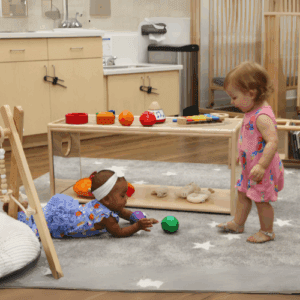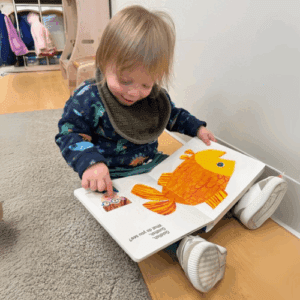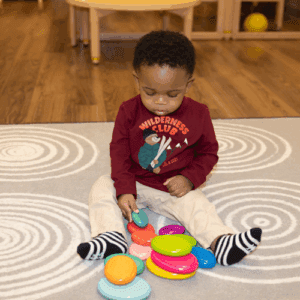
What does kindergarten readiness look like for a child who’s always on the move? It’s not just about sitting still; it’s about channeling that boundless energy into curiosity, confidence, and connecting with others. The best daycare for active children understands this. It uses a curriculum that sees their energy not as a challenge, but as a strength. By integrating movement and hands-on play, these programs help energetic kids build focus and develop the foundational skills they need to walk into that new classroom feeling capable, creative, and excited to learn. Skills like potty training and self-care routines are key parts of kindergarten readiness.
Key Takeaways
- Look beyond academics for true readiness: Kindergarten success is built on social skills, emotional confidence, and independence just as much as on knowing letters and numbers. A great program nurtures the whole child through curiosity and play.
- Prioritize the people and the philosophy: The best indicator of a quality program is its core values, which you can see in its educational approach, the warmth of its teachers, and its commitment to partnering with you.
- Extend learning and independence at home: You are your child’s first and most important teacher. Support their journey to kindergarten by encouraging simple self-help skills, making reading a fun daily habit, and creating opportunities for social play.
Is Your Daycare Preparing Your Child for Kindergarten?
When you’re looking for a daycare, it’s easy to focus on the basics like location and hours. But finding a program that truly prepares your child for kindergarten involves looking a little deeper. Kindergarten readiness isn’t just about knowing letters and numbers; it’s about developing the whole child. A great daycare nurtures curiosity, builds social skills, and fosters a genuine love of learning that will set your child up for success long after they leave the classroom. It’s about creating an environment where children feel safe, seen, and excited to explore the world around them.
More Than Just ABCs: A Strong Academic Start
A strong academic start doesn’t come from flashcards and drills. Instead, high-quality programs use play-based learning to introduce early math and literacy concepts. This approach helps children develop a love for learning and the critical thinking skills needed for kindergarten. You’ll see this in action when children are counting blocks as they build a tower, listening to a story with rapt attention, or experimenting with paint to see how colors mix. These joyful, hands-on activities are the building blocks of academic readiness. Through methods like The Project Approach, children learn to ask questions, investigate answers, and solve problems, which are essential skills for the kindergarten classroom and beyond.
Teaching Kids to Be Kind and Confident
Kindergarten is a big social step. A great daycare gives children a safe space to practice the social and emotional skills they’ll need to thrive. Children who attend an early education program often become more social and self-assured by the time they start kindergarten because they get daily practice with sharing, taking turns, and following rules in a group setting. They learn how to express their feelings with words, listen to their friends’ ideas, and work together to solve small conflicts. This daily interaction, guided by caring teachers, helps children build empathy, confidence, and the ability to be a good friend, which are just as important as any academic skill.
Why Great Teachers Make All the Difference
The heart of any great daycare is its teachers. While a degree in early childhood education is a big bonus, what truly matters is having educators who are passionate, patient, and dedicated to understanding each child as an individual. These are the teachers who get down on the floor to play, who know just what to say to soothe a child, and who celebrate every small achievement. Having exceptional educators on staff provides reassurance about the quality of care your child will receive. They create a warm, nurturing atmosphere where children feel secure enough to take risks, ask questions, and be themselves.
How You’ll Know Your Child is on Track
Understanding your child’s development is a key part of preparing them for kindergarten. A great daycare doesn’t just care for your child; it actively observes their growth and keeps you in the loop. This isn’t about formal tests or grades. It’s about thoughtful observation and developmental screenings that help teachers understand your child’s unique strengths and identify areas where they might need a little extra support. Clear, consistent communication between teachers and families is essential. Through daily updates, photos, and regular conferences, you can create a strong partnership with your child’s teachers to ensure everyone is working together to support your child’s journey toward kindergarten.
Exploring Different Types of Childcare
Once you start looking, you’ll find that childcare isn’t a one-size-fits-all solution. Understanding the differences between daycare and preschool can help you navigate your options. The best environment for your child depends on your family’s needs, your budget, and your little one’s unique personality. The good news is that there are many wonderful options out there, each with its own distinct feel and philosophy. The main choices generally fall into three categories: licensed childcare centers, smaller home-based daycares, and individual in-home care, like a nanny. Understanding the differences between them is the first step toward finding a place where your child will not only be safe and happy but will also build the foundational skills needed to walk into kindergarten with confidence and excitement.
Think of this as a matching process. A bustling, social child might thrive in a larger center with lots of friends and structured activities, while a quieter child might feel more comfortable in a smaller, more intimate home-based setting. As you explore these options, consider what kind of atmosphere will best support your child’s growth. Look for a program whose values align with your own and whose approach to learning sparks your interest. The goal is to find a partner in your child’s early education—a place that feels like an extension of the loving, supportive environment you’ve created at home.
Licensed Childcare Centers vs. Home-Based Daycare
Licensed childcare centers are what most people picture when they think of daycare. These are typically larger, purpose-built facilities with classrooms organized by age group. They are state-licensed and often follow a structured curriculum designed to support key developmental milestones. One of the biggest advantages of a center-based program is the built-in social environment; your child will have daily opportunities to interact with peers, learn to share, and practice problem-solving in a group setting. These centers often have more resources and staff, and many pursue a higher standard of quality by earning NAEYC accreditation, which provides an extra layer of assurance for parents.
Home-based daycares offer a different kind of experience, operating out of the provider’s own home. These programs are usually much smaller, with mixed-age groups that can feel more like a family. The atmosphere is often more relaxed and intimate, which can be a wonderful fit for very young children or those who might feel overwhelmed in a larger setting. Because the group is small, your child may form a very close bond with their caregiver. Licensing requirements for home-based daycares vary by state, so it’s important to do your research and ensure the provider meets all local health and safety standards.
Comparing Daycare with Other Options
While center-based and home-based daycares are popular choices, they aren’t the only ones. Some families find that other arrangements, such as hiring a nanny or enrolling in a program with a specific educational focus, are a better fit for their lifestyle and goals. These alternatives offer different benefits, from the convenience of in-home care to a curriculum built around a particular philosophy. Exploring these options can help you clarify what you value most in an early learning environment and ensure you make a choice that feels right for your entire family.
Nanny Care
Hiring a nanny provides dedicated, one-on-one care in the comfort of your own home. This can be an incredibly convenient option, eliminating the daily drop-off and pick-up routine and offering more flexibility to accommodate your family’s schedule. For some children, the consistency of having a single caregiver in a familiar environment is very comforting. However, this personalized care comes at a higher price, often making it the most expensive childcare option. It also means your child will have fewer built-in opportunities for socialization with other children, and you’ll take on the responsibilities of being an employer, including managing payroll and taxes.
Specialized Programs
Many childcare centers and preschools are built around a specific educational philosophy. You might find programs based on the Montessori method, which emphasizes self-directed activity, or others that focus on outdoor education or language immersion. Some of the most effective programs are those that draw inspiration from the Reggio Emilia approach, where learning is driven by the child’s own curiosity. This child-led, inquiry-based model encourages children to ask questions, explore their interests deeply, and express their understanding through various creative outlets. When combined with hands-on investigations like The Project Approach, this philosophy helps children become confident, capable learners who are truly prepared for the adventures of kindergarten.
Which Daycare Philosophy is Best for Kindergarten Prep?
When you start looking at daycares, you’ll hear a lot about different educational philosophies. It might sound complicated, but it’s really just about how a school approaches learning. Understanding these methods can help you find a program that feels right for your family and gives your child the tools they need to walk into kindergarten with confidence. Different approaches focus on different skills, but the best ones prepare children for school by nurturing their natural curiosity and love for learning.
Understanding the Reggio Emilia Approach
The Reggio Emilia philosophy views children as capable and curious individuals with a natural drive to learn. Instead of following a rigid lesson plan, learning is guided by your child’s own interests. If a group of kids becomes fascinated by bugs on the playground, the teachers will help them explore that topic through art, stories, and science projects. This child-led exploration is central to Strong Start’s Reggio Emilia inspiration. It helps children develop critical thinking and problem-solving skills because they are actively engaged in finding answers to their own questions. This approach prepares them for kindergarten by teaching them how to think creatively and express their ideas with confidence.
What is Play-Based Learning?
Play is the most important work of childhood, and a great daycare knows how to make it count. Play-based learning isn’t just about letting kids run around; it’s about intentionally designing activities that teach important skills in a fun, engaging way. Building with blocks can introduce early math concepts, while playing dress-up helps children develop social skills and emotional regulation. High-quality programs use play to build a foundation for literacy and math, helping children associate learning with joy. This positive start is essential for developing the critical thinking skills and genuine love for learning that will help them succeed in kindergarten and beyond.
Exploring the Project Approach
Similar to Reggio Emilia, the Project Approach empowers children to do deep-dive investigations into topics that capture their interest. A simple question like “How do flowers grow?” can blossom into a weeks-long project where children plant seeds, observe their growth, and document the changes. This method encourages kids to ask questions, collaborate with their peers to find answers, and present what they’ve learned. At Strong Start, we use The Project Approach to help children become active, engaged learners. These hands-on projects teach teamwork and research skills that are incredibly valuable for the more structured environment of a kindergarten classroom.
The Montessori Method
You’ll likely come across the Montessori Method in your search, as it’s a well-known and respected philosophy. This approach is built on the idea of self-directed learning, where children are free to choose their own activities from a range of carefully designed options. The classroom is set up to encourage independence, with materials accessible on low shelves and tasks that children can master on their own. This freedom helps foster deep concentration, problem-solving skills, and a genuine love for learning. By taking ownership of their activities, children build confidence and an internal sense of motivation, which are powerful tools for a successful transition to kindergarten.
The Rise of STEM and STEAM Learning
You don’t need to be a scientist to see the value of introducing science, technology, engineering, and math concepts early on. In a high-quality daycare, STEM (or STEAM, which adds Arts) isn’t about screens or complex equations; it’s about hands-on exploration. It’s the toddler figuring out how to stack blocks to build the tallest tower (engineering), the preschooler predicting what will happen when they mix two colors of paint (science and art), or a group of friends counting out snacks for everyone (math). These engaging activities build foundational skills in critical thinking and creativity. Integrating these subjects through an enrichment program helps children learn to ask questions, experiment with solutions, and think outside the box—all essential skills for kindergarten.
Why a “Whole Child” Focus Matters
Kindergarten readiness is so much more than knowing the alphabet and how to count. It’s about the whole child: their social, emotional, cognitive, and physical development. A program that focuses on the whole child helps them learn how to manage their feelings, share with others, and become more independent. These are the skills that allow them to make friends, follow directions, and feel secure in a new school setting. By partnering with parents, educators can better understand and support each child’s unique needs. This holistic focus ensures children don’t just have the academic skills for kindergarten, but the social and emotional confidence to truly thrive.
Understanding the Cost of Quality Daycare
Childcare is one of the biggest expenses for young families, and it’s natural to wonder what goes into the price tag. Understanding the factors that shape tuition can help you see it not just as a cost, but as an investment in your child’s safety, development, and happiness. High-quality care is about so much more than just supervision; it’s about creating a rich learning environment with skilled educators, safe facilities, and thoughtful programming. When you know what you’re paying for, you can feel more confident in choosing a program that aligns with your family’s values and budget.
What Factors Influence Daycare Tuition?
Several key factors determine the cost of care, and they often come down to ensuring a safe, high-quality experience for your child.
Child’s Age and Class Size
You’ll almost always find that care for infants and toddlers is more expensive than for preschoolers, and the reason is simple: safety and attention. State regulations require very low teacher-to-child ratios for the youngest children to ensure each baby and toddler gets the close supervision and nurturing they need. For example, an infant classroom might have one teacher for every three or four babies. This means centers must hire more staff for their youngest classrooms, and as one report notes, the “quantity of staff a center needs to maintain ratios can really hamper your ability to make money.” This necessary investment in skilled educators is the primary driver behind the higher cost for younger age groups.
Geographic Location
Just like housing prices, childcare costs can vary dramatically depending on where you live. A daycare center in a city with a high cost of living will have higher expenses for rent, utilities, insurance, and staff salaries, all of which are reflected in tuition rates. It’s a tough balancing act for providers, as research from the Minneapolis Federal Reserve points out that “high-quality program elements often cost more than providers receive in revenue.” This means centers must carefully manage their budgets to cover operational costs while still investing in the quality markers—like great teachers and materials—that parents are looking for.
Full-Time vs. Part-Time Schedules
Most daycare centers offer both full-time and part-time enrollment options, but the pricing structure isn’t always a simple daily rate. Full-time care, typically five days a week, often provides the best value on a per-day basis because it allows centers to maintain consistent staffing and classroom schedules. Part-time spots can be harder for centers to fill in a way that maintains required ratios throughout the day, so the daily rate may be slightly higher to account for that complexity. When considering your options, think about your family’s needs for consistency and flexibility, and ask how the center structures its programs to support both full-time and part-time families.
Financial Questions to Ask Potential Daycare Centers
When you tour a potential daycare, don’t be shy about asking direct questions about the cost. A transparent school will be happy to walk you through its tuition and fees. Remember that you’re paying for much more than a safe place for your child to spend the day. A significant portion of your tuition goes toward attracting and retaining exceptional educators with fair wages and benefits, which is vital for providing consistent, high-quality care. As experts point out, these investments are why “quality care comes at a premium.” Asking the right questions helps you understand exactly how your investment supports a positive and enriching experience for your child.
To get a complete picture of the costs, here are a few key questions to ask:
- What is included in the monthly or weekly tuition? (e.g., meals, snacks, diapers, wipes)
- Are there any additional fees, such as for registration, supplies, or special events?
- Do you offer any enrichment programs, and are they included in the tuition?
- What is the policy for late pickup fees?
- Is there a discount for enrolling multiple children?
- How and when is tuition paid, and what is the policy for holidays or sick days?
Getting clear answers to these questions will help you budget effectively and avoid any surprises down the road.
Your Daycare Checklist for Kindergarten Readiness
When you tour a daycare, it’s easy to get caught up in the bright colors and tiny chairs. But to find a place that truly prepares your child for kindergarten, you need to look a little deeper. Knowing what to focus on can help you cut through the noise and find a program that fits your family’s needs. Think about the curriculum, the teachers, the classroom setup, and how the center communicates with you. These four areas are the pillars of a high-quality early learning experience that builds a solid foundation for the school years ahead.
A Look at the Daily Curriculum and Activities
A great daycare curriculum does more than just keep kids busy. It should be thoughtfully designed to encourage curiosity and a love of learning. High-quality programs use play-based learning to introduce early math and literacy concepts, helping children develop the critical thinking skills needed for kindergarten. Look for a balance of structured activities and free-play, where children can explore their own interests. Ask to see a sample daily schedule. It should include a mix of group time, individual exploration, outdoor play, meals, and rest. This kind of routine helps children feel secure and get used to the rhythms of a school day, which is great practice for kindergarten.
Checking Teacher Qualifications and Training
The educators in the classroom are the heart of any daycare program. You want to see teachers who are not only qualified but also warm, patient, and genuinely engaged with the children. While a degree in early childhood education is a fantastic sign of a teacher’s expertise, also observe how they interact with the kids. Do they get down on the child’s level to talk? Do they seem happy to be there? Strong Start is committed to hiring exceptional educators because we know they make all the difference. A great teacher knows how to turn a simple question into a learning opportunity and can make every child feel seen and valued.
Assessing the Classroom Size and Environment
Take a good look around the classroom. Does it feel safe, clean, and inviting? The physical space should be organized in a way that encourages exploration, with different centers for art, reading, and building. Ask about the staff-to-child ratios for your child’s age group. Lower ratios mean more one-on-one attention, which is crucial for little learners. As you observe, notice if children are well-supervised while still being able to express their independence and work with others. The environment should feel calm and joyful, not chaotic. A center’s commitment to health and safety is also a key indicator of its quality.
Reviewing Health and Safety Protocols
Nothing is more important than your child’s well-being, so a daycare’s health and safety protocols should be at the top of your checklist. A child who feels safe and secure is free to explore, learn, and build relationships with confidence. When you tour a center, look for evidence of these protocols in action: secure entryways, clean surfaces, and staff who are attentive and engaged. A center’s commitment to health and safety is a direct reflection of its professionalism and care. It’s the non-negotiable foundation that allows all the wonderful learning and social development to happen, making it a crucial piece of the kindergarten readiness puzzle.
Staff Training in CPR and First Aid
Accidents can happen even in the most watchful environments, so it’s essential to know that the staff is prepared to respond effectively. Ask if all teachers are trained in CPR and First Aid. This training is a critical safety measure that ensures caregivers can handle emergencies calmly and correctly, giving you incredible peace of mind. Beyond emergency response, look for a center that invests in ongoing safety training, including regular drills and seminars on topics like child abuse prevention. This commitment to preparedness shows that the center prioritizes not just the educational well-being of your child, but their physical safety above all else.
Illness Policies and Immune System Development
Every parent knows that kids get sick, but a great daycare has clear policies to keep everyone as healthy as possible. Ask how the center handles illness. They should have a firm rule about when sick children need to stay home and a clear procedure for contacting you if your child shows symptoms during the day. This proactive approach, combined with rigorous cleaning protocols, helps prevent the spread of germs and creates a healthier environment for everyone. While it’s true that exposure to everyday germs helps build a strong immune system, a quality program ensures this happens in a clean, well-managed setting, not a free-for-all.
How They Partner with Parents
You and your child’s daycare are a team. The best programs know this and work hard to build a strong connection with families. Look for a center that offers regular updates on your child’s day, whether through an app, daily reports, or quick chats at pickup. You should feel comfortable asking questions and sharing information about your child. A school that values partnering with parents will have an open-door policy and schedule regular conferences to discuss your child’s progress. This open line of communication ensures you’re both working together to support your child’s development and prepare them for a smooth transition to kindergarten.
How to Confidently Compare Daycare Programs
Once you have a shortlist of potential daycares, it’s time to dig a little deeper. Comparing programs can feel overwhelming, but breaking it down into a few key areas makes the process much more manageable. Think of it as a fact-finding mission to discover which environment will be the best fit for your child and your family. You’re looking for a place where your child will not only be safe and happy but will also be inspired to learn and grow. By focusing on a few core components, you can move forward with confidence, knowing you’ve found a true partner in your child’s early education. This is about finding a community that aligns with your values and sets your little one up for a lifetime of curiosity and success.
Start with Your Family’s Must-Haves
Walking into a tour without a plan can leave you forgetting to ask important questions. Before you visit any schools, create a simple checklist of your non-negotiables and nice-to-haves. This tool will help you compare each program fairly. Be sure to include practical details like staff-to-child ratios, teacher qualifications, and tuition costs. You should also add points about the learning environment itself. For example, you can ask to see their health and safety protocols and observe how children are supervised. A great program will encourage independence while ensuring every child is cared for and engaged. Having a checklist keeps you focused and ensures you gather all the information you need to make a thoughtful decision.
Read Online Reviews and Ask for Recommendations
While a school’s website and tour provide a great overview, nothing beats hearing from parents who have been there. Talk to friends, neighbors, or coworkers with young children. Ask them what they love about their daycare and what they wish was different. Local online parent groups can also be a goldmine of honest feedback. These conversations give you a feel for a school’s reputation in the community and insight into the day-to-day experience. You’ll learn about teacher communication, how the administration handles concerns, and whether the school truly fosters a strong sense of community—things you can’t always see on a tour.
After gathering personal recommendations, check out online reviews to get a broader perspective. While you should take any single review with a grain of salt, look for consistent themes. Are parents repeatedly praising the caring teachers or the engaging curriculum? Or are there recurring complaints about staff turnover or poor communication? Reading what other parents say can help you confirm your positive impressions or raise important questions to ask during your tour. This feedback helps you build a complete picture of a program’s strengths and weaknesses, ensuring you find a place that aligns with your family’s values.
Why You Should Observe a Classroom in Action
A website can tell you a lot, but nothing compares to seeing a classroom with your own eyes. When you schedule a tour, ask to spend a few minutes observing the daily flow. Pay attention to the interactions between teachers and children. Are the educators warm and responsive? Do the children seem happy, comfortable, and engaged in their activities? Look for teachers who are actively facilitating learning and discovery rather than just supervising. The overall atmosphere of the classroom is a huge indicator of whether it’s the right fit. You want to feel a sense of joyful learning and mutual respect, which is a hallmark of a quality early education program.
Find a Learning Philosophy That Fits Your Family
Every daycare has an educational philosophy that guides its curriculum and teaching methods. It’s important to find one that resonates with your family’s values and your hopes for your child’s development. Some programs are play-based, while others might follow a specific model like Montessori or Reggio Emilia. At Strong Start, we are inspired by the Reggio Emilia approach, which views children as capable, curious individuals full of potential. Understanding a school’s core philosophy helps you know what to expect and ensures the program’s goals align with your own. This alignment is key to creating a consistent and supportive experience for your child as they prepare for kindergarten.
Gauge the Level of Parent-Teacher Communication
A strong partnership between parents and teachers is essential for your child’s success. When comparing daycares, look for programs that prioritize open and consistent communication. Ask how they keep parents informed about their child’s day, progress, and any challenges that may arise. Do they use an app for daily updates, send regular emails, or schedule formal conferences? A great program will offer multiple ways to stay connected and will make you feel like a valued member of the team. This commitment to partnering with parents ensures you are always in the loop and can work together with educators to support your child’s growth and development.
How Quality Daycare Sets Your Child Up for Success
When we think about getting our kids ready for kindergarten, it’s easy to focus on academics like knowing the alphabet or counting to ten. While those are important, true kindergarten readiness goes much deeper. It’s about nurturing a child’s curiosity, building their social skills, and giving them the confidence to walk into a new classroom feeling capable and excited. A high-quality early education program does exactly that. It creates a foundation for a lifelong love of learning by focusing on the whole child.
In a nurturing daycare or preschool setting, children learn how to be part of a community. They practice sharing, taking turns, and solving problems with friends. They also build independence by learning to manage their own belongings and follow classroom routines. These experiences are just as crucial as pre-reading and math skills. They prepare your child not just for the academic demands of kindergarten, but for the social and emotional journey as well. Choosing the right program means giving your child the tools they need to thrive from their very first day of school and beyond.
Paving the Way for Academic Success
A great early education program sets the stage for future academic achievement by making learning feel like an adventure. When children are encouraged to ask questions and explore their interests, they develop critical thinking skills that will serve them throughout their school years. Children who attend an early education program often become more social and self-assured by the time they start kindergarten because they get daily practice with sharing, taking turns, and following rules in a group setting. This approach helps young children learn these vital skills for school and life, including getting along with others. A curriculum inspired by philosophies like Reggio Emilia helps children see themselves as capable researchers, building a strong and positive connection to learning.
The Importance of Early Brain Development
A child’s brain develops faster between birth and age five than at any other point in their life. In fact, research shows that an incredible 90% of brain development happens before a child even steps into a kindergarten classroom. Every new experience—from stacking blocks to listening to a story—helps build the neural connections that form the foundation for all future learning. A high-quality daycare provides a rich, stimulating environment full of opportunities for this crucial growth. When children are encouraged to explore, ask questions, and solve problems through hands-on activities, they aren’t just playing; they are actively building a stronger, more complex brain architecture. This is why a curriculum built around inquiry and discovery, like The Project Approach, is so effective at preparing children for school.
Long-Term Educational Outcomes
The benefits of a great early education experience don’t stop at the kindergarten door; they extend for years to come. Studies have found that children who attend quality preschool programs are more likely to succeed throughout their academic careers. They are 25% more likely to graduate from high school and four times more likely to earn a bachelor’s degree. This incredible impact isn’t just because they learned their letters and numbers early. It’s because they learned how to be learners. They developed social skills, emotional resilience, and the confidence to tackle new challenges. By providing a nurturing environment in our preschool classrooms, we help children build the foundational skills that pave the way for a lifetime of achievement.
Learning to Make Friends and Collaborate
Kindergarten is a big social step, and a quality daycare provides the perfect place to practice. An early education setting provides a unique space for children to practice vital social skills like sharing, empathy, and problem-solving with their peers, which are foundational for building healthy relationships. In our preschool classrooms, teachers guide children through these interactions, helping them learn to express their feelings, listen to others, and work together. This daily practice helps kids build the confidence to make friends and navigate the social world of a busy kindergarten classroom. It’s these early friendships and positive social experiences that help children feel a sense of belonging at school.
Fostering Independence and Self-Control
A key part of being ready for kindergarten is being able to do things for yourself. Quality early childhood programs are designed to foster independence in small, manageable ways every day. Teachers encourage children to put on their own coats, wash their hands, serve their own snacks, and clean up their spaces. These simple routines build a powerful sense of competence and responsibility. As children master these tasks, they develop self-control and learn to follow multi-step directions, skills that are essential for a structured kindergarten environment. This focus on self-help skills, woven into your child’s day, prepares them to handle classroom expectations with ease.
Building a Foundation of Confidence
Ultimately, the goal of any early education program is to help your child feel confident and excited about starting kindergarten. Every child learns at their own speed, and a supportive environment celebrates their individual progress, not perfection. When children are given opportunities to try new things, make mistakes, and learn from them in a safe space, they build resilience and a belief in their own abilities. By partnering with parents, educators can ensure each child gets the support they need to feel prepared. This growing confidence is the most important school supply your child can have, allowing them to embrace the new challenges and joys of kindergarten.
Benefits for Parents and the Community
The positive effects of a great daycare program ripple outward, touching parents and the entire community. For parents, it provides a reliable, nurturing environment that allows you to focus on your work, knowing your child is not just safe, but also joyfully learning and growing. It also creates a community, connecting you with other families who are on the same journey. A strong partnership with parents and a network of support are essential. On a larger scale, accessible, high-quality early education allows parents to contribute to the economy, strengthening the community for everyone. This supportive ecosystem ensures that not only is your child ready for kindergarten, but your whole family feels prepared and connected for the next chapter.
How You Can Support Kindergarten Readiness at Home
A quality early education program is a fantastic partner in preparing your child for kindergarten, but the learning and growth that happen at home are just as important. You don’t need complicated lesson plans or expensive materials to make a difference. By weaving simple, supportive activities into your daily life, you can build your child’s confidence and give them the tools they need to walk into their kindergarten classroom feeling capable and excited to learn. These small, consistent efforts create a powerful foundation for their entire school journey.
Practice Everyday Independence Skills
One of the best ways to prepare your child for school is by encouraging them to do things for themselves. When children master daily tasks, they build confidence and self-reliance. You can start by encouraging them to dress themselves, put on their own coat and shoes, and use the bathroom and wash their hands without help. At meal times, let them try serving their own food and clearing their plate. According to the National Association for the Education of Young Children, these simple routines help children feel competent and ready for the structure of a classroom. These are the same skills we practice in our classrooms to help children feel empowered throughout their day.
Make Time for Reading and Pre-Writing
Fostering a love for reading is one of the greatest gifts you can give your child. Make reading a fun, cozy part of your daily routine, and let your child pick the books. This simple act helps them develop listening skills, learn new words, and see reading as a joy rather than a chore. You can also support pre-writing skills through play. Activities like drawing with crayons, painting, playing with play-dough, and using scissors all strengthen the small hand muscles needed for writing. These creative moments are the first step toward helping your child learn to form letters and express their ideas on paper in our preschool classrooms.
Teach Social Skills Through Playdates
Kindergarten is a social world, and learning how to interact with peers is a critical skill. At home, you can practice taking turns during a board game or talking through feelings when a sibling squabble happens. Arranging playdates gives your child a chance to practice sharing, cooperating, and solving small problems with friends. As we see every day, a school setting provides a unique space for children to practice vital social skills with their peers, which are foundational for building healthy relationships. These early interactions are the building blocks for making friends and working well with others in a busy classroom, highlighting the long-term benefits of early childhood education.
Sharpen Problem-Solving Skills with Games
Play is how children learn to think critically and creatively. You can support this by encouraging activities that challenge them to solve problems. Simple things like puzzles, building blocks, and pretend play are powerful tools for development. These games teach children to think through challenges, test ideas, and develop persistence when something doesn’t work the first time. Outdoor activities also offer endless opportunities for problem-solving, whether it’s figuring out how to climb a play structure or what happens when you mix dirt and water. This kind of hands-on exploration is central to The Project Approach, where children learn by investigating questions and finding their own answers.
The Most Important Questions to Ask on Your Daycare Tour
Once you’ve narrowed down your options, the daycare tour is your chance to see a center in action and ask specific questions. Going in prepared will help you gather the information you need to make a confident choice. Think of it as an interview; you’re finding the best partner to care for your child. Here are the key areas to cover during your visit.
Questions About Their Learning Philosophy
Start by asking about the center’s core educational philosophy. Questions like, “How do you approach learning?” or “What does a day of play and discovery look like here?” will give you insight into their values. A quality program should be able to clearly explain how its approach prepares children for kindergarten. Ask about the curriculum and how it balances structured activities with child-led exploration. Observe the classrooms to see if children seem engaged and happy. You’ll also want to ask about staff-to-child ratios to ensure your child will get the attention they need. Understanding their educational inspiration will help you see if their vision aligns with yours.
Questions About the Teachers and Staff
The educators are the heart of any daycare, so you’ll want to learn as much as you can about them. Ask about their qualifications, experience, and ongoing training. Many centers prioritize hiring exceptional educators with degrees in early childhood education. It’s also a great idea to ask about staff turnover. A low turnover rate often points to a positive and stable environment for both staff and children. During your tour, pay close attention to how the teachers interact with the kids. Do they seem warm, patient, and genuinely engaged? The quality of these interactions is one of the most important factors in your child’s daily experience.
Questions About a Typical Day
A predictable routine helps young children feel secure, so ask for a copy of the daily schedule. This will show you how they structure your child’s day and how much time is dedicated to different activities. Look for a healthy mix of active indoor and outdoor play, quiet time, group activities, and individual learning. Ask how they handle meals and naptime, especially if your child has specific needs or routines. You can also inquire about enrichment programs, like art, music, or STEM, and how those are integrated into the week. Understanding the daily rhythm will help you picture your child thriving in that environment.
Questions About Safety and Communication
Your child’s well-being is the top priority, so don’t hesitate to ask detailed questions about health and safety. Inquire about their illness policy, how they manage allergies, and what their procedures are for emergencies. You should also ask about building security, including drop-off and pick-up protocols. Just as important is how the center communicates with families. Ask how you’ll receive updates about your child’s day, whether it’s through an app, daily notes, or photos. Strong parent partnerships are built on clear, consistent communication, so make sure you feel comfortable with their methods for keeping you in the loop.
Questions About Child Guidance and Discipline
The word “discipline” can feel intimidating, but a daycare’s approach is really about guidance. How a center responds when a child has a tough time says a lot about its core philosophy. The goal shouldn’t be to punish, but to teach children how to manage big feelings and solve problems with friends. This is a crucial part of developing the social and emotional skills they’ll need for kindergarten. A great program sees these moments as opportunities for learning, helping children build empathy and resilience in a safe, supportive space where they feel secure enough to make mistakes and learn from them.
Ask direct questions like, “How do you handle disagreements between children?” or “What strategies do you use to help a child who is feeling frustrated?” Listen for answers that focus on teaching, not just correcting. A great teacher will talk about helping children identify their feelings, use their words, and find solutions together. They’ll use redirection and positive guidance rather than punitive measures like time-outs. This approach ensures your child is learning valuable life skills and shows the center’s commitment to building a strong partnership with you to support your child’s growth.
How to Choose the Best Daycare for Your Child
After all the tours, research, and conversations, you’re finally ready to make a choice. This is a huge step, and it’s completely normal to feel a mix of excitement and nerves. The goal is to find a place where your child will not only be safe and happy but will also build the confidence and skills they need for kindergarten and beyond. Trust the work you’ve put in and listen to your intuition. By comparing your top contenders, watching for any warning signs, and preparing your child for this new chapter, you can make your final decision with confidence.
Weighing Your Top Choices
Lay out the details of your top two or three choices side-by-side. You can use the checklist you created earlier or simply make a pros and cons list for each. Think back to your tours. How did you feel in each space? Were the children engaged and happy? A quality program will have children who are well-supervised while still being encouraged to express their independence and develop social skills through collaboration, which is a core part of a Reggio Emilia-inspired curriculum. Pay close attention to the staff-to-child ratios and how the educators interact with the kids. The right environment is one where your child will receive the individual attention and support they need to truly thrive.
What Are the Daycare Red Flags?
While you’re focusing on the positives, it’s also important to trust your gut if something feels off. A few red flags to watch for include high staff turnover, a chaotic or overly rigid classroom environment, and poor communication from the administration. The facility should be clean and secure, with clear policies in place. A great school will be transparent about its health and safety protocols. If you leave a tour feeling uneasy or your questions aren’t answered directly, pay attention to that feeling. The best daycare for your family will be a place where you feel completely comfortable and confident in the care your child will receive every day.
Checking for State Licensing
This is a fundamental, non-negotiable step. A state license is the baseline confirmation that a center meets essential health and safety requirements. Think of it as the first and most important box to check. Any daycare you consider must be officially licensed, which ensures they are held accountable to state regulations for things like staff-to-child ratios, cleanliness, and safety protocols. While this is the minimum standard, you can also look for programs that go a step further. For example, accreditations like the one from the National Association for the Education of Young Children (NAEYC) signify a commitment to the highest standards of quality, far exceeding basic state requirements.
Confirming Staff Background Checks
You are entrusting a daycare with your most precious person, so it’s crucial to know that every single staff member has been thoroughly vetted. Reputable centers will have a strict policy of conducting comprehensive background checks on all employees before they ever set foot in a classroom. This is a standard and critical safety procedure. Don’t be shy about asking what their process includes. A quality program will be transparent about this, confirming that all staff undergo these checks and receive ongoing training in things like CPR and First Aid. This is a core part of ensuring they have exceptional educators you can trust completely.
How to Prepare Your Child for a New Daycare
Once you’ve made your decision, you can start helping your child get ready for this exciting new step. Begin by talking about their new school in a positive and cheerful way. If possible, visit the playground on a weekend so it feels familiar. Establishing a consistent morning routine at home can also work wonders. Try to wake up, get dressed, and eat breakfast around the same time each day to help them get used to a school schedule. You can also support their learning at home by encouraging play with puzzles, blocks, and art supplies. These simple activities are fantastic for building the problem-solving skills and creativity they’ll use in the classroom.
What to Do if There’s a Waitlist
It can be so disheartening to find the perfect daycare, only to learn there’s a long waitlist. Before you panic, know that this is very common for high-quality programs. The first step is to get on the list anyway; family plans change, and spots can open up unexpectedly. While you wait, it’s important to stay engaged. A polite check-in every month or two shows the school director that you are genuinely interested in joining their community. You can also continue to tour other schools, which will either solidify your first choice or reveal another great option you hadn’t considered. According to child care experts, it’s wise to explore alternative options while you wait. Remember, a waitlist is often a sign of a vibrant school with a strong reputation and a deep commitment to partnering with parents, so a little patience can be well worth it.
Related Articles
- How Preschool Programs Build Kindergarten Readiness – Strong Start
- Early Childhood Education Blog: Tips & Insights | A Strong Start
Frequently Asked Questions
Is academic learning or play-based learning more important for kindergarten readiness? This is a great question because it gets to the heart of how young children learn best. The truth is, it’s not an either/or situation. A high-quality program doesn’t treat them as separate things. Instead, it uses play to introduce and reinforce academic concepts. For example, when children build a tower with blocks, they are exploring physics and math. When they listen to a story, they are building literacy skills. This approach makes learning feel exciting and natural, which helps children develop a genuine love for school.
How will I know if my child is on track for kindergarten? A great daycare will be your partner in understanding your child’s development. It’s less about formal tests and more about consistent observation and communication. Look for a program that provides regular updates, whether through an app, daily notes, or face-to-face conversations. Teachers should be able to share specific examples of your child’s growth, from their social interactions to their problem-solving skills. This open dialogue ensures you always have a clear picture of their progress and can work together to support them.
My child is very shy. How can a daycare help them prepare socially for a big kindergarten class? This is a common concern, and a nurturing daycare environment is actually one of the best places for a shy child to blossom. In a small, supportive classroom with caring teachers, your child can practice social skills at their own pace. Educators can gently guide them in joining play, expressing their needs, and navigating interactions with friends. This daily practice in a safe setting helps build the confidence they need to feel comfortable and capable in the larger social world of kindergarten.
What’s the difference between a curriculum like Reggio Emilia and a more traditional one? Think of it this way: a traditional curriculum often follows a set, teacher-led plan for all children. A philosophy like Reggio Emilia, on the other hand, is more of a flexible, child-led adventure. Learning is guided by the children’s own questions and interests. This approach helps kids become active participants in their education, teaching them how to think critically, collaborate with others, and solve problems, which are all invaluable skills for kindergarten.
Besides touring, what’s the best way to get a feel for a school’s community? Observing a classroom is key, but you can also learn a lot by asking about the parent-teacher partnership. Inquire about how the school communicates with families and if there are opportunities for parents to get involved, like a family council or special events. A program that actively works to build a strong community and values your input is one that sees you as a true partner in your child’s education.
Written By
Marc Hoffman
Founder, Strong Start Early Care & Education
Marc founded Strong Start in 2014, inspired by his studies at Williams College, Yeshiva University, and research at Yale University. His child-centered, inquiry-based approach to early education has helped hundreds of families in the Trumbull and Bridgeport communities. As a parent himself, Marc understands the importance of finding a nurturing environment where every child can learn, grow, and flourish.