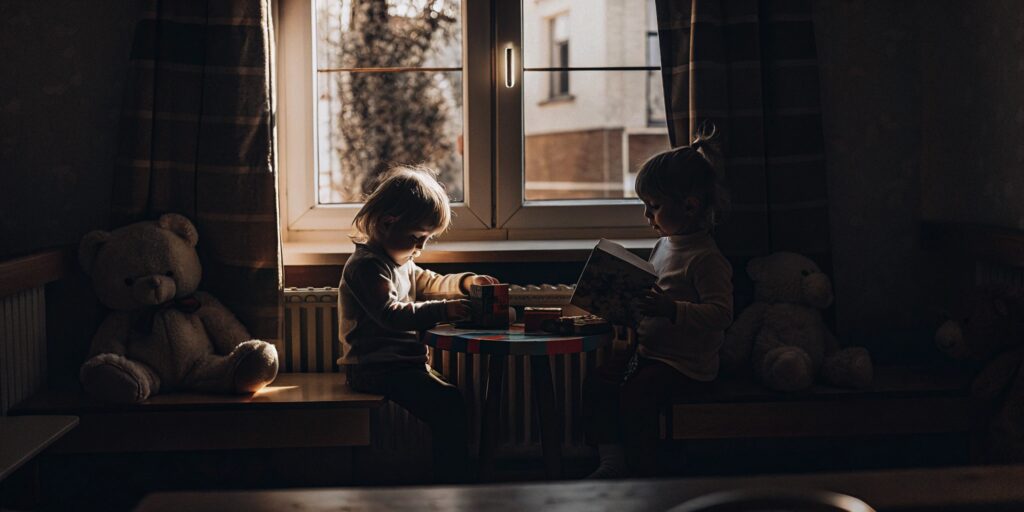
Many people use the words “daycare” and “preschool” interchangeably, but their goals are worlds apart. While both provide a safe, caring environment, a true preschool is built around an intentional curriculum. It’s a place where play has a purpose and every activity is a chance to learn—from sharing blocks to exploring a science project. This focus is what builds a bridge from home to school, creating a preschool curriculum for kindergarten success. It all comes down to understanding what are the best early childhood curriculum approaches that prepare kids for kindergarten readiness and give them the confidence to thrive.
Key Takeaways
- Focus on a program’s philosophy, not just its schedule: A quality preschool provides a structured day and a child-led curriculum that builds a true foundation for kindergarten, teaching children how to learn, not just what to learn.
- Look beyond academics when assessing readiness: Kindergarten success is built on social and emotional skills. A child who can share, manage their feelings, and ask for help has the core confidence needed to thrive in a new classroom.
- Your partnership with the school is crucial: You are your child’s most important teacher. By creating simple routines at home and communicating openly with educators, you build a supportive bridge that makes the transition to kindergarten feel seamless.
How Does Preschool Prepare Your Child for Kindergarten?
Thinking about kindergarten can feel like a huge milestone, and you want to give your child the best possible start. While many people use the terms “daycare” and “preschool” interchangeably, a high-quality preschool program does more than provide a safe place for your child to spend the day. It intentionally builds the social, emotional, and academic foundation they need to walk into their kindergarten classroom with confidence. From learning how to be a good friend to discovering a love for learning through play, preschool is the first step in a lifelong educational journey.
Preschool vs. Daycare: What’s the Difference?
While both daycare and preschool provide safe, supervised care, their core focus differs. Daycare primarily centers on keeping children safe and meeting their basic needs. A quality preschool program, however, is designed with specific learning goals in mind. It’s a place where children learn the art of getting along with others—how to make friends, share, take turns, and understand another person’s feelings. They begin to solve simple problems and learn how to express their own big emotions in healthy ways. This focus on social-emotional development is a key part of what makes our preschool classrooms a true stepping stone to kindergarten.
How a Daily Routine Builds Kindergarten Readiness
The gentle rhythm of a preschool day provides a powerful sense of security for young children. Knowing what comes next—circle time, outdoor play, snack, story time—helps them feel safe and confident. This predictability isn’t about rigid schedules; it’s about creating a comforting flow that allows children to thrive. Within this structure, they learn valuable life skills and independence. They practice putting away their toys, washing their hands before eating, and listening when a teacher or friend is speaking. These simple routines build self-reliance and help children understand how to be part of a community, which is exactly what they’ll do in kindergarten. You can see an example of what your child’s day might look like with us.
What to Look for in a Preschool Curriculum
A great preschool curriculum doesn’t just happen; it’s thoughtfully designed to prepare children for the next step. Instead of rote memorization, modern approaches focus on making learning meaningful and exciting. At Strong Start, our curriculum is inspired by the Reggio Emilia approach, which means we follow your child’s natural curiosity. When children are interested in a topic, whether it’s dinosaurs or how gardens grow, we guide them through hands-on projects to explore it deeply. This method teaches them how to ask questions, experiment, and collaborate with their peers. It builds a genuine love for learning that will serve them well in kindergarten and beyond.
Understanding the Difference Between an Approach and a Curriculum
When you’re exploring preschools, you’ll hear the terms “approach” and “curriculum,” and it’s helpful to know how they work together. Simply put, an “approach” is the school’s core belief about how children learn best. It’s the big idea that guides everything. The “curriculum,” on the other hand, is the set of daily plans, activities, and projects that bring that philosophy to life. For example, our Reggio Emilia inspiration is our guiding approach, while The Project Approach is part of the curriculum we use to turn that belief into action. A quality curriculum focuses on teaching children *how* to learn—like asking great questions and working together—not just memorizing facts. The approach is the “why,” and the curriculum is the “how,” and together they create a dynamic and engaging classroom experience.
What Skills Will Your Child Learn for Kindergarten?
Preschool is so much more than just a place for your child to play while you work. It’s a foundational experience where children learn the essential academic, social, and emotional skills that prepare them for the bigger world of kindergarten. In a high-quality preschool program, your child will practice everything from holding a pencil to navigating friendships. This dedicated time for growth helps them walk into their kindergarten classroom feeling capable, confident, and ready to learn. It’s where the building blocks for a lifetime of learning are carefully and joyfully put into place.
The Importance of Play in Learning
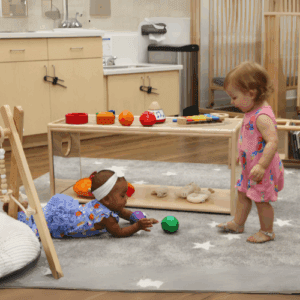
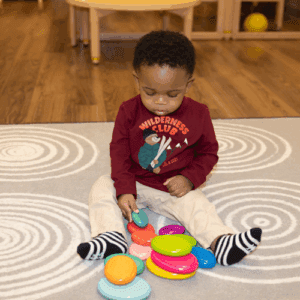
It’s easy to think of play as just a fun way for kids to burn off energy, but it’s actually one of the most powerful tools for learning. In a high-quality preschool setting, play is purposeful. It’s the “work” of childhood, where children build the essential skills they need for kindergarten and life. When children are building a block tower together, they’re not just stacking blocks; they’re learning to negotiate, share, and solve problems when the tower tumbles. Through imaginative play, they practice understanding others’ feelings and managing their own big emotions.
This hands-on, joyful exploration is how children develop the social and emotional strength needed to prepare for kindergarten. A great preschool curriculum recognizes this and intentionally designs activities that teach children how to learn—how to be curious, ask questions, and work with others. This focus on learning through discovery is at the heart of our Project Approach, where children’s natural interests guide their learning journey, turning simple play into profound educational experiences that build a true love for learning.
Early Reading and Math Skills
One of the most visible benefits of preschool is the introduction to early academic concepts. Children begin to recognize letters, numbers, shapes, and colors in a playful, low-pressure environment. Through stories, songs, and hands-on activities, they build a strong foundation for reading, writing, and basic math. This early exposure helps expand their vocabulary and develop pre-reading skills that are crucial for kindergarten success. Our preschool classrooms are intentionally designed to spark curiosity around these concepts, turning learning into a fun-filled discovery. By exploring these ideas early, children develop a positive attitude toward school and see themselves as capable learners from the very beginning.
Involving Your Child in Everyday Writing
You don’t need flashcards or worksheets to introduce your child to writing. The most meaningful learning happens when you weave it into your daily life. Ask your child to “help” you write the grocery list by drawing pictures of what you need or making their own scribbles alongside yours. Let them sign their name on a birthday card for a grandparent or dictate a story to you while you write it down. These simple activities show them that writing has a purpose: to communicate ideas and connect with people we love. This approach not only builds the fine motor skills needed to hold a pencil but also fosters a positive connection to writing, turning it into a creative and useful tool rather than a chore.
Developing Social Skills Through Play
Kindergarten classrooms are busy, social places. Preschool provides the perfect setting for children to practice the social skills they’ll need to thrive. They learn how to share materials, take turns in games, listen when others are speaking, and work together to solve problems. These daily interactions teach them how to make friends, understand another person’s feelings, and express their own needs and ideas respectfully. A structured preschool day helps children understand classroom expectations and routines, making the transition to kindergarten much smoother. This focus on social development ensures children start school with the confidence to build positive relationships with their peers and teachers.
Growing Confidence and Managing Big Feelings
A supportive preschool environment is a safe space for children to explore their independence and learn to manage their emotions. With gentle guidance from caring teachers, children practice expressing big feelings like frustration or excitement in healthy ways. As they successfully complete small tasks, make friends, and contribute to the classroom community, their self-esteem grows. We believe that partnering with parents is key to supporting this emotional development. When children feel understood and supported both at school and at home, they build the resilience and confidence needed to handle new challenges, a skill that is invaluable in kindergarten and beyond.
Helping Your Child Manage Feelings About Starting School
Starting school is a big transition, and it’s completely normal for your child to have a mix of feelings about it—from pure excitement to a little bit of nervousness. One of the best things you can do is listen and validate whatever they’re feeling, letting them know it’s okay to be unsure. This is where a nurturing preschool environment plays a crucial role; it provides a safe space for children to practice expressing their emotions with the support of caring educators. By learning to name their feelings and work through small challenges in a classroom setting, they build the emotional resilience and confidence needed to embrace the new adventure of kindergarten.
Encouraging Independence and Self-Care
Preschool helps children master important self-care skills that build a sense of responsibility and independence. Little things like putting on their own coat, washing their hands before snack time, and cleaning up their toys are huge steps for a young child. These daily routines teach them how to take care of themselves and their belongings, which is a core expectation in kindergarten. Encouraging them to serve their own food or clear their plate helps them develop fine motor skills and a sense of competence. You can see how these moments are woven into your child’s day at our school, preparing them for the structure and personal responsibility of a full school day.
Building Independence with Small Jobs at Home
You can extend this learning by giving your child small, meaningful jobs at home. Even if it’s quicker for you to do it, letting your child take on simple tasks teaches them responsibility. This could be as simple as asking them to put their own napkin on the table before dinner, helping to put away one or two non-breakable grocery items, or being in charge of placing their shoes in the basket by the door. The goal isn’t perfect execution; it’s about the practice and the feeling of accomplishment it gives them. When children see that they can contribute in a real way, it builds their confidence and reinforces the idea that they are competent individuals. This teamwork at home mirrors the collaborative environment we foster in our classrooms and is a core part of our philosophy of partnering with parents to support your child’s growth.
Choosing the Right Preschool for Your Family
Finding the right preschool can feel like a huge decision, but it’s really about finding the best fit for your child and your family’s values. When you start looking at different schools, you’ll notice they have unique teaching philosophies, classroom environments, and approaches to learning. Understanding these differences is the first step toward making a choice you feel great about. Think about what kind of environment you envision for your child. Is it a place buzzing with creative energy, a calm and structured setting, or something in between? As you tour different schools, you’ll get a feel for what resonates with you and what seems like the perfect place for your little one to spend their days learning and growing.
What Are Reggio Emilia and Project-Based Learning?
You might come across terms like “Reggio Emilia” or “project-based learning” during your search. These aren’t just buzzwords; they represent a powerful, child-led approach to education. The Reggio Emilia philosophy views children as curious individuals with the potential to learn from the world around them. Instead of a rigid, one-size-fits-all curriculum, learning is guided by your child’s own interests.
This naturally leads to The Project Approach, where children explore topics that fascinate them through in-depth projects. If a group of kids is suddenly interested in bugs, their teachers will help them create a project around it—reading books about insects, creating bug-inspired art, and even searching for critters outside. This method makes learning meaningful and exciting, building a strong foundation for a lifelong love of discovery.
Exploring Other Early Childhood Education Models
While we are passionate about our Reggio Emilia-inspired philosophy, the world of early childhood education is filled with many wonderful and effective approaches. Understanding the landscape of different teaching models can help you clarify what you value most in a preschool environment and feel even more confident in your final decision. Each philosophy offers a unique lens on how children learn best, from highly structured, skills-focused classrooms to programs that take place almost entirely outdoors. As you explore these options, think about your child’s personality and the kind of atmosphere where you see them thriving.
Montessori
The Montessori Method is a well-known approach that centers on fostering independence and self-directed learning. In a Montessori classroom, you’ll find specially designed, hands-on materials that children are free to explore at their own pace. The environment is carefully prepared to be child-sized and accessible, encouraging kids to take charge of their own activities, whether it’s pouring water, arranging blocks, or tracing letters. Teachers act as guides, observing children and introducing new materials when they are ready. This philosophy is built on a deep respect for a child’s natural desire to learn and their ability to concentrate on tasks that interest them.
Waldorf (Steiner)
A Waldorf education, sometimes called Steiner education, is designed to nurture the whole child—their mind, body, and spirit. These classrooms often feel warm and home-like, with an emphasis on natural materials and a predictable, gentle rhythm to the day. The curriculum is rich with imaginative play, storytelling, art, and music, believing that these activities are essential for healthy development in the early years. Formal academics are typically introduced later than in other models, as the primary focus for young children is on building a strong foundation of creativity, social-emotional intelligence, and a love for the world around them.
High Scope
The High Scope Method is built around the idea of “active participatory learning,” where children are the drivers of their own education. The core of the daily routine is a process called “plan-do-review.” Children first make a plan for what they want to do, then they carry out their plan in learning centers, and finally, they reflect on their experience with teachers and peers. This cycle empowers children to make decisions, solve problems, and develop self-confidence. The teacher’s role is to create a stimulating environment and help children extend their thinking through thoughtful questions and interactions.
Bank Street
The Bank Street Approach, also known as the Developmental-Interaction Approach, emphasizes learning through direct experience and real-world connections. This model encourages children to be active explorers and experimenters. Learning is often centered around social studies and community, so you might see children pretending to be firefighters, building a block city, or taking frequent field trips to local places like the post office or a farm. The goal is to help children make sense of the world around them by interacting with it directly, which builds a deep and meaningful understanding of complex concepts.
Thematic and Skills-Based Learning
Many preschools use a thematic or skills-based approach, which can feel more traditional to some parents. In a thematic model, learning is organized around a central topic for a week or a month, like “the ocean” or “transportation.” All the activities, from art projects to story time, will relate to that theme. A skills-based model is more focused on direct instruction of specific academic and developmental skills, such as letter recognition, counting, and fine motor control. These programs are often more structured and teacher-led, with clear learning objectives for each activity.
Parent Co-Ops
In a parent cooperative, or co-op, preschool, education is a true team effort between teachers and families. Parents are actively involved in the school’s operation, from serving on the board to volunteering in the classroom on a regular basis. This model creates a strong sense of community and allows parents to be directly engaged in their child’s early education. It’s a wonderful option for families who want a hands-on role and can commit the necessary time. The curriculum and philosophy can vary widely among co-ops, but the shared element is the deep parental partnership.
Nature-Based Preschools
Nature-based preschools, sometimes called forest kindergartens, use the great outdoors as their primary classroom. The philosophy is simple: children learn best through direct, unstructured interaction with the natural world. Children in these programs spend the majority of their day outside, rain or shine, exploring, climbing, and observing their environment. This approach fosters resilience, creativity, and a deep connection to nature. While they still support social and cognitive development, the focus is on learning that is sparked by the discoveries children make in their natural surroundings.
Why There Is No Single “Best” Approach
After learning about all these different models, you might be wondering which one is the “best.” The truth is, there isn’t one perfect approach that works for every single child. The right preschool is the one that aligns with your family’s values, serves its community well, and, most importantly, fits your child’s individual needs and temperament. A quiet, observant child might thrive in a calm Montessori classroom, while a high-energy, social child might love the collaborative nature of a project-based school. The most important thing is to find a place where your child feels safe, happy, and inspired to learn.
What to Look for in Teachers and Curriculum
The heart of any great preschool is its teachers. Look for educators who are warm, engaging, and genuinely passionate about working with young children. In a classroom, you want to see teachers acting as guides and partners in learning, not just instructors. They should be asking thoughtful questions, encouraging exploration, and celebrating each child’s unique ideas.
A strong curriculum supports this dynamic by being flexible and child-driven. It should create opportunities for kids to actively participate in their own education. When children have a say in what they learn, they become more invested and confident. The best programs have a clear structure for the day but also leave plenty of room for spontaneous discovery and play. Having exceptional educators who can balance both is key to a thriving classroom.
The Importance of How a Curriculum Is Implemented
A curriculum can look fantastic on paper, but its real value comes from how it’s brought to life in the classroom every day. The success of any educational approach depends entirely on the skill and dedication of the teachers implementing it. Think of it this way: the curriculum is the recipe, but the teacher is the chef who adds the passion and creativity that makes the meal special. Great educators don’t just follow a script; they observe the children, listen to their questions, and adapt activities to match their interests and energy levels. This is where a child-led philosophy truly shines. When skilled educators are empowered to be flexible, they can turn a simple lesson plan into a memorable, hands-on discovery that makes learning feel like an adventure.
Confirming Accreditation and Safety Standards
Your child’s well-being is the top priority, so a school’s commitment to safety is non-negotiable. During your visit, pay attention to the physical environment. Is it clean, secure, and well-maintained? Ask about their procedures for things like drop-off and pick-up, emergencies, and keeping children healthy. A school’s detailed health and safety policies will tell you a lot about how seriously they take their responsibility.
One of the best indicators of a high-quality program is accreditation. For example, achieving NAEYC Accreditation means a school has voluntarily met rigorous standards for excellence in early childhood education. It’s a sign that the center is dedicated to providing a safe, nurturing, and educationally rich environment for your child.
Key Questions to Ask on Your School Tour
A school tour is your chance to gather all the information you need. Come prepared with a list of questions to help you understand the school’s culture and daily life. Beyond the basics of tuition and hours, ask about their communication style. How do they keep you updated on your child’s day and progress? A strong partnership with parents is crucial.
Ask about teacher-to-child ratios and staff turnover, as consistency is important for young children. Inquire about their approach to discipline and how they help children manage big feelings. You can also ask to speak with other parents to hear about their experiences. The goal is to leave with a clear picture of what a typical day would be like for your child.
Your Role in Your Child’s Kindergarten Readiness
Preparing your child for kindergarten is a team effort, and you are the most valuable player on that team. While our educators focus on building foundational skills in the classroom, the support and reinforcement you provide at home make all the difference. Think of it as a partnership where we work together to create a seamless and supportive world for your child. This collaboration ensures that the lessons learned at school are carried into the home, and the unique insights you have about your child help us tailor their experience at school.
At Strong Start, we believe that partnering with parents is fundamental to a child’s success. When we share goals and communicate openly, we can build a strong bridge between home and school that your child can confidently walk across as they head toward kindergarten. Your involvement, big or small, sends a powerful message to your child: their education is important, and they are supported by every adult in their life. Together, we can nurture their natural curiosity and help them grow into confident, capable learners ready for the next big step.
Bringing Learning Home: Simple Activities
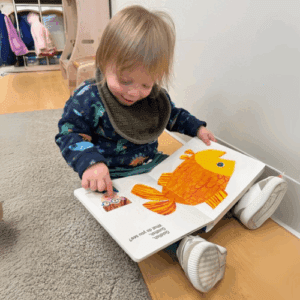
You don’t need flashcards or worksheets to support your child’s learning. The most effective way to bring learning home is to weave it into your daily life. When you ask your child to help put away their toys, you’re reinforcing the cleanup routines they practice in their preschool classroom. Reading a book together before bed builds literacy skills, while counting the steps on your way to the car turns a simple walk into a math lesson.
Talk with your child about their day, ask open-ended questions, and listen to their stories. These simple conversations build vocabulary and critical thinking. The goal isn’t to replicate the school day but to show your child that learning is a fun and natural part of everything we do.
Communicating Effectively with Your Child’s Teacher
Your child’s teacher is your greatest ally in preparing for kindergarten. They have a professional perspective on your child’s development and can offer specific insights into their strengths and areas for growth. We encourage you to build a strong relationship with them through regular communication. Attend parent-teacher conferences, read classroom updates, and don’t hesitate to share what’s happening at home.
Knowing that your child had a tough morning or is excited about a visiting grandparent helps our exceptional educators provide the personalized support they need. Research shows that this kind of parent involvement makes early childhood programs more effective, creating a consistent and nurturing environment where your child can truly thrive.
Creating Consistency Between Preschool and Kindergarten
Creating a sense of consistency between home and school is one of the most powerful ways to prepare your child for kindergarten. The predictable rhythm of a preschool day helps children feel secure, and you can create that same feeling at home with simple routines. This doesn’t mean you need a rigid, minute-by-minute schedule. It can be as simple as having a consistent morning routine, a designated spot for their backpack, or reading a story together every night. These small rituals reinforce the skills of independence and responsibility they practice at school, like cleaning up after an activity. By aligning home and school life, you help build a strong bridge your child can confidently cross when they step into their new kindergarten classroom.
Practicing Social Skills Beyond the Classroom
Preschool is a fantastic place for children to learn how to share, take turns, and solve problems with friends. You can help strengthen these skills by creating opportunities for social practice outside of school. Arrange a playdate at a local park, visit the library for story time, or simply play a board game as a family.
These experiences give your child a chance to use their developing social skills in new situations. When a small conflict arises over a toy, you can gently guide them to use their words and find a solution, just as their teacher would. This practice helps children internalize positive behaviors, making it easier for them to manage social situations with confidence and kindness when they enter a busy kindergarten classroom.
Why Consistent Routines Matter
Children feel most secure when their world is predictable. Consistent daily routines at home create a calming rhythm that helps them feel safe, which in turn frees up their minds to focus on learning and exploring. A predictable morning routine can prevent power struggles and get the day off to a positive start, while a calming bedtime routine can help ensure they get the rest they need for a busy day of learning.
These home routines directly support the structured day they experience at preschool. By getting used to a predictable schedule of meals, play, and rest, they are better prepared for the structure of a full day of kindergarten. It’s a simple yet powerful way to build their independence and help them feel in control.
Is Your Child Ready for Kindergarten? Key Signs to Look For
As your child approaches kindergarten age, it’s natural to wonder if they’re truly ready for the transition. It’s helpful to remember that “readiness” isn’t a single finish line or a checklist of mastered skills. Instead, it’s a collection of developing abilities across different areas—from knowing their ABCs to knowing how to ask for help. A quality preschool program doesn’t just teach academic concepts; it nurtures the whole child, creating a supportive space where they can grow in confidence and capability. Watching for these key signs can help you see just how far your child has come and how prepared they are for the exciting journey ahead.
Readiness Is a Journey, Not a Race
It’s easy to get caught up in checklists, but kindergarten readiness is a journey, not a race. Experts agree that it’s about more than just knowing letters and numbers; it’s about looking at the whole child and all their developing skills. When children are socially and emotionally prepared for school, they are more likely to stay engaged and find success for years to come. Instead of focusing on what your child *can’t* do yet, celebrate their progress and trust the process. Every child develops at their own unique pace, and a supportive environment that honors their individual timeline is the best way to prepare them for the road ahead.
Recognizing the “Whole Child” and Their Unique Strengths
When we talk about the “whole child,” we mean nurturing all aspects of their development—social, emotional, physical, and cognitive. It’s more important to focus on your child’s ability to get along with others, manage their feelings, and handle simple self-care tasks than it is to worry about them reading before school starts. A supportive preschool environment is the perfect place for children to practice these skills, from learning to share during playtime to expressing their needs with words. This is where they build the foundational confidence and independence that will allow their academic skills to flourish once they reach kindergarten.
Academic Skills to Look For
A child heading to kindergarten should show a budding interest in the building blocks of learning. This doesn’t mean they need to be reading or doing math problems, but rather that they are curious and familiar with core concepts. Can they recognize some letters, especially those in their own name? Are they starting to count objects or identify basic shapes and colors in the world around them? High-quality preschool programs build this foundation by making learning feel like play. Through songs, stories, and hands-on activities, children develop early literacy and numeracy skills, along with a genuine excitement for discovery that will serve them well in kindergarten and beyond.
Social and Emotional Skills to Look For
So much of kindergarten success is about learning to be part of a community. A ready child is one who is beginning to understand how to interact positively with their peers. This includes sharing, taking turns, and listening when others are speaking. They are also learning to manage their big feelings and express their needs with words instead of actions. While no five-year-old has perfect self-control, a child who has been in a group care setting has had countless opportunities to practice these skills. They understand the rhythm of a classroom and are learning to solve small problems with their friends, setting them up to form healthy relationships in their new school environment.
Physical Coordination and Motor Skills
Kindergarten is a hands-on experience, and children need the physical coordination to participate in daily activities. This is where fine motor skills come into play. Is your child able to hold a crayon or marker? Can they use child-safe scissors and work with building blocks or puzzles? These abilities are essential for writing, art projects, and many learning games. Readiness also includes self-care skills that build independence, like zipping up a coat, washing their hands thoroughly, and managing their own lunchbox. Our enrichment programs, from art to cooking, give children a fun way to practice these important physical skills every day.
Listening and Communication Skills
A child ready for kindergarten can follow simple, multi-step directions from a teacher, like “Please put your drawing in the cubby and then sit on the rug.” They are also learning to communicate their own needs clearly. One of the most important skills is feeling comfortable enough to ask an adult for help when they need it, whether it’s for opening a snack or resolving a disagreement with a friend. Participating in group discussions, like circle time, helps them practice listening to others and waiting for their turn to share their own ideas. These foundational communication skills are key to their ability to learn and connect in a busy kindergarten classroom.
Related Articles
- Is Preschool Public School? A Parent’s Guide
- Your Guide to Preparing for Preschool in Norwalk, CT
- 4 Key Benefits of Pre-K for Your Child’s Future
Frequently Asked Questions
How does a play-based approach prepare my child for the academic structure of kindergarten? This is a great question because it gets to the heart of how young children learn best. A play-based or child-led curriculum, like the Reggio Emilia approach we use, isn’t about a lack of learning; it’s about making learning meaningful. Instead of just memorizing letters and numbers, your child learns how to be a learner. They practice asking questions, working with others to find answers, and sticking with a problem. This builds a foundation of curiosity and critical thinking that makes them more adaptable and engaged when they encounter the more structured academic tasks in kindergarten.
What if my child hasn’t mastered sharing or managing their emotions before kindergarten starts? Please know that this is completely normal. Preschool is the practice field for these big social and emotional skills, not the final exam. The goal is progress, not perfection. In a quality preschool setting, your child gets daily opportunities to navigate social situations with gentle guidance from their teachers. They learn to use their words and understand their friends’ feelings. The most important thing is that they are in an environment where this growth is supported, so they enter kindergarten with a developing toolkit for getting along with others, even if they still need help sometimes.
What is the ideal age for my child to start preschool to get the most benefit? There isn’t one perfect age that fits every child, but many families find that starting around age three is a sweet spot. This gives a child a solid two years to grow comfortable in a school setting, build relationships with teachers and friends, and develop social and academic skills at their own pace. It allows them to move from simply learning to be part of a group to confidently participating in more complex projects and activities, which is wonderful preparation for the kindergarten year.
Besides academics, what is one of the most important skills my child can learn in preschool? If I had to pick just one, it would be the confidence to ask for help. This simple skill is connected to everything else. A child who feels comfortable approaching a teacher when they’re confused, can’t open their snack, or have a problem with a friend is a child who can successfully handle the challenges of a busy classroom. Preschool provides a safe, nurturing space where children build trusting relationships with adults, making it feel natural to speak up when they need support.
How can I best support my child’s transition from preschool to kindergarten without overwhelming them? The key is to focus on connection and consistency. Keep a strong line of communication open with your child’s preschool teacher in the months leading up to the change; they can offer valuable insights into your child’s readiness. At home, maintain your familiar routines, as this predictability provides a sense of security during a time of change. Talk about kindergarten in a positive and exciting way, read books about starting school, and if possible, visit the new school’s playground. Your calm confidence will show your child that this is a fun and manageable next step.
Written By
Marc Hoffman
Founder, Strong Start Early Care & Education
Marc founded Strong Start in 2014, inspired by his studies at Williams College, Yeshiva University, and research at Yale University. His child-centered, inquiry-based approach to early education has helped hundreds of families in the Trumbull and Bridgeport communities. As a parent himself, Marc understands the importance of finding a nurturing environment where every child can learn, grow, and flourish.