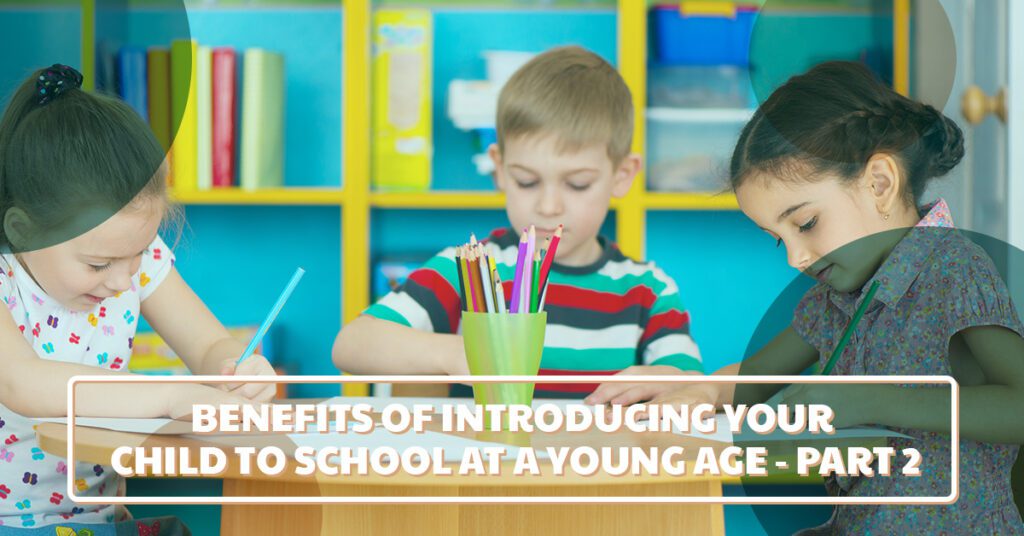
Early education is so much more than convenient childcare. The true benefits of starting school early are about nurturing your child’s natural curiosity and confidence. At Strong Start Early Care & Education, we see this every day in our Trumbull and Shelton classrooms. We help children build a solid cognitive and social foundation, giving them a strong start before they even step into kindergarten. This early exposure prepares them to thrive in the Fairfield County school systems and sets them up for a lifetime of learning.
Fostering Respect and Kindness from Day One
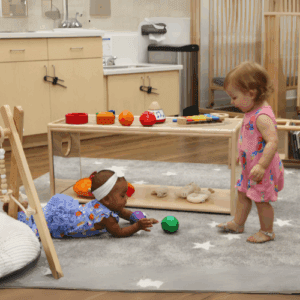
One of the biggest struggles of teaching your child how to treat others is that they’re most often surrounded by adults, so of course respect is something that they would be taught. Otherwise, they’re around siblings, or people who will just brush it off and the child will know no different. By having your child attend a daycare facility, they will be able to see hands-on what it looks like to manage a friendship with classmates their own age.
This is the type of lesson that they’re going to utilize for a lifetime, so it’s essential that they are exposed to the opportunity to practice it as early as possible.
Developing Essential Social and Emotional Skills
“In a home environment, children primarily interact with siblings or adults who may overlook behavioral lapses. At Strong Start, our Infant and Toddler programs introduce children to a diverse peer group. This ‘micro-society’ teaches them:
Conflict Resolution: Learning to share and take turns with peers of the same age.
Respect for Diversity: Understanding different perspectives in a classroom setting.
Cooperative Learning: Working together on fine motor skill activities that require teamwork.”
Building Confidence and Self-Control
A structured classroom provides predictable routines that help children feel secure, and that security is the foundation for confidence. Children who attend an early education program often become more social and self-assured by the time they start kindergarten because they get daily practice with sharing, taking turns, and following rules in a group setting. This isn’t just about discipline; it’s about learning self-regulation in a supportive space. At Strong Start, our curriculum, inspired by the Reggio Emilia philosophy, encourages children to explore their own interests and make choices, which builds their sense of capability and independence from a very young age.
Improving Communication and Peer Relationships
Beyond just playing side-by-side, early education teaches children how to truly connect with their peers. In a classroom, children learn to talk, share, and work together on group activities. This is where they begin to solve problems and understand others’ feelings—the building blocks of empathy. Early care and education helps young children learn these vital skills for school and life, including getting along with others. Our Exceptional Educators are skilled at guiding these interactions, helping toddlers and preschoolers articulate their needs and listen to their friends. This guided practice in communication is essential for forming positive relationships that will carry them into kindergarten and beyond.
Laying the Groundwork for Academic Achievement
Beyond teaching children how to be good friends, early education sets the stage for future academic success. A high-quality program does more than prepare a child for kindergarten; it builds a strong foundation for a lifetime of learning. When children engage with concepts like numbers, letters, and problem-solving in a supportive and playful environment, they develop a genuine love for discovery. This early exposure helps them enter elementary school with confidence and curiosity, ready to take on new challenges. The skills they acquire—from critical thinking to early literacy—are essential tools that will support them throughout their entire educational journey.
Boosting Brain Development and Critical Thinking
A high-quality early education environment is a powerhouse for brain development. Research from the Administration for Children and Families confirms that children in these programs learn vital skills for school and life, including self-control and how to get along with others. At Strong Start, we see this every day. Our curriculum, inspired by the Reggio Emilia philosophy, encourages children to ask questions, explore their interests, and solve problems independently. This approach doesn’t just teach them facts; it teaches them how to think. By nurturing their natural curiosity, we help children develop the critical thinking and reasoning abilities they’ll need to succeed in school and beyond.
Improving Early Reading and Math Skills
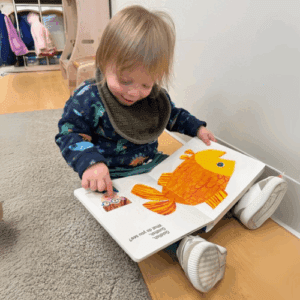
Early exposure to literacy and numeracy concepts can make a significant difference in a child’s academic path. Studies show that an early start to schooling can lead to notable gains in language and math scores by age five. This isn’t about drills or memorization; it’s about integrating learning into play and daily routines. In our Preschool classrooms, children might count blocks as they build a tower or listen to a story that introduces new vocabulary. These experiences make learning feel natural and fun, building a positive association with school. This foundation not only prepares them for the academic demands of kindergarten but also contributes to long-term advantages, setting them on a course for greater educational attainment and overall well-being.
Celebrating Differences in a Diverse Classroom
We can’t say it enough, enrolling your child in a daycare program is the only way that they’ll truly be exposed to anyone outside of your small group of friends and family. Though this is surely nice for them, it also limits them to the types of people and conversations that they’re bound to experience in life.
By attending a daycare program, your child will be exposed to all sorts of children — all within the same age range. From nationalities and culture to appearance and gender, having your child attend a daycare facility is a great way for them to understand and experience all of the different types of people that there are in this world.
Reducing Educational Gaps for All Learners
A high-quality early learning environment does more than just prepare children for kindergarten; it creates a more equitable starting line for everyone. Research consistently shows that early education can significantly narrow achievement gaps, particularly for children from different socioeconomic backgrounds. It provides a space where all children can develop crucial skills in reading, math, and social interaction that they’ll carry with them for life. At Strong Start, our curriculum is designed to meet every child where they are, fostering their natural curiosity and building a solid foundation for future learning. Our commitment to NAEYC accreditation is our promise to you that we provide this high-quality, supportive environment, ensuring every child has the opportunity to thrive.
Building Focus with Predictable Routines
When children are left at home for a majority of their day, it can be tough for them to get into the routine of attending school or daycare. From focusing on a task in their classroom to following a routine at school day after day, these are abilities that they’re going to need to be able to do. Not being able to maintain focus or stay awake for a full day of school will make attending school quite the challenge for your child.
Rather than let this affect them later on, it’s best to get them started with school at least one year before attending school full-time. This will help boost their ability to concentrate on tasks and build a routine surrounding their education. In the end, that will make the transition into the school year so much easier.
Preparing for a Strong Start in Trumbull and Shelton Schools
Our curriculum isn’t just about play; it is intentionally aligned with the Connecticut Early Learning and Development Standards (CT ELDS). By introducing your child to school early, you ensure they are mastering the kindergarten readiness skills required by local public and private schools. This early exposure reduces ‘first-day jitters’ and builds the emotional intelligence necessary for academic focus.
The Critical Role of a High-Quality Program
Not all early education programs are created equal, and the distinction is crucial for your child’s development. A high-quality program moves far beyond basic supervision, creating an environment where children are actively engaged, nurtured, and inspired to learn. It’s about intentionality—every activity, interaction, and routine is designed to support cognitive, social, and emotional growth. Think of it as the difference between a babysitter and a dedicated educator. While both provide safety, a high-quality program is staffed by professionals who understand the science of early childhood development and are passionate about helping each child reach their full potential. This is where the real magic happens, laying a foundation that supports learning for years to come.
Choosing the right program is one of the most significant decisions you’ll make as a parent. It’s an investment in your child’s future success and well-being. A superior program is characterized by its curriculum, its environment, and most importantly, its people. At Strong Start, we believe that a warm, responsive, and stimulating setting is essential for children to feel secure enough to explore and take on new challenges. Our commitment to excellence is reflected in our NAEYC accreditation, a mark of distinction that signifies we meet the highest standards in early childhood education, ensuring your child receives the best possible start in their educational journey.
What High-Quality Early Education Looks Like
So, what does a high-quality program actually look like in practice? It’s a place buzzing with purposeful energy. You’ll see clean, organized, and child-friendly spaces filled with a variety of materials that invite curiosity and exploration. The environment itself acts as a “third teacher,” thoughtfully arranged to encourage interaction, problem-solving, and creativity. The daily schedule should balance structured activities with ample time for free play, recognizing that both are vital for learning. This philosophy is at the heart of our Reggio Emilia-inspired approach, where we view the environment as a key partner in fostering a child’s natural inquisitiveness and building a strong sense of community within the classroom.
The Impact of Exceptional Educators
The single most important element of any high-quality program is its teachers. As noted by the Administration for Children and Families, top-tier programs provide “teachers who are warm and caring” and receive ongoing training to hone their skills. These educators are more than just caregivers; they are facilitators of discovery. They know when to step in to guide a child and when to step back to allow for independent problem-solving. They are experts at creating a positive emotional climate where children feel seen, heard, and valued. This trusting relationship is what empowers a child to take risks, ask questions, and develop a genuine love for learning that will last a lifetime.
At Strong Start, we are incredibly proud of our team of exceptional educators. We invest heavily in their professional development because we know that their expertise directly translates into a richer experience for your child. They are skilled observers who tailor activities to individual interests and developmental stages, ensuring every child is appropriately challenged and supported. By fostering strong, caring bonds, our teachers create a secure home-away-from-home where your child can truly flourish, building the confidence and social skills necessary for a smooth transition into elementary school and beyond.
Developmentally Appropriate Learning Activities
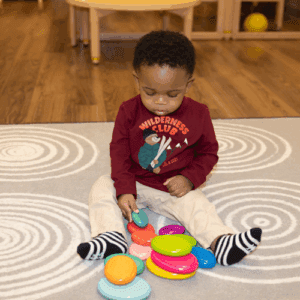
In a high-quality program, learning activities are never just about keeping kids busy. They are carefully planned to be fun, engaging, and perfectly suited to the developmental stage of each age group. For infants, this might mean sensory play that stimulates brain development, while preschoolers might engage in collaborative projects that build critical thinking and social skills. Research confirms that this approach has significant long-term benefits, including “getting more education, being healthier as adults, and being less involved in crime.” The key is ensuring that the activities are both enjoyable and purposeful, meeting children exactly where they are while gently encouraging them to grow.
Our curriculum utilizes The Project Approach, allowing children to conduct deep, hands-on investigations into topics that genuinely interest them. Whether it’s exploring the life cycle of a butterfly or designing a miniature city, these projects integrate science, math, literacy, and art in a meaningful way. We also offer a variety of enrichment programs, from Budding Bakers to STEM Learning, that provide specialized, age-appropriate experiences. This ensures that learning is always dynamic and exciting, helping children develop complex skills through activities they naturally love.
The Lasting Impact of Early Education
The benefits of participating in a high-quality early education program extend far beyond the preschool years. The experiences a child has during this critical period of brain development shape their future attitudes toward school, their ability to form healthy relationships, and their overall capacity for lifelong learning. Children who attend these programs enter kindergarten with stronger pre-reading and math skills, a richer vocabulary, and more sophisticated social competencies. They are better equipped to follow directions, manage their emotions, and work collaboratively with their peers—all skills that are essential for academic success.
This early advantage often creates a positive ripple effect that continues throughout a child’s academic career. By building a solid foundation of curiosity, confidence, and resilience, you are giving your child the tools they need to handle future challenges both inside and outside the classroom. It’s not just about preparing them for the next grade; it’s about preparing them for life. The social and emotional skills learned in a nurturing preschool environment are the bedrock of well-being and success, helping children grow into capable, compassionate, and engaged members of their community.
Setting the Stage for Lifelong Success
Starting school early doesn’t just give your child a head start; it sets them on a different trajectory. As research points out, “Children who start school at age four are more likely to keep up with their classmates by second grade” and tend to achieve better grades and test scores. This early exposure to a structured learning environment helps children develop the focus, persistence, and positive learning habits that are critical for long-term achievement. They learn how to be part of a group, how to communicate their needs effectively, and how to see themselves as capable learners.
This preparation is about more than just academics; it’s about building the whole child. When children feel confident in their ability to learn and succeed socially, they are more likely to embrace new challenges and pursue higher education later in life. The positive experiences in our Preschool classrooms are designed to instill a deep-seated love of learning that fuels a child’s educational journey for years to come. By providing a strong, positive first school experience, we help set the stage for a future filled with opportunity and success.
Ready to Give Your Child a Strong Start?
If you’re intrigued by the points that we’ve mentioned, it’s time to take a tour of our facility. These are only a few of the benefits still, and it would simply take too long to cover them all. Stop by our office and meet with a team member or contact us today and schedule a tour of our facility. We would love to help make this enrollment process an easy one, so let us know how we can help. If you are weighing the decision of when to start your child’s educational journey, we invite you to see our classrooms in action. Whether you are looking for Daycare in Trumbull or a Preschool in Shelton, our team is ready to support your family’s needs. Schedule a personal tour today to learn more about the Strong Start difference.
Frequently Asked Questions
What is the best age to enroll my child in an early education program? There isn’t one perfect age, as children benefit from a high-quality program at every stage. For infants and toddlers, the focus is on building secure attachments with caring educators and exploring the world through sensory play. As they grow into preschoolers, the environment helps them develop crucial social skills like sharing and problem-solving while engaging with early literacy and math concepts. The key is that the program is designed to meet your child’s specific developmental needs, no matter when they start.
How is a high-quality program different from a standard daycare? The main difference comes down to intention. While both provide a safe environment, a high-quality program is built around a thoughtful curriculum designed to nurture every aspect of a child’s development. It’s staffed by trained educators who understand how young children learn and who create purposeful activities that spark curiosity. Think of it as the difference between simple supervision and an active, engaging learning experience that builds a real foundation for school.
My child is very active and learns through play. Will they be forced to sit still all day? Absolutely not. We believe that play is the most important work of childhood. A structured day doesn’t mean a rigid one. Our classrooms are designed to encourage exploration, movement, and hands-on discovery. Children learn foundational math skills by building with blocks, develop literacy by listening to stories, and practice science by investigating things that catch their interest. Our approach uses their natural love of play to guide their learning.
Will an early education program be too overwhelming for my shy child? It’s actually an ideal environment for a more reserved child to blossom. In a home setting, they may not have many chances to practice interacting with peers. Our classrooms provide a safe, supportive space where they can observe others and join in when they feel ready. Our skilled educators are experts at gently encouraging participation and helping children build the confidence they need to form their first friendships and find their voice in a group.
How does this type of program specifically prepare my child for kindergarten? Kindergarten readiness is about so much more than knowing letters and numbers. Our program focuses on the whole child, building the social and emotional skills that are essential for a successful transition to elementary school. Children learn how to follow a routine, manage their feelings, listen to a teacher, and work with classmates. By practicing these skills daily in a supportive setting, they arrive at kindergarten feeling confident, capable, and truly ready to learn.
Key Takeaways
- Classrooms Create a Child’s First Community: An early education setting provides a unique space for children to practice vital social skills like sharing, empathy, and problem-solving with their peers, which are foundational for building healthy relationships.
- Purposeful Play Prepares Children for Academics: High-quality programs use play-based learning to introduce early math and literacy concepts, helping children develop a love for learning and the critical thinking skills needed for kindergarten.
- The Right Environment is Everything: The true benefits of early education come from programs defined by exceptional teachers, a well-designed curriculum, and a nurturing atmosphere that makes children feel safe to explore and grow.
Related Articles
- Benefits of Early Childhood Education for Families | Strong Start Early Care & Education
- 4 Key Benefits of Pre-K for Your Child’s Future – Strong Start
Written By
Marc Hoffman
Founder, Strong Start Early Care & Education
Marc founded Strong Start in 2014, inspired by his studies at Williams College, Yeshiva University, and research at Yale University. His child-centered, inquiry-based approach to early education has helped hundreds of families in the Trumbull and Bridgeport communities. As a parent himself, Marc understands the importance of finding a nurturing environment where every child can learn, grow, and flourish.