It’s easy to feel the pressure. You hear about a friend’s child who was fully trained at two, and suddenly you’re questioning your own potty training timeline. After working with hundreds of toddlers, we can tell you this with confidence: there is no single “right” age. The real question isn’t about the calendar, but about readiness. So, at which of the following stages is toilet-training most likely to begin for your unique child? This guide will show you how to start potty training by tuning out the noise and focusing on your toddler’s individual signals for a positive, stress-free experience.
Most children show signs of potty training readiness between 18 and 30 months, but some are ready earlier and others need more time. Rushing the process before your child is developmentally prepared typically leads to frustration for both of you and a longer training timeline overall.
In this guide, we will walk you through the readiness signs educators look for, the best potty training age ranges for boys and girls, a step-by-step approach grounded in child-led learning, and practical potty training tips that work at home and in childcare settings.
Key Takeaways: Most children are ready to start potty training between 18 and 30 months, but readiness signs matter more than age. Look for physical cues (staying dry 2+ hours, predictable bowel movements), cognitive signs (following two-step instructions, showing interest in the toilet), and emotional readiness (seeking independence, communicating needs). A child-led, consistent approach with coordination between home and daycare produces the best results.
Is There a “Right” Age for Potty Training?
The American Academy of Pediatrics notes that most children are physically and emotionally ready to begin potty training between 18 months and 3 years of age. However, research consistently shows that readiness signals matter more than age alone.
Here is a general framework based on what early childhood educators observe across hundreds of children:
- 18-24 months: Some children begin showing early interest. They may follow you to the bathroom, tell you when their diaper is wet, or try to pull their pants up and down. These are encouraging signs, but most children in this age range are still developing the physical control needed for consistent success.
- 24-30 months: This is the most common window when children have the combination of physical control, communication skills, and cognitive understanding needed for potty training. Many toddler classroom teachers see the majority of successful training happen during this period.
- 30-36 months: Some children, particularly those who are deeply engaged in other developmental leaps like language or social skills, may not show strong readiness until closer to age 3. This is completely normal and does not indicate a problem.
The bottom line: let your child’s behavior guide you, not a comparison to other children in your family or social circle.
Understanding Developmental Timelines
Every child develops on their own unique schedule, and potty training is no exception. It’s a milestone that involves a complex coordination of physical, cognitive, and emotional skills. At Strong Start, our educators are trained to observe each child as an individual, recognizing that their journey to using the toilet is just one part of their broader development. Forcing the process before a child is truly ready often leads to power struggles and setbacks, turning what should be an empowering step into a stressful one. Instead, we focus on creating a supportive environment where children can build confidence at their own pace.
Most children show signs of potty training readiness between 18 and 30 months, but this is a wide range for a reason. Some toddlers are busy mastering complex language skills, while others are focused on perfecting their gross motor abilities. Pushing them to focus on the toilet before they show interest can interfere with these other important learning processes. The goal is to follow their lead. When you align your efforts with their natural developmental timeline, the entire process becomes smoother and more positive for everyone involved. This patient, child-led approach is central to how we guide children through milestones in our toddler classrooms.
Physical Control Milestones
Before a child can successfully use the potty, their body needs to be ready. This isn’t something you can teach; it’s a matter of physical maturation. One of the most significant signs is bladder control, which you might notice when your child stays dry for at least two hours during the day or wakes up from a nap with a dry diaper. Another key indicator is having predictable bowel movements. This consistency shows that their digestive system is maturing. Finally, they need the basic motor skills to pull their pants up and down and get on and off a small potty chair. These physical milestones are the foundation upon which all other potty training skills are built.
Potty Training and Intelligence: What’s the Connection?
It’s easy to fall into the comparison trap and worry that if your child isn’t potty training as early as their peers, it somehow reflects on their intelligence. Let’s clear this up: there is no link between the age a child potty trains and how smart they are. Toilet training is a developmental milestone, not an academic one. According to the American Academy of Family Physicians, most children in the U.S. gain the necessary physiologic, cognitive, and emotional skills for this step between 18 and 30 months. A child who trains at 32 months is not less intelligent than one who trains at 22 months; they were simply focused on developing other critical skills.
At Strong Start, our curriculum is inspired by philosophies like Reggio Emilia, which honors each child’s individual timeline and interests. A toddler might be deeply engaged in learning how to build complex block towers or expanding their vocabulary with new words every day. These are also signs of a bright, developing mind. Forcing them to shift their focus to the toilet before they are ready can create unnecessary frustration. Instead, we celebrate their current achievements while gently encouraging the self-awareness and independence that will eventually lead to potty success. Trust that your child is learning exactly what they need to, right on schedule for them.
Cultural Perspectives on Toilet Training
The timeline we often hear about in the United States is heavily influenced by cultural norms, but it’s not the only way. It can be reassuring to know that families around the world approach this milestone very differently. Research from the American Academy of Family Physicians notes that some cultures start toilet training much earlier than is typical in the U.S., with no identified harm in healthy children. In many parts of the world, a practice known as elimination communication is common, where caregivers learn to recognize an infant’s subtle cues for needing to urinate or have a bowel movement from a very young age.
This isn’t about rushing or pressuring a baby, but rather about a different form of communication and attentiveness between caregiver and child. While this approach may not be practical for every family’s lifestyle, knowing about it can help release some of the pressure to follow a single, rigid timeline. It highlights that there are many paths to the same destination. The most important factor for success isn’t the specific age or method, but a consistent and supportive approach that works for your family. This philosophy of flexibility and strong family collaboration is why we prioritize partnering with parents to create a seamless experience between home and school.
8 Signs Your Toddler Is Ready for Potty Training
In our toddler classrooms, educators look for a combination of physical, cognitive, and emotional readiness signals before supporting a child through potty training. Here are the eight signs that tell us a child is ready:
1. They’re Staying Dry Longer
If your child’s diaper stays dry for two hours or more at a time, or is dry after naps, their bladder muscles are developing the control needed for successful training. This physical readiness is one of the most reliable indicators.
2. They Tell You About a Wet or Dirty Diaper
When children start telling you “I’m wet” or tugging at a soiled diaper, they are developing the body awareness that connects the sensation of needing to go with the action of going. This awareness is foundational.
3. They Follow Simple Instructions
Potty training requires a sequence: recognize the urge, get to the bathroom, pull down pants, sit on the potty, and go. A child who can follow directions like “pick up the cup and put it on the table” is demonstrating the cognitive sequencing this process requires.
4. They’re Curious About the Toilet
Curiosity is a powerful signal. If your child wants to watch family members use the bathroom, asks questions about the toilet, or pretends to use the potty during play, they are mentally preparing themselves for this transition.
5. They Can Pull Their Own Pants Up and Down
The motor skills to manage clothing independently are a practical necessity. If your child can push pants down to their ankles and pull them back up, even imperfectly, they have the physical capability to participate in the process.
6. They Are Able to Walk
Once your toddler is confidently walking, they’ve hit a major milestone that directly ties into potty training. Being steady on their feet gives them the physical independence to actually get to the bathroom on their own. This isn’t just about motor skills; it’s about autonomy. They are learning that they can control their bodies and move with purpose, which is a huge part of understanding the sequence of events required for using the toilet.
From a practical standpoint, a child who can walk is much more likely to make it to the potty in time when they feel the urge. This ability to respond quickly is key to building confidence and minimizing accidents. In our toddler classrooms, we often see a child’s interest in the potty grow right alongside their physical confidence. As they master walking and exploring their environment, they become more eager to try other “big kid” activities, and using the toilet is one of them.
6. They Can Tell You They Need to Go
Whether through words, signs, or gestures, your child needs a way to tell you they need to go. They do not need full sentences. Simple signals like saying “potty,” pointing to the bathroom, or doing a recognizable “potty dance” are sufficient.
7. They Want to Be a “Big Kid”
Children who want to do things “by myself” are developmentally primed for potty training. This drive toward autonomy, which is a natural part of toddler development, means they are more likely to engage with the process willingly rather than resist it.
8. They Have a Regular Poop Schedule
If you notice your child tends to have bowel movements at roughly the same time each day, their body has developed a regularity that makes training more straightforward.
You do not need all eight signs present simultaneously. If your child consistently shows five or more, they are likely ready to begin.
10. They Can Sit On and Get Up From the Potty
Beyond just pulling their pants down, your child needs the physical ability to get on and off the potty by themselves. This simple action shows they have the necessary balance and motor skills for the task, but it also signals a growing sense of independence. When a child can physically manage their own movements around the potty, they feel more in control of the process. This desire for autonomy is a huge part of their development and makes them more likely to embrace potty training as their own special “big kid” job. It’s a clear, physical sign that they are ready to participate actively in their own learning.
Common Potty Training Methods
Once you’ve determined your child is ready, the next step is choosing an approach. You’ll find several popular methods, each with a different philosophy and pace. There isn’t a single “best” way; the right method is the one that fits your child’s personality and your family’s lifestyle. Understanding the most common strategies can help you create a plan that feels supportive and effective for everyone involved. Many families even find success by blending elements from different approaches to create a customized plan that works for their unique child.
The Child-Oriented Approach (Brazelton Method)
Developed by pediatrician Dr. T. Berry Brazelton, this method is all about following your child’s lead. It’s a gradual, low-pressure process that prioritizes your child’s emotional well-being over speed. This approach aligns closely with a child-led learning philosophy, where we respect a child’s individual timeline and readiness. The process begins by simply placing a potty chair in the bathroom and allowing your child to explore it on their own terms, first fully clothed, then eventually without a diaper. The key is to move at your child’s pace, offering gentle encouragement without rewards or punishments, which helps them build intrinsic motivation and confidence.
The Fast-Track Approach (Azrin and Foxx Method)
If the child-led approach is a slow and steady walk, the fast-track method is more like a focused sprint. Often called “potty training in a day,” this method was developed by psychologists Nathan Azrin and Richard Foxx and involves a highly structured, intensive training session. Parents dedicate a day or weekend to the process, encouraging lots of fluids, scheduling frequent trips to the potty, and using positive reinforcement like praise or small rewards for success. While effective for some, this method works best when a child is showing clear and consistent signs of readiness. Attempting it too early can lead to frustration for both parent and child, potentially making the process take longer.
Elimination Communication (EC)
Elimination Communication, or EC, is less of a training method and more of a practice in attunement that can begin in infancy. It involves learning to recognize your baby’s cues and timing for when they need to urinate or have a bowel movement and holding them over a potty or toilet at those times. The goal isn’t immediate independence but rather to foster a deep sense of body awareness from a very early age and avoid a reliance on diapers. This deep observation of a child’s needs and non-verbal cues is something our exceptional educators practice daily. EC requires a significant time commitment and attention from the caregiver but can be a rewarding experience for families who choose it.
Choosing the Right Method for Your Family
Ultimately, you don’t have to subscribe strictly to one method. The most successful potty training journeys are guided by the child’s unique personality and developmental stage. The bottom line is to let your child’s behavior guide you, not a comparison to other children. Consistency between home and childcare is also vital for a smooth transition. We believe in partnering with parents to create a unified strategy, ensuring your child receives the same positive and supportive messages in our classrooms as they do at home. This teamwork helps your child feel secure and confident as they master this important new skill.
How to Start Potty Training: A Step-by-Step Guide
At Strong Start, we follow a child-led approach to potty training that aligns with our Reggio Emilia-inspired philosophy. This means we follow the child’s interest and readiness rather than imposing a rigid timeline. Here is how we recommend parents approach potty training at home:
Step 1: Talk About the Potty
Before you begin active training, spend one to two weeks building familiarity:
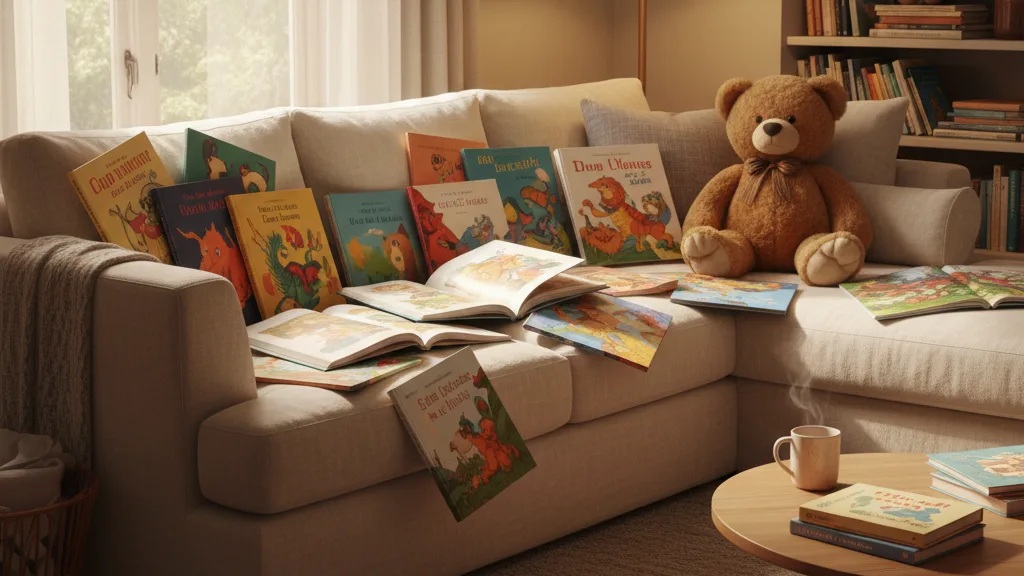
- Read age-appropriate books about using the potty together
- Let your child pick out a potty chair or seat they feel excited about
- Use consistent language for bathroom functions and stick with it
- Allow your child to sit on the potty fully clothed just to get comfortable with it
Step 2: Create a Potty Routine
Start by offering the potty at natural transition points throughout the day:
- After waking up in the morning
- After meals and snacks
- Before and after nap time
- Before bath time
- Before bed
Do not force your child to sit if they refuse. Simply offer and try again later. The goal is to build a habit, not create a power struggle.
Step 3: Switch to Training Pants or Underwear
Once your child is successfully sitting on the potty at routine times, transition from diapers to training pants or underwear during waking hours. This helps children feel the wetness when accidents happen, which reinforces the connection between the sensation and the action.
Keep diapers or pull-ups for naps and nighttime until your child consistently wakes up dry.
Step 4: Celebrate Wins and Stay Calm During Accidents
Positive reinforcement is your most powerful tool:
- Offer specific praise: “You told me you needed to go and made it to the potty. That is wonderful.”
- Avoid excessive rewards like candy or toys, which can make the process feel transactional
- When accidents happen, respond calmly: “That is okay. Let us clean up and try the potty next time.”
- Never punish, shame, or express frustration about accidents
Step 5: Stay Consistent for a Few Weeks
Most children who are truly ready will show significant progress within two to four weeks of consistent practice. Some children master daytime dryness quickly while nighttime training takes longer, sometimes months longer. Both timelines are normal.
Potty Training Tips That Make a Difference
These practical potty training tips come from years of working with toddlers in our classrooms and hearing feedback from hundreds of families:
Make the potty accessible. Keep a potty chair in the bathroom (and consider a second one on the main living floor) so your child can reach it quickly.
Dress for success. Loose-fitting pants with elastic waistbands make it easier for toddlers to pull clothing down independently. Avoid overalls, belts, or complicated snaps during training.
Watch for “the signals.” Many children show visible signs they need to go: squirming, holding themselves, going quiet, or retreating to a corner. When you notice these, gently ask if they need to use the potty.
Stay consistent between caregivers. Share your approach with grandparents, babysitters, and your child’s daycare or preschool teachers so everyone is using the same language, routine, and reinforcement strategy.
Be patient with setbacks. Potty training is not a straight line. Illness, travel, a new sibling, or any major life change can cause temporary regression. This is normal and not a sign of failure.
Let your child lead. If your child resists potty training strongly and consistently, step back for two to four weeks and try again. Forcing the issue almost always backfires.
Wait for Calm Waters: Avoid Training During Big Life Changes
Timing your potty training launch is just as important as recognizing the readiness signs. Toddlers thrive on predictability, and big life events can throw their world off-balance. Think about what’s on your family’s horizon. Are you expecting a new baby, moving to a new home, or is your child about to start a new classroom? These transitions require a lot of emotional energy from your little one. Adding the pressure of learning a major new skill at the same time can lead to unnecessary stress and setbacks for everyone involved. It’s best to wait until things have settled for at least a month before you begin.
Potty Training at Daycare: How to Get on the Same Page
One of the most important potty training tips we can offer is this: potty training works best when home and school are aligned. Inconsistency between environments is one of the top reasons training stalls.
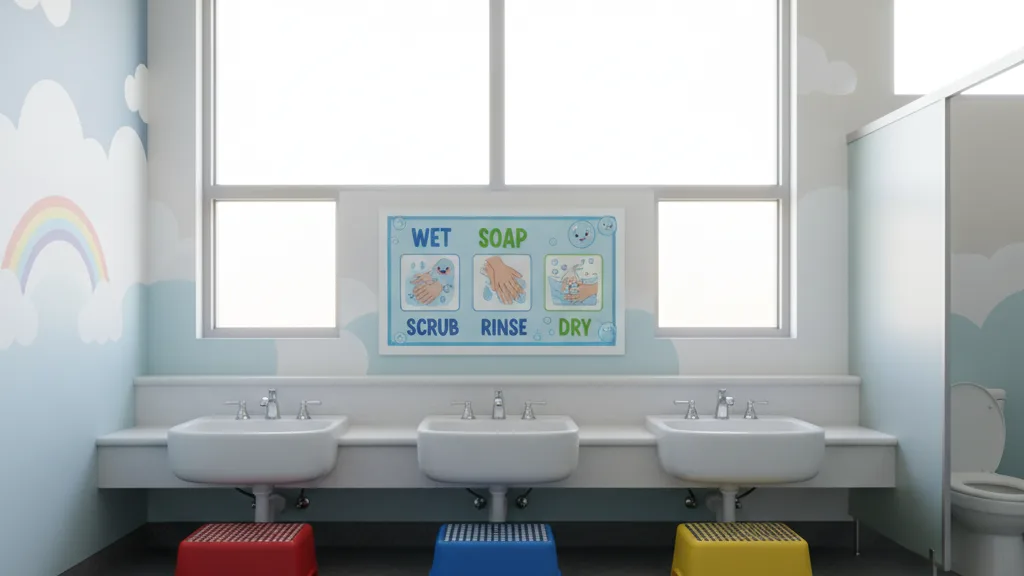
Here is how to make the partnership work:
Start the conversation early. Let your child’s teachers know when you are planning to begin training at home. Most childcare programs, including our toddler classrooms and bridge classrooms, have established potty training protocols and can coordinate with your home routine.
Share your language and methods. If you call it “potty” at home, let teachers know so they use the same word. If you are using a specific type of potty seat, consider whether the school uses similar equipment.
Send extra clothes. Pack multiple changes of clothes, including socks and shoes, for the early weeks of training. Accidents at school are completely normal and expected.
Ask for daily updates. Good childcare programs will communicate how your child did with potty training each day. This feedback helps you adjust your approach at home.
Trust the process. Experienced early childhood educators have guided hundreds of children through potty training. They understand the developmental nuances and can often spot readiness signs parents might miss. Working together as a team makes the entire process smoother for your child.
Partnering With Your Child’s Educators
At Strong Start, we believe in working closely with parents to support major developmental milestones like potty training. Consistent communication ensures your child receives the same positive reinforcement at school and at home.
We view potty training as a collaborative effort, and our commitment to partnering with parents is central to our approach. When you decide it’s time to start, we become your teammates. Our educators provide daily updates on your child’s progress, sharing observations about their cues and behaviors, not just successes or accidents. This open communication helps us create a consistent strategy together. We share what techniques work in the classroom, and you share what’s working at home, allowing us to adapt in real-time to best support your child.
The process begins with a simple conversation. We encourage you to talk with your child’s lead teacher about your plans, the language you use for the bathroom, and your child’s unique personality. This helps our exceptional educators mirror your approach, creating a seamless and predictable experience for your toddler. By aligning our routines and reinforcement methods, we reduce confusion and help your child feel more confident. Together, we celebrate every small victory and work through challenges, making this transition a positive experience for everyone.
Potty Training Boys vs. Girls: Is There a Difference?
Parents frequently ask whether there is a difference in when to start potty training boys versus girls. Research and our classroom experience suggest some general trends:
- Girls tend to show readiness slightly earlier, often between 22 and 28 months, though there is wide variation
- Boys may show readiness a bit later, commonly between 24 and 30 months, but again, individual differences matter far more than averages
- Both boys and girls benefit from sitting to start. We recommend all children begin potty training seated, regardless of gender. Standing to urinate is a skill boys can learn after they have mastered the basics.
The most important factor is not your child’s gender but their individual readiness. The eight signs listed above apply equally to all children.
Understanding Average Timelines
While most children master daytime potty training within a few weeks to a few months of starting, the overall timeline is unique to each child. The most common window for readiness appears between 18 and 30 months, but this is just a guide. Pushing a child before they are developmentally prepared often leads to power struggles and can actually prolong the process. The key is to focus on their individual signals rather than a specific age on the calendar. In our toddler classrooms, we see a wide range of timelines, and we always let the child’s behavior lead the way. Trusting your child’s pace and avoiding comparisons to siblings or peers is the most effective strategy for a positive experience.
Facing Potty Training Setbacks? Here’s What to Do
Even with the best preparation, potty training comes with bumps. Here are the challenges we see most often:
Fear of the toilet. Some children are afraid of the flushing sound or the feeling of sitting over an opening. A standalone potty chair, placed on the floor, often resolves this. Let your child flush when they are ready, not before.
Refusal to poop on the potty. This is extremely common. Many toddlers will urinate on the potty willingly but ask for a diaper to have a bowel movement. This typically resolves on its own within a few weeks as the child gains confidence. Do not force the issue.
Regression after progress. Toddler regression during potty training is normal, especially when triggered by stress, illness, or a big change like starting at a new school or welcoming a new sibling. Go back to the basics with gentle encouragement and avoid punishment.
Power struggles. If potty training becomes a battle, pause. Two to four weeks off the topic often resets the dynamic. Remember, your child needs to feel ownership of this process for it to succeed.
Nighttime dryness taking longer. Daytime and nighttime bladder control develop on different timelines. Many children who are fully trained during the day still need a diaper at night for months or even a year longer. This is a maturation issue, not a training issue.
When to Take a Break
If potty training has turned into a daily battle of wills, it is a clear sign to pause. Strong and consistent resistance from your child means they are not ready, and forcing the issue will only create negative feelings about the toilet that can prolong the process. The best response is to take a complete break for two to four weeks. This means going back to diapers without pressure or discussion, allowing your child to feel in control again. This pause is not a failure; it is a strategic reset that respects your child’s developmental timeline and reinforces the idea of partnering with your child in their learning. When you reintroduce the idea later, you will likely find your child is much more receptive.
Navigating Stool Toileting Refusal
It is incredibly common for a toddler to master peeing on the potty but refuse to have a bowel movement anywhere but in a diaper. This is a normal phase driven by a combination of physical sensations and psychological comfort. The most important thing you can do is remain patient and avoid turning it into a conflict. Forcing your child to sit on the toilet can lead to them withholding stool, which can cause constipation and make the problem worse. Instead, honor their request for a diaper when they need to poop. This phase almost always resolves on its own within a few weeks as your child’s confidence grows and they see that using the toilet is safe and comfortable for everything.
When to Talk to Your Pediatrician
While potty training is a natural developmental milestone, your pediatrician is an invaluable partner in the process. They can offer personalized advice based on your child’s health history and developmental trajectory, providing reassurance and guidance. If you have any concerns about your child’s readiness, are struggling with persistent setbacks, or just want to confirm your approach is on the right track, a conversation with your doctor is always a good idea. They can help you distinguish between normal potty training challenges and any underlying issues that might need attention, ensuring you and your child feel supported every step of the way.
Anticipatory Guidance for Parents
You don’t have to wait for a problem to bring up potty training. In fact, the best time to start the conversation is before you even begin. The American Academy of Family Physicians recommends that pediatricians begin offering anticipatory guidance on toilet training during well-child visits between 18 and 24 months. This is the perfect window to ask questions and align on what readiness signs to look for in your specific child. Your doctor can help you understand the developmental milestones that support successful training and set realistic expectations, which can prevent a lot of frustration for both you and your toddler down the road.
Special Considerations for Developmental Differences
Every child develops at their own unique pace, and some children may need a more specialized approach to potty training. If your child has a developmental condition such as autism, Down syndrome, or cerebral palsy, the timeline and methods for training might look different. According to the American Academy of Family Physicians, these children often take longer to train and may benefit from specialist support. Your pediatrician is your best resource for creating a tailored plan and can connect you with occupational therapists or other experts who can provide strategies that work for your child’s specific needs.
Timing and Long-Term Outcomes
If you are feeling pressured by timelines or comparisons, your pediatrician can be a reassuring voice of reason. They can affirm that readiness signals are far more important than age. Rushing the process before your child is physically and emotionally prepared often leads to power struggles and can actually make training take longer. Your doctor can help you assess your child’s readiness cues and confirm that it is perfectly normal if they are not ready at 24 months, or even 30 months. This professional validation can help you confidently follow your child’s lead, which is the surest path to long-term success.
Frequently Asked Questions About Potty Training
What’s the average age for potty training?
Most children are ready between 18 and 30 months, with the average falling around 24 to 27 months. The best age for your child is when they show consistent readiness signs, not a specific number on the calendar.
How long will potty training take?
For children who are genuinely ready, daytime training typically takes two to four weeks of consistent practice. Nighttime dryness may take several additional months. Every child’s timeline is different.
Should I use a potty chair or a toilet seat adapter?
Either works. Some children prefer a potty chair because it feels less intimidating and their feet can touch the floor. Others like using the “big toilet” with a child-sized seat adapter and a step stool. Let your child try both and see which they prefer.
When should I worry about potty training delays?
If your child shows no interest in potty training by age 3.5 to 4, or if a previously trained child has a sudden, persistent regression with no clear cause, talk to your pediatrician. Most delays are normal, but it is always worth checking if you have concerns.
Consulting a Doctor for Persistent Delays
While it’s true that readiness matters more than age, it’s also natural to wonder if a delay is a sign of something more. If your child is approaching age four and still shows no interest in the potty, or if a fully trained child experiences a sudden and lasting regression, it’s a good idea to schedule a check-in with your pediatrician. This isn’t about raising an alarm; most of the time, these delays are perfectly normal variations in development. A conversation with your doctor can help rule out any underlying physical issues, like constipation or a urinary tract infection, and provide personalized advice. This is simply another part of the collaborative approach to your child’s development, similar to the strong connection we build by partnering with parents at our centers.
Is 18 months too early to start potty training?
Yes, if your child is showing readiness signs. Some children are physically and cognitively prepared at 18 months. However, training at this age often takes longer because development is still catching up. Watch for the readiness signs rather than targeting a specific age.
Patience and Positivity Are Your Best Tools
Potty training is one of many developmental milestones your child will navigate during their early years, from learning to walk to starting to talk to managing big emotions. Each milestone builds on the last, and each child moves through them at their own pace.
At Strong Start Early Care & Education, our educators work alongside families to support children through every stage of development. Our Reggio Emilia-inspired approach honors each child’s unique timeline while providing the structure, consistency, and encouragement they need to grow into confident, capable learners.
If you are navigating potty training and want to learn more about how our toddler and preschool programs support developmental milestones, explore our programs or contact us to schedule a visit at one of our Connecticut locations in Trumbull, Shelton, or Wilton.
Related Articles
Written By
Marc Hoffman
Founder, Strong Start Early Care & Education
Marc founded Strong Start in 2014, inspired by his studies at Williams College, Yeshiva University, and research at Yale University. His child-centered, inquiry-based approach to early education has helped hundreds of families in the Trumbull and Bridgeport communities. As a parent himself, Marc understands the importance of finding a nurturing environment where every child can learn, grow, and flourish.