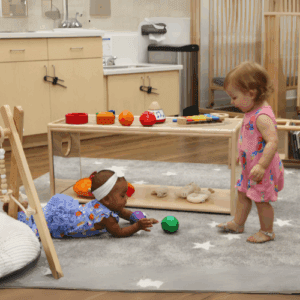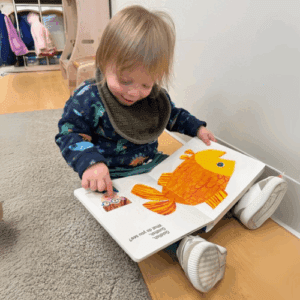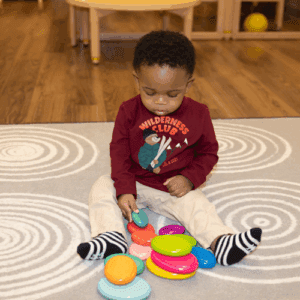
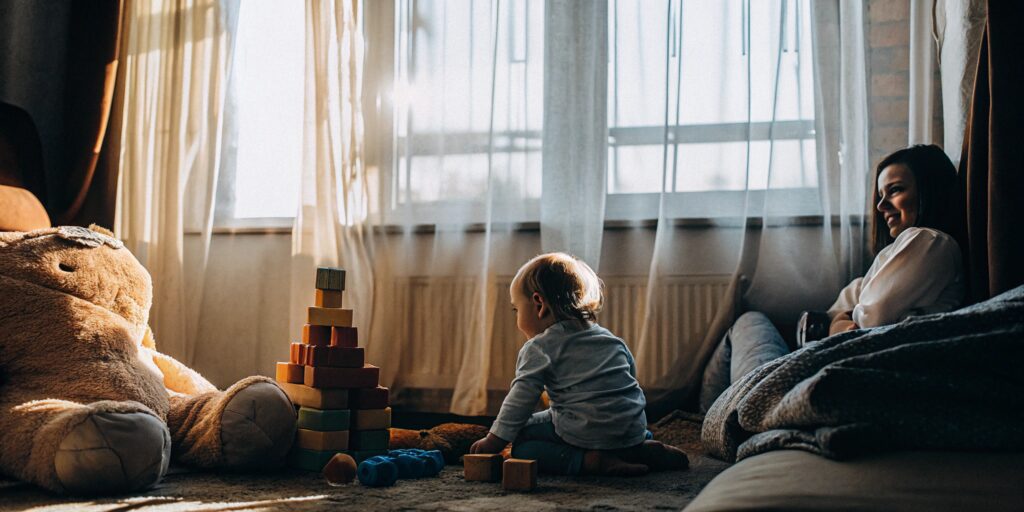
For a young child, stacking a tower of blocks is an experiment in physics. Hosting a tea party for stuffed animals is a lesson in social skills. Digging in a sand table is a hands-on exploration of scientific concepts. This is the magic of a learning through play curriculum. It meets children where they are, using their natural curiosity as the fuel for education. This isn’t unstructured chaos; it’s a carefully designed learning through play classroom where educators guide discovery. This approach ensures learning feels joyful, not like a chore, building a positive foundation and a genuine love for discovery that lasts a lifetime.
Key Takeaways
- Play is purposeful work: A play-based curriculum uses your child’s natural curiosity to build essential skills for school and life, from problem-solving and language to social-emotional intelligence.
- It’s organized exploration, not chaos: In a quality program, educators are active guides who create a structured environment with open-ended materials, allowing them to facilitate learning as it happens rather than directing it.
- You are a key partner in their learning: Support your child’s growth by creating a simple play-friendly space at home, following their lead during playtime, and staying connected with their teachers about their discoveries.
What is a “Learning Through Play” Curriculum?
When you think about preschool, you might picture children sitting at desks with worksheets. But a learning through play curriculum turns that idea on its head. This educational approach recognizes that for young children, play is learning. It’s a purposeful and powerful method where children gain knowledge and skills through activities that feel like pure fun—like building towering block cities, pretending to be chefs in a play kitchen, or discovering what sinks and floats at a water table.
This isn’t just unstructured free time. It’s a carefully designed experience where active engagement helps your child grow in every way. Through imaginative, constructive, and game-based activities, children develop socially, emotionally, and academically. At Strong Start, our curriculum is inspired by philosophies like Reggio Emilia and the Project Approach, which view children as curious, capable individuals. We believe that the most meaningful learning happens when children are actively involved in exploring a world that fascinates them, with caring teachers to guide their discovery.
What’s at the Heart of Learning Through Play?
At its heart, a play-based curriculum understands that children learn best when they are doing. This learning can happen in a few different ways throughout the day. Sometimes, it’s through free play, where a child can explore materials and ideas on their own terms. Other times, it’s with gentle teacher guidance, where an educator might ask questions to deepen a child’s thinking. It can even happen in a structured game that teaches concepts like turn-taking or counting.
The key is that these experiences are woven into the daily classroom schedule. This ensures that while your child is joyfully playing, they are also naturally meeting important curriculum goals and developmental milestones. It’s a thoughtful balance of freedom and structure designed to make learning feel effortless and exciting.
Why Child-Led Exploration is Key
A play-based curriculum works best when it’s powered by a child’s own curiosity. Following their interests is what makes learning feel so natural and joyful. When a child is genuinely fascinated by what they’re doing—whether it’s mixing “potions” with colored water or figuring out how to build a stable bridge—they are developing critical thinking, problem-solving skills, and creativity.
This is why our exceptional educators are skilled observers. By watching children play, they gain incredible insight into each child’s unique interests and developmental progress. This allows them to ask the right questions and introduce new materials that challenge children to think bigger and explore their ideas more deeply, all while letting the child remain in the driver’s seat of their own learning journey.
The Shift Towards Playful Learning
The conversation around early education is changing, and for good reason. We’re moving away from the idea that learning only happens with flashcards and worksheets. Instead, research increasingly shows that play is the most effective way for young children to build their brains and develop the skills they’ll need for the 21st century. When a child is engaged in play, they aren’t just having fun; they are doing purposeful work. This hands-on approach has been shown to give children an edge, helping them make, on average, about four extra months of academic progress compared to other methods. It’s a powerful shift that honors a child’s natural way of learning and sets them up for future success.
Global Recognition of Play
This focus on playful learning isn’t just a local trend; it’s a globally recognized best practice. Leading organizations in early childhood education, like the National Association for the Education of Young Children (NAEYC), emphasize that play is a fundamental right for every child. This is why achieving NAEYC accreditation is such a high standard—it signifies a commitment to these proven, child-centered principles. Across the world, educators and researchers agree that children learn best through hands-on exploration and discovery. The growing body of evidence is clear: play helps children develop the critical thinking, social skills, and creativity they need to thrive in a complex world, making it the gold standard for high-quality early education.
How Does Play Benefit My Child’s Development?
It’s easy to see play as just a fun way for kids to pass the time, but it’s so much more than that. Play is the essential work of childhood. It’s how children make sense of the world, test out new ideas, and build foundational skills that will support them for the rest of their lives. When your child is stacking blocks, dressing up as a firefighter, or digging in the sand, they are actively learning, experimenting, and growing. This hands-on, joyful exploration is at the heart of a play-based curriculum, turning natural curiosity into real knowledge.
Through play, children develop in every possible way—socially, emotionally, physically, and cognitively. It’s a holistic process where one area of growth supports another. For example, negotiating the rules of a game with a friend builds social and language skills, while the physical act of playing helps develop coordination and strength. At Strong Start, we see these incredible connections every day. Our educators are trained to create an environment that encourages this natural development, providing the right materials and gentle guidance to help your child get the most out of their play. Understanding how play and learning are intertwined helps you see the incredible growth happening in these seemingly simple moments.
Building Friendships and Feelings Through Play
Play is often a child’s first opportunity to practice being part of a community. During group play, children learn how to interact with others, take turns, share materials, and work together to solve problems. When a disagreement happens over who gets to use the blue paint, it’s a real-time lesson in negotiation and empathy. These interactions are the building blocks for strong friendships and healthy relationships. Play also gives children a safe space to explore and express their feelings. Pretending to be a superhero who saves the day or a parent caring for a baby helps them process complex emotions and see the world from different perspectives, supporting their long-term mental health.
Expanding Language and Thinking Skills
A child’s vocabulary and conversational skills grow naturally through play. When children engage in pretend play, like running a make-believe restaurant or caring for a “sick” teddy bear, they are constantly using new words and practicing back-and-forth dialogue. This is how language becomes meaningful and contextual. Play also strengthens critical thinking. Whether they’re figuring out how to build a tower that won’t fall over or creating a pattern with colorful beads, children are developing problem-solving skills and learning about cause and effect. Our curriculum’s Reggio Emilia inspiration honors this process by encouraging children to ask questions, investigate their interests, and express their ideas in countless ways.
Getting Active: Play and Physical Development
Play is naturally active, helping children develop strong, healthy bodies. Big movements like running, jumping, and climbing build gross motor skills, which are essential for balance, coordination, and physical confidence. Think about a game of tag or navigating an obstacle course—these fun activities are powerful physical workouts. At the same time, quieter play helps refine fine motor skills. Activities like painting, drawing, threading beads, or manipulating playdough strengthen the small muscles in their hands and fingers. These skills are crucial for learning to write and performing everyday tasks like buttoning a coat. Our Enrichment Program includes activities designed to support this physical development in a fun and engaging way.
The Research Behind Learning Through Play
The idea that play is a powerful learning tool isn’t just a nice thought—it’s backed by solid research. For years, child development experts have studied how children learn best, and the evidence consistently points to play. This approach isn’t about choosing between fun and academics; it’s about recognizing that for young children, the two are deeply connected. When children are engaged in play, they are not just passing the time. They are building the cognitive, social, and emotional foundations they need to succeed in school and in life. This research is the bedrock of our approach at Strong Start, where we see every day how purposeful play helps children become confident and capable learners.
Evidence of Academic Progress
It’s natural to wonder if a play-based approach prepares children for the academic demands of kindergarten. The research says a resounding yes. Studies show that preschoolers in play-based programs often show significant gains in language development, problem-solving abilities, and social skills. According to research from Chroma Academy, this type of learning helps children become better explorers, communicators, and thinkers. Instead of just memorizing letters and numbers, they learn how to use them in meaningful ways. This deeper understanding is what truly prepares them for a lifetime of learning, creating a solid foundation for future academic challenges.
Understanding the Current Research
Recent, large-scale analyses of play-based learning have confirmed its effectiveness. The Education Endowment Foundation, a respected research organization, found that play-based approaches generally help children make about four extra months of academic progress on average. This isn’t just a small improvement; it’s a significant leap forward. The benefits are seen across the board, from early reading and language skills to math and other cognitive abilities. This data shows that when we follow a child’s lead and build on their natural curiosity, we are actually accelerating their learning in a way that is both joyful and highly effective.
Long-Term Success in School
The benefits of learning through play don’t stop at the kindergarten door. In fact, some of the most compelling research highlights its long-term advantages. One of the surprising findings is that children from play-based preschools often outperform their peers from more traditional, teacher-led classrooms by the time they reach the end of elementary school. This suggests that play helps children develop crucial skills like creativity, critical thinking, and self-regulation—abilities that become increasingly important as academic work gets more complex. It builds not just knowledge, but a genuine love for learning that fuels their success for years to come.
Key Theories That Guide Play-Based Learning
Behind every great play-based curriculum are foundational theories developed by pioneers in child psychology and education. These experts spent their lives observing children to understand how they think, grow, and learn. Their work gives us a roadmap for creating environments where children can thrive. Thinkers like Lev Vygotsky and Mildred Parten helped us see that play is not random but a structured, essential part of development. Understanding these theories helps us at Strong Start design intentional experiences that support every aspect of your child’s growth, from their first social interactions in our infant classrooms to complex group projects in preschool.
The Five Characteristics of Playful Learning
What makes an activity truly playful and educational? Researchers have identified five key characteristics. First, it must be joyful and create positive feelings. It should also be meaningful, helping children connect what they’re learning to their own lives. Play is also actively engaging, requiring focus and participation. Fourth, it’s often iterative, meaning children test ideas, make mistakes, and try again. Finally, high-quality play is typically socially interactive, involving communication and collaboration with others. When these five elements come together, they create a powerful learning experience that feels like pure fun.
How Children Learn Through Social Play (Vygotsky)
Psychologist Lev Vygotsky believed that learning is fundamentally a social process. His theory suggests that children learn best when they interact with more knowledgeable people, whether that’s an adult or a peer. This is why the role of the teacher is so important in a play-based classroom. Our exceptional educators are not just supervisors; they are active participants and guides. They observe, ask thoughtful questions, and introduce new ideas or materials to extend a child’s thinking. This collaborative process, which Vygotsky called “scaffolding,” helps children tackle challenges they couldn’t manage on their own, building their confidence and skills.
The Social Stages of Play (Parten)
Sociologist Mildred Parten identified six distinct stages of play that children progress through as they develop socially. These stages aren’t rigid steps but a general guide to how children learn to play with others. Understanding these stages helps parents and educators recognize what is developmentally appropriate and how to best support a child’s social growth. From playing alone as a toddler to working on a group project in preschool, each stage is a vital part of learning how to be a friend, a collaborator, and a member of a community.
Unoccupied and Solitary Play
The earliest stages of play often look like simple exploration. Unoccupied play is common in infants, who might seem to be moving their bodies randomly as they discover what their hands and feet can do. Soon after, children move into solitary play, where they are completely absorbed in their own activity. A toddler in one of our toddler classrooms happily stacking blocks by themselves is a perfect example. This independent play is crucial for developing focus, imagination, and self-reliance.
Onlooker and Parallel Play
As children become more aware of others, their play style shifts. In onlooker play, a child will watch other children play with great interest but won’t join in. They are learning by observing. This often leads to parallel play, a classic toddler behavior where two children play side-by-side with similar toys, but without much direct interaction. They might be near each other, but they are still in their own little worlds. This stage is an important bridge to more interactive play, as children learn to feel comfortable around their peers.
Associative and Cooperative Play
The final stages involve true social interaction. During associative play, children start to play together, sharing materials and talking about what they are doing, but they aren’t yet working toward a common goal. For example, several children might be using playdough at the same table, sharing colors and tools. The most advanced stage is cooperative play, which is common in our preschool classrooms. Here, children work together to achieve a shared objective, like building a fort or putting on a pretend show, requiring negotiation, planning, and teamwork.
What Does a Great Play-Based Curriculum Include?
When you walk into a classroom that truly embraces learning through play, you’ll notice it’s much more than just a room full of toys. A great play-based curriculum is intentionally designed to be a rich, engaging environment where learning happens organically. It’s a space where a child’s natural curiosity is the compass that guides their education. This philosophy is at the heart of everything we do, drawing inspiration from world-renowned approaches like Reggio Emilia and the Project Approach.
Instead of a rigid, one-size-fits-all lesson plan, the curriculum is flexible and emerges from the children’s own interests and questions. Did a child bring in a unique-looking leaf from the playground? That might spark a week-long investigation into trees, seasons, and nature. This method doesn’t just make learning more fun; it equips children with essential tools for critical thinking, problem-solving, and creativity in a way that feels joyful and natural. It’s about creating a foundation for lifelong learning by showing children that their ideas have value and that discovery is an exciting adventure.
Encouraging Independent Exploration
One of the cornerstones of a play-based curriculum is giving children the freedom to choose their own activities. This is what we call self-directed or child-led play. It doesn’t mean a lack of structure; rather, our exceptional educators thoughtfully arrange the classroom with engaging learning centers and materials. Within this framework, children can decide whether to build with blocks, paint at the easel, or care for baby dolls in the dramatic play area. This autonomy is powerful. It helps children develop decision-making skills, learn to manage their time, and build confidence as they follow their own interests and see their ideas come to life.
Fueling Creativity and Imagination
A great play-based classroom is buzzing with imagination. You’ll see children transforming a cardboard box into a spaceship, hosting a tea party for stuffed animals, or building an elaborate city with wooden blocks. These imaginative scenarios are more than just fun; they are complex exercises in social and emotional learning. Through this kind of play, children practice negotiation (“I’ll be the doctor, you be the patient”), empathy, and problem-solving. Our enrichment programs are designed to further ignite this creativity, providing dedicated time for children to express themselves through art, music, and movement, building a rich inner world.
The Magic of Open-Ended Materials
Walk into one of our classrooms, and you might notice that many of the “toys” are simple, open-ended materials. Think of items like wooden blocks, clay, scarves, shells, and recycled containers. Unlike a puzzle that has only one correct solution, these materials can become anything a child imagines. A stick can be a magic wand, a fishing pole, or a pencil. This flexibility encourages higher-order thinking and creativity. By providing materials that don’t have a predetermined purpose, we invite children in our infant, toddler, and preschool programs to become innovators and thinkers.
Focusing on the Process, Not the Product
In a play-based environment, the real learning happens in the doing. We celebrate the process of exploration and discovery rather than the final product. An art project isn’t about creating a perfect-looking craft to send home; it’s about the experience of mixing colors, feeling the texture of the paint, and expressing an idea. When a child’s block tower tumbles down, the lesson is in the trial-and-error of rebuilding it, not in the perfection of the final structure. This focus on process helps children develop persistence, take healthy risks, and cultivate a genuine love of learning, which is a core part of your child’s day with us.
What is the Teacher’s Role in a Play-Based Classroom?
In a play-based classroom, the teacher’s role looks quite different from what you might remember from your own school days. Instead of standing at the front of the room, our educators are active participants and thoughtful observers on the floor with the children. They are architects of the environment, facilitators of discovery, and careful documenters of your child’s growth. Their goal is to nurture curiosity and guide learning as it naturally unfolds through play. This approach requires a deep understanding of child development and a talent for seeing the learning opportunities in every moment, from building a block tower to mixing “potions” in the water table.
Creating an Enriching Learning Space
The classroom environment itself is a powerful teaching tool. Our educators thoughtfully design every corner of the room to invite exploration and discovery. This isn’t just about making the space look nice; it’s about creating an intentional learning landscape. We integrate play into the daily schedule with planned, purposeful activities that help children meet learning goals while developing creativity and problem-solving skills. Inspired by the Reggio Emilia approach, we see the environment as the “third teacher”—a space that is rich with possibilities and encourages children to interact, question, and learn from their surroundings. Every material and activity is chosen to spark curiosity and support your child’s development.
Guiding and Observing, Not Directing
You’ll often see our teachers on the floor with the children, but their role is more of a guide than a director. They are skilled observers, paying close attention to children’s interactions, interests, and challenges. This allows them to ask thoughtful questions that extend learning or introduce new materials to deepen the play. For example, if a child is building a tower that keeps falling, the teacher might ask, “What do you think would make the bottom stronger?” instead of just showing them the answer. This method empowers children to think critically and find their own solutions. Our exceptional educators are trained to facilitate learning in this way, providing support and encouragement right when it’s needed most.
Balancing Structure with Freedom
A common question we hear is whether a play-based classroom is just unstructured chaos. The answer is a definite no! There is a beautiful and intentional balance between child-led exploration and teacher-guided activities. While children have the freedom to choose their activities and explore their own interests, our educators weave in structured learning experiences throughout the day. This might look like a small group project, a story time that introduces new vocabulary, or a game that teaches counting. This approach, central to methods like The Project Approach, ensures children are developing key skills and knowledge in a way that feels engaging and meaningful to them, blending the best of both worlds.
How We Document Your Child’s Learning
How do we know what your child is learning if they’re “just playing”? We document their progress constantly. Our teachers use a variety of methods, including written observations, photos, and collecting work samples, to capture your child’s learning journey. This documentation isn’t for grading; it’s a tool that helps us understand your child’s unique strengths, interests, and areas for growth. By tracking these moments, we can tailor activities to meet individual needs and plan the next steps in their development. This process is a key part of partnering with parents, as we share these observations with you to provide a complete picture of your child’s progress and celebrate their many accomplishments together.
Ensuring Play is for Every Child
A truly great play-based curriculum is one that is built for every single child who walks through the door. It’s founded on the belief that every child, regardless of their background, abilities, or personality, deserves to experience the joy and profound learning that comes from play. This means creating a welcoming, inclusive environment where differences are celebrated and every child is given the support they need to thrive. It’s about moving beyond a one-size-fits-all approach and intentionally designing experiences that are accessible, engaging, and meaningful for all. At its core, an inclusive classroom is a place where every child feels a deep sense of belonging.
Play as a Universal Right
It’s a simple but powerful truth: play is a right, not a privilege. The National Association for the Education of Young Children (NAEYC) emphasizes that all children should have the opportunity to play, no matter their family income, race, or ability. This principle is the bedrock of an equitable early childhood program. It means that every child is seen, valued, and given the tools they need to participate fully. In our classrooms, this commitment comes to life by ensuring that our materials, activities, and interactions reflect the diverse world we live in and that every child sees themselves represented. Our NAEYC accreditation holds us to this high standard, ensuring we create a space where every child can learn and grow through joyful, meaningful play.
Adapting Activities for Inclusive Classrooms
In an inclusive classroom, you won’t see a separate set of activities for children with different needs. Instead, you’ll see skilled educators who know how to adapt experiences so everyone can participate together. This might mean providing chunky paintbrushes for a child developing fine motor skills, offering a quiet corner for a child who needs a sensory break, or using visual cues to help a child understand the steps of a game. The goal is to remove barriers and ensure every child can access the learning. As outlined in resources like Learning Through Play, our educators are trained to modify lessons in real-time, focusing on each child’s unique strengths and providing the right level of support to help them succeed and feel confident.
Supporting Children with Autism Through Play
For some children, including those with autism, the social and imaginative aspects of play may not come as naturally. In these cases, play skills can be thoughtfully and gently taught. This is where a strong partnership between school and home becomes essential. Our educators work closely with families to understand a child’s specific interests and use those passions as a bridge to play. If a child loves trains, we might use trains to practice taking turns or to create a story together. As the NAEYC highlights, this collaborative approach helps children build crucial social, communication, and thinking skills in a way that feels safe and engaging. By partnering with parents, we can create a consistent and supportive environment that helps every child unlock the incredible benefits of play.
Your Questions About Play-Based Learning, Answered
It’s completely natural to have questions when you hear the term “play-based learning.” For many of us, school was a place of desks, worksheets, and direct instruction. The idea that children learn best through play can seem counterintuitive at first. You might wonder if your child will gain the academic skills they need to succeed in kindergarten and beyond. Will they learn to read, write, and count if they’re “just playing” all day?
These are valid and important questions that we hear from many families. The great news is that a high-quality, play-based curriculum is not only fun for children but is also backed by decades of research as the most effective way for young minds to learn and grow. It’s a thoughtful approach that intentionally builds foundational skills for lifelong learning. Let’s walk through some of the most common questions parents have, so you can feel confident in how this approach prepares your child for a bright future.
“Will my child be ready for school?”
This is often the biggest question on a parent’s mind, and the answer is a resounding yes. Play-based learning is the best way to prepare children for the academic and social demands of school. Through play, children develop critical thinking skills, creativity, and social-emotional competence. When they build a tower, they’re learning about physics and engineering. When they engage in pretend play, they’re practicing language, negotiation, and empathy. This approach, inspired by philosophies like Reggio Emilia, fosters a deep love of learning and curiosity that is far more valuable than rote memorization. They learn how to learn, which is the most important skill of all.
“Is it just chaos?”: Understanding Structure and Supervision
A play-based classroom might look busy and active, but it is far from chaotic. It’s a carefully planned environment where every material and activity is chosen with a specific learning goal in mind. Our exceptional educators are experts at creating a structured setting that encourages exploration and discovery. They act as facilitators, observing children’s interests and gently guiding them toward new challenges. The structure is flexible and child-led, but it’s always present. Think of it as organized exploration, where children are free to learn in a way that is meaningful to them, all within a safe and supportive framework.
The Lifelong Benefits of Learning Through Play
While play-based learning absolutely prepares children for kindergarten, its benefits extend far beyond that first year of school. During play, children build a strong foundation in core subjects like math, science, and literacy in a way that feels natural and engaging. They develop problem-solving skills, learn to collaborate with peers, and build the confidence to take on new challenges. Our enrichment programs further support this by offering focused activities in STEM, art, and cooking. This approach doesn’t just teach children facts; it helps them become curious, resilient, and creative thinkers for life.
Separating Fact from Fiction About Play
The biggest misconception about play-based learning is that it’s the opposite of “real” learning. The truth is, for young children, play is real learning. It’s how their brains are wired to understand the world. A quality program isn’t an academic-versus-play choice; it integrates academics into play. By fostering a genuine love of learning in a nurturing environment, we ensure children are well-prepared for success in elementary school and beyond. We believe in partnering with parents to help you see and celebrate the incredible learning that happens every single day through play.
Addressing Potential Challenges
We understand that the world puts a lot of pressure on parents—and children—to meet academic milestones early. It’s natural to worry that a play-based approach might not be rigorous enough to prepare your child for the structure of elementary school. However, a quality play-based classroom is not a free-for-all. While it may look like busy fun, it is a carefully planned environment where our exceptional educators intentionally select every material and activity to meet specific learning goals. Foundational academic skills are woven into every part of the day, from counting blocks and measuring ingredients in a sensory bin to developing pre-reading skills through storytelling and dramatic play. This approach builds a much deeper, more authentic understanding than rote memorization ever could.
How We Help Parents Understand the Power of Play
We know that seeing is believing. It’s our job not only to facilitate your child’s learning but also to make that learning visible to you. Understanding how play and learning are intertwined helps you see the incredible growth happening in what might look like simple, everyday moments. Through daily communication, photos, and detailed observations, we show you how your child’s block tower is actually a lesson in physics or how their pretend play is building complex language and social skills. We believe in actively partnering with parents because when you understand the “why” behind our approach, you become an even more powerful advocate for your child’s development. Together, we can celebrate the essential work of childhood and build a strong foundation for a lifetime of curiosity and success.
Fun Activities That Bring Learning Through Play to Life
When you peek into a play-based classroom, you’ll see a vibrant world of activity. It might look like simple fun, but every station and project is intentionally designed to help children learn. From the block corner to the dress-up area, these activities are the building blocks for developing critical thinking, social skills, and a genuine love for discovery. Here are a few examples of the powerful learning that happens through play every day.
Dramatic Play and Role-Playing
The dress-up corner or play kitchen is more than just a place for make-believe; it’s a laboratory for understanding the world. When children pretend to run a café, they aren’t just playing. They’re practicing social skills by taking orders, using early math concepts to handle play money, and building vocabulary as they talk to their “customers.” This kind of role-playing helps children connect what they’re learning to real-life situations. Our Reggio Emilia-inspired approach sees these imaginative scenarios as vital opportunities for children to express their ideas and build complex social understanding.
Building and Construction Projects
In the block area, you’ll find future engineers and architects at work. Stacking blocks, connecting magnetic tiles, and designing intricate structures teaches children about balance, gravity, and spatial awareness. When a tower tumbles, it’s not a failure—it’s a chance to problem-solve and try a new approach. These hands-on projects encourage creativity, persistence, and collaboration as children work together to bring their ideas to life. This foundational experience with design and function is a natural introduction to our STEM Learning curriculum, sparking an early interest in science and technology.
Exploring Through Sensory Activities
Activities involving sand, water, clay, or other textured materials are crucial for cognitive growth. A sensory table might seem messy, but it’s a rich learning environment where children conduct their first science experiments. They explore concepts like volume by pouring water from one container to another and learn about cause and effect when they mix sand and water to change its texture. These hands-on experiences are essential for building neural pathways in the brain. In our toddler classrooms, sensory exploration is a key part of the day, helping little ones make sense of the world around them.
Getting Outside with Nature-Based Learning
Outdoor time is an essential part of the curriculum, not just a break from the classroom. Running, jumping, and climbing help children develop strong gross motor skills and physical confidence. Nature-based play also encourages children to become keen observers as they watch a trail of ants or notice the changing seasons. It provides opportunities to take safe, calculated risks, like figuring out how high to climb, which builds resilience and good judgment. As part of our commitment to whole-child development, our Fit Kids program ensures children get plenty of time to move their bodies and connect with the natural world.
How to Support Play-Based Learning at Home
The wonderful thing about play-based learning is that it doesn’t have to stop at the classroom door. You can easily extend this curious, joyful approach to learning right into your own home. Supporting your child’s development through play is less about having the right toys and more about creating the right environment and mindset. It’s about seeing the world through their eyes and celebrating the process of discovery. By making a few simple adjustments, you can help your child build on what they’re learning at school and continue to grow their confidence, creativity, and love for learning.
Create a Play-Friendly Space
Creating a dedicated space for play at home is one of the best ways to encourage your child to explore their interests. This doesn’t mean you need a separate playroom; a cozy corner of the living room or their bedroom works perfectly. The goal is to make it safe, inviting, and accessible. Keep a variety of open-ended materials—like blocks, art supplies, playdough, and recycled containers—on low shelves where your child can easily see and reach them. This empowers them to make their own choices and initiate their own play, which is a huge confidence builder. Just like our preschool classrooms, a well-organized space can inspire creativity and independent thinking.
Engage in Meaningful Play with Your Child
Playing with your child is a powerful way to connect and deepen their learning. When you get on the floor and join their world, you show them that their ideas are important. Meaningful play isn’t about directing the action or quizzing them. Instead, follow their lead. If they’re building a tower, become the construction assistant. If they’re hosting a tea party for stuffed animals, ask your teddy bear if he’d like more tea. You can support their thinking by wondering aloud: “I wonder what would happen if we used a bigger block on the bottom?” This type of engagement strengthens your bond and helps them develop critical thinking and social skills.
Navigating Digital Play and Educational Apps
In a world full of screens, it’s natural to wonder how technology fits into a play-based philosophy. While hands-on, tangible play is irreplaceable, high-quality digital tools can be a valuable supplement when used with intention. The best educational apps and games act as a guide, allowing children to practice skills at their own pace and explore concepts in a safe, interactive space. They can improve hand-eye coordination and problem-solving while engaging a child’s natural curiosity with sounds and animation. The key is to choose open-ended, creative digital technology that encourages thinking and imagination, rather than passive screen time. Think of it as another material for exploration, just like blocks or paint, to be used thoughtfully and in moderation.
Partner with Your Child’s Teachers
Think of your child’s teachers as your partners in their educational journey. Open communication creates a wonderful bridge between home and school, making learning feel seamless for your child. Share what your little one is passionate about at home—whether it’s dinosaurs, building forts, or helping in the garden. This gives educators valuable insight they can incorporate into classroom activities. Likewise, ask about the projects and concepts they’re exploring at school. This allows you to ask specific questions and continue the conversations at home. At Strong Start, we believe that partnering with parents is fundamental to a child’s success and happiness.
Our Favorite Resources for Parents
It’s completely normal to have questions as you support your child’s play-based journey, and thankfully, there are some fantastic resources available. Understanding the “why” behind play can make it easier to see the incredible learning that’s happening in moments that might just look like fun. For reliable information and parent-friendly articles, the National Association for the Education of Young Children (NAEYC) is an excellent place to start. Their resources break down child development topics and offer practical tips. And of course, never hesitate to check out our own school’s blog and FAQ page for answers and inspiration tailored to our community.
How to Choose a Quality Play-Based Program
Once you’ve decided that a play-based curriculum is the right fit for your family, the next step is finding a program that truly puts these principles into practice. It can feel like a big decision, but knowing what to look for will help you feel confident in your choice. A quality program doesn’t just let kids play—it intentionally designs experiences that help them grow, learn, and thrive. It’s about finding a place where your child’s natural curiosity is celebrated and nurtured.
The right environment will feel warm, engaging, and full of possibilities from the moment you walk in. Look for happy, busy children and educators who are actively involved and attentive. At Strong Start, our approach is inspired by philosophies like Reggio Emilia, which sees the environment as a “third teacher.” This means every corner of the classroom is thoughtfully arranged to invite exploration and discovery, making learning an exciting adventure for your child every single day.
What to Look For in a Play-Based Program
A great play-based program is a beautiful blend of freedom and intention. It should be a place that encourages exploration, creativity, and social interaction while also supporting key developmental milestones. Decades of research show that play is the most effective way for young children to build foundational skills, develop creative thinking, and grow their social-emotional competence. You’ll see this in action in classrooms filled with open-ended materials, where children are deeply engaged in activities they’ve chosen themselves. The learning isn’t accidental; it’s a carefully guided process where educators use play to introduce new concepts and skills in a way that feels natural and fun for children.
Questions to Ask on Your School Tour
Your school tour is the perfect opportunity to see the curriculum in action and get a feel for the community. Go prepared with a few key questions to help you understand their approach. Ask the director or teachers, “How do you integrate play with academic learning?” and “What specific activities do you use to promote both?” Their answers should give you a clear picture of how they balance child-led discovery with intentional teaching. It’s also helpful to ask how they partner with parents to support a child’s learning journey. A quality program will view you as an essential part of their team and have clear ways to communicate about your child’s progress and experiences.
What to Expect for Different Age Groups
Play-based learning looks different depending on a child’s age and developmental stage. For infants and toddlers, you should expect to see a strong focus on sensory play and exploration. Our infant classrooms, for example, are filled with different textures, sounds, and safe objects for little hands to discover. As children grow into preschoolers, their play becomes more complex. You’ll see more structured, imaginative play that encourages social interaction, collaboration, and problem-solving. In our preschool classrooms, children might work together to build an elaborate block city or create their own restaurant in the dramatic play area, learning valuable skills along the way.
Related Articles
Frequently Asked Questions
How can I be sure my child is learning academic skills if they’re just playing? This is such an important question. In a quality play-based program, academic learning is woven into every activity. When children are building with blocks, they’re exploring concepts of geometry, gravity, and balance. When they’re in the play kitchen, they’re using new vocabulary, sorting objects, and practicing social skills. Our educators are trained to see these learning moments and gently guide them, perhaps by asking, “How many plates do we need for all the teddy bears?” This approach helps children understand concepts deeply, rather than just memorizing facts, and builds a genuine excitement for learning that prepares them for school.
What’s the difference between a play-based school and just playing at home? Playing at home with you is incredibly valuable! The difference in a school setting comes down to the intentional environment and the role of the educator. Our classrooms are carefully designed learning spaces with specific materials that encourage children to experiment and solve problems. Plus, our exceptional educators are experts in child development. They observe your child’s unique interests and then create activities and ask questions to challenge their thinking in new ways, all while your child gets to practice crucial social skills with their peers.
Will this approach prepare my child for a more structured kindergarten classroom? Absolutely. In fact, play-based learning is excellent preparation for the challenges of a formal school setting. Through play, children develop the skills that are most critical for success: self-regulation, communication, and problem-solving. They learn how to negotiate with friends during a game, how to manage frustration when a project doesn’t work out, and how to focus their attention on a task that interests them. These are the foundational skills that allow them to thrive in any learning environment.
What does a typical day look like in a play-based classroom? While every day is a new adventure, there is a predictable rhythm that helps children feel secure. Your child’s day will include a balance of different activities. There are long periods of child-led exploration where they can choose from various learning centers, like art, science, or building. This is blended with more structured, teacher-guided times for things like group stories, music and movement, outdoor play, and small group projects that might stem from the children’s current interests.
My child is very shy. How will they do in such an active environment? A play-based classroom is actually a wonderful setting for children with all types of personalities. The freedom of choice allows a more reserved child to observe an activity before they feel ready to join in, or they might prefer to engage in a quiet solo activity like looking at books or painting. Our teachers are skilled at supporting each child’s individual needs, helping a shy child build confidence to connect with a friend and giving a more active child plenty of opportunities for big body movement.
Written By
Marc Hoffman
Founder, Strong Start Early Care & Education
Marc founded Strong Start in 2014, inspired by his studies at Williams College, Yeshiva University, and research at Yale University. His child-centered, inquiry-based approach to early education has helped hundreds of families in the Trumbull and Bridgeport communities. As a parent himself, Marc understands the importance of finding a nurturing environment where every child can learn, grow, and flourish.