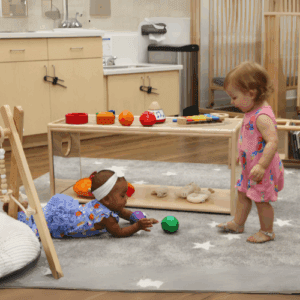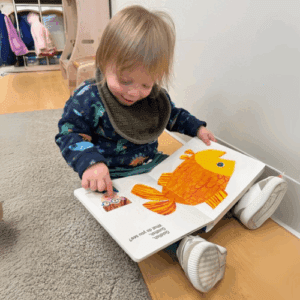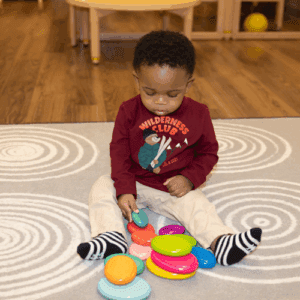
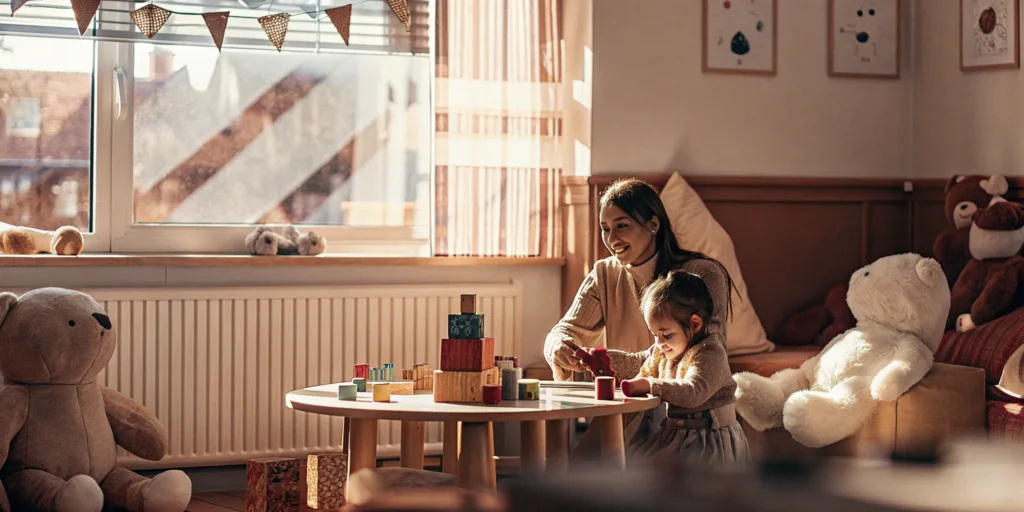
If you have a two-year-old, you’re probably hearing “I do it myself!” on repeat. This powerful drive for independence is a huge developmental milestone, and it’s one of the clearest signs they might be ready for a new adventure. But it can also leave you wondering, is preschool good for 2 year olds? A high-quality preschool for 2 year olds provides the perfect environment to channel that budding confidence. Here, they learn to take on small but meaningful tasks, building self-esteem with every small success. This guide will walk you through what 2 year olds learn in preschool and how to prepare them for this exciting step.
Key Takeaways
- Focus on developmental readiness, not just age: Your child is likely ready for preschool if they show curiosity about other kids, can communicate their basic needs, and have a growing desire for independence. For more detailed guidance, see our 5 signs your child is ready for preschool.
- Prioritize a nurturing, play-based environment: The best programs for two-year-olds have caring teachers and a curriculum that builds social, emotional, and academic foundations through hands-on exploration and discovery.
- Prepare for a smooth transition at home: You can build your child’s confidence for school by establishing predictable routines, practicing simple self-care tasks, and creating a positive goodbye ritual.
Is Benefits of Preschool for a 2-Year-Old?
Thinking about preschool for your 2-year-old can bring up a mix of emotions. It’s a big step, and it’s completely normal to wonder if they’re ready. But sending your little one to a high-quality program offers so much more than just a place for them to be while you work. It’s an environment designed specifically to help them blossom at their own pace. In the right setting, 2-year-olds gain foundational skills that support their growth for years to come. They learn to navigate social situations, express their big feelings, and discover that learning is an exciting adventure. It’s a special time when they begin to see themselves as capable, confident individuals within a community of their peers. From learning how to make their first friends to discovering a love for learning, the benefits are truly profound. The goal isn’t to rush development, but to provide rich experiences that meet them exactly where they are. It’s about nurturing a happy, curious, and well-rounded little person who feels secure and loved.
Learning to Share and Make Friends
One of the biggest gifts of preschool is the chance for your child to interact with other children in a structured, supportive setting. This is where they begin to learn the delicate dance of social skills: how to share a coveted toy, take turns on the slide, and use their words to express their needs. Our Bridge Classrooms provide a safe and caring space where children feel valued, which helps them build confidence and manage being away from their parents. Guided by nurturing teachers, they learn to solve small problems and understand classroom routines. These early experiences in a group setting help them build empathy and make the transition to kindergarten much smoother down the road.
How Preschool Nurtures Language Development
A preschool classroom is a vibrant, language-rich world. Imagine the explosion of words your child will experience through daily stories, songs, and conversations with teachers and friends. Being surrounded by this constant chatter helps toddlers learn new words and practice communicating their thoughts and ideas more clearly. Our exceptional educators are skilled at drawing children into conversations, asking open-ended questions, and reading books aloud in ways that capture their imagination. This consistent exposure to language doesn’t just expand their vocabulary; it builds a critical foundation for future reading, writing, and confident self-expression.
Nurturing Independence and Self-Confidence
Around age two, you’ve probably heard the determined phrase, “I do it myself!” more than a few times. Preschool is the perfect place to channel that budding independence. In the classroom, children are encouraged to take on small but meaningful tasks, like putting their coats in their cubbies, washing their hands before snack time, and helping to tidy up their play areas. Following the rhythm of your child’s day at school helps them feel secure and capable. Each time they successfully complete a task on their own, their confidence grows. They begin to see themselves as competent individuals who can contribute to their community.
Introducing Early Math and Literacy Skills
When we talk about academics for 2-year-olds, we aren’t talking about worksheets or drills. Instead, we’re focused on laying a joyful groundwork for a lifetime of learning through play and exploration. Preschool introduces foundational concepts in the most natural ways. Children learn about colors while painting, practice counting as they build with blocks, and develop problem-solving skills as they figure out how a puzzle fits together. Our curriculum is inspired by the Reggio Emilia philosophy, which honors a child’s natural curiosity. This approach helps children develop critical thinking skills and a genuine passion for discovery that will serve them well long after they leave our classrooms.
Is Your 2-Year-Old Ready for Preschool?
Deciding if your two-year-old is ready for preschool can feel like a huge puzzle. But here’s a little secret: there’s no magic formula or rigid checklist. Every child develops on their own unique timeline, and “readiness” is less about hitting specific milestones and more about a general willingness to explore, learn, and connect. Instead of looking for perfection, think about where your child is on their developmental path.
Are they showing curiosity about the world and other children? Can they handle a little time away from you? These are the kinds of clues that suggest they might be ready to thrive in a new environment. A good preschool program is designed to meet children where they are and help them grow. The goal isn’t to find a child who is already perfectly “schooled,” but one who is ready to begin the adventure of school. Below are a few general areas to consider as you think about this exciting next step for your family.
Can They Communicate Their Needs?
One of the most important signs of readiness is your child’s ability to communicate their basic wants and needs. This doesn’t mean they need a huge vocabulary or perfect sentences. It’s more about whether they can get their point across, whether through simple words (“water,” “more,” “potty”), gestures, or a combination of both. Can they follow simple, two-step directions like, “Please get your shoes and bring them to me”? This ability to communicate helps our toddler classroom teachers understand and support your child, ensuring they feel safe, heard, and cared for throughout the day.
Showing an Interest in Other Kids
At this age, we don’t expect children to be experts at sharing or cooperative play. Most two-year-olds are still in the “parallel play” stage, meaning they play alongside other children rather than with them. The key sign of readiness here is an interest in other kids. Does your child watch other children at the playground? Do they seem curious about what their peers are doing? A preschool setting provides a wonderful opportunity to practice social skills like taking turns and solving small problems with gentle guidance. This early group experience helps children get used to classroom routines, which makes the transition to kindergarten much smoother down the road.
Running, Climbing, and Exploring Safely
Preschool is a busy place! A child who is ready for this environment typically has the physical stamina to get through an active day. They should be steady on their feet and able to move around the classroom and playground safely. Another key indicator is a growing desire for independence. You might notice your child insisting, “I do it!” when it’s time to put on their coat or wash their hands. This drive to do things for themselves is a fantastic sign they’re ready for a setting that encourages self-sufficiency. You can get a better sense of the flow of our day and the activities involved by learning about your child’s day at Strong Start.
Coping with Toddler Emotions
It’s completely normal for a two-year-old to have big emotions and some anxiety about separating from you. Readiness isn’t about the absence of tears on the first day of drop-off. Instead, it’s about your child’s ability to be comforted by another caring adult after you leave. A good preschool provides a warm, nurturing space where children feel secure enough to explore. If your child can accept comfort from a grandparent, babysitter, or another trusted adult, it’s a good sign they’ll be able to form a bond with their teachers. Our exceptional educators are experienced in helping little ones through this transition, creating a foundation of trust that allows them to feel confident and happy at school.
How to Choose the Right Preschool for Your 2-Year-Old
Once you’ve decided your child is ready for preschool, the next step is finding the right fit for your family. Touring different schools can feel like a lot, but knowing what to look for makes the process much clearer. The best programs for 2-year-olds aren’t just about learning letters and numbers; they’re about creating a positive and nurturing first school experience. Focus on the core elements that help little ones feel secure, engaged, and happy. From the warmth of the teachers to the safety of the classroom, these are the key things to keep an eye on as you explore your options.
What Does a Safe Classroom Look Like?
Your top priority is finding a place where your child will be safe and well-cared for. When you visit a school, notice the physical environment. Does it look clean and well-maintained? Are there safety measures in place, like secure entrances and child-proofed spaces? Beyond physical safety, look for a place that feels emotionally safe. A truly nurturing atmosphere is one where children are happy and their development is prioritized. Ask about their specific health and safety policies, including illness protocols and cleaning procedures, to ensure they create a healthy environment where your child can thrive.
Finding Teachers Who Connect with Toddlers
The people who will spend their days with your child are incredibly important. Look for educators who are warm, patient, and genuinely enjoy being around young children. The best teachers for this age group create a home-like setting that feels comforting and secure, allowing each child to learn and grow at their own pace. Pay attention to how they interact with the children during your tour. Do they get down on the child’s level? Is their tone encouraging? Having exceptional educators who are experienced and passionate makes all the difference in helping your 2-year-old feel valued and supported.
What Do 2-Year-Olds Learn in Preschool?
At age two, children learn best through play. A great preschool curriculum recognizes this and builds learning into hands-on, engaging activities. Look for a program that offers plenty of opportunities for discovery. Are children building with blocks, splashing at a water table, or getting messy with art supplies? These playful experiences are how they develop critical thinking, problem-solving, and fine motor skills. A curriculum inspired by approaches like Reggio Emilia encourages children to explore their interests, turning their natural curiosity into the foundation for a lifelong love of learning.
Learning Through Play and Discovery
For a two-year-old, play is serious work. It’s how they make sense of the world, test their ideas, and build essential skills. A quality preschool program understands this and designs its curriculum around hands-on activities. Think about children building with blocks, splashing at a water table, or getting messy with art supplies. These aren’t just fun distractions; they are carefully planned experiences. Through this kind of play, they develop critical thinking, problem-solving, and fine motor skills. It’s about giving them the freedom to explore within a safe and engaging environment, where every discovery is a learning moment. This philosophy is often supported by special enrichment programs that add even more variety to their day.
Exploring a Rich Curriculum
A rich curriculum for a two-year-old doesn’t involve flashcards or drills. It’s about weaving learning into everything they do. Foundational concepts are introduced in the most natural ways. For example, children learn about colors while painting, practice counting as they stack blocks, and build problem-solving skills while working on a puzzle. Our curriculum is inspired by the Reggio Emilia philosophy, which honors a child’s innate curiosity. We also use The Project Approach to let children dive deep into topics that interest them. This helps them develop critical thinking skills and a genuine passion for discovery that will serve them well for years to come.
Does the Classroom Feel Welcoming?
The overall feeling of the classroom has a huge impact on a 2-year-old’s experience. The ideal atmosphere is both safe and caring, giving children the confidence to be themselves. In our toddler classrooms, we focus on creating a space where children feel valued and can learn important social skills through positive interactions. This kind of supportive setting is key to easing separation anxiety and helping your child build their first friendships. When children feel secure and respected, they are free to explore, learn, and grow emotionally.
Evaluating Preschool Quality
Beyond the warm and fuzzy feeling you get during a tour, there are objective benchmarks that can help you gauge the quality of a preschool program. These formal credentials aren’t just pieces of paper; they represent a school’s commitment to meeting and exceeding standards for safety, curriculum, and teacher qualifications. Looking into these details gives you a clearer picture of a school’s dedication to providing the best possible early learning experience. Think of it as doing your due diligence to ensure the environment where your child will spend their days is not only nurturing but also professionally operated and held to high standards of excellence.
Checking State Licensing and Quality Ratings
At a minimum, any program you consider should be licensed by the state. This is the baseline requirement that ensures a school meets essential health and safety standards. But many states go a step further with a Quality Rating and Improvement System (QRIS), which evaluates programs on a scale and gives them a rating, often using stars. Because each state has its own unique system, a four-star rating in one state might mean something different than in another. It’s a good idea to learn about how your state’s quality rating system works so you can use it as a tool to compare your options and understand what different levels of quality look like in your community.
The Importance of Accreditation
While licensing is mandatory, accreditation is a voluntary mark of distinction that a school earns by meeting rigorous national standards. Organizations like the National Association for the Education of Young Children (NAEYC) set a high bar for excellence in everything from teacher-child interactions to curriculum and family engagement. When a school pursues NAEYC Accreditation, it signals a deep commitment to the best practices in early childhood education. It tells you that the program is dedicated to continuous improvement and is held accountable to a gold standard of quality that goes far beyond the state’s basic requirements.
Considering Public School Options
As you explore preschools, you might also want to look into the options available through your local public school district. Some districts offer pre-kindergarten programs, though the starting age and availability can vary widely. These programs are often a great choice, particularly for families who have concerns about their child’s development. For many, the decision between a private program and a public one comes down to factors like curriculum philosophy, class size, and the specific needs of their child. Including public schools in your research helps you get a complete picture of the early education landscape in your area so you can make the most informed choice.
Support Services for Developmental Delays
If you have concerns about your child’s development, your local school district is an essential resource. Through the Individuals with Disabilities Education Act (IDEA), children with identified delays may be eligible for free early intervention services and an Individualized Education Program (IEP) once they turn three. Regardless of whether you choose a public or private preschool, it’s important to ask how the school supports children with diverse learning needs. A high-quality program will be eager to discuss how they work with outside therapists and create a plan for partnering with parents to ensure every child receives the support they need to succeed.
What Does a Typical Preschool Day Look Like?
Wondering what your 2-year-old will actually do all day at preschool? It’s a vibrant mix of play, learning, rest, and connection. While every day brings new discoveries, a gentle and predictable rhythm helps young children feel secure and ready to explore. The routine is designed to meet their developmental needs, balancing energetic play with quiet moments and group activities with individual exploration. This structure helps build their confidence and makes each day a positive experience. You can get a feel for the daily flow by learning more about your child’s day and how we structure our time to support their growth. Let’s walk through what a typical day looks like in a preschool classroom for 2-year-olds.
Morning Drop-Off and Circle Time
The day begins with a warm and personal welcome. As children arrive, they transition from their family to the classroom community, greeted by their teachers and friends. This is followed by circle time, a cherished morning ritual that brings everyone together. It’s a time for singing songs, listening to a story, and talking about the day ahead. This simple gathering is powerful; it helps children practice social skills like taking turns and listening to others. It also builds their vocabulary and attention span in a fun, engaging way. This predictable start helps children feel safe and connected, setting a positive tone for a day of learning in our Bridge Classrooms.
Creative Arts, Blocks, and Story Time
For a 2-year-old, playing is serious work. This is how they make sense of the world, test their ideas, and learn essential skills. Throughout the morning, the classroom is alive with purposeful play. You might see children stacking blocks to see how high they can go, developing early math and engineering concepts. Others might be at a water table, exploring cause and effect. This hands-on, inquiry-based learning is at the heart of The Project Approach, where children’s interests guide their discoveries. Teachers facilitate this exploration by asking thoughtful questions and providing interesting materials, allowing children to solve problems and think creatively.
Sensory Games, Music, and Movement
A preschool classroom is a place of joyful noise and motion. Music, dancing, and sensory play are more than just fun breaks in the day; they are powerful tools for learning. Singing songs together helps children learn new words and practice the rhythm of language, building a strong foundation for literacy. When children dance or move to a beat, they are developing coordination, balance, and confidence in what their bodies can do. These activities are a core part of our enrichment programs because they engage multiple senses at once, which helps create stronger neural pathways in the brain. Whether it’s through shaking a tambourine, marching like an elephant, or squishing playdough between their fingers, children are expressing their creativity and learning about the world in a hands-on, memorable way.
Fueling Up: Meals and Rest
Growing and learning takes a lot of energy, which is why meals and rest are key parts of the day. We provide healthy snacks in the morning and afternoon to keep little bodies fueled. Lunchtime is another opportunity for social learning, as children sit together, practice using utensils, and chat with their peers. After a busy morning of play, a designated nap time allows everyone to rest and recharge. A quiet, calming atmosphere helps children relax and get the sleep they need for healthy development. Our focus on well-being is a core part of our commitment to your child’s health and safety.
Getting the Wiggles Out with Outdoor Play
Getting outside is a daily priority. Fresh air and movement are essential for 2-year-olds, who are mastering new physical skills every day. The playground is a space for big-body play—running, climbing, swinging, and digging in the sand. These activities help children develop gross motor skills, coordination, and strength. Outdoor time is also rich with social opportunities, as children learn to share, cooperate, and play together. Whether it’s a structured activity or free exploration, our enrichment programs ensure that children are engaging their bodies and minds, building a foundation for a healthy, active life.
Navigating Preschool Costs and Financial Aid
The cost of high-quality preschool is a significant consideration for every family. It’s an investment in your child’s future, but it also has to fit within your budget today. The good news is that there are many avenues for financial support, from government programs to school-specific aid. Understanding your options can make a world of difference and help put an exceptional early education experience within reach. Taking the time to research these possibilities is a proactive step toward finding the perfect fit for both your child and your family’s finances.
Financial Aid and Government-Funded Programs
Many families are surprised to learn about the range of government-funded programs designed to make preschool more affordable. Initiatives like the Child Care Assistance Program (CCAP) exist in many states to provide financial support to qualifying families, helping to cover the costs of early education. These programs are typically designed to help parents maintain employment or continue their own education, ensuring their children receive quality care. Eligibility is often based on family size and income, and the level of assistance can vary. The best way to find out what’s available in your area is to explore your state’s specific resources, which can guide you through the application process and help you determine if you qualify.
Exploring School-Specific Scholarships and Tuition Benefits
Beyond government aid, many preschools offer their own forms of financial assistance. It’s always a good idea to ask the school director directly about payment plans, sibling discounts, or any available scholarships. Some schools have funds set aside to help families who may not qualify for state assistance but still need support. Additionally, many employers recognize the importance of quality child care and offer benefits to help their employees manage the cost. We partner with companies to provide a tuition benefit that can make a significant difference. Be sure to check with your HR department to see if your employer offers any kind of child care subsidy or partnership program.
How to Prepare Your 2-Year-Old for Preschool
Starting preschool is a huge milestone for your child—and for you! While it’s exciting, it’s also completely normal to feel a little nervous about the transition. The good news is that you can lay a strong foundation for success right at home. By focusing on a few simple, positive practices, you can help your two-year-old build the confidence they need to walk into their new classroom feeling capable and secure. These small steps, woven into your daily life, make a big difference in helping your little one feel ready for this new adventure.
Practice “I Can Do It” Skills at Home
One of the best ways to prepare your child for preschool is to nurture their growing independence. When children feel capable, they carry that confidence with them into new environments. You can start by offering simple choices throughout the day, like, “Do you want to wear the blue shirt or the red shirt?” or “Would you like an apple or a banana for a snack?” Involving them in small household tasks, like putting their toys in a basket or placing their cup on the counter, also builds a sense of responsibility. These little moments empower them to see themselves as active participants in their world, a key part of our approach in our toddler classrooms.
Creating a Positive Goodbye Ritual
The morning drop-off can be tough on everyone’s heart. To make it smoother, it helps to practice your goodbyes. Start with short separations, like leaving your child with a grandparent or trusted friend for an hour while you run an errand. When it’s time to say goodbye, create a short, sweet, and consistent ritual. A quick hug, a kiss, and a cheerful “I’ll be back after your nap!” can provide a sense of security. While it’s tempting to linger, a confident and swift departure shows your child that you trust their teachers and know they’re in a safe, fun place. This trust is the foundation of our commitment to partnering with parents.
Establish a Predictable Home Routine
Toddlers thrive on predictability. A consistent routine at home helps them feel safe because they know what to expect next. This doesn’t have to be a rigid, minute-by-minute schedule, but having regular times for waking up, meals, naps, and bedtime creates a comforting rhythm. This structure at home makes the transition to a school schedule much easier. When your child is already familiar with a sequence of events—like washing hands before eating or reading a story before naptime—the daily flow of the classroom will feel familiar and less overwhelming. You can see an example of how we structure your child’s day to create a predictable and engaging environment.
Tackling Potty Training and Hand Washing
As your two-year-old starts wanting to do more for themselves, you can guide them in learning basic self-care skills. These are the building blocks of independence at school. Practice tasks like pulling their pants up and down, washing and drying their hands, and using a spoon to feed themselves. Don’t worry about perfection; the goal is to encourage their effort and build their confidence. Every time they successfully put on their own shoes or wipe their own mouth, they are learning that they are capable. These skills help them feel more comfortable and self-sufficient in a classroom setting, allowing them to focus on playing and learning with their new friends.
Learn more about when to start potty training and the signs your child is ready.
Your Top Preschool Questions, Answered
It’s completely normal to have a list of “what ifs” when you’re thinking about preschool. This is a big step for your child and for you! From tearful goodbyes to potty training, let’s walk through some of the most common concerns parents have and how a high-quality program addresses them.
Handling Separation Anxiety
The thought of saying goodbye at the classroom door can be tough. It’s important to remember that separation anxiety is a normal part of development for two-year-olds. A great preschool creates a warm and caring place where children feel seen and valued, which helps them build the confidence they need to feel secure. Our exceptional educators are pros at helping children through this transition with gentle reassurance and engaging activities. Establishing a quick, consistent, and positive goodbye routine can also make a world of difference for both of you.
Do They Need to Be Potty Trained?
This is one of the most frequent questions we hear! While some children may be using the potty by age two, many are still learning, and that’s perfectly okay. Most preschools for this age group do not require children to be fully potty-trained and are well-equipped to support them at every stage of the process. We see potty training as a team effort. By partnering with parents, our teachers help maintain a consistent approach between home and school, celebrating every small success along the way and making the journey less stressful for your child.
How Preschools Guide Positive Behavior
At this age, children are just beginning to learn how to interact with their peers. Sharing, taking turns, and using words to express big feelings are all new skills. Instead of focusing on “discipline,” a quality preschool program guides children in developing positive social skills. Teachers model kindness and respect, helping children learn to communicate their needs and solve simple problems together. This approach helps them build empathy and self-regulation, laying a foundation for healthy relationships and emotional intelligence that will serve them for years to come.
How to Handle the Inevitable Germs
Nothing is more important than your child’s well-being, so it’s natural to worry about germs when your child starts school. That’s why we prioritize a clean and safe environment with strict protocols for handwashing, sanitizing toys and surfaces, and managing illness. Our commitment to health and safety is central to everything we do. A healthy experience also includes a balanced routine with nutritious meals, adequate rest, and plenty of fresh air. A predictable look at your child’s day helps them feel secure and gives them the energy they need to play, learn, and grow.
Making the Final Decision: Is Now the Right Time?
Deciding if your two-year-old is ready for preschool can feel like a huge puzzle. There’s no magic age or single sign that says, “Go!” Instead, it’s about observing your child’s unique development and seeing if they’re showing signs of being ready for a new, exciting environment. Rather than focusing strictly on their birthday, think about their growing independence, their curiosity about the world, and their interest in other children. This is a big step for your whole family, and it’s completely normal to wonder if the timing is right. Thinking through a few key areas can help you feel more confident in your decision.
Checklist: The Green Lights for Preschool
Readiness isn’t a checklist to be perfected, but rather a collection of little clues. You might notice your child insisting on putting on their own shoes or wanting to help you put away their toys. This growing independence is a great sign. Socially, they might show more interest in other children at the park, moving from playing alone to playing alongside a new friend. They don’t need to be a social butterfly, but a budding curiosity about peers is key. You’ll also see it in their communication—are they able to express basic needs and wants, even with just a few words? Can they follow simple, two-step directions like, “Please get your cup and bring it to me?” These small milestones show they’re prepared for the structure of our Bridge Classrooms.
When It Might Be Better to Wait a Year
It’s natural to worry about pushing your child before they’re ready. Sending your little one to preschool is a big transition for everyone. The good news is that readiness is less about a specific age and more about a child’s developmental stage. If you’re seeing signs of growing independence and an interest in socializing, they are likely on the right track. A successful start to preschool often comes down to a smooth transition, which happens when parents and teachers work together as a team. Open communication and a strong sense of trust create a bridge between home and school, making your child feel secure as they explore this new world. This is why we focus on partnering with parents from day one.
Remember: Every Child Is Different
At the end of the day, you are the expert on your child. Every toddler develops at their own pace, and it’s important to honor their individual timeline. Try to tune out the pressure and comparison, and instead, trust your intuition. The goal isn’t just to start preschool—it’s to find a program that feels right for your child and aligns with your family’s values. A nurturing environment will meet your child where they are and support their growth from that point forward. A curriculum like The Project Approach allows children to learn through their own interests, ensuring that their first school experience is joyful, engaging, and perfectly paced for them.
How to Build a Great Relationship with Teachers
Starting preschool is a big step for your child, and for you, too. One of the best ways to make this transition smooth and successful is by building a strong relationship with your child’s teachers. Think of it as a partnership—you’re a team working together to support your little one’s growth and happiness. When parents and teachers are on the same page, children feel more secure, confident, and ready to learn.
This partnership is built on open communication and mutual respect. You are the expert on your child, and their teachers are experts in early childhood development. By combining your knowledge, you create a consistent and nurturing environment that bridges the gap between home and school. This connection helps your child feel understood and valued, which is the foundation for a positive first school experience. At Strong Start, we believe this collaboration is essential, and we are committed to partnering with parents every step of the way.
Make Time for Quick Hellos and Goodbyes
The relationship your child builds with their teachers is one of the most important parts of their preschool experience. These are the people who will be giving them hugs, guiding their play, and celebrating their small victories every day. Taking the time to connect with them yourself helps build a circle of trust. When your child sees you interacting warmly with their teachers, it sends a powerful message that school is a safe and friendly place.
Make an effort to chat for a minute during drop-off or pick-up, attend school events, and ask questions. Our exceptional educators are here because they genuinely love working with young children and their families. They want to get to know you and work with you to make your child’s time at school wonderful. A simple “How was their day?” can open the door to valuable insights and a stronger connection.
Share Your Child’s Strengths and Quirks
No one knows your child better than you do. Sharing your unique insights helps teachers understand your child as a whole person, not just a name on a roster. Does your two-year-old love dinosaurs? Do they have a special blanket that comforts them? Are they working on learning a new song? Letting teachers in on these little details helps them connect with your child on a personal level and tailor activities to their interests.
It’s also helpful to share information about what’s happening at home. A new sibling, a recent move, or even a disruption in their sleep schedule can affect a toddler’s behavior. Giving the teachers a heads-up allows them to provide extra comfort and support when it’s needed most. This teamwork ensures your child feels safe and understood, helping them build the confidence to explore their new environment.
Ask About Their Day (and Get a Real Answer!)
Learning doesn’t stop when your child leaves the classroom. You can support their development by bringing some of the preschool magic into your home. Ask your child’s teacher about the themes or projects they are currently exploring. If they’re learning about farm animals, you can read books about pigs and cows at bedtime. This reinforces what they’re learning and shows them that you’re interested in their world.
You can also practice the self-help skills they’re developing at school. Encourage your child to try putting on their own shoes, washing their hands before meals, or helping put away their toys. These small acts of independence are huge confidence builders for a two-year-old. Our curriculum, inspired by The Project Approach, is driven by children’s curiosity, making it easy and fun to continue the discovery at home.
Read Newsletters and Attend Events
Consistent, two-way communication is the key to a great parent-teacher partnership. Make it a habit to read school newsletters, check for updates on the parent portal, and attend scheduled conferences. These are fantastic opportunities to get a bigger picture of your child’s progress, friendships, and daily experiences. It’s your chance to ask questions and share any thoughts or concerns you might have.
We encourage families to be active members of our school community. Getting involved, whether by attending a family event or joining the Family Council, strengthens the home-school connection and enriches your child’s experience. When you’re engaged, you show your child that you value their education and their school. This active involvement helps create a supportive network for everyone—children, parents, and teachers alike.
Related Articles
- 4 Key Benefits of Pre-K for Your Child’s Future
- Is Preschool Public School? A Parent’s Guide
- Daycare vs. Preschool: What’s the Difference?
Frequently Asked Questions
My 2-year-old isn’t potty trained yet. Is that a problem? Not at all! This is one of the most common questions we hear from parents, and you can rest assured that children are not required to be potty trained to join our programs for 2-year-olds. We view potty training as a developmental milestone that every child reaches on their own timeline. Our teachers are experienced in supporting this process and will work closely with you to create a consistent and positive approach between home and school, celebrating every step your child takes.
What if my child cries every morning when I leave? It can be heartbreaking to walk away when your child is upset, but please know that some tears at drop-off are completely normal and even a sign of a healthy, secure attachment to you. Our teachers are experts at helping little ones through this transition. They provide a warm welcome, comfort, and quickly engage your child in a fun activity. The best thing you can do is create a short, loving, and consistent goodbye routine, and then leave confidently. This shows your child that you trust their new environment, which helps them learn to trust it, too.
Will my 2-year-old actually be learning academics? For a 2-year-old, learning and playing are the exact same thing. We don’t use worksheets or drills. Instead, we build the foundation for all future academic skills through hands-on exploration. Your child will learn math concepts by counting how many blocks it takes to build a tower, develop early literacy skills by singing songs and listening to stories, and practice scientific thinking by exploring what sinks and floats at the water table. Our goal is to nurture their natural curiosity so they grow into joyful, confident learners.
How can I help my shy child make friends? It’s very common for children this age to be observers first, and that’s a perfectly fine way for them to get comfortable. Our teachers are skilled at creating a warm, inclusive environment where every child feels valued. They gently facilitate interactions by inviting children to play together in small groups or by setting up engaging activities that naturally draw them in. We never force friendships, but instead, we create countless opportunities for positive social connections to blossom organically as your child feels ready.
What is the most important thing to look for in a preschool for a child this young? While a clean space and an engaging curriculum are important, the most critical element for a 2-year-old is the quality of the teachers. Look for educators who are genuinely warm, patient, and responsive. During your visit, watch how they interact with the children. Do they get down on their level, listen to what they have to say, and respond with kindness? A loving and trusting relationship with a teacher is what helps a young child feel safe and secure enough to explore, learn, and thrive in their first school experience.
Written By
Marc Hoffman
Founder, Strong Start Early Care & Education
Marc founded Strong Start in 2014, inspired by his studies at Williams College, Yeshiva University, and research at Yale University. His child-centered, inquiry-based approach to early education has helped hundreds of families in the Trumbull and Bridgeport communities. As a parent himself, Marc understands the importance of finding a nurturing environment where every child can learn, grow, and flourish.