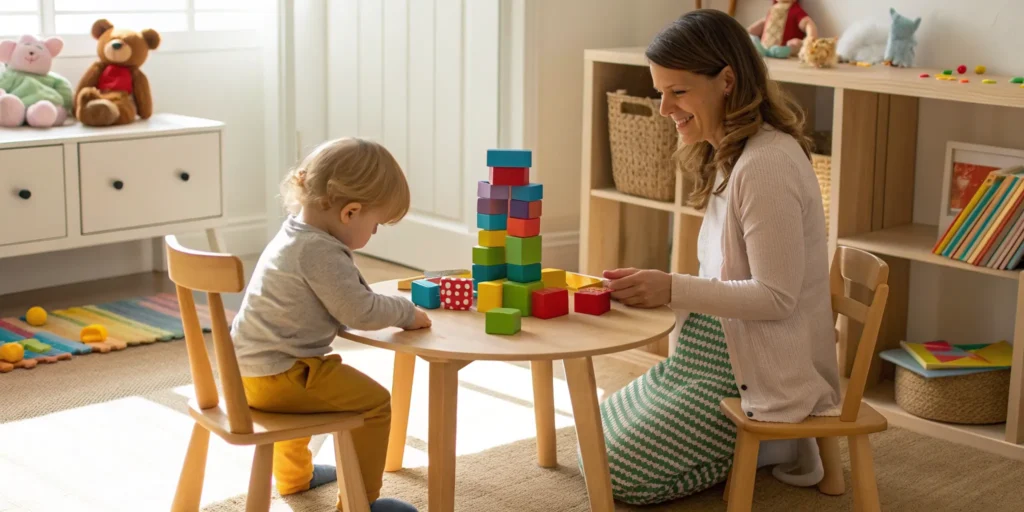
The thought of your three-year-old heading off to school can bring a lump to your throat. It’s a huge step for them and a major transition for you. This decision is about so much more than logistics—it’s an emotional journey. You want a place with warm teachers and a nurturing environment where your child feels safe and cherished. We’ll walk through everything, from understanding different preschool programs for 3 year olds to knowing what to look for on a tour. This is your supportive guide to finding the perfect preschool 3 year old program for your family.
Key Takeaways
- Look for signs of social and emotional readiness: A child is ready for preschool when they can handle short separations, show interest in other kids, and follow simple directions, not just when they reach a certain age.
- Match the program to your child’s personality: The “best” preschool is the one that fits your child’s temperament, whether it’s a play-based program that encourages exploration or a more structured, academic-focused environment.
- Combine practical research with your parental intuition: While it’s essential to tour schools and ask about safety and teacher qualifications, your gut feeling about whether a classroom feels warm and welcoming is just as important.
Is Your 3-Year-Old Ready for Preschool?
Deciding if your three-year-old is ready for preschool can feel like a huge milestone—for both of you! It’s less about their exact age and more about where they are in their development. Every child follows their own unique timeline, so there’s no magic formula. Instead of focusing on a strict checklist, think of this as a gentle guide to see if the structure and social environment of preschool is a good fit for your little one right now. Looking at a few key areas—from basic learning concepts to social skills and physical independence—can help you make a choice that feels right for your family.
Check for These Developmental Milestones
Before they walk into a classroom, it helps if your child has a few basic concepts under their belt. This isn’t about knowing the entire alphabet, but more about having some foundational building blocks. Can they tell you their name? Do they recognize a few colors or basic shapes like circles and squares? Another great sign is their ability to focus on a single activity, like a puzzle or a coloring page, for a few minutes at a time. These early learning skills give them a starting point for participating in group activities and feeling confident as they learn alongside their new friends.
Using Official Resources to Guide You
When you’re trying to figure out the right next step for your child, it helps to look at information from trusted educational sources. Many local school districts, like Chicago Public Schools, offer early learning programs and provide clear guidelines on what they look for in incoming students. These resources are valuable because they focus on the whole child, emphasizing that readiness is about being able to handle short separations and follow simple directions, not just academic skills. Consulting these official guides can give you a research-backed perspective on the benefits of preschool, which often include a mix of fun, play-based activities designed to support social, emotional, and cognitive growth. This kind of child-led learning gives them a strong foundation for a lifelong love of learning.
Is Your Child Socially and Emotionally Ready?
Preschool is often a child’s first big step into a social world outside their family. A key part of readiness is being able to interact with others. Think about whether your child enjoys playing with other kids, even if they’re just playing alongside them. Are they starting to understand concepts like sharing and taking turns? Emotionally, it’s important that they can handle short separations from you without too much distress. If they can express their feelings with words (like saying “I’m sad” or “I need help”) and follow simple, two-step instructions, they’re well on their way to thriving in a classroom setting.
What Physical Independence Looks Like
A little self-sufficiency goes a long way in a busy preschool classroom. Teachers are there to help, of course, but children who can manage some basic self-care tasks often feel more secure. This includes things like being potty trained (or well into the process) and being able to handle some aspects of dressing themselves, like pulling up their pants or putting on their coat. Fine motor skills are also part of this picture. If your child can hold a crayon, stack a few blocks, or turn the pages of a book, they have the physical coordination needed for many common preschool activities.
What Are the Benefits of Preschool?
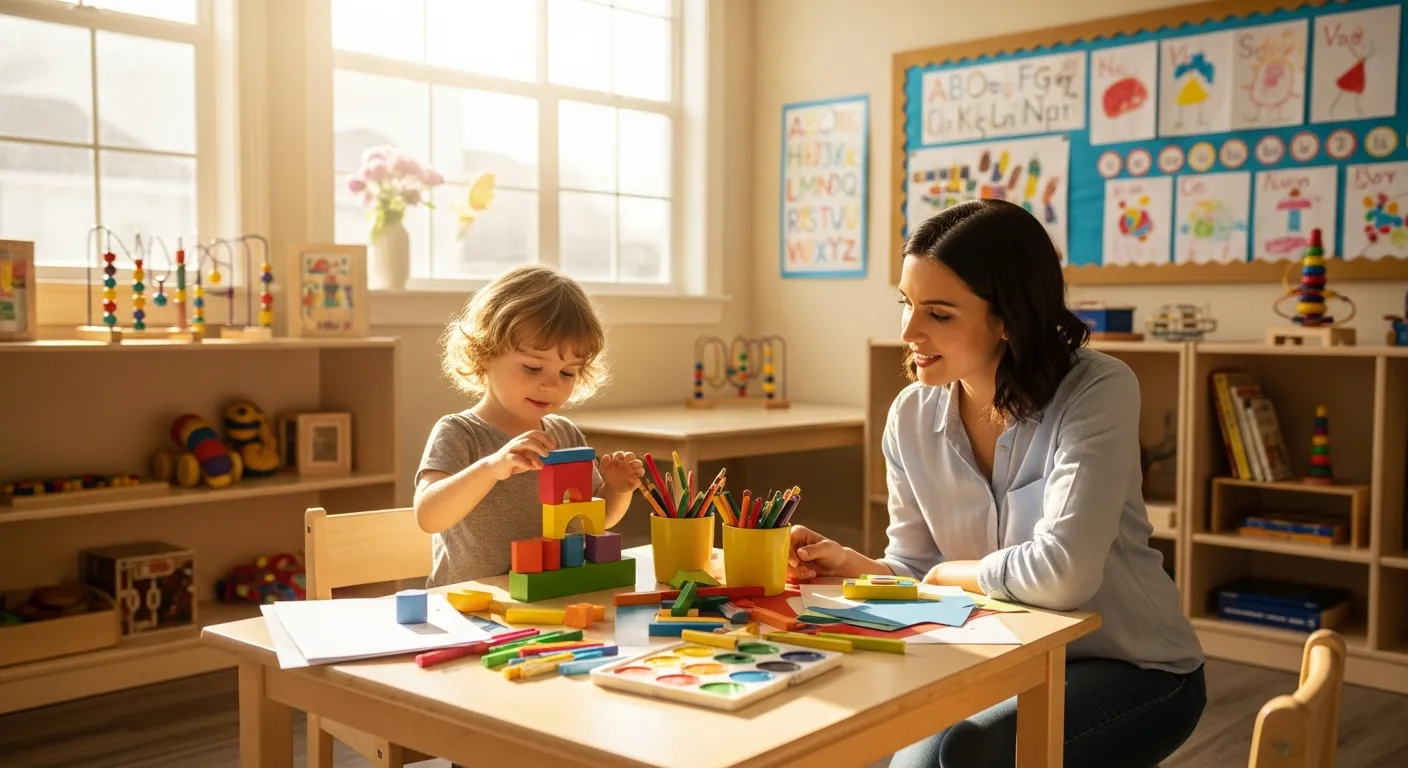
Thinking about preschool can bring up a mix of excitement and questions. Is it just a place for them to play, or is it something more? The truth is, a quality preschool program is a wonderful environment designed to support your child’s growth in every way. It’s not just about learning letters and numbers; it’s about helping your little one build the social, emotional, and practical skills they’ll use for the rest of their lives. From making their first friends to learning how to follow a classroom routine, preschool lays a strong foundation for their future learning and development.
Making Friends and Learning to Share
This is often one of the biggest leaps for three-year-olds. At home, they’re the center of the universe, but at preschool, they learn they’re part of a community. This is where they get to practice essential social skills with their peers, like sharing, taking turns, and working together on a project. Guided by caring teachers, children learn how to communicate their needs and listen to others. It’s a safe space to navigate the little bumps of early friendships and discover the joy of playing with other kids. These first peer relationships are a huge step in their social development.
Building Confidence and Independence
Preschool offers a gentle first step toward independence. Being away from you for a few hours in a safe, nurturing environment helps your child build confidence and self-reliance. They learn to trust other caring adults and see that they can manage on their own. This is also where they practice key aspects of emotional readiness, like using words to express big feelings instead of having a tantrum, or moving from one activity to another without getting too upset. Simple responsibilities, like hanging up their own backpack or cleaning up their toys, give them a sense of accomplishment and capability that is so important for their growing self-esteem.
Encouraging a Love for Learning
Three-year-olds are naturally curious, and preschool is designed to channel that curiosity into a love of learning. Through a mix of structured activities and free play, children get to explore new ideas and materials. A good preschool curriculum introduces early literacy and math concepts in a fun, hands-on way. They might learn about letters and sounds while singing songs, practice counting by sorting colorful blocks, or hear new vocabulary during story time. This play-based approach ensures that learning feels like an adventure, not a chore, setting them up for a positive relationship with school from the very beginning.
Capitalizing on a Key Period of Brain Growth
The brain of a three-year-old is developing at an astonishing pace, forming new connections faster than at any other time in life. This is a crucial window where their surroundings and experiences have a profound impact. A quality preschool program is intentionally designed to make the most of this rapid growth. It’s not about pushing academics; it’s about providing a rich, stimulating environment where children can explore, ask questions, and learn through play. This is where they build the essential social, emotional, and practical skills that form the foundation for all future learning. By channeling their natural curiosity, a great program helps turn everyday discoveries into meaningful lessons, supporting this key period of brain development in a way that feels like pure fun.
Getting Used to a School Routine
One of the most practical benefits of preschool is helping your child get used to a structured day. The predictable rhythm of circle time, snack, outdoor play, and learning centers helps children feel safe and secure because they know what to expect. This daily routine helps them learn to follow directions and transition between different activities, which are crucial skills for kindergarten. Many programs are part-time, perhaps just a few mornings a week, making it a gentle introduction to the school environment. Learning to adapt to routines now makes the eventual move to a full-day school schedule feel much less overwhelming for both of you.
Learning to Respect Other Adults
At home, you’re the main source of guidance, and your child knows your rules and expectations. Preschool introduces them to a new dynamic: listening to and respecting other trusted adults. This is a significant step in their social development, as they learn to follow directions from teachers who are not their parents. Many families find this is a skill that’s hard to teach at home, where the parent-child relationship is so unique. In a classroom, under the guidance of caring and qualified educators, children practice listening, cooperating, and seeing other adults as leaders and helpers, which prepares them for future school experiences and interactions in the wider community.
Embracing Diversity and Different Backgrounds
Preschool is a wonderful melting pot where children meet friends from many different backgrounds. This is often their first opportunity to interact with peers whose family traditions, languages, or experiences might be different from their own. This daily interaction helps them naturally learn to understand and accept people who are different from them. They discover that while their new friend might celebrate a different holiday, they both love to build with blocks. This early exposure to diversity builds a foundation of empathy and open-mindedness, teaching children to appreciate the richness that different perspectives bring to their community and their learning.
What Types of Preschool Programs Are There?
Once you start looking into preschools, you’ll quickly realize there isn’t a one-size-fits-all option. From programs that feel like a fun playdate to those with a more structured, school-like setting, the variety can feel overwhelming. But this is actually great news—it means you can find a program that truly fits your child’s personality and your family’s needs. There’s no single “best” type of preschool; the right one is the one where your child will feel happy, safe, and excited to learn.
Think about your child’s temperament. Do they thrive on structure, or are they more of a free spirit who learns by exploring? Also, consider your family’s schedule and values. Do you need a full-day program to accommodate work, or is a shorter, half-day option a better fit for easing your little one into a school environment? Understanding the main philosophies and structures will help you narrow down your search and find a place where your child can blossom. Here’s a look at the most common types of programs you’ll encounter.
Public, Private, and Community-Based Options
As you begin your search, you’ll find that preschools generally fall into three main categories: public, private, and community-based. Public programs are typically run by your local school district and may be free or low-cost, though spots can be limited. Private preschools are independently owned and operated, offering a wide range of educational philosophies and tuition rates. Then there are community-based programs, which are often located right in your neighborhood and can provide more flexible, full-day schedules to support working families. These centers, like Strong Start, often have a unique approach to learning, such as our own Reggio Emilia-inspired curriculum, which focuses on following your child’s natural curiosity. Understanding these differences can help you decide which type of environment will best suit your child and your family’s daily life.
Learning Through Play
Play-based programs operate on a simple, powerful idea: children learn best through play. In these classrooms, you’ll see less direct instruction and more child-led exploration. The room is typically set up with different stations—like a building block area, a dress-up corner, and a sensory table—where kids can engage their curiosity. While it might look like just fun and games, qualified teachers are carefully guiding the experience to help children develop social skills, solve problems, and build creativity. This approach is fantastic for helping kids learn to negotiate with peers, share, and express themselves in a low-pressure environment. Many of these programs are offered just a few days a week, making them a great introduction to school.
Exploring Montessori and Other Philosophies
You’ll also find preschools guided by specific educational philosophies, with Montessori being one of the most well-known. A Montessori classroom is designed to be a child-centered space where kids learn at their own pace using specially designed, hands-on materials. The focus is on fostering independence and a love of learning. Beyond Montessori, you might see other approaches like Waldorf, which emphasizes creativity and imagination, or Reggio Emilia, where the curriculum is driven by the children’s interests. Some schools even use a blended philosophy, mixing teacher-led activities with child-directed play to offer a more balanced experience.
The Reggio Emilia and Project Approach
The Reggio Emilia philosophy is all about seeing children as capable and curious individuals. Instead of following a rigid lesson plan, the curriculum is built around the children’s own interests. If a group of kids becomes fascinated by bugs they found on the playground, their teachers will help them turn that curiosity into an in-depth investigation. This is where The Project Approach comes in, guiding children as they ask questions, research answers, and document their findings through art, writing, and conversation. In this model, the classroom environment is seen as a “third teacher,” intentionally designed to provoke interest and support exploration. It’s a highly collaborative approach that encourages creativity, critical thinking, and a genuine love for discovery.
When the Focus Is on Academics
If you’re looking for a program that puts a strong emphasis on preparing your child for kindergarten, an academic-focused preschool might be the right fit. These programs are more structured, with a curriculum that intentionally builds foundational skills. Lessons often center on early literacy and language, STEM concepts (science, technology, engineering, and math), and developing fine motor skills needed for writing. While still incorporating play, the daily schedule is more organized, with specific times dedicated to learning letters, numbers, and other core concepts. This approach can be great for children who thrive with clear routines and expectations, giving them a solid head start on their kindergarten readiness.
Choosing Between Half-Day and Full-Day
One of the most practical decisions you’ll make is choosing between a half-day and a full-day program. Half-day preschools, which typically run for two to four hours, are a wonderful way to gently introduce your child to a school setting without overwhelming them. They get the social and learning benefits while still having plenty of downtime at home. Full-day programs, on the other hand, are a necessity for many working families and offer a consistent, all-day routine that includes lunch, nap time, and more enrichment activities. The choice often comes down to your family’s schedule, your child’s stamina, and your budget, as the cost of care can vary significantly between the two options.
How to Choose the Right Preschool
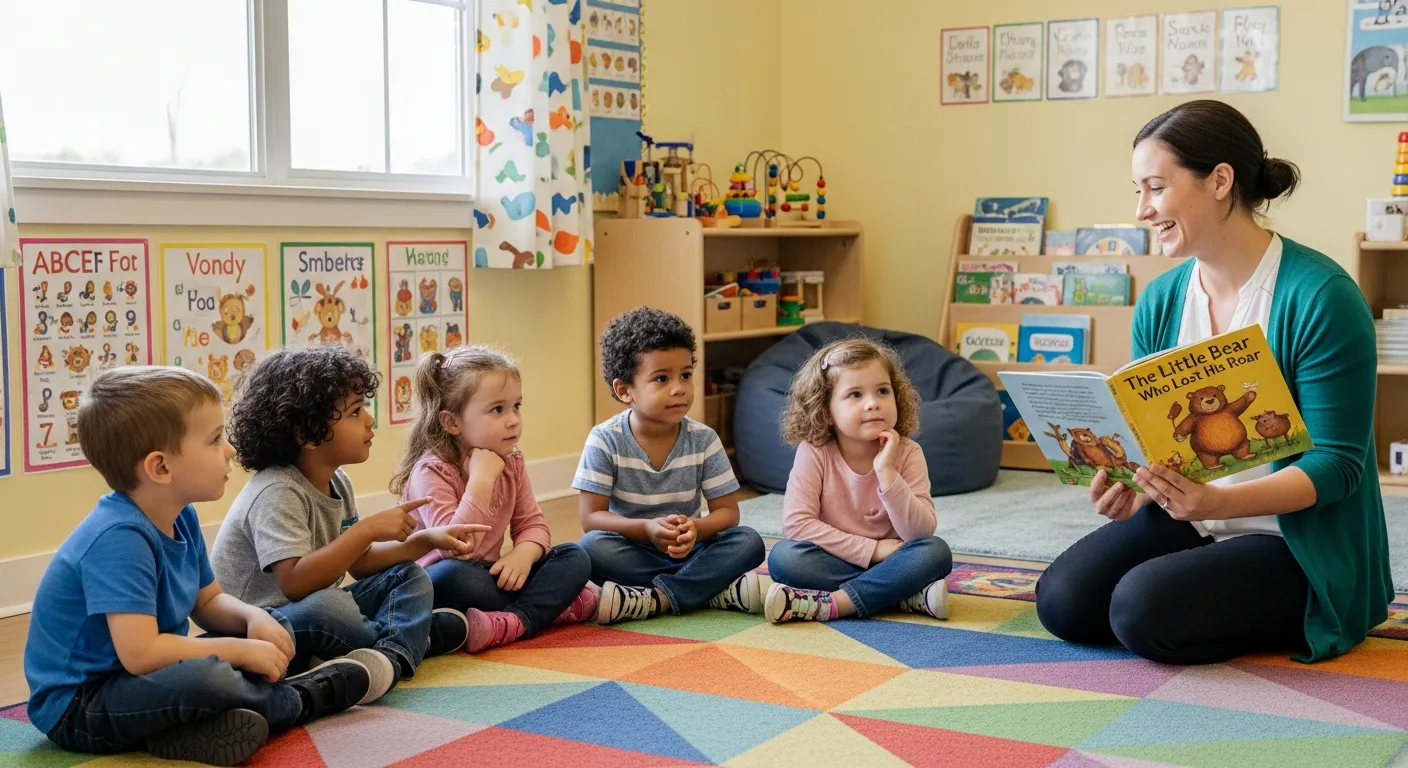
Once you’ve decided your child is ready, the next step is finding a program that feels right for your whole family. This process can feel a little overwhelming, but it’s really about finding a place where your child will be safe, happy, and inspired to learn. Think of it as a matching game—you’re looking for the environment that best fits your child’s personality and your family’s values. Let’s walk through the key things to look for.
What to Look for in Teachers and Classrooms
The heart of any great preschool is its teachers. You want educators who are not only qualified but also warm, patient, and genuinely love working with young children. When you visit a school, ask if the teachers meet state requirements and undergo background checks. It’s also a great sign if the school invests in ongoing training for its staff, as it shows a commitment to quality. Observe how the teachers interact with the children. Do they get down on the kids’ level? Is their tone encouraging? A positive, nurturing classroom environment is one of the most important factors for your child’s success and happiness at school.
Find a Philosophy That Fits Your Family
Every preschool has a unique approach to learning. Some are play-based, believing children learn best through exploration and discovery. Others might follow a specific model, like Montessori or Reggio Emilia. Some programs are more academically focused, with a structured curriculum designed to prepare kids for kindergarten. There’s no single “best” philosophy—it’s all about what aligns with your family’s goals. Think about what you want for your child. Do you value creativity and independence, or do you prefer a more structured routine? Finding a school whose educational philosophy resonates with you will make for a much smoother and more positive experience for everyone.
Don’t Forget Class Size and Safety
Your child’s safety is the top priority. When you evaluate a preschool, look for basic safety measures like secure entries and clear pick-up and drop-off rules. Ask about their cleaning routines and sick-child policies to ensure they’re keeping the environment healthy. Class size and teacher-to-child ratios are also critical. A smaller group allows for more one-on-one attention, which is especially important for three-year-olds who are still developing their social and emotional skills. Low ratios ensure that teachers can adequately supervise and support each child, creating a safer and more effective learning environment. Don’t be afraid to ask direct questions about their safety protocols.
Checking for Licenses and Quality Ratings
Beyond the feel of the classroom, it’s important to check for official credentials. Every state has licensing requirements that set the baseline for health and safety standards, so make sure any school you consider is fully licensed. This is your first layer of assurance that the program is meeting fundamental requirements for staff background checks, safe facilities, and emergency procedures. Some schools go a step further by pursuing accreditation from organizations like the National Association for the Education of Young Children (NAEYC). This is a voluntary, rigorous process that signals a program’s commitment to the highest standards of early childhood education. Think of licensing as the mandatory foundation and accreditation as a mark of exceptional quality.
Considering Practical Needs
While your child’s happiness is the main goal, the preschool you choose also has to work for your family’s logistics. Start with the basics: location and hours. Is the school conveniently located near your home or work? A difficult commute can add a lot of stress to your morning. Consider the program’s schedule. Does it align with your work hours, and do they offer before- or after-care if you need it? Dig into the details of their calendar to see how they handle holidays and school breaks, as this can have a big impact on your own schedule.
Next, look at the cost. Tuition is the biggest piece, but be sure to ask about any additional fees for things like supplies, field trips, or special enrichment activities. It’s important to have a clear picture of the total financial commitment so you can find a program that fits comfortably within your budget. Finally, think about communication. How does the school keep you in the loop about your child’s day? At Strong Start, we believe in active partnering with parents through daily updates and open communication. Finding a school that values this connection will help you feel confident and involved in your child’s experience.
School Year vs. Year-Round Programs
Another practical consideration is whether the preschool operates on a traditional school-year calendar or offers year-round care. School-year programs typically run from September to June and take a long break for the summer, similar to the local elementary schools. This can be a great option if you have older children on the same schedule or if you’re a parent who has summers off. On the other hand, year-round programs provide consistent, reliable care throughout the entire year, with shorter breaks for holidays. For many working families, this consistency is essential. There’s no right or wrong answer; the best choice depends entirely on what works for your family’s routine and needs.
Tour Schools and Ask the Right Questions
You can learn a lot from a website, but nothing beats seeing a school in person. Schedule tours at your top choices and try to go when class is in session. This gives you a chance to feel the energy of the school and see the teachers and children in action. Does the classroom look engaging? Are the children happy and involved in activities? Come prepared with a list of questions. Ask about the daily schedule, how they handle discipline, and what their approach to parent communication is. A good school will welcome your questions and be happy to show you around. Trust your gut—often, the right place just feels right.
How Much Does Preschool Cost?
Thinking about the cost of preschool can feel a little daunting, but it’s a conversation every family has. It’s helpful to view preschool as an investment in your child’s early development, but it also has to fit into your family’s budget. The price tag can seem overwhelming at first glance, especially when you’re juggling all the other costs that come with raising a little one. But before you get discouraged, know that the sticker price you see isn’t always what you’ll end up paying. There are many resources available to make preschool more affordable, from financial aid and scholarships to free public programs. The key is to do a little research and ask the right questions. Understanding all your options will help you find a high-quality program that works for your child and your wallet. In this section, we’ll break down the typical costs, show you where to look for financial assistance, and explore some excellent public and state-funded programs that might be a perfect fit for your family. With a clear picture of the financial landscape, you can make a confident choice that feels right for everyone.
What’s Included in Tuition?
When you start looking at schools, you’ll find that costs can vary quite a bit. The price depends on your location, the type of program, and whether it’s a half-day or full-day schedule. Research shows that the average cost of preschool in the U.S. is around $10,000 per year. While tuition is the biggest expense, remember to ask about other potential fees. Some schools have one-time application or registration fees, while others may ask for an annual supply fee to cover things like art materials and classroom resources. It’s always a good idea to ask for a complete fee schedule so you can budget accordingly.
Additional Services like Meals and Health Screenings
Beyond the core curriculum, it’s worth asking what other services are wrapped into the tuition. Many full-day programs, for instance, provide nutritious meals and snacks, which can be a huge time-saver for busy families. This isn’t just about convenience; a focus on healthy eating supports your child’s energy levels and ability to learn throughout the day. Some schools also partner with local health providers to offer vision and hearing screenings, giving you an extra layer of support for your child’s overall well-being. These comprehensive services are a key part of a school’s commitment to nurturing the whole child, ensuring their health and safety are just as prioritized as their academic growth.
How to Find Financial Aid and Scholarships
Don’t let the initial cost of a program keep you from exploring it further. Many schools and organizations are dedicated to making early childhood education accessible for everyone. You can find various child care financial assistance options, including government subsidies, programs with sliding fee scales based on income, and even tax credits that can help offset the expense. Many private preschools also offer their own scholarships or sibling discounts. When you tour a school, always ask if they have financial aid programs or flexible payment plans available. You might be surprised by how much support is out there.
Are There Free or Low-Cost Options?
Your family may also be eligible for free or low-cost public preschool programs. Many states have initiatives designed to give children a strong start before kindergarten. For example, Michigan offers several preschool programs, including the Great Start Readiness Program for four-year-olds. You can use online search tools like Great Start to Quality to find state-funded options in your area. The federal Head Start program is another excellent resource that provides comprehensive early childhood education to eligible families at no cost. These programs offer wonderful, high-quality learning environments and are definitely worth looking into.
What to Expect During Enrollment
After all the research, tours, and careful consideration, you’ve finally narrowed down your list of potential preschools. Now comes the enrollment process, which is where the abstract idea of school starts to become a reality for your family. This stage is all about logistics—think paperwork, deadlines, and planning—but it’s also an exciting time to prepare your little one for the big change ahead. It can feel like you’re juggling a lot of moving parts, but breaking it down into a simple checklist can make it feel much more manageable.
Think of this as the final confirmation step. It’s your chance to get all your remaining questions answered, see the classrooms in action one more time, and make sure the school is truly the right fit for your child’s personality and your family’s values before you sign on the dotted line. This is also when you begin to build the foundation for a strong partnership with the school and its teachers, a relationship that will be key to your child’s success. Getting organized now will help ensure the transition from home to school is as smooth and joyful as possible for everyone.
Understanding the Application Timeline
One of the most practical parts of the enrollment process is getting a handle on the timeline. Every preschool operates on its own schedule, so it’s a good idea to start your research well in advance of when you’d like your child to start. Some schools have specific application windows that open and close months before the school year begins, while others offer rolling admissions, allowing you to apply anytime as long as there’s space. Popular programs often have waiting lists, so the earlier you can get your name in, the better. Start by making a list of your top-choice schools and visit their websites or call them to ask about their specific application deadlines and required documents.
Why You Should Apply Early
Applying early is one of the best ways to reduce stress and keep your options open. Many preschools begin accepting applications in the spring for the following fall, giving you plenty of time to make a thoughtful decision without feeling rushed. Securing a spot early means you can relax and focus on preparing your child for their new adventure. It also gives you a buffer to gather all the necessary paperwork, which often includes your child’s birth certificate and up-to-date immunization records. By getting the administrative tasks out of the way, you can spend the summer months getting excited about this wonderful new chapter instead of scrambling to meet a deadline.
Using Centralized Application Portals
In some areas, the search and application process is made easier through centralized online portals. These websites, often run by a city or school district, allow you to search for multiple early learning programs in one place. For example, the Chicago Early Learning website lets families find and compare different types of programs across the city and apply online. Even if your community doesn’t have a single portal, your local school district or state’s department of education website is a great resource. These sites often provide a directory of licensed preschools, helping you create a list of quality programs to explore in your neighborhood.
Your Checklist: Dates and Documents
Every preschool operates on its own timeline, so one of your first steps should be to create a calendar with key application deadlines and important dates. You’ll also need to gather some essential paperwork. Most schools require a copy of your child’s birth certificate, up-to-date immunization records, and proof of residency. This is also the time to get a clear picture of the financial commitment involved. According to BabyCenter, the average cost of preschool can be a major factor for families, so understanding the full scope of tuition, fees, and payment schedules upfront is essential for budgeting and planning for the year ahead.
What Happens During School Visits and Assessments?
A school tour is one of the best ways to get a true feel for a program beyond the brochure. During your visit, pay close attention to how teachers interact with children and whether the kids seem happy, comfortable, and engaged in their activities. Some schools may also schedule a brief assessment or a “play-based observation” for your child. This isn’t a test to be nervous about; it’s simply a low-pressure way for teachers to meet your child and see how they might fit into the classroom environment. As you explore your options, remember that there is a variety of preschool options available, including some excellent free and low-cost programs, so visiting a few different types can help you find the perfect match.
Making the Transition to Preschool Easier
Helping your child feel ready and excited for preschool is a huge part of a successful start. You can begin preparing them for this new adventure by reading books about school, driving by the building to see it, and talking enthusiastically about all the fun things they’ll do and the new friends they’ll make. It’s also important to manage your own stress, as your child will pick up on your feelings. If finances are a concern, looking into Child Care Financial Assistance Options can help relieve some of that pressure. Easing your own worries allows you to focus on providing the positive emotional support your child needs for a smooth and happy transition into their school journey.
Common Questions and Concerns from Parents
Even after you’ve found a preschool that checks all the boxes, it’s completely normal to have some lingering worries. This is a huge step for your little one, and it’s natural to wonder if you’re making the right call. You’re not alone in asking these questions. Let’s talk through some of the most common concerns parents have, from social anxieties to the inevitable sniffles, so you can move forward with confidence and peace of mind.
Will My Child Thrive?
This is the big question, isn’t it? You want to know that your child will feel happy, safe, and supported in this new environment. Preschool is often a child’s first big step into a social world outside their family, and a key part of readiness is being able to interact with others. It’s important that they can handle short separations from you without too much distress. A quality program is designed to ease this transition. With warm, experienced educators guiding them, children learn to navigate sharing, take turns, and make their very first friends. It’s in this nurturing space that they build the confidence to express their needs and discover that they are capable and resilient, setting the stage for a lifetime of learning.
What About Getting Sick?
Let’s be honest: the thought of your child bringing home every germ from the classroom is a real concern. While getting sick is a worry, many parents see it as a natural part of building a child’s immune system. It’s true that children in a group care setting are exposed to more common colds and viruses, especially in the beginning. However, a reputable school will have strict protocols in place to keep everyone as healthy as possible. Look for a program that is transparent about its health and safety policies, including regular cleaning routines and clear guidelines for when a child should stay home. This commitment to wellness helps minimize the spread of illness and gives you peace of mind.
Building Immunity Before Kindergarten
While no one enjoys a sick day, there is a silver lining to those early preschool sniffles. Many parents find it’s better to get these common illnesses out of the way early, helping their child build a more robust immune system before they start kindergarten. Think of it as training for their immune system. Fewer sick days in elementary school means more time in the classroom for crucial learning. Beyond immunity, preschool also helps children learn to listen to and respect other adults, a skill that parents feel is hard to teach at home. This early exposure to a school environment prepares them both physically and socially for the years ahead.
Will Preschool Benefit Me as a Parent?
So much of the focus is on the child, but this transition is a big deal for you, too. Preschool offers a gentle first step toward independence for your child, and that brings benefits for you as well. Having a few hours to yourself, whether it’s for work, errands, or just to recharge, can make a huge difference in your well-being. Beyond the practical aspect, you also get to join a new community. You’ll connect with other parents who are in the same stage of life and build a relationship with teachers who become your partners in your child’s development. This supportive network, built through strong parent-school partnerships, can be an invaluable resource as you continue your parenting journey.
How to Feel Confident in Your Choice
After you’ve toured a few schools and reviewed your options, the final decision comes down to what feels right for your child and your family. This isn’t about finding a “perfect” preschool, but rather finding the perfect fit. Every family has different needs, values, and schedules, and every child has a unique personality. The goal is to find an environment where your little one will feel safe, happy, and excited to learn. By combining your deep knowledge of your child with a clear understanding of what each program offers, you can make a choice that sets them up for a wonderful start to their educational journey.
Trust Your Parental Instincts
You know your child better than anyone else. While checklists and expert advice are helpful, your intuition is one of the most powerful tools you have. As you walk through a potential preschool, pay attention to your gut feeling. Does the classroom feel warm and inviting? Do the teachers seem genuinely happy to be there? Can you picture your child thriving in that space? Remember, the best time for a child to start preschool depends more on their individual development and readiness than just their age. Every child is different, and you are the ultimate judge of whether a particular environment will support their unique needs. If a school looks great on paper but something feels off, trust that feeling.
Does the Program Fit Your Child’s Personality?
Consider your child’s temperament when evaluating different preschool philosophies. Is your child active and learns best through hands-on exploration? A play-based program with plenty of outdoor time might be a great fit. Do they prefer structure and routine? A more traditional program could be a better match. Many preschools offer flexible schedules, such as two or three days a week, which can be a perfect way to ease into a school setting. Look for a well-rounded curriculum that nurtures social and emotional growth alongside early academic skills like language and math. The right program won’t try to fit your child into a box; instead, it will meet them where they are and help them grow with confidence.
Finding Support for Your Family
This whole process can feel like a solo mission, but you don’t have to figure it all out on your own. Tapping into your community’s resources is a smart move that can save you time and reduce stress. Many local and state organizations are dedicated to helping families work through the details of early childhood education. They can offer everything from lists of licensed preschools in your area to guidance on applying for financial assistance. Think of these groups as your support system—a team of experts who can answer your questions and point you in the right direction. Reaching out for help isn’t a sign of weakness; it’s a sign that you’re committed to finding the best possible start for your child.
Using Family Resource Centers and Hotlines
A great place to start is by looking for a local family resource center or an early learning hub. Many cities and states have these organizations specifically to help families find and apply for quality early learning programs for children from birth to age five. They often have websites with searchable databases of local schools and can provide information on state-funded programs, like Head Start or other pre-K initiatives. A simple online search for “[Your Town] family resources” or “[Your State] early learning” can uncover a wealth of support. You can also find state-specific resources that connect you with local agencies, hotlines, and referral services, giving you a direct line to people who can help you understand your options and take the next step with confidence.
Related Articles
- Is Waiting for Kindergarten Right For Your Child?
- Four Preschool Starting Tips for Parents
- The Benefits Of A Pre-k Education
- Preschool Classrooms
- starting preschool
Frequently Asked Questions
What if my three-year-old isn’t fully potty trained yet? This is one of the most common questions parents have, so you are definitely not alone. Preschool policies on this can vary quite a bit. Some programs require children to be fully independent in the bathroom, while many others are happy to work with families who are still in the process. The best approach is to be upfront and ask the director about their specific policy during your tour. A good program will understand that every child develops on their own timeline and will be clear about how they can support you and your little one.
My child is very shy. How will they handle a busy classroom? It’s completely normal to worry about how a quieter child will adjust to a group setting. A quality preschool can actually be a wonderful place for a shy child to build confidence at their own pace. Look for programs with smaller class sizes and low teacher-to-child ratios, as this allows for more one-on-one attention. When you visit, watch how teachers interact with all the children, especially the ones on the sidelines. A warm, patient teacher is an expert at gently encouraging participation without overwhelming a child who is still warming up.
How do I choose between a play-based and an academic-focused program? There’s no single right answer here—it really comes down to your child’s personality and learning style. If your child is a hands-on explorer who learns by doing, touching, and experimenting, a play-based environment might be a perfect fit. If your child seems to thrive on routine and enjoys more structured activities like learning letters and numbers, an academic program could be a great match. Keep in mind that most schools offer a blend of both, so the goal is to find a balance that feels right for your family.
What if my child cries every time I drop them off? Seeing your child upset at drop-off is tough, but it’s a very normal part of the transition. Those tears are a sign of the strong, healthy attachment you have with them. The best thing you can do is create a consistent and positive goodbye routine. Keep it short and sweet: a big hug, a kiss, a confident “I love you, and I’ll be back after lunch!” and then hand them off to the teacher. Lingering can often make the separation harder. Trust that the teachers are pros at comforting children, and in most cases, the tears stop just a few minutes after you’re out of sight.
My child doesn’t meet every single “readiness” milestone. Should I wait another year? The developmental milestones mentioned in the post are meant to be a general guide, not a rigid checklist that your child has to pass. Every child develops at their own unique pace. Instead of focusing on one or two skills they haven’t mastered, try to look at the bigger picture. Do they show curiosity about the world? Do they enjoy being around other children, even if they’re just playing alongside them? If you feel your child is generally ready but you have a few concerns, have a conversation with the preschool director. They have a wealth of experience and can give you great perspective on whether your child will thrive in their program.
Written By
Marc Hoffman
Founder, Strong Start Early Care & Education
Marc founded Strong Start in 2014, inspired by his studies at Williams College, Yeshiva University, and research at Yale University. His child-centered, inquiry-based approach to early education has helped hundreds of families in the Trumbull and Bridgeport communities. As a parent himself, Marc understands the importance of finding a nurturing environment where every child can learn, grow, and flourish.