Choosing the right time for your child to begin preschool can feel like a puzzle. You want to give them a strong start, but how do you know if the timing is right? The answer lies in observing their development, not just watching the calendar. Many parents ask, what are the signs my child is ready for nursery? This guide breaks down the answer into clear, observable behaviors. We’ll cover everything from their growing self-care skills, like washing their hands, to their ability to play alongside others, helping you see the complete picture of your child’s readiness.
If you have been asking yourself, “when is my child ready for preschool?” you are not alone. This guide covers five clear signs of preschool readiness to help you make a confident decision for your family in 2026.
What Does ‘Preschool Ready’ Actually Mean?
Preschool readiness refers to whether your child has the social, emotional, cognitive, and physical skills needed to participate in a structured learning environment. It is not a pass-or-fail test. Every child develops at their own pace, and readiness looks different for every family.
The key areas that matter most include your child’s ability to communicate basic needs, interact with other children, follow simple routines, manage brief separations from caregivers, and handle basic self-care tasks. When several of these skills are developing, it is often a good time to explore preschool options.
Research from the National Institute for Early Education Research shows that children who attend high-quality preschool programs show stronger language skills, better self-regulation, and greater school readiness by kindergarten. Choosing the right time to start can set the foundation for years of positive learning.
Sign 1: They’re Okay with Goodbyes
One of the strongest signs your child is ready for preschool is their ability to spend time away from you without prolonged distress. This does not mean they need to skip happily out the door every morning. A few tears at drop-off are completely normal, even expected. What matters is whether your child can recover within a few minutes and engage with the environment once you leave.
Children who have spent time with grandparents, family friends, or in other care settings often develop this skill earlier. If your child can stay with a trusted adult for an hour or two and settle into play, they are likely developing the emotional resilience needed for preschool.
What Calm Separation Looks Like
- Your child calms down within a few minutes after you leave
- They can enjoy activities with other adults or children without you present
- They understand that you will come back and feel reassured by routines
If your child experiences severe separation anxiety that does not improve with practice, consider shorter transitions first. A parent-and-me class or a few hours at a family member’s home can help build confidence gradually. Programs that focus on social-emotional learning can also ease this transition by providing a nurturing, predictable environment.
Emotional Eagerness for School
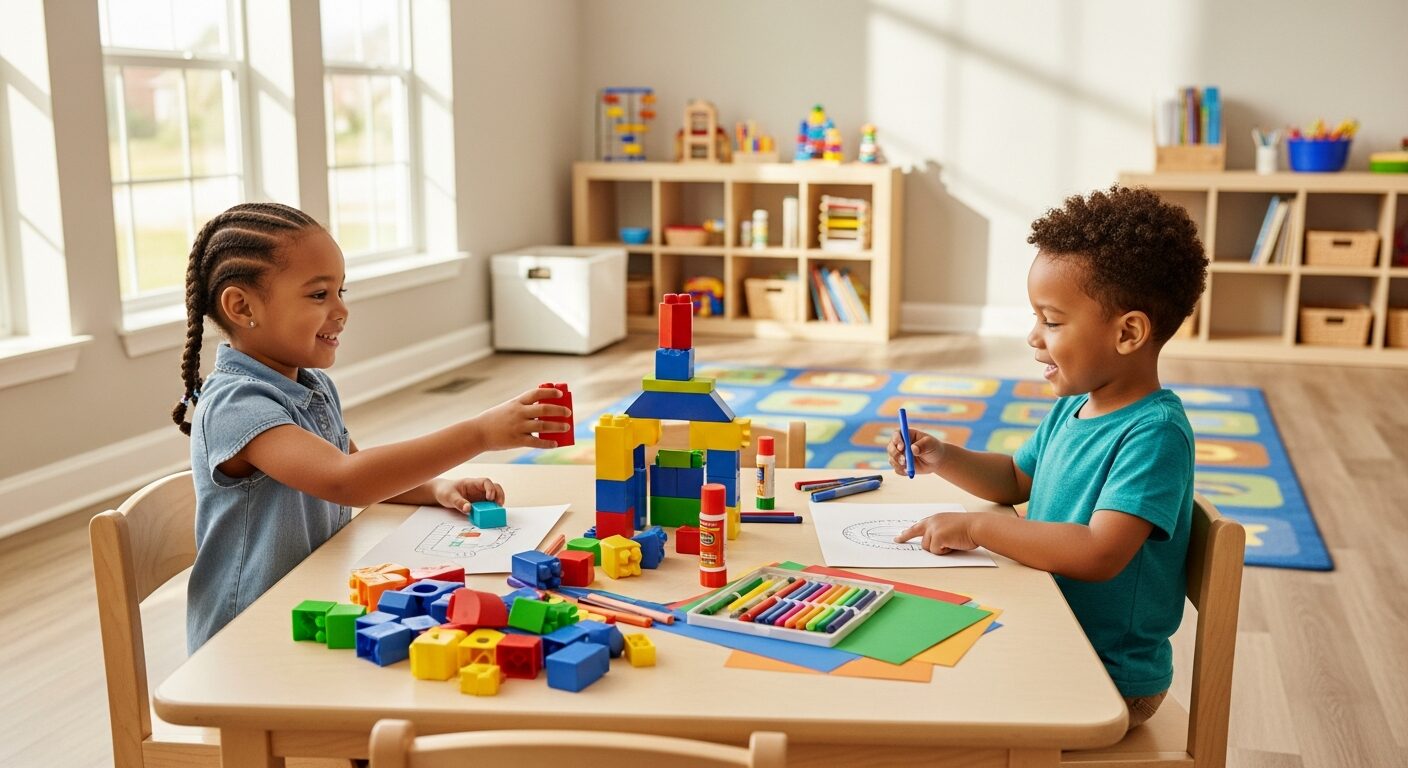
Beyond handling goodbyes, a genuine curiosity about school is a wonderful sign of readiness. Emotionally prepared children often express an eagerness to go to school and make friends, even if they’re still figuring out the social skills to do so. You might notice them enjoying playtime with others, attempting to share toys, or asking about other children. This growing interest in social connection shows they are likely ready for the interactive environment of a classroom, where they can collaborate on projects and build their first friendships in a supportive setting.
It’s important to remember that a few tears at drop-off are completely normal, especially during the first few days or weeks. The key indicator of readiness is not the absence of tears, but your child’s ability to recover quickly and engage with their new surroundings. If your child has had positive experiences staying with a babysitter or family member, they’ve already started building the resilience needed for this transition. At Strong Start, our exceptional educators are skilled at helping children feel secure, and we make it a priority to partner with parents to make the separation process as smooth as possible.
Sign 2: They’re Ready to Make Friends
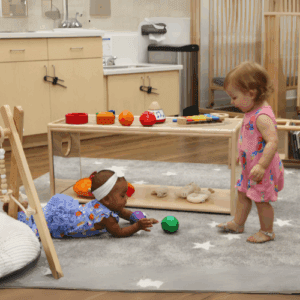
Preschool is a social experience. If your child watches other kids at the playground with curiosity, tries to join in games, or lights up around peers, they are showing an important readiness signal. At this stage, children begin moving beyond parallel play (playing next to others) toward interactive play (playing with others).
Your child does not need to be the most outgoing kid in the room. Quiet children who observe carefully and then participate in their own way are just as ready as the ones who run straight into the action. The key indicator is interest, not personality type.
Key Social Cues to Watch For
- They attempt to share toys or take turns, even if they need reminders
- They show curiosity about what other children are doing
- They can play cooperatively for short periods
- They respond to basic social cues like greetings or invitations to play
A quality preschool program supports social development by creating opportunities for collaborative learning. At Strong Start, our Reggio Emilia-inspired approach encourages children to work together on real-world projects, building teamwork and communication skills naturally through hands-on exploration.
Asking About Friends
Beyond just watching other kids with interest, you might notice your child starting to talk about them later. Are they asking about the friend they made at the park or wondering when they’ll see their cousin again? This is a huge step! It shows they are forming social memories and value those connections. This desire for more consistent peer interaction is a clear sign they’re ready for a community of their own. A structured environment like our Preschool Classrooms provides the perfect setting for these budding friendships to blossom through daily shared activities and collaborative play, giving them the social outlet they’re starting to crave.
Understanding Others Have Feelings
At the same time they’re becoming interested in friends, you may see the first glimmers of empathy. This doesn’t mean they’ve mastered sharing, but they have a basic understanding that other people have feelings. You might see this when they offer a hug to a crying sibling or try to hand a toy to a sad friend. This growing awareness is a huge part of social-emotional development and a key indicator of preschool readiness. It shows they are beginning to see the world from someone else’s perspective. At Strong Start, we build on this foundation by using The Project Approach, which guides children through group investigations where they learn to listen, negotiate, and value their classmates’ ideas—turning everyday interactions into powerful lessons in empathy.
Sign 3: They Can Follow Simple Instructions
Preschool classrooms run on routines. Circle time, snack time, outdoor play, and cleanup all follow a predictable pattern. If your child can follow two-step directions at home, such as “put your shoes by the door and come to the table,” they are developing the listening and comprehension skills needed for a classroom setting.
This does not mean perfect compliance. Preschoolers are still learning, and every teacher expects reminders and redirections. What matters is that your child understands what a routine is and can participate in it with guidance.
Examples of Following Instructions
- They follow simple directions like “wash your hands” or “sit at the table”
- They understand the concept of “first we do this, then we do that”
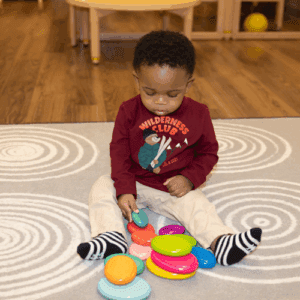
- They can sit and focus on an activity for 5 to 10 minutes
- They transition between activities with support, even if they need reminders
In a well-designed preschool classroom, routines are built to support children who are still learning these skills. Educators use visual schedules, gentle transitions, and consistent cues to help every child feel secure and successful throughout the day.
Ability to Handle Transitions
A preschool day is a series of fun and engaging activities, but it also requires a lot of physical and mental energy to move between them. If your child still relies on long morning and afternoon naps, they might find the structure of a full preschool day exhausting. A good sign of readiness is when they have consolidated their sleep into one longer afternoon nap, giving them the stamina for a busy morning of learning and play. Of course, no one expects a three-year-old to switch gears perfectly every time. Skilled educators are masters of transition, using songs, visual cues, and predictable schedules to guide children smoothly from one activity to the next. You can see an example of how these transitions are built into your child’s day to create a sense of security and flow.
Developing Concentration
Preschool readiness doesn’t require a long attention span, but your child should be able to focus on a single activity for a short period. For example, most children ready for preschool can pay attention to a short picture book being read aloud or work on a puzzle for about 10 to 20 minutes. It’s important to remember that getting distracted is completely normal for this age group. The goal isn’t perfect, uninterrupted focus, but rather a developing ability to engage with a task. High-quality programs nurture this skill by tapping into a child’s natural curiosity. For instance, The Project Approach helps children build concentration by allowing them to explore topics they are passionate about, turning learning into an exciting investigation rather than a chore.
Sign 4: They’re Developing Key Self-Care Skills
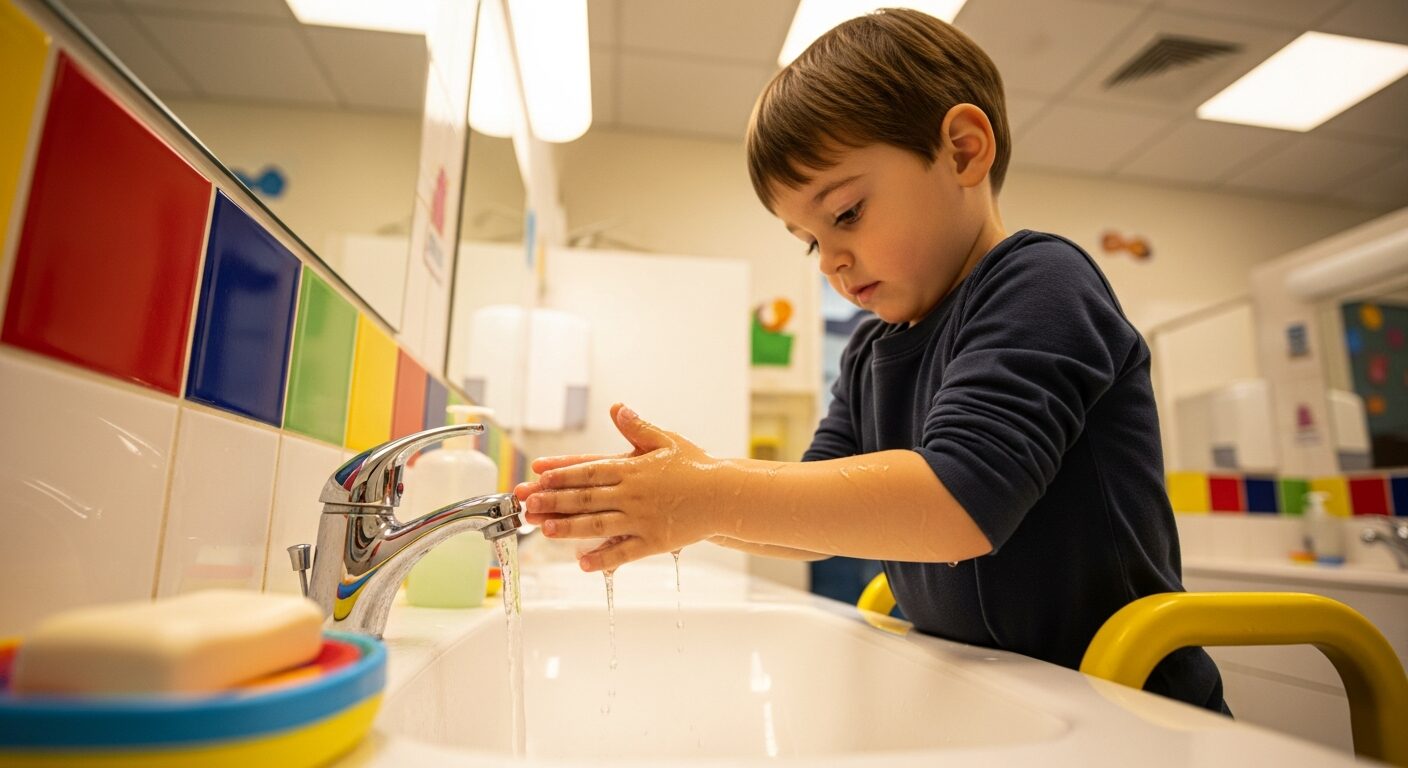
Independence in basic self-care is another strong indicator of preschool readiness. This includes skills like using the toilet (or being in the process of potty training), washing hands, feeding themselves, and attempting to put on their own shoes or coat.
Your child does not need to be fully independent in all of these areas. Many preschool programs expect children to be working toward these milestones, not to have mastered them. What matters is that your child is showing an interest in doing things on their own and can communicate when they need help.
Self-Care Skills Needed for Preschool
- They can use the toilet independently or are actively potty training
- They wash and dry their hands with minimal help
- They feed themselves with a spoon or fork
- They attempt to dress themselves, even if they need assistance with buttons or zippers
- They can communicate when they are hungry, tired, or need to use the bathroom
Every high-quality preschool reinforces these skills throughout the day. Teachers build self-care practice into the routine so children gain confidence and independence in a supportive environment.
Potty Training Expectations
The phrase “potty training” can strike fear into the hearts of parents, but most preschools have realistic expectations. Your child does not need to be perfectly accident-free to enroll. Instead, educators look for signs that your child is actively potty training. This means they can recognize the feeling of needing to go, can communicate that need to an adult, and are familiar with using the toilet. High-quality programs understand that potty training is a process, and they are prepared to be your partner in it. At Strong Start, our educators work closely with families to support children at every stage, reinforcing routines and celebrating small victories to build lasting confidence.
Growing Independence
Beyond the bathroom, look for a general desire for independence. Is your child in the “I do it myself!” phase? This is a fantastic sign of readiness. When a child insists on trying to zip their own coat, pour their own milk, or put their toys away, they are showing the self-reliance that will help them thrive in a classroom. It’s not about whether they can zip the coat perfectly; it’s about their willingness to try. This budding autonomy shows they are ready to take on new challenges. Our curriculum, inspired by The Project Approach, is designed to nurture this drive by giving children meaningful tasks and the freedom to explore solutions on their own.
Sign 5: They Can Tell You What They Need
Your child does not need to speak in full sentences to be ready for preschool. However, they should be able to communicate basic needs and feelings in a way that an adult who is not their parent can understand. This might mean using words, short phrases, or even consistent gestures.
Being able to say “I need help,” “I am thirsty,” or “that is mine” gives your child a way to navigate a classroom without feeling overwhelmed or frustrated. Communication skills also help children build friendships, resolve small conflicts, and participate in group activities.
How They Might Communicate Their Needs
- They can express basic needs (hungry, thirsty, need to use the bathroom)
- They use words or gestures that adults outside the family can understand
- They respond to simple questions like “What is your name?” or “Do you want more?”
- They show interest in stories, songs, and conversations
If your child is a late talker, that does not automatically mean they are not ready for preschool. Many children experience significant language growth once they are immersed in a language-rich environment with peers. Talk to your pediatrician and the preschool director about the best path forward for your child’s specific needs.
Verbal and Non-Verbal Cues
Communication is about much more than just talking. Your child can show they are ready for preschool by using a mix of words and actions to get their point across. They don’t need to speak in perfect sentences; what matters is that an adult outside your family can understand their basic needs. This might look like your child saying “water” when thirsty, pointing to a toy they want, or tugging on a teacher’s shirt for help. These simple verbal and non-verbal cues are powerful tools that help them feel secure and understood in a new environment. In fact, being surrounded by peers and caring teachers often helps children’s language skills blossom. Our exceptional educators are experts at tuning into these cues, ensuring every child feels heard and supported as they learn to express themselves.
Your Preschool Readiness Checklist
Use this quick checklist to reflect on your child’s readiness. You do not need to check every box. If your child shows progress in most of these areas, they are likely ready to benefit from a preschool experience.
| Readiness Area | What to Observe |
|---|---|
| Separation | Can spend time away from parents with minimal distress |
| Social Skills | Shows interest in playing with or near other children |
| Following Directions | Can follow simple two-step instructions |
| Self-Care | Working toward independent toileting, hand washing, and self-feeding |
| Communication | Can express basic needs and be understood by adults outside the family |
| Attention | Can focus on a single activity for 5 to 10 minutes |
| Curiosity | Shows interest in books, songs, art, or exploring new things |
More Signs of Developmental Readiness
Beyond the big milestones like potty training and talking, there are a few more subtle signs that your child is developmentally ready for a classroom. These signals show that your child not only has the foundational skills but also the internal drive and energy to get the most out of their preschool experience. Paying attention to their stamina and natural curiosity can give you a more complete picture of their readiness.
Physical and Mental Stamina
A typical preschool day is a marathon, not a sprint. It’s filled with running, climbing, singing, listening, and creating, all of which demand a lot of physical and mental energy. One of the most practical signs of readiness is your child’s nap schedule. If they have transitioned from two naps to one solid afternoon nap, it’s a good indication they have the stamina to make it through a busy morning of activities. A child who still needs a long morning rest might feel overwhelmed or exhausted by a structured school day. You can see how a day is balanced with active and quiet periods by looking at a typical preschool schedule, which helps children build endurance in a supportive setting.
A Growing Curiosity for Learning
Is your child a little detective, constantly asking “why?” Do they love to scribble on paper, pretend to read books, or get excited about how things work? This growing curiosity is a powerful sign that they are ready to learn. A child who is eager to explore the world around them will see preschool as an exciting adventure rather than a chore. This innate desire to understand is the fuel for learning. At Strong Start, we channel this natural inquisitiveness through The Project Approach, where children’s questions guide our curriculum. When a child is genuinely curious, they become an active participant in their own education, making every day a new discovery.
What to Do If Your Child Isn’t Ready Yet
If your child is not showing several of these signs yet, that is perfectly okay. Every child develops on their own timeline. Here are some strategies to help build readiness over time:
- Practice short separations. Leave your child with a trusted family member or friend for increasing periods.
- Create routines at home. Consistent meal times, bedtimes, and cleanup times help your child learn to follow structure.
- Encourage playdates. Regular time with peers builds social skills in a low-pressure setting.
- Build self-care habits. Let your child practice dressing, hand washing, and feeding themselves during daily routines.
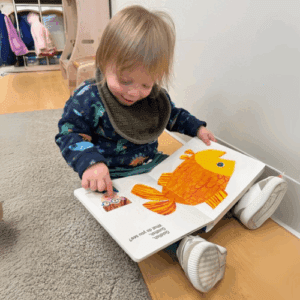
- Read together every day. Shared reading builds vocabulary, attention span, and a love of learning.
Some families also find that a toddler program or bridge classroom provides the perfect stepping stone before a full preschool experience. These programs offer a gentler introduction to group settings while supporting the specific developmental skills your child is working on.
Practice with Visual Schedules at Home
Preschools create a predictable and secure environment by using visual schedules—simple charts with pictures that show children what comes next. You can easily adopt this strategy at home to help your child understand routines. Create a simple chart with pictures for your morning or evening sequence, like “eat breakfast,” “get dressed,” and “brush teeth.” Point to each picture as you move through the activities. This practice helps your child grasp the concept of transitions and builds the skills they will use to follow the classroom schedule. It makes the structure of your child’s day feel manageable and reduces anxiety about what is happening next.
Talk with Your Child’s Doctor
If you have concerns about your child’s development, especially with speech, your pediatrician is your best first resource. Being a late talker does not automatically mean your child isn’t ready for preschool. In fact, many children experience a language explosion once they are surrounded by peers in a vocabulary-rich classroom. Your doctor can offer a professional assessment and peace of mind. We also encourage you to discuss any concerns with the preschool director. A commitment to partnering with parents means working together to find the right support and ensure your child can thrive in their new learning environment.
How to Choose the Right Preschool Program
Once you feel confident that your child is showing signs of readiness, the next step is finding a program that fits your family’s values and your child’s needs. Not all preschools are the same, and the right fit makes a meaningful difference in your child’s experience. Families in the Trumbull area can explore our parent’s guide to preschool in Trumbull, CT for local options and insights.
Look for programs that prioritize small class sizes, qualified educators, a curriculum grounded in research, and a warm, responsive approach to each child. NAEYC accreditation is one of the strongest indicators of program quality, as it requires programs to meet rigorous standards for teaching, safety, and family engagement.
For a detailed guide on evaluating programs, visit our article on how to choose the right preschool.
Frequently Asked Questions
What age should a child start preschool?
Most children start preschool between ages 3 and 4, but the right age depends on your child’s individual development. Some children are ready at 2.5, while others benefit from waiting until closer to 4. Focus on readiness signs rather than a specific birthday.
Does my child need to be potty trained for preschool?
Many preschools prefer children to be potty trained or actively potty training. However, policies vary by program. Ask the school directly about their requirements and how they support children who are still working on this milestone.
What if my child is shy or introverted?
Shy or introverted children can absolutely thrive in preschool. Look for programs with small class sizes and experienced teachers who understand different temperaments. A quality program will meet your child where they are and help them build confidence at their own pace.
Is full-day or half-day preschool better?
This depends on your child’s stamina and your family’s needs. Full-day programs allow for deeper learning experiences and more time for social development. Half-day programs can be a gentler start for children who are new to group settings. Many families start with half-day and transition to full-day as their child adjusts.
How do I know if a preschool is high quality?
Look for NAEYC accreditation, qualified and experienced teachers, a research-based curriculum, low student-to-teacher ratios, and a welcoming environment where families are treated as partners. Visiting the school and observing a classroom in action is one of the best ways to assess quality.
Your Next Step: Preparing for Preschool
If you are in the Trumbull, Connecticut area, our complete guide to preschool in Trumbull, CT can help you compare programs, understand costs, and find the right fit for your family.
If your child is showing several of these readiness signs, now is a great time to start exploring preschool options. Visiting a program in person gives you the best sense of whether it is the right fit for your child and your family.
At Strong Start Early Care & Education, we welcome families to see our classrooms, meet our educators, and learn about our inquiry-based approach to early learning. We serve children ages 6 weeks through 5 years at our locations in Trumbull, Shelton, and Wilton, Connecticut.
Schedule a tour today to see how Strong Start can give your child a confident start to their learning journey.
Trust Your Parental Intuition
While checklists and readiness signs are helpful guides, you are the true expert on your child. You know their unique personality, their sensitivities, and what makes them light up with curiosity. Trust that instinct. If you feel in your gut that your child is ready to explore a new environment and make new friends, that is a powerful indicator. Every child develops on their own timeline, and readiness looks different for every family. The goal is to find a school that sees and values your child for who they are and is committed to partnering with you on their educational journey.
Observe Teacher Interactions During Your Tour
Once you begin visiting schools, pay close attention to the educators. A school’s philosophy is important, but the daily interactions between teachers and children are what truly shape your child’s experience. During your tour, watch how teachers speak to the children. Do they kneel to get on their level? Is their tone warm, patient, and respectful? Observe whether the children seem happy, engaged, and comfortable approaching their teachers for help or comfort. Look for programs that prioritize small class sizes and a warm, responsive approach, as these are hallmarks of a nurturing environment where exceptional educators can build strong, trusting relationships with each child.
How Teachers Support Social and Emotional Skills
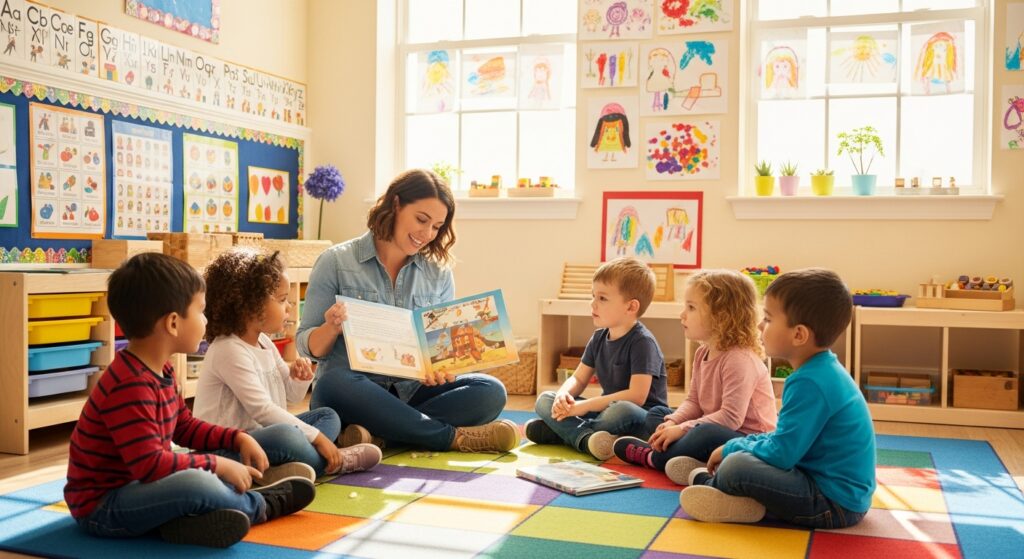
A quality preschool program does more than just teach letters and numbers; it actively supports social and emotional growth. As you observe a classroom, look for teachers coaching children through social situations. You might see them helping a child use their words to ask for a turn, validating a child’s feelings of frustration, or guiding a group through a collaborative activity. This kind of intentional support is crucial. For example, a curriculum based on The Project Approach naturally creates opportunities for children to work together, solve problems, and learn to value each other’s ideas, building essential social skills in a meaningful context.
Understand Application Timelines and Fees
Finding the right preschool often requires planning. Many programs have limited spots, especially for younger age groups, and may have waitlists. Start researching schools in your area well in advance of when you want your child to start. As you explore your options, be sure to ask about the entire enrollment process. Inquire about application deadlines, any associated fees, and the overall tuition structure. It is also a good idea to ask if the school offers any corporate partnerships or tuition benefits, as these programs can sometimes make a high-quality education more accessible for your family.
When to Apply for Preschool
As a general rule, it is wise to begin your search about a year before your desired start date. For popular programs, many experts recommend applying six months to a year in advance. This gives you plenty of time to tour different schools, ask questions, and complete any necessary paperwork without feeling rushed. Infant and toddler programs often have the longest waitlists, so if you need care for a younger child, you may want to start even earlier. Check the websites of schools you are interested in for specific open house dates and application windows, or consult their Frequently Asked Questions page for details.
Key Takeaways
- Watch for key skills, not just a birthday: Your child’s readiness is best measured by their developing abilities, such as managing short goodbyes, showing interest in other kids, and following simple, two-part directions.
- Progress is more important than perfection: You don’t need to check every box. Look for a growing desire for independence (like trying to dress themselves) and their ability to communicate basic needs, even if their skills are still developing.
- Pair your intuition with practical research: You are the expert on your child, so trust your gut. Once you feel they are ready, take the next step by touring schools, observing teachers, and finding a program that feels like the right fit for your family.
Related Articles
- 5 Signs Your Child Is Ready for Preschool in 2026 – Strong Start
- Preschool for 3 Year Olds: Is Your Child Ready? – Strong Start
Written By
Marc Hoffman
Founder, Strong Start Early Care & Education
Marc founded Strong Start in 2014, inspired by his studies at Williams College, Yeshiva University, and research at Yale University. His child-centered, inquiry-based approach to early education has helped hundreds of families in the Trumbull and Bridgeport communities. As a parent himself, Marc understands the importance of finding a nurturing environment where every child can learn, grow, and flourish.