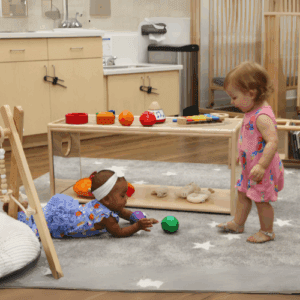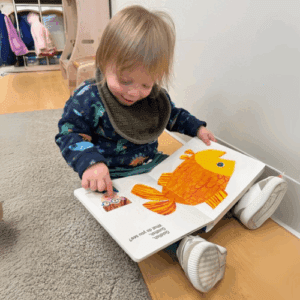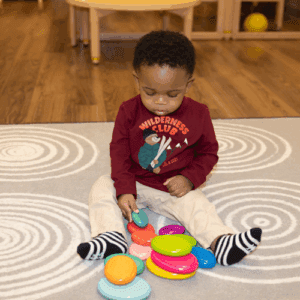
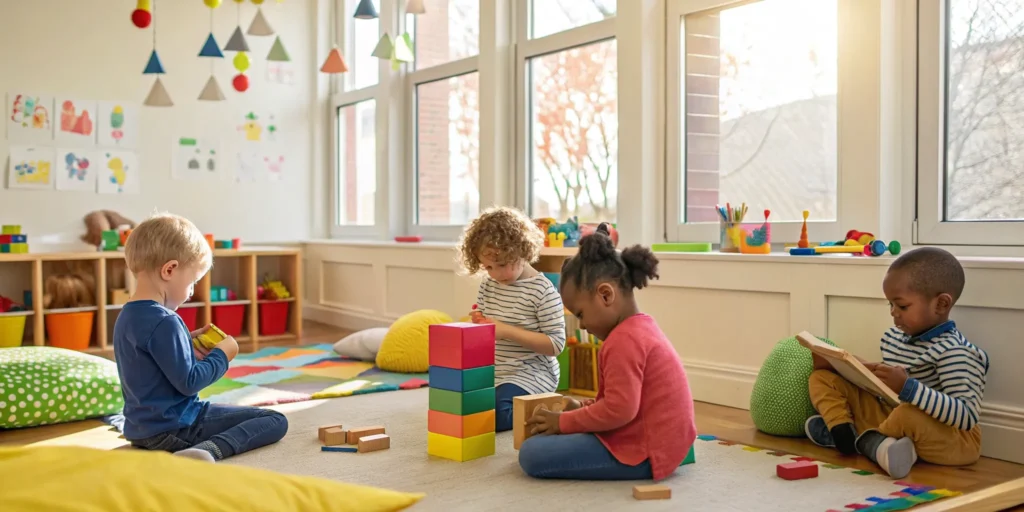
Your child is one-of-a-kind, so why should their first school be one-size-fits-all? When you start looking at options, the question “is preschool public school?” often comes up first, usually tied to cost or convenience. But the most important factor is finding the perfect fit. This is where the world of private preschool education truly shines. Unlike a standardized curriculum, private programs offer a rich variety of philosophies. Whether your child is a curious explorer perfect for a Montessori setting or a creative collaborator who would thrive in a Reggio Emilia approach, there’s a school that will feel like home.
Key Takeaways
- Match the Philosophy to Your Child’s Personality: The “best” preschool is the one that fits your child’s unique temperament. Consider whether they would thrive with the independence of a Montessori program, the creativity of a Reggio Emilia approach, or the joy of a play-based classroom.
- Look Beyond the Sticker Price for Affordability: Don’t let initial tuition numbers discourage you. Many private schools offer financial aid, scholarships, and sibling discounts, so always ask about these options to understand the true cost for your family.
- An In-Person Tour is Non-Negotiable: You can only learn so much online. The most important step is to visit the school to observe the classroom atmosphere, see how teachers engage with students, and trust your gut feeling about the environment.
First Things First: Understanding Early Education
As you begin exploring options for your child, you’ll quickly encounter a dizzying array of terms: preschool, pre-K, transitional kindergarten, and more. It’s easy to get lost in the jargon, but understanding these basic definitions is the first step toward finding the right fit for your family. While the names can vary by state and even by individual school, they generally refer to educational programs designed for children in the years before they begin formal elementary schooling. The goal of these programs is to provide a foundation for learning and social development in a structured, nurturing environment, preparing children for the academic and social expectations of kindergarten and beyond.
Defining the Terms: Preschool, Pre-K, and Kindergarten
Generally, “preschool” is an umbrella term for early education programs that children attend before they are old enough for kindergarten. Children can start as early as two years old and continue until they are about five. “Pre-kindergarten,” or “pre-K,” usually refers to the specific year before a child enters kindergarten, typically for four- and five-year-olds. This year often has a stronger focus on kindergarten readiness skills. Kindergarten itself is the first official year of formal schooling in the United States. While the names might seem interchangeable, it’s always a good idea to ask a specific school how they define their programs and what the curriculum focuses on for each age group.
A Brief History of Preschool in the U.S.
The idea of educating our youngest learners isn’t new, but it has evolved significantly over time. The concept took root in the U.S. in the late 19th century, with the first free kindergarten opening in 1870. However, it wasn’t until the launch of Head Start in 1965, a federally funded program for low-income families, that the importance of early childhood education gained widespread national attention. This program highlighted the critical impact that quality early learning experiences can have on a child’s long-term success. Today, the landscape is filled with diverse options, from public programs to private schools with specialized philosophies, all aimed at giving children a strong start in life.
The Science of Early Learning: Why Preschool Matters
Choosing a preschool is about more than just finding childcare; it’s an investment in your child’s future. The years from birth to age five are a period of incredible growth and development, particularly for the brain. During this time, children are building the foundational neural connections that will support all future learning, from language and math to social skills and emotional regulation. A high-quality preschool program provides the right mix of play, instruction, and social interaction to nurture this development. It creates a safe and stimulating space where children can explore their curiosity, build confidence, and learn how to interact with their peers and the world around them.
Brain Development in the Early Years
A child’s brain grows faster in the first few years of life than at any other time. This period is crucial for developing language, problem-solving abilities, and social-emotional skills. Every new experience—from stacking blocks to listening to a story—helps build and strengthen these connections. A well-designed preschool curriculum, like one inspired by the Reggio Emilia philosophy, recognizes this and provides rich, hands-on experiences that encourage children to ask questions, experiment, and learn by doing. This active engagement supports healthy brain development and fosters a lifelong love of learning, setting the stage for future academic and personal success.
The Long-Term Benefits of a Quality Preschool Education
The positive effects of a great preschool experience extend far beyond kindergarten. Research consistently shows that children who attend high-quality early learning programs are more likely to succeed throughout their school years and into adulthood. They tend to have better social skills, stronger academic performance, and higher graduation rates. This is because these programs do more than teach letters and numbers; they teach children how to be learners. They learn to cooperate with others, manage their emotions, and persevere through challenges. By providing a supportive environment with exceptional educators, you give your child the tools they need to become confident, capable individuals.
Understanding the Landscape of Public Preschool
While many families explore private options, it’s also helpful to understand what’s available through your local public school system. Public preschool programs can vary widely from one district to another, but they often provide valuable services and support for the community. For many, these programs are an accessible and affordable entry point into early education. They are typically housed within elementary schools and are run by the local school district, which means they are often aligned with the kindergarten curriculum, potentially making for a smoother academic transition for your child. Understanding the types of programs offered can help you make a fully informed decision.
The Variety of Public School Programs
Public school districts are legally required to provide educational services for children with disabilities starting at age three. Because of this mandate, many public preschools were initially created to serve these students. Over time, many have expanded to include “typically developing” peers, creating inclusive classrooms that benefit all children. This often means public programs are well-equipped with resources and staff, including special education teachers and therapists, to support a diverse range of learning needs. The structure and availability of these programs can differ greatly, so it’s always best to check directly with your local school district for specific information.
Free and Federally Funded Options like Head Start
For families who meet certain income eligibility requirements, federally funded programs like Head Start offer free, comprehensive services. These programs go beyond academics to support the whole child, providing resources related to health, nutrition, and family well-being. Head Start is designed to ensure that all children, regardless of their family’s financial situation, have the opportunity to enter kindergarten ready to succeed. These programs are a vital resource in many communities and can be an excellent option for eligible families looking for high-quality early education.
Special Education Services
One of the defining features of public preschools is their integration of special education services. Because they are set up to support children with identified developmental delays or disabilities, they often have more adults in the classroom, including teachers, assistants, and specialists like speech or occupational therapists. This can result in lower student-to-teacher ratios and a highly supportive environment. If your child has an Individualized Education Program (IEP) or if you have concerns about their development, a public program may be uniquely equipped to provide the specific support they need.
Tuition-Based and Specialized Programs
In addition to programs for students with special needs and federally funded options, some public school districts also offer tuition-based preschool. These programs are open to the general public and operate similarly to private preschools, charging a fee for attendance. They provide an option for families who may not qualify for free services but are interested in a program run by the public school system. Some districts may also offer specialized programs, such as language immersion or magnet schools, providing even more choice within the public system.
Support Services for All Families
Beyond classroom instruction, public school districts offer valuable support services that are available to all families in the community, regardless of whether their child is enrolled in a public program. These resources are designed to identify potential developmental challenges early and connect families with the help they need. Taking advantage of these free services can be a proactive and reassuring step for any parent who has questions or concerns about their child’s development, ensuring that every child has the chance to get the support they need to thrive.
What Are “Child Find” Screenings?
One of the most important services offered by public school districts is the “Child Find” program. Through this mandate, districts provide free developmental screenings for young children, often starting around age two or three. These screenings are a quick and easy way to check on a child’s progress in key areas like speech, motor skills, vision, and hearing. If the screening identifies any potential delays, the district can then provide a more thorough evaluation and, if needed, connect the family with early intervention services. This is a fantastic, no-cost resource for all families in the community.
The Benefits of a Program Within an Elementary School
One of the practical advantages of a public preschool program is its location within an elementary school. This setting can help make the transition to kindergarten feel much less intimidating for a young child. By the time they are ready for kindergarten, they are already familiar with the building, the playground, and even some of the staff. This familiarity can reduce anxiety and help them feel more confident and comfortable on their first day of “big kid” school. It also gives parents a chance to become part of the school community early on.
Private vs. Public Preschool: What Are the Key Differences?
When you start looking at preschools, one of the first big questions you’ll face is: private or public? It can feel like a huge decision, but the good news is that both can be wonderful places for your child to learn and grow. The key is understanding what makes them different so you can find the right fit for your family.
Public preschools are typically run by the local school district and funded by the state. This means they often have standardized curricula and are either free or more affordable, making them a fantastic, accessible option. They provide a solid educational foundation and are a cornerstone of many communities.
Private preschools operate independently, which gives them a lot more flexibility. They are funded primarily through tuition, which allows them to shape their own unique programs, philosophies, and learning environments. This can mean smaller classes, specialized teaching methods, and different scheduling options. Understanding these key differences isn’t about deciding which one is “better”—it’s about figuring out which one aligns best with your child’s personality, your family’s values, and your practical needs. Let’s walk through what sets them apart so you can feel confident in your search.
Why Smaller Class Sizes Matter
One of the most common draws of private preschool is the smaller class size. With fewer children in a room, teachers can really get to know each child as an individual. This means they can provide more one-on-one support, tailor activities to your child’s interests, and notice the little things that make them unique. If your child is shy, has a specific learning style, or just thrives with a bit more guidance, this individual attention can make a world of difference in their early school experience. It creates a close-knit, nurturing environment where kids can feel safe and seen.
Finding a Philosophy That Fits Your Family
Private preschools aren’t tied to a single, state-mandated curriculum. This freedom allows them to adopt a wide variety of educational philosophies. You’ll find schools based on methods like Montessori, which emphasizes independence and self-directed learning, or Reggio Emilia, which is project-based and follows the child’s curiosity. Others might be play-based, faith-based, or focused on nature. This variety means you can find a program that truly aligns with your parenting style and your child’s natural way of learning. It’s a chance to choose an environment that feels like an extension of your home.
The “Whole Child” Approach vs. Early Academics
Within the world of private preschools, you’ll often find two main educational currents. One is the “whole child” approach, which champions play-based learning. This philosophy believes that the most important work of early childhood is developing social and emotional skills—like learning to share, solve problems with friends, and manage big feelings. Classrooms following philosophies like the Reggio Emilia approach are rich with hands-on projects and creative exploration designed to follow a child’s natural curiosity. On the other hand, some programs have a stronger early academic focus, with more structured time dedicated to letters, numbers, and pre-reading skills. Neither approach is inherently better; the right choice depends entirely on your child’s personality and what you value most for their first school experience.
Better Resources and Specialized Staff
Because they are funded by tuition, many private preschools can invest more in their facilities, learning materials, and staff. This might look like a dedicated art studio, an expansive outdoor play area, or access to the latest educational technology. They can also often attract highly qualified teachers, sometimes with specialized training in areas like early childhood literacy or music. These extra resources and expert staff can create a richer, more dynamic learning environment where your child has more opportunities to explore their interests and develop new skills.
Flexible Schedules and Ways for Parents to Get Involved
Private preschools often understand that modern family life doesn’t always fit into a 9-to-3 school day. Many offer flexible programs to accommodate different schedules, with options for part-day, full-day, and even before- and after-school care. This can be a lifesaver for working parents. Beyond scheduling, private schools typically place a strong emphasis on building a community with their families. They actively encourage parental engagement through regular communication, parent-teacher conferences, and opportunities to volunteer or participate in classroom activities, making you a true partner in your child’s education.
Can Our Family Afford Private Preschool?
Let’s talk about the elephant in the room: the cost. Seeing the tuition numbers for private preschools can feel overwhelming, but don’t let the initial sticker shock discourage you. Affordability is a major factor for nearly every family, and understanding the full financial picture is the first step toward making a confident choice. The good news is that the advertised tuition is rarely the whole story.
Many schools offer financial assistance, and the price can vary dramatically from one program to another. It’s all about knowing what to look for, what questions to ask, and how to plan. Think of it less as a single, scary number and more as a puzzle you can solve. By breaking down the costs, exploring financial aid options, and budgeting for the extras, you can get a realistic sense of what’s possible for your family. This section will walk you through exactly how to do that.
What Does Private Preschool Really Cost?
When you start researching, you’ll notice that private preschool tuition is all over the map. For example, tuition data from Ohio shows an average of around $10,865 per year, but individual schools can range from just over $1,000 to nearly $40,000. This huge variation depends on factors like the school’s philosophy, location, schedule (half-day vs. full-day), and student-to-teacher ratio.
Typically, the base tuition covers the core educational program, but it’s always a good idea to ask for a detailed fee schedule. Find out exactly what’s included—like snacks or basic supplies—and what isn’t. This will help you compare schools more accurately and avoid surprises down the road.
Planning for Those Extra Preschool Costs
Tuition is the biggest piece of the financial puzzle, but it’s not the only one. Be sure to budget for extra costs that might pop up throughout the year. These can include a one-time application or enrollment fee, school supplies, special event fees, or contributions to class parties. Some schools may also require uniforms or have specific dress codes.
Another key consideration is the school’s schedule. Many programs are designed as a school focused on education rather than a full-time daycare, meaning their hours might not align with a standard workday. If you need care before or after school hours, you’ll want to factor in the cost of extended-day programs, which are often billed separately.
How to Find Scholarships and Financial Aid
Many parents are surprised to learn that financial aid isn’t just for college. A large number of private preschools offer need-based financial aid, scholarships, or sibling discounts to make their programs more accessible. The key is to be proactive and ask about these opportunities early in the application process. Don’t hesitate to contact the admissions office directly to inquire about their financial aid policies and deadlines.
You can also explore external resources for help paying for child care, including state assistance programs or local community grants. It takes a little extra research, but these options can make a significant difference in what your family can afford.
Is Private School Only for the Wealthy? (Hint: No!)
There’s a persistent myth that private school is an exclusive club reserved for the wealthiest families. In reality, that’s just not true. Most private schools are committed to building diverse communities with students from a wide range of socioeconomic backgrounds. They use financial aid as a tool to make that happen.
As many schools will tell you, admission isn’t about who has the most money. Instead, they are looking for families who align with their mission and values. Many institutions actively work to debunk common myths about exclusivity by offering robust aid packages. So, if you find a school you love, don’t assume it’s out of reach. Always explore the financial aid options before making a final decision.
Finding the Right Fit: Types of Private Preschools
Once you start looking at preschools, you’ll quickly realize they come in all shapes and sizes. Different schools follow different educational philosophies, which are the core beliefs that guide how they teach and how children learn. Think of it like a parenting style—there’s no single “right” way, but there’s definitely a right fit for your family and your child’s unique personality. Getting to know these approaches is the first step in finding a place where your little one will feel happy, supported, and excited to learn. Let’s walk through some of the most common types you’ll encounter.
The Montessori Method
The Montessori method is all about fostering independence. In a Montessori classroom, you’ll see a calm, organized space with child-sized furniture and a wide array of learning materials on low, open shelves. The core idea is child-led learning, where children are free to choose their own activities and work at their own pace. Teachers act as guides, introducing new concepts when a child shows interest and readiness. This approach is wonderful for building concentration, self-discipline, and a genuine love for learning. If your child is naturally curious and enjoys working independently, a Montessori environment could be a fantastic fit.
The Reggio Emilia Approach
Inspired by the preschools in Reggio Emilia, Italy, this approach views children as capable, curious individuals with a deep desire to connect with the world. The classroom is often called the “third teacher,” designed to be a beautiful, stimulating environment that encourages exploration. Learning happens through project-based learning, where children work together on long-term investigations of topics that fascinate them, like how gardens grow or what happens when it rains. Teachers document the children’s work and thoughts, making learning visible. This philosophy is great for creative, social children who thrive on collaboration and expressing their ideas in many different ways, from painting to building.
Waldorf Education
Waldorf education is centered on a holistic development approach that nurtures the “head, heart, and hands” of a child. The curriculum is designed to be age-appropriate, with a strong emphasis on creativity, imagination, and learning through hands-on, artistic activities like painting, singing, and storytelling. Academics are introduced gently and creatively, often through stories and art. Waldorf classrooms feel warm and homelike, using natural materials for toys and furnishings to create a calming atmosphere. This philosophy is a great match for families who value a gentle, rhythm-based approach to learning that protects the magic of childhood while building a strong foundation for future academics.
Play-Based Learning
Just as the name suggests, play-based programs believe that children learn best through play. Don’t let the name fool you—this isn’t just unstructured chaos. Teachers thoughtfully design the classroom with different centers, like a building block area, a dress-up corner, and a sensory table, to encourage specific types of learning and social interaction. Through play, children naturally develop crucial skills like problem-solving, sharing, and communication. They learn about science by splashing in a water table and about literacy by “writing” a menu in the play kitchen. This approach is perfect for active, social kids and for parents who want their child’s first school experience to be joyful and centered on discovery.
Why Experts Believe Play Is a Child’s Work
It might sound like a simple phrase, but the idea that “play is a child’s work” is a cornerstone of high-quality early education. This isn’t about unstructured chaos; it’s about recognizing that play is how children make sense of their world. When they’re building a tower, they’re not just stacking blocks—they’re experimenting with gravity and balance. When they’re “writing” a menu in the play kitchen, they’re practicing early literacy and learning to cooperate. In a thoughtfully designed learning environment, these joyful activities help children develop crucial life skills like problem-solving, sharing, and managing their emotions. It takes skilled educators to facilitate this meaningful work, guiding discovery without taking over.
Faith-Based and Academic-Focused Schools
For some families, aligning school with their personal values is a top priority. Faith-based preschools weave religious teachings and stories into the daily curriculum, providing a foundation in both spiritual and academic learning. On the other end of the spectrum are academic-focused, or traditional, programs. These schools often have a more structured environment with a clear emphasis on preparing children for kindergarten. The curriculum typically centers on early literacy, phonics, and math skills. Both of these models can be a great choice depending on your family’s goals, whether you’re seeking a community that shares your beliefs or a program that prioritizes early academic achievement.
Cooperative Preschools
Cooperative preschools, often called co-ops, take parental involvement to a whole new level. In this model, the school is run by a community of families who work alongside professional teachers. What really sets a co-op apart is the active role parents play in the day-to-day operations, from assisting in the classroom to helping with administrative tasks. This hands-on approach creates an incredibly strong sense of community and can make preschool much more affordable, since the shared responsibilities help keep tuition costs down. With more adults in the room, co-ops also boast excellent adult-to-child ratios, meaning your child gets plenty of personalized attention. For families who want to be deeply involved in every aspect of their child’s first school experience, a cooperative program can be a wonderful and rewarding choice.
Your Step-by-Step Guide to Choosing a School
Once you have a list of potential schools, it’s time to dig a little deeper to find the perfect match for your family. This process is all about gathering information, trusting your gut, and picturing your child in each environment. Think of it less as a test and more as an exploration. You’re looking for a place where your child will not just learn, but also feel safe, happy, and supported.
This guide will walk you through the key steps, from your initial research to the questions you’ll want to ask on a school tour. Taking it one step at a time makes the whole process feel much more manageable. Remember, you know your child best, and that’s the most powerful tool you have in this search.
How to Begin Your Preschool Search
The best way to begin is by creating a long list of potential preschools in your area. Start with a simple online search for “private preschools near me,” and don’t forget to ask for recommendations from friends, neighbors, or local parenting groups on social media. Word-of-mouth can be incredibly valuable. While the most common time for children to start private school is pre-kindergarten or kindergarten, many programs offer options for even younger toddlers.
As you build your list, visit each school’s website. Look at their mission statement, photos of the classrooms, and daily schedules. This initial digital tour will help you narrow down your options to a handful of schools that seem like a good fit for your family’s values and your child’s personality before you schedule any in-person visits.
Touring Schools: What to Look For
This is arguably the most important step in the entire process. You can read every review online, but nothing compares to seeing a school with your own eyes. As you walk through the classrooms and playgrounds, try to observe the interactions between teachers and children. Do the kids seem happy and engaged? Are the teachers warm, patient, and attentive? The overall atmosphere of a school will tell you a lot.
Pay attention to the physical environment, too. Are the classrooms clean, organized, and filled with interesting, age-appropriate materials? Does the outdoor space look safe and fun? The goal of a tour is to ask lots of questions and get a genuine feel for the school’s daily life. Trust your intuition—if a place feels right, it probably is.
Questions to Ask About Teachers and Class Size
The people who will be spending their days with your child are the heart of any preschool program. Don’t be shy about asking about their qualifications, experience, and staff turnover rates. A school with happy, long-term teachers is often a sign of a positive and stable environment. One of the biggest advantages of private preschools is often smaller class sizes, which means teachers can get to know your child better and offer more individual attention.
Come prepared with a few key questions. You can ask, “What is your student-to-teacher ratio?” and “What kind of professional development do your teachers receive?” Understanding their approach to discipline, communication, and managing different personalities will help you feel confident in your choice.
Don’t Skip This: Checking Accreditation and Safety
Safety is every parent’s top priority. During your tour, look for basic safety features like secure entrances, child-proofed classrooms, and well-maintained playground equipment. Ask about their emergency procedures, sick-child policies, and how they handle allergies. A great school will be transparent and happy to share this information with you.
Beyond the basics, you can also ask if the school is accredited. For private schools, accreditation by an organization like the National Association for the Education of Young Children (NAEYC) is a strong indicator of quality. It means the school has voluntarily met high national standards for curriculum, teacher qualifications, and health and safety, going above and beyond the minimum state licensing requirements.
How Can Parents Get Involved?
You’re not just choosing a school for your child; you’re joining a community. A strong partnership between parents and teachers is essential for your child’s success. Quality preschool programs actively encourage and welcome parental engagement, so be sure to ask how you can get involved. Find out how the school communicates with parents—is it through a mobile app, regular emails, or newsletters?
Ask about opportunities for parent-teacher conferences, classroom volunteering, or special family events. A school that sees parents as partners and values your input is one that is truly invested in your child’s well-being. This collaborative spirit helps create a supportive network for your entire family.
What to Expect During the Application Process
The private preschool application process can feel like a big undertaking, but breaking it down into smaller steps makes it much more manageable. From deadlines to interviews, knowing what’s coming helps you and your child move through each stage with confidence. Think of it not as a test, but as a mutual discovery process where you and the school see if you’re the right fit for each other. With a little organization, you can handle the logistics smoothly and focus on finding a wonderful environment for your little one.
Mark Your Calendar: Key Deadlines and Prep Tips
When it comes to applications, starting early is your best friend. A good rule of thumb is to begin the process around Labor Day the year before your child will enroll. This gives you plenty of time to tour schools and gather what you need without a last-minute scramble. To stay organized, create a simple calendar with the application deadlines for each school you’re considering. This small step can make the entire experience feel less stressful and help you make a thoughtful, unhurried decision for your family.
Preparing for School Interviews and Assessments
The application process usually includes a parent interview and a “playdate” for your child. The parent interview is a two-way conversation—a chance for you to ask questions and for the school to learn about your family’s values. For your child’s visit, try to relax! It’s typically a low-key observation where teachers see how your little one interacts with others. They aren’t looking for perfection; they just want to get a sense of your child’s personality and developmental stage in a new setting.
What Paperwork Will You Need to Apply?
Staying organized will save you a lot of time and energy. Most schools require a standard set of documents: a completed application form, a copy of your child’s birth certificate, and up-to-date immunization records. To keep things simple, create a separate folder—either physical or digital—for each school. As you complete your tours and decide where to apply, you can start gathering these items. Having everything in one place will prevent a frantic search when deadlines are approaching.
Helping Your Child Feel Ready and Confident
Preparing your child for their school visit should be fun, not stressful. You can build their confidence through activities you already do together, like reading books, playing with puzzles, and drawing. Talk about the visit in a positive way, calling it a chance to “play at a new school with new toys.” The most important thing is to keep the experience light and encouraging. A child who feels secure and happy is one who will shine. You can find many simple play-based learning activities to try at home that naturally support their development.
Is Private Preschool the Right Choice for Your Child?
Deciding on the right preschool is a huge step, and it’s completely normal to feel a little overwhelmed by the options. You’re not just choosing a school; you’re choosing a community and an environment where your child will spend their days learning and growing. The choice between public and private preschool comes down to what feels right for your child and your family. Let’s walk through some of the key factors to consider so you can feel confident in your decision.
Does the School’s Philosophy Match Your Child?
One of the biggest advantages of private preschool is the variety of educational philosophies available. Think about your child’s unique personality. Are they independent and focused? A Montessori classroom, which is designed to be child-centric and allows children to learn at their own pace, might be a perfect fit. The Montessori teaching method encourages self-directed activity and hands-on learning. If your child is highly creative and collaborative, a Reggio Emilia or play-based program could be ideal. The key is to find an environment that will celebrate who your child is and help them thrive.
Are the Long-Term Benefits Worth the Cost?
Let’s talk about the elephant in the room: the cost. There’s no getting around the fact that private preschool is a significant financial investment. For example, the average cost for a private preschool in Ohio is around $10,865 per year. It’s important to look at this as more than just an expense. Consider what you’re getting for that tuition. Private preschools often offer a wider variety of programs, such as language immersion, arts focus, or faith-based instruction. The long-term benefits, like smaller class sizes and a strong foundation for future learning, can make the investment worthwhile for many families.
Debunking Common Myths About Private Preschool
It’s easy to get caught up in stereotypes about private schools. One common myth is that they are exclusive and you need to “know someone” to get in. The truth is, admission to a private school is based on finding the right fit for the child and the school, not on social connections. Another concern some parents have is that smaller schools might not offer enough social opportunities. In reality, a smaller, tight-knit community can help young children build deep, meaningful friendships and feel more secure as they learn to interact with their peers.
How to Make Your Final Decision with Confidence
Ultimately, the best way to know if a school is right for your family is to see it for yourself. The most important step you can take is to visit several preschools, both public and private. When you tour, pay attention to how the teachers interact with the children and how the kids seem to feel in the space. Ask plenty of questions. To make sure you have plenty of options, it’s best to begin the application process early. Many schools start their admissions cycle around Labor Day the year before your child plans to enroll, so getting a head start will give you time to make a thoughtful, unhurried decision.
Related Articles
- starting preschool – Strong Start Early Care and Education
- preschool & day care center – Strong Start Early Care and Education
- Preschool Classrooms – Strong Start
- The Benefits Of A Pre-k Education – Strong Start
- Is Waiting for Kindergarten Right For Your Child? – Strong Start
Frequently Asked Questions
How can I tell if the high cost of private preschool will actually benefit my child? Think of it less as a cost and more as an investment in a specific environment. The real benefit often comes from the smaller class sizes and specialized philosophies that can cater directly to your child’s needs. If your child thrives with more one-on-one attention or would blossom in a specific learning style like Montessori or play-based, the value is in finding that perfect fit. It’s less about a guaranteed academic outcome and more about giving them a positive, confidence-building start to their education.
What if my child’s personality doesn’t seem to fit one specific teaching philosophy? That’s completely normal! Most children are a wonderful mix of traits, and very few fit perfectly into a single box. Many schools also blend elements from different philosophies. Instead of looking for a perfect match to a label, focus on the overall environment. During your tour, observe if the classroom energy feels right for your child. The goal is to find a place where the teachers are skilled at supporting all different kinds of learners and personalities.
Besides the basics, what’s one key thing I should really pay attention to during a school tour? Watch the interactions between the teachers and the children, especially during moments of transition or minor conflict. Notice how a teacher comforts a sad child or helps two kids negotiate over a toy. This will tell you more about the school’s true culture and emotional environment than any mission statement. You’re looking for genuine warmth, respect, and patience in those unscripted moments.
Is the main goal of private preschool just to get my child ahead academically? While a strong academic foundation is a component, it’s rarely the only goal. Most private programs focus on developing the whole child, including their social skills, emotional intelligence, and creativity. The unique philosophies are often designed to foster a love of learning itself, which is a far more valuable long-term benefit than memorizing letters and numbers a few months early.
My child is very shy. How can I prepare them for the ‘playdate’ or assessment part of the application? The best preparation is no preparation at all. These visits are designed to be low-stress observations, not tests. The teachers are experienced with all personality types and simply want to see how your child naturally engages with a new space. Talk about the visit positively, like a fun trip to play with new toys. Your own calm and confident attitude will be the most reassuring thing for your child.
Written By
Marc Hoffman
Founder, Strong Start Early Care & Education
Marc founded Strong Start in 2014, inspired by his studies at Williams College, Yeshiva University, and research at Yale University. His child-centered, inquiry-based approach to early education has helped hundreds of families in the Trumbull and Bridgeport communities. As a parent himself, Marc understands the importance of finding a nurturing environment where every child can learn, grow, and flourish.