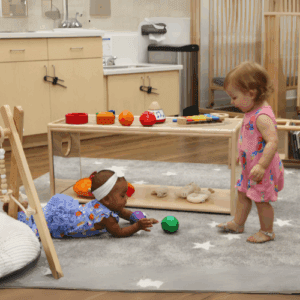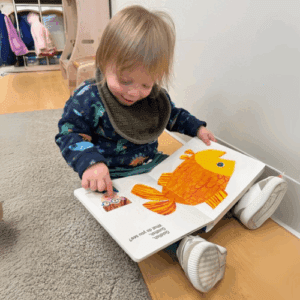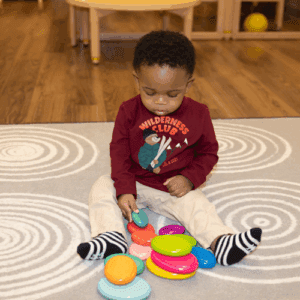
It’s easy to wonder if preschool is just a day of play. The truth is, it is—and that’s what makes it so powerful. For toddlers, play is serious work. It’s how they test theories, build vocabulary, and learn to solve problems. A high-quality program understands that the real benefits of preschool for toddlers don’t come from worksheets. Whether your child is two or three, learning is woven into activities they already love, transforming their natural curiosity into tangible skills in a joyful, hands-on way.
Key Takeaways
- Focus on social cues over age: Preschool readiness is less about the calendar and more about your child’s development. Look for signs of growing independence, an interest in other children, and the ability to follow simple, two-step directions.
- Prioritize social and emotional growth: The most important skills learned in preschool are how to make friends, share, and manage big feelings. A play-based environment teaches children how to solve problems and work with others, which is the true foundation for kindergarten success.
- Look for a community that partners with you: The right preschool should feel like a second home. Seek out passionate teachers, a safe and nurturing environment, and a program that prioritizes open communication, making you a valued partner in your child’s education.
Is Your Toddler Really Ready for Preschool?
“Is my toddler ready for preschool?” It’s a question every parent asks, and the answer isn’t as simple as a date on the calendar. While most preschools have age requirements, true readiness is about your child’s development. It’s about looking at the whole child—their social skills, their curiosity, and their ability to handle a new environment. Understanding the signs of readiness and the unique benefits of a preschool setting can help you make the best choice for your family.
More Than Just Age: What Readiness Looks Like
True readiness is more about developmental milestones than chronological age. Experts agree that a child’s social-emotional skills are a particularly important indicator of school readiness. Can they spend short periods away from you? Do they show interest in other children? Preschool readiness is a mix of motor skills, emotional and social development, and cognitive abilities. It’s less about knowing the ABCs and more about being curious, being able to follow simple directions, and having some basic self-care skills, like feeding themselves. Our Toddler Classrooms are designed to meet children where they are and nurture these growing skills in a supportive environment.
Preschool vs. Daycare: What’s the Difference?
The terms “preschool” and “daycare” are often used interchangeably, but they typically have different focuses. While many daycare centers provide wonderful, safe care, a preschool program is built around a structured curriculum designed to prepare children for kindergarten and beyond. Preschool benefits every child by providing a consistent routine, peer interaction, and intentional learning opportunities. At Strong Start, we blend the best of both worlds: a nurturing, safe environment with a thoughtful, play-based curriculum inspired by Reggio Emilia. A key part of any quality program is a commitment to partnering with parents through regular updates and open communication, ensuring you’re always connected to your child’s learning journey.
Why Preschool Matters Now More Than Ever
The Science of Early Brain Development
A child’s brain undergoes its most rapid period of growth between birth and age six, creating a critical window for learning and development. This is when the foundational architecture for all future learning is built. A high-quality preschool program is designed to capitalize on this incredible period of growth. Research shows that children who attend these programs are not only better prepared for kindergarten but are also more likely to achieve long-term academic success. They are more likely to finish high school and go on to college, demonstrating how early experiences can shape a child’s entire educational path. It’s about providing the right stimulation at the right time to build a strong foundation for a lifetime of learning.
Preschool as a Common Childhood Experience
Preschool is becoming a standard and valuable step in a child’s journey, helping them get used to the structure and routines of a school day. Learning to follow a schedule, participate in group activities, and practice simple hygiene habits makes the transition to kindergarten feel much less overwhelming. But the most important preparation isn’t academic—it’s social and emotional. A play-based environment is the perfect setting for children to learn how to solve problems, share ideas, and work with their peers. These are the skills that form the true foundation for success in school and in life. Our Preschool Classrooms are designed to foster this growth through joyful, hands-on exploration that nurtures both the mind and heart.
The Academic Benefits of Preschool for Toddlers
When you peek into a preschool classroom, you’ll see a lot of playing—and that’s by design. But this isn’t just random fun. It’s a carefully crafted environment where every activity, from building with blocks to listening to a story, is an opportunity for your child’s mind to grow. Preschool is where toddlers start to connect the dots about the world around them, transforming their natural curiosity into real understanding. They learn to ask questions, test their ideas, and discover that learning is an exciting adventure.
This is where the magic of a thoughtful curriculum comes in. At Strong Start, we use approaches like the Project Approach, which lets children dive deep into topics that fascinate them. Whether they’re studying insects they found on the playground or figuring out how to build a pretend grocery store, they are developing critical thinking skills. They learn to observe, experiment, and collaborate. This kind of active, hands-on learning builds a powerful foundation, not just for kindergarten, but for a lifetime of curiosity and discovery. It’s about nurturing your child’s ability to think, not just telling them what to think.
Helping Them Find Their Voice and New Words
One of the most noticeable changes you’ll see when your toddler starts preschool is a language explosion. Suddenly, they’re using new words and stringing together more complex sentences. This happens because they are immersed in a language-rich setting all day. Through circle time songs, engaging stories read by their teachers, and conversations with friends, their vocabulary expands naturally. Good preschools help kids learn new words and develop a love for books, which sets them up for success later in school. They also gain the confidence to use their own voice, whether it’s sharing an idea with the group or asking a friend to play in our preschool classrooms.
Getting a Head Start on Reading and Math
Preschool is where your child will take their first steps toward reading and math, often without even realizing it. These foundational skills aren’t taught through worksheets or drills. Instead, they’re woven into playtime and daily activities. When children sing the alphabet song, see their name written on their cubby, or sort colorful beads, they are developing pre-literacy skills. Counting blocks as they build a tower or noticing patterns during art projects builds a strong foundation for math. This playful approach, inspired by philosophies like Reggio Emilia, makes learning feel like a game, ensuring your child develops a positive attitude toward school from the very beginning.
Developing Focus and Creative Problem-Solving
Can your toddler follow a two-step direction like, “Please get your shoes and bring them to me”? Preschool provides endless opportunities to practice these important focus and self-regulation skills. Children learn to listen to their teachers during group activities, wait their turn for the slide, and follow simple classroom rules, like lining up or washing hands before snack time. They also become little problem-solvers. When a puzzle piece doesn’t fit or a block tower keeps toppling over, they learn to try a different approach instead of giving up. These experiences help your child build resilience and learn how to work through challenges, which are essential skills for both school and life.
More Than Play: Social and Emotional Growth in Preschool
While we often think about the academic side of preschool—learning letters, numbers, and colors—the social and emotional growth that happens during these years is just as important. For many toddlers, preschool is their first real experience being part of a community outside their family. It’s a safe, supervised space where they can practice the delicate art of getting along with others. They learn how to join a group at play, how to communicate their wants and needs, and how to be a friend.
This is where the real magic happens. Guided by exceptional educators, children begin to see themselves as part of a group. They learn that their actions affect others and start to develop empathy and understanding. Our curriculum, inspired by the Reggio Emilia philosophy, emphasizes collaboration and respect, creating a classroom environment where children learn to listen to each other’s ideas and work together. These early lessons in cooperation, communication, and emotional regulation are the building blocks for healthy relationships and strong self-esteem for years to come.
From “Mine!” to “Our Turn”: Learning to Share
“Can I have a turn?” is one of the most common phrases you’ll hear in a preschool classroom, and for good reason. Learning to share toys, space, and a teacher’s attention is a huge developmental step for a toddler. Preschool helps children learn how to share, take turns, and manage their own strong emotions like frustration or anger. This helps them build self-control. In our toddler classrooms, children learn through gentle guidance and real-life practice that waiting for the red marker or the tricycle is manageable, and that sharing with a friend can be even more fun than playing alone.
Naming and Taming Those Big Toddler Feelings
Toddlers have big feelings, but they don’t always have the words to express them. Preschool is crucial for helping children learn how to make friends and get along with others. It helps them learn to handle their emotions, cope with challenges, and build resilience. When a teacher says, “I can see you’re feeling sad that your block tower fell down,” it helps a child connect a word to their feeling. By observing their peers, they also start to recognize emotions in others, laying the groundwork for empathy. This emotional literacy is a skill they will use for the rest of their lives.
“I Can Do It!”: Growing Confidence and Independence
Preschool helps children feel good about themselves as they learn and grow. Every small success—from zipping up their own coat to successfully asking a friend to play—builds their sense of competence and independence. This environment teaches kids important skills like how to express themselves, manage their feelings, follow rules, and solve problems. We believe in partnering with parents to celebrate these milestones, both big and small. When children feel capable and supported, they develop a “can-do” attitude that encourages them to try new things and persevere, even when things get a little tricky.
Learning Practical Life and Hygiene Skills
Beyond sharing and emotional growth, preschool is where your toddler masters the practical skills that build true independence. It’s the little victories, like putting on their own coat or managing their own snack, that create a powerful sense of capability. In a preschool setting, these tasks become part of a predictable rhythm. Children learn to follow simple classroom rules, like washing their hands before eating and putting their toys away after playing. These aren’t just chores; they are foundational lessons in responsibility and self-care. A structured environment helps children get used to school routines, which builds their focus and self-regulation. Seeing these skills in action is a core part of your child’s day, helping them feel secure, competent, and ready to take on new challenges.
Building Strong Bodies: Physical Development in Preschool
Preschool is a place of constant motion, and all that running, jumping, and creating is serious work. Physical development is a cornerstone of early learning, laying the foundation for everything from writing letters to navigating the playground with confidence. When children master new physical skills, they don’t just build stronger muscles; they build self-esteem and a belief in their own abilities. A great preschool program understands that a child’s body and mind are deeply connected. It provides a safe and exciting environment where children are encouraged to move, explore, and test their physical limits, turning everyday play into powerful learning experiences that support their overall growth.
Developing Fine Motor Skills for Writing and Creating
The journey to writing a name begins long before a child ever holds a pencil correctly. It starts with the small, precise movements known as fine motor skills. In preschool, children strengthen these tiny muscles in their hands and fingers through dozens of fun, hands-on activities. Squeezing play-doh, threading chunky beads onto a string, using tongs to pick up pom-poms, and snipping paper with scissors all build the dexterity and hand-eye coordination needed for more complex tasks. Our Exploration Through The Arts program provides countless opportunities for children to paint, draw, and sculpt, further refining the control they’ll one day use to button a coat or tie their own shoes.
Enhancing Gross Motor Skills Through Active Play
Big body movements, or gross motor skills, are just as crucial for a child’s development. Preschool gives children the space and opportunity to run, jump, climb, and balance every single day. This isn’t just about burning off toddler energy; it’s how they learn about their bodies and what they can do. Active play helps children develop coordination, spatial awareness, and core strength. This physical confidence translates directly to the classroom, helping them sit attentively during circle time and move around their friends without bumping into them. Through programs like our Fit Kids enrichment, children learn that moving their bodies is a joyful and empowering part of every day.
How Does Preschool Prepare Your Child for Kindergarten?
Sending your child to preschool is one of the best ways to prepare them for the big step into kindergarten. It’s not about memorizing the alphabet or learning to write their name ahead of time, though those things often happen naturally. The real advantage comes from giving them a gentle introduction to a school environment. In preschool, children learn how to be students: how to be part of a group, follow a daily rhythm, and build the social and emotional skills that will help them feel confident and ready for whatever comes next. It’s a chance for them to practice being in a classroom setting in a supportive, play-based space, making the transition to elementary school feel exciting instead of overwhelming.
Why Routines Help Toddlers Feel Safe and Secure
One of the biggest adjustments for children starting kindergarten is getting used to a structured day. Preschool helps make this transition feel seamless. Children thrive on predictability, and a consistent daily schedule helps them feel safe, secure, and in control. They quickly learn the rhythm of the day: morning meeting, center time, snack, outdoor play, and story time. This predictable flow helps them anticipate what’s next, reducing anxiety and making it easier to engage in activities. By the time they reach kindergarten, the concept of a school-day schedule is already familiar, allowing them to focus their energy on learning and making new friends. You can see an example of what your child’s day might look like and how this routine supports their development.
Developing Listening Skills in a Group Setting
In a preschool classroom, your child gets countless opportunities to practice being part of a community. During circle time, they learn to listen while a teacher or another child is speaking. They practice raising their hand, taking turns sharing ideas, and following multi-step directions, like lining up to go outside or helping clean up after an activity. These aren’t just about following rules; they’re about developing self-regulation and respect for others. Our approach to learning, inspired by The Project Approach, encourages children to work together on long-term investigations, which is a fantastic way for them to practice collaborating, listening to different perspectives, and contributing their own ideas to a group effort.
Essential Skills for a Happy Start to Kindergarten
While academic skills are important, a child’s social and emotional readiness is one of the strongest indicators of a successful start to kindergarten. Preschool is the primary place where children learn to share toys and space, solve disagreements with words, and understand that other people have feelings, too. They learn to manage their own big emotions, like frustration when a block tower falls or disappointment when it’s time to switch activities. Our preschool classrooms are designed to be safe spaces where children can practice these critical skills with gentle guidance from caring teachers. Building this emotional intelligence and self-control gives them the foundation they need to form positive relationships and handle the social dynamics of a busy kindergarten classroom.
Finding the Right Fit: What to Look for in a Preschool
Choosing a preschool can feel like a huge decision, but it really comes down to finding a place where your child will feel happy, safe, and inspired to learn. When you tour a school or talk to the director, try to look beyond the colorful walls and toy selection. The true magic of a great preschool lies in its people, its philosophy, and the partnership it builds with your family. You’re looking for a community that aligns with your values and feels like a second home for your little one. Trust your gut—the right environment will give you a feeling of warmth and confidence from the moment you walk in the door.
Look for Passionate Teachers and a Play-Based Curriculum
The heart of any preschool classroom is the teacher. You’re looking for warm, patient educators who get down on the floor to play and whose faces light up when they talk about their students. These are the people who will be guiding your child’s first school experiences, so their passion and expertise are everything. A great program invests in its exceptional educators, ensuring they are well-trained not just in academics, but in child development. The curriculum should support the whole child, helping them grow their social, emotional, and physical skills right alongside learning letters and numbers. It’s about nurturing curiosity, not just memorizing facts.
Ask About Teacher Qualifications and Training
When you’re touring a school, it’s perfectly okay—and important—to ask about the qualifications of the teaching staff. A degree in Early Childhood Education isn’t just a piece of paper; it means that a teacher understands the science behind how young children learn and develop. They know how to turn a simple conflict over a toy into a lesson on empathy and problem-solving. Ask about the school’s requirements for lead teachers and what kind of ongoing professional development is provided. A program that invests in its teachers through continuous training is a program that is committed to excellence and staying current on the best practices in education. This commitment directly translates into a richer, more supportive, and more effective learning environment for your child every single day.
What “Learning Through Play” Really Means
Toddlers and preschoolers learn best when they’re playing. A high-quality program understands that play is serious work for young children. It’s how they experiment with new ideas, practice problem-solving, and learn to work with others. Look for a classroom filled with open-ended materials like blocks, art supplies, and natural objects that encourage creativity. The daily schedule should have plenty of time for child-led exploration, where teachers guide learning based on the children’s own interests. This project-based approach helps children become active, engaged learners who are excited to come to school each day because they get to explore what truly fascinates them.
Insist on a Safe Space and Strong Parent-Teacher Partnership
Above all, you need to know your child is in a safe and nurturing environment. This includes physical safety measures as well as a feeling of emotional security where every child feels seen and valued. But a great preschool doesn’t just care for your child; it cares for your whole family. Look for a school that prioritizes partnering with parents and keeps you connected to your child’s day. This could be through a mobile app with photos and updates, regular check-ins, and opportunities to talk with teachers. When a school views you as a partner, it creates a consistent and supportive experience for your child, making the transition between home and school feel seamless.
The Long-Term Benefits of a Great Preschool Experience
Choosing a preschool is about so much more than finding a place for your child to spend their days. It’s one of the first big steps you take in shaping their educational journey, and it’s completely normal to feel the weight of that decision. A high-quality preschool experience provides a powerful foundation that supports your child’s growth for years to come. It’s where they begin to understand what it means to be part of a community, how to express their big ideas, and how to work through challenges with curiosity and confidence.
Think of it as building the framework for a house. Before you can put up walls or pick out paint colors, you need a solid, reliable base. That’s what preschool does. It teaches children essential skills like how to manage their feelings, follow classroom routines, and solve problems with their peers. This early start helps all children, regardless of their background, begin their learning journey on solid ground. At Strong Start, we see our role as nurturing that natural curiosity every child has, helping them grow into capable, confident learners through a curriculum inspired by Reggio Emilia and guided by our exceptional educators. It’s a place where learning isn’t just about memorizing facts, but about exploring, questioning, and discovering the world together.
Setting the Stage for a Lifelong Love of Learning
The skills your child learns in preschool don’t just disappear once they head off to kindergarten. Research shows that children who attend high-quality preschool programs often see benefits well into their school years and beyond. They’re more likely to graduate on time and even attend college. It’s not just about learning letters and numbers earlier; it’s about developing positive behaviors and a love for learning. When children learn how to listen, follow directions, and work with others in a supportive environment, they build habits that help them succeed in every grade. This early experience helps them feel capable and ready for whatever comes next.
Finding Your Village: A Community for Your Family
When you enroll your child in preschool, you’re not just dropping them off at a school—you’re joining a community. A great program recognizes that you are your child’s first and most important teacher. That’s why we prioritize partnering with parents through regular updates, conferences, and opportunities to get involved. When you feel connected and informed, you can better support your child’s learning at home. This strong partnership between home and school has a real, positive impact on a child’s social and emotional development, making the entire family feel supported and engaged in the educational journey.
How Preschool Skills Translate to Life Skills
The immediate benefits of preschool are easy to see: your child makes new friends, learns new songs, and comes home with beautiful art projects. But the lasting advantages are even more profound. Children who attend high-quality programs are simply better prepared for school. They understand routines, have practice with emotional regulation, and know how to be part of a group. This early exposure to a structured learning environment can help prevent them from falling behind later on. It also gives every child a chance to practice important social skills, setting them up for a smoother, more confident transition to kindergarten and a lifelong love of learning.
Reducing the Need for Future Academic Support
A high-quality preschool experience is one of the most powerful investments you can make in your child’s future academic success. It’s about building a strong foundation of skills—like curiosity, self-regulation, and problem-solving—that makes all future learning easier. Children who go to good preschools are less likely to need special education services or be held back in school later on. This isn’t because they’re pushed to learn academics early. It’s because they develop the core executive functioning and social skills needed to thrive in a classroom. With guidance from exceptional educators, they learn how to focus their attention, communicate their needs, and work through challenges, setting them up for a confident and capable school career.
Promoting Educational Equity for All Children
Every child deserves the chance to start their educational journey on solid ground. Access to good preschool can help all children, no matter their background, get a fair start in learning and social skills. A high-quality program provides a rich, stimulating environment filled with new vocabulary, diverse materials, and opportunities for collaborative play that may not be available otherwise. This shared experience helps level the playing field, ensuring that when children enter kindergarten, they all have a foundational understanding of classroom routines and how to interact with their peers. This belief is at the heart of our approach, which is inspired by the Reggio Emilia philosophy that sees every child as competent, capable, and full of potential.
Strengthening the Parent-Child Connection
It might seem counterintuitive, but sending your child to preschool can actually bring you closer together. While you may not be with them for every moment, preschool helps parents connect with their children through a whole new world of shared stories and activities. Suddenly, you have so much more to talk about at the end of the day—from the friends they played with to the songs they sang or the messy art project they created. A school that is committed to partnering with parents through daily updates and photos gives you a special window into their experiences, providing conversation starters that help you see the world through their eyes and celebrate their daily discoveries together.
Feeling Anxious About Preschool? Let’s Talk
It’s completely normal to feel a little nervous about sending your child to preschool for the first time. It’s a huge step for both of you! This transition is often filled with questions and a healthy dose of “what ifs.” You’re not alone in feeling this way. Many of these worries come from common misconceptions and the natural anxiety of approaching a new chapter. Let’s walk through some of these feelings together, address the myths, and talk about how you can feel confident in this exciting new stage for your family.
Common Preschool Myths, Debunked
One of the biggest myths out there is that preschool is only necessary if both parents work. The truth is, a quality preschool program offers incredible benefits for every child, providing a structured day, new learning opportunities, and priceless interaction with peers. Another common idea is that all child care programs are basically the same. This couldn’t be further from the truth. High-quality centers are built on a foundation of active partnering with parents, keeping you involved with regular updates and creating a true team approach to your child’s growth and development. It’s about finding a community, not just a classroom.
Handling Separation Anxiety (Yours and Theirs)
Let’s talk about the elephant in the room: separation anxiety. Those tearful goodbyes can be tough on a parent’s heart. But remember, this is a normal and healthy part of your child’s emotional development. Preschool is a safe, supportive space where children learn to manage big feelings, from the frustration of waiting for a turn to the joy of making a new friend. Guided by caring teachers, they practice sharing, empathy, and self-regulation. These social-emotional skills are not just nice to have; they are a critical part of getting ready for kindergarten and life, building a foundation for confidence and resilience.
How to Know You’re Making the Right Choice
When the doubts creep in, it helps to focus on the long-term benefits. Research consistently shows that children in high-quality preschool programs are better prepared for elementary school and beyond. They get a chance to build foundational social and academic skills in a nurturing environment. When you’re looking for a program, signs of excellence like NAEYC accreditation can give you peace of mind that you’re choosing a center committed to the highest standards. Trust your gut, ask questions, and look for a place that feels like a community—for both your child and you. You’ll know when you’ve found the right fit.
Related Articles
- 4 Tips for Preparing for Preschool in Norwalk, CT
- Is Preschool Public School? A Parent’s Guide
- 4 Key Benefits of Pre-K for Your Child’s Future
Frequently Asked Questions
My toddler isn’t fully potty-trained yet. Should I wait to enroll them in preschool? This is one of the most common questions we hear, and the short answer is no, you don’t need to wait. We understand that potty training is a process, and every child gets there on their own timeline. Our teachers are experienced in supporting children at all stages of this journey. We work together with you to create a consistent plan between home and school, ensuring your child feels encouraged and successful, never pressured.
What if my child is shy? I’m worried they’ll have a hard time making friends. It’s completely natural to worry about this, especially if your child is more reserved. A great preschool environment is actually one of the best places for a shy child to blossom. Our small class sizes and caring teachers help create a safe, comfortable space where quieter children can observe and join in when they feel ready. We gently guide social interactions, helping children learn the words to ask a friend to play or join a group, allowing them to build confidence at their own pace.
It looks like the kids are just playing all day. How much are they actually learning? This is a fantastic question because it gets to the heart of how young children learn best. What looks like “just playing” is actually carefully planned, purposeful work. When children build with blocks, they’re exploring physics and engineering. When they’re in the dramatic play area, they’re practicing language, negotiation, and empathy. Our teachers are experts at intentionally designing these play-based experiences to build foundational skills in math, literacy, and critical thinking in a way that feels joyful and engaging, not like a drill.
How can I help prepare my child for their first day of preschool? Preparing your child for this new adventure can make a world of difference. Start by talking positively about school, mentioning the fun things they’ll do and the new friends they’ll meet. Reading books about starting school is also a great way to familiarize them with the idea. If possible, visit the playground at their new school on a weekend so it feels like a familiar place. Establishing a consistent morning routine a week or two beforehand can also help make that first-day drop-off feel much smoother for everyone.
What if my child cries at drop-off? How long does that usually last? Tears at drop-off are very normal and a sign of the healthy attachment you have with your child. It can be tough on your heart, but rest assured that it’s usually short-lived. Our teachers are pros at helping children through this transition. We have a number of strategies to help them feel secure and engaged, and we find that most children are happily playing within minutes of you leaving. We also make sure to communicate with you, often sending a photo or a quick message to let you know your child has settled in and is having a great day.
Written By
Marc Hoffman
Founder, Strong Start Early Care & Education
Marc founded Strong Start in 2014, inspired by his studies at Williams College, Yeshiva University, and research at Yale University. His child-centered, inquiry-based approach to early education has helped hundreds of families in the Trumbull and Bridgeport communities. As a parent himself, Marc understands the importance of finding a nurturing environment where every child can learn, grow, and flourish.