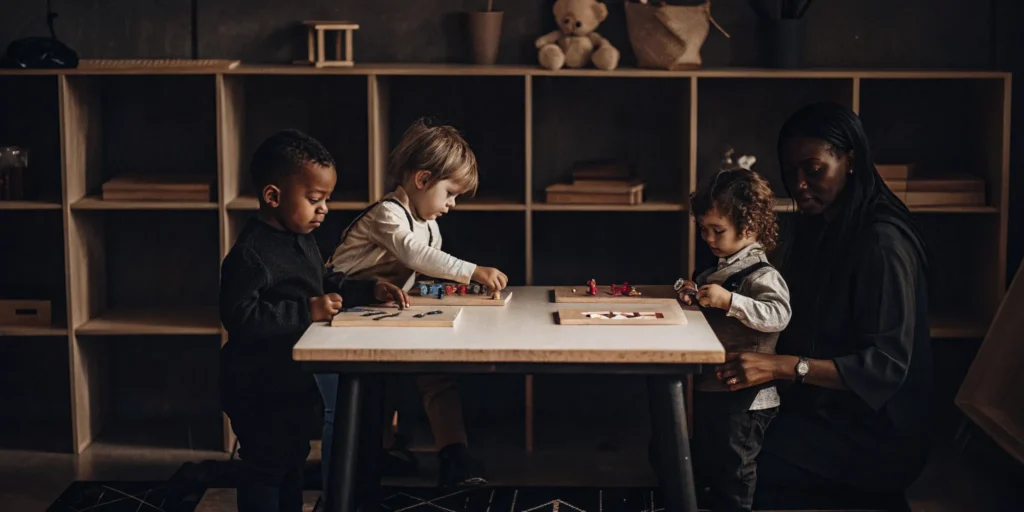
As your child gets closer to school age, your focus naturally shifts. You start wondering how their daily experiences are preparing them for the future. This is the unique value of a childcare center with a strong kindergarten readiness program. A great preschool readiness program intentionally builds the social, emotional, and academic skills needed for a smooth and successful transition to elementary school. We’ll explore what to look for—from teaching philosophy to classroom environment—so you can make a confident choice. If you’re still deciding between program types, our guide to preschool vs daycare explains the key differences.
Key Takeaways
- Focus on whole-child development: True kindergarten readiness goes beyond academics. A great program builds social and emotional skills, like managing feelings and making friends, which are just as crucial for success as knowing letters and numbers.
- Trust your gut during the school tour: The best way to evaluate a program is to see it in action. Observe how teachers interact with children and look for a warm, engaging classroom that encourages curiosity and learning through play.
- Seek a true partnership with your child’s school: The right program will prioritize open, two-way communication. Choose a center that sees you as an essential part of your child’s educational experience from day one.
What Is a Kindergarten Readiness Program?
A kindergarten readiness program is designed to help your child transition smoothly and confidently into their first year of formal schooling. Think of it as a bridge between the play-filled days of early childhood and the more structured environment of a kindergarten classroom. The goal isn’t just to teach letters and numbers; it’s about nurturing the whole child to prepare them socially, emotionally, and academically for what comes next. A quality program focuses on building a strong foundation so your child can walk into their new classroom feeling capable and excited to learn.
These programs are intentionally designed to give children the specific skills they need to succeed. This includes everything from learning to follow multi-step directions and manage classroom routines to developing the early literacy and math skills that will form the basis of their academic journey. At Strong Start, our preschool classrooms are thoughtfully designed to do just that, blending play with purposeful learning to get your child ready for their next big step. We believe that when children feel secure and confident, they are free to explore, ask questions, and develop a lifelong love of learning. This approach ensures they have the tools they need to not just manage, but truly thrive in kindergarten and beyond.
The Core Skills for Kindergarten Success
So, what does “kindergarten ready” actually mean? It’s about much more than knowing the ABCs. True preschool readiness includes a whole set of skills that help children learn effectively and get along with others. Think of these as the essential building blocks for a successful school experience. Key areas include language and communication, early reading and math concepts, and self-care skills like managing their own belongings. Just as important are the social and emotional skills that allow them to make friends, share, and follow directions. Fine and gross motor skills, from holding a pencil to running on the playground, are also a crucial part of the picture.
How These Programs Set Your Child Up for School
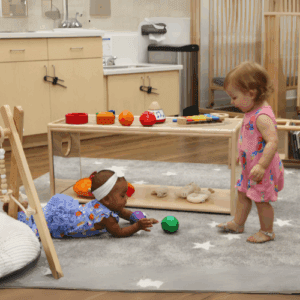
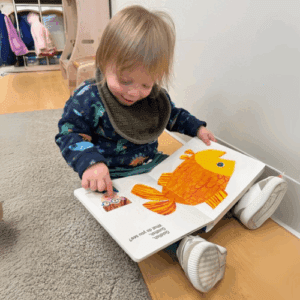
Kindergarten readiness programs create a special environment where these skills can grow naturally. Instead of drills, you’ll find a classroom rich with opportunities for discovery. Through hands-on activities, engaging play props, and a wide variety of books and creative materials, children build foundational skills without even realizing it. They learn to pay attention during story time, practice problem-solving while building with blocks, and develop language by talking about their ideas with teachers and friends. Our Project Approach is a perfect example of this, allowing children to investigate topics that spark their curiosity. This method helps them develop critical thinking, collaboration, and communication skills in a meaningful way.
Why School Readiness Matters: A Look at the Numbers
The conversation around school readiness is more than just a trend; it’s a critical factor in a child’s long-term success. The skills children develop before age five create the foundation for all future learning. When this foundation is shaky, it can have lasting effects. According to research from Save the Children, nearly half of the 15 million children living in poverty in the U.S. are not ready for school when they turn five. This readiness gap highlights the vital role that high-quality early education plays in leveling the playing field. A strong program gives every child the opportunity to develop the social, emotional, and cognitive skills they need to start kindergarten on equal footing with their peers, ready to engage and learn from day one.
The Bigger Picture: State-Level Readiness Assessments
It’s not just parents and educators who recognize the importance of these early years. State governments are also focused on ensuring children start school prepared. For example, the Colorado Department of Education emphasizes that assessing school readiness is essential for understanding each child’s unique skills and knowledge. This information helps teachers and families work together to support a child’s development. This state-level focus shows a broad understanding that what happens before kindergarten directly impacts a child’s entire educational path. When you choose a program with a strong curriculum and a commitment to quality, like one that has earned NAEYC accreditation, you are aligning with these proven educational standards and giving your child a significant advantage.
Preschool vs. Pre-K: What’s the Difference?
As you explore your options, you’ll likely hear the terms “preschool” and “pre-K” used, sometimes interchangeably. While both prepare children for kindergarten, they often have slightly different focuses based on the age group they serve. Understanding the distinction can help you find the program that best fits your child’s developmental stage. Generally, preschool programs welcome younger children and center their curriculum on social skills and learning through play. Pre-K is typically for the year just before kindergarten and introduces more structured academic concepts. At Strong Start, our classrooms are designed to meet children where they are, with our Bridge program providing a perfect transition for children who are ready for more challenges before heading to kindergarten.
Preschool for Ages 2.5 to 4
Preschool programs are typically designed for children between the ages of 2.5 and 4. The primary goal during these years is to help children learn how to be part of a group. The curriculum is often play-based, focusing on socialization, sharing, and developing both fine and gross motor skills. You’ll see children learning to navigate friendships, express their feelings, and become more independent. While academic concepts are introduced, it’s done organically through stories, songs, and hands-on activities. The environment is built to nurture curiosity and make learning feel like an exciting adventure, setting the stage for a positive relationship with school. This approach helps children build the confidence and social competence they need for more structured learning later on.
Pre-K for Ages 4 to 5
Pre-K, or pre-kindergarten, is geared toward children aged 4 and 5 who will be entering kindergarten the following year. While play is still a central part of the day, the curriculum becomes more focused on building specific skills for school readiness. According to NZone, this includes an emphasis on early reading and math skills, problem-solving, and following more complex directions. The goal is to help children become more independent learners who are comfortable with classroom routines. In our preschool classrooms at Strong Start, we integrate these pre-K concepts seamlessly, ensuring that older preschoolers are challenged appropriately and fully prepared for the academic and social expectations of kindergarten.
What Skills Will My Child Learn?
When you hear “kindergarten readiness,” it’s easy to think it’s all about knowing the alphabet and counting to ten. While those are important, a high-quality program focuses on so much more. It’s about nurturing the whole child, helping them grow into a curious, confident, and kind little person who is ready for the social and structural environment of a school classroom.
A great kindergarten readiness program builds a foundation across several key areas. Research consistently shows that the benefits of early childhood education extend well beyond academics. It helps children learn how to make friends and manage their big feelings. It sparks their curiosity and teaches them how to solve problems. It also helps them develop the physical coordination they’ll need for everything from writing their name to playing on the playground. At Strong Start, our curriculum is designed to support this holistic growth, drawing inspiration from philosophies like Reggio Emilia that see children as capable and full of potential. Let’s look at the specific skills your child will develop.
Making Friends and Managing Feelings
This is arguably one of the most important areas for a successful transition to kindergarten. In a readiness program, your child will practice essential social skills like sharing, taking turns, listening to others, and working together on a project. They’ll also learn to identify and express their feelings in healthy ways and begin to understand the feelings of their friends. These experiences help them build confidence and independence. When your childcare program works closely with you, it creates a consistent and supportive environment for your child. This strong parent partnership ensures your child feels secure, which is the perfect foundation for them to practice these new social skills and thrive.
Building a Foundation for Reading, Math, and More
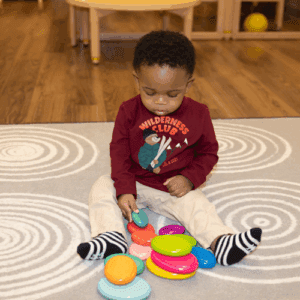
A kindergarten readiness program makes learning feel like play. Children are introduced to early literacy and math concepts through stories, songs, and hands-on activities. They’ll start recognizing letters and the sounds they make, counting objects, and identifying shapes and patterns in the world around them. Beyond these basics, the program will encourage critical thinking. By providing an environment rich with books, building blocks, art supplies, and other creative materials, educators give children everything they need to ask questions, experiment, and solve problems. This approach helps them develop a genuine love for learning that will serve them well throughout their school years.
Recognizing Letters and Counting to 10
This is one of the first academic benchmarks parents think of, but the way children learn it in a quality program is what truly matters. It’s not about memorizing flashcards. Instead, learning becomes a game of discovery. Children find letters in their own names, in the titles of their favorite books, and on blocks they use to build towers. They learn the sounds letters make through silly songs and rhymes. Counting isn’t just reciting numbers; it’s about counting how many friends are playing in the sandbox or how many apple slices they have for snack. These meaningful, hands-on activities make abstract concepts concrete and fun, building a positive and lasting connection to learning.
Writing or Tracing Their Name
Seeing your child write their name for the first time is a huge milestone, and it’s the result of countless hours of play. This skill is all about fine motor development—the ability to control the small muscles in their hands and fingers. Before a child can hold a pencil correctly, they need to build strength and coordination. This happens when they squeeze play-doh, snip with scissors, paint at an easel, or string beads onto a pipe cleaner. Our Exploration Through The Arts program is a perfect example of this in action. By focusing on these foundational, playful experiences, children develop the physical readiness they need to approach writing with confidence and control, rather than frustration.
From Running and Jumping to Holding a Pencil
Kindergarten is an active place, and readiness programs help children build the physical skills they need to participate fully. They’ll develop gross motor skills like running, jumping, and balancing through outdoor play and movement activities. They’ll also refine their fine motor skills, which are crucial for tasks like holding a crayon, using scissors, and eventually, writing. These skills are more connected to academics than you might think; developing hand-eye coordination and motor control is essential for learning to read and write. Through our enrichment programs and daily activities, children get plenty of opportunities to strengthen their bodies and build the physical confidence they need for the classroom and beyond.
Developing Independence and Self-Care Skills
A huge part of feeling ready for kindergarten is being able to take care of yourself in a new environment. Self-care skills are the practical, everyday tasks that help your child feel independent and confident among their peers. When children can manage their own basic needs, they are free to focus on learning, making friends, and soaking up all the new experiences school has to offer. A kindergarten readiness program intentionally builds these skills, teaching children how to take care of their personal items and manage their needs. This focus on the whole child helps them develop a sense of responsibility and competence that will serve them well far beyond the classroom.
Using the Bathroom and Washing Hands
One of the most fundamental self-care skills is being able to use the bathroom independently. This includes knowing when you need to go, managing your clothing, and, of course, washing your hands thoroughly afterward. In a preschool setting, teachers create supportive routines that give children plenty of practice with this sequence. They provide gentle reminders and model good hygiene, turning a simple task into a powerful lesson in independence and wellness. Mastering this skill before kindergarten is a huge confidence builder for your child and helps the classroom run smoothly. It’s a key part of our commitment to health and safety, ensuring children build healthy habits from an early age.
Managing Their Own Belongings
Think about the morning rush in a kindergarten classroom: backpacks to hang up, lunchboxes to put away, and coats to find at the end of the day. A child who can manage their own belongings feels capable and in control. Kindergarten readiness programs help children master this by creating simple, predictable routines. Our preschool classrooms are set up with designated cubbies and clear expectations, giving children daily practice in keeping track of their things. This simple responsibility teaches organization and respect for personal property, helping your child feel like a competent member of their new school community from day one.
Where Can You Find a Preschool Readiness Program?
Once you know what you’re looking for, the next step is figuring out where to find it. The good news is that you have options. Kindergarten readiness isn’t limited to one type of setting; it’s about the quality of the curriculum and the dedication of the educators. As the team at Pathways LA notes, “Many families don’t know about all the choices they have.” You can find excellent programs in traditional preschools, cozy in-home settings, and community-based organizations. The key is to find an environment that aligns with your child’s needs and your family’s values. Let’s explore some of the most common places to find strong kindergarten prep programs.
Preschools with a Focus on Kindergarten Prep
This is often what comes to mind when parents think of early childhood education. Preschools and early learning centers are specifically designed to prepare children for the academic and social world of elementary school. These programs typically offer a structured day with a curriculum centered on learning through play, discovery, and guided activities. In a center-based program, your child will have plenty of opportunities to interact with peers in a classroom setting, which is fantastic practice for kindergarten. At Strong Start, our preschool classrooms are built to nurture this growth, blending teacher-led projects with child-led exploration to create a dynamic learning environment.
In-Home Childcare with a Learning Curriculum
For some families, a smaller, more intimate setting is a better fit. In-home or family childcare programs offer care in a provider’s home, which often means smaller group sizes and a cozier atmosphere. This can be a wonderful option for children who thrive with more one-on-one attention. If you’re considering this path, it’s important to ask specifically about their kindergarten readiness curriculum. While many in-home providers are exceptional, the structure can vary, so you’ll want to ensure their approach to learning aligns with your goals for your child’s development.
Exploring Head Start and Community Options
Many communities offer publicly funded or nonprofit programs designed to support early learning. Head Start and Early Head Start are federally funded programs that provide comprehensive services to children under five from lower-income families. These programs focus on “education, health, and social skills” and can be offered in centers, schools, or even at home. They are a fantastic resource, ensuring that all children have the chance to start school ready to succeed. Many other local organizations also offer readiness programs, and it’s good to remember that “many resources are available for all families, including those with special needs children.” These programs are a cornerstone of community support for early childhood education.
Understanding Different Program Models and Schedules
As you explore your options, you’ll find that kindergarten readiness programs come in many shapes and sizes. There isn’t a one-size-fits-all solution; the best choice depends on your family’s schedule, your child’s personality, and your educational goals. Some programs are short and intensive, while others offer consistent, year-round learning. You’ll also find different daily schedules, from quick half-day sessions to full-day programs designed to support working families. Understanding these variations will help you narrow down the options and find a program that feels like the right fit for your child’s journey toward kindergarten.
Short-Term vs. Year-Round Programs
Some readiness programs are offered as short-term sessions, like a summer camp designed to give kids a final boost before school starts. These can be great for a focused review of key skills. However, many families prefer a year-round program that provides a more consistent and stable learning environment. A year-round approach helps prevent learning loss and allows children to build deeper relationships with their teachers and friends. It creates a steady bridge to kindergarten, giving your child ample time to grow their skills and confidence at a natural pace without the disruption of long breaks.
Parent-Focused Training Models
Another model you might encounter focuses on training parents to be their child’s first teacher. Programs like READY! for Kindergarten empower parents by providing them with tools and strategies to use at home. These workshops can be a fantastic way to get directly involved in your child’s learning and strengthen your bond. This model is ideal for families who have the time and desire to lead their child’s education at home. However, it offers less peer-to-peer social interaction than a classroom-based program, which is a key component of kindergarten readiness for many children.
Half-Day and Full-Day Options
You will also need to decide between a half-day or full-day schedule. Half-day programs can be a wonderful, gentle introduction to a structured school setting, giving children a few hours of focused learning and play. For working families, a full-day program is often a necessity, but it also offers significant developmental advantages. A longer day allows for a more relaxed pace and provides more time for in-depth exploration, child-led projects, and a rich variety of activities. At Strong Start, our full-day schedule allows us to fully implement our curriculum, giving children a consistent routine that blends learning, play, meals, and rest, which you can see in a typical overview of your child’s day.
How to Choose the Right Program for Your Family
Finding the right childcare program can feel like a huge decision, but it doesn’t have to be overwhelming. The best fit is a place where your child feels happy and supported, and where the school’s values align with your family’s. Think about what matters most to you, whether it’s a specific teaching philosophy, a strong sense of community, or a focus on outdoor play. By breaking down your search into a few key areas, you can confidently find a program that feels like a second home for your child.
Does Their Teaching Style Fit Your Child?
Every program has a unique approach to learning. Some are play-based, while others are more structured. At Strong Start, we are inspired by philosophies like Reggio Emilia, which sees children as capable and curious learners. Look for a curriculum that encourages exploration and critical thinking. A great program provides “an environment rich with choice of books, learning activities, manipulatives, play props, and creative materials.” When children have the freedom to choose how they engage, they develop a genuine love for learning that prepares them for kindergarten and beyond. Ask directors how they balance teacher-led activities with child-led discovery.
What to Ask About Teacher Qualifications
The heart of any great program is its teachers. When you tour a school, pay attention to how the educators interact with the children. Are they warm, patient, and engaged? It’s important to “look for teachers who have special training in early childhood education.” Qualified educators understand child development and know how to create a nurturing environment where every child can thrive. Don’t hesitate to ask about staff credentials, ongoing training, and teacher retention rates. A team of passionate and exceptional educators makes all the difference in your child’s daily experience.
Pay Attention to Classroom Size and Ratios
A well-designed classroom should feel safe, clean, and inspiring. Look for spaces that are organized for different types of play, with children’s artwork proudly displayed. Low student-to-teacher ratios are also crucial for providing individual attention. While every state has different requirements, good programs often aim for about four children per teacher for infants and eight children per teacher for preschoolers. This ensures that educators can build strong bonds with each child. The physical space and the ratios work together to create a calm and supportive atmosphere where children feel comfortable exploring their preschool classrooms.
Don’t Let These Readiness Myths Fool You
Let’s clear up a few common worries. First, the idea of a “kindergarten readiness skills” checklist is largely a myth. Your child doesn’t need to master a specific list of academic tasks before starting school. Instead, focus on finding a program that nurtures their social-emotional growth and curiosity. Another misconception is that childcare reduces your role in your child’s development. In reality, quality programs actively encourage parental engagement. They see you as a vital part of your child’s education and are committed to partnering with parents through regular communication and family events.
Navigating the Enrollment Process
Once you’ve found a program that feels like the right fit, the next step is enrollment. This part can feel like it comes with a lot of paperwork, but it’s a straightforward process designed to make sure every child is safe, healthy, and ready to learn. Getting your documents in order ahead of time can make everything feel much less stressful. Most schools have a clear checklist of what you’ll need, and their administrative staff is there to help you with any questions. To get a sense of what to expect, you can often find answers to common questions on a school’s website, like in our Frequently Asked Questions section.
The enrollment process typically involves two main parts: providing the necessary documentation and understanding how spots are filled. The paperwork ensures the school has all the essential information about your child, from health records to emergency contacts. The second part, understanding enrollment priority, is especially relevant for public or subsidized programs that may have specific criteria for admission. Knowing what to expect will help you move through the process with confidence and get your child settled into their new classroom.
Common Documentation and Health Requirements
Before your child’s first day, you’ll need to gather some key documents. While the exact list can vary between states and individual programs, most schools will ask for the same core information. This isn’t just red tape; it’s about ensuring the school can provide the best and safest care for your child. Having these papers ready to go will streamline your registration. The most common requirements fall into two categories: health records to protect the well-being of all students and identification documents to verify your child’s age and your residency.
Proof of Vaccinations and Health Screenings
Keeping all children healthy is a top priority for any school. You will almost certainly need to provide an up-to-date immunization record from your pediatrician. As the Tustin Unified School District notes, “Parents need to show proof of their child’s shots. Students cannot start school until their shots are up to date.” This is a standard requirement that helps protect the entire school community from preventable illnesses. At Strong Start, we share this commitment to creating a safe environment, which you can read more about in our approach to health and safety.
Birth Certificates and Proof of Address
You’ll also need to verify your child’s age and, in some cases, your residency. Typically, this means providing a copy of your child’s birth certificate or passport. For community or district-based programs, you may also need to show proof that you live in the area, such as a recent utility bill or rental agreement. According to one district, required documents include “Proof of your child’s birth date…[and] Proof that you live in the TUSD area.” This helps schools confirm you live within their service area and ensures your child meets the age requirements for the program.
Understanding Priority Enrollment and Accessibility
Depending on the type of program you choose, enrollment might not be strictly first-come, first-served. Many community and state-funded programs have systems in place to prioritize access for certain families, ensuring that high-quality early education is available to those who need it most. Private schools have their own enrollment processes, but it’s always helpful to ask about how they manage their waitlists and admissions. Understanding these factors ahead of time can help you know what to expect when you apply and plan accordingly for your child’s start date.
Income-Based and Subsidized Programs
Publicly funded programs like Head Start often give priority to families who meet specific income guidelines. For example, some districts state that “families who meet the income rules…have priority for enrollment in free classes.” This approach ensures that high-quality early learning is accessible to everyone, regardless of their financial situation. While private centers operate differently, many, including Strong Start, work with local employers to offer a tuition benefit, which can make enrollment more accessible for working families in the community.
Programs Offered in Multiple Languages
In diverse communities, many programs make an effort to be inclusive of families from different linguistic backgrounds. It’s becoming more common to find programs offered in multiple languages. For instance, the READY! for Kindergarten program is available in both English and Spanish. This is a wonderful sign of a school that values and supports all the families in its community, creating a welcoming environment where children and parents from all backgrounds can feel at home and fully participate in the learning experience.
What to Look For During Your Tour
Once you’ve narrowed down your options, the tour is your chance to see a program in action. This is where you can get a real feel for the environment, the educators, and the daily rhythm of the classroom. While it’s helpful to have a list of questions, also pay attention to your gut feeling. Can you picture your child thriving here? Does the atmosphere feel warm, engaging, and safe?
A tour helps you look past the brochure and see what a typical day is really like. You’ll see how transitions between activities are handled, what mealtimes look like, and how children are comforted when they’re upset. Watch how the teachers interact with the children and how the kids engage with each other and their surroundings. This firsthand observation is one of the most important parts of choosing a program. It’s an opportunity to confirm that the school’s philosophy aligns with what your family values in early childhood education. At Strong Start, we believe in creating a strong partnership with parents from the very beginning, and the tour is the first step in building that relationship.
Watch the Daily Routine in Action
As you walk through the classrooms, notice what the children are doing. Are they actively engaged in a variety of activities, or are they all doing the same thing? A high-quality program provides an environment rich with choices. Look for accessible shelves with books, learning materials, art supplies, and props for imaginative play. This kind of setup allows children to follow their interests and learn through discovery, which is a core part of The Project Approach we use in our classrooms. A balance of child-led exploration and teacher-guided activities gives children the structure and freedom they need to flourish.
Is the Environment Safe and Nurturing?
A safe and secure environment is non-negotiable. During your tour, check for the basics like child-proofed spaces, clean facilities, and a secure check-in process. But a truly great program goes beyond just meeting safety rules. It’s also about emotional safety. Observe the interactions between teachers and children. Do the educators speak to the children with warmth and respect? Do they kneel down to their level when talking? The presence of exceptional educators who are attentive and responsive creates a nurturing atmosphere where children feel comfortable, confident, and ready to learn.
How Will They Communicate With You?
Find out how the program keeps you connected to your child’s day. Quality childcare programs actively encourage parental engagement and see you as a vital partner in your child’s education. Ask about the communication tools they use, whether it’s a daily report, a mobile app, or regular emails. Inquire about opportunities for parent-teacher conferences and how they share updates on your child’s progress and milestones. A strong partnership between home and school is essential for a child’s success. Look for a program that not only welcomes your questions but also actively seeks your input and involvement through initiatives like a Family Council.
How to Know if the Program Is Working for Your Child
Once you’ve chosen a program, you’ll naturally want to know if it’s the right fit for your child. The best way to gauge this is by observing your child, communicating with their teachers, and connecting what they learn at school to your life at home. A strong program is built on a foundation of open communication and active partnering with parents to support your child’s growth. When you, your child, and the school are all working together, you’ll see wonderful results. Here are a few key areas to pay attention to.
Look for Signs of Progress and Happiness
The most important sign of a successful experience is a happy child who is excited about learning. Pay attention to their mood before and after school. Do they talk about their friends, teachers, and the activities they did? True readiness for school goes beyond academics; it includes a child’s physical, social, and emotional progress. You might notice them becoming more independent, sharing more easily with siblings, or showing curiosity about the world around them. These are all signs that they are in a nurturing environment that supports their whole development. A glimpse into your child’s day should reveal a balance of play, learning, and rest, all contributing to their well-being.
Signs of Preschool Readiness
True kindergarten readiness goes beyond academics. A great program builds social and emotional skills, like managing feelings and making friends, which are just as crucial for success as knowing letters and numbers. You might see this at home when your child starts to solve small disagreements with a sibling using words, or when they proudly tell you they helped a friend who was sad. These moments show they are developing empathy and problem-solving skills. A program that prioritizes a strong partnership with parents will share these classroom victories with you, helping you celebrate and reinforce this growth at home.
Developmental Milestones for Kindergarten
Preschool readiness includes a whole set of skills that help children learn effectively and get along with others. Think of these as the essential building blocks for a successful school experience. Key areas include language and communication, like following two-step directions and speaking in sentences. They also cover early academic concepts, such as recognizing a few letters or counting a small group of objects. Just as important are self-care skills, like putting on their own jacket or managing their belongings. Our preschool classrooms are designed to help children practice these skills daily through play and exploration, building their confidence one step at a time.
Using CDC Resources as a Guide
While every child follows their own unique timeline, it can be helpful to have a general guide for development. Parents can learn about the skills most children develop by certain ages, which helps them know if their child is on track. The Centers for Disease Control and Prevention (CDC) offers a fantastic resource with its developmental milestones. This isn’t a checklist for comparison, but rather a tool to help you understand typical growth patterns. If you ever have questions or concerns about your child’s development, the best first step is always to talk with their teacher and your pediatrician.
How Does the School Share Feedback?
Consistent, two-way communication is essential. A great program will have a clear process for sharing updates on your child’s development, including their strengths and areas where they might need more support. This could be through daily notes, a parent communication app, scheduled conferences, or a portfolio of your child’s work. It’s just as important for you to share what you’re observing at home. This collaborative approach helps teachers understand your child’s unique learning style and personality. Don’t hesitate to ask questions or schedule a time to talk. Getting involved with a Family Council can also be a great way to stay connected and share feedback.
Simple Ways to Support Learning at Home
You are your child’s first and most important teacher, and you can easily extend their learning at home. You don’t need complicated lesson plans or expensive materials. Simply create an environment that encourages curiosity with plenty of books, art supplies, and props for imaginative play. Ask open-ended questions like, “What was your favorite part of the story?” or “What do you think would happen if…?” Read together every day, count objects around the house, and involve them in simple household tasks. These small, everyday activities reinforce the skills they are developing at school and show them that learning is a fun and natural part of life. You can even draw inspiration from the school’s enrichment program for new ideas.
How to Make Quality Childcare More Affordable
Finding a high-quality childcare program that you love is the first step. The next is figuring out how it fits into your family’s budget. The cost of care is a significant consideration for every parent, but it shouldn’t be a barrier to giving your child a wonderful early learning experience. The good news is that there are many resources available to help make tuition more manageable.
Think of it less as a single, overwhelming cost and more as a puzzle you can solve with the right pieces. Financial assistance comes in many forms, from government programs designed to support working families to local community organizations with a mission to help children thrive. Exploring these options can make a big difference. By understanding what’s available, you can create a financial plan that works for your family and ensures your child gets the strong start they deserve.
Exploring Government Funding and Subsidies
Many families get help paying for childcare through government programs. At both the federal and state levels, there are funds set aside specifically to help parents cover the cost of tuition. These programs, often called childcare subsidies or vouchers, are typically based on factors like your family’s income, size, and whether you are working or attending school.
Each state has its own program with unique eligibility requirements. For example, Connecticut families might be eligible for the Care 4 Kids program. The best way to find out what’s available to you is to search for your state’s specific childcare assistance program. These resources are there to support you and make quality education accessible.
Finding Local Resources and Support
Beyond government aid, your local community is often a fantastic source of support. Non-profit organizations and Child Care Resource and Referral (CCR&R) agencies can help you find programs and secure financial assistance. These groups are dedicated to connecting families with the resources they need, including information on scholarships or programs with sliding-scale fees based on income.
Additionally, many centers provide developmental support for children with special needs, ensuring every child has access to the tools they need to succeed. Don’t hesitate to ask childcare centers directly about their payment policies. Some schools, including Strong Start, offer a tuition benefit for families enrolling multiple children. Asking questions is the first step toward finding a solution that fits your family’s needs.
Related Articles
- Preschool Age 3: The Ultimate Parent’s Guide
- 5 Curriculum Approaches for Kindergarten Readiness
- Is Preschool Public School? A Parent’s Guide
Frequently Asked Questions
Is a kindergarten readiness program the same thing as preschool? Yes, in most cases, they are one and the same. A high-quality preschool program is designed to be a kindergarten readiness program. The name isn’t as important as the intention behind the curriculum. The goal of a great preschool is to prepare your child for the next step in their education by focusing on their social, emotional, physical, and cognitive development, which are all the key ingredients for a successful start to kindergarten.
My child is very shy. How will a program like this help them prepare for a big kindergarten class? This is a very common concern, and it’s one of the biggest benefits of a readiness program. A smaller, nurturing preschool classroom provides a safe space for a shy child to practice social skills. With the gentle guidance of experienced teachers, your child can learn how to join a group, share their ideas, and make friends in a low-pressure environment. This helps them build the confidence they need to feel comfortable and capable in a larger kindergarten setting.
At what age should my child start a kindergarten readiness program? Most children begin a program like this around age three or four, which gives them one or two years to build skills and confidence before starting kindergarten. However, the “right” age really depends on your child and your family’s needs. The focus should be less on their exact age and more on finding a program that supports their current stage of development while preparing them for what comes next.
How does a play-based curriculum actually prepare my child for the academic demands of kindergarten? It might look like just fun and games, but purposeful play is how young children learn best. When children build a tower with blocks, they are experimenting with physics and problem-solving. When they engage in imaginative play, they are developing complex language and social skills. A play-based approach fosters curiosity and a genuine love for learning, which is far more valuable for long-term school success than simply memorizing letters and numbers.
What is the single most important thing to look for in a program? If you have to focus on just one thing, look at the educators and their interactions with the children. A beautiful classroom and a perfect curriculum don’t mean much without warm, engaged, and patient teachers. Observe how they speak to the children and how they respond to their needs. A strong, caring relationship between your child and their teacher is the foundation for all learning and growth.
Written By
Marc Hoffman
Founder, Strong Start Early Care & Education
Marc founded Strong Start in 2014, inspired by his studies at Williams College, Yeshiva University, and research at Yale University. His child-centered, inquiry-based approach to early education has helped hundreds of families in the Trumbull and Bridgeport communities. As a parent himself, Marc understands the importance of finding a nurturing environment where every child can learn, grow, and flourish.