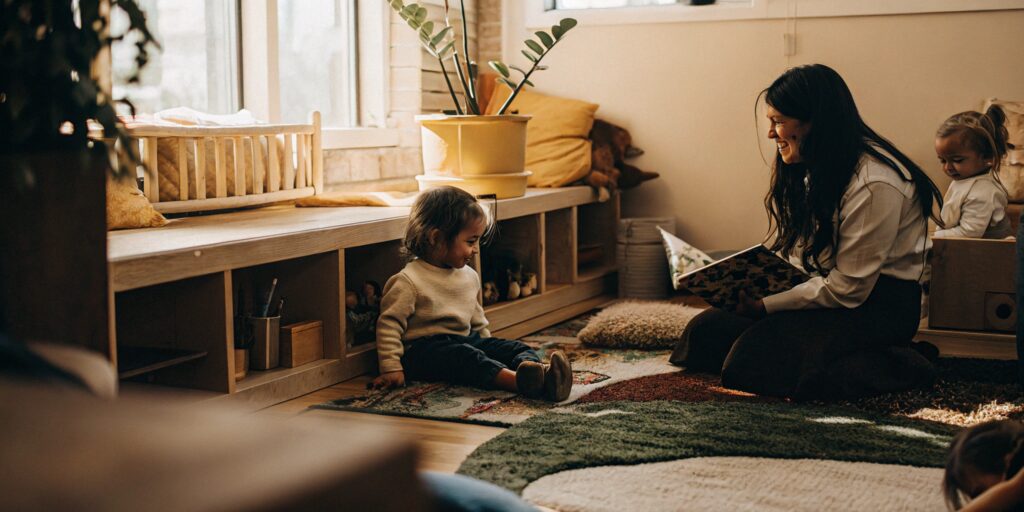
Your three-year-old is full of wonder, asking endless questions and insisting on doing things “by myself!” You see this incredible energy and want to find a place that channels it perfectly. This is where the right preschool experience comes in. The best preschools for 3 year olds provide a safe, supportive space for them to explore, practice getting along with others, and build confidence. A quality 3 years old school program is built around this natural curiosity, turning playtime into powerful learning. Finding the right fit for your child at preschool age 3 sets them up for a lifetime of discovery.
Key Takeaways
- Match the School’s Philosophy to Your Child’s Needs: Every preschool has a unique approach, from play-based to project-focused. Understanding these differences helps you identify an environment where your child will feel comfortable and inspired to learn, ensuring the school is a great fit for their personality.
- Look Beyond the Brochure with an In-Person Tour: The best way to evaluate a preschool is to see it in action. During a tour, observe how teachers engage with children, assess the classroom environment, and ask specific questions about safety and curriculum to get a true feel for the school’s culture.
- Treat the Search as a Partnership: Choosing a preschool is about finding a team to support your child’s growth. Prioritize schools that are transparent about costs and enrollment and that foster strong, consistent communication with families, as this collaboration is essential for a positive experience.
What Are the Main Types of Preschool Programs?
When you start looking for a preschool, you’ll quickly discover that not all programs are the same. Different schools follow different educational philosophies, which shape everything from the classroom layout to the daily schedule. Understanding these approaches can help you find a learning environment that feels like the right fit for your child and your family. From play-based to academically focused, each type offers a unique path to kindergarten readiness. Let’s explore some of the most common preschool models you’ll encounter.
The Classic: Traditional Preschools
Often found in public schools or as state-funded programs, traditional preschools generally focus on preparing children for kindergarten with a structured curriculum. The day might include teacher-led lessons on letters, numbers, and colors, along with designated times for art, music, and free play. These programs have a strong track record of helping children build foundational math and reading skills. The goal is to ensure every child has the academic and social tools they need for a successful transition to elementary school, making it a popular and accessible option for many families.
The Montessori Method: Child-Led Discovery
The Montessori method is built on the idea of fostering independence and self-directed learning. In a Montessori classroom, you’ll see children of mixed ages working with specially designed learning materials at their own pace. Teachers act as guides, introducing new activities and observing each child’s progress. Families often choose these programs because they offer a calm, orderly environment where children can develop confidence and a genuine love for learning. The philosophy centers on respecting the child as an individual and trusting their natural desire to explore and understand the world around them.
Reggio Emilia: Learning Through Exploration
A Reggio Emilia-inspired approach views children as curious, capable individuals with a hundred different ways to express themselves. Learning is driven by the children’s own interests through long-term, hands-on projects. At Strong Start, our Reggio Emilia inspiration means that our classrooms are vibrant spaces for discovery, where teachers and children collaborate on investigations. You won’t see pre-packaged lesson plans; instead, the curriculum emerges from the children’s questions. This inquiry-based model helps children become creative problem-solvers and confident communicators who are deeply engaged in their own education.
Play-Based Preschools: Where Fun Meets Learning
Don’t let the name fool you—play-based learning is far from “just play.” This philosophy is grounded in the understanding that children learn best through hands-on, joyful experiences. While it may look like simple fun, a quality play-based program uses intentional activities to build critical skills. Building with blocks can teach physics and math concepts, while dramatic play helps develop social-emotional intelligence and language. This approach ensures children are developing foundational academic skills in a way that feels natural and engaging, nurturing their curiosity and creativity along the way.
Language Immersion: A Bilingual Start
Language immersion preschools offer a unique opportunity for children to become bilingual from a young age. In these programs, teachers conduct the class primarily or entirely in a second language, such as Spanish, French, or Mandarin. Children learn the new language naturally through songs, stories, and daily routines. Beyond the obvious benefit of learning another language, research shows that bilingualism can enhance cognitive abilities like problem-solving and multitasking. These programs still focus on all the key areas of preschool development to ensure children are fully prepared for kindergarten, just with the added advantage of a second language.
Public and Government-Funded Programs
For many families, public and government-funded programs are an excellent and accessible path to early education. These preschools are often run by local school districts or community agencies and are typically offered at a low cost or even for free to eligible families. The primary goal is to ensure all children have the opportunity to develop the skills they need to succeed in kindergarten and beyond. The curriculum in these programs usually focuses on foundational academic skills, like early literacy and numeracy, alongside social development. They provide a structured learning environment that can be a great stepping stone into the formal school system.
Head Start and Early Head Start
Among the most well-known government-funded options are Head Start and Early Head Start. These are vital federal programs designed to support children from low-income families by focusing on their holistic development. Early Head Start serves infants and toddlers up to age 3, while Head Start is for children aged 3 to 5. What makes these programs unique is their comprehensive approach; they don’t just focus on academics but also address health, nutrition, and social needs for the entire family. This focus on whole-child well-being and family involvement is crucial for creating a supportive learning environment. By providing these wraparound services, Head Start programs help ensure children are healthy, engaged, and ready for school. Many states also offer public prekindergarten programs that prepare three- and four-year-olds for kindergarten, often prioritizing children who can benefit most from early educational support.
What Will My 3-Year-Old Gain from Preschool?
As a parent, you might wonder if your 3-year-old is ready for preschool or what they’ll really gain from it. It’s a big step, and it’s natural to have questions about whether it’s the right choice for your family. A quality preschool program is designed to meet your child right where they are and help them grow in every way. It’s about so much more than just learning letters and numbers; it’s a place where they build the social, emotional, and practical skills that create a foundation for a lifetime of learning. Children who attend preschool enter kindergarten more prepared—academically, socially, and emotionally. They learn how to be part of a group, how to solve problems, and how to see themselves as capable learners. This experience nurtures their natural curiosity and gives them the confidence to explore the world around them. From developing friendships and learning to share, to figuring out how to put on their own coat, every moment is an opportunity for growth. In a supportive and engaging environment, your child will build the skills and self-assurance needed for a successful transition to kindergarten and beyond. Let’s look at some of the key benefits your child will experience.
Making Friends and Managing Feelings
One of the greatest gifts of preschool is the opportunity for your child to interact with their peers in a supervised, supportive setting. This is where they learn the art of getting along with others—how to share, take turns, listen, and express their own feelings in a healthy way. Guided by exceptional educators, children practice resolving small conflicts and working together on projects. These daily interactions help them develop empathy, build friendships, and understand social cues. They learn to see themselves as part of a community, which is a huge step in their emotional development and helps build the confidence they’ll carry with them into kindergarten.
Developing Pre-Reading and Problem-Solving Skills
While it might look like fun and games, preschool is far from “just play.” A quality program uses intentional, play-based learning to build foundational skills in math, literacy, and science. When children are building with blocks, they’re exploring geometry and physics. During story time, they’re developing listening skills and a love for reading. Our curriculum, inspired by The Project Approach, allows children to explore topics that genuinely interest them. This approach nurtures their natural curiosity and critical thinking, turning every activity—from painting to gardening—into a rich learning experience that prepares them for more structured academics later on.
Growing Their Independence and Confidence
At three years old, children are eager to do things for themselves, and preschool is the perfect place to encourage that budding independence. In our preschool classrooms, children are encouraged to practice important self-help skills that build confidence and a sense of responsibility. This includes simple but meaningful tasks like putting on their own jackets, washing their hands before snack time, and helping to clean up their play areas. Mastering these skills not only makes them feel capable but also helps them develop fine motor coordination and learn to follow multi-step directions. Every small success is a step toward becoming a more independent and self-assured individual.
Getting Ready for Kindergarten (and Life!)
A high-quality preschool experience sets the stage for a smooth transition to kindergarten and future academic success. It’s not just about knowing the alphabet; it’s about being comfortable in a school environment, knowing how to follow a routine, and having the confidence to participate in group activities. Research shows that early childhood education can significantly improve a child’s long-term learning outcomes. Programs with NAEYC Accreditation meet the highest standards for curriculum and teacher qualifications, ensuring your child is in an environment designed to prepare them for their entire educational journey. They learn how to be a student, which is a skill that will serve them for years to come.
Research-Backed Benefits of Preschool
Improved School Readiness Scores
It’s completely normal to hope your child feels confident and ready when they walk into their kindergarten classroom for the first time. The good news is that a quality preschool experience is one of the best ways to make that happen. Children who attend preschool enter kindergarten more prepared—not just academically, but socially and emotionally, too. In a nurturing environment like our preschool classrooms, they learn how to be part of a group, listen to different ideas, and see themselves as capable learners. This isn’t about memorizing facts; it’s about building a foundation of curiosity and problem-solving skills that will help them thrive as they begin their formal education.
Fewer Behavioral Problems
Beyond academics, preschool provides a unique space for children to practice essential social skills. Learning to navigate friendships and manage big feelings is a huge part of growing up, and doing it in a supportive setting makes all the difference. With the gentle guidance of caring educators, children learn how to share toys, take turns in a game, and use their words to solve disagreements. These daily interactions are powerful lessons in empathy, cooperation, and understanding social cues. By practicing these skills early on, children build a strong social-emotional foundation, which not only helps them make friends but also leads to a smoother, more positive experience in kindergarten and beyond.
How Do Preschool Philosophies Compare?
As you start looking at preschools, you’ll quickly notice that each one has its own unique approach to teaching and learning. Some classrooms are buzzing with child-led projects, while others feel more structured with teacher-led lessons. Understanding these core philosophies is the key to finding a program that feels right for your child and your family’s values. It’s not about finding the “best” method, but rather the best fit.
The main differences usually come down to a few key areas: how the curriculum is structured, who directs the daily activities, and how your child’s progress is tracked and shared with you. Some schools lean heavily into one style, while many, like Strong Start, blend different approaches to create a balanced and rich learning environment. Thinking about what kind of setting your child would thrive in will help you narrow down your options and ask the right questions during your school tours. Our curriculum is inspired by the Reggio Emilia philosophy, which centers the child’s curiosity in the learning process.
Project-Based vs. Structured Learning
One of the biggest distinctions you’ll see is between project-based learning and structured academics. Project-based learning allows children to explore real-world problems and challenges, which helps build critical thinking and collaboration skills. This approach encourages children to take ownership of their learning as they work on hands-on projects that are relevant to their interests. For example, if children show an interest in gardening, a project might develop around planting seeds and observing their growth.
In contrast, a structured academic approach is more traditional. The curriculum is often pre-planned, with teachers leading lessons on specific subjects like letters and numbers. While this method ensures specific skills are covered, a project-based approach often builds those same skills in a more integrated and contextual way.
Child-Led vs. Teacher-Directed Classrooms
This difference is all about who is in the driver’s seat. Child-led activities empower children to make choices about their learning, which promotes independence and self-regulation. When a child decides to spend their time building a complex tower in the block area or creating a story at the art easel, they are directing their own learning journey. This freedom to explore helps children develop confidence and a genuine love for learning.
On the other hand, teacher-directed activities provide structured guidance to ensure essential skills are taught. Circle time, a group story, or a guided science experiment are all examples of teacher-directed learning. Most high-quality programs offer a healthy balance of both, ensuring children have the freedom to follow their curiosity while also benefiting from the intentional guidance of their exceptional educators.
How Schools Track and Share Your Child’s Progress
Forget about report cards and letter grades. In early childhood education, progress looks very different. Effective preschool programs use ongoing assessments to monitor children’s development across social, emotional, physical, and cognitive domains. Teachers document observations, take photos, and collect work samples to build a full picture of your child’s growth. This information helps them plan activities that will support and challenge each child individually.
This progress is then shared with families to ensure you are an engaged partner in your child’s learning journey. At Strong Start, we believe in actively partnering with parents through regular communication, digital updates with photos, and parent-teacher conferences. This collaborative approach ensures you always have a clear understanding of your child’s day and their developmental milestones.
Let’s Talk Preschool Costs and Enrollment
Once you’ve narrowed down your list of potential preschools, the next step is to figure out the financial and logistical side of things. Thinking about tuition, deadlines, and waitlists can feel overwhelming, but breaking it down into smaller steps makes it much more manageable. It’s all about gathering the right information so you can make a confident choice for your family. Let’s walk through what you need to know about the costs and enrollment process.
Decoding Tuition and Other Fees
Preschool tuition can vary quite a bit depending on the school’s location, program, and schedule. Most schools offer different attendance plans, so the cost will depend on whether you choose a full- or part-time schedule. When you inquire about pricing, ask for a complete fee schedule. This helps you see exactly what’s included in the tuition—like meals, snacks, and classroom supplies—and what might be an additional cost. Understanding the full picture upfront helps you budget effectively and avoid any surprises down the road. At Strong Start, we believe in transparency and are happy to walk you through our tuition and benefits.
Finding Financial Aid and Scholarships
Preschool is a significant investment in your child’s future, and there are resources available to help make it more affordable. Many states offer programs that provide free or low-cost preschool to eligible families. It’s worth researching what your state or local community offers. Some schools also have their own internal scholarships or financial aid funds. Don’t hesitate to ask the school’s director what options might be available. Exploring these avenues can help ease the financial commitment while ensuring your child gets a wonderful early learning experience.
Using Payment Plans and Employer Benefits
Many preschools understand that families are managing a budget and offer ways to make payments more manageable. It’s common for schools to provide payment plans that allow you to spread the annual tuition cost over several months. This can make a big difference in your monthly cash flow. Also, be sure to check with your employer. Some companies offer benefits like Dependent Care Flexible Spending Accounts (FSAs) or childcare subsidies that can be used for preschool tuition. These programs are designed to support working parents and can be a great help.
Managing Enrollment Deadlines and Waitlists
Popular preschools often have more applicants than available spots, so it’s smart to get familiar with their enrollment timelines early on. Every school has its own process, with specific application deadlines and notification dates. If your preferred school has a waitlist, ask how it works. Find out how you’ll be notified if a spot opens up and if you need to do anything to remain on the list. Staying organized with these dates and details will give you the best chance of securing a spot for your child. You can often find answers to these questions on a school’s FAQ page.
Navigating Public and State-Funded Preschool Options
Beyond private programs, the world of public and state-funded preschool offers another fantastic path for your child’s early education. These programs are often run through your local school district and are designed to provide accessible, high-quality learning experiences to prepare children for kindergarten. For many families, they are an affordable and convenient option that provides a solid academic foundation and a chance for children to socialize with peers from their own community. Understanding how these programs work is the first step in deciding if they are the right fit for your family. The process involves a few key steps, from checking eligibility requirements to gathering the necessary paperwork for enrollment.
Eligibility for Public Preschool Programs
Unlike private schools where enrollment is generally open to anyone who applies, public preschool programs have specific eligibility criteria you’ll need to meet. These rules are in place to ensure that the programs serve the children and families they were designed for, but it means you’ll need to do a little research to see if your child qualifies. The requirements often revolve around your child’s age, your family’s income, or other specific circumstances. It’s a good idea to check with your local school district well in advance to understand the specific guidelines in your area, as they can vary from one town to the next.
Specific Age Cut-Off Dates
One of the first things to check is the age requirement. Public school systems have firm cut-off dates to determine eligibility for their programs. Most commonly, a child must be three or four years old by a specific date, such as September 1st, of the school year they plan to attend. This date is not usually flexible, so if your child’s birthday falls after the cut-off, you will likely need to wait until the following year. This is an important detail to confirm early in your search, as it can significantly influence your timeline for enrolling your child in preschool.
Requirements for Free Programs
Many state-funded preschool programs are offered for free, but they are typically targeted to families who meet certain criteria. These requirements can include income level, language background (for example, if English is not the primary language spoken at home), or military status. The goal of these programs is to provide high-quality early education to children who might not otherwise have access to it. You will need to provide documentation to verify your eligibility, so be prepared to gather paperwork like tax returns or pay stubs as part of the application process.
Priority Enrollment
It’s also important to know that even if you are eligible, a spot isn’t always guaranteed. Public pre-K programs can be very popular, and some schools may not have enough space for every applicant. Additionally, not all elementary schools offer programs for three-year-olds; many focus primarily on four-year-olds to prepare them for kindergarten. In some cases, districts may use a lottery system or give priority to children with the greatest need. Because of this, it’s wise to have a few different options in mind as you explore your local preschool landscape.
The Enrollment Process for Public Programs
Once you’ve determined that your child is eligible for a public preschool program, the next step is the enrollment process itself. This is typically more standardized than what you might find at a private school and involves a clear set of steps and required documents. Staying organized and paying close attention to deadlines will make the process much smoother. Your local school district’s website is your best resource for finding specific dates and checklists, so be sure to bookmark it as you begin your journey.
Finding Public Programs Near You
Your first stop should be your local school district’s website. Most districts have a dedicated section for early childhood education or pre-kindergarten programs where you can find a list of participating schools. State-level resources, like the National Center for Education Statistics school finder, can also help you locate public schools in your area. These sites will provide details on which schools offer pre-K and what you need to do to apply, helping you create a shortlist of potential options right in your neighborhood.
Required Enrollment Documents
When you enroll your child, you’ll need to provide a set of official documents to the school district. While the exact list can vary, you can generally expect to need your child’s original birth certificate to verify their age and proof of residency, such as a utility bill or lease agreement. You will also need to provide up-to-date medical records, including a full immunization history and the results of recent vision and hearing screenings. Gathering these documents ahead of time will help ensure your application is complete and processed without any delays.
Understanding Public Preschool Curriculum
Public preschool programs are designed with a clear goal in mind: to ensure children have the foundational skills they need to succeed in kindergarten and beyond. The curriculum is typically more structured than what you might find in a play-based or child-led program. While there is still plenty of time for play and social interaction, the daily schedule often includes teacher-led activities focused on specific learning objectives. This approach helps ensure that all children are exposed to the same core concepts before they enter the elementary school system.
State Curriculum Standards
Public preschools are required to follow curriculum guidelines established by the state’s department of education. These standards outline the specific knowledge and skills children are expected to learn in key areas like literacy, math, science, and social studies. This ensures consistency across all public programs and provides a clear framework for what teachers should be covering in the classroom. While this structured approach is excellent for kindergarten readiness, it differs from the emergent curriculum found in programs like ours, where learning is guided by the children’s own questions and interests through The Project Approach.
Support for Children with Developmental Needs
One of the most important aspects of early childhood education is identifying and supporting children who may have developmental delays or disabilities. Both private and public schools are committed to creating inclusive environments, but the public school system is federally mandated to provide specific services to eligible children, often at no cost to families. If you have any concerns about your child’s development—whether it’s related to speech, motor skills, or social interaction—it’s important to know that there are resources available to help. These early interventions can make a world of difference in a child’s long-term success and well-being.
Early Intervention Services (ECI)
Early Childhood Intervention (ECI) services are designed for infants and toddlers from birth up to age three who have developmental delays or disabilities. These services are family-centered and often take place in the child’s natural environment, such as at home or in their childcare setting. The goal is to give families the tools and strategies to support their child’s development in everyday life. If you have concerns about your young child, you can request an evaluation through your state’s ECI program to see if they qualify for services like physical, occupational, or speech therapy.
Preschool Programs for Children with Disabilities (PPCD)
Once a child turns three, support services typically transition from ECI to the local public school district through a program often called Preschool Programs for Children with Disabilities (PPCD). This program provides special education services to eligible preschool-aged children. Depending on the child’s individual needs, this might mean they attend a specialized classroom or receive support services like speech therapy, occupational therapy, or physical therapy while attending a general education pre-K class. These services are outlined in an Individualized Education Program (IEP) to ensure the child’s specific learning goals are being met.
Accessing Speech Therapy Evaluations
If you are concerned about your three- to five-year-old’s speech and language development, you have the right to request a free evaluation from your local public school district, even if your child is not enrolled in a public school. A certified speech-language pathologist will conduct a comprehensive assessment to determine if your child has a delay or disorder that qualifies them for services. If they are found eligible, the school will work with you to develop a plan to provide speech therapy, helping your child build the communication skills they need to thrive both in and out of the classroom.
How to Choose the Right Preschool for Your 3-Year-Old
Finding the right preschool can feel like a monumental task, but it’s really about finding the best fit for your child and your family. You’re looking for a place where your child will feel safe, happy, and inspired to learn. The best way to find that place is to become an informed consumer. As research from Harvard has shown, the quality of preschools varies quite a bit, so it pays to do your homework. Think of this process as a partnership search—you’re looking for a team of educators who will join you in helping your child thrive. By visiting schools, asking thoughtful questions, and understanding different educational philosophies, you can feel confident in your final decision.
Schedule a Tour and See the Classroom in Action
There’s no substitute for seeing a preschool with your own eyes. Schedule tours at your top choices and pay close attention to the atmosphere. Do the children seem happy and engaged? Look at how the teachers interact with them—are they warm, respectful, and attentive? The physical environment is also important. A great classroom is clean, safe, and filled with interesting materials that invite curiosity and play. Notice if the children’s artwork is displayed and if the space is organized in a way that makes sense for little learners. A tour gives you a gut feeling for the school’s culture that you just can’t get from a website. You can often get a peek into what a day in the life looks like in their preschool classrooms.
Check Teacher Credentials and School Accreditation
The heart of any great preschool is its teachers. High-quality early childhood education can significantly enhance a child’s skills and prepare them for future success, and that quality starts with the educators. When you tour, ask about the teachers’ qualifications, experience, and ongoing professional development. Low staff turnover is often a sign of a positive and supportive work environment. Also, look for programs with credentials like NAEYC Accreditation. This is a mark of excellence, indicating that the school meets rigorous national standards for quality and is committed to providing the best possible learning experience for your child.
How Will the School Communicate with You?
You and your child’s teachers are a team, so clear and consistent communication is key. Ask how the school keeps parents in the loop. Do they use an app for daily updates and photos? How often are parent-teacher conferences held? A strong program will view you as a partner and create an environment of active collaboration with families. Find out if there are opportunities for you to get involved, whether it’s volunteering in the classroom, attending school events, or joining a family council. Feeling connected to your child’s school community makes the entire experience more rewarding for everyone. This commitment to partnering with parents is a hallmark of a supportive program.
Don’t Fall for These Common Preschool Myths
One of the biggest myths about preschool is that it’s “just playtime.” While it may look like fun and games, purposeful play is how young children learn best. Quality programs use intentional, play-based learning to build foundational skills in everything from literacy and math to problem-solving and emotional regulation. Instead of worksheets, you might see children sorting blocks to learn about patterns or running a pretend store to practice early math concepts. This approach, often seen in philosophies like the Reggio Emilia inspiration, honors a child’s natural curiosity and turns it into a powerful engine for growth. Understanding this helps you see the deep learning that happens when children are simply allowed to play.
Your Preschool Tour Checklist: What to Ask
Once you’ve narrowed down your list of potential preschools, the tour is your chance to see everything in action. It’s one thing to read about a school’s philosophy online, but it’s another to feel the energy of a classroom and watch the teachers interact with the children. Going in with a prepared list of questions helps you cover all your bases and make a clear-headed comparison later. Think of it as an interview—you’re seeing if the school is the right fit for your child and your family.
Questions About Learning Style and Daily Schedule
Understanding how a school approaches learning is key to finding the right environment for your child. A quality program uses intentional, play-based activities to build foundational skills. As you walk through the classrooms, ask about the daily rhythm and the “why” behind it.
Questions to ask:
- What does a typical day look like?
- How do you balance child-led discovery with teacher-guided activities?
- Can you share an example of a recent project the children explored?
- How is children’s progress tracked and shared with parents?
Look for a space that feels vibrant and engaging, with children’s artwork on the walls and a variety of materials available for them to explore. This can tell you a lot about the school’s educational approach.
Questions About Health, Safety, and Emergencies
Nothing is more important than your child’s well-being, so don’t be shy about asking direct questions about safety protocols. A great school will be transparent and proud of its commitment to creating a secure environment. You should feel confident that your child will be safe and cared for from the moment you drop them off.
Questions to ask:
- What are your security procedures for drop-off, pick-up, and visitors?
- How do you manage illnesses, allergies, and medication administration?
- What is your cleaning and sanitation schedule for toys and surfaces?
- Are all staff members trained in CPR and first aid?
A school’s detailed health and safety plan is a strong indicator of its professionalism and dedication to the children in its care.
Questions About the Classroom and Teacher Ratios
The quality of preschools can vary, so it’s important to be an informed consumer. The classroom environment—from the physical layout to the emotional tone—plays a huge role in your child’s experience. Pay close attention to the interactions between teachers and children. Do the educators seem patient, warm, and genuinely engaged?
Questions to ask:
- What is the student-to-teacher ratio in this classroom?
- What qualifications and ongoing training do your teachers have?
- How do you support children who are having a tough time emotionally or socially?
- What is your approach to discipline and guiding behavior?
A school that invests in exceptional educators and maintains low ratios is setting the stage for meaningful connections and personalized learning.
Questions About Family Communication and Involvement
You and your child’s school are a team. A strong partnership between home and school creates a consistent and supportive world for your little one. Look for a program that views parents as collaborators and actively works to keep you involved and informed. Clear, consistent communication is the foundation of this relationship.
Questions to ask:
- How do you communicate with parents throughout the day and week? (e.g., an app, daily notes, emails)
- How often do you hold parent-teacher conferences?
- Are there opportunities for parents to volunteer or participate in school events?
- How do you work with families to handle challenges like potty training or separation anxiety?
A school that prioritizes partnering with parents shows that it values your role as your child’s first and most important teacher.
Related Articles
- Finding the Right Private Preschool: A Parent’s Guide
- Preschool for 3 Year Olds: Is Your Child Ready?
Frequently Asked Questions
How do I know if my child is truly ready for preschool? Readiness isn’t about knowing the alphabet or being fully potty trained. It’s more about social and emotional development. If your child shows curiosity about other kids, can follow simple two-step instructions, and has a bit of independence, they are likely ready to thrive. A quality preschool will meet your child where they are, so don’t worry if they haven’t mastered every skill. The most important thing is that they are ready for a new experience in a caring, supportive environment.
With so many different philosophies, how do I choose the right one for my child? Instead of looking for the “best” philosophy, try to find the best fit for your child’s personality and your family’s values. Think about how your child learns and plays at home. Do they thrive with structure, or are they a hands-on explorer who loves to direct their own activities? A tour is the best way to get a feel for a school’s approach. Seeing the philosophy in action will help you decide if it’s an environment where your child will feel happy and engaged.
Are play-based programs academically strong enough for kindergarten prep? Absolutely. It’s a common misconception that play is the opposite of learning. A high-quality, play-based program is carefully designed to build foundational academic and social skills. When children build with blocks, they’re learning about physics and geometry. When they engage in dramatic play, they’re developing language and problem-solving skills. This approach fosters a genuine love for learning and critical thinking that prepares them for kindergarten and beyond, often more effectively than rote memorization.
What if my child has a difficult time with separation or adjusting to school? It is completely normal for children (and parents!) to need some time to adjust. A great preschool anticipates this and has a plan in place to support your family. Experienced teachers are skilled at helping children through this transition with warmth and patience. The school should partner with you, communicating throughout the day and working together to make the process as smooth as possible. Don’t hesitate to ask about their specific approach to helping new students feel comfortable and secure.
How far in advance should I start looking for a preschool? It’s wise to start your research about a year before you want your child to attend. Many popular schools have enrollment deadlines early in the year for a fall start, and some even have waitlists. A good timeline is to begin researching schools in the fall, schedule tours for the late fall or winter, and aim to submit applications by early spring. Giving yourself plenty of time removes the stress and allows you to make a thoughtful, unhurried decision.
Written By
Marc Hoffman
Founder, Strong Start Early Care & Education
Marc founded Strong Start in 2014, inspired by his studies at Williams College, Yeshiva University, and research at Yale University. His child-centered, inquiry-based approach to early education has helped hundreds of families in the Trumbull and Bridgeport communities. As a parent himself, Marc understands the importance of finding a nurturing environment where every child can learn, grow, and flourish.