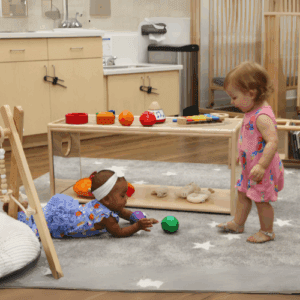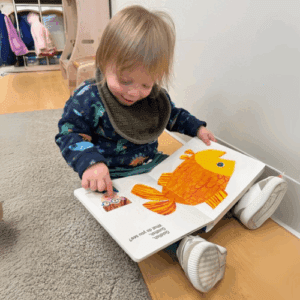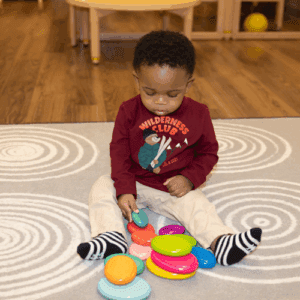
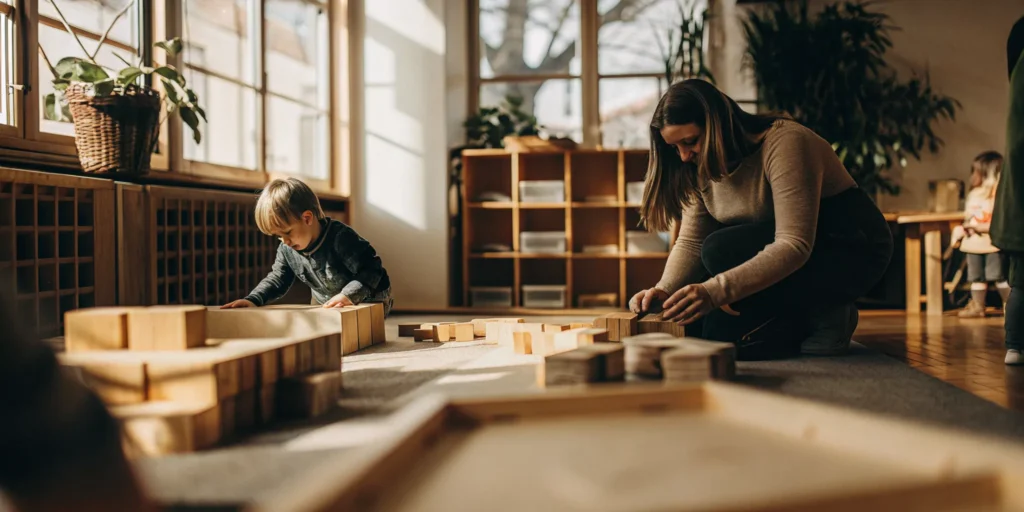
Your child is a natural explorer, full of big questions about the world. Shouldn’t their first school experience celebrate that curiosity instead of trying to fit it in a box? That’s the heart of child centered learning. This approach flips the traditional classroom on its head. Instead of a rigid lesson plan, the curriculum is built around your child’s own interests and questions. This child-centered philosophy turns playtime into projects and “why?” into wonderful discoveries. It’s about creating a space where kids feel empowered to lead their own learning, building confidence and a genuine love for school from day one.
Key Takeaways
- Your child’s interests shape their learning: A child-centered approach uses your child’s natural curiosity as the starting point for education. Teachers guide this exploration, helping them develop critical thinking skills and a lasting passion for discovery.
- It builds foundational skills for kindergarten and beyond: This approach focuses on developing core skills like problem-solving, collaboration, and self-reliance. Children learn how to learn, which prepares them to succeed in a more structured school setting and fosters their confidence.
- Observe the interactions, not just the classroom: When touring a school, notice how teachers engage with children. Look for educators who listen, ask thoughtful questions, and create a warm, supportive environment where family partnership is clearly valued.
What Is a Child-Centered Preschool?
When you start looking at preschools, you’ll likely come across the term “child-centered.” It’s more than just a buzzword; it’s a thoughtful approach to early education that places your child at the very heart of the learning process. Instead of a one-size-fits-all curriculum where every child does the same activity at the same time, a child-centered program is flexible and dynamic. It honors the idea that children are naturally curious and capable individuals who learn best when they can explore their own interests in a supportive, engaging environment.
This philosophy shapes everything from the classroom layout to the daily schedule and the way teachers interact with students. The goal is to nurture your child’s innate curiosity and help them develop a true love for learning that will last a lifetime. At its core, it’s about seeing children as active participants in their education, not just passive recipients of information.
Understanding the Child-Centered Philosophy
The guiding philosophy behind a child-centered preschool is that children build their own understanding of the world through hands-on experiences and social interactions. Think of the educators not as instructors, but as partners and guides in your child’s learning journey. They carefully observe each child’s interests, strengths, and needs, then create activities and projects that build on what naturally fascinates them. This approach is beautifully reflected in educational models like the Reggio Emilia Inspiration, which views the environment as a “third teacher” that sparks discovery. By following the child’s lead, we help them construct deep, meaningful knowledge in a way that feels like play.
Key Principles and Concepts
At the heart of this approach are a few core ideas. First is the belief in child-centered learning, where education is tailored to what each student is curious about. Instead of a rigid lesson plan, teachers observe and listen, using a child’s questions to build engaging activities. The teacher’s role shifts from being an instructor to a supportive guide. They act as a partner in discovery, asking thoughtful questions to deepen understanding and providing the resources children need to explore their ideas. This method also champions holistic development, nurturing every aspect of a child—their social-emotional skills, physical coordination, and creative expression—right alongside their academic growth. It’s about preparing them for school by helping them become well-rounded, confident individuals.
Historical Perspectives and Data
While it might seem like a modern trend, the child-centered philosophy has a rich history grounded in respected educational research. Influential educators like Célestin Freinet pioneered concepts such as “Education Through Work,” which emphasizes that children learn most effectively through hands-on, meaningful experiences. This isn’t about rote memorization but about active participation and real-world problem-solving. These foundational ideas have evolved into the proven methods we see in high-quality preschools today. For example, The Project Approach, used in our classrooms, is a direct descendant of this philosophy. It allows children to conduct deep investigations into topics that genuinely interest them, from learning about the insects in the playground to designing a pretend restaurant, turning their natural curiosity into powerful learning.
Child-Centered vs. Traditional: What’s the Difference?
In a more traditional preschool, the curriculum is often predetermined. The teacher might plan a week around the letter “A,” and all children will work on the same apple-themed crafts and worksheets. A child-centered classroom looks quite different. Here, the curriculum emerges from the children’s own questions and ideas. If a few kids discover a roly-poly bug on the playground, that might spark a week-long investigation into insects. This flexible structure, often seen in The Project Approach, allows learning to be tailored to each child. It ensures that every student is engaged at their own level, providing a rich, personalized experience that respects their unique developmental path.
What Does Child-Centered Learning Look Like in Action?
When you step into a child-centered classroom, you won’t find rows of desks or a teacher lecturing at the front of the room. Instead, you’ll see a vibrant, busy space where learning is happening everywhere. It might look like a group of children gathered on a rug examining a fallen leaf, another child building a complex tower with blocks, and a teacher helping two others mix paint colors for a mural. This approach is about seeing children as capable, curious individuals and creating an environment where they can explore their world with confidence.
Following Your Child’s Curiosity
In a child-centered program, a child’s natural curiosity is the spark that ignites learning. Instead of following a rigid, pre-planned lesson, educators observe what captures the children’s interest and build activities from there. If a few toddlers become fascinated with how their shadows move on the playground, their teachers will notice. They might bring in flashlights to explore shadows indoors or read stories about light and dark. This method honors the idea that children are active participants in their own education, constructing knowledge as they interact with the world. This philosophy is a cornerstone of The Project Approach, where learning is a deep investigation into topics that genuinely interest the children.
Learning by Doing
Child-centered learning is hands-on. The focus is on the whole child’s development, not just on memorizing letters and numbers. You’ll see children learning math concepts by sorting colorful beads, developing fine motor skills by kneading playdough, and understanding science by tending to a classroom plant. The classroom is thoughtfully arranged with accessible, engaging materials that invite exploration. Often, you’ll find children of different ages learning together. An older preschooler might show a younger one how to complete a puzzle, which builds compassion and leadership while reinforcing what they already know. This collaborative environment helps every child grow at their own pace.
The Role of the Classroom Environment
The classroom environment in a child-centered preschool is much more than just a backdrop for learning; it’s an active participant. Often called the “third teacher,” the space is intentionally designed to be warm, welcoming, and full of possibilities. You’ll notice that materials are organized on low, open shelves, inviting children to choose their own activities and explore independently. Different areas might be set up for building, creating art, quiet reading, or sensory play, allowing for both individual discovery and small group collaboration. This thoughtful setup helps children feel safe, capable, and respected, giving them the confidence to ask questions, experiment, and direct their own learning journey in our preschool classrooms.
Celebrating Each Child’s Unique Path
Every child learns differently, and a child-centered classroom celebrates that. Teachers understand that their classroom is full of unique personalities, skills, and interests. Because of this, they adapt their approach to meet each child where they are. While one child might need a quiet corner to focus on a book, another might thrive in a lively group setting. Our exceptional educators are skilled at recognizing these individual needs and providing the right support to help every child feel successful and understood. The goal isn’t to have every child reach the same milestone on the same day, but to nurture each one’s individual journey of discovery and growth.
The Teacher’s Role: A Guide, Not a Director
In this setting, the teacher acts more like a guide or a research partner than a traditional instructor. Their role isn’t to stand at the front and provide all the answers. Instead, they are keen observers who listen to children’s ideas and ask thoughtful questions to deepen their thinking. If a child asks why the sky is blue, a teacher might respond with, “That’s a great question. What do you think?” This approach, central to our Reggio Emilia inspiration, encourages problem-solving and shows children that their ideas have value. Teachers facilitate learning by providing interesting materials and gentle guidance, allowing children to make their own amazing discoveries.
The Importance of Professional Growth and Collaboration
A truly child-centered program is powered by educators who are always learning, too. In this environment, teachers don’t work in isolation. Instead, they thrive on collaboration, regularly talking with their colleagues, sharing observations, and planning together. This teamwork is essential because it ensures a consistent, high-quality experience for every child throughout the school. When teachers observe each other’s classrooms and discuss what’s working, they refine their methods and discover new ways to support your child’s development. This commitment to professional growth is a hallmark of a strong program, reflecting a deep investment in providing the very best for the children and families they serve. It’s why we believe in fostering a community of exceptional educators who are passionate about their craft.
Using Student Feedback to Improve Learning
Even the youngest learners can show us what they need. In a child-centered classroom, “feedback” isn’t about formal surveys; it’s about paying close attention to the children themselves. Teachers are skilled observers who notice which activities spark joy and which ones present a challenge. They listen to conversations during group time to understand what children are curious about. This feedback loop is powerful. If a teacher sees that a group of toddlers is fascinated by pouring water in the sensory table, they might introduce funnels and measuring cups to extend that learning. By responding to these cues, educators empower children, making them feel heard and valued as active participants in their own education. This deep respect for the child’s voice is strengthened by partnering with parents to create a complete picture of each child’s world.
Why Choose a Child-Centered Preschool?
When you’re looking at preschools, you’ll hear a lot of different terms and philosophies. One of the most important is “child-centered.” This approach is about more than just letting kids play; it’s a thoughtful way of teaching that honors your child’s natural curiosity and intelligence. Instead of asking children to follow a rigid, one-size-fits-all lesson plan, a child-centered program puts their questions, ideas, and interests at the heart of the learning experience. This creates an environment where children feel seen, heard, and empowered. The benefits of this approach are profound, shaping not just what your child learns, but how they feel about learning for years to come.
Encouraging Creativity and Problem-Solving
In a child-centered classroom, learning isn’t about memorizing facts. It’s about asking questions and discovering answers. When a child wonders why a tower of blocks keeps falling, a teacher won’t just give them the solution. Instead, they’ll encourage the child to test new ideas and figure it out for themselves. This method turns children into active thinkers and creative problem-solvers. Our educators are trained to use encouragement and indirect guidance, helping children develop their verbal skills and explore their own theories. This approach, central to our Project Approach, gives children the tools to think critically and creatively, skills they will use their entire lives.
Focusing on 21st-Century Skills
The world our children will grow up in requires more than just memorizing information; it demands creativity, collaboration, and the ability to think critically. A child-centered preschool is the perfect place to start building these essential 21st-century skills. When children work together on a project—like designing a pretend spaceship out of cardboard boxes—they aren’t just playing. They are learning to communicate their ideas, listen to their friends, and solve problems as a team. This entire approach is designed to foster lifelong learning by focusing on core skills like problem-solving and self-reliance. By encouraging children to ask questions and test their own theories, we help them become confident, adaptable thinkers who are prepared not just for kindergarten, but for a lifetime of discovery.
Developing Social and Emotional Skills
A child’s first school experience is where they learn some of life’s most important lessons: how to share, how to listen, and how to be a friend. A child-centered program makes social and emotional development a priority. Because learning often happens in small groups, children constantly practice collaborating, communicating their needs, and understanding others’ feelings. Our exceptional educators are skilled at guiding these interactions, helping children work through disagreements and build positive relationships. They create a nurturing classroom community where every child feels safe to express themselves, laying a strong foundation for emotional intelligence and empathy.
Building Stronger Relationships
More than just a place to learn letters and numbers, a child-centered classroom is a child’s first community outside of their family. It’s where they learn how to be a good friend, how to listen when someone else is talking, and how to work together to solve a problem. This doesn’t happen by accident; it’s carefully nurtured by teachers who act as guides. When a disagreement arises over who gets to use the blue paint, our educators help children find the words to express their feelings and work toward a solution. By modeling respect and empathy, they create a safe, supportive space where children build genuine connections with their peers, laying the groundwork for strong, healthy relationships throughout their lives.
Building Confidence and Independence
When children have a say in their own learning, they develop a powerful sense of ownership and capability. In a child-centered program, children construct their own knowledge from their experiences and interactions with the world around them. Whether they’re choosing a book to read, deciding what to paint, or leading a game with friends, they are making meaningful choices. These small moments of independence add up, building their confidence and self-reliance. As they see their ideas come to life in our preschool classrooms, they learn to trust their own judgment and feel proud of their accomplishments, which is a huge step in becoming a confident, independent person.
Inspiring a Lifelong Love of Learning
The most important goal of early education is to inspire a genuine passion for learning. When children are encouraged to explore topics that fascinate them, learning feels like an exciting adventure, not a chore. Our curriculum is inspired by the Reggio Emilia philosophy, which views children as capable and curious individuals. By following their lead, we help them develop skills for the future and a passion for new ideas. Instead of just preparing them for the next test, we’re preparing them for a lifetime of discovery. This positive start ensures they enter kindergarten and beyond with an eagerness to learn and a belief in themselves as capable students.
Improving Knowledge Retention
Think about the things you remember best—it’s rarely a list of facts you memorized. It’s usually something you figured out or experienced firsthand. The same is true for children. In a child-centered classroom, learning is an active process of discovery. When a child’s block tower tumbles, a teacher won’t just provide the answer; they’ll encourage them to ask why and test new ideas. This hands-on problem-solving does more than teach a single concept; it creates a deeper, more lasting understanding. By connecting new information to their own actions and curiosity, children build stronger mental frameworks, helping them retain knowledge far more effectively than they would through simple repetition.
Helping Children Understand How They Learn
One of the most powerful outcomes of a child-centered approach is that children begin to understand themselves as learners. When they have a voice in what they explore, they develop a profound sense of ownership over their education. They learn to recognize what sparks their interest, what challenges them, and what strategies help them succeed. This process of self-discovery is foundational. Our exceptional educators guide children to reflect on their work, helping them see that it’s okay to try, fail, and try again. This builds not just knowledge, but an awareness of *how* they learn, a skill that will support them throughout their entire academic journey.
The Power of Play in a Child-Centered Classroom
In a child-centered classroom, play is the most important work a child can do. It’s not just about having fun; it’s the primary way young children explore, experiment, and understand the world around them. Through play, they develop critical thinking skills, learn to work with others, and build the confidence to tackle new challenges. This approach sees play as a powerful tool for learning, where every block tower and make-believe game is an opportunity for growth. It’s through these joyful, hands-on experiences that children build a solid foundation for a lifetime of learning.
How Children Learn Through Purposeful Play
When you see children playing, they are actively constructing their own knowledge. A child stacking blocks isn’t just passing the time; they’re learning about gravity, balance, and geometry. In a child-centered program, educators recognize that children learn best from their own experiences and interactions. They create an environment rich with opportunities for this kind of purposeful play. By building on a child’s natural interests and strengths, teachers help them engage in deep, meaningful investigations. This is the core of The Project Approach, where curiosity about something as simple as a ladybug can blossom into a full-blown exploration of insects, habitats, and life cycles, all driven by the children themselves.
Finding the Balance: Free Play vs. Guided Activities
A common misconception about child-centered learning is that it’s completely unstructured. In reality, it’s a thoughtful balance between free play and guided activities. Teachers are expert observers who pay close attention to what children are doing and what they’re curious about. They use these observations to introduce new materials or activities that extend the learning. For example, if a group of children is fascinated with building ramps in the block area, a teacher might introduce measuring tapes and different types of balls to encourage experiments with speed and distance. Our exceptional educators are skilled at knowing when to step in and when to let children lead, ensuring play is both fun and productive.
Adapting Play for Every Learning Style
Every child is unique, with their own personality, interests, and way of learning. A child-centered classroom is designed to honor these differences. The learning environment encourages exploration and accommodates various learning styles, allowing children to engage in activities that feel right for them. You’ll find quiet corners for reading and puzzles, open spaces for building and active play, and creative stations for art and sensory exploration. This variety ensures that every child can find something that sparks their interest and plays to their strengths. Our enrichment programs further support this by offering specialized activities in areas like STEM and the arts, giving every child a chance to shine.
Building Trust and Connection Through Play
Play is deeply social. It’s where children learn to share, take turns, negotiate roles, and solve conflicts. These interactions are fundamental to developing social and emotional skills. A child-centered classroom provides a safe and supportive space where children can practice these skills without fear of judgment. It’s a place where they can try hard, make mistakes, and even fail sometimes, all while knowing they are cared for and valued. This process is essential for building trust and connection with both their peers and their teachers. This supportive community is the foundation for everything we do, and we believe that partnering with parents is key to extending that sense of trust and connection beyond the classroom walls.
Specific Classroom Strategies and Techniques
So, how does a school bring the child-centered philosophy to life every day? It comes down to specific, intentional strategies that transform the classroom into a dynamic learning environment. These aren’t just abstract ideas; they are practical techniques that educators use to follow a child’s lead, foster collaboration, and build a deep sense of ownership over their learning. From turning a simple question into a month-long investigation to using group projects to teach empathy, these methods are the building blocks of a truly child-centered experience. They ensure that learning is not only effective but also joyful, meaningful, and perfectly suited to the curious minds of young children.
Inquiry-Based and Project-Based Learning
In a child-centered program, a child’s natural curiosity is the spark that ignites learning. Instead of following a rigid, pre-planned lesson, educators observe what captures the children’s interest and build activities from there. This is the heart of inquiry-based learning. If a child finds a colorful feather on the playground, it might lead to questions about birds, flight, and nests. This curiosity can blossom into an in-depth investigation, which is the foundation of The Project Approach. Children might work together to build a life-sized nest, draw different types of birds, or read stories about them, all while developing skills in science, literacy, and art in a way that feels exciting and relevant to them.
Collaborative Group Activities
A child’s first school experience is where they learn some of life’s most important lessons: how to share, how to listen, and how to be a friend. A child-centered program makes social and emotional development a priority. Because learning often happens in small groups, children constantly practice collaborating, communicating their needs, and understanding others’ feelings. You’ll see this in action when a few children work together to build a block city or create a large mural. Our exceptional educators are skilled at facilitating these moments, helping children navigate disagreements and celebrate shared successes, creating a kind and respectful classroom community.
Student Reflection and Self-Assessment
When children have a say in their own learning, they develop a powerful sense of ownership and capability. In a child-centered program, children construct their own knowledge from their experiences and interactions with the world around them. An important part of this process is reflection. This doesn’t mean tests or grades, but rather gentle conversations that encourage children to think about their work. A teacher might ask, “What was the hardest part about building that tower?” or “Tell me about your painting.” These simple questions help children articulate their thought processes, recognize their own progress, and build the confidence to take on new challenges in our preschool classrooms.
Using Technology to Personalize Learning
In a modern classroom, technology is a tool that can support and enhance learning, not replace hands-on experiences. Teachers are expert observers who pay close attention to what children are doing and what they’re curious about. They might use a tablet to photograph a child’s block structure to document their progress or to look up a video of a caterpillar turning into a butterfly to answer a child’s question in the moment. Technology also plays a key role in partnering with parents, as teachers can use apps to share photos, videos, and daily updates, giving you a wonderful window into your child’s day and strengthening the connection between home and school.
Will My Child Be Ready for Kindergarten?
It’s a question every parent asks: Will my child be ready for kindergarten? When you hear about a play-based, child-centered approach, it’s natural to wonder if it covers all the academic bases. The great news is that these programs are designed to prepare children for school in a deep, meaningful way that goes far beyond reciting the ABCs. Instead of focusing on rote memorization, a child-centered classroom builds the foundational skills, focus, and genuine curiosity that help children succeed in kindergarten and develop a lifelong love of learning.
Building a Strong Foundation for School
A high-quality preschool experience sets the stage for the academic and social world of kindergarten. This preparation is directly linked to the quality of the teachers guiding your child. In a child-centered program, learning isn’t just about worksheets; it’s about creating a rich environment where children can explore concepts through hands-on activities. Our Exceptional Educators are trained to see the learning opportunities in every moment, whether it’s counting blocks to build a tower or discussing a story to develop language skills. This approach helps children build a solid understanding of core concepts and learn how to cooperate, share, and communicate with their peers, which are all essential skills for their next school adventure.
Growing Self-Reliance and Focus
Kindergarten classrooms are busy places, and a child’s ability to work independently and stay focused on a task is key to their success. Child-centered learning is fantastic for developing these skills. Because children are encouraged to explore topics that genuinely interest them, they naturally learn to concentrate for longer periods. Well-trained teachers know how to guide children without taking over, offering encouragement that builds confidence and self-reliance. You’ll see this when a child spends 30 minutes carefully constructing a building or works with a friend to figure out a puzzle. These experiences help children develop the internal motivation and focus they’ll need to thrive in a more structured school setting.
Nurturing an Eagerness to Learn
Perhaps the most important goal of preschool is to nurture a child’s natural curiosity. When children are allowed to construct their own knowledge from their experiences, learning becomes an exciting process of discovery. Our curriculum uses methods like The Project Approach, where children can do a deep dive into subjects that fascinate them, from how gardens grow to what makes a firetruck work. This process teaches them how to ask questions, find answers, and think critically. By making learning personal and joyful, we help children see themselves as capable, confident learners who are excited for the challenges of kindergarten and beyond.
What to Look For in a Child-Centered Preschool
When you tour a potential preschool, it’s helpful to know what to look for beyond a clean space and a nice playground. A truly child-centered program has a distinct feel that comes from its educators, its approach to learning, and its environment. It’s about observing how the school brings its philosophy to life in the day-to-day interactions and activities. As you explore your options, keep an eye out for a few key elements that signal a high-quality, child-led experience where your little one can truly flourish.
Passionate and Knowledgeable Educators
The heart of any great preschool is its teachers. Look for educators who are not just supervising, but are actively engaged with the children: kneeling at their level, listening intently, and asking thoughtful questions. Research shows that teacher training has a direct impact on the quality of care, so it’s important to find a school that invests in its staff. These exceptional early childhood professionals do more than just teach; they create a warm, nurturing atmosphere where children feel seen and supported. During your visit, notice if the teachers seem genuinely happy and passionate about their work. That enthusiasm is contagious and makes all the difference in your child’s day.
A Flexible, Child-Led Curriculum
In a child-centered classroom, learning isn’t dictated by a rigid schedule of worksheets. Instead, the curriculum unfolds based on the children’s own questions and interests. This is often called an emergent curriculum, where children construct their own knowledge through hands-on experiences. You might see a simple interest in bugs evolve into a month-long investigation with books, art projects, and outdoor exploration. This Project Approach allows children to explore topics deeply and meaningfully. Ask the director how they build on children’s curiosity. The answer should reveal a flexible, responsive approach rather than a one-size-fits-all lesson plan.
A Safe and Inspiring Space to Explore
The classroom environment itself acts as a third teacher. It should be a place that is not only safe but also thoughtfully designed to inspire curiosity and independence. Look for rooms filled with natural light, open-ended materials like blocks and clay, and cozy nooks for quiet reflection. Are the toys and supplies organized on low shelves where children can easily reach them? A well-designed space empowers children to make their own choices and engage in purposeful play. This commitment to health and safety creates a secure foundation from which children feel confident enough to explore, experiment, and learn.
A True Partnership with Families
A great child-centered program recognizes that you are your child’s first and most important teacher. The school should feel like a community, not just a service. Look for signs of a strong home-school connection, like regular communication from teachers, opportunities for family involvement, and a genuine openness to your insights and concerns. This partnership with parents is essential for creating a consistent and supportive experience for your child. When teachers and families work together, children feel more secure and are better able to thrive both in the classroom and at home.
Common Myths About Child-Centered Learning
When you first hear about child-centered learning, it’s easy to get the wrong impression. The philosophy is a shift from the more traditional, teacher-led classrooms many of us grew up in. But these programs are far from unstructured. Let’s clear up a few common misconceptions so you can feel confident about what this approach really means for your child’s growth and development.
Myth: It’s a Free-for-All with No Rules
One of the biggest myths is that child-centered classrooms are chaotic. The reality is that while children have the freedom to explore, the environment is carefully and intentionally designed by educators. Think of it as structured freedom. Teachers create a space rich with opportunities for discovery, and they observe what sparks a child’s interest. This approach, inspired by philosophies like Reggio Emilia, sees children as active participants in their own education. Instead of chaos, you’ll find purposeful engagement, where learning is guided by genuine curiosity within a thoughtfully prepared setting.
Myth: Teachers Don’t Actually Teach
In a child-centered classroom, the teacher’s role looks different, but it’s incredibly active and intentional. They aren’t just standing by; they are co-learners, researchers, and guides. Our exceptional educators are experts at observing children, understanding their unique learning styles, and asking questions that deepen their thinking. They document progress and carefully plan activities that build on a child’s interests and developmental needs. Rather than delivering information to a passive group, they facilitate hands-on experiences, introduce new materials, and help children make meaningful connections, tailoring their methods to fit each child.
Myth: Kids Won’t Be Ready for “Real” School
Many parents worry that a play-based approach won’t prepare their child for the academic structure of kindergarten. In fact, the opposite is true. Child-centered programs are designed to build the foundational skills essential for lifelong learning. Children develop critical thinking, problem-solving abilities, and self-regulation as they work on projects that matter to them. They learn how to collaborate with peers, communicate their ideas, and persevere through challenges. This approach fosters a deep love of learning, which is far more valuable than memorizing facts. Our preschool classrooms focus on nurturing confident, capable learners who are more than ready for their next academic step.
Addressing the Challenges of Implementation
While the child-centered approach is incredibly beneficial, it’s not always easy to execute well. It requires more than just good intentions; it demands a deep commitment from the school, skilled educators, and the right resources to create an environment where children can truly lead their own learning. When this philosophy is implemented thoughtfully, the results are amazing. But it’s important for parents to understand the potential hurdles so they can recognize a program that has the structure and support in place to deliver on its promise of personalized, inquiry-based education.
The Need for Teacher Training and Resources
A child-centered philosophy is only as strong as the teachers who bring it to life. This approach requires educators to be skilled observers, creative thinkers, and responsive guides who can turn a child’s fleeting interest into a meaningful learning project. As research shows, teacher training directly impacts the quality of care, which is why it’s so important to find a school that invests in its staff. These exceptional early childhood professionals need ongoing support and access to a wide range of open-ended materials—like clay, blocks, and natural items—that encourage creativity and problem-solving, rather than just a closet full of single-use craft kits.
Managing Time and Large Class Sizes
Two of the biggest practical challenges in any classroom are time and class size. In a child-centered setting, where the goal is to provide individualized attention and follow emergent interests, these factors are even more critical. It’s difficult for one teacher to facilitate deep, project-based learning if they are responsible for a large group of children. This is why low student-to-teacher ratios are a hallmark of high-quality programs. It gives educators the time they need to truly listen to each child, document their learning, and thoughtfully plan next steps in our preschool classrooms, ensuring no one gets lost in the shuffle of a busy day.
Ensuring Structure and Classroom Management
A flexible curriculum doesn’t mean a lack of structure. In a well-run child-centered classroom, the curriculum emerges from the children’s own questions and ideas, but this freedom thrives within a predictable and supportive framework. This flexible structure, often seen in The Project Approach, allows learning to be tailored to each child. The structure comes from consistent daily routines, clear expectations for behavior, and a thoughtfully organized environment where materials have a designated home. This approach to classroom management is about building a community of respect, not enforcing rigid rules. When children feel safe and understand the rhythm of their day, they are more confident to explore and engage deeply in their learning.
Child-Centered vs. Academic-Focused: Which Is Right for Your Family?
Choosing a preschool is one of the first big educational decisions you’ll make for your child, and it can feel overwhelming. When you start touring schools, you’ll likely hear terms like “child-centered,” “play-based,” or “academic-focused.” It’s not about which one is definitively better, but about finding the environment where your child and your family will thrive. The right fit depends on your child’s personality, your long-term goals, and your family’s core values.
A child-centered program, like the one we have at Strong Start, allows learning to unfold naturally through exploration, curiosity, and play. The curriculum is flexible and follows the children’s interests. An academic-focused program is typically more structured, with teacher-led lessons designed to introduce specific skills like letter recognition and counting at an early age. Both approaches aim to prepare children for kindergarten, but they take different paths to get there. Thinking through a few key areas can help you decide which path feels right for you.
Consider Your Child’s Unique Personality
Take a moment to think about your little one. Is your child a bundle of energy who learns by touching, moving, and doing? Do they ask a million questions and come up with imaginative games on their own? Or does your child feel most secure with clear routines and predictable structure? A child-centered classroom gives active, curious kids the freedom to explore their interests deeply. Teachers act as guides, encouraging verbal skills and problem-solving through indirect forms of guidance rather than rigid instruction. This approach helps children build confidence in their own abilities and ideas, celebrating their unique way of seeing the world.
Think About Your Long-Term Goals
Every parent wants their child to be successful in school and in life. The question is, what does that success look like to you? If your primary goal is for your child to enter kindergarten already knowing how to read and write, a structured academic program might seem appealing. If your goals are broader, like fostering creativity, resilience, and a genuine passion for learning, a child-centered approach might be a better fit. Research consistently shows that great teachers lead to better preschool outcomes, regardless of the curriculum. In a child-centered program, a great teacher focuses on developing the whole child, nurturing the social and emotional skills that are the foundation for all future learning.
Align with Your Family’s Values
A preschool is more than just a school; it’s a community that your family becomes a part of. The school’s philosophy should feel like an extension of your own home. Do you value collaboration and creativity? Do you believe children learn best when they are given the freedom to make their own discoveries? It’s important to find a program where the educators’ approach resonates with your parenting style. When a school’s values align with your own, it creates a strong partnership between home and school. You can feel confident that the teachers have the knowledge and training to not only educate your child but also support your family as a whole.
Applying Child-Centered Principles Beyond Preschool
The wonderful thing about a child-centered philosophy is that it’s not confined to the classroom walls. The core principles of honoring curiosity, encouraging independence, and learning through experience are powerful tools you can use at home to support your child’s development. This approach isn’t about turning your living room into a school; it’s about shifting your perspective to see the learning opportunities that exist in everyday moments. By embracing these ideas, you can extend the benefits of their preschool experience and strengthen your connection with your child, all while making learning a natural and joyful part of your family life.
How Parents Can Use This Approach at Home
You can start by simply observing what captures your child’s attention. A child-centered approach uses your child’s natural curiosity as the starting point for education. If they’re fascinated by the garbage truck every Tuesday, lean into it. Find books about trucks, draw pictures of them, or build one out of cardboard boxes. When you shape their learning around their interests, it doesn’t feel like a lesson; it feels like play. Giving them choices also builds a powerful sense of capability. Asking simple questions like, “Do you want to use crayons or paint today?” empowers them to take ownership of their activities, which is a key step in building confidence and independence.
Effectiveness in Homeschooling and After-School Programs
These same principles are incredibly effective in other educational settings, like homeschooling or after-school enrichment. Instead of sticking to a rigid curriculum, a child-centered approach allows learning to be fluid and responsive. The parent or educator acts as a guide, helping children construct their own knowledge from their experiences. This method focuses on developing core skills like problem-solving, collaboration, and self-reliance. By following your child’s lead, you help them learn how to learn, which prepares them to succeed in more structured settings and fosters their confidence. This philosophy, which is central to The Project Approach, ensures that learning is always relevant, engaging, and deeply meaningful.
How to Help Your Child Settle Into Their New School
Starting preschool is a huge milestone, and it’s completely normal for both you and your child to feel a mix of excitement and nerves. A child-centered program is designed to be a welcoming and supportive space, but the transition from home to school still takes time. The good news is that there are simple, effective ways you can help your little one feel confident and comfortable as they begin this new adventure. With a little preparation and a strong partnership with their new teachers, you can set the stage for a smooth and happy start.
Preparing Your Child for the First Day
A little familiarity can go a long way in easing first-day jitters. A few weeks before school starts, begin talking positively about all the fun things they’ll do, the friends they’ll make, and the wonderful educators they’ll meet. Try to establish a consistent morning routine that mirrors what a school day will look like. You can also practice some school-like activities at home, like having a designated story time or doing a simple craft project together. Reading books about starting preschool is another great way to help them visualize their new experience and open up a conversation about any worries they might have.
Supporting Them Through the First Few Weeks
The first few weeks are all about adjusting to a new environment, new faces, and new routines. It’s common for children to have some difficulty with separation, so creating a quick, loving, and consistent goodbye ritual can make a world of difference. After you pick them up, ask open-ended questions about their day to help them process their experiences. Instead of “Did you have a good day?” try “What was your favorite thing you played with today?” These little conversations build a stronger connection between home and school and give you a better picture of your child’s day.
Partnering with Teachers from the Start
Think of your child’s teachers as your teammates. Establishing open communication from day one is one of the most important things you can do to support your child. Share insights about your child’s personality, their likes and dislikes, and what soothes them when they’re upset. This information helps teachers connect with your child and better meet their individual needs. A strong school is one that values partnering with parents, so don’t hesitate to reach out with questions or concerns. Working together ensures your child feels understood and supported in every part of their world.
Related Articles
- How Preschool Programs Build Kindergarten Readiness
- 4 Tips for Preparing for Preschool in Norwalk, CT
- What to Look For in Private Schools for Preschool
Frequently Asked Questions
Is a child-centered classroom just a free-for-all with no rules? Not at all. While it might look different from a traditional classroom, it’s actually a very intentionally designed environment. Think of it as structured freedom. The classroom is thoughtfully arranged with engaging materials to spark curiosity, and there are consistent routines that help children feel secure. The freedom comes from allowing children to choose activities that interest them within that supportive framework, which helps them develop focus and self-direction.
How will my child learn core skills like reading and math if they’re just playing? This is a great question, and it gets to the heart of how young children learn best. In a child-centered program, academic skills are woven into activities that are meaningful to children. For example, they learn math concepts by counting how many blocks it takes to build a tower or by sorting beads by color. They build pre-reading skills by listening to stories, creating their own narratives in the dress-up area, and learning to recognize their name on their cubby. The learning is deep and contextual, which creates a much stronger foundation than simple memorization.
What does a teacher actually do if they aren’t leading lessons all day? The teacher’s role is incredibly active and vital, but it looks different from a traditional instructor. They act as facilitators and co-researchers alongside the children. They are expert observers who listen carefully to children’s conversations and watch their play to understand what they are curious about. They then intentionally introduce new materials or ask thoughtful questions to extend that learning and challenge children to think more deeply.
What if my child is only interested in one thing? Will their learning be limited? This is actually a wonderful opportunity for deep learning. A skilled educator will use that single passion as a jumping-off point to explore a wide range of concepts. A fascination with dinosaurs, for instance, can lead to conversations about science (fossils), math (comparing sizes), and literacy (reading stories about them). Teachers are trained to broaden a child’s focus by connecting their core interest to new ideas, ensuring their learning is both rich and well-rounded.
How does this approach support different personalities, like a very shy or a very active child? A child-centered classroom is designed to celebrate and support every child’s unique temperament. Because the focus is on the individual, teachers can tailor their approach to meet each child where they are. For a shy child, a teacher might provide gentle encouragement to join a small group or ensure there are cozy, quiet spaces for them to feel secure. For a very active child, they will provide plenty of opportunities for movement and hands-on exploration, channeling that energy into productive, engaging play.
Written By
Marc Hoffman
Founder, Strong Start Early Care & Education
Marc founded Strong Start in 2014, inspired by his studies at Williams College, Yeshiva University, and research at Yale University. His child-centered, inquiry-based approach to early education has helped hundreds of families in the Trumbull and Bridgeport communities. As a parent himself, Marc understands the importance of finding a nurturing environment where every child can learn, grow, and flourish.