Have you ever watched your child spend an entire afternoon completely absorbed in one thing? Maybe it’s lining up toy cars, mixing “potions” with mud and leaves, or creating a detailed drawing. That intense focus isn’t just play—it’s learning in its purest form. This is the heart of child-led learning, an approach where we follow their curiosity instead of pushing our own agenda. By nurturing these natural interests, we see the incredible benefits of child-led learning take root, helping them build strong problem-solving skills and develop a genuine sense of confidence.
Key Takeaways
- Let Their Interests Be the Curriculum: Tune into what genuinely fascinates your child and use that as the starting point for learning. This approach builds a true love for discovery because their motivation comes from a place of authentic curiosity, not from external pressure.
- Act as a Guide, Not an Instructor: Your role is to create a supportive environment, observe their passions, and offer just enough help to keep them engaged. By providing tools and asking thoughtful questions, you empower them to solve problems on their own.
- Celebrate the Process, Not Just the Outcome: True progress is seen in your child’s growing confidence, resilience, and creativity. By valuing their effort and unique ideas, you help them build a healthy relationship with learning that prepares them for future challenges.
What is Child-Led Learning?
At its heart, child-led learning is about tuning into your child’s natural curiosity and letting their interests pave the way for discovery. It’s a partnership where children explore what genuinely fascinates them, and we, as parents and educators, act as supportive guides. This doesn’t mean a free-for-all with no rules. Instead, it’s a thoughtful approach that trusts children to be active participants in their own education. When a toddler is endlessly fascinated by how a ball rolls down a ramp, that’s a learning opportunity. When a preschooler wants to know everything about ladybugs, that’s the curriculum.
This philosophy is a cornerstone of our programs at Strong Start, inspired by approaches like our Reggio Emilia inspiration, which sees children as capable and full of potential. The idea is to create an environment so rich with possibilities that learning happens naturally. Instead of pushing a predetermined agenda, we observe what lights a child up and provide the tools and encouragement for them to dig deeper. This method honors the child as an individual and transforms learning from a task to be completed into a joyful and personal adventure.
The Core Ideas Behind Child-Led Learning
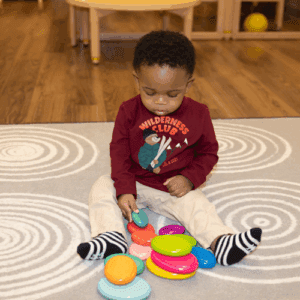
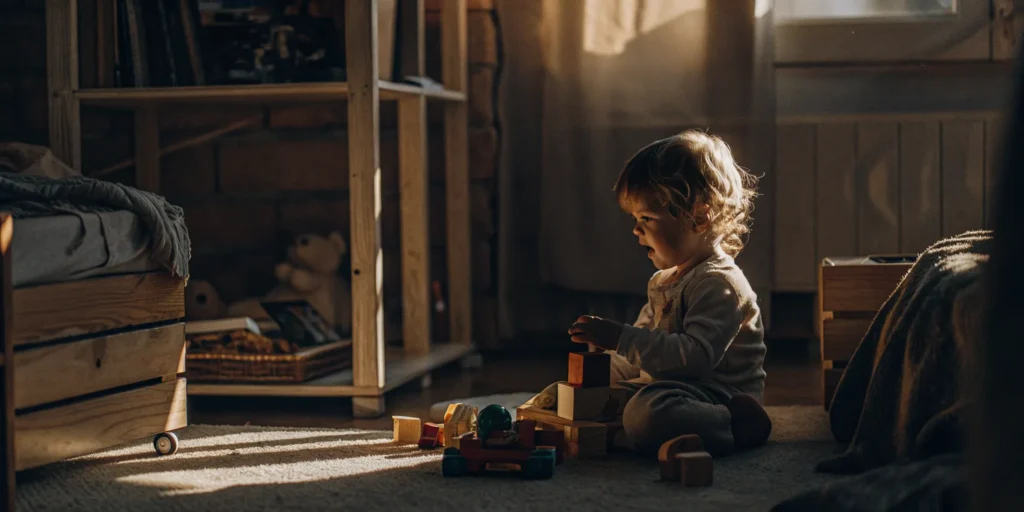
Child-led learning operates on a few simple but powerful ideas. First, the adult’s role is to provide just enough support to help a child explore their interests without taking over. This concept, known as “scaffolding,” is about finding the sweet spot where a child feels capable but also gently challenged. If your child is trying to build a tall tower that keeps falling, you might ask, “What if we try a wider block at the bottom?” instead of just fixing it for them.
Another key principle is adapting the environment to fit the child, not the other way around. Every child has unique needs and preferences. For instance, if a child is hesitant about messy activities like finger painting, a teacher might offer tools like brushes or gloves to help them feel more comfortable. This shows them their feelings are valid while still encouraging them to explore through the arts.
Child-Led vs. Traditional Learning: What’s the Difference?
The biggest difference between child-led and traditional learning lies in who is in the driver’s seat. In a more traditional setting, the teacher is often the main source of information, guiding the class through a set curriculum. In a child-led environment, children take a more active role in their own education. The focus shifts from passively receiving information to actively discovering it.
This shift has a huge impact on motivation. When kids get to choose what they learn, their drive comes from within, not from outside pressure. This intrinsic motivation helps them stick with challenges and develop real grit. Instead of learning about the alphabet because it’s on the schedule, they’re learning letters because they want to write a story about their favorite dinosaur. It’s a small change in perspective that makes a world of difference in building a lifelong love for learning.
It Can Start from Birth
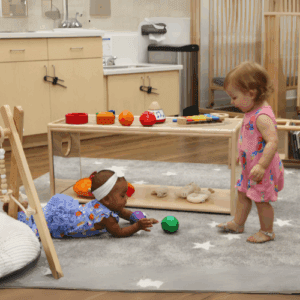
It’s easy to think of child-led learning as something that begins when a child can walk and talk, but it actually starts from day one. Think about it: babies naturally learn to roll over, grasp a toy, and eventually crawl when their bodies and brains are ready. No one hands them a manual. As parents and caregivers, our role isn’t to teach these skills on a schedule but to create a safe and encouraging environment for them to practice. This trust in a child’s innate developmental timeline is fundamental. By providing interesting things to look at, safe spaces to move, and responsive interactions, we are supporting their very first forays into self-directed discovery in our infant classrooms.
Child-Initiated vs. Adult-Initiated Play
There’s a subtle but important difference between play that a child starts and play that an adult directs. When your child spontaneously starts stacking kitchen containers, they are the scientist in charge. They’re exploring weight, balance, and gravity on their own terms—this is child-initiated play. In contrast, adult-initiated play is when we provide instructions, like suggesting they build a specific shape. While this can be valuable for teaching concepts, it can also interrupt a child’s natural learning process. Our exceptional educators are trained to be keen observers, knowing when to step back and let a child lead their own exploration and when to offer just enough support to extend their play without taking it over.
Debunking a Common Myth: Play Is a Child’s Most Important Work
Let’s clear up one of the biggest myths about early childhood: that play is just a frivolous activity or something kids do after the “real work” is done. In reality, play is the most important work a child can do. It’s how they make sense of the world, test their theories, and build foundational skills for life. When children build a block tower, they’re learning about physics. When they engage in pretend play, they’re developing social skills and empathy. This understanding is at the core of our curriculum, where we use The Project Approach to turn a child’s playful curiosity into a deep, meaningful investigation, proving that learning and play are one and the same.
The Real Benefits of Child-Led Learning
When we step back and let our children take the lead in their own learning, something truly magical happens. Instead of simply absorbing information, they become active explorers, investigators, and creators. This approach is at the heart of educational philosophies like Reggio Emilia and the Project Approach, which see children as capable and full of potential. By following their interests, we’re not just letting them play; we’re empowering them to build a deep, personal connection to the world around them.
This shift from a teacher-directed to a child-led model has profound effects on a child’s development. It moves learning from a passive activity to an exciting, hands-on adventure driven by genuine curiosity. When a child is captivated by the way water moves or the life cycle of a ladybug, their motivation to learn comes from within. This intrinsic drive is incredibly powerful, laying the groundwork for a lifetime of enthusiastic discovery. The benefits extend far beyond just academics, shaping confident, resilient, and creative individuals who know how to think for themselves and pursue their passions with purpose.
Fosters a Genuine Love for Learning
When children are allowed to explore topics that genuinely fascinate them, learning never feels like a chore. Instead, it becomes a joyful pursuit. This is the power of intrinsic motivation—the drive to learn comes from within, not from external rewards or pressure. A child who spends an hour meticulously arranging leaves by color and shape isn’t just playing; they’re engaging in self-directed scientific classification. This kind of deep engagement helps them develop a positive attitude toward learning itself. They learn to persevere through challenges because the subject matter is personally meaningful, building a strong foundation for becoming a lifelong learner.
Builds Strong Problem-Solving Skills
Child-led learning is the ultimate training ground for critical thinking. When a child is trying to figure out how to build a stable tower or how to get their drawing to look just right, they are actively solving problems. They aren’t just following a set of instructions; they are hypothesizing, experimenting, and learning from their mistakes. This process encourages them to ask deeper questions and make connections between different ideas in ways that a more structured lesson might not allow. They learn to think flexibly and creatively, developing the essential skills needed to tackle complex challenges as they grow.
Encourages Independence and Confidence
Handing the reins over to your child is a powerful way to show them you trust their ideas and abilities. When they see their own choices lead to interesting outcomes, it builds a strong sense of agency and self-worth. A child who decides to create a “restaurant” for their toys is not only playing but also planning, organizing, and executing a complex project. This autonomy is a huge confidence builder. As they successfully lead their own activities, they begin to see themselves as capable and competent individuals. This growing independence is a critical part of their journey toward becoming self-assured learners and people.
Nurtures Creativity and Curiosity
Curiosity is a child’s natural state, and child-led learning gives it the space it needs to flourish. Without the constraints of a rigid curriculum, children are free to ask “why?” and “what if?” as much as they want. This freedom allows them to follow their interests down unexpected paths, leading to more imaginative play and creative expression. A simple interest in dinosaurs can evolve into creating detailed drawings, building prehistoric habitats from blocks, and inventing stories about their adventures. By honoring their natural curiosity, we help them hold onto their innate sense of wonder, ensuring they remain inquisitive and open to new discoveries throughout their lives.
The Science Behind the Fun: How Play Builds a Better Brain
The Link Between Physical Play and Academic Readiness
It’s easy to see a busy playground and think of it as just a way for kids to burn off steam. But all that running, climbing, and spinning is doing something incredible for their brains. Physical play is directly laying the groundwork for academic success. The movements that seem so simple are actually building complex neural pathways that support everything from reading and writing to focusing in a classroom. When children engage their bodies, they are simultaneously engaging their minds, developing coordination, balance, and spatial awareness. This holistic development is why we integrate purposeful movement into every part of our day, ensuring that physical growth and cognitive learning go hand in hand.
Building Strength and Balance for Reading and Writing
Have you ever noticed how kids love to spin until they’re dizzy or hang upside down from the monkey bars? These activities are essential for developing their vestibular system, which controls balance. A strong sense of balance is surprisingly crucial for learning to read. It helps children keep their head and eyes steady, allowing them to smoothly track words across a page without losing their place. Similarly, building upper body strength through climbing and hanging helps develop the core stability needed to sit comfortably at a desk. These foundational physical skills, nurtured through programs like our Fit Kids enrichment, directly support the fine motor control and focus required for writing and reading.
Developing Language Through Sound and Story
Language is the bedrock of all future learning, and it blossoms most vibrantly in a playful, social environment. Children develop their vocabulary and understanding of grammar not by memorizing lists, but by talking, listening, and interacting with others. Every time they negotiate the rules of a game, describe their block creation, or listen to a friend’s story, they are practicing vital communication skills. This rich, interactive dialogue is where language comes to life. Our exceptional educators are skilled at facilitating these moments, asking open-ended questions and encouraging conversation to help children build a strong linguistic foundation for reading and writing.
How Interest-Driven Learning Improves Memory and Focus
When a child is genuinely captivated by a topic, their ability to learn and remember skyrockets. This isn’t just a nice idea; it’s how our brains are wired. Learning that is driven by personal interest becomes meaningful, moving from short-term memorization to long-term understanding. Think about it: a child who loves dinosaurs will absorb complex names and facts with ease because the information is personally relevant. This is the power of intrinsic motivation. When children get to choose what they learn, they persist through challenges and develop deeper focus. This approach, central to our curriculum, ensures that learning sticks because it connects directly to a child’s world and passions.
More Than Academics: Social and Emotional Growth
Child-led learning goes far beyond letters and numbers; it’s a powerful way to nurture your child’s social and emotional intelligence. When children are empowered to explore their own ideas, they learn how to manage their feelings, understand others’ perspectives, and work together. This approach helps them build a strong emotional foundation, teaching them to become not just great learners, but kind and confident people.
At its core, following a child’s lead is about respect—respect for their ideas, their pace, and their unique way of seeing the world. This creates a safe emotional space where they feel seen and heard. As they pursue projects that matter to them, they naturally encounter moments that require patience, cooperation, and self-regulation. By partnering with parents, educators can create a consistent environment where children feel supported as they develop these crucial life skills. This journey helps them build healthy relationships and a positive sense of self that will stay with them long after they leave the classroom.
Builds Self-Confidence and Esteem
When children get to choose what they learn, their motivation comes from within, not from outside pressure. Child-led learning lets them explore what genuinely interests them, with you and their teachers acting as supportive guides. Because they own their learning process, every small success feels like a major victory. This builds a powerful sense of competence and self-worth. They learn to trust their own judgment and see themselves as capable individuals who can bring their ideas to life. This internal drive helps them persevere even when things get tricky, building a foundation of true confidence.
Develops Resilience and Emotional Skills
Learning that is driven by a child’s interests helps them become creative problem-solvers. Instead of following a rigid lesson, they ask deeper questions and make connections on their own terms. When a child is deeply invested in a project—like figuring out how to build a bridge that won’t collapse—they are more motivated to try again after a setback. This process is a natural training ground for resilience. They learn to manage frustration, think through challenges, and understand that mistakes are just part of the journey. This approach, central to The Project Approach, teaches them to stick with a problem and find their own solutions.
Improves Communication and Teamwork
Child-led learning is a fantastic way to encourage a child’s natural curiosity while strengthening the bonds between children, teachers, and families. When children work on projects they’re passionate about, they are excited to share their ideas and listen to what others have to say. Whether they’re building a fort together or creating a story, they learn to negotiate roles, share materials, and combine their efforts toward a common goal. This collaborative spirit is a key part of our Reggio Emilia inspiration, where learning is viewed as a community effort. They learn to express themselves clearly and respect the contributions of their peers.
How to Be Their Guide, Not Their Director
When you hear “child-led,” it’s easy to picture a free-for-all with no rules. But that’s not what this approach is about. In child-led learning, your role shifts from being a director to being a thoughtful guide. You’re not just a bystander; you are an active, essential partner in your child’s discovery process. Think of yourself as a co-explorer, creating opportunities and providing the tools your child needs to investigate their own big ideas.
This approach is built on a foundation of trust and respect for your child’s innate curiosity. It’s about seeing them as capable and competent learners from day one. At Strong Start, we believe this is a team effort. The most meaningful learning happens when there is a strong connection between home and school, which is why we focus on partnering with parents every step of the way. By working together, we can create a consistent and supportive environment that encourages your child to ask questions, take risks, and find joy in the process of learning. Your involvement doesn’t just support their education; it shows them that their interests are valued.
Create a Supportive Learning Space
A supportive learning space is about more than just having the right toys. It’s an environment—both physical and emotional—that invites curiosity and makes your child feel safe to explore. Physically, this means organizing materials so they are easy for your child to see and reach. Think open shelves with a few engaging, open-ended items rather than a toy box overflowing with plastic. Emotionally, it’s about creating a space where it’s okay to make a mess, try something new, and even fail. This is the kind of intentional environment we cultivate in our preschool classrooms, where every corner is designed for discovery.
Offer Support, Not Control
One of the most important skills you can develop as a guide is knowing when to step in and when to step back. The goal is to offer just enough support to help your child work through a challenge without taking over. If your child is struggling to build a tall tower, you might hold the bottom block steady or ask, “What do you think would happen if we used a wider block at the base?” This gentle guidance helps them build persistence and problem-solving skills. Our exceptional educators are experts at this delicate balance, providing the scaffolding children need to reach the next level on their own terms.
Observe and Respond to Their Interests
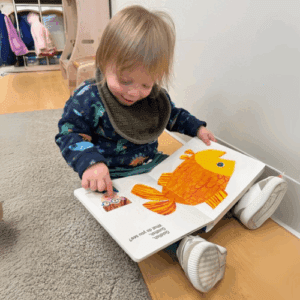
Your child gives you clues about their passions every single day. The real magic happens when you learn to notice and respond to them. Does your toddler spend ages watching squirrels in the backyard? That’s your cue to find books about squirrels, gather acorns on your next walk, or pretend to be squirrels scurrying up a tree. This practice of careful observation is at the heart of how we build our curriculum. It’s the foundation of The Project Approach, where teachers watch for a spark of interest and help the children dive deep into a topic, turning a simple question into an exciting, in-depth investigation.
How to Start Child-Led Learning at Home
You don’t need a formal classroom to encourage your child’s natural curiosity. The principles of child-led learning fit beautifully into family life, turning your home into a place of discovery. It’s all about shifting your perspective from teacher to guide, creating opportunities for your child to explore what genuinely fascinates them. By following their lead, you can help them build a strong foundation for a lifetime of learning, all within the comfort of your daily routines.
Identify and Nurture Your Child’s Passions
The first step is simply to watch and listen. What does your child gravitate towards? Is it building towering structures with blocks, arranging leaves and sticks into patterns, or asking endless questions about dinosaurs? These aren’t just phases; they’re windows into what truly captures their imagination. When you notice a spark, your role is to gently fan the flame. If they love bugs, you could find a picture book about insects or go on a “bug hunt” in the backyard. This approach shows them their interests are valued, which builds confidence and a sense of autonomy. At Strong Start, our curriculum is inspired by the Reggio Emilia approach, which views children as capable and full of their own ideas.
Set Up a Space for Exploration
Creating an environment that invites curiosity doesn’t require a total home makeover. It can be as simple as designating a corner or a low shelf for your child’s “work.” Keep age-appropriate materials like crayons, paper, blocks, and puzzles easily accessible so they can act on their creative impulses without needing to ask for help. Rotate toys and books to keep things fresh and interesting. The goal is to create a space that says, “Your ideas are welcome here.” Just as our preschool classrooms are thoughtfully arranged to encourage discovery, your home can be a safe and stimulating place for your child to explore their world independently.
Turn Everyday Moments into Learning
Some of the best learning opportunities happen during everyday activities. A trip to the grocery store can become a lesson in colors, shapes, and numbers. Cooking dinner together is a hands-on way to learn about measurements and science. Even sorting laundry can teach toddlers about matching and categories. The key is to be present and engage with their questions. When you partner with your child in these moments, you’re showing them that learning is a natural and enjoyable part of life, not something that only happens at a desk. Ask open-ended questions like, “What do you think will happen next?” or “Why do you think that works?” to encourage critical thinking.
Easy Child-Led Activities for Any Age
You don’t need elaborate, planned activities to support child-led learning. Often, the simplest things are the most effective. For an infant, this might mean providing different textures to touch and explore. A toddler might spend an afternoon pouring water between containers in the backyard. A preschooler could be completely absorbed in creating a detailed drawing of their family. It’s also important to allow for unstructured time. Giving your child space to be bored lets their mind wander and encourages them to invent their own fun. These moments of self-directed play are where creativity and problem-solving skills truly blossom, much like in our enrichment programs that let children explore through art, cooking, and STEM.
Embrace Boredom as an Opportunity
It can be tempting to fill every quiet moment of your child’s day with activities, but some of the most important discoveries happen when there’s nothing planned at all. When your child says, “I’m bored,” try to see it not as a problem to solve, but as an invitation for their creativity to emerge. Experts suggest that boredom is a signal for kids to explore more deeply and connect with what truly interests them. This unstructured time is when they learn to rely on their own imagination, turning a simple cardboard box into a spaceship or a pile of pillows into a mountain. By allowing for these quiet moments, you give them the space to invent, problem-solve, and find their own fun.
Prioritize Long, Uninterrupted Play Sessions
In a world of back-to-back activities, giving your child long stretches of uninterrupted playtime is one of the most valuable gifts you can offer. When a child is deeply engaged in building, creating, or imagining, constant interruptions can break their focus and cause frustration. Aim to set aside blocks of time where they are free to direct their own play without interference. This sustained focus is like a workout for their brain, building their attention span over time. It also gives them a sense of control over their world, which can lead to fewer behavioral challenges. At Strong Start, we build our daily rhythm around this principle, ensuring children have plenty of time to become fully immersed in their explorations and see their ideas through from start to finish.
Adapting the Environment for Unique Needs
A key part of supporting child-led learning is creating a space that fits your child, not the other way around. Every child has a unique way of interacting with the world, and a thoughtfully prepared environment shows them they are seen and respected. This might mean placing their favorite art supplies on a low, accessible shelf, providing a quiet corner for when they need a moment alone, or ensuring our infant classrooms have plenty of safe floor space for exploration. The goal is to observe your child and make small adjustments that remove unnecessary frustrations and empower them to act on their own ideas. This approach honors their individuality and builds their confidence as capable, independent learners.
Let’s Talk About Common Concerns
Embracing a child-led learning philosophy can feel like a big shift, especially if you’re used to more traditional classroom models. It’s completely normal to have questions about how it all works in practice. You might wonder if your child will get the structure they need or if they’ll be prepared for kindergarten. These are valid concerns, and understanding the thoughtful approach behind child-led learning can provide a lot of reassurance. Let’s walk through some of the most common questions parents ask.
“What About Structure and Routine?”
This is one of the biggest misconceptions about child-led learning—that it’s a free-for-all with no rules. In reality, structure and routine are essential. They create a predictable, safe environment where children feel secure enough to explore freely. At Strong Start, we follow a consistent daily rhythm that includes meals, rest, and dedicated time for both indoor and outdoor play. Within this reliable framework, children have the freedom to choose their activities and dive deep into their interests. This approach provides the best of both worlds: the comfort of a routine and the excitement of self-directed discovery. You can see an example of how we balance this in your child’s day with us.
“How Do I Balance Freedom and Guidance?”
Finding the sweet spot between letting your child lead and making sure they’re learning is the art of a great educator. Our teachers are skilled observers who act as guides, not just instructors. They pay close attention to each child’s “a-ha” moments and curiosities. From there, they intentionally introduce materials, ask thought-provoking questions, and design activities that extend that interest. If a child is fascinated by building towers, a teacher might add different types of blocks or books about architecture to the classroom. This thoughtful guidance from our exceptional educators ensures that a child’s natural passion becomes a powerful learning opportunity.
“Will My Child Meet Academic Milestones?”
Absolutely. Child-led learning doesn’t mean academic goals are ignored; it means we reach them in a more meaningful and personalized way. When children are genuinely engaged in what they’re doing, they learn more deeply and retain information better than through rote memorization. Our educators use both informal observation and formal assessment tools to track each child’s progress across all developmental domains. This ensures they are meeting and exceeding key milestones. Our commitment to the highest standards is reflected in our NAEYC accreditation, which holds us accountable for providing a curriculum that prepares every child for future academic success.
“How Does This Affect Social Skills?”
Child-led learning is fantastic for developing strong social and emotional skills. Think about it: when children work together on something they all care about, they have a real reason to communicate, negotiate, and solve problems as a team. Whether they’re building a complex fort or putting on an impromptu play, they are learning to listen to others’ ideas, share materials, and work toward a common goal. This is a core part of The Project Approach, where children collaborate on in-depth investigations. These meaningful interactions are far more effective for building social skills than adult-led exercises because the motivation comes from within the children themselves.
“My Child Is Used to a More Structured Day”
It’s natural to worry that a child who thrives on a predictable schedule might feel lost without a teacher-led agenda. But child-led learning isn’t about removing structure; it’s about providing a different kind of support. Children are incredibly adaptable, and our educators are skilled at helping them transition. The environment itself does a lot of the work—our classrooms are intentionally designed to be so engaging that children are naturally drawn to explore. We find that even children from very structured backgrounds quickly discover the joy of pursuing their own ideas within the comforting rhythm of the school day, learning to trust their instincts and build their independence.
Child-Led Learning Benefits for Parents, Too
So much of the conversation around early education focuses on the kids, and for good reason. But one of the best-kept secrets of child-led learning is how much it can positively impact parents. This approach invites you to step off the treadmill of feeling like you constantly need to entertain, teach, and schedule every moment of your child’s day. It frees you from the pressure of trying to replicate a classroom at home and instead encourages you to become a curious observer and a supportive partner in your child’s unique journey.
When you start to see learning happen in the everyday moments—during a walk, while cooking, or through simple, unstructured play—it can transform your entire perspective. The focus shifts from checking off developmental boxes to celebrating your child’s process and their one-of-a-kind way of seeing the world. This not only strengthens your bond but also makes parenting feel more joyful and less like a performance review. It’s a philosophy built on connection and trust, which is why we believe so strongly in partnering with parents to create a seamless and supportive experience between home and school.
It Reduces Stress and Pressure
Let’s be honest: modern parenting comes with a lot of pressure to do everything “right.” A child-led approach helps quiet that noise. When kids get to choose what they learn, their drive comes from within, not from outside pressure. This intrinsic motivation means you don’t have to constantly push, prod, or worry if they’re engaged enough. Your role shifts from being a director to being a thoughtful guide, which is a much more relaxed and enjoyable position to be in. Learning becomes a shared, joyful pursuit rather than a chore, creating a calmer and more connected atmosphere for the whole family.
How to See and Celebrate Your Child’s Progress
When your child is leading their own learning, progress doesn’t always look like a completed worksheet or a perfectly colored-in picture. Instead, it’s found in the questions they ask, the problems they try to solve, and the way their confidence grows with each new discovery. Celebrating their progress means learning to see their growth through a new lens—one that values curiosity, effort, and the messy, beautiful process of learning.
At its core, understanding your child’s development is about paying attention. It’s about noticing the small shifts in how they think and interact with the world. This is a practice our educators use every day, embedding observation into daily routines to get a full picture of each child’s unique journey. By adopting a similar mindset at home, you can gain incredible insight into your child’s world and become an even more effective partner in their education. This approach, central to philosophies like The Project Approach, helps you see beyond milestones and appreciate the rich, complex learning happening every day. It’s not about formal testing; it’s about celebrating the person your child is becoming.
Watch How They Play and Interact
One of the best ways to see your child’s progress is to simply watch them play. Play is their work, and it’s where their learning truly comes to life. Pay attention to how they approach a new toy, how they negotiate with a friend over a shared block tower, or how they persist when a puzzle piece doesn’t fit. Are they trying new strategies? Are they using new words to express their ideas? These observations are powerful indicators of their cognitive, social, and emotional growth. Our exceptional educators use this kind of strategic observation to understand each child’s needs and plan meaningful learning experiences, and you can do the same at home.
Document Their Learning Journey
Keeping a simple record of your child’s explorations can transform how you see their growth. This doesn’t have to be complicated—it can be a folder of their artwork, a note on your phone about a funny question they asked, or a quick photo of a magnificent mud pie. This practice of documentation is a cornerstone of the Reggio Emilia philosophy. Over time, these small snapshots create a rich story of their learning journey. You’ll start to see patterns in their interests and notice how their skills evolve. This collection becomes a beautiful reminder of how far they’ve come and a tool for celebrating their unique path.
Talk About What They Love
Engage your child in conversations about what they’re doing and what excites them. Instead of asking, “What did you do today?” try asking more open-ended questions like, “I saw you working hard on that drawing. Can you tell me about it?” or “What was the most interesting bug you found outside?” These conversations show your child that you value their thoughts and ideas. They also give you a window into their thinking process and help you understand their world from their perspective. This dialogue is a key part of partnering with parents, as it strengthens your connection and reinforces their confidence as capable, creative thinkers.
Redefine What Success Looks Like
In child-led learning, success isn’t measured by getting the “right” answer. It’s found in the effort, the curiosity, and the resilience your child develops along the way. Celebrate the questions as much as the answers. Applaud their persistence when they try again after something doesn’t work. Acknowledge their creativity when they use a toy in a completely unexpected way. When you redefine success, you help your child build a healthy relationship with learning itself. They learn that it’s okay to make mistakes and that the process of discovery is just as important as the final outcome. This mindset prepares them to be flexible, confident, and lifelong learners.
Setting Them Up for a Lifetime of Curiosity
When we think about our children’s education, it’s easy to get caught up in milestones and academic goals. But what if the most important thing we could give them is not a set of memorized facts, but a genuine passion for discovery that lasts a lifetime? This is where child-led learning truly shines. It’s an approach that looks beyond the immediate and focuses on building the foundational skills your child will need to thrive in school and in life.
By following their lead, we help children become adaptable thinkers, resilient problem-solvers, and confident individuals who know how to direct their own learning. This philosophy is at the heart of everything we do, from our infant classrooms to our preschool programs. It’s about nurturing their natural curiosity and showing them that learning is an exciting adventure they get to lead. This approach doesn’t just prepare them for kindergarten; it prepares them to be curious, engaged, and capable people for years to come.
Creating Lifelong Learners
When learning feels like a choice rather than a chore, it becomes a source of joy. Child-led learning taps into your child’s intrinsic motivation by letting them explore topics that genuinely fascinate them. As one expert notes, “When kids choose what they learn, they do better and keep trying even when things are hard.” This internal drive is powerful. Instead of learning for a sticker or praise, they learn for the sheer satisfaction of discovery. This approach, inspired by philosophies like Reggio Emilia, helps children become lifelong learners who are always asking questions and seeking out new experiences, simply because they want to.
Building Skills for an Ever-Changing World
The world is constantly changing, and the ability to adapt is one of the most critical skills your child can develop. Child-led learning is the perfect training ground for this. When children are free to explore their own interests, they naturally encounter challenges and have to figure out how to solve them. This process helps them learn to solve problems in new and creative ways. They ask deeper questions, experiment with different solutions, and learn to connect ideas they might not in a more structured lesson. This builds resilience, teaching them that it’s okay to try something and fail, because every attempt is a learning opportunity.
Raising Independent and Confident Thinkers
Imagine your child confidently starting a new project, trusting their own ideas, and taking initiative without waiting for instructions. This is the outcome of child-led learning. When children see that their interests are valued and their choices lead to meaningful discoveries, they build incredible self-confidence. They learn to trust their instincts and view themselves as capable learners. This doesn’t mean there are no rules; it’s about providing guided freedom where adults act as facilitators, not directors. By giving them the space to lead, we help them realize their own amazing ideas and make learning happen naturally, creating a foundation for self-assurance that will support them throughout their lives.
Related Articles
- Why a Play Based Learning Curriculum Works
- Your Guide to Preschool Inquiry Based Learning
- What Is a Play Based Curriculum? A Parent’s Guide
Frequently Asked Questions
Is child-led learning just letting my child do whatever they want all day? Not at all. Think of it less as a free-for-all and more as freedom within a thoughtful framework. There are still routines, boundaries, and a predictable rhythm to the day that helps children feel secure. The “led by the child” part happens within that structure, where they have the independence to choose their activities and explore their own ideas in a safe and intentionally prepared environment. It’s a partnership where we provide the supportive setting, and they bring the curiosity.
My child only wants to play with dinosaurs. How is that helping them learn? That deep focus on one interest is actually a fantastic sign of learning! A fascination with dinosaurs can be a gateway to so many different skills. You might see them sorting their toys by size (math), creating stories about them (language), drawing them (art and fine motor skills), or asking questions about fossils (science). Our role as guides is to notice that passion and offer new ways to explore it, helping them build a rich and connected understanding of the world through the lens of what they already love.
How will this approach prepare my child for the structure of kindergarten? This is a great question, and the answer is that this approach prepares them for school in the ways that matter most. Instead of focusing only on memorizing letters and numbers, child-led learning builds the foundational skills for success in any classroom: self-regulation, creative problem-solving, the ability to work with others, and a genuine love for learning. Children who are confident in their own ideas and motivated to find answers are incredibly well-equipped to thrive in a more structured school environment.
What if my child isn’t interested in “academic” things like letters or numbers? Children become interested in academic skills when they have a meaningful reason to use them. Instead of drilling flashcards, we find natural ways to weave these concepts into their play. A child who wants to open a pretend restaurant will be motivated to write a menu. A child building a ramp for their cars will start exploring concepts of physics and measurement. When learning has a purpose that is driven by their own goals, the interest in letters, numbers, and science follows naturally.
I’m a busy parent. How can I realistically bring these ideas into our home? You don’t need to become a full-time teacher or plan elaborate activities. The easiest way to start is by shifting your mindset during the time you already spend together. It’s about being an observer and a good question-asker. When you’re cooking, let them help stir and talk about what’s happening. On a walk, wonder aloud about the things you see. Simply being present and showing genuine interest in their ideas is the most powerful thing you can do to support their natural curiosity.
Written By
Marc Hoffman
Founder, Strong Start Early Care & Education
Marc founded Strong Start in 2014, inspired by his studies at Williams College, Yeshiva University, and research at Yale University. His child-centered, inquiry-based approach to early education has helped hundreds of families in the Trumbull and Bridgeport communities. As a parent himself, Marc understands the importance of finding a nurturing environment where every child can learn, grow, and flourish.