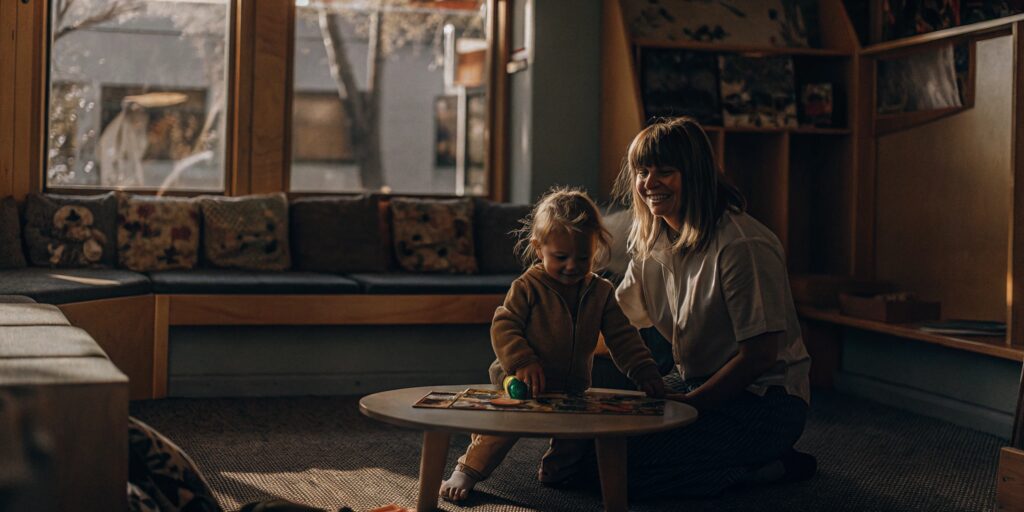
Finding the right preschool is about more than just education—it’s about finding your village. You’re looking for a supportive community where you feel connected and your child feels truly cherished. This is where a private preschool often shines. They tend to foster close-knit environments, building strong, lasting relationships between teachers and families. When a school prioritizes this partnership, it creates a powerful support system for your entire family. It’s about discovering a place that offers more than a curriculum—it’s about finding a community that will celebrate every milestone with you, right from the start.
Key Takeaways
- Align the School’s Philosophy with Your Values: Private preschools offer diverse learning approaches, from play-based to project-focused. Finding a school whose core beliefs about learning match your own ensures a consistent and supportive environment for your child.
- Focus on the People and the Proof: A school’s true quality is reflected in its passionate, qualified teachers and official accreditations, like NAEYC. These are the most reliable indicators of a safe, nurturing, and high-standard learning environment.
- Consider the Social and Emotional Benefits: The investment in a private preschool often pays off in smaller class sizes that allow for more individual attention, helping your child build the confidence, friendships, and love for learning that will support them for years to come.
What is a Private Preschool?
When you start looking into early education, you’ll quickly see the term “private preschool.” So, what does it mean? Simply put, a private preschool is an early childhood program that is independently funded and operated, rather than being run by the public school system. This independence is key because it gives them the freedom to create their own unique learning environments. While public preschools often follow a curriculum set by the local school district, private schools can choose a specific educational philosophy that shapes everything they do.
This flexibility allows private preschools to design programs that are deeply rooted in a particular approach to learning. For example, some schools might focus on child-led discovery, while others may have a more structured academic curriculum. At Strong Start, our programs are inspired by the Reggio Emilia philosophy, which views children as curious, capable individuals who learn best through exploration and inquiry. This freedom to choose a guiding philosophy is one of the biggest distinctions of a private preschool and allows you to find a school that truly aligns with your family’s values and your child’s personality.
What is Preschool and When Should My Child Start?
Let’s break down what preschool really is. Think of it as the first step on your child’s educational path, a special program designed for children aged three to five. It’s a place where they develop crucial skills—like language, problem-solving, and self-control—that prepare them for kindergarten and beyond. More than just a place to play, a quality preschool provides a structured yet nurturing environment that sparks curiosity and builds a genuine love for learning. The goal is to lay a strong foundation, not just for academics, but for social and emotional growth, helping your child build the confidence and friendships that will support them for years to come.
The big question for many parents is, “When is the right time to start?” While most children begin preschool between three and five, the perfect time really depends on your child’s individual readiness. Are they showing curiosity about other kids? Can they handle short periods away from you? These are better indicators than their exact age. Every child develops at their own pace, so there’s no magic number. The most important thing is finding an environment that feels right for your family and supports your child’s unique journey, ensuring a positive and exciting start to their education.
From Infants to Pre-K: Programs for Every Stage
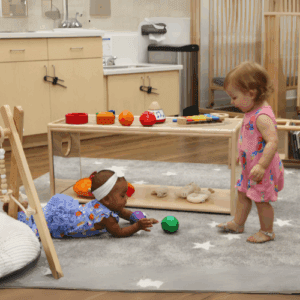
One of the great things about private preschools is that they often offer specialized programs tailored to the unique developmental needs of different age groups. Instead of a one-size-fits-all approach, you’ll find classrooms designed specifically for infants, toddlers, and preschoolers. This ensures that the environment, activities, and teacher interactions are perfectly suited to where your child is in their growth. For instance, an infant classroom will focus on creating a nurturing, sensory-rich space, while a preschool classroom will be set up to encourage collaboration, problem-solving, and kindergarten readiness. This thoughtful progression helps children build confidence and skills at every step, creating a smooth and supportive journey through their early years.
Private vs. Public: What’s the Difference?
The main difference between private and public preschools comes down to curriculum and structure. Public programs, being part of the local school district, typically have a standardized curriculum designed to meet state requirements. They do a wonderful job of teaching foundational academic and social skills. Private preschools, on the other hand, have the flexibility to offer a more individualized curriculum. They can adopt specific teaching methods, like The Project Approach, which allows children to dive deep into topics that spark their curiosity. This can foster a genuine love of learning as children explore their interests with guidance from their teachers. The choice isn’t about which is better, but about finding the environment that best fits your child’s learning style and your family’s goals.
The Public School Advantage: Accessibility and Affordability
Public preschool programs offer some significant benefits, with affordability often at the top of the list. Since they are funded by state or local governments, they are typically free or available at a much lower cost than private options, which can be a huge help for family budgets. They are also usually located within your local elementary school, making them a convenient and accessible choice for families in the district. For many, public preschool is a fantastic introduction to a school setting, providing a solid foundation for kindergarten within the same system their child will likely continue in.
The Public School Challenge: Larger Classes and Limited Spots
While public preschools are a great resource, they can come with a few challenges. Due to high demand and limited funding, class sizes are often larger, which can mean less one-on-one time for each child. Enrollment can also be competitive, with spots sometimes filled through a lottery system or restricted to children who meet specific criteria, making it feel uncertain. Because they serve a broad community, the curriculum is generally standardized. While this ensures certain benchmarks are met, it may not be the perfect fit for every child’s individual learning style or unique interests.
A Look at the Private Preschool Landscape
The world of private preschools is rich with variety, offering families the chance to find an environment that truly resonates with their values. This independence allows schools to build their curriculum around specific educational philosophies, from play-based learning to more structured, project-focused methods. When you find a school whose core beliefs about learning align with your own, it creates a wonderfully consistent experience for your child. The real heart of a quality program, however, lies with its people and its principles. Passionate, exceptional educators and official accreditations, like those from NAEYC, are the clearest signs of a school committed to the highest standards of care and education.
This commitment often translates into smaller class sizes, which is one of the most significant benefits of a private preschool setting. With fewer children in a classroom, teachers can provide more individualized attention, getting to know each child’s unique personality, strengths, and needs. This nurturing environment helps children build confidence, form meaningful friendships, and develop a genuine love for learning. The investment in a private preschool is often an investment in a strong social and emotional foundation that will support your child for years to come, creating a true partnership between home and school.
Why Choose a Private Preschool?
When you start looking at preschools, you’ll quickly see there are many different options, from public programs to private centers. While both have their merits, private preschools offer a distinct environment that can be incredibly beneficial for your child’s first school experience. Because they operate independently, private schools have the freedom to design their programs from the ground up, focusing on specific educational philosophies, smaller class sizes, and unique enrichment opportunities.
This flexibility allows them to create a learning atmosphere that is truly child-centric. Instead of following a rigid, standardized curriculum, they can adapt to the interests and developmental needs of the children in each classroom. This often translates into a more nurturing, personalized, and engaging environment where children are seen as capable and curious learners. For many families, the ability to choose a school whose values and approach align perfectly with their own is the biggest draw. It’s about finding a community that will not only prepare your child for kindergarten but also foster a genuine love of learning that lasts a lifetime. From the curriculum to the daily schedule, private preschools offer a tailored experience designed to help your little one thrive.
Smaller Classes Mean More Personal Attention
One of the most significant advantages of a private preschool is the smaller class sizes. With fewer children in each group, teachers can provide more individualized attention, truly getting to know each child’s unique personality, learning style, and pace. This close relationship helps children feel seen, safe, and supported. When a teacher understands what makes your child light up with curiosity or what might cause a little frustration, they can offer the right encouragement at the right moment. This kind of personalized guidance is made possible by having exceptional early childhood professionals who are dedicated to creating strong bonds with every student.
A Curriculum Designed to Spark Curiosity
Private preschools have the freedom to build their curriculum around what works best for young learners. They aren’t tied to a one-size-fits-all approach, which means they can adopt dynamic educational philosophies that inspire curiosity and foster a love of learning. At Strong Start, our curriculum is inspired by the Reggio Emilia philosophy, which views children as capable and competent individuals with their own ideas to explore. This approach, combined with project-based learning, allows children to dive deep into topics that genuinely interest them, turning education into an exciting adventure of discovery rather than a series of predetermined lessons.
Keeping Your Child Safe and You Informed
A great private preschool prioritizes creating a safe and nurturing environment where children feel comfortable exploring and growing. This goes beyond physical safety; it’s about emotional security, too. When children are engaged in activities they love, from outdoor play to music and art, they feel a sense of belonging and joy. Just as important is the connection between the school and home. We believe in partnering with parents through open, consistent communication. This creates a supportive network for your child and ensures you are always connected to their daily experiences and developmental milestones.
Enjoy Flexible Schedules and Fun Enrichment Activities
Private preschools often provide more flexibility to accommodate the needs of modern families, with various scheduling options for full-day care. Beyond the core curriculum, many offer a variety of enrichment programs that introduce children to new skills and passions. These activities are designed to be fun and engaging while supporting whole-child development. Our enrichment program includes everything from STEM learning and cooking to art and physical fitness. These experiences complement classroom learning, giving children more opportunities to build confidence, collaborate with friends, and discover what they love to do.
Extended Care and Year-Round Options
Life doesn’t always fit neatly into a traditional school calendar, and private preschools understand that. Many offer extended hours and year-round programs to better support the schedules of working families. This consistency is wonderful for children, as it provides a stable and predictable routine without long summer breaks or frequent holidays interrupting their learning and social connections. Instead of scrambling for childcare when the school year ends, you can relax knowing your child is in a familiar, nurturing environment where they continue to grow and learn. This reliable structure helps make your child’s day seamless and your own schedule much more manageable.
Specialized Classes and Programs
Private preschools often design their classrooms and curriculum to meet the specific needs of each age group. An infant classroom is a gentle, sensory-focused space, while a toddler room is built for safe exploration and movement. As children grow, their environment evolves with them, leading to dynamic preschool classrooms that encourage collaboration and complex problem-solving. Beyond the core curriculum, many schools offer exciting enrichment activities that introduce children to new interests. These programs are designed to be fun while supporting whole-child development, giving kids a chance to try everything from cooking and art to STEM and fitness, all within their regular school day.
Understanding the Investment: Costs and Considerations
Let’s talk about one of the biggest factors in any school decision: the cost. It’s completely normal to have questions about tuition and what it covers. Thinking of private preschool as an investment in your child’s foundational years can help frame the conversation. It’s not just about paying for a service; it’s about choosing an environment, a philosophy, and a community that will support your child’s growth. Understanding the full picture—from tuition to potential financial aid and other practical considerations—will help you find a school that feels right for your family’s budget and your child’s future.
The Reality of Private Preschool Tuition
It’s true that private preschool represents a significant financial commitment, but it’s helpful to understand what that tuition covers. You’re investing in smaller class sizes, which allow for more one-on-one attention, and in highly qualified teachers who are compensated for their expertise. The cost also supports a rich learning environment filled with high-quality materials and well-maintained facilities. Tuition can vary widely depending on your location and whether you need a full- or part-day program. Most schools are transparent about their fees, and many offer corporate tuition benefit programs that can help offset the expense, so be sure to ask what’s available.
Exploring Financial Aid and Assistance
If the sticker price seems out of reach, don’t let it stop you from exploring a school you love. Many private preschools are dedicated to building diverse communities and offer financial assistance to make their programs more accessible. It’s not uncommon for a percentage of students to receive some form of aid, whether through scholarships or sliding-scale tuition models. When you tour a school, always ask about payment plans, sibling discounts, and any available tuition assistance programs. You might be surprised by the options available to help make a high-quality early education a reality for your family.
Other Potential Downsides to Consider
While the benefits of a private preschool are compelling, it’s also important to weigh the practical side of things to ensure a school truly fits your family’s lifestyle. Beyond the financial investment, there are logistical details that can have a big impact on your daily routine. Thinking about these factors ahead of time can help you make a confident choice that works for everyone, ensuring the preschool years are as smooth and joyful as possible for both you and your child.
Logistics: Commute and Transportation
One of the first practical details to consider is the daily commute. Unlike the public school system, most private preschools do not provide bus transportation, meaning drop-off and pick-up will be part of your daily schedule. Think about the school’s location in relation to your home and workplace. A school that seems perfect on paper might feel less so if the drive adds significant stress to your day. Choosing a school in a convenient location can make a world of difference, simplifying your mornings and giving you more quality time with your family.
Admissions and Availability
Another aspect to keep in mind is the admissions process. Because private preschools often maintain smaller class sizes to ensure low student-to-teacher ratios, spots can be limited. Popular programs may have waiting lists, so it’s always a good idea to start your search early. The application process itself can feel a bit formal, but it’s really a two-way conversation. It’s as much about the school getting to know your family as it is about you confirming that the school’s environment and philosophy are the right match. Use this time to ask all your frequently asked questions and get a true feel for the community.
Which Educational Philosophy is Right for Your Child?
When you start looking at preschools, you’ll quickly notice they talk a lot about their “educational philosophy.” This is just a way of describing their core beliefs about how children learn best. From play-based to project-focused, each approach creates a different kind of classroom experience. Understanding these philosophies will help you find a school that not only feels right for your child’s personality but also aligns with your family’s values and goals for their early education.
The Reggio Emilia Approach: Learning Through Projects
The Reggio Emilia approach views children as curious individuals with the potential to learn from the world around them. Instead of following a rigid lesson plan, learning emerges from the children’s own interests. Teachers act as guides, helping students explore topics in-depth through long-term projects. This method encourages collaboration, critical thinking, and creative expression. At Strong Start, our curriculum is built on Reggio Emilia inspiration, allowing children to ask questions, investigate answers, and document their discoveries. This child-led style helps them become confident, engaged learners who see education as an exciting adventure.
The Montessori Method: Child-Led Discovery
The Montessori method is a well-known approach that emphasizes self-directed activity and hands-on learning. In a Montessori classroom, you’ll find specially designed materials that children can choose to work with at their own pace. The environment is carefully prepared to foster independence, concentration, and a sense of order. Teachers observe and guide children, introducing new materials when they are ready. This child-centered method is designed to support a child’s natural desire to learn, helping them develop self-discipline and a deep love for discovery in a structured yet flexible setting.
Play-Based Learning: Where Fun Meets Fundamentals
A play-based philosophy is centered on the idea that play is the most important work of early childhood. In these programs, the classroom is set up with different learning centers—like a block area, a dramatic play corner, and an art station—where children can explore, experiment, and interact freely. Educators facilitate this play to help children develop crucial social, emotional, and problem-solving skills. Learning happens organically as they build, pretend, and create together. This approach recognizes that learning through play helps children make sense of their world while building a strong foundation for more structured academic learning later on.
Building Minds and Bodies with STEM and Play
Many preschools now integrate STEM (Science, Technology, Engineering, and Math) concepts into their curriculum. This approach uses hands-on activities to introduce children to foundational ideas in a fun and accessible way. They might build structures with blocks to learn about engineering, observe a plant’s life cycle to understand biology, or use tablets for interactive learning games. At Strong Start, we weave these concepts into our daily activities and offer an enrichment program that includes STEM learning and physical fitness. This focus helps nurture a child’s natural curiosity about how things work while also supporting their physical development and coordination through active, engaging experiences.
How Do Top Preschools Ensure Quality?
When you’re touring preschools, it’s easy to get caught up in the bright, colorful classrooms and impressive playgrounds. But what truly defines a high-quality early learning environment goes much deeper. It’s about the people, the philosophy, and the standards that shape your child’s daily experience. The best preschools build their programs on a foundation of excellence, ensuring every aspect of their school is designed to help children thrive.
This commitment to quality shows up in four key areas: the teachers who guide your child every day, the official accreditations that verify the school’s standards, the classroom structure that allows for individual attention, and a curriculum that adapts to your child’s unique interests. Understanding these elements will help you spot the difference between a good preschool and a truly exceptional one. It’s about finding a place that not only keeps your child safe and happy but also nurtures their growth in a meaningful way.
The Difference Passionate, Qualified Teachers Make
The heart of any great preschool is its teachers. While degrees and certifications are important, what truly makes a difference is a genuine passion for working with young children. Exceptional educators are enthusiastic about creating a love for learning and know how to connect with each child on their level. They see every moment as a teaching opportunity, whether it’s exploring a bug on the playground or working through a disagreement over a toy.
At Strong Start, we believe in hiring exceptional early childhood professionals who are not only knowledgeable but also warm, patient, and dedicated. These are the people who will be celebrating your child’s milestones, comforting them on tough days, and sparking their curiosity. When you meet the teachers, you should feel their energy and commitment to creating a nurturing and inspiring classroom.
Why Does Preschool Accreditation Matter?
Think of accreditation as a seal of approval for a preschool. It’s a voluntary process where a school is reviewed by an independent, recognized organization to ensure it meets rigorous standards for quality. This process looks at everything from teacher qualifications and curriculum to health and safety protocols. Accreditation is crucial because it confirms that the school is committed to the best practices in early childhood education.
The gold standard for accreditation is from the National Association for the Education of Young Children (NAEYC). Achieving NAEYC Accreditation is a significant accomplishment, as it means a school has demonstrated a high level of quality across all areas of its program. Choosing an accredited school gives you peace of mind, knowing your child is in an environment that is held to the highest national standards.
Why Low Student-to-Teacher Ratios Are Key
One of the most impactful factors in a preschool classroom is the student-to-teacher ratio. When class sizes are small, teachers can provide more personalized attention and support for each child. They have the time to truly get to know your child’s personality, strengths, and areas where they might need a little extra help. This individual connection is essential for building trust and helping children feel secure and confident at school.
Lower ratios also create a calmer, more manageable learning environment. Teachers can facilitate social interactions, guide learning more effectively, and respond to individual needs quickly. Whether it’s an infant classroom needing constant nurturing care or a preschool room buzzing with big questions, a low student-to-teacher ratio ensures every child gets the attention they deserve to flourish.
Personalized Learning for Every Child
Children are naturally curious, and the best preschools use that curiosity to drive learning. Instead of a rigid, one-size-fits-all curriculum, top programs have the flexibility to create a more tailored educational experience. This means teachers observe what children are interested in—whether it’s dinosaurs, building forts, or how gardens grow—and build lessons and activities around those topics. This approach makes learning feel relevant and exciting.
This is the core idea behind The Project Approach, where learning is guided by the children’s own questions. When a curriculum is tailored to your child, they become an active participant in their education, not just a passive recipient. This fosters a deeper understanding of concepts and helps them develop critical thinking and problem-solving skills that will serve them for years to come.
Your Checklist for Choosing the Right Private Preschool
Once you’ve decided a private preschool is the right path, the search begins. It can feel like a huge task, but breaking it down into a few key areas makes it much more manageable. Think of this as your personal checklist to help you tour schools with confidence and find the perfect fit for your child and your family. By focusing on philosophy, staff, logistics, and community feedback, you can make a clear-headed, informed decision that feels right.
Does Their Philosophy Match Your Family’s Values?
A school’s educational philosophy is its “why”—it guides everything from daily routines to how teachers interact with children. Before you visit, take a moment to think about what matters most to your family. Do you value structured learning, or do you prefer a more play-based approach? Is fostering independence a priority, or is collaborative, project-based work more your style? Some schools follow specific methods, like the Reggio Emilia inspiration that views children as curious, capable individuals. Finding a school whose philosophy resonates with your own helps ensure your child’s experience is a natural extension of your home environment.
Look for Qualified Teachers and Accreditation
The educators at a school will be some of the most important people in your child’s life. When you tour a facility, observe the teachers in action. They should be warm, patient, and genuinely engaged with the children. Look for schools that hire exceptional early childhood professionals who have a true passion for what they do. Also, ask about accreditation. A credential from an organization like the National Association for the Education of Young Children (NAEYC) is a clear sign of quality. It means the school has voluntarily met high national standards for health, safety, and educational programming, giving you peace of mind.
Don’t Forget the Practical Details (Location, Hours, Cost)
Even the most wonderful school has to work for your family’s real life. The practical details are just as important as the educational philosophy. Consider the location and how the commute will fit into your daily routine. Do the school’s hours align with your work schedule, and do they offer full-day programs if you need them? Finally, get a clear understanding of the cost. Ask about the full tuition and whether there are any additional fees for meals, supplies, or enrichment activities. Finding a school that supports your whole family’s schedule and budget is key to a successful and stress-free experience.
What Are Other Parents Saying?
One of the best ways to get a feel for a school’s true culture is to hear from the families who are already part of the community. Look for online reviews on Google or local parenting forums to get candid feedback. When you tour a school, don’t hesitate to ask if you can speak with a current parent. Hearing directly from someone with firsthand experience can provide invaluable insight. Many schools also share testimonials where you can read what families are saying about their programs. This helps you look past the brochure and understand what the day-to-day experience is really like.
Key Questions to Ask During Your Visit
When you step into a preschool for a tour, it’s your chance to see beyond the website and get a real feel for the environment. This is the time to ask specific questions that will help you understand how the school operates day-to-day. Having a list of questions ready will help you cover all your bases and compare different schools effectively. Focus on the things that matter most to you, from safety protocols to the learning atmosphere. This will help you gather the information you need to make a confident choice for your child.
Health, Safety, and Nutrition
A child’s well-being is every parent’s top priority, so don’t hesitate to ask detailed questions about health and safety. A great school will be happy to explain their procedures. Ask about building security, such as who has access and how visitors are monitored. Inquire about their illness policy and how they communicate with parents about sickness. It’s also important to understand their approach to nutrition and how they handle food allergies. Beyond physical safety, ask how teachers comfort children who are sad or anxious. This will give you insight into the school’s commitment to emotional security and creating a truly nurturing environment where your child feels safe to be themselves. You can learn more about our approach to health and safety and how we keep you informed.
The Learning Environment
During your tour, try to get a sense of the classroom atmosphere and how learning happens. Ask the director to describe a typical day to understand the balance between structured activities and child-led play. You can ask questions like, “How do the children’s interests influence classroom projects?” or “How is learning documented and shared with families?” Observe the interactions between teachers and children—do they seem warm, respectful, and engaging? Look at the children themselves. Do they appear happy, busy, and comfortable? The right learning environment is one that sparks curiosity and makes children feel excited to come to school. Seeing how your child’s day is structured can help you picture them thriving in that space.
Supporting Your Child’s Growth from Infant to Preschooler
A school that grows with your child offers stability and a deep sense of community. When teachers can get to know your child over several years, from their first steps to their first time writing their name, it creates a seamless and supportive experience. This consistency helps children build confidence and strong relationships in a familiar environment. Choosing a school that serves children from infancy through preschool means you’re not just finding child care; you’re joining a community that will partner with you through every milestone, ensuring a smooth and happy journey for your little one.
Creating a Nurturing Space for Infants
The infant stage is all about trust and connection. You want a space that feels like a warm hug—safe, gentle, and responsive to your baby’s needs. The best infant programs are led by caregivers who create strong, loving bonds. They know learning at this age happens through sensory experiences: cooing, cuddling, and exploring new textures. Look for a peaceful environment where your baby has freedom to move and discover. A truly great infant classroom is a second home where your little one is cherished and encouraged to thrive.
Encouraging Discovery and Growth in Toddlers
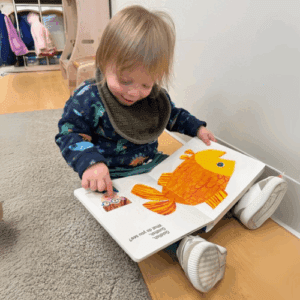
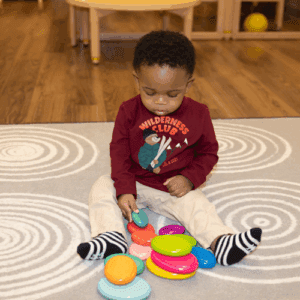
Toddlerhood is a whirlwind of motion, curiosity, and newfound independence. A high-quality toddler program channels this energy into purposeful play and discovery. Classrooms should be designed for exploration, with hands-on activities that encourage problem-solving and social interaction. This is where children begin to learn how to share, take turns, and make friends. With guidance from caring teachers, toddler classrooms help children build confidence and communication skills, turning every “why?” into a fun investigation.
Getting Ready for Kindergarten and Beyond
As your child approaches school age, the focus shifts to preparing them for kindergarten. A top-tier preschool program does more than teach letters and numbers; it cultivates a genuine love for learning. Through engaging projects, children develop critical thinking, collaboration, and creativity. They learn to ask questions, test their ideas, and feel proud of their accomplishments. The goal is to send them to kindergarten with academic skills, confidence, and curiosity. The right preschool classroom builds a strong foundation, ensuring your child is ready for their next big step.
Is Private Preschool Worth It?
Deciding on the right early education path for your child is a huge decision, and the question of cost versus value is always top of mind. While private preschool is a significant investment, it’s an investment in your child’s foundational years. The benefits often extend far beyond academics, creating a nurturing environment that supports their social, emotional, and intellectual growth. It’s about finding a place where your child is seen, understood, and encouraged to be their most curious self. For many families, the individualized attention, specialized curriculum, and strong sense of community make it a worthwhile choice that pays dividends for years to come.
Building a Foundation for Lifelong Learning
One of the greatest gifts you can give your child is a genuine love for learning. Private preschools often excel at this by creating an environment where curiosity is the curriculum. Instead of rote memorization, the focus is on exploration, hands-on activities, and letting children’s questions guide their learning. This approach, central to philosophies like the Project Approach, helps children see learning not as a task, but as an exciting adventure. When a child’s first school experience is filled with discovery and joy, it builds a positive and resilient foundation that will support them throughout their entire academic journey.
Helping Your Child Build Confidence and Friendships
The preschool years are when children begin to understand themselves in relation to others. A private preschool with small class sizes provides a safe, supportive space for this social-emotional development to unfold. With more one-on-one guidance from passionate teachers, children feel secure enough to express their feelings, take healthy risks, and practice navigating social situations. This nurturing atmosphere is essential for building self-confidence and forming those first precious friendships. It’s in these early interactions—sharing a toy, working on a project together, or getting a comforting word from a teacher—that children learn empathy, cooperation, and communication.
More Than a School: A Community for Your Family
Choosing a private preschool isn’t just about enrolling your child; it’s about joining a community. These schools often foster a close-knit environment where teachers, staff, and families build strong, supportive relationships. This sense of belonging can be an incredible resource, especially for new parents. When a school prioritizes partnering with parents, you gain a network of people who are on the same journey. From parent councils to open communication and family events, this community provides a support system that extends well beyond the classroom walls, creating a shared experience for your entire family.
Related Articles
Frequently Asked Questions
How is a private preschool different from a public one? The biggest difference comes down to flexibility. Public preschools are part of the local school system and typically follow a set curriculum. Private preschools are independently operated, which gives them the freedom to choose a specific educational philosophy, like Reggio Emilia or a project-based approach. This allows them to create a unique learning environment tailored to their core beliefs about how children learn best, which means you can find a school that truly aligns with your family’s values.
With so many teaching philosophies, how do I choose the right one for my child? Start by thinking about your child’s personality and how they interact with the world. Do they thrive with more structure, or do they light up when they have the freedom to explore their own interests? A play-based program might be perfect for a child who learns by doing, while a project-based approach is great for a curious kid who loves to ask “why?” The goal is to find an environment where your child will feel comfortable, confident, and understood.
What are the most important things to look for during a school tour? Pay close attention to the interactions between teachers and children. The educators should be warm, engaged, and respectful. Notice the overall atmosphere of the classroom—does it feel calm, happy, and productive? Also, look for signs of quality, like a NAEYC accreditation certificate, and ask about student-to-teacher ratios. A great school should feel like a place where your child will be both nurtured and inspired.
How does a private preschool prepare my child for kindergarten? Kindergarten readiness is about so much more than knowing letters and numbers. A high-quality private preschool focuses on developing the whole child. It helps them build social skills like sharing and collaborating, emotional skills like managing feelings, and critical thinking skills by encouraging them to ask questions and solve problems. They learn to love learning itself, which creates a strong foundation for their entire academic future.
My child is very young. How does a program for infants or toddlers work? For our youngest learners, the focus is entirely on creating a safe, nurturing, and responsive environment. Infant programs are all about building trust and secure attachments with caring teachers through gentle routines and sensory exploration. As they grow into toddlers, the program shifts to support their budding independence and curiosity, channeling their energy into purposeful play, discovery, and those first important social interactions with friends.
Written By
Marc Hoffman
Founder, Strong Start Early Care & Education
Marc founded Strong Start in 2014, inspired by his studies at Williams College, Yeshiva University, and research at Yale University. His child-centered, inquiry-based approach to early education has helped hundreds of families in the Trumbull and Bridgeport communities. As a parent himself, Marc understands the importance of finding a nurturing environment where every child can learn, grow, and flourish.