We’ve all experienced the relief that can come after a good cry. It can feel like a reset button for our emotions, washing away stress and tension. Because we experience this as adults, it’s easy to project that same function onto our children and ask, is crying self soothing for them, too? However, an infant’s cry serves a very different purpose. It’s a vital tool for survival, ensuring their needs for food, comfort, and security are met. This article will break down the developmental science of crying, explaining why a baby’s tears require a different response than an adult’s and how you can foster healthy emotional expression.
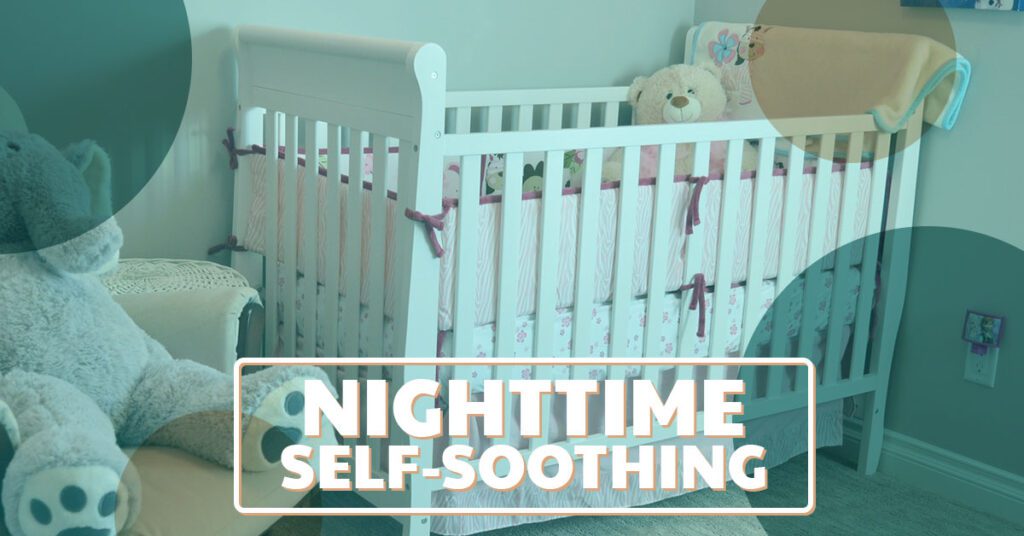
It has been said that the most important thing we can teach our children is frustration tolerance. Every adult needs this skill and it is important to learn this skill early, as life will deliver frustrations at regular intervals from the earliest days. One of the earliest chances we have to teach our children this important coping skill is at night when they are small. Nighttime self-soothing is an early form of frustration tolerance and will also lessen the frustration of parents who want to sleep through the night! Strong Start Early Care & Education believes that theses skills help children have a strong start in the emotional aspect of life and deserve as much attention as the ABC’s. In our last blog, we covered an example of a bedtime routine that sets the stage for night time. If you haven’t already done so, read it now!
Is Crying a Form of Self-Soothing?
When we talk about self-soothing, especially for our little ones, the conversation often turns to crying. We wonder if letting a baby “cry it out” is teaching them to soothe themselves. However, the function of crying changes dramatically as we age. For infants, crying isn’t a tool for self-regulation; it’s their primary way of communicating a need. It’s a powerful signal designed to get a response from a caregiver—a call for comfort, food, or a diaper change. In contrast, for adults and older children, crying can be a genuine form of self-soothing. It becomes an internal mechanism to process overwhelming feelings and restore emotional balance. Understanding this distinction is key to responding to our children’s needs in a way that builds trust and security from the very beginning.
The Definition and Purpose of Crying
The purpose behind our tears is not always the same. For the youngest members of our families, crying is an external plea for connection and care. It’s a behavior that ensures their survival by eliciting a response from those around them. As we grow, crying evolves into a more personal and internal process. It becomes a way to manage our own emotional landscape, releasing built-up tension and helping us return to a state of calm. This shift from a social signal to a personal coping strategy is a significant part of our emotional development, highlighting why a baby’s cry and an adult’s cry require very different responses.
For Infants: A Signal for Connection
For a baby, crying is the most important tool they have for communication. It is not a sign of manipulation or an attempt to self-soothe, but rather a raw and honest signal for help. When an infant cries, they are expressing a fundamental need—whether it’s hunger, discomfort, or the simple desire for closeness and security. Responding to these cries with warmth and care is crucial for their development. It teaches them that they are safe, that their needs will be met, and that they can trust their caregivers. This responsive caregiving is the foundation of a secure attachment, which is essential for a child’s emotional well-being and future independence. At Strong Start, our infant classrooms are built on this principle of nurturing, responsive care.
For Adults: An Internal Release
As we mature, crying transforms into a powerful method of self-regulation. A good cry can activate the body’s relaxation response, helping to release stress and restore emotional equilibrium. According to research, crying is a natural and effective form of self-soothing for adults because it engages the parasympathetic nervous system (PNS), which helps the body rest and recover from stress. This process allows us to physically and emotionally release pent-up feelings, whether from sadness, frustration, or even overwhelming joy. It’s our body’s way of hitting the reset button, helping us process intense emotions and move forward with a clearer mind and a calmer spirit.
The Science Behind a Cathartic Cry
Have you ever felt that sense of relief that comes after a good, hard cry? That feeling isn’t just in your head; it’s a complex biological process. A cathartic cry can have profound effects on both your body and mind, acting as a natural release valve for emotional pressure. When you cry, your body is actively working to manage stress and restore a sense of balance. Tears literally carry away stress hormones, and the physical act of sobbing can trigger a shift in your nervous system from a state of high alert to one of rest and recovery. This physiological response is what makes crying such a powerful tool for emotional regulation, helping you feel lighter and more centered after the storm of feelings has passed.
How Crying Affects the Body
The physical act of crying does more than just produce tears; it sets off a chain reaction inside your body. Emotional tears contain stress hormones like cortisol, and crying helps to flush these chemicals from your system, reducing physiological tension. At the same time, the deep breathing and vocalizations involved in sobbing can stimulate the vagus nerve, which activates the parasympathetic nervous system. This is the part of your nervous system responsible for the “rest and digest” response. As the PNS takes over, it helps slow your heart rate and blood pressure, guiding your body back toward a state of calm and relaxation.
The Mental and Behavioral Impact
Beyond the physical release, crying plays a crucial role in our mental well-being. It helps us regulate our mood by bringing intense emotions back to a more manageable level. Think of it as a way of restoring your internal emotional balance, or homeostasis. When you allow yourself to cry, you are acknowledging and processing your feelings rather than suppressing them. This emotional expression can lead to a clearer perspective and a reduced sense of being overwhelmed. Over time, embracing crying as a healthy coping mechanism can build emotional resilience, making it easier to handle life’s inevitable challenges without feeling completely consumed by them.
When Crying Doesn’t Bring Relief
While crying is often a helpful release, it doesn’t always end with a feeling of relief. Sometimes, you might feel just as bad, or even worse, after shedding tears. The outcome of a cry is influenced by several factors, including the environment you’re in, your personal history, and even your own emotional awareness. If you feel ashamed or judged for crying, or if you’re in a situation where you don’t feel safe being vulnerable, the experience is unlikely to be cathartic. Understanding why crying doesn’t always work can help you create the right conditions for a truly beneficial emotional release, both for yourself and for how you support your children’s emotional expression.
The Importance of a Supportive Environment
The context in which we cry matters immensely. How others react to our tears can completely change whether the experience is helpful or harmful. Crying in the presence of a supportive, non-judgmental person can deepen social bonds and validate our feelings, leading to a profound sense of relief. Conversely, if we are met with criticism, dismissal, or discomfort, we may feel shame or embarrassment, which only adds to our emotional burden. This is why creating a safe emotional space is so important. At Strong Start, we focus on partnering with parents to build a community where children learn that all their feelings are valid and that expressing them is healthy and safe.
Individual Differences and Past Trauma
Our personal experiences and emotional makeup also play a significant role in how we experience crying. For individuals who have difficulty identifying and describing their emotions (a condition known as alexithymia), crying can feel confusing and unsettling rather than relieving. Similarly, those dealing with depression, anxiety, or unresolved trauma may find that crying intensifies their feelings of hopelessness or being overwhelmed. Research suggests that people with these conditions often feel worse after crying because the act itself doesn’t resolve the underlying emotional dysregulation they experience daily.
Delayed Benefits and Mixed Research
Interestingly, the timing of relief from crying is a subject of debate. When people are asked to recall a time they cried, most remember feeling better afterward. However, laboratory studies that monitor people’s emotions in real-time often show that individuals feel worse immediately after crying. This suggests that the benefits of crying may not be immediate. The relief might come later, after we’ve had time to process the emotion, reflect on the situation, or receive social support. The cathartic effect may be less about the tears themselves and more about the entire emotional and social process that surrounds the act of crying.
Two Schools of Thought
There are two main schools of thought when it comes to self-soothing: they are what we are going to call the “Cry-it-out method” and attachment parenting. This is not to say that they can not overlap. Any parent who has tried to get a child to sleep who resists sleep knows the desperation that comes over you, and you will try just about anything.
Attachment Parenting
Attachment parenting is the school of parenting that says that a parent should always be tuned into their child and be there to answer their needs. This means picking them up quickly when they cry so that they learn that their needs are being met. This is meant to teach the child to trust their caregiver. Tiny babies can’t self-sooth so they must be attended to quickly, before they become distressed. It is believed that touch plays a significant role in communicating with infants and so holding and touch are important factors in parenting. This extends to sleeping and many attachments parenting adherents practice co-sleeping, at least at times. The overarching idea of parenting is respect, loving kindness, and compassion. Attachment parenting holds that children do not have the ability to develop self-soothing techniques until they are two and a half to three years old, and they do believe in teaching this skill after this time. It should also be noted that attachment parenting often goes hand in hand with long-term breast feeding and this can certainly throw a wrench in the works. We suggest a good high-protein meal to supplement breast milk before bedtime (when age appropriate of course)
Cry-It-Out
People who believe in the cry it out the method are not opposed to most of what attachment parenting holds; it’s just that when it comes to bedtime disruptions, they hold a harder line and enforce boundaries on their own sleep and time. Beginning about six months of age, babies can be left for increasing times before their cries are answered and they are picked up or have their backs rubbed to sooth them. When a baby is tended to, during a sleep disturbance, it is the parents chance to teach self-soothing. The stress reaction that babies switch into is based in the amygdala, the part of the brain that houses the fight or flight responses. The brain needs a chance to switch from this “lizard brain” response to a more rational reaction. You can give your baby a chance to do this on their own with some very subtle interaction. You can turn on their music or turn on a night light. These things give them a chance to be lulled back to sleep. Of course, there might also be crying. Lots of crying. You can slowly extend the time before you come in and get them to give the chance to cry it out. This can be very hard. Especially if you are breastfeeding, your body will react viscerally to a crying baby, but you too need to switch out of lizard brain mode and know your baby is ok and that they need to learn to go to sleep on their own.
The Role of Temperament
It is important to state that each child is an individual and will be ready to learn to self-soothe at different points. You know your baby best and can best decide that time for your baby. Some babies are high strung and will need more help than mellow babies. There can also be developmental issues that only become apparent much later on but in hindsight can be blamed for sleep problems, including changes in nap patterns as toddlers grow. We hope this short overview gives you some idea, or at least hope, that you are not alone in this struggle. If you are looking for daycare in the Trumbull or Bridgeport area, give us a call and schedule a tour of our facility!
Building Trust Through Responsive Care
At its core, building trust with your child comes down to responsive care. When an infant cries, they are communicating a fundamental need—for food, comfort, or simply connection. Consistently meeting these needs teaches them that their world is a safe and reliable place. This isn’t about creating dependency; it’s about building the secure attachment essential for healthy emotional development. This bond gives your child a secure base from which to explore and learn. This philosophy is central to how we create a nurturing environment in our infant classrooms, where every responsive interaction strengthens a child’s sense of security and belonging.
This foundation of trust has incredible long-term benefits. A child who feels secure is better equipped to handle challenges and regulate their own emotions as they grow. They learn that their feelings are valid and that they can rely on caregivers for support, which is the first step toward developing frustration tolerance. Creating this consistent, supportive environment is a collaborative effort. That’s why we believe a strong partnership with parents is key to a child’s success. When home and school work together, a child receives the clear, supportive messages they need to truly thrive.
Frequently Asked Questions
What’s the real difference between my baby’s crying and my own? The simplest way to think about it is that your baby’s cry is an external signal, while your cry is an internal process. For an infant, crying is their only way to communicate a need—whether it’s hunger, discomfort, or a desire for closeness. It’s a call for help. As we grow up, crying becomes a tool for managing our own emotions, helping us release stress and find balance from within.
If I respond every time my baby cries, am I teaching them to be dependent? Quite the opposite, actually. Responding consistently to your infant’s needs teaches them that the world is a safe, reliable place and that they are cared for. This builds a secure attachment, which is the foundation for future confidence and independence. You aren’t spoiling them; you are building a crucial foundation of trust.
Why does a good cry sometimes make me feel better, but other times it just makes me feel worse? The outcome of a cry often depends on the setting and your state of mind. Crying in a safe, supportive environment where you feel understood can be incredibly healing. However, if you feel ashamed, judged, or are in a stressful situation, crying can amplify those negative feelings. The relief isn’t just from the tears themselves, but from the feeling of safety and validation that surrounds the experience.
When can my child actually learn to self-soothe? True self-soothing is a developmental skill that children learn over time, much like walking or talking. Infants lack the brain development to calm themselves down intentionally. The ability to manage big emotions and find comfort independently typically begins to emerge in the toddler years and develops from there. The responsive care you provide in infancy is what helps them build the capacity for self-regulation later on.
How do I know if a “cry-it-out” or an “attachment parenting” approach is right for my family? There is no single right answer, and many families find a balance somewhere in the middle. The best approach depends on your child’s unique temperament, your family’s values, and what feels sustainable for you. The goal for every family is the same: to help your child learn to manage frustration and develop healthy sleep habits. Trust your intuition and observe your child to find the path that works best for you.
Key Takeaways
- Crying Serves Different Purposes at Different Ages: For a baby, crying is their primary way of signaling a need for food, comfort, or security. It’s a call for connection, not a tool for self-soothing like it can be for adults.
- Build Trust Through Your Response: Consistently meeting your infant’s needs when they cry isn’t spoiling them—it’s teaching them that they are safe and cared for. This secure attachment is the bedrock of their future emotional independence.
- Self-Soothing Is a Learned Skill: Infants are not born with the ability to calm themselves down; they learn it over time with your help. By providing comfort, you are actively teaching them the skills they will eventually use to manage their own emotions.
Related Articles
- Infant Self-Soothing Techniques for Better Sleep | Strong Start Early Care & Education
- A Parent’s Guide to Separation Anxiety & Attachment Style – Strong Start
Written By
Marc Hoffman
Founder, Strong Start Early Care & Education
Marc founded Strong Start in 2014, inspired by his studies at Williams College, Yeshiva University, and research at Yale University. His child-centered, inquiry-based approach to early education has helped hundreds of families in the Trumbull and Bridgeport communities. As a parent himself, Marc understands the importance of finding a nurturing environment where every child can learn, grow, and flourish.