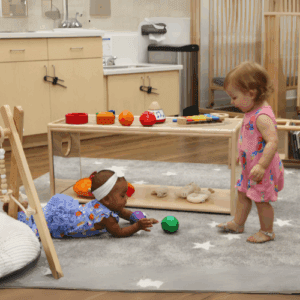
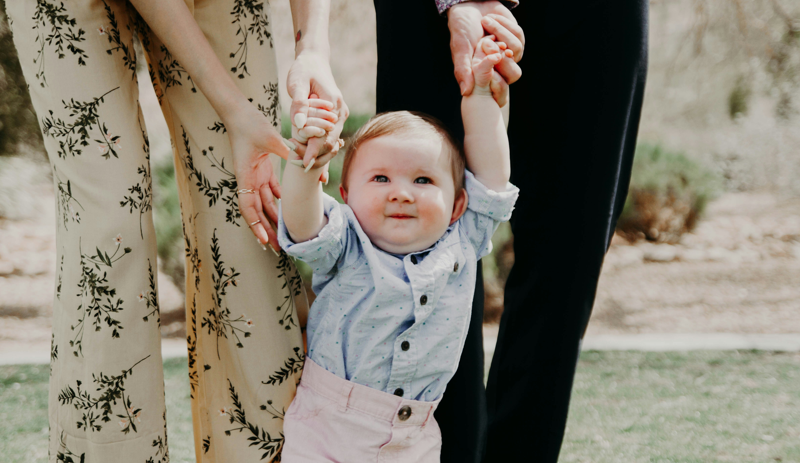
That first wobbly, unassisted step is pure magic. One minute they’re clinging to the coffee table, the next they’re taking a brave leap into the open. It’s a moment every parent anticipates, but it also brings up a lot of questions. You’re probably wondering, when do babies start walking? While the exact timing varies for every child, this milestone marks a huge transition in toddler development. It’s not just about physical strength; it’s about building a whole new level of confidence and independence as they explore on their own two feet.
For parents, though, this milestone often brings a mix of excitement and questions. Is my child walking too early? Too late? What if they prefer crawling for months? The truth is, walking doesn’t happen on a strict schedule. While there are typical timelines, every baby develops at their own pace, and a later start isn’t necessarily a cause for concern.
In this guide, we’ll explore when most babies begin walking, what signs to look for, and how you can support your child as they take those first wobbly-but-determined steps toward independence.
So, When Do Babies *Really* Start Walking?
Most babies begin walking on their own between 9 and 18 months, with the average being around 12 months. However, some start earlier or later, and that’s perfectly normal. As long as your child is making steady progress in their motor skills—like standing, cruising along furniture, and showing curiosity about movement—there’s usually no need to worry.
The Average Age for Walking (and Why It’s Just a Guideline)
If there’s one thing to know about baby milestones, it’s that they’re more of a range than a deadline. While most children take their first independent steps around 12 months, some are eager walkers as early as 9 months, while others take their time and don’t fully walk until 18 months.
There’s a lot that goes into learning to walk, and it’s not just about strong legs. Babies also need balance, coordination, and the confidence to let go of whatever they’ve been holding onto. Some toddlers cruise along furniture for months before finally taking that first step. Others skip crawling almost entirely and go straight to walking.
As long as your child is progressing in their overall mobility—pulling up to stand, bouncing while holding onto objects, or attempting to take steps while supported—there’s usually no need to rush the process. Every baby finds their own way, whether that’s stepping forward confidently or taking their time to master the skill.
A Typical Timeline: From Standing to Running
Walking is less of a single event and more of a grand finale to a series of smaller, equally important milestones. Before those first independent steps, your baby is busy building strength and coordination. Most babies start by crawling between 7 and 12 months, then progress to pulling themselves up to stand around 9 to 12 months. From there, they often “cruise” along furniture, getting a feel for shifting their weight. The actual walking typically happens between 10 and 18 months. This whole process is a full-body workout, engaging their core, arms, and legs. In our toddler classrooms, we see this incredible progression every day, providing a safe space for little ones to explore their growing mobility at their own unique pace.
The Inevitable Tumbles
As your little one starts to walk, get ready for some tumbles—a lot of them. Falling isn’t just normal; it’s a necessary part of the process. Research shows that toddlers learning to walk can fall as often as 17 times an hour! Each wobble and fall is a mini-lesson in balance and coordination, teaching them how to adjust their bodies and recover. The best thing you can do is create a safe environment for them to practice. While falls are expected, it’s also wise to know the guidelines. If your child isn’t taking a few steps on their own by 15 months or walking independently by 18 months, it’s a good idea to check in with your pediatrician. At Strong Start, our commitment to health and safety ensures our spaces are designed for safe exploration, giving children the freedom to try, stumble, and get right back up again.
Key Milestones on the Road to Walking
Walking doesn’t happen overnight—it’s the result of months of physical development and coordination. Before your child takes their first independent steps, they’ll pass through several key milestones, each one preparing them for that big moment.
- Rolling Over (4–6 months): Infants start developing core strength by rolling from back to belly and vice versa. This early movement is their first taste of independence.
- Sitting Up (6–8 months): Sitting without support improves balance and strengthens the muscles needed for standing. Some babies use their hands for stability at first, but soon enough, they’re upright and reaching for toys with confidence.
- Crawling (7–10 months): Not all babies crawl, but for those who do, it builds arm and leg coordination while giving them a sense of forward motion. Some babies scoot on their bottoms instead, while others prefer an army crawl—there’s no one-size-fits-all approach.
- Pulling to Stand (9–12 months): If your child is using furniture, your leg, or even the family pet to hoist themselves up, they’re getting ready for walking. This stage often comes with lots of falling and frustrated grunts.
- Cruising (10–12 months): Holding onto furniture and shuffling along builds confidence. Some babies will cruise for weeks before they work up the nerve to let go and step forward.
Each child’s journey is different. Some babies stay in one stage longer than others, and that’s okay—it’s all part of their unique development.
Is Your Baby Ready to Walk? Look for These Signs
Your baby may not be able to say, “I’m ready to walk!” but their actions will give you plenty of clues. Here are some telltale signs that those first steps are right around the corner:
- Standing without support: Even if it’s just for a few seconds, unassisted standing is a big indicator that walking is on the horizon.
- Cruising with confidence: Babies who are moving along furniture with ease are getting comfortable with weight shifting and balance—two major ingredients for walking.
- Experimenting with steps: Some babies will take a cautious step toward you before dropping to the floor. Others might hold onto a toy and forget they don’t have support.
- Showing frustration with crawling: If your baby seems determined to move in a new way—pushing up instead of crawling forward or lunging toward furniture—they may be ready to transition to walking.
- New forms of self-expression: Some babies start experimenting with head banging or spitting when they’re frustrated with their limitations. This can be part of their growing frustration with mobility.
If your baby is showing these signs, walking is likely just around the corner. Be ready for plenty of wobbles, stumbles, and triumphant giggles as they take those first steps!
The Emotional Side of Learning to Walk
Learning to walk is about so much more than just physical strength and balance. It’s a monumental leap in your child’s emotional development, marking a huge transition toward independence. This newfound ability to explore the world on their own two feet brings a wave of complex feelings—from triumphant joy to moments of real uncertainty. For a little one who has always relied on you to get around, standing tall is a massive step, and that can feel both exciting and a little bit scary. It’s a journey filled with emotional ups and downs for them, and often, for us as parents, too.
Big Steps, Big Feelings
With big steps come big feelings. One minute, your toddler might be beaming with pride as they take a wobbly step forward, and the next, they might tumble and immediately reach for you with a look of panic. This back-and-forth is completely normal. They are figuring out how to be their own person while still needing the security you provide. This is a delicate balance of encouraging their bravery while also being their safe place to land. Supporting them through these big feelings helps build the resilience and confidence they’ll carry with them long after they’ve mastered running and jumping.
Every Child’s Unique Developmental Path
It’s so easy to get caught up in comparing your child to others, but learning to walk is a perfect example of how every child follows their own unique timeline. Some toddlers are cautious, spending months cruising along furniture until they feel completely ready to let go. Others seem to skip crawling and dive headfirst into walking. Neither path is better than the other; they simply reflect different personalities and developmental styles. Our educational approach is built on respecting each child as an individual, and this milestone is a beautiful reminder to trust your child’s process and celebrate their progress, no matter what it looks like.
Simple Ways to Encourage Those First Steps
Watching your child learn to walk can be both exciting and nerve-wracking. Some babies dive in headfirst, while others hesitate, unsure about this whole “walking” thing. Either way, there are plenty of ways to support them without rushing the process.
- Give them space to move: Babies need opportunities to explore their balance and coordination. A safe, open area—without sharp corners or obstacles—lets them practice standing, cruising, and stepping at their own pace.
- Encourage cruising: Furniture isn’t just for decoration—it’s your baby’s best walking coach. Position sturdy, waist-high furniture close enough together so they can move from one to the next, building confidence along the way.
- Try push toys: A steady, weighted push toy (not the kind that races ahead like a runaway shopping cart!) can help babies practice forward movement while still having something to hold onto.
- Let them go barefoot: Inside the house, skipping shoes allows babies to use their toes for grip and balance, which strengthens their feet.
- Celebrate, don’t pressure: Some babies need more encouragement than others. A cautious toddler may benefit from a simple “You’ve got this!” rather than coaxing. Walking should be fun, not a stressful milestone.
Set the Stage for Movement
One of the best things you can do to support a new walker is to simply give them room to practice. Babies need opportunities to explore their balance and coordination, and a safe, open area is their best training ground. Clear a space in your living room by pushing back the coffee table and removing any obstacles with sharp corners. This freedom allows them to practice standing, cruising, and taking those first tentative steps at their own pace, without you hovering over them. At Strong Start, our classrooms are designed to encourage this kind of independent exploration, giving children the confidence to test their abilities in a secure environment.
Offer Gentle, Hands-On Support
While giving your child space is important, a little hands-on encouragement can go a long way. Instead of holding them up by their arms, which can throw off their natural sense of balance, try getting down on the floor a few feet away and inviting them to walk to you. You can also offer a sturdy, weighted push toy—not the flimsy kind that zips across the room—to help them practice forward movement while still having something to hold onto. The goal is to build their confidence, not to rush them. Celebrate their efforts with smiles and praise, letting them know you’re their biggest cheerleader.
Creating a Safe Space for Your New Walker
Once your baby is on the move, your home transforms into an exciting—and potentially hazardous—playground. Creating a safe environment is key to letting them explore without you having to say “no” every five seconds. Start by letting them go barefoot indoors whenever possible. Skipping shoes allows babies to use their toes for grip and balance, which strengthens the muscles in their feet and ankles. This sensory feedback from the floor is crucial for developing coordination. Remember that tumbles are an inevitable and important part of learning. When they fall, try to stay calm and offer a reassuring hug. Your relaxed reaction teaches them that falling is okay and helps them build the resilience to get back up and try again.
Childproofing from a Baby’s-Eye View
The best way to see potential dangers is to get down on your hands and knees and see the world from your baby’s perspective. You’ll be surprised by what you find. Cords that were once out of sight are now prime for pulling, and that low-to-the-ground outlet is suddenly fascinating. Keep your home safe and clear of things that could cause accidents. This means covering all electrical outlets, securing heavy furniture like bookshelves and TVs to the wall, putting locks on low cabinets (especially in the kitchen and bathroom), and moving houseplants and breakable items out of reach. A safe space allows for worry-free exploration, which is fundamental for healthy development.
Why to Skip the Seated Baby Walker
It might seem like a helpful tool, but research shows that seated baby walkers can do more harm than good. According to experts, these walkers do not help babies learn to walk and can actually delay this milestone. Because they support the baby’s weight, walkers prevent them from developing the core and leg strength needed for independent walking. They also often encourage babies to push off with their toes, which can lead to awkward walking patterns later on. More importantly, walkers are a major safety hazard, contributing to thousands of injuries each year. Instead, opt for a stationary activity center or a push toy that encourages your child to pull up and practice walking on their own two feet.
Do Babies Need Shoes to Learn to Walk?
When your baby starts taking steps, the instinct might be to run out and buy their first pair of shoes. But here’s the truth: indoors, barefoot is best. Babies learn to balance by feeling the ground beneath them, using their toes to grip and adjust as they move. Socks with non-slip grips can help on slick floors, but bare feet often work just fine.
When your baby is ready for outdoor adventures, the right shoes can protect their feet without interfering with development. Look for:
- Flexible soles: Stiff shoes make it harder for babies to push off and balance. Soft, bendable soles are best.
- Lightweight materials: Heavy shoes can throw off a baby’s natural movement.
- A snug but comfortable fit: Shoes should stay on without being too tight.
Keep in mind that baby feet grow fast—sometimes in sudden spurts. Checking the fit regularly ensures your little one has the right support as they explore their world, one wobbly step at a time.
Choosing the Right First Shoes for Outdoor Adventures
Once your little one is ready to take their wobbly steps outside, finding the right pair of shoes is all about protecting their feet while allowing for natural movement. Think of their first shoes as a flexible second skin, not a rigid support system. Look for soft, bendable soles that let them feel the ground and use their toes to grip, much like when they’re barefoot. Lightweight materials are also key, as heavy, clunky shoes can make walking feel awkward. The goal is a snug fit that stays on without pinching or leaving red marks, giving them the confidence to explore their world. And since toddler feet seem to grow overnight, it’s a good idea to check the fit every few weeks to make sure there’s still enough wiggle room.
Walking Worries? When to Check In With Your Pediatrician
Most babies find their own rhythm when it comes to walking, but sometimes parents worry that their child is taking longer than expected. If your baby isn’t walking by 18 months, it doesn’t automatically mean something is wrong, but it’s a good idea to check in with a pediatrician—especially if there are other developmental concerns.
You might want to seek advice if your child:
- Isn’t pulling up to stand by 12 months or cruising by 15 months
- Seems unusually stiff or floppy when bearing weight on their legs
- Favors one side of the body when standing, crawling, or trying to walk
- Shows little interest in movement and prefers sitting in one place for long periods
Some delays can be linked to low muscle tone, motor planning difficulties, or conditions like autism, which can affect coordination. Early intervention can help if needed—but often, babies just need a little extra time. Every child’s journey to walking is unique, and pediatricians can help reassure you if something feels off.
Developmental Red Flags to Watch For
While every child’s timeline is unique, certain patterns might suggest it’s a good idea to check in with a professional. You might want to seek advice if your child isn’t pulling up to stand by 12 months or cruising by 15 months. Other signs to look for include seeming unusually stiff or floppy when bearing weight on their legs, favoring one side of the body when moving, or showing little interest in movement altogether. Some delays can be linked to low muscle tone or motor planning difficulties. At Strong Start, we believe in partnering with parents to observe and support each child’s development, and a quick conversation with your pediatrician can provide clarity and peace of mind.
Changes in an Established Walker
What happens if your child masters walking and then suddenly seems to regress? If your child starts walking but then begins to limp, waddle, or refuses to walk after they’ve already learned, it’s important to consult a healthcare provider. Sometimes the cause is simple—like a small, unseen splinter or a sore muscle from a tumble. However, a sudden change in gait can also indicate an injury or other medical issue that needs attention. Trust your instincts; if something seems off with your child’s movement, getting it checked out is always the best course of action to ensure their continued health and safety.
A Note on Toe Walking
It’s very common for new walkers to spend some time on their tiptoes—it’s often just part of how they figure out balance and forward motion. Most children naturally outgrow this and start walking with a normal heel-to-toe pattern by the time they are 2 or 3 years old. However, if your child consistently walks on their toes past age 2, seems unable to put their heels flat on the ground, or has other developmental differences, it’s a good idea to seek medical advice. In our Bridge classrooms, our educators are experienced in observing these subtle developmental patterns and can be a great resource for discussing any concerns you may have.
How Culture Can Influence When a Baby Walks
Walking might seem like a universal milestone, but how and when it happens can be influenced by culture. In some parts of the world, babies walk earlier because they spend more time on the floor, building strength through unrestricted movement. In others, extended babywearing means infants are held more often, leading to later walking but stronger core stability.
For example, in some African and Caribbean cultures, babies are encouraged to stand and take steps early through stretching exercises and supported standing. In contrast, many Scandinavian countries prioritize natural movement and don’t stress over when walking happens, focusing instead on free exploration.
Even within the same culture, family habits can shape walking. Some parents encourage it actively, while others let it happen at its own pace. The bottom line? There’s no universal “right” time to walk—babies develop in response to both their biology and their environment.
Common Myths About When Babies Start Walking
There’s a lot of advice floating around about walking—some helpful, some outdated, and some just plain wrong. Let’s clear up a few common myths:
- Myth: Using a baby walker helps babies learn to walk faster.
Fact: Walkers can actually delay walking by changing how babies bear weight and balance. Plus, they can be a safety risk. - Myth: If your baby isn’t walking by 12 months, something is wrong.
Fact: Many babies don’t walk until 15–18 months, and that’s still within the normal range. - Myth: Crawling is a necessary step before walking.
Fact: Some babies skip crawling altogether and go straight to walking. While crawling helps with coordination, it’s not a required milestone for healthy development.
Every Baby Walks at Their Own Pace
Every baby follows their own timeline when it comes to walking. Some will be off and running before their first birthday, while others take a little longer to find their footing—literally. What matters most is progress, not a specific deadline.
If your child is building strength, trying new movements, and showing curiosity about standing and stepping, they’re on the right track. And if they need more time? That’s okay, too. Celebrate the little victories, encourage movement in a way that feels natural, and trust that one day soon, you’ll be chasing after your toddler as they toddle toward new adventures.
Frequently Asked Questions
My 15-month-old isn’t walking yet. Does this mean they’re behind in other areas? Not at all. The age a child starts walking is a physical milestone and has no connection to their intelligence or cognitive abilities. Many perfectly healthy and bright children take their time with walking. Instead of focusing on this one skill, look at your child’s overall progress. Are they curious, social, and developing their fine motor skills like picking up small objects? If they are meeting other milestones and showing a desire to move, they are likely just on their own unique schedule.
Is it a problem if my baby skipped crawling and went straight to trying to walk? It’s completely fine if your baby isn’t a crawler. While crawling is great for building coordination and strength, it’s not a mandatory step on the path to walking. Some babies prefer to scoot on their bottoms, and others are so focused on getting upright that they bypass crawling altogether. The important thing is that your child is finding ways to explore their environment and build the muscles needed for mobility, whatever that looks like for them.
My baby’s legs look a little bow-legged now that they’re standing. Is this normal? Yes, it’s very common for new walkers to appear a bit bow-legged. This is often a temporary phase as their leg muscles and bones adjust to bearing weight and finding balance. For most toddlers, their legs will naturally straighten out over the next year as they become stronger and more confident walkers. If you have any concerns about the severity or if it continues well past their second birthday, it’s always a good idea to mention it to your pediatrician.
How much should I help my baby when they fall? I hate seeing them get frustrated. It’s tough to watch your little one tumble, but falling is a critical part of learning to walk. Your best strategy is to create a safe, childproofed space for them to practice in. When they do fall, try to stay calm and offer a quick, reassuring smile or hug before letting them try again. Rushing to their rescue for every little wobble can make them more fearful. Your calm reaction teaches them that falling is a normal part of the process and helps them build the resilience to get right back up.
You mentioned push toys are helpful but seated walkers are not. What’s the difference? The key difference is who is in control. A push toy requires your baby to pull themselves up and use their own strength and balance to move it forward. This actively builds the muscles and coordination needed for independent walking. A seated walker, on the other hand, contains your child and supports their weight, which can prevent them from developing core strength and may even encourage them to push off with their toes, leading to an improper walking pattern. Push toys support learning, while seated walkers can unfortunately hinder it.
Key Takeaways
- Focus on Progress, Not the Calendar: Walking happens anytime between 9 and 18 months. Instead of watching the clock, look for key milestones like pulling up to stand and cruising along furniture, which show your child is building the right skills at their own pace.
- Create a Safe Space for Practice: Childproof your home from a baby’s-eye view and let your little one go barefoot indoors to improve their grip and balance. Remember to skip seated walkers, as they can delay development and pose safety risks.
- Know When to Check In: While every child’s journey is different, it’s wise to consult your pediatrician if your baby isn’t walking by 18 months or shows other signs like favoring one side of their body. Trusting your instincts is key to supporting their development.
Related Articles
- When Do Babies Start Walking? The Ultimate Guide to Your Child’s First Steps
- When Do Babies Start Walking? The Ultimate Guide to Your Child’s First Steps
- When Do Babies Start Walking? A Parent’s Guide
Written By
Marc Hoffman
Founder, Strong Start Early Care & Education
Marc founded Strong Start in 2014, inspired by his studies at Williams College, Yeshiva University, and research at Yale University. His child-centered, inquiry-based approach to early education has helped hundreds of families in the Trumbull and Bridgeport communities. As a parent himself, Marc understands the importance of finding a nurturing environment where every child can learn, grow, and flourish.