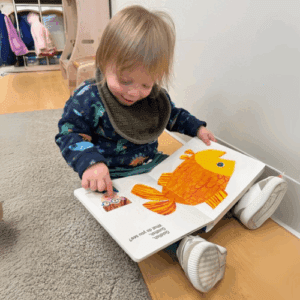

Figuring out when do kids stop napping can feel like a total guessing game. One day they’re out like a light, and the next, they’re bouncing off the walls at naptime. It’s confusing! Many parents ask, “is it normal for a 2 year old to stop napping?” While most toddlers drop their nap between ages 3 and 5, every child’s timeline is different. As early childhood educators, we’ve guided hundreds of families through this. We know the real signs to watch for and the mistakes to avoid, making this milestone smoother for your whole family.
Understanding when toddlers stop napping is one of the most common concerns we hear from parents at Strong Start. A child who once fell asleep within minutes at noon is suddenly wide-eyed, chatty, and completely uninterested in resting. It is tempting to assume the naps are over, but rushing this change can lead to overtired meltdowns, bedtime battles, and weeks of frustration.
This guide covers the age-by-age sleep needs from infancy through preschool, the developmental signs that your child is genuinely ready to drop naps, proven transition strategies, and how quality childcare programs manage nap schedules across different age groups.
How Much Sleep Does Your Child Really Need?
Before deciding whether your toddler should stop napping, it helps to understand how sleep needs change during the first five years. The American Academy of Pediatrics recommends the following total daily sleep (nighttime plus naps combined):
| Age | Total Sleep Needed | Typical Nap Pattern |
|---|---|---|
| 0-12 months | 12-16 hours | 2-4 naps per day |
| 12-18 months | 11-14 hours | 1-2 naps per day |
| 18 months – 2 years | 11-14 hours | 1 nap per day |
| 2-3 years | 11-14 hours | 1 nap (1-2 hours) |
| 3-4 years | 10-13 hours | 0-1 nap |
| 4-5 years | 10-13 hours | Most no longer nap |
Notice the pattern: the total hours decrease gradually, and naps consolidate from several short sleep sessions into one afternoon nap before eventually disappearing altogether.
At Strong Start, our infant classrooms follow individualized sleep schedules because babies under 12 months vary widely in their nap needs. By the toddler years, most children in our program have settled into a single afternoon nap, which we protect as a key part of their daily rhythm.
The Importance of Sleep for Development
Sleep is much more than just downtime; it’s a critical period for your child’s growth and learning. While they’re resting, their brain is hard at work processing information, cementing memories, and building neural connections. Quality sleep directly impacts everything from their mood and attention span to their physical coordination and immune system. As children get older and naps become less frequent, it’s essential to ensure they are still getting enough total rest. Experts at the American Academy of Pediatrics recommend 10-13 hours of total sleep for preschoolers. This is why we protect a quiet, restful period in our daily schedule. It gives every child’s mind and body a necessary break to recharge, supporting their ability to engage, learn, and play for the rest of the day.
Mapping Out the Nap Transition Timeline
Most children go through three major nap transitions during their first few years:
- Two naps to one nap (12-18 months): Your baby drops the morning nap and consolidates daytime sleep into one longer afternoon nap, usually 1.5 to 3 hours.
- Shortening the single nap (2-3 years): The afternoon nap gradually gets shorter. A child who once slept 2.5 hours may now sleep for just 1 to 1.5 hours.
- Dropping the last nap (3-5 years): The afternoon nap becomes inconsistent, then stops entirely. This is the transition most parents find challenging.
Research published by the Sleep Foundation shows that at age 3, almost all children still nap at least once per day. By age 4, about 60% continue napping. By age 5, fewer than 30% still take regular naps.
Factors That Influence When a Child Stops Napping
If you’re wondering why your friend’s three-year-old still takes a solid two-hour nap while yours has started protesting, you’re not alone. There is no magic age for dropping the last nap. The transition is highly individual and depends on a mix of biological and environmental factors. A child’s unique brain development, their daily activity level, and even their temperament play significant roles. A particularly active morning might mean your child still needs a nap, while a quieter day could leave them wide awake at rest time. This is something we see every day in our classrooms.
At Strong Start, our exceptional educators are trained to observe each child’s unique cues rather than relying on a one-size-fits-all schedule. In our preschool classrooms, we might have one child who is genuinely ready to transition to a quiet activity while a classmate right next to them still needs a full hour of sleep to recharge for the afternoon. Understanding these individual differences is key to supporting a child through this milestone without unnecessary stress. The goal is to follow your child’s lead, and recent studies are beginning to shed light on the science behind their cues.
Insights from Recent Research
While every child’s journey is unique, scientific research helps us understand the broader patterns behind nap transitions. Recent studies have explored everything from genetics to home environments to identify what influences a child’s sleep patterns. These findings can be a reassuring guide for parents, confirming that the wide range of “normal” is, in fact, very wide. The data highlights that the shift away from napping is a complex developmental process, often linked to other milestones in a child’s life, including cognitive and language development. Let’s look at a couple of key findings that might help you see your child’s nap resistance in a new light.
Predictors of Early Nap Cessation
One of the most consistent findings is that the timeline for stopping naps varies significantly. While most children stop napping between ages two and five, it’s not a clear-cut path. A large study of young children found that while the majority of kids still nap at age three, about 11% have already stopped. This tells us that dropping naps before the third birthday, while less common, is a normal variation in development. The primary predictor seems to be a child’s individual biological rhythm and how quickly their brain matures to be able to stay regulated and engaged throughout the day without a midday sleep session.
The Link Between Naps and Language Skills
Interestingly, the same research suggests a potential link between nap cessation and cognitive skills. The study noted that children who stop napping earlier may have more advanced language skills. It’s important not to misinterpret this: dropping naps doesn’t cause better language. Instead, it’s likely that the brain maturation that allows a child to go without a nap is also connected to their verbal abilities. A rich learning environment that fosters communication is crucial for all children, whether they nap or not. This is why our curriculum focuses on inquiry and conversation, ensuring every child is building a strong foundation for learning.
What Naps Look Like from Age 2 to 5
Parents often search for specific guidance based on their child’s current age. Here is what typical nap patterns look like year by year, along with what is considered normal at each stage.
The Tricky Naps of a Two-Year-Old
Nearly all 2-year-olds still need a daily nap. The Sleep Foundation estimates that fewer than 2.5% of children stop napping before age 2. If your 2-year-old is resisting naps, this is almost always a temporary phase rather than a sign that naps are over.
Common causes of nap resistance at age 2 include the 2-year sleep regression, potty training, separation anxiety, or a new sibling. Most 2-year-olds benefit from a nap of 1 to 2.5 hours in the early afternoon.
At Strong Start, our toddler classrooms maintain a consistent nap schedule for 2-year-olds, with individualized flexibility for children who need slightly more or less sleep.
How Naps Change at Age 3
Age 3 is when nap transitions typically begin. Most 3-year-olds still nap, but the duration may shorten from 2 hours to 1 or 1.5 hours. Some children begin having occasional skip days where they stay awake through the afternoon without major issues.
This is a watch-and-wait period. If your 3-year-old naps well and falls asleep at a reasonable bedtime, there is no reason to change anything. If naps are pushing bedtime past 8:30 or 9:00 PM, consider shortening the nap rather than eliminating it.
Napping (or Not) at Age 4
By age 4, about 40% of children have stopped napping entirely. Those who still nap often do so for shorter periods, typically 45 minutes to 1 hour. Many 4-year-olds alternate between nap days and no-nap days depending on their activity level.
In our preschool classrooms, we see this variability firsthand. Some 4-year-olds still fall asleep within minutes, while others are ready for quiet time activities instead. We follow each child’s lead.
Does a Five-Year-Old Still Need a Nap?
Fewer than 30% of 5-year-olds take regular naps. Most children this age have fully transitioned to nighttime-only sleep. If your 5-year-old still needs a nap most days, this is not a cause for concern as long as they are meeting their total sleep needs and developing normally. Some children simply need more rest than others.
For children entering kindergarten, the nap transition often happens naturally as the school day does not include a nap period. Starting quiet time at home before kindergarten begins can help ease this adjustment.
When Naps Continue Past Age 5
While it’s true that most children have given up their daily nap by age five, being in the minority is perfectly normal. If your child is one of the roughly 30% who still benefits from a midday rest, there’s no need to worry. The most important thing is to look at their overall well-being. Are they happy, energetic, and developing well? Do they fall asleep easily at night? If so, their body is simply telling you it still needs that extra sleep. This is a great example of why open communication between home and school is so valuable. By partnering with parents, we can follow your child’s unique cues instead of a rigid timeline. As long as their total sleep needs are met, you can feel confident letting them rest.
7 Signs Your Toddler Is Ready to Stop Napping
Age alone is not a reliable indicator. A 2-year-old who resists naps for a week may just be going through a developmental regression, not signaling the end of naps. Instead, look for these signs consistently over at least two weeks:
1. Naptime Becomes a Long Waiting Game
If your child lies quietly in bed, talks to themselves, or plays calmly during what should be naptime, their body may no longer need that midday sleep. An occasional naptime protest is normal, but when it happens day after day for two or more weeks, pay attention.
2. Their Nap Pushes Bedtime Too Late
This is the most telling sign. When a child naps at their usual time but then cannot fall asleep at bedtime until 9 or 10 PM, the nap may be giving them more daytime sleep than they need. Their total sleep stays the same; it just needs to shift to nighttime hours.
The 5-Hour Rule for Bedtime
A helpful guideline we often use is the “5-hour rule.” This rule suggests that there should be about five hours of awake time between the end of the afternoon nap and the start of bedtime. For example, if your child wakes up from their nap at 2:30 PM, they should be biologically ready for sleep around 7:30 PM. If you find they are still full of energy long past that five-hour mark, it’s a strong indicator that their nap is interfering with their nighttime sleep drive. This is a practical tip we often share when partnering with parents to align home and school routines, ensuring children get the restorative rest they need for healthy development.
3. They Stay Happy and Alert Without a Nap
On days your child skips a nap, do they make it to bedtime without major meltdowns? If they can stay relatively even-tempered, engaged, and functional through the afternoon and early evening, they may have the stamina to go all day without sleeping.
4. They Start Waking Up Earlier in the Morning
A child who naps well but starts waking at 5:00 or 5:30 AM may be getting too much total sleep. Dropping the nap and shifting to an earlier bedtime often solves early morning wake-ups.
5. You’re Seeing More Night Wakings
New night wakings in a child who previously slept through the night can sometimes be traced back to too much daytime sleep. If you have ruled out illness, teething, and other disruptions, excess napping may be the cause.
6. Naptime Has Become a Daily Battle
There is a difference between a toddler who protests naps as part of a boundary-testing phase and one who genuinely is not tired. If your child seems content, not overtired, and simply does not want to sleep during the day for weeks at a time, listen to what their body is telling you.
7. They’re in the Right Age Range to Stop Napping
While there is no magic number, dropping naps before age 3 is uncommon. If your 2-year-old is resisting naps, it is more likely a phase or a sign that a schedule adjustment is needed rather than time to stop naps for your toddler altogether.
How to Transition Away from Naps: 5 Strategies That Work
Once you are confident your child is ready, a gradual transition works better than going cold turkey. Here is what we recommend based on years of classroom experience:
1. Try Napping Every Other Day
Rather than eliminating naps overnight, alternate nap days and no-nap days. On nap days, keep the nap short (60-90 minutes max). On no-nap days, offer quiet time instead. This gives your child’s body time to adjust gradually.
2. Move Bedtime a Little Earlier
When you drop the nap, your child needs to make up that sleep at night. Move bedtime 30 to 60 minutes earlier, at least temporarily. Many parents are surprised that a 6:30 or 7:00 PM bedtime results in better sleep and later morning wake-ups compared to an overtired child crashing at 8:30 PM.
Adjust Bedtime on No-Nap Days
On days your child skips their nap, your most effective strategy is an earlier bedtime. Remember, their total sleep needs haven’t changed; the sleep they missed during the day simply needs to shift to nighttime. Without this adjustment, your child can quickly become overtired, which ironically makes it much harder for them to fall asleep and stay asleep. To prevent overtiredness and the dreaded evening meltdowns, aim to put your child to bed 30 to 60 minutes earlier than usual. For some preschoolers, this might mean a bedtime as early as 6:00 or 6:30 PM. This simple shift helps them get the restorative rest they need and makes the nap transition much smoother for your whole family.
3. Replace Naps with “Quiet Time”
Quiet time is not a nap, but it is not a free-for-all either. Set aside 45 to 60 minutes in the early afternoon for calm, independent activities: looking at books, drawing, playing with puzzles, or listening to soft music. This midday rest period helps prevent the overtired spiral that often hits around 4:00 or 5:00 PM.
At Strong Start, quiet time is a core part of our preschool classrooms for children who have outgrown naps. It gives their brains a chance to decompress after a stimulating morning of project-based learning.
How to Introduce Quiet Time
To make quiet time successful, treat it as a special part of the day. Designate a calm space, usually your child’s room, and create a “quiet time box” filled with engaging, low-key activities they only get to use during this period. Think puzzles, lacing beads, audiobooks, or mess-free coloring books. This is similar to how we structure our enrichment programs, offering focused activities that capture a child’s interest. The novelty of these special toys makes quiet time something to look forward to rather than a consequence for not sleeping. Start with a short duration, maybe just 20-30 minutes, and gradually work your way up to 45-60 minutes as they get used to the routine.
Consistency is your best friend. Use a visual timer so your child knows exactly when quiet time will end, which helps them feel more in control. If they come out of their room, calmly and quietly lead them back without much interaction. The goal is to make staying in their room more interesting than leaving it. This process requires patience, and it’s a perfect example of the kind of consistent guidance we practice in our classrooms and encourage when partnering with parents. Remember to praise them for having a restful quiet time. Positive reinforcement will help them embrace this new part of their daily rhythm and get the restorative break their developing brain and body still needs.
4. Keep Afternoons Low-Key
The late afternoon is often the hardest part of a no-nap day. To avoid the dreaded 4:00 PM meltdown, plan for low-key activities after quiet time ends. This isn’t the time for a trip to a busy playground or a stimulating playdate, which can backfire and lead to overstimulation. Instead, think of it as a gentle ramp-down toward bedtime. Simple, calming activities like listening to music, doing a puzzle together, or engaging in some sensory play can help your child stay regulated. At Strong Start, our enrichment programs often include activities like baking and art, which are perfect for this time of day because they are engaging without being overwhelming. The goal is to prevent that overtired spiral, making the transition to an earlier bedtime much smoother for everyone.
4. Keep Your Afternoon Routine Consistent
Children thrive on predictability. Even after naps end, keep the same wind-down signals in place: dim the lights, lower the noise, and create a calm environment. This teaches your child to self-regulate, which is a skill that serves them well beyond the toddler years.
5. Be Flexible with Occasional “Catch-Up” Naps
The nap transition is not linear. Your child may go three days without a nap and then crash hard on the fourth day. This is normal. If they are clearly exhausted, let them sleep. Forcing a child to stay awake when they are genuinely overtired creates more problems than a single afternoon nap.
Daycare and the Nap Transition: What to Expect
One of the first things parents ask when touring a daycare is how nap schedules work, especially for children who are in the process of dropping naps. It is a smart question, because a rigid nap policy can work against your child’s natural rhythm.
What to Ask About a Daycare’s Nap Policy
A quality early childhood education program should:
- Follow the child’s lead. Not every 3-year-old needs a nap, and not every 4-year-old is ready to skip one. Programs that force all children to sleep for the same duration regardless of age or individual needs are ignoring basic developmental science.
- Offer quiet time alternatives. Children who no longer nap should have a structured quiet time option, not just sit on a cot staring at the ceiling for two hours.
- Communicate with parents. Your child’s teachers should let you know how nap patterns are changing at school so you can adjust the home routine accordingly.
- Adjust gradually. Abrupt changes to nap schedules create unnecessary stress. The best programs phase children through nap transitions over weeks, not days.
Our Approach to Nap Transitions at Strong Start
At our centers in Trumbull, Shelton, and Wilton, we take a child-centered approach to nap transitions that reflects our Reggio Emilia-inspired philosophy. Rather than a one-size-fits-all nap schedule, our educators observe each child’s cues and work with parents to create an individualized rest plan.
For toddlers still napping, we maintain a calm, consistent nap environment with dim lighting, soft music, and familiar comfort items. For children transitioning out of naps, we offer quiet time activities that still provide the sensory break their developing brains need: sensory bins, watercolor painting, clay work, or looking through picture books.
This approach works because it respects each child as an individual, which is the foundation of the Reggio Emilia philosophy we follow across all our programs.
Is It Really Time to Stop Napping, or Something Else?
Before concluding that naps are over, rule out these common situations that mimic nap readiness but are actually temporary:
Could It Be a Sleep Regression?
Children often go through sleep disruptions during major developmental leaps. The 18-month sleep regression and the 2-year regression are notorious for nap refusal. If your child suddenly stops napping but also seems overtired, cranky, or is having more tantrums than usual, they probably still need the nap. Ride it out for a few weeks before making schedule changes.
Are They Hitting a New Milestone?
Children who are mastering new skills, such as potty training, climbing out of a crib, or learning to speak in full sentences, often experience temporary sleep disruptions. Their brains are working overtime, and this can manifest as nap resistance even though they still need the rest.
Is Their Room Environment the Culprit?
Too much light in the room, a noisy environment, screen time too close to nap, or an inconsistent schedule can all cause nap refusal. Before eliminating naps, make sure the conditions are right: a dark, cool room, white noise if needed, and a consistent pre-nap routine.
Is Their Daily Schedule Off?
Sometimes the nap itself is fine; the timing just needs adjustment. A child who resists a 1:00 PM nap might fall asleep easily at 12:00 PM. Experiment with shifting naptime 30 minutes earlier or later before assuming naps are done.
Are They Just Overtired?
It’s one of the most confusing parts of toddlerhood: your child is clearly exhausted, but they fight sleep with every ounce of their being. This often happens because they’ve crossed the line from tired to overtired. An overtired child’s body releases cortisol, a stress hormone that can make them seem hyper, wired, and completely uninterested in rest. This “second wind” is incredibly misleading. You might see them running in circles or getting into everything and think, “Well, they must not need a nap today.” But dropping the nap based on this false burst of energy can backfire, leading to epic late-afternoon meltdowns and a difficult bedtime. Before you decide the nap is gone for good, it’s crucial to consider if your child is actually signaling that they need *more* rest, not less.
Signs of an Overtired Child
An overtired child often looks different from one who is genuinely ready to skip their nap. Instead of being calm and content, an overtired toddler is usually emotionally volatile. You might notice more frequent tantrums, intense fussiness, or crying over small things. They may become clumsy, tripping over their own feet or having more minor accidents than usual. Paradoxically, they can also seem hyperactive and unable to settle down, even while yawning and rubbing their eyes. This is very different from a child who is truly ready to transition. As our exceptional educators often observe, a child who is content, not overtired, and simply doesn’t want to sleep for weeks at a time is sending a clear message. An overtired child, on the other hand, is in a state of distress.
Go-To Quiet Time Activities for Non-Nappers
Once your child has dropped their nap, quiet time becomes an important part of the daily routine. Here are activities that provide the restorative break your child’s brain still needs:
- Looking at books. Keep a basket of picture books near your child’s quiet time spot. Even children who cannot read independently benefit from turning pages and engaging with illustrations.
- Drawing and coloring. Open-ended art supplies encourage creativity while keeping the energy low.
- Puzzles. Age-appropriate puzzles challenge the brain without overstimulating it.
- Sensory play. Play dough, kinetic sand, or water beads provide calming tactile input.
- Audiobooks or soft music. Listening activities help children wind down while still engaging their imagination.
- Building with blocks. Quiet construction play encourages focus and spatial reasoning.
At Strong Start, our enrichment programs incorporate many of these activities during quiet time. Children who have outgrown naps still get the sensory break they need through hands-on, creative play.
The Upside of Dropping the Nap
While the transition period can feel challenging, moving past the daily nap comes with some significant benefits for the whole family. Letting go of that midday sleep can free up your schedule and, surprisingly, make your evenings much more peaceful. It’s a sign that your child is growing and their sleep patterns are maturing, which is a milestone worth celebrating.
Easier Bedtimes Ahead
If your child’s afternoon nap is pushing bedtime later and later, you know the struggle. A child who sleeps until 3:30 p.m. simply doesn’t have enough sleep pressure built up to feel tired at 7:30 p.m. This is a normal part of development. By age four, about 40% of children have stopped napping, and by age five, fewer than 30% still take regular naps. As they transition to getting all their sleep during a consolidated nighttime block, bedtimes often become less of a battle and more of a calm end to the day, fitting smoothly into your family’s daily rhythm.
More Flexibility for Family Activities
One of the biggest perks of dropping the nap is reclaiming your afternoons. No longer will you have to schedule errands, playdates, and appointments around a strict midday sleep window. This newfound freedom allows for more spontaneous family adventures, from a last-minute trip to the park to visiting family without a ticking clock. The transition isn’t always a straight line; your child might go days without a nap and then need one after a busy morning. This is where quiet time becomes a parent’s best friend, offering a restful break without locking you into a two-hour commitment at home, similar to the flexible quiet activities in our enrichment programs.
Your Top Questions About Dropping the Nap
The weeks during a nap transition can be challenging for the whole family. Your child may be more emotional, more prone to tantrums in the late afternoon, and harder to settle at bedtime. Here are ways to support them:
- Be patient with mood changes. Late-afternoon crankiness is normal during the transition. It usually improves within two to four weeks as your child’s body adjusts.
- Keep a consistent bedtime routine. Bath, books, and bed at the same time every night provides the predictability your child needs during a period of change.
- Watch for overtiredness cues. Rubbing eyes, clumsiness, hyperactivity, and increased whining all signal that your child is running on empty. On those days, an earlier bedtime is more helpful than forcing them to stay up.
- Avoid screen time as a nap replacement. It is tempting to use a tablet or TV show to fill the quiet time slot, but screen time does not provide the restorative benefits that true quiet play offers.
- Communicate with your child’s teachers. If your child attends daycare or preschool, let the teachers know what is happening at home so they can align their approach.
Looking for a childcare program that supports your child through every stage of development, including nap transitions? Learn more about Strong Start or schedule a tour at one of our locations in Trumbull, Shelton, or Wilton, CT.
Frequently Asked Questions
Is it normal for a 2-year-old to stop napping?
It is very uncommon for a 2-year-old to genuinely stop needing naps. Fewer than 2.5% of children drop naps before age 2. If your 2-year-old is resisting naps, it is much more likely a temporary phase caused by a sleep regression, developmental leap, or schedule issue. Try adjusting naptime by 30 minutes, ensuring the sleep environment is dark and quiet, and maintaining a consistent pre-nap routine before assuming naps are over.
What age do most toddlers stop napping?
Most children stop napping between ages 3 and 5. The transition typically begins around age 3, when naps start getting shorter or less consistent. By age 4, about 40% of children have stopped napping. By age 5, the majority of children no longer need a daytime nap, though some may still benefit from one on particularly active days.
What if my toddler skips a nap and is a mess by dinner?
This is a sign your child still needs the nap, or at minimum, more time to transition. Move bedtime 30 to 60 minutes earlier on no-nap days and introduce a structured quiet time in the early afternoon. If the afternoon meltdowns persist for more than two weeks without improvement, your child is likely not ready to drop naps entirely.
How long does the nap transition take?
For most children, the nap transition takes two to six weeks, though some children take longer. During this period, expect inconsistency. Your child may nap three days one week and zero the next. This is completely normal. The key is to remain flexible and follow your child’s cues rather than forcing a rigid schedule.
Should I let my child nap in the car or stroller?
Occasional car or stroller naps are fine, but try not to rely on them as a regular sleep strategy. Motion sleep tends to be lighter and less restorative than sleep in a bed. If your child is transitioning out of naps, a brief car nap can help prevent an overtired meltdown, but aim for rest at home or school whenever possible.
Do daycares accommodate children who no longer nap?
Quality daycares do. Look for programs that offer structured quiet time as an alternative to napping. At Strong Start, children who have outgrown naps participate in quiet activities like drawing, sensory play, and looking at books while their classmates rest. Ask about nap policies when choosing a daycare for your child.
When should I talk to my pediatrician about napping?
Consult your pediatrician if your child under age 3 has completely stopped napping and seems chronically overtired, if your child over age 5 still requires a daily nap to function, if nap resistance is accompanied by snoring or unusual breathing during sleep, or if your child’s sleep patterns change dramatically without an obvious cause. These could indicate an underlying sleep disorder or other health concern that deserves professional evaluation.
At what age are naps no longer needed?
There is no single age when naps become unnecessary because every child is different. However, most children no longer need a daily nap by age 5. The American Academy of Pediatrics notes that children ages 3 to 5 need 10 to 13 hours of total sleep per day, and most of that can come from nighttime sleep alone once a child has matured enough to consolidate their rest.
Is it normal for a 2-year-old to stop napping?
It is very uncommon for a 2-year-old to genuinely stop needing naps. In fact, research shows that fewer than 2.5% of children drop their nap before age two. If your little one is suddenly fighting their afternoon rest, it’s much more likely to be a temporary phase. This nap resistance is often caused by a sleep regression, a major developmental leap like a language explosion, or a simple need for a schedule adjustment. Before you declare naps over, try to maintain your routine. We see this often in our toddler classrooms, and with a bit of consistency, most children return to their regular nap schedule within a couple of weeks.
What age do most toddlers stop napping?
Most children stop napping sometime between the ages of 3 and 5. This transition doesn’t happen overnight; it’s a gradual process that looks different for every child. Typically, the change begins around age 3, when you might notice naps getting shorter or becoming less consistent. By age 4, about 40% of children have stopped napping altogether. By the time they are 5, the vast majority of children no longer need a daily nap to get through the day, though they might still benefit from one after a particularly busy morning.
What if my toddler skips a nap and is a mess by dinner?
That late-afternoon meltdown is a classic sign that your child still needs their nap, or at the very least, needs more time to adjust to going without one. When your child skips a nap and is a wreck by 5 p.m., the best strategy is to move their bedtime 30 to 60 minutes earlier to help them catch up on rest. It’s also the perfect time to introduce a structured quiet time in the early afternoon. If you try these adjustments and the meltdowns continue for more than two weeks, it’s a clear signal that your child is not quite ready to manage their day without a nap.
How long does the nap transition take?
For most children, the entire process of dropping the last nap takes anywhere from two to six weeks, though some kids can take a bit longer. The most important thing to remember during this time is that inconsistency is completely normal. Your child might nap beautifully for three days in a row and then refuse to sleep for the next four. This back-and-forth can be frustrating, but it’s a standard part of the transition. The key is to remain flexible, follow your child’s cues, and avoid turning naptime into a battle.
Should I let my child nap in the car or stroller?
An occasional nap in the car or stroller is perfectly fine and can be a lifesaver on busy days. However, it’s best not to rely on motion sleep as a regular strategy. Sleep that happens in a car seat or stroller tends to be lighter and less restorative than sleep in a stationary bed. Think of it as a helpful tool to prevent an overtired meltdown when you’re on the go, but not a substitute for a proper nap. The deep, restorative sleep that supports development happens most effectively in a calm, consistent sleep environment.
Do daycares accommodate children who no longer nap?
Yes, high-quality daycare and preschool programs absolutely do. When you’re looking for a program, ask how they handle the nap transition. A great center will offer a structured quiet time as an alternative for children who have outgrown naps. At Strong Start, we understand that not every child needs to sleep. While some children rest, our non-nappers engage in quiet, calming activities like looking at books, drawing, or doing puzzles. This approach respects each child’s individual needs, which is a core part of our Reggio Emilia-inspired philosophy.
When should I talk to my pediatrician about napping?
While most nap transitions are a normal part of development, there are a few situations where it’s a good idea to check in with your pediatrician. You should schedule a visit if your child is under age 3, has completely stopped napping, and seems chronically overtired or unhappy. It’s also wise to consult a doctor if your child is over 5 but still seems to require a daily nap to function, if nap resistance is paired with snoring or unusual breathing during sleep, or if their sleep patterns change dramatically without an obvious cause. These can be signs of an underlying issue that warrants a professional evaluation.
Do naps help lower cortisol levels?
Yes, sleep plays a huge role in regulating your child’s hormones, including the stress hormone cortisol. When a child becomes overtired, their body produces more cortisol, which can ironically make them seem hyperactive and wired, leading to more difficulty settling down. A restorative nap helps to reset their system and lower these cortisol levels, which is why a well-rested child is often a happier, more regulated child. Even on days when a nap doesn’t happen, a restful quiet time can provide a similar benefit, giving their brain and body a much-needed break to de-stress and recharge for the rest of the afternoon.
Key Takeaways
- Focus on behavior, not just age: True readiness to stop napping is shown through consistent behavior over weeks, not by a specific birthday. A two-year-old fighting naps is almost always in a temporary phase, so it is best to maintain your routine before making big changes.
- Let nighttime sleep be your guide: The most reliable sign your child is ready to drop their nap is when it consistently pushes bedtime too late. If an afternoon nap means your child is wide awake past 9 PM, it is a good signal to start shortening or phasing out the nap.
- Replace the nap, don’t just remove it: Instead of dropping the nap cold turkey, introduce a daily “quiet time” with calm activities like books or puzzles. On days without a nap, move bedtime 30 to 60 minutes earlier to help your child get enough rest and avoid meltdowns.
Related Articles
Written By
Marc Hoffman
Founder, Strong Start Early Care & Education
Marc founded Strong Start in 2014, inspired by his studies at Williams College, Yeshiva University, and research at Yale University. His child-centered, inquiry-based approach to early education has helped hundreds of families in the Trumbull and Bridgeport communities. As a parent himself, Marc understands the importance of finding a nurturing environment where every child can learn, grow, and flourish.