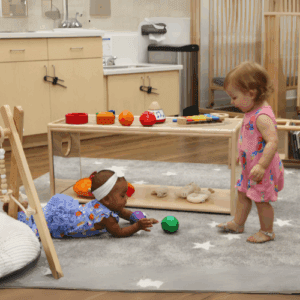
If your toddler started daycare and now seems to catch every cold and stomach bug, you’re not alone. That first year can feel like they’re siempre enfermo (always sick). It’s a tough phase, but here’s the good news: their immune system is getting a masterclass. So, does daycare build immune system strength? Yes! Every bug is a training session for the future. And you can be their best training partner. This guide shares simple, actionable tips on how to boost your toddler’s immune system for daycare, focusing on powerful habits you can build together at home.
That said, you do not have to sit back and watch helplessly. There are proven, practical steps you can take to support your toddler’s immune system and reduce the frequency and severity of daycare illnesses. This guide covers what actually works, backed by pediatric research and the experience of early childhood educators who see hundreds of families navigate this exact challenge.
Why Your Toddler Gets Sick So Often at Daycare
Before diving into solutions, it helps to understand why daycare and illness seem to go hand in hand. Children in group care settings are exposed to more germs earlier than children cared for at home. According to pediatric research, the average toddler in daycare catches 8 to 12 colds per year, compared to 6 to 8 for children not in group care.
This happens for several reasons:
- Developing immune systems. Your toddler’s immune system is still learning to recognize and fight off pathogens. Each new virus is a first encounter.
- Close contact. Young children share toys, touch each other’s faces, and put everything in their mouths. Germs spread easily in these environments.
- Incomplete hygiene skills. Toddlers are still learning to wash hands properly, cover coughs, and keep fingers out of their noses.
- Seasonal peaks. Cold and flu seasons (fall through early spring) create waves of illness that move through daycare classrooms.
The silver lining? Studies show that children who attend daycare early tend to get sick less often during elementary school. They build immunity earlier, which means fewer missed school days down the road.
Understanding Your Toddler’s Developing Immune System
To understand why your toddler seems to catch everything, it helps to know a little about how their immune system works. It’s a sophisticated system that’s learning and growing right alongside them.
Innate vs. Adaptive Immunity
Your toddler is born with an innate immune system, which acts as a general, first-line defense against germs. Think of it as the body’s initial security guard. However, the real powerhouse is the adaptive immune system, which is built over time. This system learns to recognize and remember specific viruses and bacteria. Every time your child gets sick, their adaptive immune system creates antibodies to fight that specific germ. This is why experts at leading children’s hospitals explain that when kids get sick, their immune system gets stronger by learning how to fight. It’s an active, on-the-job training process that prepares them for a healthier future.
The Toddler “Immunity Gap”
For the first several months of life, babies are protected by antibodies passed from their mother. As this passive immunity fades, toddlers enter what is often called an “immunity gap.” Their own adaptive immune system is still under construction, making them more vulnerable to common viruses. This is why pediatricians note that toddlers can get 6 to 10 colds a year as their bodies learn to defend themselves. It’s a completely normal phase of development. At Strong Start, we understand this reality and maintain rigorous health and safety protocols, including frequent handwashing and sanitizing, to minimize exposure while still allowing children to build the immunity they need.
What to Expect: The Daycare Illness Timeline
It’s helpful to have a realistic picture of what the first year in group care looks like. Most children will get between 8 and 12 colds or other viral illnesses during their first year in daycare. This can feel like a constant cycle, especially during the fall and winter months when germs are more prevalent. Some studies even suggest it can be as frequent as one illness per month. The first three to six months are often the most intense as your child’s immune system adjusts to the new environment. While it can be challenging for families, remember that this period of frequent illness is temporary. It’s a sign that your child’s body is building a strong defense system that will serve them well in elementary school and beyond.
8 Simple Ways to Support Your Toddler’s Immune System
1. Focus on Nutrient-Rich Foods
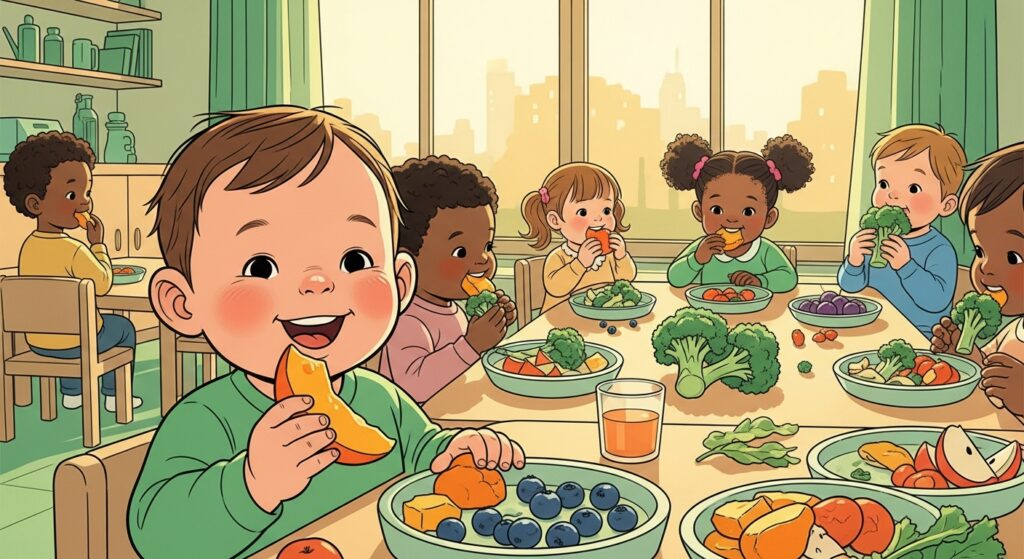
Nutrition is the foundation of a strong immune system. Focus on whole, minimally processed foods that deliver the vitamins and minerals your toddler needs to fight off infections:
- Vitamin C: Oranges, strawberries, bell peppers, broccoli, and kiwi. Vitamin C supports the production of white blood cells that fight infection.
- Vitamin D: Fortified milk, eggs, and safe sun exposure. Many toddlers are deficient in vitamin D, which plays a critical role in immune function.
- Zinc: Lean meats, beans, whole grains, and pumpkin seeds. Zinc helps the body produce immune cells and has been shown to reduce the duration of colds.
- Iron: Red meat, spinach, lentils, and fortified cereals. Iron deficiency weakens immune response.
- Healthy fats: Avocados, olive oil, nut butters, and fatty fish like salmon. Omega-3 fatty acids reduce inflammation and support immune cell function.
You do not need to buy special “immune-boosting” products. A varied diet with plenty of fruits, vegetables, protein, and whole grains provides everything your toddler needs. At Strong Start, nutritious meals and snacks are part of every child’s daily routine.
The Power of Oats and Beta-Glucans
A simple bowl of oatmeal can be a powerful tool for your toddler’s health. Oats contain special fibers called beta-glucans that help make white blood cells—the body’s germ fighters—more active and effective. Beyond their immune-supporting role, oats are also a great source of B vitamins and fiber, which are essential for energy and healthy digestion. You can easily add oats to your child’s diet by serving warm oatmeal with fruit, blending them into smoothies, or using oat flour in pancakes and muffins. It’s a comforting and inexpensive way to give their immune system a little extra support.
Pairing Vitamin A with Healthy Fats
Brightly colored vegetables like carrots, sweet potatoes, and butternut squash are packed with beta-carotene, which the body converts into Vitamin A. This essential vitamin helps maintain the protective lining of the nose, throat, and gut, creating a strong barrier against invading viruses. To get the most out of these veggies, it’s important to serve them with a healthy fat like olive oil, avocado, or a sprinkle of cheese. The fat is necessary for the body to properly absorb Vitamin A. Try serving roasted sweet potato sticks drizzled with olive oil or carrot sticks with a side of guacamole.
A Note on Food Safety and Choking Hazards
As you introduce these healthy foods, always prioritize safety. Toddlers are still learning to chew and swallow effectively, making certain foods a choking risk. It is critical to prepare food in a way that is safe for their small airways. Always cut round foods like grapes and cherry tomatoes lengthwise into quarters. Hard, crunchy foods can also be dangerous, so avoid giving popcorn or whole nuts to any child under the age of four. Being mindful of these simple preparation steps is a key part of our commitment to health and safety and ensures mealtimes are both nutritious and secure.
2. Prioritize Quality Sleep
Sleep is when your toddler’s body does its most important repair and immune-building work. During deep sleep, the body produces cytokines, proteins that help fight infection and inflammation. Sleep-deprived children get sick more often and take longer to recover.
Toddlers aged 1 to 3 need 11 to 14 hours of total sleep per day, including naps. To protect their sleep:
- Maintain a consistent bedtime and wake time, even on weekends.
- Create a calming bedtime routine: bath, books, songs, and lights out.
- Keep the sleep environment cool, dark, and quiet.
- Limit screen time in the hour before bed.
3. Make Handwashing a Fun Habit
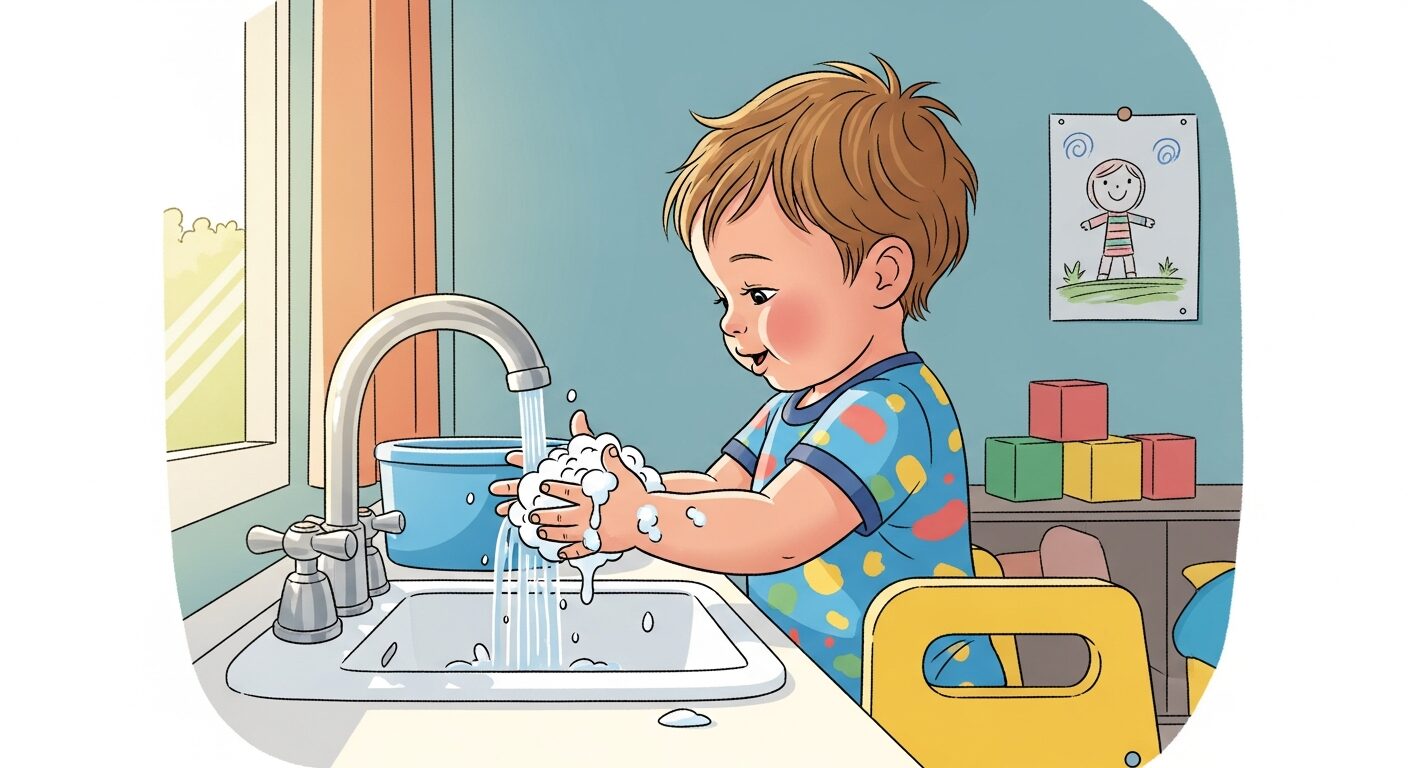
Handwashing is the single most effective way to prevent the spread of illness. Teach your toddler to wash hands with soap and water for at least 20 seconds (the length of singing “Happy Birthday” twice) at these key moments:
- Before eating or touching food
- After using the bathroom or having a diaper change
- After playing outside
- After coughing, sneezing, or blowing their nose
- When arriving home from daycare
Make it fun by using colorful soaps, singing songs, and washing together. At quality daycare programs, frequent handwashing is built into the daily schedule. Our teachers at Strong Start model and reinforce good hygiene habits throughout the day.
Change Clothes After Daycare
Think of this as creating a clean break between daycare and home. Viruses can linger on clothing for several hours, so making a quick change part of your arrival routine can significantly reduce the number of germs that enter your living space. Set up a designated spot near the door for daycare clothes and immediately toss them in the hamper. Follow it up with thorough handwashing for both of you. This simple habit creates a buffer zone, helping to keep your home a healthier environment and minimizing the chances of an illness spreading to the whole family.
Teach “Hands Off the Face”
This is one of the hardest habits for a toddler to learn, but it’s also one of the most important. Germs often enter the body when little hands touch a contaminated surface and then go straight to the eyes, nose, or mouth. Instead of just saying “don’t,” try gentle, positive reminders like, “Let’s keep our hands down so the germs can’t get in.” You can also use playful language or make it a game. Reinforcing this at home supports the hygiene lessons your child learns at school and is a key way to prevent the spread of germs.
Clean High-Touch Surfaces
Give extra attention to the surfaces your family touches most often. This includes doorknobs, light switches, remote controls, tablets, and countertops. Wiping these down daily with a household cleaner can make a big difference. For the best results, it’s recommended to clean the surface with soap and water first to remove dirt, then apply a disinfectant to kill any remaining germs. This two-step process is a cornerstone of the health and safety protocols in our classrooms, and it’s just as effective at home.
Don’t Share Personal Items
Toddlers are naturally communal, but teaching them not to share certain items is crucial for health. Focus on things that go in or near the mouth, like cups, utensils, and toothbrushes. Gently explain that everyone gets their own to keep germs from spreading. While this is harder to manage during playdates, you can set a good example by not sharing food and drinks yourself. Labeling your child’s water bottle and lunch containers for daycare also helps prevent accidental mix-ups and keeps personal items from being shared.
Protect the Skin as a Barrier
Healthy, intact skin is one of your child’s best natural defenses against germs. According to experts at Lurie Children’s, skin acts as a key barrier, and keeping it in good condition is a simple way to support overall health. You can protect this barrier by applying a gentle, fragrance-free lotion after bath time to prevent dryness and cracks. Also, ensure your toddler stays hydrated by drinking plenty of water throughout the day and protect their skin from the sun with sunscreen when playing outside. These small steps help maintain a strong first line of defense.
4. Get Outside and Play Every Day
Physical activity and fresh air do more for your toddler’s immune system than you might think. Regular exercise improves circulation, helping immune cells move through the body more efficiently. Outdoor play also provides natural vitamin D from sunlight and reduces the concentration of airborne germs compared to indoor environments.
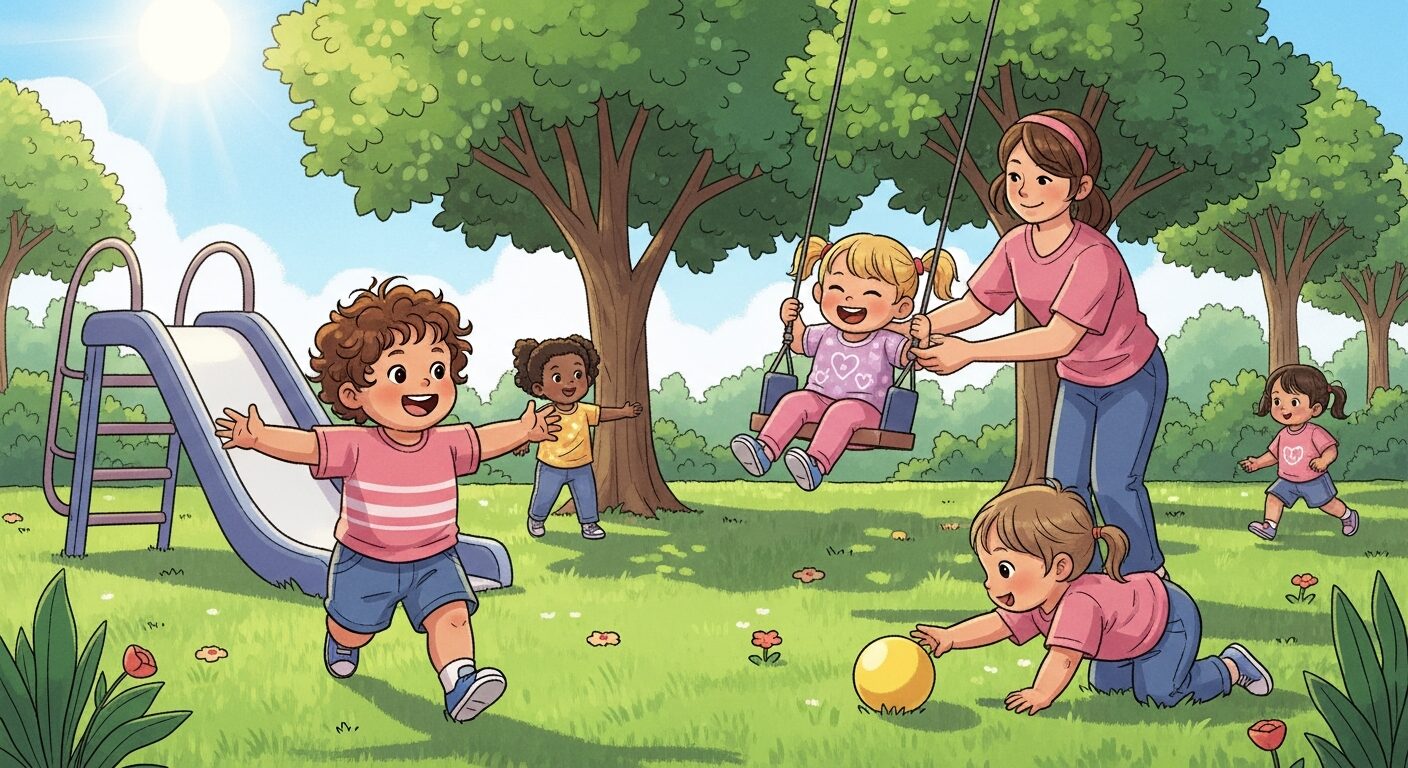
Aim for at least 60 minutes of active play per day. This does not need to be structured exercise. Running, climbing, digging in the dirt, jumping in puddles, and chasing siblings all count. Even in cooler weather, bundling up for outdoor time is better for immune health than staying inside all day.
5. Nurture Their Gut Health
Approximately 70% of the immune system lives in the gut. A healthy balance of gut bacteria is essential for strong immunity. Support your toddler’s gut health by:
- Including probiotic-rich foods: Yogurt, kefir, and fermented foods introduce beneficial bacteria to the gut.
- Offering prebiotic foods: Bananas, oats, garlic, onions, and asparagus feed the good bacteria already in the gut.
- Limiting unnecessary antibiotics: Antibiotics kill both harmful and beneficial bacteria. Only use them when prescribed by your pediatrician for confirmed bacterial infections, not for viral colds.
- Reducing processed sugars: Excess sugar can suppress immune function and disrupt the gut microbiome.
6. Stay Up-to-Date on Vaccinations
Vaccines are one of the most powerful tools for protecting your toddler from serious illness. They train the immune system to recognize and fight specific diseases without causing the disease itself. Make sure your child is up to date on all recommended vaccinations, including the annual flu shot.
Talk to your pediatrician about the recommended schedule and any concerns you may have. Keeping vaccinations current protects not only your child but also the other children in their toddler classroom.
7. Prioritize Calm and Connection
Stress weakens the immune system in children just as it does in adults. Toddlers who feel safe, loved, and emotionally secure have stronger immune responses. You can support your child’s emotional well-being by:
- Maintaining predictable daily routines
- Providing plenty of physical affection (hugs, cuddles, lap time)
- Helping them name and process emotions
- Ensuring smooth daycare drop-offs with consistent goodbye routines
- Limiting overscheduling and ensuring enough downtime
At Strong Start, we prioritize social-emotional learning because we know that children who feel emotionally supported are healthier, happier, and more resilient.
Managing Separation Anxiety
It is completely normal for your toddler to cry or cling during drop-offs. This is a huge transition, and their tears are a sign of their healthy attachment to you. The most effective way to manage this is with a quick, confident, and consistent goodbye routine. A special hug, a high-five, and a cheerful “I’ll be back after your nap!” can create a predictable ritual that helps them feel secure. Lingering can make the separation harder. A calm and loving goodbye reduces stress for both of you, which is a win for their immune system. Our teachers are experts at helping children through this moment and will partner with you to ensure smooth daycare drop-offs.
Understanding After-Daycare Meltdowns
If your sweet toddler transforms into a puddle of tears the moment you get home, you are not alone. This is often called “after-school restraint collapse.” They have spent the entire day following directions, sharing toys, and managing their impulses in a busy environment. When they get back to their safe space with their favorite person—you—they finally feel comfortable enough to release all their pent-up emotions. Instead of peppering them with questions, try offering a snack and a quiet cuddle on the couch. This focus on naming and processing emotions gives them the tools to understand their feelings and helps lower stress, supporting their overall well-being.
8. Know When to Keep Your Child Home
One of the most important things daycare parents can do for the entire classroom is keep a sick child home when they are contagious. This protects other children and gives your child the rest they need to recover faster. Keep your child home if they have:
- A fever of 100.4°F (38°C) or higher
- Vomiting or diarrhea in the last 24 hours
- A rash that has not been evaluated by a doctor
- Eye discharge (possible pink eye)
- A persistent cough that disrupts activities or sleep
Most daycare programs have specific illness policies. Strong Start works closely with families to communicate illness guidelines and support parents in making the best decisions for their child and their classmates.
Create a Healthy Home Environment
While you can’t control every germ your toddler encounters at daycare, you have complete control over their environment at home. Creating a healthy, clean, and calm space gives their immune system a supportive home base where it can rest and recharge. This goes beyond just wiping down counters; it involves thinking about the air they breathe, the products you use, and the overall sense of peace in your home. These consistent efforts can make a big difference in their overall resilience, complementing the comprehensive health and safety practices we maintain in our classrooms to keep every child protected.
Protect Little Lungs from Smoke and Vapors
A toddler’s lungs are still developing, making them especially vulnerable to airborne irritants. Ensuring your home is a smoke-free zone is one of the most critical steps you can take for their respiratory health. Regular exposure to secondhand smoke, including vapor from e-cigarettes, significantly increases a child’s risk of infections like bronchitis and pneumonia and can trigger asthma. Beyond smoke, consider the general air quality inside. Simple habits like opening windows daily can help clear out pollutants. Be mindful of harsh cleaning products and strong air fresheners, which release chemicals that can irritate little airways. Opting for natural cleaners helps create a home where your child can breathe easy.
What Your Daycare Should Do to Keep Kids Healthy
While no daycare can eliminate illness entirely, high-quality programs take proactive steps to minimize the spread of germs:
- Frequent handwashing protocols for children and staff throughout the day
- Regular sanitization of toys, surfaces, and high-touch areas
- Proper ventilation and air quality management in classrooms
- Sick child policies that require children with contagious symptoms to stay home
- Nutritious meals prepared with immune-supporting ingredients
- Daily outdoor play in all seasons
- Staff training on health and hygiene best practices
When you are choosing a daycare, ask about their illness policies, cleaning routines, and how they handle outbreaks. These practices make a real difference in how often your child gets sick.
When to Call Your Pediatrician
While frequent colds are normal for toddlers in daycare, some situations warrant medical attention:
- A fever lasting more than 3 days or exceeding 104°F (40°C)
- Difficulty breathing, wheezing, or persistent cough
- Refusing to drink fluids or showing signs of dehydration
- Ear pain or drainage from the ear
- Symptoms that worsen rather than improve after a few days
- More than 12 infections per year, recurrent pneumonia, or unusual infections (which could indicate an underlying immune issue)
Trust your instincts. You know your child best. If something feels off, calling your pediatrician is always the right decision.
Frequently Asked Questions
How Often Do Toddlers in Daycare Normally Get Sick?
Toddlers in daycare typically get 8 to 12 colds per year, plus occasional stomach bugs and ear infections. This is completely normal and is actually how their immune system builds strength for the future.
Are Vitamin Supplements Necessary for Toddler Immunity?
Most healthy toddlers who eat a varied diet do not need supplements. However, vitamin D is commonly recommended since many children do not get enough from food and sunlight alone. Talk to your pediatrician before starting any supplement.
Does Keeping a Toddler Home from Daycare Reduce Sickness?
Children not in group care may get sick less in the toddler years, but research shows they often catch up when they start school. Children who attended daycare early tend to have fewer illnesses in elementary school because their immune systems had more early exposure.
Is My Toddler Sick Too Often? How to Tell
If your child has more than 12 infections per year, recurrent episodes of pneumonia, frequent ear infections requiring tubes, or infections that do not respond to standard treatment, talk to your pediatrician. These could indicate an underlying immune system issue that needs evaluation.
Hand Sanitizer vs. Handwashing: What’s Best for Toddlers?
Soap and water are always the best choice, especially when hands are visibly dirty. Hand sanitizer with at least 60% alcohol can be a backup when soap and water are not available, but it does not kill all types of germs and can be drying for little hands.
Understanding When Medication Is Needed
It can be difficult to know when a runny nose is just a runny nose or a sign of something more. While most daycare illnesses are minor and resolve on their own, it is important to know when to seek medical advice. Trust your parental instincts and call your pediatrician if your child shows any of the following signs: a fever that lasts more than three days or goes above 104°F, any difficulty breathing or wheezing, or signs of dehydration like refusing to drink fluids. You should also seek care for persistent ear pain, symptoms that get worse instead of better after a few days, or an unusual number of infections, which could signal an underlying issue.
Why Antibiotics Don’t Work on Viruses
When your child is sick, it is natural to want a quick fix. However, it is crucial to understand that antibiotics are not a cure-all. These powerful medicines are designed to fight bacterial infections, like strep throat or some ear infections. They have no effect on viruses, which are the cause of the common cold, the flu, and most coughs. Using antibiotics unnecessarily can lead to side effects and contribute to antibiotic resistance, a serious public health issue. Always follow your doctor’s guidance and only use antibiotics when they are prescribed for a confirmed bacterial infection, making sure to finish the entire course as directed.
Considerations for Children with Chronic Conditions
For toddlers with chronic health conditions such as asthma or diabetes, common illnesses can pose a greater risk. These children may experience more severe symptoms or complications from viruses like the flu. Because of this, preventative care is especially important. The annual flu vaccine is a critical layer of protection that can significantly reduce the severity of illness. It is also essential to have a clear illness management plan developed with your pediatrician. Communicating this plan with your child’s caregivers ensures everyone is prepared to provide the best possible care. At Strong Start, we are committed to partnering with parents to support every child’s unique health needs.
A Strong Immune System Takes Time
Those first months of daycare illness can feel overwhelming. You may wonder if it will ever end. It does. Most families report a significant decrease in illness frequency after the first 6 to 12 months of daycare attendance. Your child’s immune system is learning, adapting, and getting stronger with every cold they fight off.
In the meantime, focus on what you can control: good nutrition, consistent sleep, regular handwashing, and a supportive emotional environment. These simple daily habits are far more powerful than any supplement or product marketed as an “immune booster.”
If you are looking for a daycare program that takes children’s health seriously with proper hygiene practices, nutritious meals, daily outdoor play, and a nurturing emotional environment, we would love to show you what Strong Start looks like in action.
Key Takeaways
- Daycare sickness is normal and productive: Expect 8 to 12 colds in the first year as your toddler’s immune system builds a strong defense, which often leads to fewer sick days in elementary school.
- Prioritize sleep, nutrition, and play: Support their developing immune system with the basics: a consistent 11 to 14 hours of sleep, a diet rich in whole foods, and daily outdoor activity to keep them resilient.
- Create a healthy home buffer zone: Minimize germ spread by making handwashing a fun, frequent habit, changing clothes right after daycare, and knowing when to keep your child home to rest and recover.
Related Articles
- How to Boost Your Toddler’s Immune System for Daycare: 8 Proven Strategies
- 9 Big Benefits of Daycare for Your Toddler
- How Daycare Supports Different Developmental Stages
Written By
Marc Hoffman
Founder, Strong Start Early Care & Education
Marc founded Strong Start in 2014, inspired by his studies at Williams College, Yeshiva University, and research at Yale University. His child-centered, inquiry-based approach to early education has helped hundreds of families in the Trumbull and Bridgeport communities. As a parent himself, Marc understands the importance of finding a nurturing environment where every child can learn, grow, and flourish.