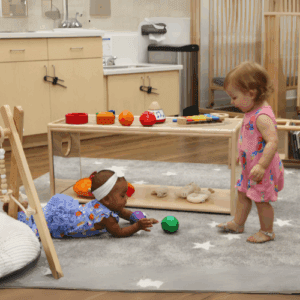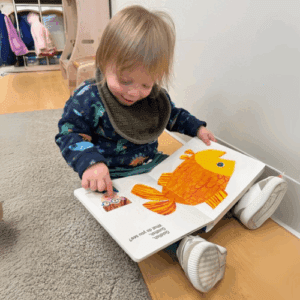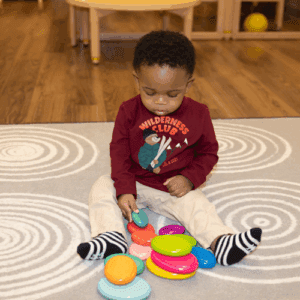
What does it mean for a child to be “ready” for kindergarten? It’s not about memorizing facts. It’s about having the social and emotional skills to thrive—like following directions, working with others, and managing big feelings with growing independence. The best academic preschools for kindergarten prep understand this deeply. They build these essential life skills into a curriculum that feels like play, where learning is driven by a child’s own curiosity. This is the core of the best preschool programs for school readiness preparation, creating confident, resilient learners who are more than ready for their first day.
Key Takeaways
- Look beyond academics for kindergarten readiness: True preparation for kindergarten involves nurturing social skills, emotional resilience, and independence. A quality program achieves this through a play-based, child-led curriculum that makes learning feel like discovery.
- A school’s philosophy shapes everything: When choosing a preschool, look for a clear educational philosophy that values your child’s curiosity. This approach influences everything from the curriculum and teacher interactions to the emphasis on parent partnerships.
- Make an informed choice that feels right: Your research should go beyond websites and reviews. Use school tours to ask direct questions, observe the classroom atmosphere, and ultimately choose a program that aligns with your family’s values and your child’s unique personality.
How Private Preschool Gives Your Child a Head Start for Kindergarten
Preschool is that special time when your child transitions from a toddler into a curious, capable learner, ready to take on the world. It’s so much more than just a place for them to play while you work; it’s the first step in their formal education journey. A high-quality private preschool program is designed to thoughtfully prepare your child for the academic, social, and emotional landscape of kindergarten. It’s about building a love for learning that will last a lifetime, not just checking off a list of skills. This preparation is a gentle, joyful process that honors their developmental stage.
By focusing on the whole child, preschools help little ones develop the confidence they need to walk into their kindergarten classroom feeling prepared and excited for what’s next. They learn how to ask questions, work with others, and manage their own needs in a supportive environment. This holistic approach ensures that children are not only ready for the academic challenges of kindergarten but are also equipped with the social grace and emotional resilience to thrive in a new school setting. From learning to write their name to learning how to make a new friend, every experience is a building block for future success. It’s about giving them a truly strong start.
More Than Just ABCs: Building a Strong Academic Start
A great preschool doesn’t just drill letters and numbers. Instead, it weaves foundational academic skills into everything your child does. Learning happens naturally when children explore topics they’re genuinely curious about. Through a Project Approach, they might count leaves they’ve collected outside, sort colorful blocks to build a tower, or listen to stories that introduce new words and ideas. This hands-on, inquiry-based learning makes concepts like letter recognition, basic math, and problem-solving feel like an exciting game. It builds a solid foundation for the reading, writing, and critical thinking skills they’ll need in kindergarten, all while nurturing their natural curiosity.
Growing Confidence and Emotional Intelligence
Kindergarten is a big social step, and preschool is the perfect place to practice. In a supportive classroom, children learn how to be a good friend and a member of a community. They figure out how to share toys, take turns in a game, and use their words to express big feelings. Our exceptional educators guide them through these moments, helping them understand empathy and solve small conflicts on their own. This daily practice in a safe, caring environment helps children build the confidence and emotional intelligence they need to form positive relationships and feel comfortable in a larger school setting.
Encouraging Independence and Motor Skills
A key part of getting ready for kindergarten is learning to be more independent. Preschool helps children master important self-help skills that build confidence and a sense of responsibility. Simple routines, like hanging up their own coat, washing their hands before snack time, and cleaning up their art supplies, teach them to follow multi-step directions and take care of their belongings. They also get plenty of opportunities to strengthen their physical skills. Activities like drawing, cutting with scissors, and building with small blocks develop the fine motor control needed for writing, while our enrichment programs ensure they get to run, jump, and play to develop gross motor skills.
Unique Features That Support Learning and Transitions
Beyond the core curriculum, many top-tier preschools offer unique features designed to create a seamless and supportive learning experience. These thoughtful additions help children build confidence not just within the classroom walls, but also as they prepare for the major milestone of entering kindergarten. Two such features are the use of mixed-age groups and specialized summer programs. These elements foster a strong sense of community and provide a gentle runway for the transitions ahead, ensuring children feel secure and excited about their growth.
Mixed-Age Group Benefits
Some of the most nurturing learning environments feel less like a formal classroom and more like a family. This is often achieved through mixed-age groupings, where older preschoolers have the chance to become leaders and mentors. When a four-year-old helps a younger peer with a puzzle or reads them a story, they are reinforcing their own knowledge while building empathy and a sense of responsibility. For the younger children, having older role models to look up to is incredibly inspiring. This dynamic creates a beautiful, collaborative atmosphere where every child is both a teacher and a learner, which is a core part of our philosophy in our Bridge classrooms and throughout our school.
Summer Bridge Programs
The leap from preschool to kindergarten is one of the biggest transitions in a young child’s life. To make this step feel less like a jump and more like a confident stride, some programs offer summer bridge programs specifically for graduating pre-K students. These sessions are designed to ease the transition by blending familiar preschool fun with activities that prepare them for an elementary school setting. Children get to practice new routines and experience a more structured day alongside their friends, which helps build excitement and calm any first-day jitters. It’s a wonderful way to ensure they walk into their new kindergarten classroom feeling capable and ready for the adventure ahead.
Private or Public Preschool: Which is Right for Your Family?
When you start looking at preschools, one of the first questions you’ll face is whether to choose a private or public program. While both can provide valuable learning experiences, they offer different environments, and understanding these distinctions can help you find the best fit for your child and family. The choice often comes down to key differences in class size, curriculum flexibility, and the level of parent involvement.
Public preschools are typically funded by the state and are often part of the local school district. They usually follow a standardized curriculum and may have larger class sizes. Private preschools, on the other hand, are independently funded and have more freedom to shape their own educational philosophy and classroom environment. This often translates into a more tailored experience that can be customized to the needs and interests of the children in each class. Exploring these differences will help you clarify what you value most in an early learning setting for your child.
Understanding Public Preschool Options
Publicly funded preschools are a popular option for many families, offering a path to early education that is often free or available at a reduced cost. These programs are typically run through local school districts or city governments and are designed to make preschool accessible to the community. While they can be a fantastic resource, they often come with specific eligibility requirements or enrollment processes that are important to understand. The two most common types you’ll encounter are government-funded programs like Head Start and city-run programs that use a lottery system for admission, each with its own structure and goals.
Government-Funded Programs (e.g., Head Start)
Government-funded programs like Head Start are designed to promote school readiness for children from low-income families. These programs are comprehensive, meaning they look at the whole child and family. Beyond the classroom, they often provide health, nutrition, and social services to support a child’s overall well-being. The curriculum is focused on preparing children for kindergarten, and classes are typically located within public elementary schools. Because these programs are funded by the government, they are free for families who meet the specific income and eligibility requirements, making them a vital resource in many communities.
Lottery-Based City Programs
Many cities offer their own high-quality preschool programs, often called “Pre-K for All” or a similar name. These programs are known for their strong focus on kindergarten readiness, but getting a spot can be highly competitive. Enrollment is typically managed through a lottery system, meaning you submit an application and hope your child’s name is drawn. Priority is often given to children who will be four years old by the start of the school year, as the main goal is to prepare them for kindergarten. While these programs are an excellent, low-cost option, the lottery system means enrollment is never guaranteed.
Why Smaller Class Sizes Matter
One of the most significant advantages of private preschools is smaller class sizes. With fewer children in the room, teachers can give more personal attention to each one. This means they have more opportunities to get to know your child’s unique personality, learning style, and interests. When a teacher can offer one-on-one guidance, they can gently challenge a child who’s ready for more and provide extra support to a child who needs it. This kind of individualized attention helps children feel seen and understood, building their confidence as they learn and explore in our preschool classrooms.
A Curriculum That Adapts to Your Child
Private preschools aren’t required to follow a state-mandated curriculum, which gives them the freedom to adopt specialized educational approaches. Instead of a one-size-fits-all plan, the curriculum can be dynamic and responsive to the children themselves. At Strong Start, our curriculum is built on a Reggio Emilia inspiration, where learning is driven by children’s natural curiosity. We use The Project Approach to allow children to do deep, meaningful investigations into topics that fascinate them. This flexibility makes learning more engaging and helps children develop a genuine love for discovery.
A Team Approach to Your Child’s Education
Private preschools often place a strong emphasis on building a close-knit community where parents are seen as essential partners in their child’s education. Because these programs value open communication, you can expect more than just a yearly conference. Quality programs actively encourage your involvement through regular updates, collaborative activities, and an open-door policy. This commitment to partnering with parents creates a supportive network for your entire family. When teachers and parents work together as a team, it creates a consistent and nurturing environment that helps your child thrive both at school and at home.
A Detailed Checklist for Kindergarten Readiness
So, what does it really mean for a child to be “ready” for kindergarten? It’s less about having a specific set of facts memorized and more about having a well-rounded set of skills to confidently step into a new learning environment. A great preschool program nurtures these abilities through play, exploration, and gentle guidance, making preparation feel like an adventure. This checklist breaks down the key developmental areas that teachers look for. Think of it not as a test to pass, but as a guide to understand the foundational skills that help your child feel capable and excited for the big transition to kindergarten.
Literacy Skills
Early literacy is about building a joyful relationship with language, stories, and self-expression. It’s not about expecting your child to read on day one, but about giving them the tools to understand how letters, sounds, and words work together. This foundation is built through daily experiences like listening to read-alouds, singing songs, and talking about their day. In a rich learning environment, children are surrounded by print and encouraged to see themselves as readers and writers long before they can form perfect letters. These early experiences spark the curiosity that fuels a lifelong love of reading and communication.
Letter and Sound Recognition
By the time they enter kindergarten, most children can recognize the majority of the letters in the alphabet, especially the ones in their own name. More importantly, they are beginning to connect those letters to the sounds they make. This skill doesn’t come from flashcards; it develops naturally when learning is fun and meaningful. When children explore topics they are passionate about, they might notice the “S” in “snake” during a nature project or the “B” on a block they’re using to build a tower. This playful, context-rich approach makes learning letters and sounds feel like a discovery, not a chore.
Early Writing and Rhyming
Early writing starts long before perfect penmanship. It looks like scribbling with intention, drawing pictures to tell a story, and attempting to write their name or other familiar words. At the same time, developing an ear for language through rhyming games and songs is crucial. This playful practice builds phonological awareness, which is the ability to hear and play with the smaller sounds in words. These hands-on experiences create a solid foundation for the more formal reading and writing instruction they will receive in kindergarten, helping them feel confident in their ability to communicate their ideas on paper.
Math and Logic Skills
Math readiness isn’t about complex equations; it’s about seeing the world through a mathematical lens. It’s about recognizing patterns, sorting objects, and understanding the basic concepts of numbers and shapes. These skills are the building blocks for logical thinking and problem-solving. A quality preschool program integrates these concepts into everyday activities, helping children develop their mathematical thinking in a hands-on, practical way. Whether they’re counting snacks or building a structure, they are learning to think like mathematicians without even realizing it.
Number and Shape Identification
A child ready for kindergarten can typically recognize numbers up to 10 and identify common shapes like circles, squares, and triangles. This learning happens best through tangible experiences. They might identify the circular shape of their plate at snack time or count the four sides of a square block while building. This approach connects abstract concepts to the world around them, making them easier to understand and remember. By embedding number and shape recognition into daily play and routines, children build a strong and intuitive understanding of these core mathematical ideas.
Counting and One-to-One Correspondence
Being able to count to 10 or 20 is a great start, but what’s even more important is understanding one-to-one correspondence. This means a child can point to each object in a group and say one number for each item. It’s the skill that gives counting its meaning. This foundational concept is practiced constantly in a preschool classroom—counting how many friends are here today, passing out one napkin to each child, or lining up toy cars and counting them one by one. These simple, repeated actions solidify a child’s understanding of quantity and set the stage for all future math learning.
Language and Communication
Strong communication skills are at the heart of a successful kindergarten experience. This includes both being able to express their own thoughts and needs clearly and being able to listen and understand others. The classroom is a busy social environment, and children who can communicate effectively are better equipped to make friends, participate in group activities, and ask for help when they need it. Preschool provides a safe and supportive space for children to practice these skills every single day, building their confidence as speakers and listeners.
Speaking in Sentences
By the start of kindergarten, children should be able to speak in complete sentences of about four to six words. This allows them to share their experiences, ask questions, and participate in classroom conversations. They should be able to tell you about something that happened at home or describe what they built with blocks. The goal is clear communication, not perfect grammar. Activities like circle time, show-and-tell, and simply having rich conversations with their teachers and peers help children practice organizing their thoughts and expressing them clearly.
Following Multi-Step Directions
The kindergarten classroom is a place of routines and transitions, and a child’s ability to follow simple, multi-step directions is key to their independence. This could be a two-step instruction like, “Please put your drawing in your cubby and then wash your hands for snack.” This skill is built over time through consistent daily routines. Simple, predictable sequences throughout your child’s day, such as hanging up their coat and putting away their lunchbox upon arrival, teach them to listen carefully and complete tasks in order. This builds their confidence and helps the entire classroom run smoothly.
Physical and Motor Skills
Physical development is a crucial part of school readiness, encompassing both the large-muscle movements of running and jumping and the small-muscle control needed for writing and drawing. A child’s ability to control their body affects everything from how they play at recess to how they participate in classroom art projects. Preschool provides countless opportunities for children to develop and refine these skills in a fun, active, and safe environment, ensuring they are physically prepared for the demands of a full day at school.
Fine Motor Skills (Pencil Grip, Scissors)
Fine motor skills involve the small muscles in the hands and fingers, and they are essential for tasks like writing, drawing, and getting dressed. A child heading to kindergarten should be developing a proper pencil grip and have some experience using child-safe scissors. These skills are strengthened through activities like playing with dough, stringing beads, drawing, and building with small blocks. Our enrichment programs provide many opportunities for children to practice these skills, building the dexterity and hand-eye coordination they’ll need for classroom work.
Gross Motor Skills (Running, Jumping)
Gross motor skills use the large muscles in the body for actions like running, jumping, hopping, and climbing. These skills are not just for the playground; they are vital for a child’s overall physical health, coordination, and body awareness. Having well-developed gross motor skills helps children feel confident during recess and physical education, allowing them to fully participate in group games. Providing plenty of time and space for active play ensures children can burn off energy and develop the strength and balance needed for a busy school day.
Social and Personal Skills
Perhaps the most critical area of kindergarten readiness is social and emotional development. This is about a child’s ability to understand their own feelings, get along with others, and adapt to a group setting. A child who feels secure and knows how to navigate social situations is a child who is ready to learn. In a nurturing preschool environment, children learn how to be part of a community, solve problems with friends, and see themselves as capable individuals.
Knowing Personal Information
For safety and a growing sense of self, a child entering kindergarten should know their full name. It’s also helpful if they know their parents’ names. This basic personal information is a sign of their developing self-awareness. In a classroom setting, being able to identify themselves clearly helps them feel a sense of belonging and independence. Teachers gently reinforce this by using their names frequently and encouraging them to label their own artwork and belongings, helping them build a strong sense of identity.
Interacting with Peers
Kindergarten is a highly social environment, and the ability to interact positively with peers is essential. This means learning to share materials, take turns in games, and play cooperatively with others. It also involves learning to use words to express feelings and resolve simple conflicts. Our exceptional educators guide children through these social learning moments, helping them develop empathy and friendship skills. This daily practice in a supportive setting prepares them to build positive relationships and thrive as part of a classroom community.
What Makes a Great Preschool Curriculum?
When you peek into a preschool classroom, you want to see more than just kids playing. A great curriculum is the intentional framework behind that play. It’s a thoughtful approach that blends learning with discovery, ensuring children are not just memorizing letters and numbers, but are truly understanding concepts and developing a love for learning. The best programs weave academic foundations into everyday activities, nurturing a child’s natural curiosity. Look for a curriculum that values hands-on exploration and child-led projects, as this is how young children build critical thinking skills and confidence. A balanced approach should cover key developmental areas, from literacy and math to science and the arts, all within a supportive and engaging environment.
Sparking a Lifelong Love of Reading
A strong foundation in language and literacy starts long before a child can read. Look for a classroom that is a language-rich environment, filled with books, labels, and opportunities for conversation. Early literacy skills are built through daily story times, singing songs, and teachers who actively engage children in meaningful back-and-forth discussions. It’s less about worksheets and more about creating context. By providing a wide choice of books, learning activities, and creative materials, a school gives children everything they need to thrive. This approach helps them develop vocabulary, listening skills, and an understanding of how stories work, all of which are essential for preparing for kindergarten.
Building Early Math and Logic Skills
In preschool, math is an adventure, not an equation. A high-quality curriculum introduces mathematical concepts through tangible, everyday experiences. Children learn to count by lining up toy cars, explore shapes by building with blocks, and understand measurement by helping with a baking project. These hands-on activities make abstract concepts concrete and fun. This type of learning builds a solid foundation for future success in math and reading. When you tour a school, look for opportunities for children to sort, classify, and recognize patterns. This focus on problem-solving helps children develop logical thinking skills that they will use for the rest of their lives.
Encouraging Natural Curiosity Through Science
A preschooler’s favorite word is often “why?” and a great curriculum embraces that curiosity. Science at this age is all about exploration and discovery. It’s about digging in the garden to see how plants grow, mixing colors to see what happens, and asking questions about the world. Look for a program that encourages children to observe, predict, and test their own theories. This is the heart of The Project Approach, where children take a deep dive into topics that interest them. This method fosters critical thinking and shows children that learning is an exciting process of finding answers for themselves, turning them into active, engaged learners.
Exploring Creativity with Art and Music
Art in preschool is so much more than a cute craft to hang on the fridge. It’s a vital outlet for communication and self-expression. Activities like painting, singing, dancing, and dramatic play are essential for developing creativity and imagination. A curriculum that values the arts provides children with a variety of open-ended materials, like clay, paint, and recycled objects, and allows them to create whatever they envision. This freedom helps children process their emotions, build fine motor skills, and develop confidence in their own ideas. Our enrichment programs are designed to give children these exact opportunities to explore and express themselves through creative outlets.
What Makes a Great Preschool Teacher?
When you picture your child’s first school experience, what comes to mind? It’s probably not the curriculum or the classroom decor, but the teacher. A great preschool teacher is the heart of the classroom. They are the ones who will comfort a scraped knee, celebrate the successful stacking of blocks, and gently guide your child through their first friendships. They are your partners in this incredible journey, and their influence can shape your child’s love of learning for years to come.
Finding a teacher who is not just qualified but also warm, patient, and genuinely passionate about early childhood education is one of the most important parts of choosing a preschool. While every teacher has a unique style, the best educators share a few key qualities. They possess the right credentials, a teaching philosophy that puts children first, and a deep commitment to their own professional growth. When you find a teacher with this combination of skill and heart, you know your child is in the best possible hands. At Strong Start, we believe in hiring and supporting exceptional educators who embody these very qualities.
What Qualifications Should a Preschool Teacher Have?
A teacher’s qualifications are the foundation of a high-quality preschool program. Look for educators with a degree in early childhood education or a related field. These programs provide teachers with a deep understanding of child development, learning theories, and effective classroom management strategies. Certifications also demonstrate a commitment to the profession and a specific level of expertise. Research has shown that children in classrooms with well-qualified teachers often have stronger math and reading skills later on. These credentials aren’t just pieces of paper; they represent the knowledge and training a teacher needs to create a rich, effective learning environment for your child.
Understanding Their Approach to Teaching
Beyond degrees and certifications, a great teacher has a philosophy that guides their every interaction. A nurturing approach is essential. This means creating a classroom that feels safe, respectful, and full of joy. A teacher with a nurturing philosophy sees each child as an individual with unique strengths and interests. They foster curiosity by providing a variety of books, hands-on activities, and creative materials. Our own teaching is inspired by the Reggio Emilia approach, which views children as capable and competent learners who help guide their own education. This child-led, discovery-based method ensures that learning is always meaningful and engaging.
Why Professional Development Matters
The world of early childhood education is always evolving as we learn more about how young children think and grow. The best teachers are lifelong learners who are dedicated to staying current with the latest research and teaching strategies. A commitment to ongoing training and professional development shows that a teacher is passionate about their work and invested in providing the best possible education for their students. This dedication is a key indicator of a high-quality program and is a core requirement for maintaining our NAEYC accreditation. When a teacher is excited about learning, they pass that enthusiasm directly on to your child.
Your Step-by-Step Guide to Finding the Right Preschool
Once you have a list of potential preschools, it’s time to dig a little deeper. Finding the right fit is about more than just location and cost; it’s about discovering a community where your child will feel safe, seen, and inspired to learn. This research phase is your chance to go beyond the brochure and get a true sense of each school’s environment and values. By taking a thoughtful and organized approach, you can confidently find a place that aligns with your family’s hopes for your child’s early education.
The Reality of Waitlists and High Demand
It can be a surprise to discover that many of the best preschools have waitlists, sometimes long ones. This isn’t a sign to panic; it’s a reflection of a community that values high-quality early education. When a school has a strong reputation, dedicated teachers, and a philosophy that resonates with families, the demand for limited spots naturally grows. This is why starting your search well in advance—often a year or more before you need care—is one of the most helpful things you can do. Understanding the typical enrollment timeline in your area gives you a significant advantage and allows you to explore your options thoughtfully, without the pressure of a last-minute decision.
Start Your Preschool Search Online
Your search will likely begin online, where you can gather a wealth of information from the comfort of your home. Start by exploring the websites of local preschools. Look for a clear explanation of their educational philosophy, as this will tell you a lot about their approach to learning. Do they follow a specific model, like a Reggio Emilia-inspired curriculum? Pay attention to descriptions of the daily schedule, enrichment programs, and the qualifications of their educators. A school’s website should give you a solid first impression of its professionalism, values, and what a typical day might look like for your child.
Read Reviews and Talk to Other Parents
While a school’s website provides its official story, reviews and referrals offer a glimpse into the real experiences of other families. Check online reviews on platforms like Google or local parenting groups to see what others are saying. Even more valuable are personal recommendations from friends, neighbors, or coworkers whose opinions you trust. You can also look for testimonials on the school’s website, which often highlight what current families appreciate most about the program. Reading about the experiences of what other families are saying can help you narrow down your list to the schools that truly stand out.
Schedule a Tour to See the School in Action
There is no substitute for seeing a preschool with your own eyes. Once you’ve identified your top choices, schedule a tour at each one. This is your opportunity to feel the energy of the school and observe the interactions between teachers and children. Are the children happy, engaged, and comfortable? Do the teachers seem warm, patient, and attentive? Look around the classrooms. Do you see children’s artwork proudly displayed? Are there signs of ongoing, hands-on activities that reflect a project-based approach to learning? A tour helps you determine if the environment feels like a place where your child would thrive.
Meet the People Who Will Care for Your Child
During your tour, make a point to speak with the school’s director and, if possible, the teachers. This is your chance to ask questions and see if their values align with yours. Come prepared with questions about their communication style, how they support different learning needs, and their approach to social-emotional development. A strong school will welcome your questions and be eager to discuss how they foster a strong partnership with parents. These conversations can reveal the passion and dedication of the staff and help you find a team you can trust to care for and educate your child.
Free Community Resources to Support School Readiness
While a high-quality preschool provides the core foundation for kindergarten readiness, learning doesn’t stop when your child leaves the classroom. Your community is full of free resources that can beautifully complement their school experience, turning everyday outings into opportunities for discovery. These local gems offer new environments for your child to practice social skills, explore their interests, and see that learning happens everywhere. By tapping into these resources, you can reinforce the concepts they’re exploring at school and show them how exciting the world can be. It’s a wonderful way to extend their education in a relaxed, fun, and budget-friendly way, all while spending quality time together as a family.
Leveraging Your Local Public Library
Your local library is one of the most powerful tools you have for supporting your child’s development. It’s a treasure trove of books and activities that build a strong foundation for literacy. Attending a free story time helps your child develop listening skills and learn new words in a fun, social setting, reinforcing the kind of language-rich environment we cultivate in our preschool classrooms. When your child becomes fascinated with a new topic, you can check out a stack of books to explore it together. This simple act supports the same kind of inquiry-based learning that we use in The Project Approach, showing your child that their questions are important and that they can find answers by exploring. It’s a simple routine that can spark a lifelong love of stories and learning.
3 Common Myths About Private Preschools, Busted
When you start exploring preschool options, you’ll likely come across a lot of opinions and assumptions about private programs. It’s easy to get caught up in stereotypes, but many of them just aren’t true. Let’s clear up a few common myths so you can approach your search with confidence and clarity. Understanding the reality behind these programs will help you focus on what truly matters: finding a nurturing and supportive environment for your child.
It’s More Than Just Academics
One of the biggest misconceptions is that private preschools are stuffy, high-pressure environments focused on flashcards and drills. The truth is that quality early childhood education looks a lot like play. While it might seem like just fun and games, activities like singing, building with blocks, and imaginative play are how young children build critical brain connections. A great program understands that play-based learning is the most effective way to teach. At Strong Start, our curriculum is inspired by the Reggio Emilia philosophy, which honors a child’s natural curiosity and creativity as the driving force behind their education.
Understanding the Cost and Value
Many families automatically assume private preschool is financially out of reach. While it is an investment, it’s often more accessible than you might think. Many schools are committed to working with families from various economic backgrounds and may offer different payment schedules or assistance programs. It’s always worth asking about the options available. Think of it as an investment in a strong foundation for your child’s future learning and development. We encourage families to learn more about our tuition and benefits to see how a quality education can fit into their budget.
Finding a Welcoming Community for Your Child
Some parents worry that a private preschool won’t feel welcoming or that sending their child to a program somehow lessens their role in their child’s life. In reality, the best programs are built on a foundation of community and collaboration. They don’t replace your role; they support it. We believe in actively partnering with parents through open communication, family events, and shared goals for your child’s growth. A great preschool is an inclusive space where every child and family feels like they belong and are valued members of the school community.
Key Questions to Ask on Your Preschool Tour
Once you’ve narrowed down your list, the school tour is your chance to see if a preschool feels right in person. Beyond observing the cleanliness and safety of the space, this is your opportunity to interview the director and teachers. Asking thoughtful questions will help you understand their philosophy, communication style, and how they’ll support your child’s growth. Come prepared with a list of questions so you can make a confident and informed decision for your family.
“What Does a Typical Day Look Like?”
Understanding the flow of the day is crucial. Ask the director to walk you through a typical schedule. Look for a balance between structured activities, child-led exploration, and quiet time. A great program provides an environment rich with choices, from books and art supplies to building blocks and props for imaginative play. Ask questions like, “How much time is dedicated to free play versus teacher-led instruction?” and “How do you accommodate different energy levels throughout the day?” This will give you a clear picture of your child’s day and how the routine supports their natural curiosity and development.
“How Will I Know How My Child is Doing?”
You’ll want to know how the school observes and shares your child’s developmental milestones. Ask about their process for tracking progress, both academically and socially. Quality programs have systems in place for this, often including regular updates, parent-teacher conferences, and portfolios of your child’s work. Inquire about the tools they use, whether it’s a parent communication app or scheduled check-ins. This commitment to partnering with parents ensures you are always part of the conversation about your child’s learning journey and can work together to support their growth at home and at school.
“How Do You Communicate with Parents?”
A strong home-school connection makes a world of difference. Find out how the school fosters a sense of community and keeps parents in the loop. Ask, “How do teachers share updates about my child’s day?” and “What opportunities are there for families to get involved?” Look for schools that offer family events, workshops, or volunteer opportunities. These create a welcoming environment where parents feel like valued partners in their child’s education. A school that actively encourages your involvement is one that truly understands the importance of building a supportive community for every family.
“How Do You Prepare Children for Kindergarten?”
One of the primary goals of preschool is to prepare children for the next step in their education. Ask how the program specifically supports kindergarten readiness. A high-quality curriculum will focus on more than just academics; it will also nurture the social and emotional skills needed to thrive in a new environment. Inquire about how they build independence, problem-solving abilities, and collaboration skills. Understanding their approach to this important transition will help you see how our preschool classrooms equip children with the confidence and capabilities they need to succeed in kindergarten and beyond.
“What are the Commute and Transportation Logistics?”
The daily drive might seem like a minor detail, but it can have a big impact on your family’s routine and your child’s mood. A long, stressful commute during rush hour can start and end the day on a frustrating note. When you tour a school, consider the practical side of getting there. What is parking like? Is there a safe and efficient drop-off and pick-up procedure? While some public programs may offer bus service, this is less common for private preschools. It’s a good idea to do a test run of the drive during your usual drop-off and pick-up times to see what traffic is really like. Choosing a school with a convenient location, like one of our centers in Trumbull or Shelton, can make your mornings smoother and less hurried.
“What are the Opportunities for Parent Involvement in the Classroom?”
Your child’s education is a partnership, and you are the most important member of their team. A great preschool doesn’t just care for your child; it welcomes your entire family into its community. Ask what opportunities are available for you to be involved. This goes beyond chaperoning field trips. Look for a school that values your role through regular communication, family events, and opportunities to share your skills or culture with the class. At Strong Start, we see this as a core part of our mission. We believe in actively partnering with parents and even have a Family Council to ensure your voice is heard. This collaborative approach creates a consistent, supportive environment where your child can truly flourish.
Ready to Decide? How to Choose the Best Preschool
After the tours, the research, and the conversations, you’re finally ready to make a decision. This is a huge milestone for your family, and it’s completely normal to feel a mix of excitement and nervousness. The goal is to find a place where your child will feel safe, happy, and inspired to learn. Trust your instincts, lean on the information you’ve gathered, and remember that you know your child best. By focusing on a few key areas, you can feel confident that you’re choosing a preschool that’s the perfect fit for your little one and your entire family.
What Matters Most to Your Family?
Every family has a unique set of needs and values. Before making your final call, take a moment to sit down and list what matters most to you. Is it the school’s location and daily schedule? Are you drawn to a specific curriculum philosophy, like a play-based approach? Perhaps having highly qualified and caring educators is at the top of your list. As one parenting expert suggests, it’s wise to “identify your priorities, do your research, visit and interview, check references, kid-test it, and get on the waiting list.” Creating this personal checklist will help you compare your options clearly and choose a school that aligns with what’s truly important for your family’s experience.
Will Your Child Thrive Here?
Beyond the practical details, the best preschool will be one that feels right for your child’s unique temperament. Think about their personality: Are they energetic and outgoing, or more observant and reserved? Do they thrive with structure, or do they blossom when given the freedom to explore their own interests? A school that honors your child’s individuality will help them build confidence and a genuine love for learning. It can be helpful to “discuss your family’s values and ask your child’s preschool or pre-K teachers for an assessment.” This insight helps ensure the environment you choose will nurture their strengths and support their growth in the most authentic way.
Setting Your Child Up for a Successful Start
Starting preschool is a big step, and a smooth transition can make all the difference. Look for a school that actively partners with parents to make this change as seamless as possible. Does the school offer orientation days or a gradual start? How do teachers communicate with you about your child’s day and their adjustment period? A supportive school creates “an environment rich with choice of books, learning activities, manipulatives, play props, and creative materials, along with developmentally attuned and responsive teachers.” When children feel welcomed and engaged from day one, they are much more likely to feel secure, make friends, and embrace their new routine with enthusiasm.
Related Articles
Frequently Asked Questions
How can I tell if a “play-based” curriculum is actually preparing my child for kindergarten? This is a great question because it gets to the heart of what makes a quality preschool program. Purposeful play is very different from just unstructured playtime. In a strong, play-based classroom, every activity is designed with a learning goal in mind. For example, building with blocks isn’t just fun; it’s a hands-on lesson in physics, spatial reasoning, and collaboration. Look for teachers who actively engage with the children, asking questions that encourage critical thinking and introducing new vocabulary naturally. A well-designed curriculum uses play to build the foundational skills for reading, math, and science in a way that feels exciting, not like work.
What if my child has a hard time separating or adjusting to preschool? It’s completely normal for children (and parents) to feel a little anxious about starting school. A great preschool anticipates this and has a thoughtful process to support families. Teachers should be warm, patient, and skilled at helping children feel secure. They will work with you to create a transition plan that feels right for your child, whether it’s a shorter first day or a special comfort item from home. The key is open communication, so you and the teacher can work as a team to help your child build confidence and feel comfortable in their new environment.
How much parent involvement is typically expected in a private preschool? The level of involvement can vary, but the goal is always to create a strong partnership that works for your family’s schedule. “Partnering with parents” doesn’t mean you’re expected to volunteer in the classroom every week. It means the school is committed to keeping you connected through regular communication, like daily updates or photos through an app, and creating a welcoming community. They will offer opportunities for you to participate in ways that fit your life, such as attending special events or family workshops, ensuring you always feel like a valued part of your child’s education.
Besides smaller classes, what is the main benefit of a private preschool’s specialized curriculum? The biggest benefit is that the curriculum can be flexible and responsive to the children themselves. Instead of following a rigid, one-size-fits-all plan, teachers can shape learning experiences around what the students are genuinely curious about. If the class becomes fascinated by insects they found on the playground, the teacher has the freedom to build a whole project around that interest. This approach makes learning more meaningful and helps children see themselves as capable researchers and discoverers, which builds a true, lasting love for learning.
Families in the Trumbull, Connecticut area can explore our detailed guide to preschool options in Trumbull, CT for local program comparisons, pricing information, and tips on what to look for during school tours.
My child is very shy. How can I know if a school’s environment will be a good fit for their personality? When you tour a school, pay close attention to the classroom’s atmosphere and the teacher’s interactions. A great environment for a more reserved child will feel calm and nurturing, not chaotic. Watch to see if the teacher connects with children in small groups or one-on-one, not just as a large group. A smaller class size can be a huge advantage, as it gives a shy child the space to warm up at their own pace and form a strong, trusting bond with their teacher. This secure relationship is often the key that helps a quieter child feel confident enough to explore and make new friends.
Written By
Marc Hoffman
Founder, Strong Start Early Care & Education
Marc founded Strong Start in 2014, inspired by his studies at Williams College, Yeshiva University, and research at Yale University. His child-centered, inquiry-based approach to early education has helped hundreds of families in the Trumbull and Bridgeport communities. As a parent himself, Marc understands the importance of finding a nurturing environment where every child can learn, grow, and flourish.