Few things stress parents out more than watching your toddler push away a plate of food. You spent time preparing it, you know they need to eat, and yet… they want nothing to do with it. The worry quickly sets in. You might wonder, is it normal for my 18 month old to not want to eat? If it continues, you might even find yourself searching for answers to a ‘3 year old not eating for a week’. This all leads to the big question: how long can a toddler go without eating? While these food strikes are stressful, they’re often a normal part of development. We’ll share proven strategies to help you get through them and encourage your child to become a more confident eater.
If your toddler is not eating, you are not alone. Pediatricians hear this concern from parents every single day, and in most cases, the behavior is completely normal.
Schedule a tour at Strong Start to see how our teachers support healthy habits, including positive mealtime routines, from the very first day.
This guide explains why toddlers refuse food, what you can do about it, and when it makes sense to talk to your child’s doctor.
Why Did My Toddler Suddenly Stop Eating?
Toddlers between 12 and 36 months go through a natural slowdown in growth. During the first year of life, babies triple their birth weight. After that, growth slows considerably, and their appetite shrinks to match.
According to the American Academy of Pediatrics, it is normal for toddlers to eat well at one meal and barely touch the next. Their calorie needs are smaller than most parents expect, roughly 1,000 to 1,400 calories per day for children ages 1 to 3.
So when your child suddenly stops eating the way they used to, the first thing to consider is whether their body simply does not need as much food right now.
How Long Can a Toddler Go Without Eating?
The answer to this question isn’t one-size-fits-all. How long a toddler can safely go without eating depends entirely on the context. A healthy child skipping a meal is very different from a sick child who hasn’t eaten in two days. The most important factors to consider are your child’s overall health, their energy level, and whether they are drinking fluids. Understanding the difference between a typical toddler food strike and a situation that requires a doctor’s attention can give you peace of mind and a clear path forward.
When They’re Healthy vs. When They’re Sick
A healthy, thriving toddler can easily skip a meal or two without any cause for alarm. Their bodies are quite good at self-regulating their intake over the course of a day or even a few days. If they eat very little at lunch, they will likely compensate at dinner or with a bigger breakfast the next morning. When a toddler is sick, however, their appetite often disappears completely. It is very common for a sick child to refuse solid food for a few days while their body focuses its energy on fighting off the illness. During this time, the priority should shift from food to fluids.
Understanding Appetite Recovery
Don’t be surprised if your toddler’s appetite doesn’t bounce back the moment their fever breaks. It can take up to two weeks for a child’s normal appetite to return after they’ve been sick. This is a natural part of the healing process as their body recovers. Forcing them to eat before they are ready can create a negative association with mealtimes. The best approach is to continue offering small, simple meals and snacks without pressure. Their interest in food will gradually return as they start to feel more like themselves again.
The Critical Role of Hydration
While a lack of food is a common worry for parents, a lack of fluids is a much more immediate health risk. When a toddler is sick, staying hydrated is far more important than eating. Dehydration can happen quickly, especially if they have a fever, vomiting, or diarrhea. Fluids are essential for regulating body temperature and helping their system function properly. Our focus on health and safety includes ensuring children have constant access to water. At home, you can offer water, milk, broth, or an electrolyte solution if your pediatrician recommends it. The goal is simply to keep liquids going in.
Signs of Dehydration to Watch For
Knowing how to spot dehydration is critical. You should contact your pediatrician immediately if you notice your child is producing fewer wet diapers than usual (for instance, less than four in 24 hours). Other major warning signs include crying with no tears, having a dry or sticky mouth, or showing signs of extreme tiredness and lethargy. If your child displays any of these symptoms, has a high fever, or has gone more than 48 hours without eating anything at all, it’s time to seek professional medical advice. Trust your instincts—it’s always better to call the doctor when you’re concerned.
Is Your Toddler Refusing Food? 7 Common Reasons Why
Understanding the “why” behind your toddler’s food refusal can take a lot of the worry out of mealtimes. Here are the most common reasons.
1. Their Growth Is Slowing Down (And That’s Okay!)
As mentioned above, toddlers grow at a much slower pace than infants. A child who ate everything in sight at 10 months may show little interest in food at 15 months. This is biology, not a behavior problem.
2. They’re Discovering Their Independence
Toddlers are learning that they have their own preferences and the ability to say “no.” Refusing food is one of the first ways they test boundaries. This is actually a healthy sign of cognitive development.
3. They’re Filling Up on Snacks
Grazing throughout the day can reduce appetite at mealtimes. If your child fills up on crackers, juice, or milk between meals, they may not feel hungry when dinner arrives. The American Academy of Pediatrics recommends offering structured meals and snacks at predictable times, with 2 to 3 hours between eating opportunities.
4. They’re Sensitive to Textures and Smells
Some toddlers react strongly to the texture, color, temperature, or smell of certain foods. A child might love mashed potatoes but refuse roasted potatoes because the texture feels different in their mouth. This is especially common between ages 1 and 3.
5. They Might Be Feeling Under the Weather
Teething, ear infections, sore throats, and stomach bugs can all cause a temporary drop in appetite. If your toddler is not eating and seems cranky, is drooling more than usual, or has a fever, illness could be the cause. Most kids bounce back to their normal eating patterns within a few days of feeling better. If your child has been starting daycare recently, minor illnesses are especially common in the first few months.
6. They Feel Pressured at Mealtimes
Coaxing, bribing, or insisting that a child “take just one more bite” can backfire. Research published in the journal Appetite shows that pressuring children to eat is linked to increased food avoidance and lower enjoyment of meals. Toddlers who feel pressured at the table often eat less, not more.
7. Big Feelings or a New Routine
A new sibling, a move to a new home, starting daycare, or any big life change can temporarily affect appetite. Toddlers process stress differently than adults, and their eating habits are often the first thing to shift. Toddler regression is common during these transitions and usually resolves on its own.
The Connection Between Sleep and Appetite
Have you ever noticed that on days your toddler skips their nap, they’re also more likely to turn their nose up at dinner? It’s not a coincidence. Sleep and appetite are deeply connected in young children. An overtired toddler often lacks the energy and patience needed for a meal. They might be too fussy to sit still or too exhausted to even try chewing something new. Toddlers generally need between 11 and 14 hours of sleep over a 24-hour period, including naps. When they don’t get enough rest due to teething, a minor cold, or even just an exciting day, their appetite is one of the first things to be affected. Prioritizing a consistent sleep schedule can be one of the most effective ways to support healthy eating habits and bring more peace to your mealtimes.
Practical Tips for When Your Toddler Won’t Eat
The good news is that most toddler food refusal does not require medical intervention. You cannot control whether your toddler eats, but you can control the environment around mealtimes. That shift in thinking makes a big difference. Here are strategies that pediatric nutrition experts recommend.
Stick to a Meal and Snack Schedule
Offer three meals and two to three healthy snacks at roughly the same times each day. Consistency helps regulate hunger cues. Between meals, offer only water.
Respect Their Small Stomachs
It’s easy to overestimate how much food a toddler actually needs. Their stomachs are tiny, and their appetites can change dramatically from one meal to the next. Remember that huge growth spurt in their first year? That slows down significantly for toddlers, and their appetite shrinks to match. Most children between one and three only need about 1,000 to 1,400 calories per day, which is why they might eat a huge lunch and then barely touch their dinner. It’s also important to remember that appetite can take a hit when they’re sick and may not fully return for a week or two after they’ve recovered. Trust their body’s cues and focus on the bigger picture of their overall health and energy levels. At Strong Start, we see this every day and believe that partnering with parents to understand each child’s unique patterns is key to fostering a positive relationship with food.
Serve Toddler-Sized Portions
A large plate of food can feel overwhelming to a small child. Start with a tablespoon of each food item per year of age. Your toddler can always ask for more. Small portions also reduce food waste and the frustration that comes with throwing away uneaten food.
Always Offer One “Safe” Food They Love
At every meal, put at least one food on the plate that your child usually accepts. This gives them something familiar while they get comfortable with new options. Pairing a new food with a favorite increases the chance they will try it.
Let Them Touch and Play With Their Food
Toddlers learn about food through touch, smell, and play. Squishing peas, sniffing broccoli, or licking a strawberry are all steps toward eating it. Research from the University of Colorado found that toddlers who are allowed to interact with food before tasting it are more likely to accept new foods over time.
Embracing Sensory-Rich Learning
This hands-on approach is central to our philosophy at Strong Start. Our curriculum is inspired by the Reggio Emilia philosophy, which honors children as curious, capable learners who discover the world through their senses. We extend this view to mealtimes, treating them as valuable opportunities for sensory exploration. Allowing a toddler to touch, smell, and even squish their food isn’t just about play; it’s about gathering information. That piece of broccoli becomes less intimidating once they’ve explored its texture. This process of discovery helps build a positive relationship with different foods, and as research shows, makes children more willing to try new things over time. It transforms potential mealtime battles into moments of confident learning.
Make It a Family Meal
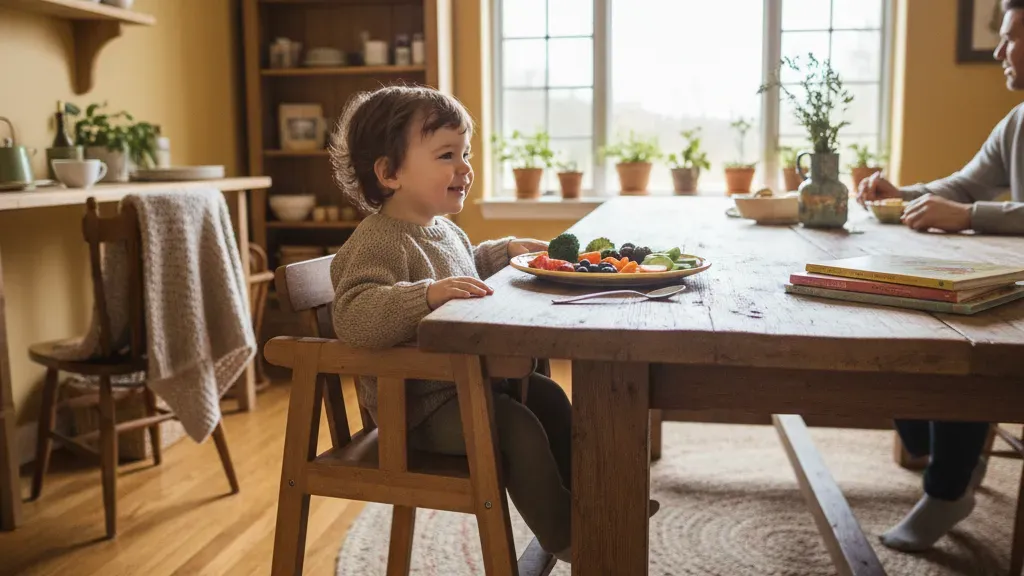
Children learn by watching the people around them. Sitting down to eat the same food together sends the message that this food is safe and normal. Toddlers who eat meals with family members tend to try a wider variety of foods than those who eat alone.
At Strong Start, family-style meals are part of every child’s day. Teachers sit with children, model healthy eating, and create a calm, positive mealtime environment. Learn more about our approach.
Don’t Use Food as a Bribe or Reward
Saying “eat your vegetables and you can have dessert” teaches children that vegetables are a chore and dessert is the prize. Over time, this increases preference for sweets and decreases willingness to eat balanced meals. Instead, treat all food neutrally.
Why You Should Never Force a Child to Eat
It feels counterintuitive, but one of the best things you can do when your toddler refuses food is to let it go. Forcing, bribing, or even gently coaxing your child to eat can create a power struggle that turns mealtimes into a battleground. Research confirms that this pressure often backfires, leading to increased food avoidance and making kids enjoy meals less. When a child feels pressured, they often eat less, not more, because the focus shifts from their internal hunger cues to the external conflict. This approach undermines their ability to develop a healthy relationship with food and trust their own body’s signals for hunger and fullness. Respecting their decision empowers them and helps maintain a positive, trusting connection, which is a cornerstone of our philosophy of partnering with parents.
Keep Your Cool at the Table
When your toddler throws food on the floor or refuses to eat, a big reaction (positive or negative) can reinforce the behavior. Keep mealtimes low-key. If they do not eat, calmly remove the plate and try again at the next scheduled meal or snack.
Introduce New Foods Slowly and Patiently
It can take a dozen or more attempts before a toddler is willing to try a new food. Your job is to offer it without pressure, and their job is to decide if and when they will eat it. Toddlers learn about food through touch, smell, and play. Squishing peas, sniffing broccoli, or licking a strawberry are all steps toward eating it. Research from the University of Colorado found that toddlers who are allowed to interact with food before tasting it are more likely to accept new foods over time. This hands-on exploration is a core part of how children learn, a philosophy we embrace in our Reggio Emilia-inspired curriculum. So, take a deep breath and let them get a little messy. It’s all part of the process.
What to Offer When They’re Sick
Teething, ear infections, sore throats, and stomach bugs can all cause a temporary drop in appetite. If your toddler is not eating and seems cranky, is drooling more than usual, or has a fever, illness could be the cause. Most kids bounce back to their normal eating patterns within a few days of feeling better. During this time, focus on hydration and offer simple, comforting foods. Think bland items like bananas, plain toast, applesauce, yogurt, or broth. Don’t worry about balanced meals; the priority is keeping them comfortable and hydrated. Prioritizing your child’s comfort is key, a commitment we take seriously in our approach to health and safety at our centers.
Is It Normal for Toddlers to Go Through Picky Eating Phases?
Yes, and it happens more often than most parents realize. Food “jags,” where a child only wants one specific food for days or even weeks, are extremely common between 18 months and 3 years. A toddler who eats nothing but bananas for a week might suddenly switch to only wanting pasta.
These phases are temporary. The key is to keep offering variety without pressure. Most children cycle through these periods and return to a more balanced intake on their own.
A 2019 study in the journal Pediatrics followed over 4,000 children and found that picky eating behavior peaked around age 3 and improved steadily after that. So if your 2-year-old is driving you crazy at mealtimes, there is a strong chance things will get easier.
Understanding Food Neophobia
“Food neophobia” is the technical term for the fear of new foods, and it’s a classic toddler trait. This isn’t just stubbornness; it’s a developmental phase where children become naturally suspicious of unfamiliar tastes and textures. You can think of it as a built-in safety mechanism from a time when tasting a strange berry could be risky. This behavior often peaks between ages two and six. So, when your toddler eyes a new vegetable like it might bite back, they are expressing a very normal, albeit frustrating, instinct. This fear can be heightened when they are feeling unwell. A sore throat or an upset stomach makes anyone less adventurous with food, and for a toddler, it can intensify their reluctance to try anything new or even eat familiar foods.
It’s common for a sick toddler’s appetite to drop for a few days, and it can sometimes take a week or two for it to fully return after they’ve recovered. During this time, the most important thing is to focus on hydration. While it’s normal for them to lose a little weight, they usually gain it back once they feel better. However, if your child refuses all food for more than two days or shows signs of dehydration, it’s always best to check in with your pediatrician. At Strong Start, we prioritize open communication with families about everything from daily routines to your child’s health and wellness, ensuring we work together to support their needs, especially when they aren’t feeling their best.
When to Call the Pediatrician About Your Toddler Not Eating
While most food refusal is normal, there are situations where a conversation with your child’s doctor is a good idea.
Contact your pediatrician if your toddler:
- Has not gained weight or has lost weight over the past few months
- Refuses all food (not just certain items) for more than a few days
- Seems to have pain or difficulty when swallowing
- Gags or chokes frequently during meals
- Eats fewer than 20 different foods total and the number keeps shrinking
- Shows signs of dehydration, such as fewer wet diapers, dry lips, or unusual tiredness
- Has extreme reactions to certain food textures, smells, or colors that go beyond typical pickiness
Your pediatrician may refer you to a pediatric dietitian or feeding therapist if the issue goes beyond typical picky eating. Early intervention, when needed, can make a real difference.
It is also worth mentioning that some children with sensory processing difficulties, autism spectrum disorder, or oral motor delays may need specialized support around feeding. These situations are less common, but a feeding evaluation can identify them early. The earlier these challenges are addressed, the better the outcomes tend to be.
Extreme Lethargy or Fatigue
There is a big difference between a toddler who is a little tired and one who is lethargic. If your child becomes unusually sleepy, difficult to wake up, or seems floppy and unresponsive, this is a sign that requires immediate medical attention. Extreme fatigue combined with a refusal to eat can sometimes indicate a more serious issue, like low blood sugar or severe dehydration. At Strong Start, our educators are trained to recognize these warning signs as part of our commitment to health and safety. While a missed nap can make any toddler grumpy, true lethargy is a red flag that should never be ignored. Call your pediatrician or seek urgent care right away if you notice these symptoms.
Persistent Fever
Fevers are a normal part of childhood, but a fever that sticks around can be a sign that your toddler’s body is fighting something more than a simple cold. If your child has a fever over 100.4°F that lasts for more than a day or two, especially when paired with a poor appetite and other symptoms like a rash or cough, it is time to call the doctor. A loss of appetite is expected with illness, but when it is accompanied by a high or persistent fever, your pediatrician can help rule out more serious infections and ensure your child stays properly hydrated while they recover.
Concerning Eating Patterns or Aversions
While it is normal for a toddler to reject broccoli one day and love it the next, a complete refusal of all food is a different story. If your child goes more than a few days without eating anything at all, it is a good idea to check in with your pediatrician. Another pattern to watch for is an increasingly narrow list of accepted foods. If your child once ate 20 different foods and is now down to only two or three, it may signal a more significant feeding or sensory challenge. Our Reggio Emilia-inspired curriculum encourages children to explore food with all their senses, which helps build a positive and curious relationship with eating from an early age.
Trust Your Parental Instincts
You know your child better than anyone else. If you have a gut feeling that something is wrong, even if you cannot quite put your finger on it, that is reason enough to contact your pediatrician. You are your child’s most important advocate, and your intuition is a powerful tool. A good pediatrician will take your concerns seriously and help you get to the bottom of what is going on. We believe in partnering with parents, and that partnership includes trusting that you are the expert on your child. Never hesitate to make the call if your instinct tells you something is off.
Meal Ideas Your Picky Toddler Might Actually Try
Variety and presentation matter. Here are simple, toddler-tested meal ideas that cover key nutrients without requiring a battle at the table.
| Meal | Option A | Option B |
|---|---|---|
| Breakfast | Whole grain toast with thin peanut butter, sliced banana | Scrambled eggs with soft avocado cubes |
| Lunch | Pasta with butter and steamed peas, diced cheese | Quesadilla with shredded chicken and beans |
| Dinner | Ground turkey meatballs with sweet potato, steamed broccoli | Rice with soft cooked carrots and black beans |
| Snack | Yogurt with blueberries | Sliced cucumber with hummus |
Cutting food into fun shapes, offering dips, and using colorful plates can also increase interest. Toddlers eat with their eyes first. Keep portions small and resist the urge to hover. If your toddler does not eat lunch, they will likely make up for it at the next meal.
One tip that many parents find helpful is letting toddlers “help” with food preparation. Even a 2-year-old can tear lettuce leaves, stir batter, or place berries on a plate. Children who participate in making their food are more willing to taste the result.
Want your child to develop healthy eating habits in a supportive environment? Schedule a visit to Strong Start and see our nutrition program in action.
Can Daycare Help With Picky Eating Habits?
Parents are often surprised to learn that their toddler eats better at daycare than at home. There is a simple explanation: peer modeling. When children see other kids eating green beans or trying new foods, they are more likely to give those foods a chance themselves.
Quality early childhood programs build mealtime into the learning experience. At Strong Start, teachers use mealtimes as opportunities to build vocabulary (naming colors, textures, and tastes), practice fine motor skills (using utensils, pouring water), and develop social-emotional skills (sharing, taking turns, conversation).
A structured eating routine, combined with a calm and encouraging environment, gives toddlers the confidence to explore new foods at their own pace. Many parents notice that foods their child refused at home start getting accepted after a few weeks in a classroom setting where other children are eating them regularly.
Frequently Asked Questions
How long can a toddler go without eating?
Most healthy toddlers can safely eat very little for 2 to 3 days without any health concerns, as long as they are drinking fluids and having wet diapers. If your child refuses nearly all food for more than 3 days, or shows signs of dehydration, contact your pediatrician.
Is it normal for a 2-year-old to not want to eat?
Yes. Two-year-olds are at the peak of food refusal behavior. Their growth rate has slowed, their desire for independence has increased, and their taste preferences are still forming. Offer balanced options, avoid pressure, and know that most children eat enough over the course of a week even if individual meals are light.
Should I ever force my toddler to eat?
No. Forcing or pressuring a toddler to eat creates negative associations with food and can lead to long-term feeding difficulties. The parent’s job is to decide what food is offered and when. The child’s job is to decide whether to eat and how much. This framework, developed by dietitian Ellyn Satter, is recommended by the American Academy of Pediatrics.
What if my toddler only drinks milk and won’t eat?
Milk is filling, easy to consume, and familiar. A toddler who drinks too much milk (more than 16 to 24 ounces per day) may have little appetite left for solid food. Try reducing milk intake gradually and offering it after meals rather than before. Switch to water between meals to encourage hunger at the table.
When should I worry about my toddler not eating?
Worry if your child is losing weight, eating fewer than 20 different foods and the list is getting shorter, gagging or choking regularly, or showing signs of dehydration. A pediatrician or pediatric feeding specialist can evaluate whether intervention is needed.
How Strong Start Fosters Healthy Eating Habits
Peer Modeling at Mealtimes
It’s a common refrain we hear from parents: “My toddler eats things here that they would never touch at home!” The secret ingredient is often peer modeling. When a toddler sees their friends happily munching on carrot sticks or trying a new pasta dish, their curiosity often outweighs their hesitation. This positive social pressure makes new foods seem less intimidating and more like a shared, exciting experience. It’s a powerful example of how children learn from one another, building not just their palate but also their social-emotional skills as they navigate mealtimes together in a supportive, group setting.
Enrichment Programs Like Budding Bakers & Little Cooks
We believe that involving children in food preparation is one of the best ways to encourage adventurous eating. Our enrichment programs, like Budding Bakers & Little Cooks, turn meal prep into a hands-on learning adventure. When children can wash vegetables, stir ingredients, or sprinkle cheese, they build a sense of ownership and pride over the food. This sensory exploration helps them get comfortable with different textures and smells in a fun, low-pressure way. Suddenly, they aren’t just being served a meal; they’re eating a creation they helped make, which makes tasting it much more appealing.
Partnering with Parents on Nutrition
Creating healthy, confident eaters is a team effort. We know that consistency between school and home is crucial for helping toddlers build positive food habits. Our teachers create a calm, structured mealtime routine where children feel safe to explore new foods at their own pace. We keep you informed about what your child is eating and trying through daily communication, so you know when they’ve started to accept a food they once refused. This partnership with parents allows you to build on their successes at home, reinforcing that trying new things is a positive and rewarding experience.
Key Takeaways
- Expect Appetite Changes: It is completely normal for a toddler’s appetite to decrease after their first year. Their growth slows down, so they simply need less food. Focus on their intake over a week, not just a single meal.
- Your Role Is to Provide, Not to Pressure: Your job is to offer healthy food options at consistent meal and snack times. It is your child’s job to decide if they will eat and how much. This approach prevents power struggles and helps them learn to trust their own hunger cues.
- Hydration Is More Important Than Food During Illness: When your toddler is sick, their appetite will likely disappear for a few days. Prioritize offering fluids like water, milk, or broth. Call your pediatrician if you see signs of dehydration, such as fewer wet diapers, or if your parental instinct tells you something is off.
Related Articles
- Daycare at 2 Years Old: A Parent’s Guide
- How to Boost Your Toddler’s Immune System for Daycare: 8 Proven Strategies
- Negativism in Toddlers: Understanding & Managing Behavior
Written By
Marc Hoffman
Founder, Strong Start Early Care & Education
Marc founded Strong Start in 2014, inspired by his studies at Williams College, Yeshiva University, and research at Yale University. His child-centered, inquiry-based approach to early education has helped hundreds of families in the Trumbull and Bridgeport communities. As a parent himself, Marc understands the importance of finding a nurturing environment where every child can learn, grow, and flourish.