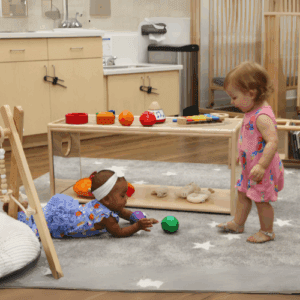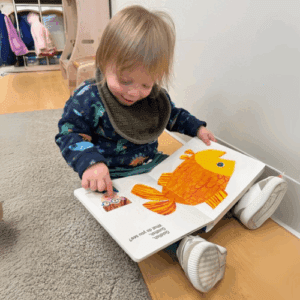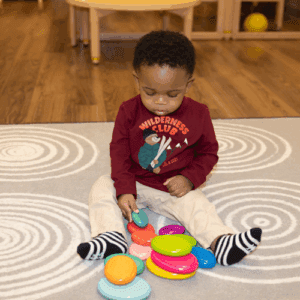
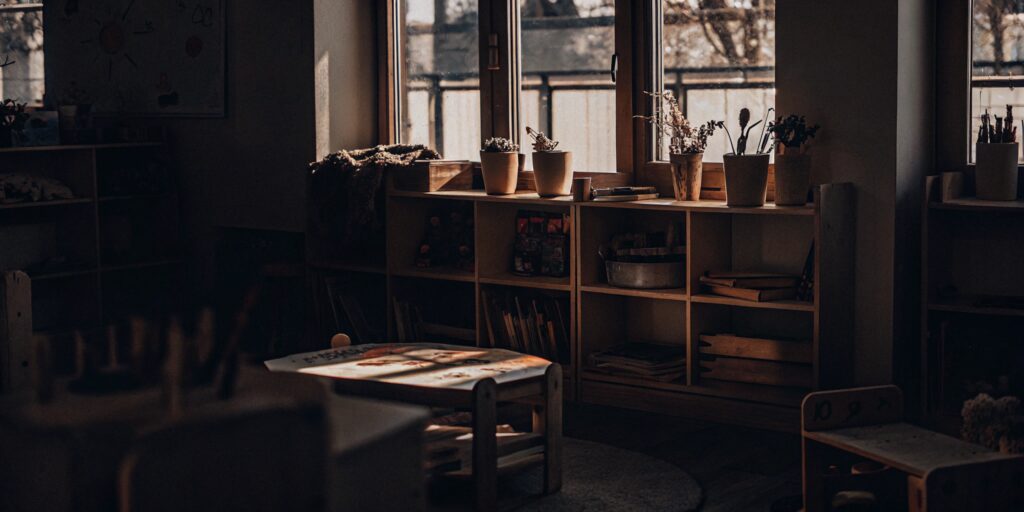
Your child is a natural-born researcher. They ask endless questions, experiment with how things work, and create incredible worlds from simple objects. The Reggio Emilia approach takes this powerful, innate curiosity and makes it the heart of the classroom. It’s a philosophy that believes children’s questions deserve to be explored deeply. A reggio inspired preschool swaps rows of desks and worksheets for beautiful, inviting spaces. These classrooms are filled with materials that encourage kids to investigate their own theories, collaborate with friends, and express their understanding in countless creative ways.
Key Takeaways
- Child-led learning is intentionally guided: This approach isn’t about a lack of structure; it’s about teachers thoughtfully guiding learning based on your child’s genuine interests. Instead of a rigid curriculum, education unfolds organically from their questions and discoveries.
- The classroom and community are key teachers: The physical space is carefully designed with natural materials to inspire exploration, acting as a “third teacher.” This philosophy also depends on a strong partnership with parents, making you an essential part of your child’s educational journey.
- Skills are learned through meaningful experience: Academic concepts like math and literacy are integrated into hands-on projects, not taught through worksheets. This method builds deep problem-solving skills, confidence, and a genuine love for learning that prepares children for school and life.
What is a Reggio Inspired Preschool?
When you first hear the term “Reggio Emilia,” it’s easy to think it’s a specific brand or a rigid set of rules. But it’s actually a deeply thoughtful and inspiring educational philosophy that originated in the town of Reggio Emilia, Italy, after World War II. It’s not a formal curriculum but a way of thinking about children, learning, and the role of the school. A Reggio Emilia inspired preschool is one that adopts these core principles, creating a vibrant, collaborative learning environment where children are seen as strong, capable, and full of potential. It’s an approach that honors your child’s natural curiosity and empowers them to be the drivers of their own educational journey.
Understanding the Core Philosophy
At its heart, the Reggio Emilia approach is built on a foundation of respect, responsibility, and community. It views children as active participants in their own learning, driven by their interests. Instead of following a strict, pre-planned curriculum, learning emerges from the children’s own questions and explorations. This philosophy is famous for its concept of the hundred languages of children, which recognizes that kids express themselves in countless ways—through drawing, sculpting, music, movement, and play. In this environment, teachers act as co-learners and researchers alongside the children. They listen, observe, and plan activities that deepen a child’s understanding, guiding them without dictating the path.
The Hundred Languages of Children
This beautiful concept is central to the Reggio Emilia philosophy. It suggests that children have countless ways of thinking, discovering, and learning. The “hundred languages” are the many different ways children can show what they know and feel, from drawing and sculpting to dance and dramatic play. Instead of relying solely on verbal communication, a Reggio-inspired classroom provides a rich variety of materials and opportunities for expression. This approach honors the fact that every child is unique and gives them the tools to share their incredible ideas with the world. At Strong Start, our enrichment programs are designed to give children access to many of these languages, whether they are creating in the art studio or exploring concepts through STEM learning.
The Origins of the Reggio Emilia Approach
The story of this philosophy is as inspiring as its principles. It began in the villages around Reggio Emilia, Italy, immediately after World War II. In the wake of immense destruction, a community of parents came together with a shared vision: to build a new kind of school. They wanted an education that would teach their children to think critically, collaborate, and value democracy, ensuring that the mistakes of the past would not be repeated. This parent-led movement was founded on the powerful image of a child with “strong potentialities for development.” They believed that education should not be about filling an empty vessel but about nurturing the incredible capabilities that every child already possesses.
Loris Malaguzzi and Post-War Italy
At the heart of this movement was a young teacher and psychologist named Loris Malaguzzi. Inspired by the parents’ determination, he joined their cause and became a pivotal figure in shaping the approach. Malaguzzi worked closely with the community, especially the women who were instrumental in founding and running the first schools. He wasn’t a distant theorist; he was a collaborator who listened to children, documented their work, and helped build a network of schools that reflected the community’s values. His work emphasized the importance of relationships—between children, teachers, and parents—as the foundation for meaningful learning.
From Local Initiative to Global Recognition
What started as a local community project soon captured the world’s attention. The approach gained international fame after a traveling exhibition called “A Child has 100 Languages” began touring in 1981. This powerful exhibit showcased the remarkable work and complex thinking of the children in Reggio Emilia’s schools, challenging conventional ideas about early childhood education. Today, the philosophy that grew from the rubble of post-war Italy has spread far and wide. It is now a source of inspiration for educators in over 145 countries, demonstrating the universal appeal of an approach that truly respects children as capable and creative thinkers.
A Philosophy, Not a Method
It’s important to understand that the Reggio Emilia approach is not a curriculum you can buy or a method you can be certified in. It’s a living philosophy that is adapted to the specific culture and community of each school. That’s why you’ll often hear schools described as “Reggio-inspired.” This means they have embraced the core principles of the philosophy and are thoughtfully applying them to their own unique environment. This flexibility is a major strength, as it allows educators to create a program that is truly responsive to the children and families they serve. You can learn more about how we interpret these ideas in our classrooms by exploring our own Reggio Emilia inspiration.
Reggio Emilia vs. Traditional Preschools: What’s the Difference?
If you picture a traditional preschool, you might imagine a teacher leading a whole-group lesson where every child works on the same pre-set craft. The Reggio Emilia approach flips this model. It sees children as the protagonists of their own learning, not as empty vessels waiting to be filled with information. While a traditional school might follow a fixed schedule and curriculum, a Reggio-inspired classroom is flexible, with lessons and projects growing organically from the children’s curiosity. The focus shifts from getting the “right” answer to celebrating the process of discovery. It’s less about the finished product and more about how a child figures something out, making it a perfect fit for methods like The Project Approach.
What Makes This Approach So Special?
When you first hear about a Reggio Emilia-inspired school, it might sound a little abstract. But what makes this approach truly stand out are a few core beliefs that shape every aspect of your child’s day. It’s not just about what children learn, but how they learn. This philosophy views children as capable, curious individuals and builds their entire educational experience around that respect. Instead of seeing children as empty vessels to be filled with information, it recognizes that they come to school with their own ideas, theories, and questions about the world.
The entire school day is designed to honor that innate curiosity. It’s a collaborative effort where teachers, parents, and even the classroom itself play an active role in a child’s development. Teachers act as researchers and guides, listening closely to the children to understand their interests and then providing the resources they need to explore those ideas more deeply. It’s a dynamic and respectful way of learning that builds a strong foundation for a lifetime of discovery. Let’s look at the four key elements that make this approach so different and effective.
Putting Your Child’s Interests First
At its heart, the Reggio Emilia approach believes children are the main characters in their own learning story. Instead of following a rigid, one-size-fits-all curriculum, learning emerges from the children’s own interests and questions. If a group of toddlers becomes fascinated by the shadows on the playground, their teachers will notice. They’ll help the children explore that interest by providing materials for shadow puppets or reading stories about light and dark. This method, often put into practice through The Project Approach, makes learning feel meaningful and exciting because it’s directly connected to what your child is passionate about in that moment.
Long-Term, Emergent Projects
This child-led focus naturally leads to long-term, emergent projects. Unlike a simple craft that’s finished in an afternoon, these projects can last for weeks or even months, evolving as the children’s interests deepen. For example, a simple question about where rain comes from could grow into a long-term investigation of weather, involving building rain gauges, painting storm clouds, and creating dances to represent the wind. This approach allows children to explore topics deeply and develop real problem-solving skills. Teachers act as facilitators, carefully observing and providing new materials or questions to help the children dig deeper into their theories and discoveries, turning the classroom into a collaborative research lab.
Revisiting Work as Part of the Learning Process
In a Reggio-inspired classroom, learning is a continuous loop, not a straight line. Children are encouraged to revisit their work, whether it’s a drawing, a clay sculpture, or a block structure they built yesterday. This isn’t about correcting mistakes; it’s about reflection and growth. By returning to their creations, children can add new details, test different ideas, and see how their thinking has evolved. Teachers play a crucial role by documenting this process through photos and notes, helping children see their own progress. This practice shows children that their ideas are valuable and that learning is a journey of building upon what you already know, which is a core part of our educational philosophy.
The Classroom as the “Third Teacher”
Walk into a Reggio-inspired classroom, and you’ll immediately notice it feels different. The environment is intentionally designed to be a “third teacher.” You’ll find spaces filled with natural light, plants, and beautiful, open-ended materials like clay, wood blocks, and fabric scraps instead of rows of plastic toys. Every corner of the room is thoughtfully arranged to invite exploration, collaboration, and creativity. The physical space isn’t just a container for learning; it’s an active participant that encourages children to investigate, discover, and make connections on their own terms. The design of our preschool classrooms reflects this belief in a calm, inspiring, and resource-rich environment.
The “Atelier” and the “Atelierista”
A central feature of a Reggio-inspired school is the “atelier,” or art studio. This isn’t just a room for messy crafts; it’s a workshop for ideas. The atelier is guided by an “atelierista,” an educator with a background in the arts, who works with children to help them express their understanding of the world. Whether they are sculpting with clay to show their theory about how a bridge works or painting to capture the feeling of a sunny day, the atelier is where children’s thinking becomes visible. It’s a space where they can explore their ideas through different materials, fostering creativity, critical thinking, and a deeper connection to their own learning process.
Architectural Features that Foster Community
The design of a Reggio-inspired school is intentional, with every architectural choice made to support relationships and collaboration. You’ll often find a central piazza, or square, that serves as the heart of the school, a place for children, teachers, and parents to gather. Classrooms feature large windows looking into hallways and other rooms, promoting a sense of openness and connection. This transparency sends a powerful message: we are all part of a community of learners. By creating spaces that encourage interaction and shared experiences, the school’s very design helps to foster community and reinforces the idea that learning is a shared journey, not a solitary one.
How Documentation Shows Your Child’s Progress
How do you know what your child is learning if there aren’t worksheets coming home every day? Reggio-inspired schools use a process called “documentation.” Teachers carefully observe and record the children’s work and conversations through photos, notes, and videos. This documentation is often displayed on classroom walls, creating a visual story of the children’s learning process. It allows teachers to better understand each child’s thinking and plan future projects. More importantly, it gives you a beautiful, detailed window into your child’s world at school, making you a true part of their educational journey.
A Tool for Teacher Reflection
Documentation is more than just a way to share your child’s day with you; it’s a fundamental tool for our teachers. By revisiting photos, notes, and transcripts of the children’s conversations, educators can reflect on the learning process as it happens. This practice allows them to see the world from a child’s perspective, understand their theories, and identify the questions driving their explorations. This deep reflection is what transforms a teacher from a simple instructor into a true researcher and co-learner alongside the children. It informs their next steps, helping them decide which materials to introduce or what questions to ask to extend the learning. This ongoing cycle of observation, documentation, and reflection is a core part of what makes our exceptional educators so responsive to each child’s unique journey.
Your Role as a Partner in Learning
This approach sees parents as essential partners and a child’s very first teacher. Your involvement is not just welcomed; it’s fundamental to the school’s success. The relationship between parents and teachers is built on mutual respect and open communication. It goes beyond the annual parent-teacher conference to create a continuous dialogue about your child’s development. Schools foster a strong sense of community where families are encouraged to participate in the life of the school. This commitment to partnering with parents ensures that learning is a collaborative adventure shared between home and school, creating a supportive network for your child to thrive.
The Broader Role of the Community
The partnership extends beyond just parents and teachers; it embraces the entire community. The Reggio Emilia philosophy believes that a child’s education is a shared responsibility, and the town or neighborhood itself becomes part of the learning environment. This means learning isn’t confined to the classroom. It might involve a visit from a local baker to share how bread is made, a trip to a nearby park to study changing seasons, or collaborating with a local artist on a creative project. By connecting with the world right outside their door, children see that learning is everywhere and that they are part of a larger, supportive network. This approach builds a strong sense of belonging and shows children that their community values them and their ideas.
How Will Your Child Benefit?
When you choose a Reggio Emilia inspired preschool, you’re not just picking a place for your child to spend their day. You’re choosing an environment designed to nurture their growth in every way. This approach goes beyond memorizing letters and numbers; it focuses on developing curious, confident, and kind human beings who are prepared for kindergarten and for life. The benefits are deeply woven into every activity and interaction, helping your child build a strong foundation for the years ahead. Let’s look at some of the incredible ways your child will benefit from this unique educational philosophy.
Develops Creative and Critical Thinking Skills
At its heart, the Reggio Emilia approach sees children as strong, smart, and naturally curious. It believes children are the main characters in their own learning story. Instead of simply being told information, your child will be encouraged to ask questions, explore theories, and find answers for themselves. Teachers act as guides, posing thoughtful questions that challenge children to think more deeply. Whether they’re investigating why leaves change color or designing a bridge out of blocks, they are learning how to observe, experiment, and solve problems. This hands-on, inquiry-based process builds a powerful foundation for creative and critical thinking that will serve them throughout their lives.
Encouraging Confidence and Independence
Imagine a classroom where your child’s ideas are not just heard, but celebrated and used as the starting point for new adventures. That’s the reality in a Reggio-inspired school. Children learn to trust their own ideas and choices because their thoughts are valued. When a child’s question about shadows leads to a week-long investigation with flashlights and puppets, they learn that their curiosity matters. This validation is incredibly empowering. It helps children see themselves as capable individuals with important contributions to make. Our exceptional educators are trained to foster this environment, helping your child develop the self-assurance they need to take initiative and become a confident, independent learner.
Develops Strong Communication Skills
Learning in a Reggio-inspired classroom is rarely a solo activity. It’s a collaborative journey filled with conversation, teamwork, and shared discovery. Through group projects and in-depth discussions, children learn to share their thoughts and work with others to reach a common goal. This process teaches them vital social and emotional skills, like how to listen to different perspectives, express their own ideas clearly, and negotiate solutions. Communication is also encouraged through many different mediums—the “hundred languages of children.” Your child will have opportunities to express their understanding through drawing, sculpting, music, and dramatic play, giving them multiple ways to share their voice and connect with their peers in our preschool classrooms.
The Power of Play-Based Learning
In a Reggio Emilia inspired school, play is the work of childhood. It’s not just a way to burn off energy between lessons; it is the lesson itself. This philosophy recognizes that children learn best when they are actively engaged and joyful. Through play, they experiment with ideas, test theories, and make sense of the world around them. Whether they are building a tower, mixing colors, or engaging in dramatic play, they are developing crucial cognitive and social skills. Our enrichment programs are built on this very idea, integrating activities like cooking and STEM learning into a playful, hands-on experience that feels more like an adventure than a class.
Research-Backed Benefits of Play
This focus on play isn’t just a feel-good philosophy; it’s backed by solid research. Studies consistently show that play is how children build the foundation for future academic success. It’s through playful exploration that they develop language, learn to build positive relationships, and gain emotional intelligence. When children engage in play, they are practicing self-control, problem-solving, and resilience. You can see this in action in our toddler classrooms, where children learn to share materials for a group art project or work together to build a complex structure, gaining invaluable skills that prepare them for school and for life.
Play as a Fundamental Right
The importance of play is so profound that the United Nations has declared it a fundamental right for every child. Viewing play through this lens changes everything. It means that providing children with the time, space, and materials to play is not a luxury but an essential part of their education and healthy development. It’s a responsibility that high-quality early childhood centers take seriously. This belief is a cornerstone of our commitment to excellence and is reflected in our NAEYC accreditation, which recognizes programs that provide the highest standards of care and create environments where children can truly thrive through play.
Why Kids Learn to Love Learning
Perhaps the greatest gift of this approach is how it nurtures a genuine and lasting passion for learning. Because learning comes from children’s own questions and interests, it never feels like a chore. It feels like an exciting adventure. When education is directly connected to what a child is passionate about—whether it’s dinosaurs, gardening, or building forts—they become deeply engaged and motivated to learn more. This intrinsic motivation is the key to becoming a lifelong learner. Our enrichment program builds on this by offering fun, engaging activities that show children just how exciting the world can be. They enter kindergarten not just with knowledge, but with a curious mind and an eagerness to keep exploring.
What to Look For on Your Preschool Tour
A school tour is your chance to see a program in action and get a feel for the community your child might join. While you walk through the halls and peek into classrooms, try to observe with all your senses. What do you hear? What do you see? How does the space make you feel? This is about more than just checking boxes on a list; it’s about finding a place that feels right for your child and your family. Coming prepared with a few key things to look for can help you see beyond the surface and understand the school’s true philosophy.
Observing the Classroom and Outdoor Play Spaces
The first thing you’ll likely notice is the physical environment, and in a Reggio Emilia-inspired school, this is intentional. The classroom is viewed as a “third teacher,” thoughtfully designed to guide and inspire learning. Look for spaces that are calm, inviting, and filled with natural light. You should see natural materials like wood, plants, and fabrics used throughout, creating a warm, homelike atmosphere rather than a room full of bright plastics. Notice how materials are stored and displayed. Are they organized in accessible, beautiful arrangements that invite children to explore? This careful attention to the environment shows a deep respect for children and their ability to engage with the world around them.
How Teachers Interact with Children
Pay close attention to the way educators speak with and listen to the children. In a Reggio-inspired setting, teachers act as partners and researchers alongside the students. You should see them getting down on the child’s level, listening intently to their ideas, and asking open-ended questions to provoke deeper thinking. Their role isn’t to simply deliver information but to co-construct knowledge with the children. Listen for a tone that is respectful, curious, and encouraging. This collaborative dynamic is central to the approach and is a key indicator of a school that truly values each child as a capable and confident learner. Strong Start is committed to hiring and supporting these kinds of exceptional educators.
Teachers as Co-Learners and Researchers
This philosophy requires a special kind of teacher—one who is a curious researcher right alongside your child. Instead of standing at the front of the room delivering a pre-planned lesson, they are active observers and listeners. They watch how children play, listen to their conversations, and document their questions to understand their current theories about the world. This deep listening allows them to provide the right materials and ask thoughtful questions that guide learning forward. It’s a dynamic and respectful partnership that honors your child’s intelligence. This approach depends on having exceptional educators who are passionate about co-discovering the world with their students, building a strong foundation for a lifetime of curiosity.
Continuity of Care: Multi-Year Groupings
In many Reggio-inspired schools, you’ll find that children and teachers stay together for more than one year, a practice often called “looping.” This continuity is incredibly powerful. It allows deep, trusting relationships to form between the teacher, the child, and your family. When a teacher truly knows your child—their unique personality, strengths, and challenges—they can provide more personalized and meaningful support. This creates a powerful sense of security for your child, making the classroom feel like a second home. It transforms the learning environment from a series of one-year sprints into a cohesive, long-term journey, supporting a child’s growth as they move from our toddler classrooms and into their preschool years.
Spotting a Truly Engaging Environment
An engaging classroom is a living space that reflects the children’s current interests and ongoing work. Look for documentation of their learning journey displayed on the walls—not just cookie-cutter crafts, but photos, transcripts of conversations, and drawings that show the process of their discoveries. You should also see signs of long-term projects, which are a hallmark of The Project Approach used in our classrooms. This might look like a complex block structure that has been worked on for days, a collection of natural items being studied, or sketches for a group sculpture. These elements show that learning is an active, evolving process driven by the children’s own curiosity.
Key Questions to Ask the School Director
Your conversation with the school director is the perfect time to dig deeper into the school’s philosophy and practices. Go beyond questions about hours and tuition and ask things that get to the heart of their approach. Consider asking:
- Can you share an example of a recent project that grew from the children’s interests?
- How do you document learning and share that progress with families?
- What kind of ongoing training and professional development do your teachers receive?
- In what specific ways does the school focus on partnering with parents?
The answers should give you a clear picture of how the school puts its values into practice and how they will support your child’s unique journey.
Your Top Questions, Answered
Choosing a preschool is a huge decision, and it’s completely normal to have questions when you’re exploring an educational approach that might be different from your own experience. The Reggio Emilia philosophy is beautiful and effective, but it can also feel unfamiliar. Let’s walk through some of the most common concerns we hear from parents, so you can feel confident and clear about what this approach truly means for your child’s day-to-day learning and growth.
How to Embrace a New Learning Philosophy
When parents first hear about a child-led curriculum, a common worry is that it means a lack of planning. One of the biggest misconceptions is that a Reggio-inspired classroom lets children do whatever they want, but that couldn’t be further from the truth. This approach is deeply intentional. Our exceptional educators are expert observers and planners who thoughtfully prepare the environment based on your child’s evolving interests. They don’t just follow your child’s lead; they walk alongside them, asking questions and introducing materials that deepen their understanding and encourage them to explore their ideas further. It’s a true partnership between the child, the family, and the teacher.
Rethinking “Traditional” Academics
“Will my child be ready for kindergarten?” It’s a question every parent asks, and for good reason. In a Reggio-inspired setting, you won’t see children sitting at desks with worksheets. Instead, academic skills are woven meaningfully into every part of the day. The Reggio Emilia inspiration emphasizes collaboration and a flexible curriculum where learning happens organically. For example, children learn math concepts by measuring ingredients for a baking project or counting how many blocks they need to build a tower. They develop literacy skills by documenting their discoveries in journals, creating signs for their dramatic play area, or listening to stories that connect to their current investigation. This way, learning is relevant, engaging, and remembered.
Blending Reggio Principles with Other Methods
One of the best things about the Reggio Emilia philosophy is that it’s not an all-or-nothing system. It’s a flexible approach that pairs beautifully with other educational methods to create a rich, well-rounded experience. At Strong Start, we blend its principles with The Project Approach, which gives a natural structure to child-led learning. When a child’s curiosity sparks an idea—like wondering how a spider builds its web—The Project Approach provides a framework for teachers to guide them through a deep investigation. This combination ensures that your child’s passions are honored while they simultaneously develop critical thinking, problem-solving, and collaborative skills in a focused, meaningful way.
Tips for a Smooth Transition for Your Child
Starting preschool is a big step for your child and for you. The good news is that the Reggio Emilia approach is built on relationships. We see parents as true partners in their child’s education, and that collaboration starts from day one. Our teachers will work closely with you to understand your child’s unique personality, routines, and what makes them feel secure. This open communication ensures a smoother transition. Research shows that parents in Reggio-inspired programs value this relationship and the school’s openness, with teachers actively inviting parents to be involved. This strong home-school connection helps your child feel safe, seen, and ready to learn.
Is There Enough Structure in the Day?
While a Reggio-inspired classroom offers freedom to explore, it is far from unstructured. Children thrive on predictability, and our days are built around a consistent rhythm that helps them feel secure. There is a reliable flow that includes welcome time, group meetings, project work, outdoor play, meals, and rest. You can see an example of your child’s day and its gentle rhythm on our website. The structure is found in this daily routine and the carefully prepared environment. The flexibility comes from what children do within that framework. This balance provides the security children need to confidently make choices, manage their time, and engage deeply in their work.
How to Find the Right Reggio-Inspired School
Once you’ve decided that a Reggio-inspired education feels right for your family, the next step is finding a school that truly embodies the philosophy. Because “Reggio-inspired” isn’t a formal certification, the term can be used quite broadly. It’s important to know what to look for so you can distinguish a program with a deep, authentic commitment from one that simply borrows a few surface-level ideas.
Your search is about finding a place where your child will be seen, heard, and respected as a capable and curious individual. It’s also about finding a community that welcomes you, as a parent, to be an active participant in your child’s learning journey. Think of it less like an inspection and more like a conversation. You’re looking for a partner in your child’s education, and these tips can help you find the perfect match.
Where to Start Your Search
A great starting point is the North American Reggio Emilia Alliance (NAREA), which maintains a list of member schools. While not an exhaustive directory, it’s a helpful resource for finding programs committed to the approach. Local parenting groups and online forums can also be a source of firsthand recommendations. As you browse school websites and schedule tours, pay close attention to the environment. Look for classrooms filled with natural light, open-ended materials like clay and wood blocks, and spaces designed for children to collaborate. You should see clear documentation of the children’s learning processes—like photos and transcripts of conversations—not just displays of finished art projects. This shows a respect for the journey of discovery, a core tenet of the Reggio Emilia inspiration.
Red Flags to Watch Out For
As you explore different schools, be aware of common misconceptions. If a director describes their program as a place where “children do whatever they want,” it might be a red flag. A true Reggio-inspired classroom is not an unstructured free-for-all; it’s a carefully planned environment where teachers intentionally guide learning based on children’s interests. Another misconception is that this approach only works for certain types of children, like those who are naturally artistic. A quality program will demonstrate how its philosophy supports every child’s unique way of learning and expressing themselves. The goal is to find a school that understands the deep intentionality behind The Project Approach and can articulate how it benefits all learners.
Spotting a Genuinely Reggio-Inspired Program
A genuinely Reggio-inspired program feels different from the moment you walk in. The classrooms and outdoor areas should be inviting, stimulating, and filled with natural materials. You’ll see children’s work displayed thoughtfully, showing that their ideas are valued. Pay attention to how the community is woven into the school’s fabric. A key element of the philosophy is the strong connection between children, families, and educators. Look for signs that the school views parents as true partners in education, with open communication and opportunities for family involvement. When you see this collaborative spirit in action, you know you’ve found a program that truly lives and breathes the Reggio Emilia philosophy.
Understanding the Financial Investment
Let’s talk about one of the most practical parts of choosing a preschool: the cost. It’s a significant factor for every family, and it’s important to have a clear picture of what to expect. Investing in your child’s early education is a big decision, and you deserve to feel confident and informed about where your money is going. The tuition for a Reggio Emilia inspired program covers more than just childcare; it supports a rich learning environment, high-quality materials for exploration, and continuous professional development for the educators who guide your child every day.
When you look at the numbers, think about the incredible value packed into that cost. You’re investing in an approach that honors your child’s curiosity, builds their confidence, and fosters a genuine love of learning that will stick with them for years to come. It’s about providing a foundation that helps them grow into capable, creative, and thoughtful individuals.
What to Expect from Tuition Costs
When you start researching schools, you’ll find that tuition for Reggio-inspired programs can vary quite a bit. Costs often depend on your location, the length of the school day, and the specific resources a school offers. For example, some programs might have a weekly fee, while others list an annual tuition that can be broken down into monthly payments. This range is normal, so the best first step is to gather information directly from the schools you’re interested in. Don’t hesitate to ask for a clear breakdown of their tuition and any additional fees for materials or activities.
Exploring Financial Aid and Support
Many schools understand that tuition is a significant commitment and offer ways to make it more manageable. When you connect with a school director, be sure to ask about any financial support options they have available. Some preschools offer scholarships, have sliding-scale fees based on income, or provide flexible payment plans that allow you to spread the cost over the year. At Strong Start, we believe every child deserves an incredible early education, which is why we work with families to explore every available tuition benefit. Asking about these options is a standard part of the process, so you should feel completely comfortable bringing it up.
Is a Reggio Preschool Worth the Cost?
It’s natural to compare the cost of a Reggio-inspired school to other preschools. While the tuition might sometimes be higher than a more traditional program, it’s helpful to look at what you’re getting for that investment. The Reggio Emilia approach offers a unique, child-centered experience that prioritizes deep, project-based learning and creative expression. This philosophy is built on a strong partnership with parents and views the classroom environment as a vital tool for learning. When you weigh the costs, consider the value of an education that builds critical thinking, collaboration, and a true sense of wonder that prepares your child not just for kindergarten, but for life.
Is This the Right Fit for Your Family?
Choosing a preschool is a deeply personal decision. It’s about finding a place where your child will not only learn but also feel seen, respected, and happy. A Reggio Emilia-inspired environment is a wonderful choice for many families, but it’s important to consider if its unique philosophy aligns with your child’s personality and your family’s values. Thinking through these key areas can help you decide with confidence.
Which Children Thrive in This Environment?
The Reggio Emilia approach is founded on the belief that children are strong, smart, and full of potential. It sees them as the main characters in their own learning story, driven by a natural curiosity to understand the world around them. If you have a child who is always asking “why,” taking things apart to see how they work, or creating elaborate stories, they will likely flourish here. This philosophy celebrates children who are active learners and little researchers, giving them the freedom to explore their own questions and build their own knowledge. It’s an environment designed to nurture a child’s innate sense of wonder.
Considering Children with ADHD
If your child is full of energy and finds it hard to sit still, you might wonder how they’ll do in a preschool setting. The good news is that the Reggio Emilia philosophy can be a fantastic fit. Instead of requiring long periods of quiet sitting, this approach channels that wonderful energy into hands-on, active participation. Learning happens through movement and play, which is not only engaging but also helps children develop self-regulation. The focus on The Project Approach means your child can dive deep into topics that genuinely capture their interest, making it easier to stay focused. Because the process of discovery is celebrated more than the final product, the pressure is off, allowing your child to build confidence and learn in a way that feels natural and empowering.
Does It Align with Your Family’s Values?
This approach is built on a foundation of respect, responsibility, and community. If you value collaboration and believe that learning is a shared journey, you’ll feel right at home. A core tenet is that parents are true partners in their child’s education, working closely with teachers to support their growth. Your family’s unique culture, experiences, and insights are not just welcomed—they’re considered an essential part of the classroom community. It’s a philosophy that honors the connection between home and school, creating a supportive network for your child to grow within.
How to Make Your Final Decision
Ultimately, the best way to know if a school is the right fit is to see it for yourself and trust your intuition. When you tour a classroom, notice the environment. Look for open spaces, natural light, and interesting, open-ended materials that invite exploration. Watch how the teachers interact with the children—are they guiding and asking thoughtful questions, or simply giving answers? The most important step is to embrace a mindset that trusts your child’s curiosity to lead their learning. If you’re ready to see teachers as facilitators and your child as a capable, curious explorer, you’ve likely found the right place for your family.
Related Articles
- What is a Reggio Emilia Preschool? A Parent’s Guide
- Reggio Emilia Inspiration
- What is the Reggio Emilia Curriculum? A Guide
Frequently Asked Questions
My biggest concern is that a “child-led” approach sounds like unstructured chaos. Is it just a free-for-all? That’s a completely fair question, and one a lot of parents have. The short answer is no, it’s far from chaotic. A Reggio-inspired classroom is actually a very intentionally designed and thoughtfully guided environment. While children have the freedom to explore their interests, our educators are skilled observers who carefully plan activities and introduce materials that challenge children to think more deeply. It’s a purposeful kind of play where learning is guided, not dictated, creating a calm and engaging atmosphere rather than a free-for-all.
Without worksheets and tests, how will I know what my child is learning and if they’re on track? This is where the idea of “documentation” comes in, and it’s one of the most beautiful parts of the approach. Instead of sending home a folder of worksheets, we make your child’s learning process visible. Teachers carefully record the children’s conversations, take photos of their projects in progress, and display their work throughout the classroom. This creates a visual story of their thinking and discovery. It gives you a much richer and more detailed window into their world than a simple report card ever could, showing you how they are learning to solve problems, collaborate, and think creatively.
My child is on the quieter side. Will they get enough attention in such an active environment? Absolutely. This approach is wonderful for all kinds of personalities because it honors the many different ways children express themselves. Teachers are trained to be keen observers, so they get to know each child on a deep, individual level. For a child who is more reserved, the focus on small-group projects and creative expression through art or building can be a perfect way for them to share their ideas without having to be the loudest voice in the room. The environment is built on respect, ensuring every child feels seen and valued for who they are.
What does being a “partner” in my child’s education actually require of me? I have a busy schedule. We completely understand that modern families are busy. When we talk about partnership, it isn’t about a required number of volunteer hours. It’s about creating a relationship built on open communication and mutual respect. It means we see you as the expert on your child and value your insights. Partnership can look like sharing a story about your child’s new interest at home, communicating with teachers through our app, or simply knowing that your voice is heard and respected. It’s a collaborative spirit that ensures we are all working together to support your child.
How does this creative, play-based approach prepare my child for the structure of kindergarten? This is probably the most important question parents ask. While it may look different from a traditional preschool, this approach is exceptional at preparing children for school. They learn foundational academic skills in a meaningful context—like math concepts while building a complex structure or literacy by creating stories about their artwork. More importantly, they develop the skills that matter most for success in kindergarten and beyond: how to ask questions, solve problems, work with others, and regulate their emotions. They enter school not just knowing their letters and numbers, but with a genuine curiosity and a love for learning that will last a lifetime.
Written By
Marc Hoffman
Founder, Strong Start Early Care & Education
Marc founded Strong Start in 2014, inspired by his studies at Williams College, Yeshiva University, and research at Yale University. His child-centered, inquiry-based approach to early education has helped hundreds of families in the Trumbull and Bridgeport communities. As a parent himself, Marc understands the importance of finding a nurturing environment where every child can learn, grow, and flourish.