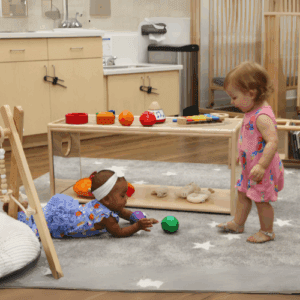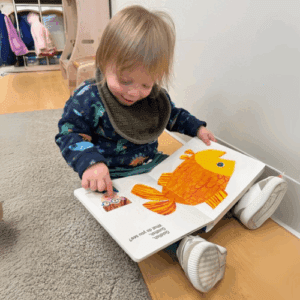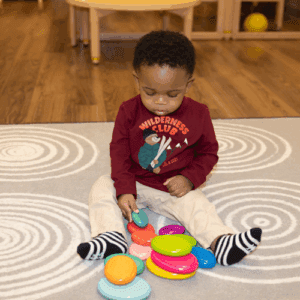
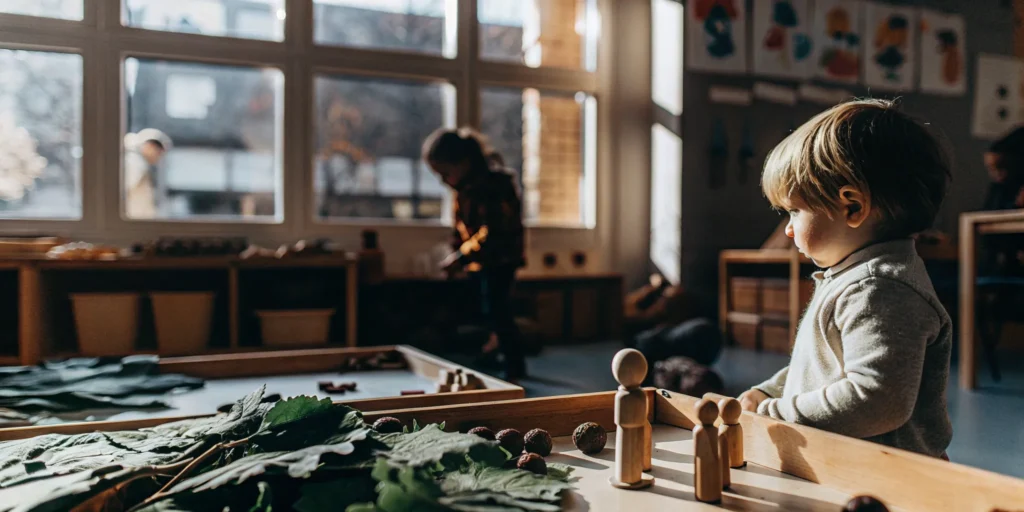
Your child explores the world with endless curiosity, creating their own theories about how everything works. What if a school was designed to honor that innate drive to learn? That’s the heart of the Reggio Emilia approach. This philosophy views children not as empty pages, but as strong, intelligent individuals who are the main characters in their own educational story. It believes children have “a hundred languages” to express their ideas—from drawing and sculpting to building and dramatic play. A true reggio approach preschool provides the tools and trust for children to use them all.
Key Takeaways
- Trust your child to lead their learning: The Reggio Emilia approach is built on following your child’s natural curiosity. Learning isn’t dictated by a strict schedule but emerges from their own questions, fostering genuine engagement and confidence.
- The classroom is a source of inspiration, and teachers are guides: The environment is intentionally designed with natural, open-ended materials to spark curiosity. Educators act as co-learners, asking thoughtful questions to guide discovery rather than providing all the answers.
- Your role as a parent is central to the process: This philosophy sees you as an essential partner in your child’s education. A strong, collaborative relationship between family and school creates a consistent and supportive world for your child to thrive in.
What is the Reggio Emilia Approach?
When you first hear the term “Reggio Emilia,” it might sound like a formal, rigid method. But it’s actually the opposite. It’s not a strict curriculum but a deeply respectful and inspiring philosophy toward early childhood education. It’s an approach that sees children as endlessly capable and curious, and it’s built around following that curiosity wherever it leads.
This philosophy originated in the villages around Reggio Emilia, Italy, and it’s all about honoring the potential within every child. Instead of a one-size-fits-all lesson plan, learning is a collaborative journey that involves the child, their teachers, their family, and even the classroom environment itself. It’s a beautiful way to look at education, and it’s the foundation of everything we do.
The Story Behind the Reggio Emilia Approach
The story of the Reggio Emilia Approach is truly inspiring. It began in Italy right after World War II, a time when communities were focused on rebuilding not just their cities, but their society. The parents in the town of Reggio Emilia, led by educator Loris Malaguzzi, believed that the best way to create a better future was to rethink how children learn. They wanted to raise a new generation of creative, collaborative, and critical thinkers.
This community-driven spirit is still at the heart of the philosophy today. It’s built on the idea that children, families, and teachers are partners in the educational journey. The goal is to create a supportive, enriching culture of learning where every child is seen and valued. At Strong Start, our own Reggio Emilia inspiration guides us in creating this same kind of collaborative and nurturing environment for our families.
How Reggio Emilia Sees Your Child as a Learner
In many traditional school settings, children are seen as empty vessels that teachers need to fill with knowledge. The Reggio Emilia Approach completely flips that idea on its head. Here, children are viewed as strong, capable, and intelligent individuals from the moment they’re born. They are seen as the main characters in their own learning story, full of curiosity and potential.
A core belief is that children have “a hundred languages”—meaning they have countless ways to express their thoughts and ideas. These languages aren’t just spoken or written words; they include drawing, sculpting, building, dancing, and imaginative play. This perspective means that our exceptional educators are trained to listen to and value all forms of communication, helping children share their unique understanding of the world. It’s about empowering them to be confident communicators and creators.
Global Recognition and Research
International Acclaim
The Reggio Emilia philosophy isn’t just a small, local idea; it has earned respect and admiration from educators and parents all over the globe. In fact, the approach has made its way into schools and communities in more than 145 countries. This widespread recognition comes from its profound respect for children as capable learners. The central idea that children have “100 languages” to express themselves—through art, music, movement, and play—resonates deeply with anyone who has watched a child discover the world. It’s a philosophy that moves beyond rote memorization and standardized tests, focusing instead on nurturing the creative, curious, and collaborative spirit that exists within every child. This global embrace highlights a universal desire for an education that truly sees and celebrates the individual.
What the Research Says
The worldwide praise for the Reggio Emilia approach is backed by a solid educational foundation. It’s even been called an “exemplary model” of early childhood education because it’s built on principles that support deep, meaningful learning. Research highlights its focus on child-centered exploration, where children are encouraged to ask questions, test theories, and build their own understanding of the world. This method empowers children to become active participants in their education, as learning emerges from their own interests. At Strong Start, our curriculum is inspired by this very principle, allowing learning to unfold naturally from your child’s curiosity. This fosters genuine engagement and helps children develop the confidence to see themselves as capable researchers and innovators, building a strong foundation for a lifetime of learning.
What Are the Core Principles of Reggio Emilia?
The Reggio Emilia approach is built on a set of interconnected principles that honor the child as a capable, curious individual. Think of these less as a rigid curriculum and more as a philosophy that guides every interaction, every choice of material, and the very design of the classroom. Understanding these core ideas will give you a clear picture of what makes this approach to early education so special and effective. It’s a perspective that respects children and empowers them to become confident, lifelong learners.
Putting Your Child in the Director’s Chair
In a Reggio-inspired classroom, children are seen as the protagonists of their own learning journey. Instead of being passive recipients of information, they are viewed as active researchers, full of curiosity and potential, who co-construct their knowledge. This means learning isn’t dictated by a strict, pre-planned schedule. Instead, it emerges from the children’s own interests and theories about the world. If a group of toddlers becomes fascinated by the way shadows move across the playground, that becomes the focus. Our educators use The Project Approach to follow that curiosity, helping children ask questions, investigate, and build a deeper understanding together.
How the Classroom Becomes the “Third Teacher”
The physical space is considered a vital part of the educational experience—so much so that it’s called the “third teacher,” alongside the children and the educator. The classroom is designed to be beautiful, inviting, and full of purpose. You’ll notice an abundance of natural light, open spaces that encourage collaboration, and materials that are thoughtfully arranged to provoke curiosity. Rather than brightly colored plastic toys, you’re more likely to see natural objects like stones, leaves, and wood, as well as real tools and art supplies. Our preschool classrooms are intentionally organized to inspire exploration, communication, and a sense of belonging for every child.
The Teacher’s Role: From Instructor to Co-Learner
The role of the teacher in a Reggio Emilia classroom is different from what you might expect. They are not simply instructors who deliver information. Instead, they act as co-learners and researchers alongside the children. Their primary role is to listen intently, observe carefully, and ask questions that provoke deeper thinking and discovery. They document the children’s work and conversations to better understand their thought processes and guide their explorations. Our exceptional educators are skilled at creating a supportive atmosphere where children feel safe to test their theories, make mistakes, and learn from one another.
How We Make Learning Visible
Documentation is a cornerstone of the Reggio Emilia approach. This isn’t about grades or formal assessments. It’s the practice of making children’s learning processes visible to others—and to the children themselves. Teachers use photos, videos, notes on conversations, and displays of children’s work to tell the story of a project or investigation. This practice serves many purposes: it helps teachers reflect on their work, allows parents to see their child’s thinking in action, and shows children that their ideas are valued. This commitment to documentation is a key part of how we are partnering with parents to create a strong connection between home and school.
What Are the “Hundred Languages” of Children?
This principle is perhaps the most poetic and well-known. It’s the belief that children have countless ways of expressing their thoughts, feelings, and understanding. These “languages” can include drawing, sculpting, music, dance, building, and dramatic play, among many others. A Reggio-inspired school provides children with a wide variety of materials and opportunities to use these languages to explore their ideas. It recognizes that every form of expression is a valuable way of thinking and communicating. Our enrichment programs, from art to cooking, are designed to give children the tools and confidence to express themselves in many different ways.
Reggio Emilia vs. Traditional Preschool: What’s the Difference?
When you start looking at preschools, you’ll notice that not all programs are the same. While both traditional and Reggio Emilia-inspired schools want to help your child grow, their core philosophies are quite different. A traditional approach often focuses on a teacher-led, structured curriculum with specific academic goals. In contrast, a Reggio-inspired classroom is a dynamic space where learning is driven by the child’s own curiosity. Understanding these distinctions can help you decide which environment is the best fit for your child. Let’s look at a few key areas where these approaches diverge.
Child-Led Inquiry vs. Teacher-Directed Lessons
In many traditional preschools, the teacher directs the activities, often leading the whole group in a lesson where every child works on the same thing. The Reggio Emilia approach flips this model. It views children as capable, curious individuals who are the protagonists of their own learning. Instead of being told what to learn, children are encouraged to explore their own questions and ideas. Our educators act as co-learners, observing and guiding children as they build their own knowledge, much like little researchers discovering the world around them.
Following Curiosity vs. Following a Script
A traditional preschool often follows a set curriculum with predetermined themes—think “Dinosaur Week” or “Letter A Day.” While structured, this can miss what children are truly curious about. In a Reggio-inspired classroom, the curriculum is emergent, meaning it grows from the children’s interests. If a group of toddlers becomes fascinated by shadows, that can blossom into a long-term investigation. This flexible style of learning is central to The Project Approach, allowing children to dive deep into topics that genuinely capture their imagination and drive their desire to learn.
Why the Journey Matters More Than the Destination
The goal in many traditional programs is a specific, measurable outcome: can the child write their name? Do they know their colors? While these milestones are important, the Reggio Emilia approach places a strong emphasis on the learning process. How did the child figure something out? What theories did they test? Who did they collaborate with? Learning is seen as a social experience that happens through interaction and exploration. The focus is less on the final product and more on the rich journey of discovery, problem-solving, and critical thinking that builds a true, lifelong love of learning throughout your child’s day.
How Reggio Emilia Compares to Montessori
As you explore different educational philosophies, you’ll almost certainly come across the Montessori method. Like Reggio Emilia, it’s a well-respected, child-centered approach, and it’s easy to see why parents are drawn to both. They share a deep respect for the child as an individual learner. However, when you look closer at the classroom dynamics, the role of the teacher, and the structure of the day, you’ll find some fundamental differences. Understanding these distinctions is key to finding the environment where your child will not just learn, but truly flourish.
Teacher’s Role: Partner vs. Guide
In a Montessori classroom, the teacher acts as a guide. They carefully prepare the environment with specific, self-correcting materials and demonstrate how to use them. After this initial guidance, they step back, allowing the child to work independently and master skills at their own pace. The Reggio Emilia approach sees the teacher’s role differently. Here, our exceptional educators are active co-learners and researchers alongside the children. They listen intently to the children’s theories, ask thoughtful questions to provoke deeper thinking, and document the learning journey. Instead of stepping back, they step in as a partner, helping children build knowledge together.
Focus: Collaboration vs. Independence
One of the most visible differences between the two approaches is the emphasis on individual versus group work. Montessori classrooms are often characterized by a quiet, focused atmosphere where children work independently on their chosen tasks, fostering concentration and self-reliance. In contrast, a Reggio-inspired classroom is a vibrant hub of social interaction and collaboration. We believe learning is a social process. Children are encouraged to work together in small groups on long-term projects, where they learn to negotiate, share ideas, and co-construct their understanding of the world. This collaborative spirit is a cornerstone of The Project Approach we use at Strong Start.
Curriculum: Emergent vs. Pre-Planned
While a Montessori child has the freedom to choose their work, the materials and curriculum are carefully structured and sequential. There is a clear path of learning built into the design of the materials. The Reggio Emilia approach, however, features an emergent curriculum that is flexible and grows directly from the children’s interests. There isn’t a pre-planned calendar of themes. If a group of children becomes fascinated by the way rain collects in puddles on the playground, that curiosity can blossom into an in-depth investigation of water that lasts for weeks. This allows learning to be deeply personal, engaging, and meaningful for every child.
How the Classroom Environment Inspires Learning
In the Reggio Emilia approach, the classroom is much more than just a room where children spend their day. It’s thoughtfully designed to be the “third teacher,” working alongside educators and parents to guide your child’s development. Imagine a space that feels less like a traditional classroom and more like a creative studio or a comfortable home. The environment is intentionally arranged to be beautiful, welcoming, and full of possibilities. Every corner is designed to encourage interaction, communication, and exploration.
This philosophy sees the physical space as a living, breathing part of the educational experience. Instead of overstimulating colors and clutter, you’ll find a calm, orderly atmosphere that respects children as capable and curious individuals. The layout is open and flexible, allowing for both individual discovery and small group collaboration. By creating a world that is rich with potential, the classroom itself becomes a source of inspiration, inviting your child to touch, think, and wonder. This intentional design is a core part of our Reggio Emilia inspiration, ensuring the environment actively supports your child’s learning journey every single day.
Why We Use Natural Materials and Open Spaces
Step into a Reggio-inspired classroom, and you’ll immediately notice a difference. The space is filled with natural light, soft colors, and materials that connect children to the world around them. Instead of plastic toys, you’ll find wooden blocks, smooth stones, pinecones, fabrics, and living plants. These authentic, open-ended materials can be used in countless ways, encouraging creativity and problem-solving. The furniture is child-sized and arranged to create cozy, accessible nooks for quiet work and larger areas for group projects. Everything has a place, teaching children a sense of order and responsibility. This thoughtful approach helps create a calm and engaging atmosphere in our preschool classrooms and beyond.
Sparking Curiosity with “Learning Invitations”
Throughout the classroom, you’ll see carefully arranged materials that act as “learning invitations” or “provocations.” An invitation might be a collection of interesting leaves and watercolors set up near a window, or clay and wire placed on a table for sculpting. These aren’t assignments with a specific outcome in mind. Instead, they are open-ended prompts designed to spark your child’s curiosity and encourage them to explore a concept or material in their own way. Teachers create these invitations based on their observations of the children’s interests, gently guiding them toward new discoveries. This method is central to The Project Approach, where children’s questions lead to deeper investigations.
Unique Spaces: The Atelier, Piazza, and Kitchen
Beyond the general classroom layout, Reggio Emilia-inspired schools often feature unique, purpose-built spaces that serve as hubs for creativity, community, and hands-on learning. These areas are central to the philosophy, providing children with rich environments designed to support specific kinds of exploration. You might hear terms like “Atelier” and “Piazza,” which are Italian words for an artist’s studio and a central town square. These aren’t just fancy names; they represent a deep commitment to providing children with beautiful, functional spaces where they can express their ideas, build relationships, and engage with their world in a meaningful way.
The Atelier: A Studio for Exploration
The Atelier is a special art studio, but it’s so much more than a place for crafts. It’s a workshop for investigation and a laboratory for ideas, guided by a teacher with an arts background known as an “atelierista.” This is where the “hundred languages” of children truly come to life. Here, children have access to a wide range of high-quality materials—clay, wire, paint, recycled objects, and light tables—and are encouraged to use them to express their theories and represent their understanding. The Atelier is a space where creativity is honored as a vital form of thinking and communication, and it’s a core part of our enrichment program.
The Piazza: A Central Hub for Community
Just as a piazza serves as the heart of an Italian town, this central space acts as the heart of the school. It’s a communal hub where children, teachers, and parents can gather, interact, and build relationships. The Piazza is designed to foster a strong sense of community and belonging. It’s a place for shared experiences, from small group collaborations to school-wide gatherings. This emphasis on community reinforces the idea that learning is a social activity. It’s a physical representation of the partnership between everyone involved in a child’s education, reflecting our deep commitment to partnering with parents to create a supportive network for every family.
The Kitchen: Nourishing Body and Mind
In a Reggio-inspired school, the kitchen is more than just a place where meals are made; it’s a hands-on learning environment. It’s a space where children can explore ingredients, practice measuring, and learn about nutrition by taking part in the cooking process. This approach connects the daily routine of eating with valuable lessons in science, math, and collaboration. At Strong Start, our Budding Bakers & Little Cooks program embraces this philosophy, inviting children to become active participants in creating healthy, delicious food. It’s a wonderful way to nourish both their bodies and their minds, turning mealtime into a joyful learning experience.
Celebrating Your Child’s Work and Thinking
The walls of a Reggio-inspired classroom tell a story. They are filled with documentation that makes your child’s learning process visible. You won’t just see finished artwork; you’ll see photos of children working on a project, transcripts of their conversations, and drawings that show their evolving ideas. This practice does more than just decorate the room—it shows children that their thoughts and work are valued. It also allows them to revisit their projects, reflect on their progress, and build upon their theories. For educators and parents, this documentation offers a powerful window into a child’s thinking, strengthening the connection between home and school and our commitment to partnering with parents.
How Projects Drive Deeper Learning
In a Reggio Emilia-inspired classroom, learning isn’t broken down into disconnected subjects. Instead, it’s woven together through in-depth projects that captivate children’s imaginations. These aren’t your typical arts and crafts activities; they are long-term explorations that stem directly from the children’s own questions and theories about the world. A chance encounter with a spider on the playground could spark a month-long investigation into webs, habitats, and insects.
This approach allows children to explore concepts deeply and make connections across different areas of learning, from science and math to art and language. The Project Approach is central to our curriculum because it honors the child’s intelligence and drive to understand their world. By following their lead, we see children become confident, engaged researchers who are truly invested in their own education. It’s a dynamic process where teachers and students learn alongside one another.
How Curiosity Sparks Long-Term Projects
Imagine your child asks, “Why do shadows change shape?” In a Reggio-inspired classroom, that single question can become the seed for a long-term project. Instead of giving a simple answer, teachers guide the children on a journey to find out for themselves. They might start by tracing their shadows with chalk at different times of the day, experimenting with flashlights and objects in a dark room, or creating shadow puppets for a play. This kind of sustained investigation allows children to build a rich, complex understanding of a topic over weeks or even months, all driven by their natural curiosity.
Telling the Story of a Project Through Documentation
As children work on their projects, their learning process is carefully documented. You’ll see this on the walls of the classroom in the form of large panels featuring photos of the children in action, direct quotes of their conversations and theories, and examples of their drawings and creations. This documentation isn’t just for show; it’s a critical tool. It helps teachers understand the children’s thinking, allows children to revisit and reflect on their work, and gives you a beautiful, tangible window into your child’s day. It makes the learning process visible to everyone involved.
More Than Words: Expressing Ideas in Many Ways
The Reggio Emilia philosophy believes children have “a hundred languages” they can use to express their ideas and understanding. This means learning isn’t limited to speaking or writing. Children are encouraged to share their thoughts through drawing, painting, sculpting with clay, building with blocks, music, and dramatic play. Our classrooms are filled with a wide variety of high-quality materials that invite this kind of creative exploration. This approach validates all the ways children communicate and helps them develop the confidence to share their unique perspectives with the world.
The Teacher’s Role: A Partner in Discovery
In a Reggio Emilia-inspired classroom, you won’t see a teacher standing at the front of the room. Instead, you’ll find them down on the floor with the children, deeply engaged in conversation and play. The teacher’s role isn’t to be the keeper of all knowledge, but to be a co-learner, a researcher, and a guide. They are partners with your child in the process of discovery.
Our exceptional educators are skilled at creating an environment where children feel safe to explore their own ideas. They see themselves as your child’s collaborator, working alongside them to ask questions, investigate theories, and document their incredible journey of learning. This partnership is built on respect for the child as a capable and curious individual, ready to construct their own understanding of the world.
How Teachers Learn by Observing and Listening
One of the most important things a teacher does in a Reggio-inspired classroom is watch and listen. They pay close attention to your child’s conversations, actions, and interests to understand what truly captivates them. This isn’t passive supervision; it’s an active process of gathering information to guide what happens next in the classroom. By observing what questions children are asking or what materials they gravitate towards, teachers can thoughtfully plan activities and projects that build on those natural curiosities. This approach ensures that learning is always relevant and meaningful to your child, following the path of their own wonder.
The Teacher as a Researcher
The role of the teacher extends beyond just observing; they become a researcher right alongside your child. This means they are constantly asking questions, forming theories, and testing ideas together. Instead of providing quick answers, they provoke deeper thinking with open-ended questions like, “What do you think would happen if…?” or “I wonder why the water is moving that way?” This approach models a lifelong love of learning and shows children that their ideas are the starting point for incredible discoveries. Our skilled educators don’t see themselves as having all the knowledge; they see themselves as partners in your child’s quest to understand the world, documenting the journey to make every step of the learning process visible and valued.
Asking Questions that Deepen Thinking
Instead of providing quick answers, our teachers ask thoughtful, open-ended questions. Their goal is to spark curiosity and encourage children to think more deeply about their ideas. You might hear questions like, “What do you notice about these shadows?” or “How can we work together to make this tower stronger?” This type of questioning helps children develop critical thinking and problem-solving skills. It sends a powerful message that their thoughts are valued and that the process of figuring things out is just as important as finding the “right” answer. This method is a cornerstone of The Project Approach, where children’s questions drive long-term investigations.
How We Test and Explore Children’s Big Ideas
Children are constantly forming theories about how the world works. A Reggio-inspired teacher honors these ideas as valid starting points for exploration. If your child suggests that rain comes from clouds crying, the teacher won’t simply correct them. Instead, they might respond with, “That’s a fascinating theory! What makes you think that?” This respectful dialogue creates a safe space for children to share their thinking without fear of being wrong. The teacher then helps the children design ways to investigate their theories further, whether through stories, experiments, or art. This process builds intellectual confidence and nurtures a lifelong love of learning and discovery.
The Value of Mistakes in the Learning Process
In many settings, getting something wrong can feel like a failure. But in a Reggio-inspired classroom, mistakes are treated as an essential and even celebrated part of the learning process. This philosophy understands that confusion and errors are not roadblocks; they are stepping stones to a deeper understanding. When your child is given the freedom to try an idea that doesn’t work out, they learn something far more valuable than the “right” answer. They learn resilience, how to think critically about a problem, and that it’s okay to try again. This creates a positive relationship with learning itself.
Our educators don’t rush in to correct a child when they make a mistake. Instead, they see it as a valuable opportunity for discovery. They might ask, “That’s interesting, what do you think will happen next?” or “What could we try differently?” This approach validates a child’s thought process and encourages them to become a reflective problem-solver. It creates a safe space where children feel empowered to explore their theories without the fear of being wrong. By embracing mistakes, we help children build the confidence to tackle new challenges, both in the classroom and beyond.
Your Role as a Parent in the Reggio Emilia Approach
In the Reggio Emilia philosophy, you are not a spectator in your child’s education—you are an essential partner. This approach recognizes that learning is a continuous journey involving the child, teachers, and you. Your insights and involvement are a fundamental piece of the puzzle, creating a strong, supportive triangle between home, school, and your child. This collaboration ensures they feel understood and valued in every part of their world.
How to Build a Strong Partnership with Teachers
Long before your child enters a classroom, you are their first and most important teacher. The Reggio Emilia approach respects this by creating a true partnership between you and your child’s educators. This is an ongoing dialogue, not just an occasional conference. Teachers value your stories and observations, as your insights help them understand your child as a whole person. At Strong Start, we are committed to partnering with parents because this teamwork creates a consistent and nurturing world for your child to explore with confidence.
Why Community Is a Key Part of the Classroom
Reggio Emilia-inspired schools are part of a larger community, and parents are the most important bridge to that world. Education is a shared responsibility, and this collaboration makes the learning environment much richer. Your family’s unique culture, skills, and experiences are valuable resources that bring learning to life. Whether it’s sharing a family tradition or talking about your job, your involvement helps children see that learning is connected to the world around them. This sense of belonging is why we encourage participation in groups like our Family Council, helping every child feel valued.
How to Support These Principles at Home
You don’t need to turn your home into a classroom to support this way of learning. It’s more about adopting a mindset of curiosity. You can bring the spirit of Reggio Emilia inspiration home by asking open-ended questions like, “Tell me more about your drawing.” Provide simple materials like blocks, clay, and recycled boxes that allow for endless creativity. Focus on the process of their exploration rather than the finished product. By genuinely listening to their theories and celebrating their curiosity, you reinforce the idea that their voice matters and that learning is an exciting adventure.
Practical Strategies for Common Challenges
Embracing a new philosophy is one thing, but putting it into practice during the messy, beautiful reality of daily life with a young child is another. While the Reggio Emilia approach is inspiring, you might wonder how it translates to common challenges like toddler tantrums, tearful goodbyes, or the constant refrain of “I can’t do it!” The good news is that the core principles of respect, observation, and trust provide a powerful framework for these moments. It’s about shifting your perspective from managing behavior to guiding your child with empathy and empowering them to find their own solutions.
Moving Beyond “Good Job”: Specific Praise
It’s almost a reflex to say “Good job!” when your child accomplishes something, but this general praise doesn’t tell them what they actually did well. A more meaningful approach is to describe what you see. Instead of “Good job cleaning up,” try, “You put every single block back in the basket.” This specific feedback helps your child recognize their own efforts and builds their internal motivation. Over time, you can even drop the praise part and just offer the observation. This method, practiced by our exceptional educators, shows your child that you are truly paying attention to their process, which is far more valuable than a generic compliment.
Guiding Children Through Conflicts
When a conflict arises between children, our first instinct might be to jump in and solve it for them. The Reggio Emilia approach encourages a different path: guiding them to solve it themselves. When a disagreement happens, it’s helpful to sit calmly with the children involved and act as a mediator. Ask what happened and listen to each child’s perspective without judgment. Then, you can give them the words they need. For example, “Instead of grabbing the toy, you can say, ‘Can I have a turn when you’re done?'” This takes patience and repetition, but it teaches invaluable social skills and reinforces that their feelings and words have power during your child’s day.
Easing Separation Anxiety at Drop-Off
Saying goodbye at drop-off can be tough for both you and your child. A consistent and loving routine can make a world of difference. Instead of a rushed exit, create a predictable ritual, like a special hug followed by waving from a specific window. It’s also important to acknowledge their feelings by saying, “I know it’s hard to say goodbye, and I will be back to pick you up after you play.” In our toddler classrooms, we provide cozy, quiet spaces where a child can sit and watch the group until they feel ready to join in. This respects their emotions while building trust that school is a safe and supportive place.
Fostering Self-Help Skills
From zipping a jacket to pouring their own water, self-help skills are a huge part of building your child’s confidence and independence. When your child says, “I can’t do it,” encourage them to try first before you step in. You can offer support by saying, “I’m here to help if you need me.” If they’re struggling with a zipper, for instance, you can guide their hands with yours to show them the motion. This approach sends the message that you believe in their abilities. This core idea is part of our Reggio Emilia inspiration—viewing children as capable individuals who learn best by doing.
How the Reggio Approach Helps Your Child Thrive
The Reggio Emilia approach is more than just a teaching philosophy; it’s a way of seeing children as capable, curious individuals who are full of potential. When we put these principles into practice, we see incredible growth in all areas of a child’s development. This approach doesn’t just prepare children for school—it prepares them for life by building a strong foundation of skills and a genuine love for learning. From problem-solving to making friends, the benefits are woven into every part of their day. Let’s look at some of the key ways this child-led, inquiry-based learning helps your little one flourish.
Growing Confident, Independent Thinkers
In a Reggio-inspired classroom, children are trusted to follow their interests and make choices about their learning. When a child sees that their ideas are valued and their questions are taken seriously, they begin to trust their own voice. This environment sends a powerful message: “You are capable, and what you think matters.” By giving them the freedom to explore, experiment, and even make mistakes in a supportive setting, we help them build resilience and self-reliance. They learn to see themselves as competent learners who can tackle challenges. This growing confidence becomes a core part of who they are, empowering them to take initiative both in the classroom and beyond.
Learning How to Think, Not What to Think
The Reggio Emilia philosophy recognizes that children have a “hundred languages” they can use to express themselves and understand the world. This means learning isn’t limited to speaking and writing. Instead, children are encouraged to share their ideas through drawing, sculpting, building, music, and movement. This multi-faceted approach allows them to explore concepts from different angles, making connections that might otherwise be missed. By engaging in long-term projects that stem from their own curiosity, they learn to ask thoughtful questions, test their theories, and find creative solutions to problems. They become flexible, innovative thinkers who aren’t afraid to think outside the box.
How We Nurture Empathy and Social Skills
Relationships are at the heart of the Reggio Emilia approach. The classroom is viewed as a community where children, teachers, and parents work together. Children learn through their interactions with others, discovering how to listen, share, and respect different perspectives. Small-group work encourages them to negotiate roles, solve conflicts, and celebrate shared accomplishments. This focus on collaboration helps children develop empathy and a strong sense of belonging. Because every child is seen as a valuable contributor, they learn to appreciate their own unique strengths and the strengths of their peers. This foundation of respect and connection is essential for building healthy relationships throughout their lives.
Becoming a Confident Communicator and Collaborator
Working together is a central part of the learning process in a Reggio-inspired classroom. Children are constantly encouraged to share their thoughts, listen to their peers, and build on each other’s ideas to solve problems as a group. Teachers act as facilitators, guiding conversations and helping children articulate their thinking. This collaborative environment teaches them that their voice is important, but so is the voice of others. Through this process, they learn the give-and-take of effective teamwork and communication. These are vital skills that will help them succeed not only in school but in all their future endeavors, as they learn to partner with others to achieve a common goal.
What to Expect: Adjusting to a New Way of Learning
Stepping into a Reggio Emilia-inspired classroom can feel different from what many of us remember from our own school days. Instead of rigid schedules and teacher-led lessons, you’ll find a vibrant environment where learning unfolds organically, guided by your child’s own curiosity. This shift can take a little getting used to, but it’s an incredibly rewarding way to watch your child develop a genuine love for learning. Understanding this approach helps you become an even stronger partner in your child’s education. The focus moves from memorizing facts to developing theories, and from finding the “right” answer to asking thoughtful questions.
Letting Go of the Traditional School Mindset
One of the biggest adjustments is moving away from the idea of a teacher-directed classroom. In a Reggio-inspired setting, learning is a collaborative partnership. The curriculum isn’t set in stone at the beginning of the year; instead, it emerges from the children’s interests and conversations. If a group of toddlers becomes fascinated by the shadows on the playground, their teachers will help them explore that interest through art, science, and storytelling. This approach honors your child as a capable and curious individual, trusting that meaningful learning happens when they are actively engaged in topics they care about. This child-led exploration is central to The Project Approach we use in our classrooms.
How We Measure Growth Without Grades or Tests
You won’t see many graded worksheets coming home in your child’s backpack. Instead, progress is made visible through a process called documentation. Teachers carefully observe and record your child’s learning journey using photos, notes, and transcripts of their conversations. You might see a panel on the wall detailing how your child and their friends worked together to build a complex block structure, complete with their original sketches and quotes. This method shows the process of learning—the problem-solving, the collaboration, and the “aha” moments. It’s a rich, story-based way for you to see your child’s thinking skills and social development in action, making you a true partner in their education.
Embracing Open-Ended Learning at Home
You can easily support this learning style at home by embracing open-ended play. This means providing materials that can be used in countless ways, like clay, paint, cardboard boxes, and natural items like sticks and stones. Instead of toys that have a single function, these simple materials invite creativity and problem-solving. You can also shift your questions. Rather than asking, “What did you make?” try asking, “Can you tell me about your creation?” This encourages deeper thinking and shows your child that you value their ideas and process. By fostering this sense of wonder, you help extend the Reggio Emilia inspiration beyond the classroom walls.
Potential Challenges to Consider
Embracing a new educational philosophy is an exciting step, but it’s natural to have questions about how it works in practice. The Reggio Emilia approach is a departure from the traditional school model many of us grew up with, and that shift in perspective can feel like a challenge at first. It’s helpful to think of these differences not as hurdles, but as adjustments in how we view learning. Understanding these aspects can help you feel confident and prepared as you partner with us on this incredible journey, turning potential concerns into some of the most celebrated strengths of the philosophy.
Is It Structured Enough for School Readiness?
One of the most common questions parents have is about structure. When you hear “child-led,” it’s easy to picture a chaotic free-for-all. However, a Reggio-inspired classroom is not unstructured; it’s just structured differently. Instead of a rigid, pre-planned curriculum that every child follows, the structure emerges from the children’s own deep interests. This approach creates a highly engaging environment where children are motivated to learn because the topics are personally meaningful. This method of learning fosters critical thinking, problem-solving, and a genuine love for inquiry—the very skills that are essential for success in kindergarten and beyond. Our entire Reggio Emilia inspiration is built on trusting this dynamic and responsive process.
What If My Child Doesn’t Bring Home Perfect Crafts?
In many traditional preschools, children bring home identical, picture-perfect crafts. In a Reggio-inspired classroom, the focus is on the process, not the final product. Your child’s creation might look messy or abstract, and that’s a wonderful sign of their unique exploration. The goal isn’t for them to replicate a teacher’s example, but to experiment with materials, test their ideas, and express their own vision. The real learning happens in the doing—the problem-solving, the decision-making, and the discovery. We make this rich learning journey visible through documentation, sharing photos and stories of their process so you can see their thinking in action. This is a key way we are partnering with parents to celebrate the journey of discovery.
How Does This Approach Prepare for a Traditional School?
It’s a valid concern: will a creative, play-based environment prepare my child for the academic demands of a more traditional school? The answer is a resounding yes. The Reggio Emilia approach excels at building the foundational skills that matter most for long-term success. Children learn how to collaborate with peers, communicate their ideas confidently, and think critically to solve problems. They develop resilience and a strong sense of self as capable learners. Rather than memorizing facts, they learn *how* to learn. Our exceptional educators are skilled at guiding this process, nurturing a curiosity and independence that will serve your child well in any future classroom setting.
Finding the Right Reggio-Inspired School for Your Family
Choosing a preschool is a huge decision, and when you’re drawn to a specific philosophy like Reggio Emilia, you want to be sure the school truly lives it. Since the approach is an inspiration, not a rigid curriculum, its interpretation can vary. Visiting schools and asking thoughtful questions will help you find a place where your child will genuinely thrive. Here’s what to focus on as you explore your options.
What to Look For During a School Tour
When you step into a Reggio-inspired classroom, pay attention to the feeling of the space. Does it feel like a calm, engaging workshop for children? Look for an environment rich with natural light, open-ended materials like clay, wire, and wood, and spaces that encourage collaboration. You should see evidence of the children’s work everywhere—not just finished art projects, but photos, transcripts of conversations, and sketches that show their learning process. This documentation is a core part of the philosophy. Notice how the teachers interact with the children. Are they observing, listening, and posing questions, or are they leading every activity? The environment should feel like a partner in learning, sparking curiosity at every turn.
Key Questions to Ask the Director and Teachers
Your tour is the perfect time to dig a little deeper. Beyond the physical space, you want to understand the school’s culture and commitment to the Reggio Emilia approach. Don’t be shy about asking specific questions that get to the heart of their practice. For example, you could ask, “Can you share an example of a recent project that grew from the children’s interests?” or “How do you support ongoing professional development for your teachers?” It’s also helpful to understand how they view the parent-teacher relationship. Try asking, “In what ways do you partner with parents to support a child’s learning journey?” Their answers will reveal how deeply the philosophy is integrated into their daily operations and their commitment to their educators.
Spotting Authentic Practice vs. Surface-Level Adoption
It’s easy to use natural materials and call it “Reggio-inspired,” but authentic practice runs much deeper. A true Reggio-inspired school sees children as capable protagonists in their own learning. One of the clearest signs of this is a genuine partnership with parents, viewing them as the child’s first and most important teacher. During your visit, listen for how the staff talks about the children. Do they speak about them with respect and curiosity? Look at the documentation on the walls. Does it tell a story of exploration and evolving theories, or is it just a display of cute, identical crafts? An authentic program invests heavily in its educators and community, creating a collaborative culture that extends beyond the classroom walls.
Related Articles
- Reggio Emilia Inspiration – Strong Start
- reggio infant classroom – Strong Start Early Care and Education
- early education – Strong Start Early Care and Education
Frequently Asked Questions
If there isn’t a set curriculum, how will my child learn important skills like reading and math? This is a great question and a common one for parents exploring this approach. Academic skills are woven into every part of the day in a way that’s meaningful to your child. Instead of using worksheets, a child might learn to count by figuring out how many blocks they need to finish a tower. They might practice early literacy by creating signs for a pretend restaurant they built with their friends. Learning happens through the context of their projects and play, which helps them build a much deeper and more lasting understanding of these concepts than rote memorization ever could.
What does a typical day look like if the learning is always emerging from the children’s interests? While the specific topics of study are flexible, the day itself has a predictable and comforting rhythm. Children thrive on routine, so there is a consistent flow that includes welcome time, small and large group meetings, long, uninterrupted periods for project work and exploration, outdoor play, meals, and rest. This structure provides a sense of security, while the open-ended work time gives children the freedom to dive deep into the investigations that truly capture their curiosity.
Is the Reggio Emilia approach a good fit for every type of personality? Absolutely. Because the approach is centered on the individual child, it’s wonderfully adaptable. For a more reserved child, the emphasis on small-group collaboration and expressing ideas through art or building can be a comfortable way to build confidence. For a child who thrives on structure, the deep focus of a long-term project and the predictable daily routine can be very satisfying. The key is the observant educator who gets to know your child’s unique personality and finds the best ways to support their growth.
How do teachers actually guide the learning if they are meant to be partners with the children? The teacher’s role is incredibly active and intentional. They are not passive observers but skilled facilitators. They carefully prepare the classroom with “invitations to learn”—thoughtfully arranged materials designed to spark curiosity. They listen closely to the children’s conversations and theories, then ask probing questions to challenge their thinking and encourage deeper investigation. They are co-researchers, guiding the discovery process and providing the resources and support children need to take their learning to the next level.
What are some simple things I can do at home to support this way of learning? You don’t need to turn your living room into a classroom to support your child’s curiosity. The easiest way is to shift your mindset. Instead of asking questions with a single right answer, ask open-ended ones like, “What do you notice about that?” or “Tell me more about what you’re creating.” Provide simple, open-ended materials like cardboard boxes, fabric scraps, clay, and natural items from outdoors. These things invite more creativity than toys with a single purpose. Most importantly, just listen to your child’s theories about the world with genuine interest. This shows them that their ideas have value.
Written By
Marc Hoffman
Founder, Strong Start Early Care & Education
Marc founded Strong Start in 2014, inspired by his studies at Williams College, Yeshiva University, and research at Yale University. His child-centered, inquiry-based approach to early education has helped hundreds of families in the Trumbull and Bridgeport communities. As a parent himself, Marc understands the importance of finding a nurturing environment where every child can learn, grow, and flourish.