
Parenting is the most rewarding job, but it can also feel like you’re figuring it all out on your own. Finding a community that supports your entire family makes all the difference. That’s the true power of a high-quality early childhood education center (ECEC). It’s so much more than a school; it’s a partnership. The best centers recognize you as your child’s first teacher and work with you to create a consistent, nurturing space for them to thrive. This parent guide explores how these programs support families and become an invaluable community resource.
Key Takeaways
- Look for learning through play: The best centers prioritize your child’s overall development—social, emotional, and cognitive—by using play-based activities that spark curiosity and build a genuine love for learning.
- Observe the teachers and the classroom: The quality of a center comes down to its people and its atmosphere. Look for engaged, qualified teachers and a safe, welcoming environment where children seem happy and comfortable.
- Find a true partner in your child’s education: A great center will work with you, not just for you. Seek out programs that value open communication and family involvement, and trust your gut feeling when deciding if it’s the right fit.
What Is an Early Childhood Education Center (ECEC)?
If you’re exploring care and learning options for your little one, you’ve likely come across the term “early childhood education center.” It might sound formal, but at its heart, it’s a place designed to help your child learn, play, and grow in a safe and supportive setting. Think of it as more than just childcare; it’s a community focused on nurturing your child’s development from the very beginning. While some centers offer full-day care like a traditional daycare, their approach is rooted in educational principles that support how young children learn best.
These centers provide a structured environment where children can explore their curiosity, make their first friends, and build the foundational skills they’ll need for school and life. The curriculum is often built around play-based activities, creative expression, and hands-on discovery. From infancy through the early elementary years, the focus is on the whole child—their social, emotional, and cognitive well-being. It’s a partnership between educators and families, all working together to give children the best possible start. You’ll find a wide range of centers out there, from small, home-based programs to larger facilities, each with its own unique philosophy and approach. The common thread is a commitment to creating a positive, engaging, and enriching experience for every child who walks through their doors.
Formal Definitions and Classifications
While “early childhood education” is a broad term, it’s helpful to understand how experts break it down. The field is generally divided into two main stages based on a child’s age and developmental needs. This distinction helps educators create age-appropriate experiences that support children right where they are. The first stage focuses on the foundational development from birth, while the second prepares them for the transition to a more structured school setting. Knowing the difference can help you find a program that’s the perfect fit for your child’s current stage of growth and discovery.
Early Childhood Educational Development (Ages 0-2)
This first stage, often called Early Childhood Educational Development (ECED), covers the crucial period from birth to around age two. According to the Right to Education Initiative, this phase includes all programs designed for our youngest learners. The focus here isn’t on academics but on creating a safe, loving, and stimulating environment where infants and toddlers can thrive. It’s all about nurturing their natural curiosity through sensory play, building secure attachments with caregivers, and supporting major developmental milestones like sitting up, crawling, and first words. High-quality infant and toddler programs are designed to provide this responsive care, laying the essential groundwork for all future learning and social-emotional well-being.
Pre-Primary Education (Ages 3+)
Starting around age three, children enter the pre-primary education stage. This phase acts as a bridge between the home or early care environment and the start of formal schooling, like kindergarten. The goal is to help children become comfortable and confident in a more structured group setting. While learning is still very much play-based, the activities are intentionally designed to build foundational academic and social skills. Children begin to explore early literacy and math concepts, practice problem-solving, and learn how to cooperate and communicate with their peers. Programs like our preschool classrooms use approaches like Reggio Emilia to help children develop independence and a true love for learning before they head off to elementary school.
Is an ECEC Right for Your Child?
Early childhood education centers are designed for children during their most formative years, typically from birth up to age eight. This includes programs for infants, toddlers, preschoolers, and even children in the first few years of elementary school. Whether you’re a new parent looking for a nurturing environment for your baby or you have a preschooler who’s ready to socialize and learn with peers, these centers offer age-appropriate support. They provide a structured learning environment that helps children build confidence and independence. These programs are for any family seeking a space where their child can develop essential skills, make friends, and get a strong start before heading off to kindergarten and beyond.
What’s the Goal of an Early Education Center?
The main goal of an early childhood education center is to provide high-quality, joyful learning experiences that help your child thrive. It’s not just about learning letters and numbers; it’s about nurturing their social and emotional development, too. The mission is to create an inclusive and supportive space where every child feels valued and is encouraged to explore their interests. Educators focus on activities that are right for your child’s age and stage of development, ensuring they learn in ways that are both fun and meaningful. Ultimately, the aim is to foster a genuine love of learning that will stay with them long after they leave, helping them become confident, lifelong learners.
Understanding the National Child Care Crisis
Understanding the National Child Care Crisis
If the search for child care feels overwhelming, you are not alone. Across the country, families are facing a significant child care crisis, a challenge that has only intensified in recent years. The system itself is fragile, making it difficult for parents to find reliable, high-quality care that fits their family’s needs and budget. This isn’t just a personal struggle; it’s a widespread issue that highlights how essential early care and education are to our communities and the economy. When you’re looking for a program, you’re not just looking for a safe place for your child to spend their day—you’re looking for a partner in their development.
The reality is that many child care businesses are struggling to keep their doors open. This instability creates a ripple effect, leading to fewer available spots and longer waitlists, especially in programs with experienced educators and well-designed curriculums. For working parents, this uncertainty adds a layer of stress to an already demanding balancing act. Understanding the landscape can help you feel more prepared as you search for the right fit. It’s important to know what defines a high-quality center so you can focus your search on programs that provide the stability and enrichment your child deserves.
Why Finding Quality Care is a Challenge
The core of the child care crisis lies in a broken funding model that puts both families and providers in a difficult position. Centers are faced with the challenge of keeping tuition affordable for parents while also paying their teachers a living wage. This financial pressure has forced many programs to close, shrinking the supply of available care. The pandemic brought this fragility to the forefront, showing just how vital these programs are for working families. As a result, finding a center with a stable, nurturing environment and exceptional educators has become more competitive than ever, leaving many parents feeling stuck between a lack of options and concerns about quality.
The Economic Impact of Early Education
Reliable child care is more than a family necessity; it’s the backbone of a functioning economy. When parents can’t find quality care, their ability to participate in the workforce is directly impacted, which affects businesses and communities at large. Without a dependable place for their children to learn and grow, parents may have to reduce their hours, turn down opportunities, or leave their jobs altogether. Investing in high-quality early education is a powerful solution. It provides children with a strong foundation for future learning through thoughtful approaches like The Project Approach, while simultaneously enabling their parents to remain productive members of the workforce, creating a positive cycle that benefits everyone.
When you step into an early childhood education center, you’ll find it’s much more than a place for your child to spend the day. These centers are vibrant communities designed to support your child’s growth from every angle. They offer a thoughtful blend of activities, individualized attention, and resources that extend to the whole family. From the way children learn in the classroom to the support systems in place for parents, every element is designed with your child’s well-being and development in mind. Let’s look at what you can typically expect.
A Focus on Play-Based Learning
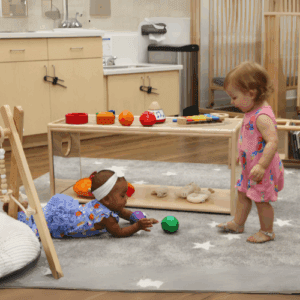
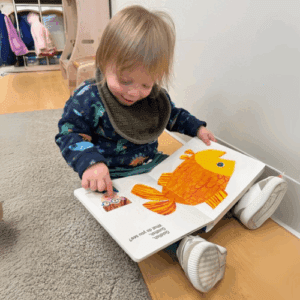
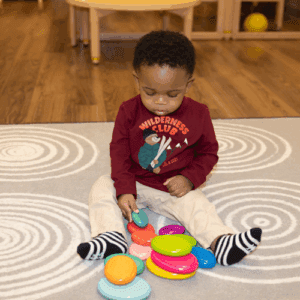
At the heart of most early childhood programs is a simple but powerful idea: children learn best through play. Instead of formal lessons and worksheets, you’ll see children exploring, creating, and problem-solving through hands-on activities. A great curriculum often follows the children’s lead, building on what they’re curious about. This approach keeps them deeply engaged and fosters a genuine love for learning. Think of classrooms filled with art supplies, sensory bins, building blocks, and cozy reading nooks. These aren’t just toys; they are the tools that help your child understand the world, build relationships, and develop critical thinking skills in a joyful, pressure-free way. This focus on early childhood learning sets the stage for future academic success.
Individualized Support for Your Little One
A high-quality center is committed to creating an inclusive and nurturing space where every child feels safe and valued. The focus is on supporting the whole child, which means paying attention to their social, emotional, cognitive, and physical development all at once. Teachers are trained to provide a balanced experience that helps children build confidence, learn to manage their feelings, and interact positively with their peers. You’ll find that the environment is intentionally designed to be developmentally appropriate, meeting children where they are while gently encouraging them to take the next step. This commitment to early education and support ensures that your child receives the personalized attention they need to thrive, no matter their individual personality or learning style.
Types of ECEC Programs
As you begin your search, you’ll quickly see that early childhood education centers come in many different forms. This variety is a good thing—it means you can find a program that truly aligns with your family’s needs, values, and schedule. The landscape includes everything from small, in-home setups to larger, center-based facilities, each with a distinct approach. Understanding the main types of programs available will help you narrow down your options and find the perfect environment for your child to learn and grow.
Private vs. Public Options
Most early education centers fall into two main categories: private and public. Private centers, like Strong Start, are typically funded by tuition and may be independently owned or part of a larger organization. They often offer a specific educational philosophy, such as a curriculum inspired by Reggio Emilia, and provide flexible, full-day schedules designed to support working families. Public options, like state-funded preschools or Head Start programs, are funded by the government. These programs are often excellent but may have specific income or location-based eligibility requirements and sometimes offer shorter, half-day schedules that follow a traditional school calendar.
Specialized Support for Children with Disabilities
Some centers are specifically designed to provide an inclusive and supportive environment for children with developmental differences or disabilities. These programs go beyond standard childcare by integrating therapeutic services and individualized learning plans into the daily routine. Their mission is to nurture, teach, and support children and their families, helping each child reach their unique learning and therapy goals. In these settings, educators often work closely with specialists like speech or occupational therapists to ensure every child receives the targeted support they need to thrive alongside their peers. This collaborative approach helps build a strong foundation for future success in school and in life.
Support and Resources for Your Family
The support doesn’t stop with your child. Great early childhood centers view parents as essential partners in the education process and work hard to build a strong community. You can expect regular communication from teachers, but the involvement often goes much deeper. Many centers offer workshops on parenting topics, host family events, and provide opportunities for you to participate meaningfully in your child’s educational environment. These activities help you connect with other families and play an active role in the classroom community. Some programs even offer modern tools and resource hubs for parents looking for information and local support services, helping you stay connected and informed every step of the way.
How Early Education Helps Your Child Grow
When you think about an early childhood education center, you might picture kids learning their ABCs and 123s. While that’s part of it, the benefits go so much deeper. These early years are a powerhouse for development, and a quality program is designed to nurture your whole child—from how they make friends to how they see the world. It’s about building a strong, confident, and curious little person who is ready for school and for life.
Building Social and Emotional Skills
One of the biggest gifts a quality center gives your child is the chance to grow their social and emotional skills. In a supportive classroom, children learn how to share, take turns, and communicate their needs and feelings with others. They build important skills like problem-solving with a friend over a toy or working together to build a block tower. This is where they start to understand empathy, manage their frustrations, and build the confidence to interact with their peers. It’s a safe space to practice the give-and-take of friendship, which is a skill they’ll use for the rest of their lives.
Laying the Groundwork for Lifelong Learning
A great early learning program sparks a genuine love of learning. Instead of just memorizing facts, children are encouraged to be curious and explore what interests them. When the curriculum follows a child’s natural curiosity, it leads to greater engagement and a positive attitude toward discovering new things. Teachers act as guides, creating activities that are challenging but not frustrating. They use developmentally appropriate practices to make sure every child is supported, building a solid foundation of skills and, more importantly, the confidence to see themselves as capable learners.
Preparing for Kindergarten and Beyond
The first five years are a critical window for development because most of your child’s brain growth happens during this time. A high-quality program makes the most of this period by creating experiences that prepare them not just for kindergarten, but for life. They learn to follow routines, listen in a group, and work independently. At the same time, the best centers know that you are your child’s first and most important teacher. They encourage strong parental engagement through regular communication and opportunities to get involved, creating a partnership that helps your child thrive both at school and at home.
Finding the Right Teaching Style for Your Child
As you tour different centers, you’ll quickly notice they don’t all look or feel the same. That’s because each one operates with a unique teaching philosophy that guides everything from the classroom layout to the daily schedule. Some centers follow a specific, well-known model, while others mix and match ideas to create their own approach. There’s no single “right” way to teach young children, but understanding the basic philosophies can help you find a center that feels like the perfect fit for your family’s values and your child’s personality.
Most approaches fall somewhere on a spectrum between child-led exploration and teacher-guided instruction. Many of the best programs find a healthy balance between the two. They create a thoughtful environment where children have the freedom to follow their curiosity while teachers gently guide them toward important developmental milestones. Knowing a little about these different styles will help you ask great questions during your search and feel confident in your final choice.
The Play-Based Approach
You’ve probably heard the phrase “play is the work of childhood,” and play-based centers take this idea to heart. In these programs, the classroom is set up to invite exploration, creativity, and problem-solving. Instead of formal lessons, learning happens organically as children build with blocks, experiment with art supplies, or engage in pretend play. Teachers act as facilitators, observing the children’s interests and introducing new materials or questions to extend their learning. Research shows that when the curriculum and learning approaches emerge from what kids are genuinely interested in, they become more engaged and develop a positive attitude toward learning that can last a lifetime.
A Closer Look at Montessori and Reggio Emilia
Two of the most well-known philosophies you might encounter are Montessori and Reggio Emilia. A Montessori classroom often features mixed-age groups, child-sized furniture, and specific learning materials that children can choose and work with independently. The focus is on fostering self-reliance and letting children learn at their own pace. The Reggio Emilia approach, on the other hand, is more collaborative and project-based. Learning is driven by the children’s questions, and they explore topics deeply through art, conversation, and long-term projects. Both are just a couple of the many early childhood education models you might find.
Our Reggio Emilia-Inspired Philosophy at Strong Start
At Strong Start, we are deeply inspired by the Reggio Emilia philosophy because we see every child as a capable, curious, and creative learner. Our classrooms are designed to be collaborative spaces where learning is driven by the children’s own questions and interests. Instead of following a rigid lesson plan, our educators listen carefully to the children and guide them as they explore topics through long-term projects, art, and hands-on discovery. This child-led approach ensures that learning is always meaningful and engaging. We believe our role is to provide a rich environment that sparks curiosity and empowers children to become confident problem-solvers and thinkers, setting the stage for a lifelong love of learning.
What About a More Structured Approach?
The word “structured” might bring to mind desks and worksheets, but in early childhood education, it means something very different. A structured or curriculum-based approach simply means there is a thoughtful, intentional plan behind the daily activities. Educators use their knowledge of child development to design experiences that help children build specific skills, whether it’s learning letters, practicing sharing, or developing fine motor control. A high-quality early childhood curriculum is flexible and considers each child’s individual needs and background. It provides a predictable routine that helps children feel secure while ensuring they are consistently exposed to new ideas and learning opportunities.
Your Checklist for Finding a Quality Center
Walking into a potential early childhood education center can feel overwhelming. You’re not just looking for a place to drop your child off; you’re searching for a second home where they will be safe, happy, and encouraged to grow. Knowing what to look for can help you cut through the noise and focus on what truly matters. The best centers share a few key characteristics that set them apart. When you tour a facility, pay close attention to the teaching staff, the safety measures in place, and the overall feel of the classroom environment. These elements are the building blocks of a high-quality program that will support your child’s development every step of the way. A great center doesn’t just look good on paper; it feels right. Trust your instincts, but also arm yourself with the knowledge of what to look for to make the best choice for your family.
Why Qualified Teachers and Class Size Matter
The heart of any great center is its teachers. Look for caregivers who have formal education or training in early childhood development. This background means they understand the stages of child development and know how to create activities that are both fun and educational. Equally important are the child-to-teacher ratios. Smaller class sizes allow for more one-on-one interaction, which means your child gets the personal attention they need to thrive. During your visit, observe how the staff interacts with the children. Do they seem patient, engaged, and genuinely happy to be there? A passionate and qualified teaching staff is the clearest sign of a center that prioritizes your child’s well-being and learning.
The Value of Experienced, Long-Term Staff
Beyond credentials, look for a center with low staff turnover. When teachers and caregivers stay for the long haul, it’s a strong indicator of a positive, supportive work environment—and that feeling extends directly to the children. For your little one, seeing the same warm, smiling faces each day creates a sense of stability and security. This consistency is what allows them to build trusting relationships, feel safe enough to take risks, and truly settle into learning. Experienced educators are experts at supporting the whole child, nurturing not just their academic skills but also their emotional resilience and social confidence. They know how to create a balanced, inclusive classroom where every child feels seen and valued, which is why a team of exceptional early childhood professionals is so important.
Additional Support Staff for Families
A top-tier center understands that they are caring for your whole family, not just your child. The best programs see you as a true partner in your child’s education and work to build a strong, supportive community around you. This goes far beyond a quick update at pick-up time. Look for centers that offer regular, meaningful communication, host family events, and provide resources or workshops on parenting topics. This commitment to partnering with parents creates a seamless connection between home and school, ensuring your child feels supported from all sides. It also gives you a chance to connect with other families, share experiences, and build your own support network, making the journey of parenthood feel a little less lonely.
Checking for Safety, Licensing, and Accreditation
Your child’s safety is the top priority, and a high-quality center will make that obvious. First, check that the center is licensed by the state—this is the baseline requirement for legal operation. Some centers go a step further to earn accreditation from a national organization, which signals a deeper commitment to meeting high standards. On your tour, look for practical safety features like secure entrances, covered outlets, and clean, well-maintained spaces. Ask about their health policies, including immunization requirements, handwashing routines, and procedures for handling illnesses. A transparent and thorough approach to health and safety shows that a center is serious about protecting every child in its care.
Understanding Governance and Oversight
Beyond the daily activities, strong governance and oversight are the invisible structures that hold a quality center together. This refers to the thoughtful policies and procedures that guide everything from staff training to emergency preparedness. A well-run center is committed to creating an inclusive and nurturing space where every child feels safe and valued. The focus is on supporting the whole child—their social, emotional, cognitive, and physical development. This means having clear health and safety protocols, consistent daily routines that help children feel secure, and a commitment to open communication with families. It’s this dedication to excellence behind the scenes that ensures a consistently positive and high-quality experience for your child every single day.
The Importance of NAEYC Accreditation
While state licensing is a must, some centers voluntarily go through a much more rigorous process to earn national accreditation. The gold standard in early childhood education is accreditation from the National Association for the Education of Young Children (NAEYC). This is a mark of quality that signals a center’s deep commitment to excellence. To earn this credential, a program must meet high standards across ten key areas, including curriculum, teacher qualifications, family partnerships, and community relationships. Choosing a NAEYC-accredited center gives you peace of mind, knowing it has been thoroughly vetted and recognized for providing the highest level of care and education for young children.
What Does a Nurturing Classroom Look Like?
A great classroom should feel like a warm and inviting space for exploration. When you walk in, you should see a clean, organized, and child-friendly environment. Look for a variety of age-appropriate materials, like books, building blocks, and art supplies, that are easily accessible to the children. The room should be a place that supports different types of play and learning. More importantly, pay attention to the emotional atmosphere. A high-quality learning environment is one where children feel secure and respected. Listen to the tone of the room—is it calm and happy? Do the teachers speak to the children in a warm and encouraging way? This positive setting is what helps your child build confidence and develop a genuine love for learning.
Evaluating the Facility and Physical Environment
The physical space where your child will spend their days is more than just a building; it’s a crucial part of their learning experience. A well-designed environment acts as a “third teacher,” inviting curiosity and making children feel capable and secure. As you walk through a center, pay attention to how the space feels. Does it seem chaotic or calm? Is it bright and cheerful? The environment should be thoughtfully arranged to support both individual exploration and group activities. It should feel like a second home—a place where your child can comfortably be themselves, take safe risks, and discover new things with confidence.
Key Features to Look For
When you tour a classroom, look for signs that it’s designed for little learners. Are the shelves low and open, allowing children to easily choose their own activities? You should see a rich variety of materials like blocks, art supplies, puzzles, and books that are organized and accessible. Notice if the children’s own artwork and projects are displayed proudly on the walls; this shows that their work is valued. A quality center will also have distinct areas for different kinds of play, such as a quiet corner for reading, a space for messy art, and an area for building. Don’t forget to check out the outdoor play space—it should be safe, engaging, and offer plenty of room for running, climbing, and exploring nature.
Accessibility and Safety Considerations
Nothing is more important than your child’s safety, so this is an area where you’ll want to be thorough. A center must, at a minimum, be licensed by the state. Beyond that, look for a program that has earned NAEYC accreditation, which is the gold standard for high-quality care. On your tour, observe the practical safety measures. Is there a secure check-in and check-out system? Are the classrooms clean and well-maintained, with covered electrical outlets and no sharp corners on furniture? Ask about their emergency plans and health policies. A center that is transparent and proactive about its health and safety procedures demonstrates a deep commitment to protecting the children in its care, giving you essential peace of mind.
How to Choose the Right Center for Your Family
Finding the right early childhood education center can feel like a huge decision, but it’s all about finding the place where your child—and you—feel comfortable, safe, and supported. Think of it as searching for a partner in your child’s early development. By focusing on a few key areas and asking the right questions, you can confidently find the perfect fit for your family.
Your Family’s Needs and Priorities
When you start comparing centers, it helps to have a mental checklist. First, look for the basics: licensing and accreditation. These ensure the center meets state health and safety standards. Next, consider the people who will be spending their days with your child. A high-quality center will have caregivers with qualifications in early childhood education. Pay attention to child-to-teacher ratios, as smaller groups mean more one-on-one attention for your little one. Also, take note of the learning environment itself—is it clean, engaging, and secure? Finally, clear communication between you and the providers is essential for a trusting relationship.
Important Questions to Ask on Your Tour
A tour is your chance to see a center in action and get a feel for the daily rhythm. As you walk through, watch how the staff interacts with the children. Are they warm, patient, and engaged? Don’t be shy about asking questions. You can ask about their approach to discipline, how they handle emergencies, and what a typical day looks like. It’s also a great idea to ask about staff qualifications and ongoing training. Hearing about how they manage daily routines can give you a much clearer picture of what to expect and whether it aligns with your own family’s style.
Trusting Your Gut: Is It the Right Fit?
Beyond the practicalities, the right center should just feel right. Does their philosophy on learning match yours? Look for a place that offers a balanced curriculum that supports all areas of development—not just academics, but also social, emotional, and physical growth. Think about what’s important to your family. Do you value outdoor play, creative arts, or a structured schedule? Every family is different, and the best center for yours will be one that respects your values and works with you to help your child thrive. Trust your intuition—it’s one of the most powerful tools you have as a parent.
Common Myths About Early Childhood Education
When you start looking into early childhood education, you’ll likely come across a lot of opinions and advice. It can be tough to sort through what’s true and what’s just a common misunderstanding. Let’s clear up a few myths you might hear so you can feel more confident in your decisions.
Myth: It’s All About Academics
One of the biggest worries I hear from parents is that an early learning center will be too much like a formal school. They picture their toddler sitting at a tiny desk doing worksheets all day. The reality is that a high-quality program is about so much more than just ABCs and 123s. While these centers do have trained teachers who guide development, they also know how to balance structured learning with play. The focus is on whole-child development, which means nurturing social skills, emotional regulation, and creativity right alongside early literacy and numeracy. It’s about learning through exploration, not just memorization.
Myth: Parents Aren’t Involved
It’s easy to feel like enrolling your child in a program means you’re taking a step back from their daily learning and growth. But that couldn’t be further from the truth. A great early childhood education center sees you, the parent, as a partner. These programs don’t want to reduce your role; they want to work with you. In fact, quality centers actively encourage parental engagement through things like regular communication, parent-teacher conferences, and family events. You’re not just dropping your child off—you’re joining a community that is invested in your child’s success and values your input every step of the way.
Myth: All Centers Are the Same
If you’ve seen one center, you’ve seen them all, right? Not at all. Early childhood education centers can vary dramatically in their teaching philosophies, daily routines, and overall environment. Some might follow a specific approach like Montessori or Reggio Emilia, while others might have a curriculum they’ve developed themselves. High-quality centers stand out by offering a well-rounded curriculum that supports cognitive, social, emotional, and physical development. That’s why it’s so important to tour different programs, ask questions, and find the one that feels like the best fit for your child and your family’s values.
Let’s Talk About Tuition and Enrollment
Figuring out the finances and paperwork for an early childhood education center can feel like a huge task, but it’s more straightforward than it seems. Once you’ve found a center you and your child love, this is the final piece of the puzzle. Let’s walk through what you can expect when it comes to tuition, financial aid, and the actual enrollment process.
Breaking Down Tuition and Payment Options
The cost of early childhood education can vary quite a bit. Some centers are tuition-based, while many others are funded by the state or local government. In fact, many high-quality early childhood education programs are completely free for families. For centers that do charge tuition, you might find different payment options, like monthly plans or sliding scales based on your family’s income. Don’t let the sticker price discourage you. Always ask the center’s director about their fee structure and what’s included—sometimes snacks, meals, and supplies are part of the overall cost. It’s all about finding the financial fit that works for your family.
How to Find Financial Aid and Support
If you need help with tuition costs, you are not alone, and there are resources available to support you. Many centers offer their own scholarships or can point you toward local grants and subsidy programs. Here in our community, the Strong Start San Joaquin app is an incredible resource for finding information on quality early learning and care. It’s designed to connect parents with local programs and support systems. When you tour a center, make it a point to ask about financial aid. The staff is there to help and can often guide you through the application process for any assistance you might qualify for.
The Enrollment Process, Step-by-Step
Ready to sign up? The first step is usually filling out an application form. While some programs have specific enrollment periods, many centers let you apply at any time of the year. You’ll likely need to provide a few key documents, such as your child’s birth certificate and immunization records. Some programs may also have priority enrollment for certain families, like those who qualify for specific grants or live within a certain district. To get the most accurate information, check the center’s website for specific enrollment pages for programs like Pre-K or EarlyLearn. These pages often have detailed checklists and timelines to make the process as smooth as possible for you.
Preparing Your Child for Their First Day
The first day at an early childhood education center is a huge milestone—for your child and for you! It’s completely normal to feel a mix of excitement and nerves. The key to a positive start is preparation. By taking a few simple steps at home, you can help your child feel confident and ready for this new adventure. A smooth transition is all about creating a sense of familiarity and security, while encouraging the independence they’ll need to thrive in a new environment. Let’s walk through some practical ways you can set your little one up for success from day one.
Tips for a Smooth Transition
Your involvement is the most important part of this process. You are your child’s first and best teacher, and your calm confidence will be contagious. Start by talking about the center in a positive and exciting way. If possible, visit together before the first day to meet the teachers and see the classroom. This helps make the unknown feel familiar. Once school starts, stay connected. Quality programs actively encourage parental engagement through regular updates and conferences, which helps everyone feel more comfortable. You can also gather insights from other parents at the center. Hearing about their experiences can offer reassurance and practical tips for the first few weeks.
Building Independence Before Day One
Fostering independence at home is a wonderful way to prepare your child for a classroom setting. This doesn’t mean pushing them to do things they aren’t ready for; it’s about creating opportunities for them to feel capable. Hands-on play is one of the best ways for young children to learn and build self-esteem. Encourage activities where they can explore, make choices, and solve simple problems on their own. You can also involve them in daily routines, like letting them pick out their clothes, put away their toys, or help set the table. These small acts of responsibility build a sense of competence that will serve them well as they step into a new social and learning environment.
Related Articles
- child development center – Strong Start Early Care and Education
- Early Childhood Development Archives – Strong Start
- FAQ – Strong Start
- pre k curriculum – Strong Start Early Care and Education
- pre kindergarten – Strong Start Early Care and Education
Frequently Asked Questions
How is an early childhood education center different from a typical daycare? Think of it as a difference in focus. While both provide safe and reliable care for your child, an early childhood education center is built around a specific educational philosophy. The daily activities are intentionally designed by trained teachers to support your child’s social, emotional, and cognitive development. It’s less about simple supervision and more about creating a rich learning environment where every experience, from snack time to story time, is an opportunity for growth.
My child is just a baby. Isn’t it too early to be thinking about “education”? That’s a great question, and it’s one I hear a lot. For infants and toddlers, “education” looks very different from what we imagine in a classroom. It’s not about flashcards or formal lessons. Instead, it’s about responsive caregiving, building secure attachments, and providing a rich sensory environment. A quality center ensures your baby is in a setting that supports their rapid brain development through gentle interaction, exploration, and play.
How can I be sure a “play-based” program is actually preparing my child for school? It can seem counterintuitive, but play is the most effective way for young children to learn. When a child builds a tower with blocks, they’re learning about gravity and engineering. When they engage in pretend play, they’re building complex social skills and expanding their vocabulary. A play-based curriculum is carefully planned to help children discover concepts and solve problems on their own, which fosters a sense of curiosity and a genuine love for learning—the most important foundation for kindergarten.
What if my child has a really hard time separating from me at drop-off? First, know that this is completely normal, and you are not alone. A good center has plenty of experience helping children and parents through this transition. The teachers will partner with you to create a consistent and reassuring drop-off routine. They understand that building trust takes time and will focus on making your child feel safe and secure. Open communication with the teacher is key, so you can work together to make the process smoother for everyone.
When I tour a center, what’s the most important thing to pay attention to? Beyond the cleanliness and safety features, focus on the interactions. Watch how the teachers speak to the children. Do they get down on their level? Do they sound patient, warm, and respectful? The emotional tone of the classroom is everything. A positive, nurturing relationship between the teachers and the children is the clearest sign of a high-quality program where your child will feel happy and supported.
Written By
Marc Hoffman
Founder, Strong Start Early Care & Education
Marc founded Strong Start in 2014, inspired by his studies at Williams College, Yeshiva University, and research at Yale University. His child-centered, inquiry-based approach to early education has helped hundreds of families in the Trumbull and Bridgeport communities. As a parent himself, Marc understands the importance of finding a nurturing environment where every child can learn, grow, and flourish.