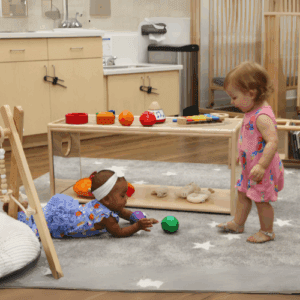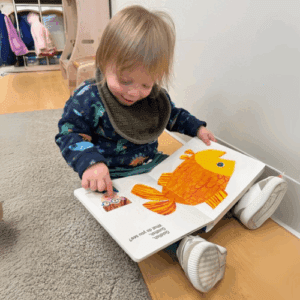

Many parents believe kindergarten readiness is a checklist of academic skills: Can they write their name? Do they know their letters? While these are certainly helpful, educators agree that social and emotional skills are the true foundation for a successful school experience. A child’s ability to share, listen to a teacher, manage frustration, and get along with peers is far more critical in those early days. These are the abilities that allow learning to happen. Before you get too focused on what age is for kindergarten, let’s explore the holistic signs of readiness that really matter—the ones that show your child is prepared to join a classroom community with confidence.
Deciding when to start kindergarten is one of the most significant choices you’ll make for your child’s early education. In the parenting world, this is often called ‘Academic Redshirting’—the practice of delaying entrance to kindergarten to allow a child extra time for growth. At Strong Start Early Care & Education, we help families in Trumbull and Shelton navigate this choice by focusing on developmental milestones rather than just the calendar date. Let’s not think of it like that. Some people, especially sports-minded people, refer to this practice as “redshirting.” This term comes from collegiate athletics and is the term for holding a student-athlete out of eligibility for a year, so they begin to play in their sophomore year instead of their freshman year, for example. This decision is a highly personal decision that is best made by the parents, who know their child best. Whether you choose to enroll now or wait a year, the goal is a confident start. If you’re concerned about toddler speech delays or behavioral transitions, these factors may influence your decision. We invite you to schedule a tour at Strong Start to see how our environment prepares children for the ‘big school’ experience, regardless of when they start. Other parents too will offer their, sometimes unsolicited, advice. Some will tell stories of how their child should have been held back and their regrets at not doing so, while others will tell tales of the mistake of doing so. The decision us ultimately yours, so make it an informed one!
Navigating the Connecticut Kindergarten Cutoff
Here in Connecticut, the traditional kindergarten cutoff date is January 1st. This means a child can technically enter a public school classroom at just 4 years and 8 months old. For many parents in the Shelton and Trumbull school districts, this raises a tough question: Is my child ready for the rigors of a full-day desk-based environment?
If you are leaning toward waiting, our Pre-Kindergarten Program provides the perfect ‘bridge year.’ We offer a curriculum that balances advanced academics with the social-emotional learning needed to lead a classroom, not just follow along.
Should You Wait a Year to Start Kindergarten?
- Some people point to Waldorf schools, where children don’t learn to read or write until age seven, and there are no long-term detrimental effects. Instead of early academics, children are encouraged to play constructively, and there is a lot to be said for this type of schooling, especially if the child will stay in this education model for their entire academic career. However, if a child will attend public schools, it could disadvantage them in the early years as their peers will be reading to learn, not just learning to read, a switch that occurs around the end of second or beginning of third grade in most schools.
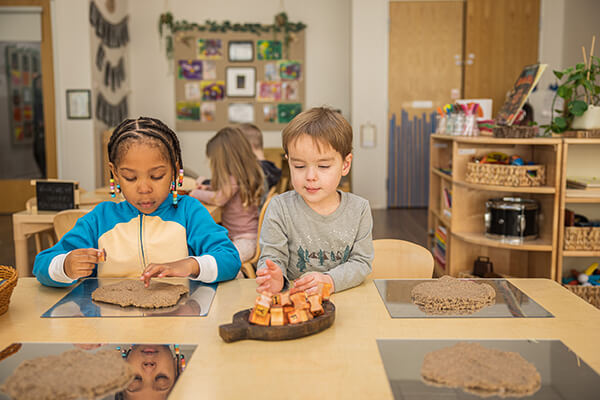 Parents of children with special needs, such as speech delays or early signs of attention deficit, are prime candidates for holding their children back. If you are a parent of a such a child, it could be very tempting to give your child an extra year to mature, instead of risking retention in kindergarten. Between the two scenarios of holding back a child from beginning kindergarten or having a child held back and having them repeat kindergarten, holding them back is better, but of course, you don’t know if they will need to repeat the grade. If you have a child with needs that require special attention, meet with the school and see what accommodations and services are available either with or without accessing official Special Education services such as an I.E.P or 504 Plan. Getting your child into Special Education right away is one way to assure they get the extra help they need from day one and can benefit some children immensely. Speaking to your intended principal about these issues can be very helpful.
- According to a 2011 article in the New York Times, whether a child benefits from an extra year in preschool or at home depends, to a great extent, on the resources of the family. A family that can get quality day care, such as is available at Strong Start Early Care and Education Center in Trumbull, CT, have an advantage over children who are less advantaged. This same article states that children whose parents are considering holding them back because of emotional immaturity may be missing out on an opportunity to mature, as many children do when exposed to their peers.
- It is natural to think that if you hold a child back a year, they will find themselves at the head of the pack as a factor of their larger size and advanced development. However, this is not necessarily true. According to an article in the Wall Street Journal, any advantages an older child has because of being held back disappear by middle school. This may be just what you are looking for, or may make your reasons for your decision evaporate.
In the end, the decision to hold a child back or not is a private decision for parents to make. Getting an opinion of their pediatrician and school official can help, but it is the family that will either have to accommodate another year of being at home or in pre-k. It is also up to their groups to meet the child’s needs if they go ahead and attend kindergarten. The best thing you can do for your child is do your best and make the most informed decision you can make. If you are looking at making this decision in the coming years, make sure your child is getting the best kindergarten preparation at an education-centered day care such as Strong Start Early Care and Education Center. Contact us today to arrange a tour of our facility!
Why This is Such a Big Decision Today
Deciding on the right time for your child to start kindergarten feels more complicated than it used to. The landscape of early education has shifted, and what was once a simple age-based decision now involves weighing academic, social, and emotional factors. Today’s kindergarten classrooms are often more academically rigorous, and the age range of students can be surprisingly wide. This combination creates a new set of considerations for parents trying to give their child the best possible start to their school journey. It’s no longer just about whether your child has turned five; it’s about ensuring they are truly set up for success in a more demanding environment.
The Modern Kindergarten Experience
If you picture kindergarten as a year of finger painting and nap time, you might be surprised by the reality of today’s classrooms. The curriculum has become more structured and academically focused, introducing concepts that were once reserved for first grade. This shift means children are expected to grasp foundational reading and math skills earlier than ever before. Alongside these academic expectations, the social dynamics have also changed. With varying state cutoff dates, a single kindergarten class can include children who have just turned five alongside peers who are nearly six, creating a significant developmental gap that can influence everything from classroom management to social interactions.
Increased Academic Demands
The academic pace of modern kindergarten is a primary reason many parents pause to consider their child’s readiness. Today’s kindergarten often teaches what used to be first-grade material, from sight words and early reading to basic addition and subtraction. This accelerated curriculum can be a fantastic challenge for some children, but for others, it can feel overwhelming. Parents sometimes worry that an emotionally or developmentally younger child might struggle to keep up, potentially leading to frustration and a negative association with school. The belief is that an extra year of maturity could help a child better handle the work and thrive in a more structured learning environment.
A Wider Age Range in the Classroom
State laws and local district policies on kindergarten entry dates vary significantly, leading to a broad mix of ages in one classroom. Most children are five when they start and turn six during the school year. However, in states with late cutoff dates, some children might begin at age four and turn five a few months into the school year. This means your child could be in a class with students who are nearly a full year older. That age difference is substantial in early childhood, impacting everything from physical coordination and emotional regulation to attention span and social skills, making the classroom a more complex environment to navigate.
Understanding Kindergarten Entrance Rules
Before you can decide *when* your child should start kindergarten, it’s helpful to understand the rules that govern enrollment. These regulations aren’t the same everywhere; they are set at the state level and can differ significantly from one place to another. Key factors include the official cutoff date for birthdays, the age at which school attendance becomes mandatory, and whether your local district offers full-day or half-day programs. Getting clear on these logistics is the first step in mapping out your child’s entry into formal education. It provides the framework within which you can make a personal choice based on your child’s individual needs and development.
How State Laws and Cutoff Dates Vary
Each state has the authority to establish its own laws regarding public education, including the age requirements for starting kindergarten. Most states mandate that children must be five years old by a specific cutoff date, which is typically in the late summer or early fall, such as September 1st. However, these dates can range from July to January, directly impacting whether a child with a fall or winter birthday is eligible. It’s essential to check your state and local school district’s specific policies to know the exact date that applies to your child, as this is the baseline for your decision-making process.
Compulsory School Age vs. Mandatory Attendance
It’s important to distinguish between the age a child is *eligible* for kindergarten and the age at which attendance becomes *compulsory*. While most children can start kindergarten at age five, the majority of states don’t legally require a child to be in school until they are six or seven. This gap gives parents a window of flexibility. For instance, even if your child is eligible for kindergarten at five, you may have the legal option to wait a year without any penalty. A few states, however, do require children to start as early as five, so confirming your state’s compulsory attendance age is a critical step.
Full-Day vs. Half-Day Programs
The type of kindergarten program available can also influence your decision. Currently, about half of the states require their school districts to offer full-day kindergarten, while the other half mandate half-day programs. A full-day program provides more time for instruction, play, and socialization but can be tiring for some five-year-olds. A half-day program might feel more manageable for a child who is still adjusting to a school setting. Understanding what your local district offers can help you assess whether the structure and length of the school day are a good fit for your child’s stamina and temperament.
Beyond Age: Defining Kindergarten Readiness
While birthdate is the official gatekeeper for kindergarten entry, it’s far from the only measure of a child’s readiness. A child’s developmental age can be quite different from their chronological age. True readiness is a holistic concept that encompasses social skills, emotional maturity, independence, and basic academic foundations. Focusing on these broader developmental milestones will give you a much clearer picture of whether your child is prepared to thrive in a classroom setting. At Strong Start, our curriculum is designed to nurture these very skills, helping children grow into confident and capable learners ready for their next adventure.
The Importance of Social and Emotional Skills
When educators talk about kindergarten readiness, they are often emphasizing social and emotional development above all else. The ability to get along with peers, manage emotions, listen to a teacher, and follow classroom routines are the true building blocks of a successful school experience. A child who can share, take turns, and express their needs constructively is better equipped to learn than a child who knows their letters but struggles with self-control. These skills allow children to participate fully in the classroom community, build friendships, and develop a positive attitude toward learning that will serve them for years to come.
Key Readiness Skills to Look For
As you observe your child, there are several key indicators of readiness to watch for. Think about their ability to handle daily routines, interact with others, and engage with simple learning tasks. Children around age five are typically becoming more mature, showing a better understanding of social rules, and finding a balance between active play and quiet focus. Looking at these skills provides a more complete and personal assessment than simply relying on their age. It helps you see your child as a whole person and make a choice that honors their unique developmental timeline.
Self-Care and Independence
A key aspect of kindergarten readiness is a child’s ability to manage their basic needs independently. Can your child use the bathroom on their own, including washing their hands? Are they able to put on their coat and shoes, manage their lunchbox, and keep track of their backpack? Another important milestone is the ability to separate from parents without excessive distress. While some initial nervousness is normal, a child who is generally comfortable and confident in a school setting will have an easier time adjusting and be more available for learning and making friends.
Emotional Maturity and Social Interaction
Emotional maturity is crucial for navigating the social world of a kindergarten classroom. This includes the ability to take turns during a game, share materials with a classmate, and listen when the teacher is speaking. A ready kindergartener is also beginning to manage their feelings in appropriate ways, using words to express frustration instead of hitting or crying. Observing how your child interacts with other children in a playgroup or preschool classroom can give you valuable insight into their social readiness and their ability to function as part of a group.
Basic Academic and Listening Skills
While deep academic knowledge isn’t a prerequisite, some foundational skills are helpful for a smooth transition to kindergarten. A child should be able to follow simple, two-step directions, like “Please get your crayon box and bring it to the table.” Basic exposure to letters and numbers is also beneficial; for example, being able to count to 10 and recognize some letters of the alphabet. These skills demonstrate that a child is ready to engage in classroom activities and can process information in a group setting, setting the stage for more formal academic instruction.
Signs Your Child Might Benefit from Another Year
Sometimes, there are clear signs that a child could benefit from the gift of time. This is often the case for children with late birthdays who would be the youngest in their class. If your child seems less mature than their peers, struggles significantly with transitions, or has a hard time with the social and emotional demands of a group setting, waiting a year might be a wise choice. This is particularly true for boys, who often develop self-regulation skills a bit later than girls. An extra year in a nurturing preschool environment can make a world of difference, allowing them to enter kindergarten feeling confident and prepared.
Quick Checklist: Is Your Child Ready?
Before deciding to wait, ask yourself if your child can:
-
Follow multi-step directions? (e.g., “Put your coat away and sit on the rug.”)
-
Regulate “big emotions” when they don’t get their way?
-
Communicate needs effectively to an adult who isn’t their parent?
-
Demonstrate fine motor stamina for holding pencils and using scissors?
If you’re unsure, our educators at the Trumbull and Shelton campuses can provide a professional assessment of your child’s current progress.
Factors to Consider Before Making a Choice
Making the decision to send your child to kindergarten or wait a year involves looking at the issue from multiple angles. Beyond your child’s individual readiness, there are other important factors to weigh, including research on academic outcomes, potential misdiagnoses, and the practical realities your family faces. It’s also crucial to think about how you would use an extra year to support your child’s development. Taking the time to explore these considerations will help you make a thoughtful, well-rounded decision that feels right for your child and your family’s circumstances.
The Risk of ADHD Misdiagnosis in Younger Students
One compelling reason to consider waiting, especially for children with late birthdays, is the risk of misdiagnosis. Research has shown that the youngest children in a kindergarten class are more frequently diagnosed with ADHD than their older classmates. This is often because their developmentally normal levels of impulsivity and inattention can be mistaken for symptoms of a disorder when compared to peers who are nearly a year older. Giving a child an extra year to mature can sometimes prevent a mislabeling that could follow them for years, allowing their executive function skills to develop more fully before they enter a formal academic setting.
Considerations for Children with Diagnosed Needs
If your child has a diagnosed developmental delay, speech issue, or other special need, the decision about kindergarten timing becomes even more nuanced. In this situation, it’s essential to be proactive. Schedule a meeting with the principal and special education team at your prospective school to discuss the accommodations and services they can provide. Understanding the level of support available can help you determine if the school is equipped to meet your child’s needs from day one. For some, starting on time with an Individualized Education Program (IEP) is the best path, while others may benefit from an extra year of targeted therapy and preschool.
The Equity Factor: Is Delaying an Option for Everyone?
It’s important to acknowledge that the choice to delay kindergarten, or “redshirt,” is often a matter of privilege. For many families, an extra year of paying for childcare is not financially feasible, and they rely on public kindergarten as a necessary support. Low-income families often depend on the learning opportunities and care provided by public schools to prepare their children for academic success. This highlights a fairness issue within the education system, where the ability to give a child an “extra year” is not an option available to everyone, creating potential disparities in the classroom before school even begins.
How to Use an Extra Year Productively
If you decide to wait a year, it’s crucial to make that time count. An extra year at home without a plan for enrichment won’t necessarily lead to growth. The goal is to use the time to actively build the skills your child needs to succeed. This is where a high-quality early education program can be invaluable. Enrolling your child in a program like our Bridge or Preschool classrooms provides a structured, play-based environment where they can develop social, emotional, and pre-academic skills with the guidance of exceptional educators, ensuring they enter kindergarten the following year feeling capable and confident.
Common Terms and Other Options
As you research kindergarten readiness, you’ll likely come across some specific terminology and alternative pathways. Understanding these terms can help you better articulate your choices and explore all the possibilities available to your family. The most common practice is “redshirting,” but on the other end of the spectrum is “early entrance,” a less frequent but available option in some districts. Knowing what these terms mean will equip you to have more informed conversations with educators and other parents as you navigate this important milestone for your child.
What is “Redshirting” or “Rising K”?
“Redshirting” is the term used when parents choose to delay their child’s entry into kindergarten by one year, even if the child is age-eligible. The name is borrowed from college athletics, where an athlete is held out of competition for a year to mature and develop their skills. In an educational context, it means a child will start kindergarten when they are older than the minimum age requirement, often turning six shortly after the school year begins. The goal is to give them an advantage in terms of maturity, size, or development, helping them to be more successful academically and socially.
The Option of Early Entrance
While much of the conversation centers on delaying kindergarten, some parents wonder about the opposite: starting early. Early entrance is an option in some school districts for children who are not yet five by the cutoff date but demonstrate exceptional readiness. However, this is quite rare. The process typically involves a comprehensive evaluation to assess the child’s cognitive, social, and emotional maturity. Schools are generally cautious about granting early admission, as they want to ensure a child is truly prepared for the demands of kindergarten, not just academically bright but also emotionally and socially mature enough to thrive with older classmates.
Frequently Asked Questions
My child doesn’t know all their letters yet. Does that mean they aren’t ready for kindergarten? This is a common worry, but academic skills like letter recognition are not the most critical sign of readiness. Teachers are prepared to teach these things! Instead, focus on their social and emotional skills. Can they follow simple directions, share with a friend, and manage their feelings when they get a little frustrated? These abilities are the real foundation for learning in a classroom setting and are a much better indicator of a smooth transition to school.
My child’s birthday is just before the cutoff date, making them the youngest. Should I automatically wait? A late birthday is definitely a reason to pause and think, but it’s not an automatic reason to wait. Consider your child as an individual. Some younger children are more than ready to join a classroom, while others, particularly those who are still developing their social skills or self-control, might truly benefit from an extra year to mature. Observe how they interact in group settings and trust your gut—you know your child better than anyone.
Are there any disadvantages to holding my child back a year? While giving a child an extra year can build confidence, it’s good to be aware of potential downsides. Any academic or social advantage a child has from being older tends to fade by the time they reach middle school. It’s also important to ensure that the extra year is spent in an enriching environment, like a quality preschool program, where they can continue to grow and be challenged, rather than simply staying home without a plan for their development.
What if another year of preschool isn’t an option for my family? This is a very real and practical concern for many families. The ability to delay kindergarten is not a choice everyone can make, and that’s okay. Public schools are designed to meet children where they are. If your child is age-eligible and you need to send them, focus on communicating with their future teacher and school. Share any concerns you have and ask about the resources and support systems available to help all children, including the youngest ones, have a successful year.
This decision feels huge. What’s the best way to figure out what’s right for my child? It’s completely normal to feel the weight of this decision. The best approach is to gather information from a few key sources. Talk to your child’s current preschool teacher, as they have a professional perspective on your child’s development in a group setting. You can also speak with your pediatrician and the principal of the elementary school. Combining their insights with your own deep knowledge of your child’s personality and temperament will help you make a confident and well-rounded choice.
Key Takeaways
- Readiness is more than academics: A child’s ability to follow directions, share with others, and manage their emotions is a better indicator of kindergarten success than knowing the alphabet. Look for signs of independence and social maturity when assessing if your child is prepared for the classroom.
- Acknowledge the demands of modern kindergarten: Today’s classrooms are more academically focused and often include a wide range of student ages, which can create a challenging environment. Consider whether your child has the stamina and maturity to thrive in a more structured setting.
- If you wait, make the extra year count: The decision to delay kindergarten is personal and depends on your child’s unique needs. If you choose to wait, ensure that year is used to build skills in a high-quality preschool program that fosters social and emotional growth, setting them up for confidence later.
Related Articles
- Is Waiting for Kindergarten Right For Your Child?
- Finding the Right Private Preschool: A Parent’s Guide
- Preschool for 3 Year Olds: Is Your Child Ready?
Written By
Marc Hoffman
Founder, Strong Start Early Care & Education
Marc founded Strong Start in 2014, inspired by his studies at Williams College, Yeshiva University, and research at Yale University. His child-centered, inquiry-based approach to early education has helped hundreds of families in the Trumbull and Bridgeport communities. As a parent himself, Marc understands the importance of finding a nurturing environment where every child can learn, grow, and flourish.