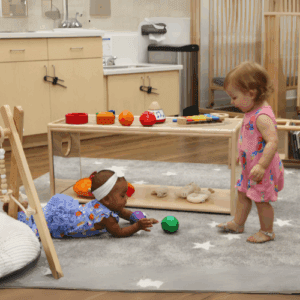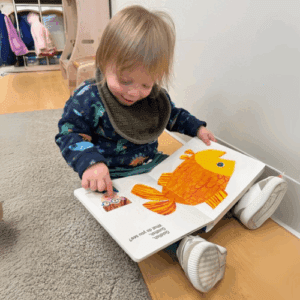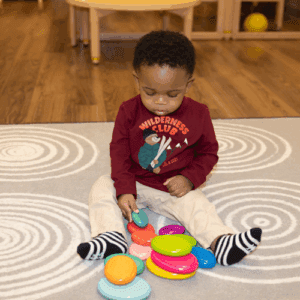

The journey to preschool begins long before you pack their first backpack. It starts in the small, everyday moments at home—the routines you establish, the independence you encourage, and the conversations you have about what’s to come. Creating a smooth runway for this transition helps your child feel secure and prepared to embrace a new environment. Think of it as building a foundation of confidence, one small step at a time. This guide is filled with simple, actionable tips for preschool parents designed to help you nurture that foundation, making the move from home to classroom a positive and empowering experience for your little one.
If Your Child Is Starting Daycare (Toddler Transition Tips)
Some families reading this are preparing for daycare rather than preschool. The transition is similar—new routines, new adults, and a new environment—so a few toddler-specific steps can make the first week feel calmer for everyone.
Bullets (pulling from old page’s unique tips):
-
Talk about daycare ahead of time: Briefly explain where they’re going and why, and keep the message positive and simple.
-
Visit together before day one: A short tour helps your child recognize the classroom, teachers, and toys so it feels familiar.
-
Ease into the routine: Practice earlier bedtimes and consistent meal/nap times so mornings feel predictable.
-
Send a comfort item if allowed: A small blanket or stuffed toy can help them feel secure in a new space.
Beginning preschool is the first step in a child’s educational journey. For many, preschool may be the first time in a learning environment or care center without the comforting presence of mom and dad. This momentous occasion may feel scary for both children and parents alike, but at Strong Start Early Care and Education, we are dedicated to making this transition as easy as possible for everyone involved. With locations both in Shelton and Trumbull, CT, our team is passionate about helping your child grow and thrive throughout their early childhood education journey. In today’s post, we will go over four preschool starting tips to help prepare your child (and yourself) for this new and exciting adventure!

Get Into A Routine
Children thrive on routines, and while starting preschool may disrupt their current schedule, there are ways to help them transition smoothly into a new routine. For young children, visuals can be very helpful in easing the anxiety that can stem from a new schedule. Take photos or use images and lay them out for your child to see. Don’t forget a good bedtime routine to help them fall asleep early to be ready for a day of learning! 
Try rehearsing the schedule a week or two ahead (wake-up, meals, nap/quiet time, and bedtime) so the first school mornings don’t feel like a shock.
Foster Independence
As your child reaches preschool age, fostering age-appropriate independence is key to their success. Simple things like zipping a coat or knowing how to open their lunchbox can help to boost your child’s confidence in a new environment. Perfection isn’t necessarily the goal, but the more you encourage your child to do things on their own, the better they will be able to accomplish it!
Encouraging Responsibility with Chores
Involving your child in simple household chores is a fantastic way to build their sense of responsibility and belonging. When children contribute, they learn that they are a valuable part of the family team. The CDC recommends letting your child help with simple chores, as this not only teaches practical skills but also helps them feel more connected to their home. Tasks like picking up their toys before bed or helping to water a plant can instill a sense of accomplishment and pride, laying the groundwork for a confident and capable mindset.
Assigning age-appropriate chores does wonders for a child’s self-esteem. As they master small tasks on their own, their confidence grows. The Child Mind Institute highlights that helping children develop independence is essential for building their sense of self. You can start with simple things like putting their shoes in the closet or placing napkins on the dinner table. Remember, the goal isn’t perfection; it’s about participation and effort. Celebrating their help encourages them to keep trying and take on new challenges.
These daily habits do more than just keep the house tidy; they prepare your child for the world beyond your front door, especially preschool. Learning to follow simple, multi-step directions and complete a task is a key skill for any classroom. As noted by Reading Rockets, involving your child in daily tasks can help them transition more smoothly into new environments. By incorporating chores into your routine, you are nurturing a responsible, independent child who is ready to thrive in a learning community like the one we foster at Strong Start.
Prepare For The Emotions
Separation anxiety is a common emotion that many children (and parents) experience when it comes to beginning an early childhood education program or daycare. While these feelings are 100% normal to have, there are a few things you can do to help ease them including talking to your child about school, reading books about school, visiting the local library for fun interactive activities with other children, working on saying goodbye to them, and even visiting your child’s new school can help! If your school allows it, sending a familiar comfort item (small lovey, blanket, or stuffed animal) can help your child regulate during the first few drop-offs.
Teaching Emotional Regulation
Starting preschool is a big step, and it comes with a lot of big feelings for everyone. Separation anxiety is completely normal for both children and parents. The key is to acknowledge these emotions and give your child the tools to manage them. You can start by talking openly about what school will be like and reading books about first-day adventures. It’s also helpful to practice saying goodbye. A quick, confident goodbye routine can be more reassuring than a long, drawn-out one. Visiting the new school ahead of time can also demystify the experience, making the classroom and teachers feel familiar and safe. At Strong Start, our exceptional educators are experienced in helping children navigate these new feelings with caring guidance, ensuring a smooth and positive transition.
Creating a Foundation for Health and Safety
A child’s well-being is the bedrock of their ability to learn and grow. Establishing healthy habits and a safe environment at home creates a powerful foundation for their success in preschool and beyond. This involves more than just packing a healthy lunch; it’s about building consistent routines around nutrition, sleep, and daily activities that support their physical and mental development. When children feel secure and healthy, they are more open to exploring, learning, and forming positive relationships. At Strong Start, we consider health and safety a top priority, and we partner with families to reinforce these essential practices both in our classrooms and at home, creating a seamless circle of care for your child.
Promoting Healthy Nutrition
Good nutrition fuels a child’s body and brain for a busy day of learning and play. One of the most effective ways to encourage healthy eating is to model it yourself. The CDC suggests that you eat meals with your child often and let them see you enjoying a variety of fruits, vegetables, and whole grains. When children see the adults they trust eating nutritious foods, they are more likely to try them. Involving them in simple food preparation, like washing vegetables or stirring ingredients, can also spark their interest. It’s equally important to limit foods and drinks with added sugars, solid fats, or salt, which can help establish a preference for healthier options from an early age.
Establishing a Consistent Sleep Schedule
Sleep is crucial for a preschooler’s development, affecting everything from their mood to their ability to concentrate. According to the CDC, children ages 3-5 need about 10–13 hours of sleep in a 24-hour period, which includes naps. Establishing a consistent and calming bedtime routine is one of the best ways to ensure they get the rest they need. This routine can include activities like a warm bath, brushing teeth, and reading a story together. A predictable schedule helps signal to your child’s body that it’s time to wind down, making it easier for them to fall asleep and stay asleep, ensuring they wake up refreshed and ready for a day of discovery.
Setting Screen Time Limits
While technology can be a useful tool, it’s important to manage screen time to encourage other forms of learning and play. The CDC recommends limiting screen time to no more than one hour per day of high-quality programming for preschoolers. Creating a family media plan can help you stick to these limits and ensure that screen time doesn’t interfere with sleep, outdoor play, or family meals. Co-viewing shows or playing educational games with your child can make screen time more interactive and beneficial. By setting clear boundaries, you help your child develop a healthy relationship with technology and appreciate the value of unplugged activities that foster creativity and social skills.
Key Safety Practices
Teaching children about safety is an ongoing conversation that empowers them to make smart choices. Start with the basics, like looking both ways before crossing the street and understanding why it’s important not to play in the road. As they grow, you can introduce more complex safety concepts. The goal is to equip them with the knowledge they need to stay safe without making them fearful. Consistent reminders and practicing safety rules together, like holding hands in a parking lot, help reinforce these crucial lessons. These conversations build a foundation of awareness that they will carry with them as they become more independent.
Car Safety
Every trip in the car is an opportunity to reinforce safety habits. The CDC advises using a forward-facing car seat with a harness until your child reaches the maximum height or weight limit specified by the manufacturer. Once they outgrow it, they should transition to a booster seat, which helps the car’s seat belt fit them properly. It’s critical that children always ride in the back seat, as it is the safest place for them in a vehicle. Making sure your child is buckled in correctly every single time sets a non-negotiable standard for safety that they will come to expect and understand as a normal part of riding in a car.
Outdoor and Water Safety
Outdoor play is essential for development, but it requires constant supervision to ensure safety. Whether at a playground or in your own backyard, it’s important to always keep a close eye on your child. Water safety, in particular, demands undivided attention. The CDC emphasizes that even if a child knows how to swim, they need constant supervision in or near any body of water, including small kiddie pools. Drowning can happen quickly and silently, so avoiding distractions like your phone is crucial. Setting clear rules for outdoor and water play helps your child understand boundaries and enjoy their adventures safely.
Supporting Learning and Development at Home
Your home is your child’s first classroom, and you are their most important teacher. The simple, everyday interactions you share play a huge role in their cognitive and social-emotional growth. You don’t need fancy materials or a rigid curriculum to foster a love of learning. By creating a supportive and stimulating environment, you can help your child build foundational skills in language, literacy, and problem-solving. Engaging in playful learning, reading together, and having meaningful conversations are powerful ways to nurture their natural curiosity. These at-home experiences complement the structured learning they receive in preschool, creating a well-rounded foundation for their educational journey.
Understanding Developmental Milestones
Developmental milestones are a helpful guide for tracking your child’s progress, but it’s important to remember that every child develops at their own pace. As defined by the CDC, these milestones are skills most children can do by a certain age, such as naming colors, showing affection, or hopping on one foot. Think of them as signposts, not deadlines. They can help you understand what to expect next and identify areas where your child might need extra support. If you ever have concerns about your child’s development, don’t hesitate to talk to your pediatrician or your child’s teachers, who can provide guidance and resources.
Building Early Literacy and Language Skills
Strong literacy and language skills are the building blocks for future academic success. You can nurture these skills through simple, enjoyable activities at home. Regular trips to the library or bookstore can instill a love of books and reading from an early age. When you talk to your child throughout the day—describing what you’re doing, asking questions, and listening to their stories—you are actively building their vocabulary and communication skills. These daily interactions are powerful learning opportunities that lay the groundwork for reading, writing, and effective self-expression, preparing them for the rich learning environment of a preschool classroom.
The Importance of Reading Aloud
Reading to your child every day is one of the most impactful things you can do to support their development. According to Reading Rockets, the years before kindergarten are critical for helping children develop a lifelong love of reading. When you read aloud, you’re not just sharing a story; you’re building their vocabulary, improving their listening skills, and sparking their imagination. It’s also a wonderful opportunity for bonding. Let your child choose the book, point to the pictures, and ask questions. This makes reading an interactive and engaging experience that they will look forward to each day.
Using Everyday Conversations to Build Vocabulary
You can turn almost any daily activity into a language-building lesson. The Child Mind Institute suggests using everyday moments as a chance to talk, teach new words, and discuss concepts like shapes, colors, and numbers. While cooking, you can talk about ingredients and measurements. During a walk, you can point out different types of trees or count the cars you see. These conversations don’t have to be formal lessons. By simply narrating your day and engaging your child in conversation, you are constantly exposing them to new words and ideas, which enriches their vocabulary and helps them make sense of the world around them.
Learning Through Play
Play is the primary way young children learn about the world. It’s not just a way to pass the time; it’s how they develop critical skills. The Child Mind Institute notes that children learn best by interacting with caring adults, exploring their surroundings, and playing. Through play, they experiment with new ideas, practice social skills like sharing and taking turns, and develop their problem-solving abilities. Whether they’re building a tower of blocks, pretending to be a superhero, or digging in the dirt, they are actively learning and making connections. Providing plenty of opportunities for play is essential for their cognitive, social, and emotional growth.
How Unstructured Play Fosters Creativity
While structured activities have their place, unstructured play is where creativity truly blossoms. The Child Mind Institute encourages parents to provide open-ended materials like art supplies, building blocks, or dress-up clothes and then step back to let their child’s imagination take the lead. During this type of play, there are no instructions or predetermined outcomes. This freedom allows children to invent their own stories, design their own creations, and solve problems on their own terms. Unstructured play builds confidence, independence, and the ability to think creatively—skills that are valuable in all areas of life.
Our Approach to Play-Based Learning
At Strong Start, we believe that play is serious work. Our curriculum is built on a foundation of purposeful, play-based learning that encourages children to explore their interests and construct their own knowledge. Inspired by the Reggio Emilia philosophy, we see children as capable and curious learners. Our educators act as researchers and guides, observing the children’s play to understand their questions and ideas. We then use The Project Approach to extend their learning through in-depth investigations of topics that emerge from their interests, turning their natural curiosity into meaningful educational experiences.
Positive Parenting and Discipline Strategies
Positive parenting is about teaching and guiding children, not just correcting their behavior. It focuses on building a respectful and encouraging relationship where children feel safe and understood. This approach helps them develop self-discipline, responsibility, and problem-solving skills. Instead of focusing on punishment, positive discipline uses challenges as opportunities to teach valuable life lessons. By setting clear expectations, being consistent, and responding with empathy, you can guide your child’s behavior effectively while strengthening your bond. This creates a positive family dynamic where children learn to manage their emotions and make thoughtful choices.
Establishing Simple Family Rules
Clear and consistent rules help children understand expectations and feel secure. The CDC recommends being direct about what behavior you expect. Instead of saying “Don’t run,” try “Please use your walking feet inside.” This tells them exactly what they *should* do. Keep the rules simple, few in number, and focused on safety and respect, such as “We use kind words” or “We put our toys away.” Involving your child in creating the rules can also give them a sense of ownership and make them more likely to follow them. Consistency is key; when rules are enforced predictably, children learn to trust them.
Guiding Behavior with Positive Discipline
Positive discipline is a powerful tool for teaching children right from wrong without using shame or punishment. It’s about understanding the reason behind a child’s behavior and guiding them toward a better choice. For example, if a child hits, you can say, “I see you’re feeling angry, but it’s not okay to hit. Let’s use your words to tell me what’s wrong.” This validates their feelings while setting a firm boundary. This approach teaches empathy, communication, and self-control. It helps children learn from their mistakes in a supportive way, building their confidence and internal motivation to behave well.
Giving Your Child Simple Choices
Offering simple choices is an effective way to give your child a sense of control and encourage cooperation. The CDC suggests giving your child a few simple choices, like what to wear or what snack to have. This empowers them and can prevent power struggles over small things. Make sure you only offer choices you can live with. For example, instead of asking, “Do you want to get dressed?” which invites a “no,” you can ask, “Do you want to wear the red shirt or the blue shirt?” This shifts the focus from whether to get dressed to how to get dressed, giving them autonomy within the boundaries you’ve set.
Connecting During Key Moments: The 9-Minute Rule
Building a strong connection with your child doesn’t always require large blocks of time. The 9-Minute Theory suggests focusing on three critical windows during the day: the first three minutes after they wake up, the first three minutes after you reunite after school or daycare, and the last three minutes before they go to sleep. According to Advocate Health, making these moments warm, positive, and free from distractions can have a huge impact on your relationship. Putting down your phone, making eye contact, and giving them your full attention during these key transitions helps them feel seen, loved, and secure, strengthening your bond each day.
Visit or Tour Your Child’s New School
Taking a tour of your child’s preschool is a great way to introduce them to their new learning environment, let them meet their teacher, and also introduce them to a few new friends along the way! At Strong Start Early Care and Education, we understand beginning a preschool program can be scary, but our trained staff are here to help you every step of the way. If you have any questions about our preschool program or you would like to schedule a tour, please contact us at either our Shelton or Trumbull locations. We look forward to helping your child grow!
Frequently Asked Questions
What if my child is still crying at drop-off after the first couple of weeks? First, know that this is completely normal. Every child adjusts at their own pace, and it can take some longer than others to feel secure in a new environment. The best thing you can do is create a consistent and quick goodbye routine. A long, drawn-out farewell can sometimes make the separation harder. Give them a confident hug and kiss, reassure them you’ll be back, and then hand them over to their teacher. Our educators are experts at helping children through this transition, so trust them to comfort and engage your child once you’ve left.
How can I support my child’s independence without pushing them too hard? The key is to follow your child’s lead and celebrate their effort, not just the result. Start with small, manageable tasks that give them a sense of accomplishment, like asking them to put their own shoes in the basket or pull up their own pants. If they struggle, you can offer help by saying, “That looks tricky, can I help you get it started?” This shows them it’s okay to try and that you’re there for support. The goal is to build their confidence by letting them master one small thing at a time.
My child has a hard time with goodbyes. What’s the best way to handle drop-off? Creating a predictable drop-off ritual can make a world of difference. It can be as simple as a special handshake, one big hug, and a cheerful “See you after snack time!” The predictability helps your child feel secure because they know exactly what to expect. It’s important to remain calm and positive yourself, as children are very perceptive and will pick up on your anxiety. Always say goodbye—sneaking out can create mistrust—and then make a clean exit. A swift, loving departure is often the kindest approach.
How can I incorporate learning at home without it feeling like a formal lesson? You’re likely already doing it! Learning for a preschooler happens through everyday life and conversation. When you’re at the grocery store, talk about the colors of the fruits. While on a walk, count the dogs you see. Ask open-ended questions like, “What do you think will happen next?” when you’re reading a book. These simple interactions build vocabulary, critical thinking, and a natural curiosity about the world. It’s not about flashcards or worksheets; it’s about engaging with them as you go about your day.
What are some simple ways to establish family rules that my preschooler will actually understand? For this age group, less is more. Stick to two or three simple, positive rules that focus on what to do, rather than what not to do. For example, instead of “No hitting,” try “We use gentle hands.” Instead of “Don’t yell,” try “We use our inside voices.” Phrasing rules this way gives them clear direction. It can also be helpful to create the rules together and even draw pictures to represent them, which gives your child a sense of ownership and provides a great visual reminder.
Key Takeaways
- Build a smooth transition from home to school: Ease your child into preschool by establishing predictable routines, encouraging small acts of independence like zipping their own coat, and talking openly about the new emotions they might feel.
- Establish a foundation of health and security: Support your child’s readiness to learn by focusing on essentials like a consistent sleep schedule, clear family rules, and positive discipline, which helps them feel safe and understood.
- Make your home their first classroom: Nurture a love for learning through simple daily habits. Reading books together, talking during everyday activities, and allowing for unstructured play are powerful ways to build their vocabulary and creativity.
Related Articles
- Four Preschool Starting Tips for Parents – Strong Start
- The Pros and Cons of Full Day Preschool – Strong Start
- How to Deal With Temper Tantrums – Strong Start
Written By
Marc Hoffman
Founder, Strong Start Early Care & Education
Marc founded Strong Start in 2014, inspired by his studies at Williams College, Yeshiva University, and research at Yale University. His child-centered, inquiry-based approach to early education has helped hundreds of families in the Trumbull and Bridgeport communities. As a parent himself, Marc understands the importance of finding a nurturing environment where every child can learn, grow, and flourish.