Every child is a natural explorer, turning over rocks to find bugs and mixing potions in the bathtub. Their desire to understand the world is a powerful engine for growth. Our role is to provide the fuel. This means creating an environment where their questions are celebrated and their interests guide the way. It’s about turning a walk in the park into a nature scavenger hunt or a trip to the grocery store into a lesson on colors and numbers. If you’re interested in learning more about how to weave these moments of discovery into your daily life, this guide offers simple, actionable ideas.
At Strong Start Early Care & Education, located in Trumbull and Shelton, CT, we believe that fostering a love for learning in young children is fundamental to their development. Engaging preschoolers in their educational journey can be a rewarding challenge, and we’re here to share some effective strategies to keep kids interested in learning. Keep reading to learn more!
How to Keep Kids Interested in Learning
Children are born with an incredible sense of wonder. Their natural curiosity is the engine that drives their desire to understand the world, making them ask questions and want to learn more. The key to keeping them engaged is to nurture this instinct rather than stifle it with rigid instruction. When you treat learning as an exciting exploration instead of a chore, it becomes a lifelong passion. At Strong Start, our entire curriculum is built around this idea. We follow the children’s lead, using The Project Approach to dive deep into topics that genuinely fascinate them, whether it’s how gardens grow or why skyscrapers are so tall. This method transforms education into a collaborative adventure, making every day a new opportunity for discovery.
You can easily bring this spirit of discovery into your home. Learning shouldn’t be confined to a classroom; it happens everywhere. Encourage active exploration by turning everyday moments into learning opportunities. Baking cookies can be a lesson in measurements and chemistry. A walk in the park can become a nature scavenger hunt. When your child asks a question, even one of the endless “whys,” see it as an invitation to find the answer together. This approach shows them that their ideas are valued and that learning is a powerful tool for understanding their interests. We see education as a true collaboration, which is why partnering with parents is a cornerstone of our philosophy, ensuring a consistent and supportive learning environment at school and at home.
Embrace Play-Based Learning
We believe that play is the foundation of childhood education. By incorporating play-based activities into our curriculum, we create a dynamic atmosphere that encourages exploration and creativity. Children learn best when they are allowed to experiment and play, making learning feel less like a chore and more like an adventure.
Follow Their Interests
Our philosophy revolves around the idea that children’s natural curiosity should drive their learning experiences. We take the time to observe and listen to what captures their attention. By tailoring our early childhood programs to incorporate these interests, we provide opportunities for deeper engagement and understanding. If a child shows a fascination with dinosaurs, we might explore that theme through art, science, and storytelling. 
Encourage Questions
At Strong Start, we foster an environment where questions are celebrated. We encourage our young learners to ask “why” and “how,” allowing them to take ownership of their learning journey. When children feel safe to explore their thoughts, they develop critical thinking skills and a desire for lifelong learning.
Make Learning Collaborative
Learning doesn’t have to be a solitary activity. Our preschool and daycare center emphasizes collaboration through group activities and projects. By working together, children learn important social skills and develop a sense of belonging. This interaction enhances their enjoyment of learning, making it a shared experience filled with joy and discovery.
Celebrate Achievements
Finally, we believe in recognizing every child’s achievements, no matter how small. Celebrating milestones and progress cultivates a positive attitude toward education and inspires children to strive for more. At Strong Start Early Care & Education, we are dedicated to igniting a passion for learning in young children that will last a lifetime. Join us in shaping the future of education and inspiring young minds to reach their full potential. Contact our Trumbull and Shelton locations today to learn more about our innovative early childhood programs. Let’s embark on this exciting learning journey together!
Creating a Supportive Learning Environment
A child’s desire to learn is deeply influenced by the environment around them, both at school and at home. Creating a space that feels safe, encouraging, and full of wonder is the first step in nurturing a lifelong learner. It’s less about having the right toys or materials and more about fostering a positive attitude toward discovery. When children see learning as an exciting adventure rather than a chore, they are more likely to engage with curiosity and confidence. This supportive foundation helps them feel secure enough to ask questions, make mistakes, and try again, which are all essential parts of the learning process. At its core, a supportive environment shows a child that their ideas are valued and their efforts are celebrated.
Model Your Own Excitement for Learning
Children are incredibly perceptive; they notice what you get excited about. When they see you genuinely interested in learning something new—whether it’s reading a book, trying a new recipe, or figuring out how to fix something—it sends a powerful message that learning is a joyful and valuable part of life. You don’t have to be an expert on every topic. Simply showing curiosity and a willingness to discover alongside them is enough. As one source notes, learning can make you feel proud and improve your skills. By modeling this, you teach your child that the process of discovery is just as important as the answer itself, building a positive association with education from the very beginning.
Focus on Your Child’s Strengths
Every child has unique talents and interests. Recognizing and celebrating these strengths is a powerful way to build their confidence and motivation. When you help children see what they are good at, it encourages them to lean into those abilities and explore them further. If your child loves to build, praise their intricate block towers. If they are compassionate, acknowledge their kindness toward a friend. This positive reinforcement helps them develop a strong sense of self and shows them that their contributions are meaningful. Focusing on strengths doesn’t mean ignoring areas for growth, but it creates a foundation of confidence that makes tackling challenges feel much less daunting.
Let the Learner Lead
When children have a say in what and how they learn, their engagement skyrockets. Allowing them to lead the way taps into their natural curiosity and makes the experience more meaningful. This principle is a cornerstone of our approach at Strong Start, inspired by philosophies like Reggio Emilia. If your child becomes fascinated by insects during a walk, you can follow that interest by finding books about bugs, observing them in the backyard, or drawing pictures of them. Giving children this autonomy shows them that their interests are valid and important. It transforms learning from a passive activity into an active, exciting pursuit where they are the explorers in charge of their own journey.
Specific Strategies for Effective Learning
Beyond creating a positive environment, specific strategies can help children process information, build connections, and retain what they’ve learned. These techniques aren’t about formal lessons or drills; they are simple, everyday practices that can be woven into your daily routines. The goal is to make learning an active, engaging process. By encouraging children to think critically, use their imagination, and connect with stories, you give them the tools they need to become effective and enthusiastic learners. These strategies help transform abstract concepts into concrete understanding, laying the groundwork for more complex academic skills later on.
Encourage Reflection
Taking a moment to think about an experience is a simple yet powerful way to solidify learning. For young children, reflection can be as easy as asking open-ended questions after an activity. After reading a story, you might ask, “What was your favorite part?” or “How do you think the character felt?” After a trip to the park, “What was the most fun thing you did today?” This practice encourages them to process their experiences, organize their thoughts, and make deeper connections. Taking time to think about what they’ve learned helps them remember it better and develops metacognitive skills, or the ability to think about one’s own thinking.
Practice Recalling Information
Actively recalling information strengthens memory pathways in the brain. For preschoolers, this doesn’t mean stressful quizzes. Instead, you can make it a fun, low-pressure part of your conversations. Ask your child to tell another family member about their day at school or explain the rules of a game they just played. You could say, “I can’t remember what happens next in this story, can you remind me?” This simple act of retrieving information from their memory makes that knowledge stick. It’s a playful way to test yourself and reinforces what they’ve learned without the pressure of a formal assessment.
Use Stories and Tangible Aids
Abstract ideas can be difficult for young children to grasp, but stories and physical objects make them concrete and relatable. Narratives from books, videos, or even your own life can bring concepts to life. For example, a story about a seed growing into a plant makes the concept of life cycles much more understandable than a simple explanation. Similarly, using blocks to practice counting or slicing a pizza to explain fractions provides a tangible way to interact with ideas. These tools engage multiple senses, which helps create stronger, more lasting memories and a deeper understanding of the world.
Foster a Love for Reading
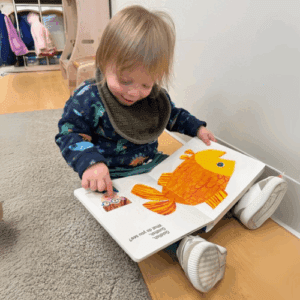
Reading is fundamental to all learning, and nurturing a love for it early on is one of the greatest gifts you can give your child. The key is to make reading a joyful, bonding experience, not a chore. Let your child pick their own books at the library, create a cozy reading nook in your home, and read with expressive voices to make the stories come alive. When children associate books with comfort, excitement, and connection, they are more likely to become lifelong readers. This opens up entire worlds of knowledge and imagination for them to explore independently as they grow.
Connecting Learning to the Real World
Children are most engaged when they can see how learning connects to their own lives. When concepts from books or lessons appear in their everyday world, it creates a powerful “aha!” moment that makes learning feel relevant and exciting. This connection is at the heart of our Project Approach, where children do deep dives into real-world topics. By bridging the gap between abstract ideas and practical experiences, you can help your child understand that learning isn’t just something that happens at school—it’s happening all around them, all the time. This perspective empowers them to see themselves as active participants in a fascinating world.
Provide Hands-On Exploration
There is no substitute for direct, hands-on experience. Children learn best by doing, touching, and exploring. You can facilitate this by involving them in everyday activities. Let them help measure ingredients while you cook, which teaches math and science. Plant a small garden together to learn about biology and patience. Go on a nature walk and collect different types of leaves to observe and compare. These activities allow children to actively explore subjects in a meaningful context. At Strong Start, our enrichment programs, like Budding Bakers & Little Cooks, are built on this very principle of joyful, hands-on discovery.
The Foundation of Learning: Physical Well-being
A child’s ability to learn is directly linked to their physical well-being. Before a child can focus on letters, numbers, or complex ideas, their basic needs must be met. A tired or hungry child will naturally have a harder time engaging, regulating their emotions, and absorbing new information. Prioritizing health and wellness isn’t separate from education; it’s the essential foundation upon which all learning is built. Establishing healthy routines provides the stability and energy children need to show up as their best, most curious selves, ready to take on the day’s adventures.
Prioritize Sleep and Nutrition
Consistent sleep and balanced nutrition are the fuel for a growing brain. Most young children need between 10 and 13 hours of sleep per night to support healthy development, memory consolidation, and emotional regulation. Likewise, starting the day with a nutritious breakfast provides the energy needed for focus and concentration. Simple routines, like a consistent bedtime and healthy, regular meals, can make a world of difference in a child’s mood and readiness to learn. Ensuring children are well-rested and well-fed is a fundamental aspect of our commitment to health and safety, as it directly impacts their ability to thrive in the classroom.
Establish Organizational Habits
For young children, organization is about predictability and routine. Simple habits, like having a designated place for toys and books or following a consistent morning routine, help children feel a sense of control and security. When their environment is predictable, they can dedicate more mental energy to learning and exploration. According to researchers, being organized helps kids feel less stressed and more motivated. You can start by creating simple, visual charts for daily tasks or involving your child in clean-up time. These small habits build a sense of responsibility and create a calm, orderly environment that is conducive to focus and learning.
The Deeper Purpose of Learning
Ultimately, the goal of learning extends far beyond memorizing facts or preparing for the next academic step. It’s about nurturing a child’s innate curiosity, building their confidence, and equipping them with the skills to become capable, resilient, and compassionate individuals. Every small discovery and every new skill learned is a building block for their self-esteem. When we focus on the deeper purpose of learning, we shift the emphasis from performance to progress and from outcomes to the joy of the process itself. This perspective helps children develop a positive identity as a learner and a belief in their own potential.
Building Skills and Self-Esteem
Every time a child masters a new skill—whether it’s zipping their own coat, writing their name, or successfully sharing a toy—they experience a powerful sense of accomplishment. Celebrating these milestones, no matter how small, reinforces their efforts and builds their self-esteem. This growing confidence encourages them to take on new challenges and persevere when things get tough. The skills they build in these early years are not just academic; they are learning how to problem-solve, collaborate, and regulate their emotions. This holistic development is what truly prepares them for a successful future, and it’s a transformation we are privileged to witness in our students every day.
Schedule A Tour Of Our Facilities
Frequently Asked Questions
How can I follow my child’s interests when they seem to change every five minutes? It’s completely normal for a young child’s attention to jump from one thing to the next. The goal isn’t to become an expert on every fleeting fascination, but to celebrate their curiosity in the moment. If they’re into dinosaurs for a day, you can lean into it by finding a book or drawing a picture together. If it’s bugs the next, you can go look for some in the yard. You’re teaching them that their ideas are worth exploring, which is a skill that will stick with them long after their interest in T-Rexes has passed.
What if I don’t feel like an expert on the topics my child is curious about? This is actually a great opportunity. Your role isn’t to be an encyclopedia, but a co-explorer. One of the most powerful things you can say to your child is, “That’s a great question. I don’t know the answer, so let’s find out together.” This shows them that learning is a lifelong process for everyone, not just for kids. It models curiosity and demonstrates how to find information, which is far more valuable than having all the answers yourself.
Is all this focus on play enough to prepare my child for kindergarten? Absolutely. Play is how children build the foundational skills they need for formal schooling. When they build a tower, they’re learning about physics and problem-solving. When they engage in pretend play with friends, they’re developing crucial social skills, negotiation, and language. This type of learning fosters creativity, resilience, and critical thinking, which are the very skills that help children succeed not just in kindergarten, but throughout their lives.
How can I turn everyday routines into learning opportunities without it feeling like a constant lesson? The key is to keep it light and follow your child’s lead. It’s less about quizzing them and more about having a conversation. When you’re sorting laundry, you might casually mention the colors or textures. At the grocery store, you can ask them to find a round, red apple. It’s about being present and noticing the natural learning moments that already exist in your day, rather than trying to create a formal lesson plan. When it flows naturally from the activity, it just feels like a fun conversation.
My child gets frustrated easily when they can’t do something. How does that affect their interest in learning? Frustration is a normal part of the learning process, and how we respond to it is key. Instead of focusing only on the final result, celebrate their effort and persistence. You can say things like, “I see how hard you’re working on that puzzle,” or “That was a great try.” This helps shift their focus from getting it “right” to the value of the process itself. It builds their resilience and teaches them that making mistakes is a safe and necessary part of figuring things out, which keeps them willing to try new and challenging things.
Key Takeaways
- Follow their lead on learning: Pay attention to what your child is naturally drawn to—whether it’s dinosaurs or how a faucet works—and use their interests as the starting point for exploration. This turns education into a shared adventure driven by their genuine curiosity.
- Weave learning into everyday life: You don’t need special tools or lesson plans to teach. Simple activities like baking cookies, sorting laundry, or going for a walk can become natural opportunities to explore math, science, and observation in a hands-on way.
- Create a safe launchpad for discovery: A child’s readiness to learn depends on feeling secure and well-rested. By fostering a supportive home environment, celebrating effort over perfection, and prioritizing healthy routines, you give them the confidence they need to ask questions and take risks.