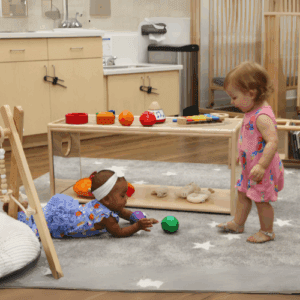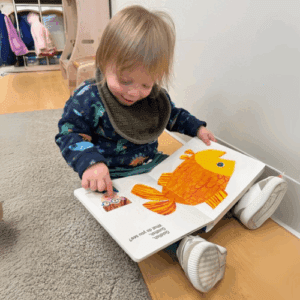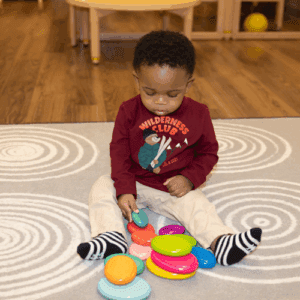
Wondering how many hours a day is preschool and what actually fills that time? When you’re considering a full day preschool, it’s a valid question. This isn’t the elementary school we remember, with desks and long lessons. Instead, a great program is a blend of purposeful play, hands-on discovery, and essential rest. Understanding this daily rhythm is a huge part of weighing the pros and cons of preschool. Let’s pull back the curtain on a typical day. You’ll see how every moment is designed to help your child learn, grow, and make new friends.
Key Takeaways
- A full day is more than just a longer schedule: It creates a relaxed, consistent rhythm for your child, allowing for deeper play, stronger friendships, and a more thorough preparation for kindergarten.
- Focus on readiness, not just age: Gauge if your child is prepared for a full day by observing their stamina, independence with basic self-care, and their growing interest in playing with other children.
- The best choice fits your whole family: Consider your child’s unique personality alongside practical logistics like your work schedule and commute to find a preschool rhythm that reduces stress for everyone.
The Big Picture: Why Consider Preschool?
Choosing to send your child to preschool is one of the first big educational decisions you’ll make as a parent. It’s about so much more than finding a place for them to be while you work; it’s about giving them a space designed to nurture their growth during a truly magical time in their development. A high-quality preschool program provides a unique environment where children can explore, build friendships, and develop a genuine love for learning that will serve them for years to come. It’s a place where they can practice being part of a community, guided by caring professionals who understand exactly what they need at each stage. By looking at the bigger picture, we can see how these early experiences lay the groundwork for academic success, social confidence, and emotional well-being.
The Critical First Five Years of Brain Development
You’ve probably heard that a child’s brain develops at an incredible pace, and it’s true. The first five years of a child’s life are very important for brain development, creating connections that affect them for their whole lives. Every new experience—from squishing paint between their fingers to listening to a story or figuring out how to build a taller tower—helps form the neural pathways that support all future learning. A quality preschool environment is rich with these kinds of experiences. It’s a place where curiosity is encouraged and children are given the tools and guidance to explore their own questions, which is a core part of our Project Approach. This intentional, play-based learning helps build a strong, flexible brain ready for the challenges of kindergarten and beyond.
The Core Benefits of a Preschool Program
While preparing for kindergarten is a key outcome, the advantages of a great preschool program run much deeper. It’s a holistic experience that supports your child’s development from every angle. Beyond learning letters and numbers, children are building the essential social and emotional skills needed to function in a group, gaining confidence in their physical abilities, and learning how to be independent thinkers. In a carefully designed environment, they are exposed to new ideas and activities that spark their imagination. Let’s explore some of the core benefits that make preschool such a valuable step in your child’s journey.
Social and Emotional Growth
One of the most significant benefits of preschool is the opportunity for children to grow socially and emotionally. In a classroom with their peers, children learn to share, take turns, resolve conflicts, and interact with other adults, building crucial social skills and self-reliance. These aren’t lessons that can be taught with flashcards; they are learned through real, everyday interactions. When a disagreement happens over a toy, a teacher can guide children to use their words and find a solution together. This supportive setting helps them understand their own feelings and recognize the feelings of others, laying the foundation for empathy and strong relationships. Our exceptional educators are skilled at facilitating these moments, helping each child feel seen, heard, and valued.
Building Foundational Skills
Preschool is where children begin to build a wide range of foundational skills through activities they see as pure fun. Preschool helps kids get better at using their hands (fine motor skills) through crafts like cutting and drawing, and moving their bodies (gross motor skills) through play like running and climbing. They also learn important social skills like teamwork and following classroom routines. At the same time, they are absorbing pre-academic concepts naturally. Counting blocks becomes an early math lesson, singing the alphabet song builds pre-literacy skills, and listening to a story develops focus and comprehension. Our preschool classrooms are intentionally designed to weave these learning opportunities into every part of the day.
A Safe and Regulated Learning Environment
For children to learn and explore confidently, they need to feel safe and secure. Most preschools are licensed and follow rules to ensure children’s safety and program quality, giving parents essential peace of mind. A predictable daily rhythm helps children understand what to expect, which reduces anxiety and allows them to engage more fully in activities. This structure, balanced with flexibility, creates a comforting and reliable world for them to operate in. At Strong Start, our commitment to health and safety is our top priority. Furthermore, achieving NAEYC accreditation signifies that we meet the highest national standards for early childhood education, ensuring a superior level of care and learning for your child.
Unique Experiences and Opportunities
A great preschool offers exposure to art, music, science, and outdoor play that might be harder to replicate at home, fostering curiosity and a love for learning. Think of large, messy art projects, group science experiments that fizz and bubble, or tending to a classroom garden. These hands-on activities are not just fun; they encourage children to ask questions, make predictions, and discover how the world works. Our enrichment programs provide even more opportunities for discovery, from cooking to STEM learning. By providing a variety of engaging experiences, we help children find new interests and passions, showing them that learning is an exciting adventure that happens everywhere.
What Does a Full Day of Preschool Look Like?
Thinking about full-day preschool can feel like a big step. You might wonder what your child will actually do all day long and how they’ll handle being away from home for so many hours. The good news is that a full-day program is much more than just a longer version of a half-day class. It’s a thoughtfully structured day designed to give your child more time for play, learning, and rest, all at a pace that works for little ones. It provides a consistent and predictable environment where children can feel secure as they explore, make friends, and learn new things. Let’s pull back the curtain on what a typical day looks like.
From Drop-Off to Pick-Up: A Typical Day
A full-day preschool program typically runs for about six and a half hours, mirroring a standard school day from around 9 a.m. to 3 p.m. This extended time allows for a more relaxed rhythm, so children don’t feel rushed from one activity to the next. The day includes all the fun of a shorter program but adds in key elements like a shared lunch, an afternoon snack, and a designated nap or quiet time for everyone to recharge. This structure helps children build healthy routines and manage their energy, preventing that late-afternoon meltdown we all know so well.
The Mix of Learning, Play, and Rest
So, what fills those hours? A mix of everything that helps young children thrive. Your child will engage in small group lessons, explore hands-on learning centers, and enjoy plenty of outdoor play to get their wiggles out. The day is balanced with social moments like meals and storytime, along with essential quiet periods for rest. The beauty of a full day is that it gives children the chance to really sink into activities. This approach to play-based learning is how they build critical thinking skills, solve problems, and learn to collaborate with their new friends in a meaningful way.
Full Day vs. Half Day: What’s the Real Difference?
The most obvious difference is time—about six and a half hours versus three or four. For many working parents, that extra time is a game-changer. But the impact goes beyond logistics. The longer day provides more opportunities for social and academic growth. In fact, some research suggests that children in full-day programs may be better prepared for elementary school. One study found that 80% of full-day preschoolers met school readiness standards, compared to 58% in half-day programs. Of course, it’s also important to consider that a longer day can be tiring for some little ones, especially when they’re just starting out.
The Pros of Full Day Preschool
Deciding on a preschool schedule can feel like a huge puzzle, but a full-day program offers some compelling benefits for both children and parents. For many families, the extended day provides a consistent, enriching environment where little ones can truly settle in and thrive. It creates a predictable rhythm that can support a child’s development and a family’s daily routine. If you’re weighing your options, here are a few of the biggest advantages to consider.
Getting a Head Start on Kindergarten
One of the primary goals of preschool is to prepare children for the transition to kindergarten, and a full-day program provides more time to build that foundation. With a longer schedule, teachers can dedicate more time to early literacy and math skills without rushing. This extended learning time can make a real difference. In fact, some studies show that children in full-day programs are significantly more prepared, with a higher percentage meeting or exceeding national standards for school readiness. This extra time helps kids develop the focus, curiosity, and academic basics they’ll need to feel confident on their first day of kindergarten and beyond.
Helping Them Build Stronger Friendships
Preschool is often a child’s first real experience with navigating friendships, and a full-day program gives them more opportunities to practice. The extended hours allow for more unstructured playtime, which is where so much important social learning happens—like sharing, taking turns, and working through disagreements. More time together helps children form stronger, more meaningful bonds with their classmates and teachers. When kids have a whole day, they can move past the initial parallel play and really learn how to collaborate and connect with their peers. This consistent time with other children helps them grow socially and build the emotional intelligence that’s crucial for life.
More Time for Uninterrupted Play and Projects
A full-day schedule allows for a more relaxed and unhurried pace, giving children the chance to fully immerse themselves in activities. Instead of quickly moving from one thing to the next, they have the freedom to explore a project, a book, or a game at their own speed. This deeper engagement is fantastic for developing concentration and a love of learning. The day is also structured to support a child’s natural rhythm, often including lunch, snacks, and a dedicated nap or quiet time. This balanced approach ensures they have the energy to learn and play, all while getting more time to explore every activity the classroom has to offer.
A Practical Schedule for Working Families
Let’s be practical—family logistics play a big role in this decision. For many working parents, a full-day preschool schedule is a game-changer. It aligns with a typical workday, eliminating the need for a midday pickup and the challenge of arranging after-school care. This consistency simplifies the family’s routine and can reduce a lot of daily stress. Knowing your child is in a safe, nurturing, and educational environment for the entire day provides peace of mind. A schedule that works for you as a parent creates a calmer home life, which ultimately benefits everyone in the family.
The Cons of Full Day Preschool: Addressing Common Worries
Deciding on a preschool schedule is a big step, and it’s completely normal to have a list of worries. Is a full day too much for a little one? How will they handle being away from you for so long? These questions are a sign that you’re a thoughtful parent who wants to make the best choice for your child. Let’s walk through some of the most common concerns parents have about full-day preschool and explore ways to address them.
Will My Child Get Too Tired?
This is often the number one question on a parent’s mind. A full day of playing, learning, and socializing is a lot of stimulation, and it’s natural to worry about your child getting overwhelmed or exhausted. Most full-day programs are designed with this in mind and build in a quiet period or nap time after lunch to help children rest and recharge. However, it’s also true that every child’s stamina is different. Some research suggests that more than 30 hours of preschool a week before age four might lead to some behavioral challenges down the road. The key is to observe your child and communicate with their teachers. A good program will have a plan for kids who are feeling tired and can work with you to ensure the day isn’t too much for them.
Making Goodbyes a Little Easier
Saying goodbye at the classroom door can be tough on both you and your child. Separation anxiety is a normal part of development, but a longer day can feel daunting. The best way to handle this is with preparation and consistency. You can start by adjusting your home schedule to better match the preschool’s routine for meals and naps. It also helps to prepare your child for the transition by visiting the school together and talking excitedly about all the fun things they’ll do and the new friends they’ll meet. Creating a simple, loving goodbye ritual—like a special handshake or two quick hugs—can create a sense of security and make drop-offs a positive and predictable experience.
Is a Longer Day Overstimulating?
While you might worry about your child being tired, it’s also helpful to consider the positive impact of a longer day. More time at school means more opportunities for your child to sink their teeth into activities they love, from building elaborate block towers to finishing a detailed art project. This extended time also gives them a chance to navigate social situations and build stronger friendships. For working parents, the benefits are clear, as a full-day schedule often aligns better with a standard workday. It’s a trade-off: the day is longer, but it’s also filled with more time for play, learning, and connection.
The Logistics: Budget and Travel Time
Beyond the emotional and developmental aspects, there are practical logistics to consider. Full-day preschool is a significant financial commitment, so you’ll want to be sure it fits comfortably within your family’s budget. Another factor that’s easy to overlook is the commute. A preschool that’s a 30-minute drive away might seem fine on paper, but that adds up to two hours in the car every day. That’s a lot of time for a young child to be strapped in a car seat and can cut into your family time in the evenings. Before you commit, do a test run of the drive during your expected drop-off and pick-up times to get a realistic sense of the daily time commitment.
Understanding the Cost of Preschool
Let’s talk about the elephant in the room: the cost. Full-day preschool is a significant financial commitment, and it’s one of the biggest factors for most families. The price can vary widely based on your location and the program, but many parents find that private preschool costs anywhere from $400 to over $1,300 per month. While that number can feel intimidating, it’s helpful to remember what it covers. You’re not just paying for childcare; you’re investing in a structured learning environment with qualified educators, a carefully designed curriculum, and a safe space for your child to grow. Many schools offer different payment plans or tuition options to help make it more manageable for your family’s budget.
How Preschool Compares to Other Options
When you start exploring early education, you’ll quickly find there are many different paths you can take. From traditional daycare to in-home nannies, each option offers a unique set of benefits. Understanding the key differences can help you feel more confident in choosing the environment that best suits your child and your family’s needs. Let’s break down how a structured preschool program stacks up against other common choices.
Preschool vs. Daycare
The terms “preschool” and “daycare” are often used interchangeably, but they typically have different primary goals. A daycare’s main focus is providing safe and reliable care for children, often with flexible hours to accommodate working parents’ schedules. While many daycares incorporate play and learning, their structure can be less formal. A preschool, on the other hand, is an early learning program specifically designed to prepare children for formal schooling. It operates with a curriculum-based approach, focusing on social, emotional, and academic development. High-quality programs, like those at Strong Start, often blend the best of both worlds by offering a full-day, curriculum-rich environment that also provides the consistent care working families need.
Preschool vs. In-Home Care
Hiring a nanny or an au pair offers the undeniable benefit of one-on-one attention in the comfort of your own home. This can be a wonderful option, especially for very young children, and it provides maximum flexibility for your family’s schedule. However, the trade-off is often a lack of a structured social setting with peers. A preschool classroom is a dynamic little community where children learn to share, negotiate, and collaborate with others their age. This group environment, guided by trained early childhood educators, is specifically designed to foster the social and emotional skills that are so crucial for development and can be difficult to replicate at home.
Alternatives to Formal Preschool
It’s also important to remember that a traditional preschool isn’t the only way to support your child’s early learning. Every family’s circumstances are unique, and there are many wonderful alternatives if a formal program isn’t the right fit. Some families form parent co-ops, where they take turns leading activities for a small group of children. Others create a structured learning environment at home, using online resources and local activities like library story times or community center classes to provide social interaction. The goal is to find a rhythm that helps your child learn and grow, and that can look different for everyone.
The Long-Term Impact of Quality Early Education
Choosing a preschool can feel like a decision focused on the here and now—finding a safe place for your child to learn and play while you work. But the impact of a high-quality early education experience extends far beyond the classroom walls. It’s an investment that lays the groundwork for future academic success, social confidence, and even lifelong well-being. The skills and experiences children gain during these formative years can shape their journey for years to come.
Beyond Kindergarten Readiness
While getting your child ready for kindergarten is a huge benefit of preschool, the impact doesn’t stop there. A quality program does more than teach letters and numbers; it teaches children *how* to learn. Through approaches like The Project Approach, children develop curiosity, problem-solving skills, and a genuine love for discovery. This foundation is what helps them become confident, capable students in elementary school and beyond. Studies have shown that children in full-day programs are often more prepared for school, but the real magic is in fostering an enthusiasm for learning that will serve them throughout their entire academic career.
Lasting Effects into Adulthood
It might be hard to imagine now, but the benefits of a great preschool experience can echo into adulthood. Long-term studies have found that children who attend high-quality early education programs may have better outcomes later in life, including higher high school graduation rates and improved job prospects. This “fade-out effect,” where initial academic advantages may level out, doesn’t tell the whole story. The social and emotional skills learned in preschool—like self-regulation, cooperation, and resilience—are for life. This lasting impact is why it’s so important to choose a program with a strong commitment to excellence, demonstrated through things like NAEYC accreditation and a team of dedicated, professional educators.
Is Your Child Ready for a Full Day Program?
Deciding if your child is ready for a full day of preschool is a big step, and there’s no magic age or single sign that gives you a clear green light. Every child develops at their own pace. Instead of focusing on a specific birthday, it’s more helpful to look at their developmental readiness across a few different areas. You know your child better than anyone, so trust your instincts as you consider whether a longer day is the right fit. This is about finding the best environment for them to learn, play, and grow with confidence.
Signs Your Child Is Ready for a Longer Day
One of the clearest indicators is your child’s growing independence. Are they comfortable being away from you for a few hours, perhaps with a grandparent or at a playdate? While a few tears at drop-off are completely normal, a child who can be soothed and engage in activities after you leave is showing they can handle separation. Another great sign is their stamina. A full day of learning and playing requires a lot of energy. If your child has dropped their afternoon nap and can stay engaged through the late afternoon without becoming overly tired or cranky, they might have the endurance for a full-day schedule. These are some of the key signs your child may be ready for this new adventure.
Checking Their Independence and Self-Care Skills
Think about the small, practical skills your child uses every day. Can they manage basic self-care tasks like using the toilet on their own, washing their hands, and feeding themselves? While teachers are always there to help, having these fundamentals down makes the day much smoother. Communication is another big piece of the puzzle. A child who can express their needs and wants—like saying they’re hungry, thirsty, or need to use the bathroom—will have an easier time in a busy classroom. This doesn’t mean they need perfect sentences, but their ability to socialize and communicate their basic needs is a strong signal of readiness.
Assessing Their Emotional and Social Readiness
A full day of preschool is a big social experience. A great indicator of readiness is a budding social curiosity. Does your child show interest in other kids? Do they enjoy playing alongside them, even if they aren’t sharing toys perfectly just yet? This interest in peers is a foundation for building friendships. It’s also helpful if your child has some basic tools for managing their feelings. No one expects a preschooler to have perfect emotional control, but if they can express their emotions with words (like “I’m sad” or “I’m mad”) and can be guided through small frustrations, they are likely ready to handle the social dynamics of a classroom.
Does It Fit Your Child’s Temperament?
Finally, take a moment to think about your child’s individual temperament. Some children are naturally outgoing and energetic; they thrive in busy social settings and might get bored with a shorter day. For them, a full-day program is an exciting opportunity to play and learn more. Other children are more reserved or sensitive and can feel overwhelmed by a lot of stimulation. An introverted child might find a full day exhausting at first. This doesn’t mean they can’t handle it, but they might need a more gradual transition. There’s no right or wrong personality for preschool, but considering your child’s personality will help you choose the schedule that best supports their needs.
How to Make the Right Choice for Your Family
Deciding between a full-day and half-day preschool program can feel like a huge decision, but the truth is, there’s no single right answer for every family. The best choice is the one that fits your child’s unique personality and your family’s specific needs. It’s all about finding the right balance. By tuning into your child, thinking through your daily logistics, and preparing for the transition, you can make a choice that feels right and sets your little one up for a happy start to their school journey. Remember, this decision isn’t set in stone; you can always adjust as your child grows and your family’s needs change.
Putting Your Child’s Needs First
You know your child better than anyone. Start by thinking about their personality and energy levels. Are they a social butterfly who thrives in busy environments, or are they more reserved and easily overwhelmed? While early education programs offer benefits in many areas like social and emotional growth, the length of the day matters. For some children, a full day of structured activity can be tiring. A shorter day might give a more sensitive child the perfect amount of social time and learning before they get worn out. Observe how your child handles new situations and long outings to get a clue about what might work best for them.
Finding a Philosophy That Fits
Beyond the length of the day, the school’s core teaching philosophy is one of the most important things to consider. This is the guiding belief system that shapes how teachers interact with children, how the classroom is set up, and what a typical day looks like. Some schools follow specific models like Montessori or Waldorf, while others draw inspiration from approaches that center on a child’s natural curiosity. For example, a curriculum inspired by Reggio Emilia sees children as capable and competent learners, encouraging them to explore their own interests through long-term projects. Finding a philosophy that resonates with your family’s values and your child’s personality will ensure they are in an environment where they can truly flourish.
The Importance of Play-Based Learning
Many modern preschools embrace a play-based learning philosophy, and for good reason. This approach recognizes that for young children, play is serious work. It’s not just about running around; it’s how they make sense of the world, test their ideas, and learn to interact with others. In a play-based classroom, children build critical thinking and problem-solving skills as they figure out how to construct a tower or collaborate on a make-believe game. This unhurried exploration, often seen in methods like The Project Approach, is fantastic for developing concentration and a genuine love of learning. Through this purposeful play, they also practice essential social skills like sharing, taking turns, and working through disagreements, laying a strong foundation for future friendships and classroom success.
Finding a Rhythm That Works for Everyone
Now, let’s get practical. Think about your family’s daily schedule. Full-day programs typically include lunch, naptime, and more snack times, which can be a huge help for working parents. A half-day program means you’ll be handling lunch and afternoon activities. Consider your work schedule, commute times, and who will be doing drop-off and pick-up. If you’re leaning toward a full-time program but worry about burnout, you could plan for your child to have a “rest day” at home once a week. The goal is to find a rhythm that supports your child without stretching your family too thin.
Making the First Few Weeks a Success
Starting preschool is a big step, and a little preparation can make all the difference. A few weeks before school starts, begin to adjust daily routines in advance. If you can, shift lunchtime or naptime to match the preschool’s schedule. Visit the school together, play on the playground, and meet the teacher if possible. Talk excitedly about all the fun things they’ll do and the new friends they’ll make. Creating this familiarity and positive buzz helps ease anxieties for both of you and makes that first drop-off feel much more comfortable and exciting.
Trusting Your Gut and Making the Call
Ultimately, trust your instincts. You are the expert on your child and your family. There isn’t one preschool option that is universally better than another; both full-day and half-day programs have their own unique advantages. Weigh the pros and cons as they apply to your situation. Think about your child’s happiness, your family’s well-being, and your logistical needs. Once you make a choice, move forward with confidence. You’re giving your child a wonderful opportunity to learn, play, and grow, and that’s what truly matters.
Related Articles
- Your Child’s Day – Strong Start
- Four Preschool Starting Tips for Parents – Strong Start
- preschool & day care center – Strong Start Early Care and Education
- starting preschool – Strong Start Early Care and Education
- Benefits of Introducing Your Child to School at a Young Age – Part 2 – Strong Start
Frequently Asked Questions
What if my child has already stopped napping? Will they have to lie on a mat for hours? This is such a common question, and you can rest assured that teachers are pros at handling non-nappers. Most full-day programs have a designated quiet time after lunch where children can rest their bodies. While some kids will sleep, others who don’t need to nap will be given quiet, individual activities to do on their mats, like looking at books, working on a simple puzzle, or drawing. The goal isn’t to force sleep but to give everyone a chance to recharge in a calm environment before the afternoon’s activities begin.
Will my child miss out academically if they only attend a half-day program? Not at all. Both full-day and half-day programs provide wonderful opportunities for learning and growth. The best choice is the one that fits your child’s temperament and your family’s needs. While a longer day offers more time to explore subjects, a high-quality half-day program is still packed with valuable learning experiences. The most important thing is that your child is in a nurturing environment where they feel happy and engaged, regardless of the schedule’s length.
How can I best prepare my child for such a long day away from home? The key is to make the new routine feel familiar and exciting before the first day. Start by talking positively about school, the teachers, and all the fun activities they’ll get to do. A few weeks beforehand, you can begin shifting your home schedule to align with the school’s timing for lunch and rest. It also helps to create a simple and consistent goodbye ritual, like a special high-five or a quick hug and kiss, to make drop-offs feel predictable and secure.
My child seems ready, but I’m worried a full day will be too much at first. Is it okay to ease into it? Absolutely. It’s important to trust your gut and observe your child. Many schools are flexible and can work with you on a transition plan. You might start with a few half-days for the first week or two before moving to the full-day schedule. This gives your child a chance to get comfortable with the classroom, teachers, and new friends at a more gradual pace. Just be sure to communicate with the school’s director about your concerns so you can create a plan together.
Once school starts, how will I know if the full-day schedule is a good fit for my child? Look for cues in their behavior both at school and at home. After the initial adjustment period, a child who is thriving will generally be excited to go to school in the morning and happy to tell you about their day at pickup. While some end-of-day tiredness is normal, you’ll want to watch for consistent signs of exhaustion, like frequent meltdowns in the evening or a new resistance to going to school. Open communication with their teacher is also essential; they can give you valuable insight into how your child is doing throughout the day.