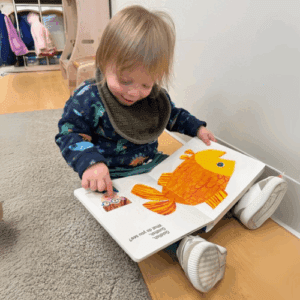

It’s easy to think of care before 9 a.m. as simple supervision, a place to keep your child safe until your workday officially begins. But the best programs offer so much more. A truly great early morning child care experience sets a positive tone for your child’s entire day, transforming those early hours into a time of gentle learning, social connection, and joyful discovery. It’s an environment where children are greeted with warmth, invited to explore their interests, and encouraged to build friendships. This article explores the profound developmental benefits of a high-quality morning program, showing you how the right start can build a strong foundation for school readiness and emotional well-being. We’ll cover what to look for in a curriculum and how to spot a center that truly prioritizes your child’s growth.
Key Takeaways
- Focus on quality indicators that matter: Go beyond a basic license by looking for credentials like NAEYC accreditation. Also, ask about teacher-to-child ratios, as lower numbers mean more personal attention and better support for your child.
- Choose a program that nurtures the whole child: The right early morning care is more than just a safe space; it should offer a balanced day of play-based learning, social interaction, and physical activity to build a strong foundation for school and life.
- Combine research with your own intuition: Prepare for your tour with specific questions about daily routines, safety, and parent communication. Then, trust your gut feeling about the classroom atmosphere and the interactions you see between teachers and children.
What is early morning child care?
Early morning child care is much more than a simple drop-off spot before your workday begins. It refers to programs that offer a safe, engaging, and educational environment for children during the early hours of the day, usually before standard school or work hours. Think of it as a gentle start to your child’s day, filled with opportunities for learning and connection. For many working families, these programs are a lifeline, providing the reliable care needed to manage a busy schedule while ensuring their little ones are in a nurturing space. A high-quality program doesn’t just supervise children; it actively supports their development through thoughtful activities and caring guidance, setting a positive tone for the rest of their day.
How it helps working parents
For working parents, finding a consistent and trustworthy child care solution is fundamental to family well-being. Early morning programs provide that essential stability, allowing you to head to work with peace of mind, knowing your child is safe, happy, and learning. This consistency in routine is incredibly beneficial for young children, helping them feel secure and understand the rhythm of their day. When you have a reliable care partner, it reduces daily stress and allows you to be more present both at work and at home. At Strong Start, we believe in actively partnering with parents to create a seamless and supportive experience that works for your family’s unique needs.
What ages are covered?
Most early morning child care programs are designed to serve children from infancy through their preschool years. This typically includes babies as young as six weeks old all the way up to children who are five years old. The best programs understand that each age group has distinct developmental needs. For example, our infant classrooms focus on creating a warm, nurturing environment that responds to individual cues, while our preschool classrooms are designed to foster independence and school readiness. A quality program will have dedicated spaces and age-appropriate activities tailored to support the specific milestones of every child in their care.
Different types of morning programs
Not all morning programs are the same, and it’s great to have options that fit your child’s personality and your family’s values. Some centers follow a structured curriculum, while others embrace a more play-based philosophy. At Strong Start, our approach is inspired by Reggio Emilia, which means we see children as capable and curious learners who help guide their own education. We use The Project Approach to explore topics that capture their interest. Many programs also offer special activities, like music, art, or STEM. Our enrichment program is designed to spark joy and curiosity, making every morning an adventure.
Finding the right early morning child care
Choosing an early morning child care program is a big decision, and it’s about so much more than just finding a place that’s open early. You’re looking for a nurturing environment where your child will feel safe, happy, and excited to learn. When you know what to look for, you can confidently find a program that feels like a true partner in your child’s growth and development. Thinking about a few key areas, from teacher qualifications to safety protocols, can help you narrow down your options and find the perfect fit for your family.
Essential qualifications and credentials
The heart of any child care program is its teachers. You want to find educators who are not only warm and caring but also highly qualified. A great early childhood professional has a unique blend of patience, empathy, and creativity, allowing them to connect with young children and guide their learning. Look for programs that hire teachers with degrees or certifications in early childhood education. These exceptional educators understand child development and know how to create a classroom environment where every child can thrive. They are the ones who will be nurturing your child’s curiosity and building their confidence each morning.
The importance of licensing and NAEYC accreditation
Think of licensing and accreditation as official seals of quality. A state license is the minimum requirement, ensuring a program meets basic health and safety standards. But some programs go a step further by pursuing accreditation, which is a voluntary and rigorous process. For example, NAEYC Accreditation is a sign that a center is committed to the highest standards in early childhood education. It means the program has been thoroughly evaluated on everything from its curriculum and teacher qualifications to its relationships with families. Choosing an accredited program gives you peace of mind, knowing your child is in a high-quality learning environment.
Health and safety standards
Nothing is more important than your child’s well-being. A top-tier program will have clear and comprehensive health and safety protocols. During a tour, look for secure entrances, clean and well-maintained classrooms, and age-appropriate, safe toys. Ask about their policies for illness, allergies, and emergencies. For infants, inquire about safe sleep practices. The staff should be able to easily explain their procedures for everything from hand-washing to handling minor bumps and scrapes. A program that prioritizes health and safety will be transparent and proactive, creating a space where children are protected and parents feel secure.
Why teacher-to-child ratios matter
The teacher-to-child ratio is a critical factor in the quality of care your child will receive. A lower ratio means that each teacher is responsible for fewer children, allowing for more individualized attention and meaningful interaction. This is especially important in infant classrooms, where one-on-one time is essential for bonding and development. When teachers have a manageable group size, they can better respond to each child’s needs, comfort them when they’re upset, and support their learning discoveries. Low ratios are a hallmark of a high-quality program because they ensure every child gets the personal attention they need to feel seen, heard, and valued.
A look inside a typical morning program
Ever wonder what really happens after you drop your little one off? A high-quality morning program is a vibrant, thoughtfully designed environment where children learn, play, and grow. It’s not just about keeping them busy; it’s a balanced blend of structured activities and child-led discovery. This creates a predictable yet exciting routine that helps children feel secure and ready to explore. From circle time to creative projects, every part of the morning is an opportunity for development. Here’s a look at the key components that make up a great morning at child care.
Structured learning and play
A great morning program strikes a beautiful balance between structured activities and the freedom of play. While routines like circle time and group lessons provide predictability that helps children feel safe, free play is where their curiosity truly takes flight. This approach allows them to explore their own interests and learn at their own pace. Morning programs that follow a schedule similar to a traditional school day can also help ease the transition to kindergarten later on. Through methods like The Project Approach, children engage in in-depth studies of real-world topics, turning their natural curiosity into meaningful learning experiences. This blend ensures they are not just occupied, but actively building a foundation for lifelong learning.
Creative arts and physical activities
Mornings are a perfect time for hands-on creativity and getting the wiggles out. Look for a program that fills its schedule with activities like painting, building with blocks, music, and storytelling. These aren’t just for fun; they are essential for developing fine motor skills, problem-solving abilities, and self-expression. Physical activity is just as important. Whether it’s time on an outdoor playground or an indoor movement session on a rainy day, running, jumping, and climbing help build strong bodies and gross motor skills. Our Enrichment Program integrates activities like Budding Bakers and Exploration Through The Arts to ensure every child has a chance to discover new passions and express themselves creatively.
Building social and emotional skills
Child care is often a child’s first community outside of their family. Morning programs provide a rich environment for developing crucial social and emotional skills. Through group activities, children learn how to share, take turns, listen to others, and work together. They begin to understand empathy and how to communicate their feelings in a healthy way. Our Reggio Emilia-inspired philosophy places a strong emphasis on relationships and collaboration. Educators gently guide these interactions, helping children navigate social situations and build the confidence they need to form positive relationships. These early experiences are the building blocks for emotional intelligence and strong friendships in the years to come.
Healthy starts: nutrition and breakfast
A busy morning of learning and playing requires plenty of fuel. A high-quality program understands that nutrition is a key part of a child’s development and ability to engage. Many centers provide a healthy breakfast or morning snack to ensure every child starts their day with the energy they need to focus and have fun. This also helps establish healthy eating habits from a young age. When you’re looking at programs, ask about their meal plans and nutrition policies. A commitment to health and safety should always include providing wholesome, balanced food that supports growing bodies and minds. A well-fed child is a happy and ready-to-learn child.
How to spot a high-quality program
Every child care center has a polished website and a welcoming brochure, but the true measure of quality is found in the details. Finding the right program is about looking beyond the surface to understand how a center operates day-to-day. It’s about gathering information from multiple sources to build a complete picture of the environment where your child will spend their mornings.
A great program stands out in three key areas: its reputation within the community, its official credentials, and the feeling you get when you walk through the door. By focusing on these aspects, you can move past the marketing and get a clear sense of a program’s true character. You’ll want to hear directly from what families are saying, check for proper licensing and accreditation, and know exactly what to look for during your tour. Combining these steps will give you the confidence to choose a program that not only meets your logistical needs but also provides a nurturing, safe, and enriching space for your child to thrive.
Checking reviews and parent feedback
One of the best ways to get an honest look at a child care program is to listen to the parents who are already part of the community. While a director will give you the official tour, current and former families can share their day-to-day experiences. Look for online reviews on Google and local parenting forums to spot patterns in the feedback. A single negative review isn’t necessarily a dealbreaker, but consistent complaints about communication, staff turnover, or cleanliness are worth noting. Don’t be afraid to ask the center’s director if you can speak with a currently enrolled family. A high-quality program with happy parents will be proud to connect you.
Verifying licenses and inspection reports
Every legitimate child care center must be licensed by the state. This is the absolute minimum standard, confirming the program meets basic health and safety requirements. You can typically find a center’s license status and recent inspection reports on your state’s official website. These reports provide a transparent look at any violations and how the center corrected them. Beyond basic licensing, look for additional credentials that signal a commitment to excellence. For example, NAEYC accreditation is a voluntary, rigorous process that demonstrates a program meets the highest national standards for early childhood education, curriculum, and teacher qualifications. It’s a clear sign that a center is dedicated to providing superior care.
Red flags to watch for on your tour
When you tour a facility, pay close attention to the atmosphere and interactions. Your observations are just as important as any credential. A few red flags to watch for include disengaged teachers who aren’t interacting with the children, a chaotic or unclean environment, and vague answers to your questions. Are the children happy and engaged, or are many of them crying without being comforted? Do the classrooms feel warm and inviting? Trust your intuition. If the environment feels stressful or the staff seems unhappy, it’s a sign that the program may not be the right fit. A great center will feel vibrant, organized, and full of positive interactions between exceptional educators and children.
Your tour checklist: questions to ask
Your tour is the perfect time to see a child care center in action and get answers to your most important questions. Going in with a prepared list helps you cover all your bases and compare different programs effectively. Think of it as an interview; you’re making sure the center is the right fit for your child and your family’s needs. Use this checklist to guide your conversation and observe how the environment feels. A high-quality program will welcome your questions and provide clear, confident answers.
Daily schedules and morning routines
Understanding the flow of the morning is key to a smooth transition for your child. Ask for a detailed breakdown of the daily schedule, from the moment children arrive. Good questions to ask include: What does the drop-off and welcoming period look like? When is breakfast served, and what kinds of foods are offered? What are the first activities of the day? This helps you see if the routine aligns with your child’s temperament and your work schedule. A predictable yet flexible schedule provides comfort and helps children feel secure. You can see an example of how a center structures your child’s day to balance learning, play, and essential routines like meals and rest.
Teacher qualifications and training
The people who care for your child every day are the heart of any program. Don’t hesitate to ask about the qualifications of the staff. Inquire about their educational backgrounds, specifically if they have degrees in early childhood education or a related field. It’s also important to know about their commitment to ongoing professional development. Ask: What kind of training do teachers receive throughout the year? Are all staff members certified in CPR and first aid? Learning about the center’s exceptional educators will give you confidence that your child is in capable, nurturing hands. Passionate, well-trained teachers create a positive and stimulating learning environment where children can thrive.
How they partner with parents
You and your child’s caregivers are a team, so strong communication is essential. Ask how the center keeps you informed about your child’s day, progress, and any challenges that may arise. Do they use an app for real-time updates, send home daily reports, or schedule regular conferences? Find out how they handle parent questions and concerns. A program that values partnering with parents will have clear channels for communication and actively seek your input. This collaborative relationship ensures consistency between home and school, which is crucial for your child’s development and sense of security. Look for a center that sees you as an essential part of their community.
Safety and emergency plans
Your child’s safety is the top priority. A great program will have comprehensive safety protocols in place and be happy to discuss them with you. Ask to see their license and most recent inspection report. Inquire about their security measures, such as who is authorized for pickup and how they control access to the building. It’s also critical to understand their emergency plans. Ask: What are your procedures for fires, medical emergencies, or lockdowns? How would you contact parents in an emergency? A center’s commitment to health and safety should be evident in its clean, well-maintained environment and its clear, well-practiced procedures that protect every child.
Key developmental benefits to look for
Choosing an early morning child care program is about more than just finding a safe place for your child while you work. It’s an opportunity to give them a head start on learning and growth in a nurturing environment. The right program does more than fill the hours; it fills your child’s day with meaningful experiences that build a strong foundation for their future. From learning to share with friends to discovering a love for reading, these early moments are incredibly formative. A high-quality program is designed to support every aspect of your child’s development, turning their morning routine into a time of discovery, connection, and fun. When you know what to look for, you can see how these benefits come to life in the classroom every day.
It’s about finding a place that feels like an extension of your family, where your child is seen, celebrated, and encouraged to explore their world with curiosity and confidence. This partnership between home and school creates a consistent, supportive world for your child, allowing them to thrive socially, emotionally, and academically. Think of it as setting the stage for a lifetime of learning. The skills they build in these early years, from problem-solving during block play to communicating their needs to a teacher, are the same skills they will carry with them into kindergarten and beyond. A great early education program recognizes this and intentionally designs every activity to support this holistic growth.
Cognitive growth and school readiness
A great morning program gently prepares your child for the structure of a school day, making the eventual transition to kindergarten feel natural and exciting. Through play-based activities, children explore early literacy, math, and science concepts in a way that feels like pure fun. High-quality early education is proven to support positive learning outcomes that last a lifetime. When children engage in activities like story time, counting games, and simple experiments, they’re building critical thinking and problem-solving skills. This focus on school readiness ensures they arrive at kindergarten feeling confident, curious, and prepared to learn.
Developing social and emotional skills
The classroom is one of the first places children learn to be part of a community. It’s where they practice taking turns, sharing toys, and expressing their feelings in a healthy way. Guided by caring teachers, children learn to listen to their friends, work together on projects, and show empathy for others. These interactions are the building blocks of strong social and emotional intelligence. A supportive environment gives children a safe space to navigate these new experiences, helping them build self-confidence and form their first friendships. Our exceptional educators are experts at fostering these important life skills.
Physical activity and motor skills
Little bodies need to move, and a well-rounded morning program provides plenty of opportunities for physical activity. Whether it’s running and climbing on the playground or dancing to music inside, children are constantly developing their gross motor skills. Fine motor skills get a workout, too, through activities like painting, drawing, building with blocks, and threading beads. These hands-on experiences are essential for strengthening muscle control and hand-eye coordination. Our enrichment programs, including Fit Kids, are designed to make movement a joyful part of every child’s day.
The comfort of routine and structure
Predictability helps young children feel safe, secure, and in control of their world. A consistent morning routine, from a warm welcome at drop-off to a familiar song before snack time, provides a comforting rhythm to the day. This structure helps children understand what to expect next, which reduces anxiety and allows them to focus on learning and playing. A balanced daily schedule is one of the most important qualities of a high-quality child care provider. When children feel secure in their environment, they are more confident to explore, take risks, and engage with the world around them. You can see an example of this on our Your Child’s Day page.
Understanding the cost of early morning care
Let’s talk about one of the biggest factors in any child care decision: the cost. It’s a significant investment for most families, and understanding what goes into the price can help you find a program that feels right for both your child and your budget. The key is to look at the total value a program offers, from its safety standards and teacher qualifications to the daily experiences that will help your child thrive.
What influences the price?
Child care costs can vary widely, and several key factors play a role. Location is a major one, as prices differ from state to state and even between neighboring towns. The age of your child also matters; infant and toddler care typically costs more due to the need for smaller group sizes and more one-on-one attention. The program’s quality is another crucial element. Centers with NAEYC accreditation, highly qualified teachers, and a well-rounded curriculum often have higher tuition, but that investment directly supports your child’s development and safety. These are the programs that provide a foundation for a lifetime of learning.
Full-time vs. part-time rates
When you start looking at pricing, you’ll likely see a few different structures. Many centers offer full-time weekly or monthly rates, which usually provide the best value on a per-hour basis. If you only need care for a few hours each morning, you might find programs with part-time or hourly options. These can offer more flexibility but may come at a higher hourly rate. It’s important to ask how early morning care is billed. Is it included in a full-day tuition package, or is it an add-on service? At Strong Start, we offer clear information on our tuition structure to help you plan for your family’s needs.
How to compare costs
Comparing child care programs isn’t just about the sticker price. To get a true sense of value, you need to look at what’s included. Does the tuition cover meals, snacks, and supplies, or are those extra costs? Are there special activities, like an enrichment program, included in the fee? Create a shortlist of your top choices and ask for a detailed breakdown of all potential costs, including registration or annual fees. For a broader view of prices in your area, you can also check resources like the National Database of Childcare Prices, which can give you a helpful baseline as you begin your search.
Exploring financial assistance options
High-quality early education is one of the most important investments you can make for your child, and it’s natural to consider how it fits into your family’s budget. The good news is that many families get help managing the cost of care. Financial assistance is available through government programs, employer benefits, and school-specific aid, making exceptional programs more accessible.
Before you begin your search, it’s helpful to understand what options might be available to you. Many schools, including Strong Start, are experienced in working with these programs and can often point you in the right direction. Exploring these avenues can help you find a wonderful program that fits your child’s needs and your family’s financial picture. We believe every family should have access to information about tuition and affordability, so you can make the best choice for your little one.
Government assistance programs
State and federal governments offer programs designed to help working families afford child care. In Connecticut, the most prominent program is Care 4 Kids, which helps low to moderate-income families pay for child care costs. Eligibility is typically based on your family’s income and work schedule. These programs provide payments directly to your child care provider, reducing your out-of-pocket expenses. We recommend checking the program’s website to see if your family qualifies and to learn how to apply. It’s a fantastic resource that helps thousands of families across the state.
Employer-sponsored benefits
Don’t forget to check with your human resources department at work. Many employers offer benefits that can make child care more affordable. One of the most common is a Dependent Care Flexible Spending Account (FSA). This benefit allows you to set aside pre-tax money from your paycheck, up to a certain annual limit, specifically for child care expenses. Using an FSA for child care means you’re paying with tax-free dollars, which can lead to significant savings over the year. Ask your employer if they offer this or other child care benefits.
Sliding-scale tuition and scholarships
Many early learning centers understand that every family’s financial situation is unique and offer their own forms of assistance. Some schools provide sliding-scale tuition, where the cost is adjusted based on your family’s income. Others may have internal scholarship funds or grants available for qualifying families. The only way to know is to ask. When you tour a school, make it a point to speak with the director about any financial assistance or flexible payment plans they offer. Open communication is a key part of partnering with parents, and schools are usually happy to discuss how they can support your family.
Common challenges and how to plan for them
Even after you’ve found the perfect early morning child care program, the reality of daily life can present a few hurdles. Juggling work schedules, navigating rush hour traffic, and helping a little one through a tough goodbye are all part of the routine for many working parents. The good news is that these challenges are completely normal, and with a bit of planning, you can create a morning rhythm that feels calm and manageable for your whole family.
Thinking ahead can make all the difference. From securing a spot in a high-demand program to making the daily drop-off a positive experience, a little preparation goes a long way. It’s about creating small, consistent habits that reduce stress and build confidence for both you and your child. When mornings feel predictable and supportive, children are better prepared to learn and engage with their day. This proactive approach isn’t about achieving a perfect, stress-free morning every single time, because that’s not realistic. Instead, it’s about building a toolkit of strategies that help you handle the inevitable hiccups with grace. Let’s walk through some of the most common morning challenges and explore simple, actionable strategies to handle them. By anticipating these bumps in the road, you can focus less on the stress of the morning rush and more on connecting with your child before you both start your day.
Limited availability and scheduling
Finding an opening in a high-quality child care program can feel like a major victory, and for good reason. The demand for trusted care is high, and many parents find that securing a spot impacts their ability to work. The best strategy is to start your search as early as possible, even before you think you’ll need it. Get on waitlists for your top choices, as this gives you the most flexibility when the time comes. When you tour a school, ask about their waitlist policy and how soon you should expect to hear about an opening. Being proactive is your greatest advantage in finding a program that fits your family’s schedule and needs.
Smoothing out morning transitions
The morning drop-off can be tough for children and parents alike. One moment your child is happily eating breakfast, and the next they are clinging to you at the classroom door. Creating a predictable and positive morning routine is key. Try to wake up, eat, and get dressed around the same time each day. On the way to school, talk about the fun things they’ll do and the friends they’ll see. When you arrive, keep the goodbye loving but brief, as a long departure can sometimes make separation anxiety worse. Our educators are experts at this and are always ready to help your child feel welcome and engaged. This is a core part of how we partner with parents to ensure a smooth start to everyone’s day.
Planning your commute and logistics
Getting everyone out the door on time can feel like a logistical puzzle, especially if you work nonstandard hours or face a tricky commute. To reduce morning stress, prepare as much as you can the night before. Pack the diaper bag, lay out clothes, and prep lunches or snacks. It’s also a great idea to do a few trial runs of your commute to the child care center and then to work. This helps you get a realistic sense of timing and traffic patterns. Having a backup plan for unexpected delays, like a flat tire or a surprise traffic jam, can also provide peace of mind. Knowing which school location works best for your route is a great first step.
Discover the Strong Start difference for early mornings
We know a calm, engaging start can make all the difference for your child. At Strong Start, our early morning care is more than just a drop-off spot. It’s a warm, welcoming environment where your child is greeted by caring educators and can ease into their day with activities that spark their curiosity. We focus on creating a positive transition from home to school, setting the stage for a day of learning, discovery, and fun.
Our child-led, Reggio Emilia-inspired curriculum
Instead of a rigid schedule, our mornings are guided by your child’s interests. Our Reggio Emilia-inspired curriculum sees children as capable and curious learners. From the moment they arrive, they can explore thoughtfully arranged materials, collaborate with friends on a new idea, or spend quiet time with a favorite book. This child-led approach helps children feel empowered and excited to learn. By following their natural curiosity, we help them build a strong foundation for social and academic growth. This philosophy is woven into everything we do, including The Project Approach, where children dive deep into topics that fascinate them.
Our commitment to exceptional educators and NAEYC standards
The heart of our program is our team of dedicated teachers. We believe that exceptional educators are patient, empathetic, and creative guides who know how to connect with each child. Every member of our team is carefully selected and receives ongoing training to stay current with best practices in early childhood education. Our commitment to excellence is reflected in our NAEYC accreditation, a mark of quality you can trust. This means we meet the highest national standards for everything from teacher qualifications to health and safety. You can feel confident your child is in capable, caring hands.
Enrichment programs and strong parent partnerships
Mornings at Strong Start are filled with unique learning experiences. Our enrichment programs, like Fit Kids and Budding Bakers & Little Cooks, are integrated into the day, offering your child a chance to move, create, and develop new skills. We also believe a strong connection between home and school is essential for your child’s success. We are committed to partnering with parents through open communication and daily updates, so you always feel connected to your child’s day. This collaborative relationship ensures a smooth and supportive experience for your entire family, starting from that early morning drop-off.
Related Articles
Frequently Asked Questions
How is high-quality early morning care different from just a basic “before-care” service? Think of it as the difference between a babysitter and an educator. A basic service might just supervise children until the regular day begins, but a high-quality program uses that time intentionally. It provides a warm, welcoming transition with engaging activities that are designed to spark curiosity and support development from the moment your child arrives. The focus is on creating a positive start to the day, not just filling time.
My child struggles with separation anxiety. What should I look for in a program to support them during morning drop-offs? This is such a common concern, and a great program will have a clear strategy for it. Look for teachers who are warm, attentive, and ready to greet your child at the door. They should be skilled at gently redirecting your child’s attention to a favorite toy or a calming activity. A strong partnership with parents is also key; the staff should be willing to work with you to create a consistent, positive goodbye routine that helps your child feel secure.
What does a typical morning routine look like for an infant versus a preschooler in these programs? The structure will look quite different, as it should be tailored to their developmental stage. For an infant, the morning is all about following their individual cues for feeding, sleeping, and gentle play in a calm, nurturing space. For a preschooler, the morning is more structured with a mix of free exploration at learning centers, group circle time, and creative projects that prepare them for the rhythm of a school day.
I’m worried about my child being tired all day. How do programs balance early starts with the need for rest? A well-designed program is very mindful of a child’s energy levels. The morning activities are typically planned to be engaging but not overstimulating. Educators are trained to recognize when a child is tired and will provide opportunities for quiet time or rest, even outside of scheduled naps. For younger children, nap schedules are flexible and based on individual needs, ensuring they get the rest they require to have a happy and productive day.
What’s the most important thing to trust: online reviews, official accreditation, or my own gut feeling during a tour? The best approach is to use all three to build a complete picture. Official accreditation, like NAEYC’s, tells you a program meets high, objective standards for quality and safety. Parent reviews give you insight into the day-to-day experience. But your own intuition during a tour is crucial. It tells you if the environment feels right for your child. If a place has great reviews and credentials but just doesn’t feel warm or welcoming to you, it’s important to honor that feeling.