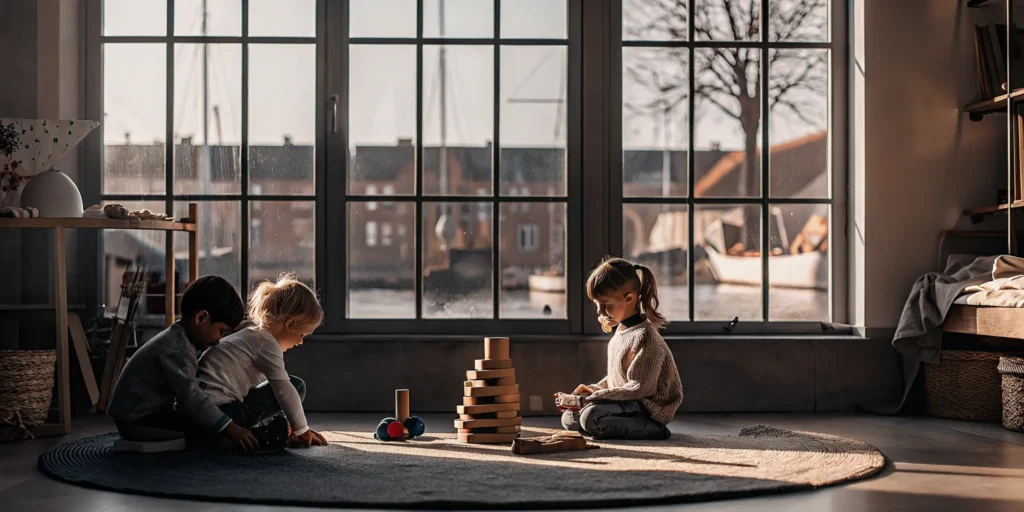
Think about your child’s perfect day. It’s probably filled with building magnificent block towers, digging in the dirt, and getting a comforting hug when needed. The best early learning centers get this. They know children learn best when they are happy, engaged, and feel secure—the foundation of quality early years education. They create environments that spark curiosity and honor a child’s natural desire to play. Your search is about finding a place that sees the world through your child’s eyes. This guide will help you spot the signs of a truly great early childhood education center in Bridgeport, CT.
Key Takeaways
- Look for signs of excellence: A high-quality center will have a clear educational philosophy, verifiable accreditation like NAEYC, and a team of passionate, qualified educators who love what they do.
- Trust your own observations: The best way to evaluate a center is to see it for yourself. During a tour, watch how teachers and children interact, and come prepared with specific questions about safety, curriculum, and communication.
- Find a true partner for your family: The right center should feel like an extension of your home. Prioritize a program that fits your practical needs, like location and hours, and is committed to open communication and working with you.
Why Do Bridgeport Families Choose Strong Start?
Choosing an early education center is a big decision, and you want to find a place that feels like a second home for your child. At Strong Start, we’ve built our community around a few core principles that we believe make all the difference. We focus on creating a space where children are seen as capable and curious individuals, where teachers are dedicated professionals, and where families are true partners in their child’s education. It’s this combination of a thoughtful learning philosophy, high standards, and a strong sense of community that helps children thrive.
Putting Your Child in the Driver’s Seat of Learning
We believe that children learn best when they are genuinely interested in what they’re doing. That’s why our classrooms are guided by your child’s natural curiosity. Instead of following a rigid, one-size-fits-all curriculum, we use a Reggio Emilia-inspired approach where learning happens through exploration and discovery. Our educators listen to your child’s questions and observe their interests, then build projects and activities around them. This turns the classroom into an exciting laboratory where children can ask questions, solve problems, and develop a lifelong love of learning. It’s an approach that respects children as capable thinkers and active participants in their own education.
NAEYC-Accredited Care from Passionate Educators
We are proud to have earned accreditation from the National Association for the Education of Young Children (NAEYC). This isn’t just a certificate on the wall; it’s a reflection of our deep commitment to the highest standards in early childhood education. Achieving NAEYC accreditation means our programs, curriculum, and teacher qualifications have met rigorous quality benchmarks. Our exceptional educators are the heart of our school. They are passionate, highly trained professionals who are dedicated to creating a nurturing and stimulating environment where every child feels safe, seen, and supported as they learn and grow.
Find the Perfect Program for Your Child’s Age
Children grow and change so much in their first few years, and their educational needs change right along with them. We offer a seamless path of learning and care with programs designed for every developmental stage, from our nurturing infant classrooms to our engaging preschool programs. Whether your child is just beginning to explore the world in our toddler classrooms or is getting ready for kindergarten, they will be in a space designed specifically for their age group. This consistency allows your child to build lasting relationships with teachers and friends in a familiar, trusted environment as they move through each program.
Building a Community with Enrichment and Family Involvement
A well-rounded education goes beyond the core curriculum. Our enrichment programs, including STEM learning, art, and cooking, give children fun, hands-on opportunities to explore new interests and build new skills. But our commitment doesn’t stop with your child. We believe that a strong connection between home and school is essential for a child’s success. We are dedicated to partnering with parents through open communication and active involvement. You are your child’s first and most important teacher, and we are here to support you and work together every step of the way.
What Really Matters in Early Childhood Education?
Choosing an early childhood center is a big decision, and it’s easy to feel overwhelmed by all the options. How do you know which one is the right fit for your child and your family? The best approach is to break it down and focus on a few key areas. When you visit a center or browse its website, you’re looking for more than just a place for your child to spend their day. You’re looking for a community, a philosophy, and a team of people you can trust.
Think about what matters most to you. Is it a specific learning style? A deep focus on safety? Or maybe it’s the warmth and experience of the teachers. A great center will have a clear point of view on education, transparent safety policies, and a team of dedicated professionals. As you begin your search, consider the center’s philosophy, curriculum, safety, staff, and overall atmosphere. The goal is to find a program that aligns with your family’s values and feels like a second home for your child. By focusing on the fundamentals, you can confidently compare your options and find a place where your child will truly thrive.
What is Early Childhood Education (and Why Does It Matter)?
Early childhood education, or ECE, is much more than just childcare. It’s a thoughtful approach to learning and development that takes place during the most formative time in a child’s life—from birth to about age five. A high-quality ECE program provides a safe, supportive, and stimulating environment where children learn through play, exploration, and guided discovery. It’s designed to nurture their social, emotional, cognitive, and physical growth. Understanding the profound impact of these early years helps clarify why choosing the right program is one of the most important decisions you can make for your child’s future success and happiness.
The Foundation for Lifelong Learning
The experiences your child has in their first few years of school set the tone for their entire academic journey. High-quality ECE programs have lasting positive effects because they do more than teach letters and numbers; they teach children how to learn. By nurturing a child’s natural curiosity, these programs help them develop critical thinking skills, creativity, and a genuine love for discovery. At Strong Start, our Reggio Emilia-inspired philosophy is built on this very idea. We see children as capable and curious individuals, and our educators guide them in exploring their own interests. This approach helps build a strong foundation for lifelong learning, where children see themselves as confident and competent learners.
The Critical First Five Years
The first five years of life are a period of incredible brain growth. A baby’s brain is only about a quarter of its adult size at birth but grows to 90% of its full size by age five. This makes the early years a critical window for development. A nurturing and engaging environment provides the building blocks for healthy brain architecture, shaping everything from language skills to emotional regulation. The right early learning program provides rich experiences, positive interactions, and a secure setting that supports this rapid development. In our infant and toddler classrooms, every interaction and activity is designed to stimulate growth and create a safe space for our youngest learners to explore the world around them.
Long-Term Benefits of Quality ECE
The benefits of a strong start in education extend far beyond the classroom walls and well into adulthood. Research consistently shows that children who attend high-quality ECE programs are more likely to be ready for school, graduate from high school, and even earn more as adults. They are also less likely to need to repeat a grade or be identified for special education services. Investing in a quality program is an investment in your child’s future potential. Standards like NAEYC accreditation serve as a benchmark for this level of quality, ensuring a center is committed to the best practices that lead to these positive, long-term outcomes for children.
Does Their Teaching Philosophy Feel Right?
A center’s educational philosophy is the foundation for everything it does. It’s the “why” behind the daily schedule, the classroom setup, and the way teachers interact with children. Some programs are play-based, while others are more structured. At Strong Start, our curriculum is inspired by the child-led principles of Reggio Emilia and The Project Approach. We believe children are capable and curious learners who thrive when they can explore their own interests. When you’re looking at different centers, ask about their philosophy. Does it resonate with you? Does it seem like an environment where your child’s unique personality will be celebrated? The right fit is a place that shares your vision for your child’s growth and development.
How Do They Keep Your Child Safe and Healthy?
Nothing is more important than your child’s well-being. A top-quality early childhood center will have a serious and transparent commitment to health and safety. When you tour a facility, pay attention to the details. Does the space look clean and well-maintained? Are there secure entryways? Ask about their specific policies on everything from illness and allergies to emergency procedures. Parents should ensure that the center maintains a clean and safe environment, with proper health protocols in place to protect children. You should feel completely confident that your child is in a secure, healthy, and nurturing space every single day. Don’t hesitate to ask detailed questions; a great center will be happy to answer them.
Ask About Teacher Qualifications and Class Sizes
The educators at a center are the heart of the program. They are the ones who will be guiding, comforting, and inspiring your child each day. Look for a center that invests in exceptional educators with degrees and certifications in early childhood education. Beyond qualifications, observe how they interact with the children. Do they seem warm, patient, and genuinely engaged? Another key factor is low teacher-to-child ratios. Smaller group sizes ensure each child receives plenty of individualized attention, which is crucial for building strong bonds and supporting personal development. This one-on-one connection helps teachers truly understand and respond to your child’s needs.
Understanding ECE Professional Roles
An early childhood educator wears many hats throughout the day. They are much more than just a caregiver; they are a child’s first formal teacher, a guide for social interactions, and a source of comfort and security. As noted by the child development experts at ZERO TO THREE, these professionals play multiple, distinct roles that are all vital to a child’s healthy development. They create lesson plans, observe and document developmental milestones, manage classroom dynamics, and build a nurturing environment where every child feels valued. When you’re evaluating a center, look for educators who seamlessly transition between these roles, demonstrating that they understand the complex needs of young learners.
Essential Traits of a Great Educator
A degree in early childhood education provides a critical foundation, giving teachers insight into how children learn and grow. But the best educators combine this knowledge with genuine passion and patience. They are keen observers who can recognize when a child is grasping a new concept or needs a little extra encouragement. They see learning opportunities everywhere, whether in a pile of building blocks or a puddle after a rainstorm. This ability to create an organized, intentional learning environment while remaining flexible and responsive is what separates a good teacher from a great one. At Strong Start, we believe these qualities are essential, which is why we are committed to hiring and supporting truly exceptional educators.
Background Checks and Safety Requirements
Your peace of mind is paramount, and it starts with knowing your child is in a secure environment. Every reputable early learning center should have stringent safety protocols, beginning with comprehensive background checks for every single staff member. This is a non-negotiable standard. When you tour a center, ask directly about their screening process for all employees and volunteers. A high-quality program will be transparent about its procedures and welcome your questions. You should feel completely confident that the center has taken every possible step to create a safe and nurturing space, allowing you to go about your day without worry.
A Look at the ECE Profession: Career Growth and Salaries
A center that invests in its teachers is investing in your child. The field of early childhood education is a profession with real career paths, and a quality center will support its staff’s professional development. Why does this matter to you as a parent? Because happy, respected teachers who feel valued in their careers are more likely to stay long-term. This creates stability and consistency in the classroom, which is incredibly important for young children who thrive on building secure attachments with their caregivers. Low staff turnover is a powerful indicator of a healthy, positive school culture and a well-managed program.
Why Licensing and Accreditation Are Non-Negotiable
Licensing and accreditation are important indicators of a center’s quality and accountability. Every childcare center must be licensed by the state, which means it meets basic health and safety requirements. Accreditation, however, is a voluntary process that signals a much higher standard of excellence. For example, NAEYC accreditation is a prestigious mark of quality awarded to centers that demonstrate a deep commitment to providing the best possible learning experiences for young children. It shows the center has gone above and beyond the minimum requirements in areas like curriculum, teacher qualifications, and family partnerships. Asking about accreditation is a simple way to identify programs dedicated to the highest standards of care.
Beyond the Basics: What Sets a Great Program Apart?
Once you’ve confirmed that a center meets all the essential criteria for safety, licensing, and teacher qualifications, you can start looking for the details that distinguish a good program from a truly great one. These are the elements that show a deep, ongoing commitment to quality that goes far beyond checking boxes. Exceptional centers invest continuously in their staff’s professional growth and have thoughtful systems in place to understand and support your child’s unique developmental path. These are the signs of a program that is not just caring for children, but actively cultivating an environment for them to flourish.
Ongoing Support and Coaching for Teachers
A great teacher is the most valuable resource in any classroom, and the best early learning centers know that supporting their educators is a direct investment in your child’s experience. Look for a program that provides its staff with ongoing professional development and individualized coaching. Research shows that when teachers receive sustained support, they are better equipped to refine their teaching methods and create richer learning opportunities. This means they aren’t just relying on their initial degree; they are constantly learning and bringing fresh, effective strategies into the classroom. This commitment to growth ensures that the exceptional educators guiding your child are passionate, skilled, and always at the top of their field.
Tracking Your Child’s Developmental Progress
Every child learns and grows at their own unique pace. A top-tier program recognizes this and uses thoughtful, ongoing assessment to follow your child’s journey. This isn’t about tests or grades; it’s about skilled educators carefully observing your child at play to understand their strengths, interests, and areas where they might need a little extra support. This detailed tracking allows teachers to tailor activities and interactions specifically for your child, ensuring they are always appropriately challenged and engaged. This personalized approach is a cornerstone of partnering with parents, as it provides a clear picture of your child’s progress and helps create a seamless connection between learning at school and at home.
Your Guide to Bridgeport’s Early Education Scene
As you begin your search in Bridgeport, you’ll find a variety of early childhood education centers, each with its own unique approach. Finding the right one is all about understanding what matters most to your family. Think about the type of community you want to join, the schedule you need, and the learning environment where your child will thrive. Breaking down your search into these key areas can make the process feel much more manageable and help you find a place that feels like a second home.
The Benefits of a Local, Community-Based Center
Community-based centers are often deeply connected to the neighborhoods they serve, providing a wonderful sense of local connection. These programs can be a fantastic resource, offering tailored support for families. For example, Bridgeport’s Alliance for Community Empowerment provides early learning programs for children from 6 months to 3 years old. They focus on creating a nurturing, community-focused environment that is also affordable. When you explore these centers, you’re not just finding child care; you’re often finding a network of local families and dedicated caregivers who are invested in the community’s well-being.
Finding a Program That Fits Your Family’s Schedule
For many working families, a program’s schedule is a critical piece of the puzzle. Finding a center that aligns with your work life can bring incredible peace of mind. Many centers in the Bridgeport area recognize this and offer extended hours or year-round care. The DeLuca Early Learning Center, for instance, offers a preschool program for children aged 3 to 5 that runs all year long and is full-day. When you tour different schools, be sure to ask about their operating hours, holiday closures, and options for part-time or full-time enrollment to ensure the logistics work for your family’s routine.
Is Your Child on Track for Kindergarten?
When you hear “school readiness,” you might think of flashcards and worksheets, but true preparation for school goes much deeper. The best programs focus on teaching children how to learn for life. They understand that children learn best through play, which helps them become excited, independent, and curious learners. This approach builds a strong foundation by encouraging problem-solving, creativity, and a genuine love of discovery. A curriculum centered on exploration and hands-on projects gives children the confidence and critical thinking skills they’ll need for kindergarten and beyond.
What Other Bridgeport Parents Are Saying
Hearing from other parents can provide invaluable insight into a center’s daily life. Look for reviews on Google, local parenting forums, and social media groups to get a feel for the parent community’s experiences. It’s also important to acknowledge that the search can be challenging for some. In fact, many Connecticut parents report difficulty finding child care that meets their child’s specific needs, especially for children with disabilities. Don’t hesitate to ask a center for parent references. Speaking directly with another family can give you an honest perspective and help you make a confident choice.
What Kinds of Programs Can You Expect to Find?
As you explore early childhood centers in the Bridgeport area, you’ll find that most offer programs tailored to specific age groups. The best centers provide a seamless path for children, supporting them from their earliest days as infants all the way through their preschool years. This continuity of care helps children build strong, trusting relationships with their teachers and feel secure in a familiar environment as they grow.
When you tour a school, ask about how they support children as they move from one classroom to the next. A great program is designed to meet the unique developmental needs of each stage, from the gentle, responsive care infants require to the more structured, project-based learning that prepares preschoolers for kindergarten. Look for a center that offers a full range of programs, ensuring your child has a consistent, nurturing place to learn and thrive for years to come.
A Gentle Start: Our Infant Care Program
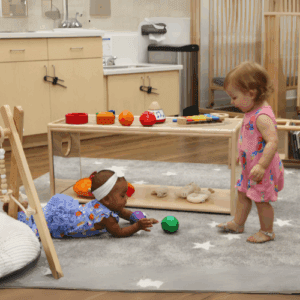
The infant classroom should feel like a home away from home: warm, safe, and filled with gentle stimulation. In a high-quality program, you’ll see teachers who are responsive and attentive, cuddling, talking to, and playing with each baby. The focus is on building trust and security, which is the foundation for all future learning. A great infant program follows each child’s individual schedule for sleeping and eating, providing the responsive care they need to feel safe and loved. Look for a clean, baby-proofed space with plenty of soft areas for tummy time and age-appropriate toys that encourage sensory exploration.
Where Toddlers Can Explore and Grow
Toddlerhood is all about exploration and discovery. Children at this age are learning to walk, talk, and assert their independence. The best toddler programs channel this incredible energy into productive, hands-on learning. Classrooms should be designed to encourage movement and curiosity, with activities that help develop fine motor skills, language, and early social skills like sharing and taking turns. Some centers offer a Bridge program for older toddlers, which provides a bit more structure to help them prepare for the transition to preschool while still honoring their need to learn through play.
Getting Ready for Big School: Preschool Prep
A great preschool program does more than just prepare children for kindergarten; it helps them become confident, curious, and capable learners for life. Instead of rote memorization, look for a curriculum that uses a play-based approach to teach foundational skills. Through engaging projects and activities, children explore early literacy, math concepts, and science while also developing critical thinking and problem-solving abilities. This approach, often inspired by philosophies like Reggio Emilia, teaches children how to learn, ask questions, and work together, setting them up for success in school and beyond.
Beyond the Classroom: Fun Enrichment Activities
Beyond the core curriculum, many centers offer special enrichment activities that make learning even more exciting. These programs give children a chance to explore new interests and develop different skills in a fun, hands-on way. You might find opportunities for your child to participate in art, music, cooking, or STEM-focused activities. These enrichment programs are more than just fun extras; they help build a well-rounded educational experience. They encourage creativity, teamwork, and curiosity, showing children that learning can happen anywhere, from the garden to the kitchen.
The Nuts and Bolts: Enrollment and Costs
Figuring out the logistics of enrollment and tuition can feel like a big hurdle, but it doesn’t have to be. Think of it as the practical side of finding the perfect new home-away-from-home for your child. Most high-quality centers in the Bridgeport area understand that every family’s situation is unique and have processes in place to make things as clear as possible. From understanding the application steps to exploring payment options, getting these details sorted out early will help you make a confident choice for your family.
How to Apply: A Step-by-Step Guide
The first step is always reaching out. Most centers, including our Trumbull and Shelton schools, encourage you to schedule a tour to see the classrooms and meet the educators. This is your chance to ask questions and get a feel for the environment. The application itself usually involves filling out forms with your child’s information, your contact details, and your desired schedule. We view this as the beginning of our partnership with you, so we aim to make the process straightforward and supportive from day one. Don’t hesitate to ask for clarification on any part of the paperwork.
Understanding Tuition and Payment Plans
Tuition costs typically vary based on your child’s age and whether they are enrolled full-time or part-time. Infant programs often have a different rate than preschool programs due to smaller class sizes and higher teacher-to-child ratios. When you inquire, ask for a clear fee schedule so you know exactly what’s included. Many centers offer different payment plans, such as weekly or monthly billing, to fit your family’s budget. It’s also a good idea to ask about any available tuition benefits or discounts, for instance, if you are enrolling more than one child.
Are You Eligible for Financial Assistance?
Quality early education should be accessible, and thankfully, there are resources available to help. Many Bridgeport families use state programs like Care 4 Kids to help cover the cost of child care. Some centers may also have access to special grants that can significantly reduce weekly tuition for eligible families. When you speak with a center’s director, ask them what financial assistance programs they accept or can recommend. The administrative staff are often very knowledgeable and can point you toward the right applications and resources to see if you qualify for support.
Public Pre-K and Kindergarten Options
For many families, public school programs are an excellent and accessible option. The Bridgeport Independent School District provides a Pre-K program designed to give children a strong start in a nurturing environment. The focus is on learning through play and exploration, which helps children feel secure and engaged as they begin their educational journey. These programs are often structured to align with the local school system, which can make the transition to kindergarten feel seamless for both children and parents. Exploring your local public options is a great step in understanding the full range of educational opportunities available in your community.
Using Early Learning Resource Centers (ELRCs)
Early Learning Resource Centers, or ELRCs, are community hubs designed to support families by connecting them with high-quality early learning programs and other resources. They can be an invaluable guide, especially if you’re just beginning your search. In Bridgeport, the Alliance for Community Empowerment is a perfect example, offering early learning programs for children as young as six months old in a community-focused setting. These centers do more than just provide care; they help families find the resources they need to support their child’s development from the very beginning.
Your Checklist: Key Dates and Documents
To finalize enrollment, you’ll typically need to provide a few key documents. These usually include your child’s birth certificate, up-to-date immunization and health records from their pediatrician, and emergency contact information. Be sure to ask about important deadlines, as some programs fill up quickly, especially for the fall school year. Keeping these documents handy will make the final steps much smoother. You can find answers to many common questions about what’s needed on our FAQ page, but we’re always here to walk you through the specifics.
Answering Your Top Questions
Choosing an early education center is a big decision, and it’s completely normal to have a long list of questions. In fact, asking detailed questions is one of the best ways to find a place that aligns with your family’s values and your child’s needs. Think of your search as a fact-finding mission. During tours and conversations, you’re gathering the information you need to make a confident choice. A great center will welcome your questions and provide clear, thoughtful answers. They should be transparent about their policies, curriculum, and daily routines.
This process isn’t just about finding a place that checks all the boxes; it’s about finding a community where your child will feel happy, safe, and inspired to learn. It’s about finding partners in your child’s education who will communicate openly with you and celebrate your child’s milestones right alongside you. The right fit can make a world of difference in these formative years, setting the stage for future success in school and in life. To help you get started, here are some of the most important questions parents ask, along with what to look for in the answers. These questions cover the core areas that contribute to a high-quality early learning experience: safety, staff qualifications, developmental support, and individual attention. Use them as a starting point for your own conversations.
How do you ensure my child is safe?
Your child’s safety is the number one priority, so don’t be shy about asking direct questions. A high-quality center will be happy to explain its procedures. Look for details on secure building access, sign-in and sign-out policies, and emergency preparedness plans. During a tour, notice if the environment is clean and well-maintained. Are the toys age-appropriate and in good condition? A center’s commitment to health and safety should be evident in everything from its daily cleaning routines to its staff training. Feeling comfortable and secure in the space is a great sign.
What are the teachers’ qualifications?
The people who will care for and teach your child every day are the heart of any program. Ask about the educational background and experience of the lead and assistant teachers in your child’s potential classroom. Teachers should be trained in early childhood education and have a genuine passion for helping young children learn and grow. It’s also a good idea to ask about ongoing professional development. This shows that the center invests in its team and stays current on the best practices in the field. Having exceptional educators makes all the difference in your child’s daily experience.
How will you support my child’s development?
Every center has a unique approach to learning, so it’s important to find one that feels right for your child. Ask about the center’s educational philosophy and what a typical day looks like. Is the curriculum play-based? Does it follow the children’s interests? Understanding how a center will nurture your child’s curiosity and growth is key. For example, a curriculum inspired by Reggio Emilia views children as capable and competent, encouraging them to explore their own questions and ideas. This approach helps build a strong foundation for a lifetime of learning.
Will my child get enough individual attention?
A low teacher-to-child ratio is essential because it ensures each child receives the individualized attention they need to thrive. When teachers have a smaller group of children, they can form stronger bonds, respond more effectively to individual needs, and create a calmer, more engaging classroom environment. Ask about the specific ratios for your child’s age group, as they are different for infants, toddlers, and preschoolers. Observing a classroom in action during your tour will give you a great sense of the interactions between teachers and children and the quality of attention your child will receive throughout their day.
What Bridgeport Parents Really Want in Childcare
Choosing an early childhood education center is a deeply personal decision, and every family has a unique set of priorities. Still, when we talk to parents in the Bridgeport area, we hear a few common themes again and again. It’s not just about finding a place to watch your child during the day; it’s about finding a community that will support their growth and give them a wonderful start in life. Parents are looking for a place that feels like a second home, where their child is known, safe, and inspired to learn. Understanding these core values can help you clarify what you’re looking for and make a confident choice for your family. From the quality of the teachers to the strength of the curriculum, these are the things that truly matter.
A Personal Connection with Caring Teachers
The heart of any great early childhood program is its teachers. You want to know that the people spending their days with your child are not only qualified but also warm, patient, and genuinely invested in their well-being. It’s about finding exceptional educators who take the time to understand your child’s unique personality, quirks, and all. When a teacher knows what makes your child light up, what soothes them when they’re upset, and how they like to learn, it creates a bond of trust. This connection helps your child feel secure and confident enough to explore, make friends, and embrace new experiences in the classroom.
A Place to Play, Learn, and Feel Safe
Before any learning can happen, a child needs to feel safe. For parents, this is a top priority. A great center maintains the highest standards for health and safety, from secure entryways to spotless classrooms and playgrounds. But a quality environment goes beyond just being safe and clean; it should also be stimulating. Look for a space that is thoughtfully designed to encourage curiosity and play. This means classrooms filled with age-appropriate materials, cozy corners for reading, and open areas for creative expression. The right environment invites children to investigate, create, and learn through hands-on discovery every single day.
A Smart Curriculum for School Readiness
Of course, you want your child to be ready for kindergarten and beyond. A strong curriculum does more than teach letters and numbers; it fosters a genuine love of learning. The best programs build foundational skills in literacy and math through play-based, engaging activities that feel like fun, not work. These high-quality learning experiences also focus on developing crucial social-emotional skills, like how to share, solve problems with friends, and manage big feelings. This holistic approach ensures children don’t just have the academic knowledge for school but also the confidence and social skills to thrive in a classroom setting.
A True Partnership with Open Communication
You are your child’s first and most important teacher, and a great early education center will honor that. Look for a program that sees you as a partner and prioritizes open, consistent communication. This means you should expect regular updates on your child’s day, opportunities to connect with their teachers, and a welcoming attitude toward your questions and insights. When schools and families work together, it creates a seamless and supportive experience for the child. This commitment to partnering with parents ensures that what’s happening in the classroom reinforces what you’re teaching at home, and vice versa.
Making the Final Decision for Your Family
Finding the right early childhood education center is one of the biggest decisions you’ll make for your little one. It’s so much more than just a place for your child to be during the day; it’s a community for your family and a partner in your child’s growth. The best way to feel confident in your choice is to do a little homework. By visiting centers, asking thoughtful questions, and thinking about your family’s unique needs, you can find a place where your child will truly thrive.
Why You Should Always Schedule a Tour
The best way to get a feel for a center is to see it in action. Research shows that a child’s healthy development depends on positive and safe experiences, and a tour lets you witness that firsthand. When you visit, pay attention to the interactions between teachers and children. Do the educators seem warm and engaged? Are the children happy and busy? A personal visit to a school like our Trumbull location allows you to see if the center’s atmosphere matches what you envision for your child’s day. Look at the environment itself: is it clean, safe, and filled with interesting materials for kids to explore?
Questions to Ask About Their Teaching Style
Every early learning center has a core philosophy that guides its curriculum and teaching style. It’s important to find one that aligns with your family’s values. Some programs are play-based, while others might be more structured. At Strong Start, our approach is inspired by Reggio Emilia, which means we see children as capable and curious learners who help guide their own education. Ask the center’s director to explain their philosophy and how it translates into daily activities. This will give you a clear picture of how your child will be learning and growing each day.
Don’t Forget the Practical Stuff (Location, Hours, Cost)
While philosophy and atmosphere are crucial, the practical details matter, too. Think about your family’s daily routine. Is the center’s location convenient for your commute? Do the hours of operation work with your schedule? Of course, budget is also a major factor. Don’t hesitate to ask about tuition costs, what’s included, and if there are any financial assistance or tuition benefit programs available. Finding a center that fits seamlessly into your life will reduce stress for everyone and create a more sustainable, positive experience for your family.
Your Go-To List of Questions to Ask
When you go on a tour, it’s helpful to have a list of questions ready. This ensures you get all the information you need to make a well-rounded decision. You’ll want to ask about teacher qualifications, the teacher-to-child ratio in the classroom, and what a typical daily routine looks like. It’s also a great idea to ask how the center communicates with families. Understanding how you’ll receive updates about your child’s day is key to building a strong partnership. You can check a center’s Frequently Asked Questions page beforehand to get some initial answers and help you think of more specific things to ask.
Related Articles
- Early Childhood Education Blog: Tips & Insights | A Strong Start
- Reggio Early Childhood Education CT | A Strong Start
Frequently Asked Questions
What does “child-led learning” actually look like in the classroom? It means that instead of following a rigid, pre-planned calendar, our educators build the curriculum around what genuinely fascinates your child. For example, if a few children become interested in how a tall tower of blocks stays up, their teacher will help them explore that question. This might turn into a project about balance, shapes, and even famous buildings, incorporating math, science, and art in a way that feels like exciting play.
How do you prepare children for kindergarten if the day is focused on play? We believe that play is the most important work of childhood and the best way to prepare for school. Through play, children learn essential skills that go far beyond memorizing letters and numbers. When they build together, they learn collaboration and problem-solving. When they engage in storytelling, they develop language and literacy skills. Our approach helps children become confident, curious thinkers who know how to ask questions and find answers, which is the foundation for success in kindergarten and beyond.
How will I know what’s happening during my child’s day? We see you as our partner, and that means keeping you connected. We use a secure mobile app to share photos, videos, and updates about your child’s activities, meals, and naps throughout the day. You can also expect daily reports and, most importantly, real conversations with your child’s teachers at drop-off and pickup. We want you to feel like you’re a part of our classroom community.
What makes your teachers different from those at other centers? Our educators are chosen not just for their degrees and qualifications, but for their genuine warmth and passion for working with young children. They are experts in child development who receive ongoing professional training to stay current on the best educational practices. More than that, they are dedicated to building a real, personal connection with every child and family, creating a trusting and supportive environment where your child feels truly seen and understood.
What is the most important thing to look for when I tour a school? While a clean, safe, and well-organized space is essential, pay closest attention to the interactions. Watch how the teachers speak to the children. Are they at eye level, listening with patience and respect? Look at the children themselves. Do they seem happy, comfortable, and engaged in their activities? You are looking for a feeling of warmth and positive energy, a place that feels like a joyful community where your child will be happy to spend their days.
Written By
Marc Hoffman
Founder, Strong Start Early Care & Education
Marc founded Strong Start in 2014, inspired by his studies at Williams College, Yeshiva University, and research at Yale University. His child-centered, inquiry-based approach to early education has helped hundreds of families in the Trumbull and Bridgeport communities. As a parent himself, Marc understands the importance of finding a nurturing environment where every child can learn, grow, and flourish.