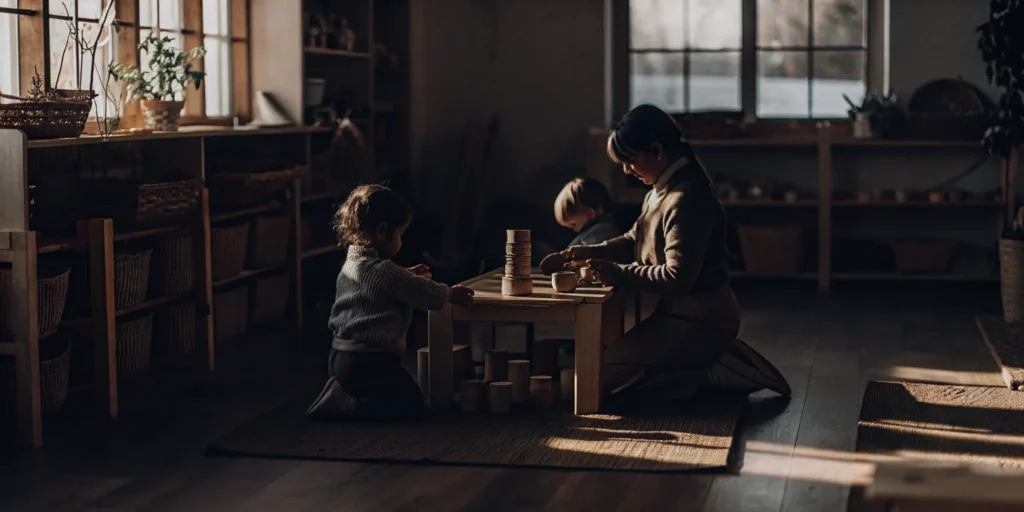
What will my child do all day? Who will be caring for them? How will I know they’re okay? These are the questions every parent asks when looking for the right early childhood care. A great early learning center has thoughtful answers for all of them. The best programs are built on open communication and a true partnership with families, because they know you are your child’s first and most important teacher. This guide gives you an inside look, explaining how a quality early child care center keeps you connected, tracks progress, and what a day of learning and discovery really looks like.
Key Takeaways
- Choose a center focused on growth, not just care: A high-quality program uses a play-based curriculum to intentionally support every aspect of your child’s development, from making friends to getting ready for kindergarten.
- Verify quality with credentials and observation: Look for tangible proof of excellence, such as NAEYC accreditation and state licensing, and observe that the classroom is a place where children are happy and educators are warm and engaged.
- Expect to be a partner in your child’s education: A great center will keep you connected through consistent communication, including daily updates and regular progress reports, ensuring you are always part of your child’s learning journey.
What Is an Early Childhood Center?
When you start looking for child care, you’ll hear a lot of different terms: daycare, preschool, early learning center. It can feel a little confusing, but the names often signal an important difference in philosophy. While these terms are sometimes used interchangeably, an early child care center is designed to be much more than just a place to watch over your child while you’re at work. It’s a community focused on nurturing your child’s development from the very beginning, laying a foundation for a lifetime of learning.
Think of it as the first step in their educational journey, one that honors their natural curiosity. These centers are built on the idea that learning happens every single day, through play, exploration, and caring guidance from exceptional educators. The goal is to create a warm, supportive environment where children feel safe to ask questions, make friends, and discover the world around them. It’s also about creating a strong partnership with parents, because we know that we’re a team in supporting your child’s growth. This collaborative approach ensures your child gets the consistent care and encouragement they need to thrive, both in the classroom and at home. It’s a place where your child is seen, heard, and valued for exactly who they are.
How Is Early Child Care Different From Daycare?
You might wonder what separates an early child care center from a traditional daycare. The main difference lies in the focus. While daycares primarily provide a safe environment and meet children’s basic needs, an early child care center is intentionally designed to prepare kids for school and for life. Understanding the full difference between preschool and daycare can help you evaluate your options. The curriculum is thoughtfully planned to support every area of a child’s development, from social skills to early literacy and math concepts.
At a high-quality center, your child’s day is a blend of structured activities and free play, where every moment is a learning opportunity. The educators are not just caregivers; they are trained professionals who understand child development and know how to guide children through discovery. It’s a shift from simply supervising children to actively fostering their growth.
Designed for Early Learning and Development
At the heart of an early child care center is the belief that every child can reach their full potential with the right support. The focus is on holistic development, meaning we pay attention to everything from social and emotional skills to cognitive and physical growth. Educators use observation and assessments not as tests, but as tools to understand your child’s unique strengths and areas for growth. This helps them tailor activities to meet each child where they are.
This approach ensures children are hitting key developmental milestones and building a strong foundation for kindergarten. Instead of rote memorization, learning is driven by curiosity. Through methods like the Project Approach, children explore topics that genuinely interest them, which makes learning feel like an exciting adventure rather than a chore.
Is My Child the Right Age for an Early Care Program?
One of the biggest questions parents ask is, “When is the right time to start?” The simple answer is that high-quality early care programs are designed to support children at every stage of their early development. There isn’t a single “perfect” age, because the focus is always on meeting your child right where they are. From the earliest days of infancy to the excitement of preschool, a great program adapts to the unique needs of each age group.
For babies, the environment is all about nurturing care, building trust, and providing safe spaces for their first explorations. As they grow into toddlers, the world opens up, and the focus shifts to guided discovery, building language, and learning to play with friends. By the time they reach preschool age, children are ready for more structured play and activities that lay the groundwork for kindergarten. Each phase is distinct, and a well-designed program will have a curriculum and a team of educators prepared to support your child’s growth every step of the way.
Infants (6 weeks to 12 months): A Nurturing Start
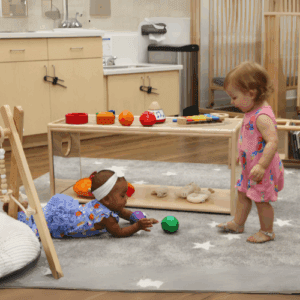
The infant stage is a time of incredible growth, and a great early care program is designed to support it with warmth and expertise. For the youngest learners, the day is centered around their individual schedules for sleeping, eating, and playing. The environment is calm, safe, and filled with opportunities for sensory exploration. Our educators focus on building strong, trusting bonds with each baby, responding to their cues with smiles, cuddles, and gentle words. This responsive care helps your baby feel secure and loved, which is the foundation for all future learning. Our Infant Classrooms are designed to support key developmental milestones, from tummy time that builds strength to grasping toys that hone motor skills.
Toddlers (12 months to 2.5 years): Exploring Their World
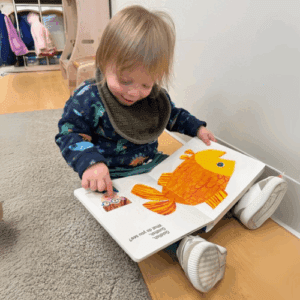
Once your little one is on the move, their world expands in exciting new ways. The toddler years are all about exploration, independence, and finding their voice. A high-quality program provides a safe and engaging environment where toddlers can test their new skills, from walking and climbing to stacking blocks and scribbling with crayons. Educators guide them through this period of discovery, encouraging their natural curiosity while introducing early social skills like sharing and taking turns. In our Toddler Classrooms, we focus on building vocabulary through songs and stories and helping children learn to express their feelings in a supportive setting, turning everyday moments into valuable learning opportunities.
Preschoolers (2.5 to 5 years): Preparing for Kindergarten
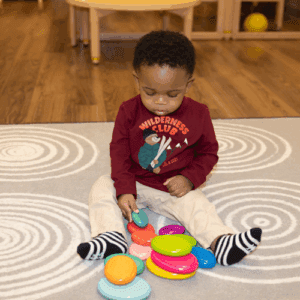
As children move into the preschool years, they are ready for more complex play and learning that prepares them for kindergarten and beyond. The focus shifts to building on their natural curiosity through hands-on projects and collaborative activities. In our Preschool Classrooms, children learn foundational concepts in literacy, math, and science through play-based experiences. They might count leaves they collected outside or work together to build a block city. Just as importantly, they develop crucial social and emotional skills, like how to solve problems with friends, manage their emotions, and follow multi-step directions. This holistic approach ensures they enter kindergarten as confident, capable, and enthusiastic learners.
How Will My Child Benefit from an Early Child Care Center?
Choosing an early child care center is about finding a place where your child can truly thrive. Beyond providing a safe space while you work, a high-quality program is designed to support every area of your child’s development, from making their first friends to preparing for their first day of kindergarten. It’s a place where they can build a strong foundation for a lifetime of learning and discovery.
Learning to Make Friends and Manage Emotions
One of the greatest gifts of early child care is the chance for your child to interact with their peers in a supportive setting. Here, they learn the delicate art of friendship: how to share, take turns, be kind, and work together. Guided by caring educators, children begin to understand and manage their big feelings, developing empathy and self-regulation. This social and emotional learning is fundamental, helping your child build the confidence and skills they need to form positive relationships. It’s where they discover they are part of a community, a feeling that builds security and belonging.
Gaining the Skills for Kindergarten Success
A great early care program helps make the future transition to kindergarten feel seamless and exciting. Children get used to daily routines, learn to follow directions, and practice participating in group activities. This isn’t about drills or tests; it’s about sparking a love for learning. Educators in our Preschool Classrooms observe each child’s progress, noting developmental milestones to share with families. This gentle approach ensures children are ready for the next step in their educational journey, feeling capable and curious about the world around them.
Developing Language and Communication Skills
From an infant’s first babbles to a preschooler’s detailed stories, language development explodes during these early years. In a child care center, your child will be immersed in a language-rich environment filled with stories, songs, and conversations. They’ll get ready to read and write through fun, hands-on activities. Through methods like The Project Approach, children also learn to ask questions, explore topics that interest them, and share their discoveries. This process helps them build not just a strong vocabulary, but also the confidence to express their unique ideas.
Building Physical Skills and Healthy Habits
Active bodies support growing minds. Early child care centers provide plenty of space and time for children to run, jump, climb, and develop their gross motor skills. They also practice fine motor skills through activities like drawing, painting, and building with blocks. Just as important are the healthy habits they form. Children are encouraged to try new, nutritious foods and learn about their well-being. Our Enrichment Program offers fun ways to explore movement and food, helping them build a positive relationship with their health from the very start.
Long-Term Success in School and Beyond
The skills children gain in an early care program extend far beyond their classroom walls, setting them up for a smoother transition to kindergarten and a genuine love for learning. It’s not about memorizing letters and numbers ahead of schedule; it’s about nurturing the curiosity that makes them want to learn in the first place. Children become comfortable with daily routines, learn how to follow directions, and practice participating in group activities—all essential skills for school success. Our exceptional educators carefully observe each child’s progress, celebrating their developmental milestones and sharing these insights with you. This gentle, supportive approach ensures children feel capable and confident as they prepare for the next exciting step in their educational journey.
Benefits for the Whole Community
The positive impact of high-quality early childhood education ripples out, strengthening the entire community. When children have access to enriching early learning experiences, it helps create a more level playing field, reducing educational gaps that can arise from different backgrounds. This investment in our youngest members pays dividends for everyone. Research shows that children who attend high-quality programs are more likely to succeed in school, pursue higher education, and secure good jobs as adults. This leads to a stronger local economy and a more vibrant community. By choosing a program that nurtures every child’s potential, you are not just investing in your child’s future, but also contributing to a brighter future for all.
What Do Early Child Care Centers Offer?
When you peek inside a high-quality early child care center, you’ll find a world designed entirely around young children. It’s much more than just a place to spend the day. These centers are vibrant communities buzzing with activity, from the curriculum and special activities to the meals and the way educators connect with families. Understanding what’s offered can help you see the incredible value these programs bring to your child’s first few years. It’s about creating a foundation for learning and well-being that they’ll carry with them long after they leave for kindergarten.
A Modern, Play-Based Approach to Learning
Forget flashcards and rigid lesson plans. Today’s best early learning centers know that children learn best through play. A modern, play-based curriculum uses a child’s natural curiosity to guide their education. Instead of just providing supervision, educators create intentional learning experiences that feel like fun. This approach, often inspired by philosophies like Reggio Emilia, allows children to explore topics that genuinely interest them. They might spend weeks building a detailed city out of blocks or investigating the bugs in the garden. Through these projects, they develop critical thinking, problem-solving, and social skills in a way that’s both meaningful and joyful. It’s a dynamic process that prepares them for school and for life.
Enrichment Programs and Special Activities
Beyond the daily classroom explorations, many centers offer special activities that add another layer of fun and learning to your child’s week. These programs are designed to introduce children to new experiences and help them discover hidden talents and passions. Think of things like kids’ yoga, cooking classes, music, art, or even introductory STEM projects. At Strong Start, our enrichment program includes activities like Budding Bakers & Little Cooks and Fit Kids to support this kind of whole-child development. These aren’t just time-fillers; they are thoughtfully planned experiences that build confidence, encourage creativity, and help your child see the world in new and exciting ways.
Safe Environments and Healthy Meals
Nothing is more important than your child’s well-being, and a great early care center makes this their top priority. You should expect a space that is not only clean and secure but also designed to keep little ones safe as they explore. This includes everything from child-proofed spaces to clear illness policies and emergency preparedness plans. Nutrition is also a key piece of the puzzle. Many centers provide healthy, balanced meals and snacks throughout the day, taking the pressure off of you to pack a lunch. A focus on health and safety shows a center’s commitment to nurturing your child’s growing body just as much as their growing mind.
Partnering with Parents Every Step of the Way
You are your child’s first and most important teacher, and a high-quality program will honor that. The best centers view parents as essential partners in a child’s education. This means you should expect open, consistent, and two-way communication. Look for programs that offer daily updates (often through an app), share photos of your child’s day, and provide regular check-ins about their progress and milestones. This collaborative relationship ensures that what’s happening in the classroom supports what’s happening at home, and vice versa. A strong commitment to partnering with parents means you’ll feel heard, respected, and involved, confident that you’ve found a true partner in your child’s education.
Finding Care for Children with Special Needs
Every child has a unique way of learning and interacting with the world, and finding a child care center that celebrates this individuality is key. For families of children with special needs, this search involves looking for a program that not only welcomes their child but is also equipped to provide the specific support they need to flourish. The goal is to find a true partner in your child’s development—a community of educators who see your child’s incredible potential and are committed to working with you to help them reach it. This means open communication, a flexible approach, and a deep understanding of how to create an environment where every child feels like they belong.
What to Look for in an Inclusive Program
An inclusive program is one where children with and without disabilities learn and play together in the same classroom. It’s about creating a sense of belonging for everyone. When you visit a center, look for educators who are not just warm and caring, but who have also received special needs training. These teachers understand how to adapt activities to suit different learning styles and abilities, ensuring every child can participate meaningfully. The classroom itself should feel welcoming and be designed to support all children, fostering a community where differences are celebrated and collaboration is encouraged. This environment helps all children develop empathy, patience, and an appreciation for diversity from a very young age.
Specialized Support for Children with Autism
For children with autism, a predictable routine and a calm, sensory-friendly environment can make a world of difference. A high-quality program will understand this and work to create a structured yet flexible day that helps your child feel secure. It’s important to know that access to inclusive early education is supported by law, and the best centers are proactive in providing this support. Look for a program that prioritizes clear communication, both with your child and with you. Educators should be skilled in using visual aids and other strategies to help children understand expectations and transitions. The physical space should also be thoughtfully designed to be accessible and not overwhelming, allowing your child to engage with their surroundings comfortably and confidently.
What Makes a Great Early Childhood Educator?
The curriculum, the facility, the meals—they all matter. But the heart of any early child care center is the people. The educators who greet your child each morning will be their guides, playmates, and biggest cheerleaders. They are the ones who will soothe a scraped knee, celebrate a newly built block tower, and spark a lifelong love of learning. When you’re touring a center, pay close attention to the teachers. You’re looking for a team that not only has the right credentials but also the warmth and passion that makes a child feel safe, seen, and supported.
Essential Qualifications and Training
First things first, you want to know that the educators are experts in their field. Look for teachers with degrees or certifications in early childhood education or child development. This formal training means they understand the key developmental milestones your child will be reaching and know how to create activities that support that growth. It’s also important to ask about ongoing training in health and safety protocols like CPR and first aid. A center that invests in having exceptional early childhood professionals is a center that prioritizes your child’s well-being and education.
A Warm, Caring, and Communicative Staff
A degree on the wall is important, but the real magic happens in the day-to-day interactions. As you observe a classroom, watch how the teachers speak to the children. Are they patient, kind, and attentive? Do they get down on the floor to play and listen with genuine interest? A great educator is a warm and nurturing presence who makes every child feel valued. They are also skilled communicators who are committed to partnering with parents, creating a consistent and supportive environment for your little one.
A Commitment to Ongoing Professional Development
The field of early childhood education is always evolving, and the best educators are lifelong learners. A high-quality center will support its staff in pursuing professional development, from workshops on new teaching methods to conferences with other experts. This commitment shows that the center is dedicated to staying current with the best practices in child development. When you see a team that is passionate about growing their own skills, you can feel confident that they are equally passionate about helping your child grow. It reflects a culture that prioritizes children and excellence.
Understanding the Early Child Care Landscape
Finding the right child care feels like a huge task because it is. The landscape can be tricky to understand, with wide variations in quality, cost, and philosophy. Knowing a bit about the challenges the industry faces can help you appreciate what makes a truly great program stand out. It highlights why investing in a high-quality environment is one of the most important decisions you can make for your child’s future, setting them up for success not just in school, but in life.
Challenges in Access and Affordability
It’s no secret that high-quality child care is a significant financial investment for families. This is largely because the industry as a whole often struggles with underfunding, which creates a tough cycle. Many centers lack the resources to provide competitive wages for their teachers or invest in the best learning materials. For many families, especially those with lower incomes, this can put excellent programs out of reach, creating gaps in school readiness before kindergarten even begins. When you find a center that overcomes these challenges—one that can attract and retain amazing teachers and provide a rich learning environment—you know you’ve found a place that truly prioritizes children’s development.
The Importance of Valuing Educators
A program is only as good as its people, and this is especially true in early childhood education. While the industry faces challenges, the best centers address them by investing heavily in their teaching staff. Look for programs that hire exceptional early childhood professionals with degrees and certifications in child development. This training ensures they understand how to create activities that support your child’s growth at every stage. Beyond qualifications, a great educator is a warm, nurturing presence who makes every child feel seen and valued. They are also skilled communicators who are committed to partnering with parents, creating a consistent and supportive team for your little one.
How Will You Know How Your Child Is Doing?
It’s completely normal to wonder what your child is doing all day and how they’re growing when you’re not there. A high-quality early child care center understands this and makes communication a top priority. You should feel like a valued member of the team, fully connected to your child’s experiences and development. This isn’t just about getting a quick update at pickup time; it’s about building a true partnership with your child’s educators. When you and your child’s teachers work together, your child feels more secure and confident.
Great programs have thoughtful systems in place to observe, document, and share your child’s progress. They use a mix of daily updates, long-term tracking, and formal check-ins to give you a complete picture of your child’s journey. This approach ensures you’re always in the loop, not just about what your child is learning, but also about who they’re becoming. You’ll get to see their new friendships blossom, their curiosity spark, and their confidence grow. This open line of communication helps create a seamless and supportive experience for your child, both at school and at home. It also means that if any challenges arise, you and the teaching team can address them together, quickly and effectively.
Daily Updates on Your Child’s Day
You can expect to receive regular, personal updates about your child’s day. Experienced educators are constantly observing children, not just during structured lessons but also during play, meals, and quiet time. These informal observations provide valuable insights into your child’s interests, social interactions, and little victories. Many centers use secure mobile apps to share real-time photos, videos, and notes directly with you. You might get a picture of your toddler mastering a new puzzle or a quick message about a funny thing your preschooler said. These daily check-ins also cover the essentials, like nap times, meals, and diaper changes, giving you peace of mind and a clear window into your child’s day.
Tracking Milestones with Digital Portfolios
Beyond daily updates, a great program tracks developmental milestones to ensure your child is progressing in key areas like language, motor skills, and social-emotional learning. This isn’t about tests or grades. Instead, educators create a portfolio for each child, which is a wonderful collection of their work and experiences. A portfolio might include drawings, photos of block structures, and transcribed stories they’ve told. This method of documentation, inspired by approaches like Reggio Emilia, celebrates your child’s unique learning process. It creates a rich, visual story of their growth that you can look back on for years to come, showing not just what they’ve learned, but how they’ve learned it.
Regular Progress Reports and Parent-Teacher Check-ins
Regular, dedicated time to connect with your child’s teacher is a hallmark of a quality program. You can expect scheduled parent-teacher conferences a few times a year to discuss your child’s development in detail. During these meetings, you’ll review their portfolio, talk about their strengths, and collaborate on any goals. This is a two-way conversation where you can share insights from home that might help their teachers, and they can offer strategies to support learning. By sharing assessment results and developmental progress, educators ensure you are informed and engaged in your child’s educational journey. This consistent communication strengthens the bond between home and school, creating a supportive network for your child to thrive.
When Should You Start Looking for Child Care?
Figuring out the right time to start your child care search can feel like one more thing to add to an already long to-do list, especially when you’re expecting. The truth is, it’s never too early to begin exploring your options. Many parents are surprised to learn that the process can take several months from start to finish. Giving yourself plenty of time removes the pressure of a looming deadline, allowing you to thoughtfully tour different centers, ask questions, and find a place that feels like the perfect fit for your family. Starting the search early transforms it from a stressful scramble into an empowering journey of finding a community where your child will be loved and supported.
The Early Bird Gets the Spot: Planning Ahead
Ideally, you should begin your search while you are still pregnant, often before you even enter your second trimester. This might sound incredibly early, but planning ahead gives you the invaluable gift of choice. High-quality programs often have limited availability, and starting early puts you in the best position to secure a spot at your preferred center. This timeframe allows you to do your research without feeling rushed, giving you the space to truly evaluate what you’re looking for. You can take your time creating a checklist of what matters most, schedule tours, and get a genuine feel for each environment, ensuring you make a decision that brings you peace of mind.
Navigating Waitlists, Especially for Infant Care
One of the biggest reasons to start your search early is the reality of waitlists, which can be particularly long for infant care. This isn’t a sign of disorganization; it’s a reflection of a center’s commitment to quality and safety. State licensing requires very low teacher-to-child ratios in infant classrooms to ensure every baby receives the attentive, one-on-one care they need. Because space is so limited, it fills up quickly. Don’t hesitate to join the waitlist at your top-choice centers as soon as you feel comfortable. It’s a low-commitment step that holds your place in line and keeps your options open as you continue to finalize your plans for returning to work.
Your Tour Checklist: Key Questions to Ask
Scheduling a tour is an exciting step in finding the right early child care center for your family. It’s your chance to see the classrooms, meet the educators, and get a real feel for the environment where your child could be spending their days. But a tour is more than just a walk-through. It’s a fact-finding mission, and going in prepared with the right questions will help you gather the information you need to make a confident decision. Think of it as an interview where you’re deciding if the center is the right fit for your family’s values and your child’s needs.
Before you go, jot down what matters most to you. Is it a specific educational philosophy? A strong sense of community? A flexible schedule? Having your priorities straight will help you focus your questions. During the tour, pay attention to the interactions between teachers and children. Do the kids seem happy and engaged? Do the educators seem warm and responsive? These observations, combined with the answers to your questions, will give you a complete picture of the center. Don’t be shy about asking follow-ups. A great director will be happy to provide detailed answers and show you exactly how their center supports children and families. You can also check out what other families are saying to get a sense of their experiences.
What does a typical day look like?
Ask for a walk-through of the daily schedule for your child’s age group. A high-quality program will have a predictable routine that balances different types of activities. Look for a mix of structured, teacher-led learning and child-led exploration, along with time for meals, naps, and outdoor play. This structure helps children feel secure and know what to expect. Ask how the curriculum, like the Project Approach, is woven into the day. You can also ask how they track developmental milestones. Understanding how they observe and support individual growth is key to seeing how they will help your child get ready for school and beyond.
What are the teacher-to-child ratios?
This is one of the most important questions you can ask. Lower teacher-to-child ratios allow for more one-on-one attention, which is crucial for young children’s development and safety. Each state has its own licensing requirements for ratios, but many top-tier centers maintain even smaller class sizes. Ask for the specific ratios in your child’s potential classroom. It’s also a good idea to ask about staff turnover. A center that invests in its exceptional educators often has a more stable, experienced team, creating a consistent and nurturing environment for your child to build strong bonds with their caregivers.
How do you keep children safe?
A parent’s peace of mind is priceless, so dig into the center’s safety protocols. Ask about their building security, including who is allowed to enter and what the pick-up and drop-off procedures are. Inquire about their emergency plans for situations like fires or medical issues. It’s also important to understand their approach to health and wellness. Ask about their illness policies, cleaning routines, and how they manage allergies. A center that prioritizes health and safety will have clear, comprehensive policies they are happy to share with you. This includes emotional safety, so ask how they foster a caring and respectful classroom community.
How will we stay in touch?
Strong communication is the foundation of a great relationship between your family and your child care center. Ask how you’ll receive updates about your child’s day. Many centers use apps to share photos, meal updates, and daily reports. Find out how teachers share information about developmental progress and how often you can expect formal or informal check-ins. A program that sees you as a true partner will have an open-door policy and multiple ways to keep you connected and involved. This commitment to partnering with parents ensures you’re always informed and engaged in your child’s educational journey.
How to Spot a High-Quality Program
When you’re touring different centers, it can be tough to know what to look for beyond a clean space and a friendly smile. While those things are important, there are a few key indicators that can help you identify a truly exceptional program. Think of these as your quality checklist. They give you a clear framework for evaluating each option and help you see which centers go above and beyond to create the best possible environment for your child. Looking for these specific credentials and characteristics will give you confidence that you’re choosing a program committed to excellence in every area, from safety to learning.
What NAEYC Accreditation Really Means
If you see a center is accredited by the National Association for the Education of Young Children (NAEYC), it’s a major green flag. This isn’t just a certificate they hang on the wall; it’s a sign that the program has voluntarily gone through a rigorous review process and meets the highest national standards for early childhood education. Programs that achieve NAEYC accreditation demonstrate a deep commitment to providing a safe, nurturing, and developmentally appropriate environment. It’s a mark of quality that shows the center is dedicated to best practices in teaching, curriculum, and family partnerships.
Confirm the Center’s State Licensing
At a minimum, any program you consider should be licensed by the state. State licensing ensures that a center meets foundational requirements for health, safety, and teacher qualifications. You can usually check a center’s licensing status online through your state’s regulatory agency, or you can ask the center’s director to see their license. This is a non-negotiable first step. A valid license confirms the program is accountable for maintaining a safe space, which is the most important thing. It covers everything from background checks for staff to proper health and safety protocols.
The Telltale Signs of a Great Center
Beyond credentials, you can learn a lot just by observing during your tour. Look for a warm and welcoming environment where children seem happy, comfortable, and engaged in activities. Are the teachers down on the floor playing and talking with the kids? A high-quality center is staffed by qualified and caring educators who are genuinely passionate about their work. You should also see a balanced daily routine that includes active play, quiet time, group activities, and individual exploration. Open communication between teachers and parents is another key sign of a great program.
What Does Early Child Care Cost?
Let’s talk about one of the biggest questions on every parent’s mind: the cost. Planning the budget for early child care can feel overwhelming, but breaking it down makes it much more manageable. The price of care is a significant factor, and it’s important to find a program that fits your family’s financial picture. Costs vary based on where you live, your child’s age, and the program you choose. It’s helpful to see child care not just as an expense, but as an investment in your child’s early development. A great program provides a safe, nurturing space that prepares your little one for school and life.
A Breakdown of Tuition and Fees
The primary cost you’ll encounter is tuition. This can differ based on your child’s age; infant care often costs more than preschool because it requires more educators for fewer children. Beyond the base tuition, it’s a good idea to ask about any other potential costs. Some centers may have a one-time registration fee, an annual supply fee, or charges for special activities. Getting a clear fee schedule upfront helps you plan your budget without any surprises, so be sure to ask for one during your tour.
Finding Tuition Assistance and Benefits
Many families find ways to make high-quality care more affordable. Always ask a center’s director about payment schedules, sibling discounts, or any financial assistance programs they offer. Some centers provide tuition on a sliding scale based on family income. Additionally, a growing number of employers recognize the importance of reliable child care and offer a tuition benefit to help their employees cover the cost. Check with your HR department to see if this is a resource available to you, as these programs can make a real difference.
Government-Funded Programs like Head Start
For some families, government-funded programs can be a wonderful resource for early education. Programs like Head Start are designed to help children from birth to age five prepare for kindergarten by focusing on their holistic development. This includes not just learning skills but also social, emotional, and physical growth. Many of these programs also offer comprehensive support that includes health, nutrition, and family services. Eligibility is often based on family income, so it’s worth checking to see if your family qualifies for these free or low-cost options as you explore all the avenues for your child’s care.
Exploring Different Child Care Models
The world of child care includes many different models, and what works for one family might not be the best fit for another. You’ll find everything from in-home daycares to large centers with specific educational philosophies. Early childhood education centers, for example, focus on formal learning and development before primary school, creating a structured path toward kindergarten readiness. It’s also important to consider that some environments are better suited for certain children; a traditional setting might be challenging for a child with unique social or communication needs. Understanding these differences helps you find a program that truly matches your child’s personality and your family’s goals.
An Investment in Your Child’s Future
While the numbers are important, the true value of an excellent early care program goes beyond the price tag. You are investing in a foundation for your child’s future. High-quality programs with exceptional educators and a thoughtful curriculum help children develop crucial social, emotional, and cognitive skills. They learn to make friends, solve problems, and build confidence. When you see your child thriving and joyfully discovering new things, you’ll know you’ve made a worthwhile investment in their happiness and growth.
How to Make Your Final Decision with Confidence
You’ve done the research, taken the tours, and asked all the right questions. Now comes the final step: making a choice. This can feel like the hardest part, but it doesn’t have to be. Choosing the right early child care center is about finding the best fit for your child and your entire family. It’s a decision that balances practical needs with that gut feeling you get when you walk into a warm, welcoming space. By focusing on what truly matters to your family, observing the little things, and planning for a positive start, you can move forward feeling secure and excited about this next chapter for your child.
Create Your Family’s “Must-Have” List
Before you make your final call, sit down and create a list of your family’s non-negotiables. This isn’t about finding a “perfect” center, but about finding the one that aligns with your core values and practical needs. What’s most important to you? Is it a specific educational philosophy, like a play-based curriculum? Or maybe it’s the qualifications of the staff. It’s completely valid to prioritize having well-trained teachers. In fact, experts agree that “qualified early childhood educators should have a solid understanding of, and adequate training in, early childhood education.” Having this list helps you compare your options clearly and ensures your final choice is based on what matters most.
Trust Your Gut Feeling on the Tour
A center can look great on paper, but the feeling you get when you walk through the door is just as important. During your tour, take a moment to simply observe. What does the classroom sound like? Do the children seem happy and engaged? Pay close attention to how the educators interact with the kids. Patience is a key quality, especially since “young children tend to ask repeat questions and need constant reminders.” Look for warm, respectful, and genuine connections. Your intuition is a powerful tool. If a center feels right, that positive energy is something your child will feel, too.
Prepare for a Smooth and Happy Transition
Once you’ve made your choice, you can start thinking about how to make the transition a happy one. A great program will be your partner in this process. Ask how they will get to know your child and how they track developmental milestones. Understanding their approach is very reassuring. For example, many centers use “preschool assessments to provide helpful information about how a child is developing and if they’re hitting the right developmental milestones.” This shows the center is invested in your child’s individual journey. Strong parent partnerships are built on this kind of open communication, ensuring you and your child feel supported from day one.
Related Articles
Frequently Asked Questions
What’s the real difference between “daycare” and an “early child care center?” Think of it as a difference in focus. While both provide a safe place for your child, a traditional daycare primarily offers supervision. An early child care center, on the other hand, is intentionally designed as the first step in your child’s educational journey. It has a thoughtful curriculum, professionally trained educators, and a clear goal of supporting every aspect of your child’s development, from social skills to school readiness.
How will I know my child is learning if the curriculum is play-based? This is a great question because it gets to the heart of how young children learn best. In a play-based program, learning isn’t accidental; it’s skillfully guided by educators who create activities that spark curiosity and teach important concepts. Instead of worksheets, you’ll see children learning math by counting blocks or developing literacy skills through storytelling. Progress is carefully observed and documented in portfolios that show your child’s growth through their work, photos, and stories, giving you a clear picture of their development.
My child is very young. How do you support infants and toddlers differently than preschoolers? A high-quality program adapts its approach for every age and stage. For infants, the focus is on warm, responsive care that builds trust and security, with a calm environment for their first explorations. As they become toddlers, the world opens up, and the program shifts to support their growing independence, language, and social skills. By the preschool years, children are ready for more collaborative projects and activities that build the foundational skills they’ll need for kindergarten.
Besides a license, what is the most important sign of a high-quality program? The people. The warmth, expertise, and passion of the educators are what truly bring a center to life. During a tour, observe how the teachers interact with the children. You want to see a team that is patient, engaged, and genuinely enjoys being there. A strong partnership with parents and a commitment to excellence, often shown through credentials like NAEYC accreditation, are also key signs that a program is dedicated to providing the best for your child.
How can I stay connected to my child’s day-to-day life at the center? A great center sees you as a partner and makes communication a top priority. You should expect a mix of informal and formal updates. Many programs use a secure app to share photos, videos, and notes about your child’s activities, meals, and naps throughout the day. You can also expect regular opportunities for more in-depth conversations, like parent-teacher conferences, to discuss developmental milestones and work together to support your child.
Written By
Marc Hoffman
Founder, Strong Start Early Care & Education
Marc founded Strong Start in 2014, inspired by his studies at Williams College, Yeshiva University, and research at Yale University. His child-centered, inquiry-based approach to early education has helped hundreds of families in the Trumbull and Bridgeport communities. As a parent himself, Marc understands the importance of finding a nurturing environment where every child can learn, grow, and flourish.