
A calm, happy classroom full of engaged preschoolers can feel like a small miracle. But that peaceful hum of learning isn’t an accident; it’s the result of a thoughtfully designed daily rhythm. This structure is the invisible force that helps children manage transitions, anticipate what’s next, and feel secure enough to explore. A truly effective 4 year old preschool daily schedule empowers them to become confident members of their classroom community. These carefully crafted preschool schedules and routines are built to nurture curiosity while providing a comforting sense of predictability.
Key Takeaways
- Routines create security: A predictable daily schedule acts as a roadmap for your child, helping them feel safe and confident. This security reduces anxiety and frees them up to focus on what matters most: playing, learning, and making friends.
- Balance is key to whole-child learning: A great preschool day is a thoughtful mix of different experiences. It blends guided lessons with child-led play and active movement with quiet rest to support all areas of your child’s development.
- The best schedules are flexible: While routines provide structure, a great schedule adapts to your child’s unique needs and energy. This flexibility, combined with a strong home-school partnership, ensures your child feels understood and supported every day.
A Look Inside a Typical Preschool Day
If you’re wondering what your child will actually do all day at preschool, you’re not alone. It’s a big step, and it’s natural to want to picture their experience. While no two days are exactly the same, a predictable rhythm and routine are the secret ingredients to a happy and successful preschool classroom. This structure helps children feel safe, confident, and ready to explore. A well-designed day is a thoughtful blend of different experiences, moving between active play and quiet focus, group activities and individual exploration.
The schedule is designed to support all areas of your child’s development, from building friendships to learning early literacy and math concepts through play. It provides a framework for learning while leaving plenty of room for spontaneous discoveries and child-led projects. Let’s walk through the different parts of a typical day to give you a clearer picture of what your preschooler’s adventure in learning looks like. You can find more details about our approach in our Preschool Classrooms.
Starting the Day: Arrival and Free Play
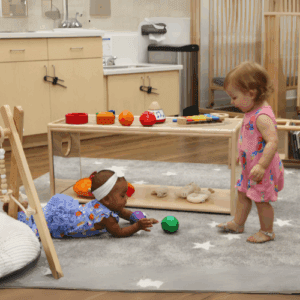
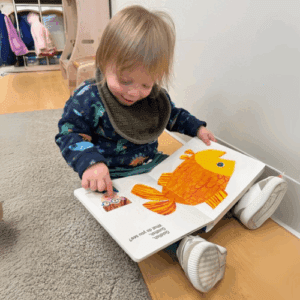
The day begins with a gentle and welcoming transition from home to school. As children arrive, they are greeted warmly by their teachers and friends. Instead of jumping right into structured activities, the morning starts with open play. This gives your child the chance to settle in at their own pace, choose an activity that interests them, and connect with their peers. They might head to the block corner to build a tower, curl up with a book, or work on a puzzle. This “soft start” empowers children to make their own choices, eases separation anxiety, and sets a positive, calm tone for the rest of the day.
Learning Together: Circle Time and Group Activities
After everyone has arrived and settled in, the class gathers for circle time. This is a special time for the whole group to connect and build a sense of community. We might sing songs, read a story together, or share news from the weekend. Circle time is also when we might introduce a new concept or talk about the day’s activities, sparking curiosity for the adventures ahead. These shared experiences help children develop important social skills like listening, taking turns, and respecting others’ ideas. It’s a cornerstone of our Project Approach, where group discussions help shape our learning journey.
Getting the Wiggles Out: Outdoor Playtime
Getting outside to run, jump, climb, and explore is a vital part of every preschooler’s day. We make sure to schedule plenty of time for outdoor play, both in the morning and afternoon (weather permitting, of course). This isn’t just about burning off energy; it’s crucial for developing gross motor skills, coordination, and physical confidence. The playground is also a rich environment for social learning, as children learn to share, negotiate, and collaborate on games. Our Enrichment Program includes activities like Fit Kids to make movement even more fun and engaging.
Refueling: Healthy Snacks and Lunch
Snack and meal times are much more than just a chance to refuel. They are wonderful opportunities for social connection and learning. Children sit together with their teachers, family-style, and are encouraged to serve themselves, pour their own drinks, and try new foods. This fosters independence and fine motor skills. Mealtimes are also a relaxed time for conversation, where children can practice their language skills and learn from one another. We focus on creating a positive and pleasant atmosphere where children can build healthy eating habits and enjoy the social aspect of sharing a meal.
Time to Recharge: Naps and Quiet Activities
A busy day of learning and playing can be tiring for little ones. After lunch, we have a designated quiet time to help everyone rest and recharge. For children who still nap, this is a predictable time to sleep in a calm, soothing environment. We know that not all preschoolers nap, so for those who are awake, we provide quiet, individual activities like looking at books, drawing, or working with puzzles. The goal is to give every child a period of rest to reset their bodies and minds, ensuring they have the energy for an afternoon full of more discovery and fun.
Hands-On Fun: Exploring Learning Centers
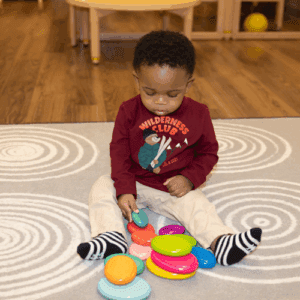
Much of a preschooler’s learning happens during “center time.” Our classrooms are thoughtfully organized into different learning centers, such as a dramatic play area, a block corner, an art station, and a science and discovery table. During this time, children choose which center they want to explore. This child-led approach empowers them to follow their interests and dive deep into topics that fascinate them. It’s a key part of our Reggio Emilia Inspiration, where the environment is seen as a “third teacher,” sparking curiosity and encouraging hands-on learning, problem-solving, and creativity.
Winding Down the Day and Saying Goodbye
As the day winds down, we help children transition calmly toward going home. The afternoon often concludes with a closing circle, where we might read one last story, sing a favorite song, or reflect on our day together. This provides a sense of closure and reinforces the day’s positive experiences. Children gather their belongings and get ready for pickup, giving them a chance to say goodbye to their friends and teachers. This predictable end-of-day routine helps make pickup a smooth and happy experience, and it’s a wonderful time for us to connect with you and share a highlight from your child’s day.
Why Do Preschoolers Thrive on a Schedule?
If you’ve ever watched a preschooler panic when you take a different route home from the grocery store, you already know how much they value predictability. For young children, a consistent schedule isn’t about being rigid or boring; it’s about creating a world that feels safe, understandable, and secure. When kids know what to expect from their day, they can relax and open themselves up to learning, exploring, and building relationships. A predictable rhythm helps them feel confident and in control.
A well-designed daily schedule acts as a roadmap for your child’s day, guiding them from one activity to the next with gentle, familiar cues. This structure minimizes anxiety and reduces challenging behaviors that often stem from uncertainty or feeling overwhelmed. Instead of wondering what’s next, children can focus their energy on playing, creating, and connecting with their friends and teachers. At Strong Start, our daily routine is thoughtfully crafted to balance active play with quiet learning, group activities with individual exploration, and structured lessons with child-led discovery. This rhythm provides the foundation for a happy, engaging, and productive day.
Building Confidence and Security Through Routine
A consistent daily routine is one of the most effective ways to help a child feel safe and reduce their worry. When children can anticipate what’s coming next, whether it’s snack time after outdoor play or story time before a nap, their world feels orderly and secure. This predictability helps them learn to manage transitions and understand the flow of time, giving them a sense of control over their environment. Following a familiar schedule day after day builds trust and lets children relax, knowing their needs will be met. This feeling of security is essential for them to confidently explore their surroundings and engage in learning.
How a Daily Schedule Supports Brain Development
A child’s early years are a period of incredible growth, with over one million new neural connections forming every second. A balanced schedule is crucial for supporting this rapid brain development. The right routine ensures children have dedicated time for activities that stimulate physical, social, and cognitive growth. Our preschool classrooms are designed around a rhythm that includes everything a developing brain needs: active play to build gross motor skills, focused activities for fine motor and cognitive challenges, social time for emotional learning, and essential periods for meals and rest to refuel their bodies and minds. This structure ensures every part of their development gets the attention it needs to flourish.
Practicing Social Skills Within a Daily Routine
So much of a preschooler’s day is a natural opportunity for social learning. A predictable schedule creates the perfect framework for practicing these important skills. Many parts of the day, like greeting time, morning meeting, snack, and lunch, are intentionally used to help children learn social skills and good manners. During these routine moments, children learn to take turns, share materials, listen when others are speaking, and express their own needs clearly. Because these activities happen at the same time every day, children can practice these interactions in a low-pressure, familiar setting, building the foundation for strong friendships and positive relationships.
How Schedules Help Teachers Create a Better Learning Environment
A daily schedule does more than just create a sense of security for children; it’s also one of the most powerful tools a teacher has for creating a positive and productive learning environment. When the flow of the day is predictable, teachers can spend less time managing classroom logistics and more time engaging in meaningful interactions with each child. They can be fully present to observe, listen, and extend a child’s learning in the moment. This structure empowers our exceptional educators to move beyond crowd control and focus on what they do best: nurturing curiosity, guiding discovery, and building genuine connections. A well-planned rhythm is the backbone of a calm, joyful classroom where learning can truly thrive.
Minimizing Challenging Behaviors During Transitions
Transitions—like cleaning up after free play or getting ready to go outside—can be a common source of challenging behavior. This often happens because children feel anxious about what’s coming next or become frustrated while waiting with nothing to do. A predictable schedule is the best defense against these tricky moments. When children know that a specific song signals cleanup time and that outdoor play always follows, the uncertainty disappears. Teachers can guide them through these shifts smoothly, using familiar cues to make the process feel seamless. This consistency creates a feeling of health and safety, reducing stress and freeing children to move confidently from one activity to the next without the friction that can lead to meltdowns.
Supporting Key Milestones with a Predictable Day
A great preschool schedule does more than just organize the day; it’s intentionally designed to help children reach important developmental milestones. The routine ensures that every child is consistently exposed to activities that build key skills for their age. For preschoolers, this means incorporating more table-based and task-focused activities to build pre-academic skills in literacy, math, and science. Our enrichment programs are woven into the schedule to provide focused practice in areas like STEM and the arts. By embedding these learning opportunities into a predictable daily flow, we help children build the confidence and abilities they need for a successful transition to kindergarten.
Developmental Milestones for 4-Year-Olds
At four, children are bursting with independence and a desire to do things themselves. A predictable daily schedule provides the perfect stage for them to practice their growing skills. Physically, they are learning to pour their own water at snack time and hold a crayon correctly during art, all within the structured flow of the day. Their language is also exploding; they can use sentences with four or more words and love to talk about what happened during their day, a skill we encourage during circle time. Socially, they are learning to play in groups, though they can still be quite moody. The consistency of a routine helps them manage these big feelings by creating a secure environment where they can practice sharing and taking turns with confidence.
Developmental Milestones for 5-Year-Olds
By age five, children are becoming more cooperative and are fine-tuning the skills they’ll need for kindergarten. The daily routine helps them master these more complex abilities. They can now tell detailed stories with multiple events, a skill that shines during group discussions in our Project Approach curriculum. Their improved understanding of time, using words like “yesterday” and “tomorrow,” is reinforced by the predictable sequence of their day. Physically, they are gaining more control, learning to write letters in their name at learning centers and hopping on one foot during outdoor play. Socially, they want to please their friends and teachers, and the routine of mealtimes and group activities provides a consistent opportunity to practice good manners and work well with others.
What Are the Building Blocks of a Great Preschool Day?
A great preschool schedule is more than just a timetable. It’s a thoughtful blend of different activities designed to help your child learn, grow, and have fun. Each part of the day serves a purpose, from building friendships to discovering new ideas. These core components work together to create a balanced, engaging, and supportive environment where every child can thrive. Think of them as the essential ingredients for a perfect day of learning and play.
Building Early Language and Literacy Skills
From listening to stories during circle time to singing songs and learning new words, language is woven into everything we do. These activities help preschoolers build their vocabulary, learn to express their thoughts, and develop an early love for reading. We balance structured moments, like practicing letter sounds, with plenty of free play where children can chat with friends and make up their own stories. This mix helps them build communication skills and gives them the confidence to share their ideas. At Strong Start, our preschool classrooms are designed to spark conversation and curiosity, creating a rich environment for language development.
Discovering Early STEM Concepts Through Play
STEM (Science, Technology, Engineering, and Math) might sound advanced, but for preschoolers, it’s all about natural curiosity. It’s about asking “why” and figuring out “how.” Activities like building with blocks, sorting objects by color and size, or observing a plant grow are all early STEM experiences. These hands-on explorations encourage critical thinking and problem-solving skills. A well-planned daily routine provides the foundation for this learning, creating dedicated time for children to experiment and discover. Our STEM Learning program gives children the chance to investigate the world around them in a fun and supportive setting.
Making Time for Arts and Creative Expression
Art is a powerful way for children to express themselves and make sense of their world. Whether they’re painting, sculpting with clay, or engaging in imaginative play, creative activities allow them to explore their feelings and ideas without limits. Free play is especially important here, as it supports essential skills like creativity, problem-solving, and emotional regulation. It’s during these unstructured moments that children can truly let their imaginations run wild. We provide a wide range of materials and opportunities for Exploration Through The Arts, ensuring every child has the chance to create something that is uniquely theirs.
Why Active Physical Play is Essential
Running, jumping, climbing, and dancing are essential for a preschooler’s development. Active play helps children build strong muscles, improve coordination, and burn off energy so they can focus during quieter activities. We make sure the daily schedule includes plenty of time for movement, both indoors and outdoors. Children benefit from a mix of scheduled activities and unstructured free play, giving them opportunities to practice new skills and simply enjoy moving their bodies. Our Fit Kids program is designed to make physical activity fun while promoting healthy habits that can last a lifetime.
Learning About Feelings and Friendships
Learning how to share, take turns, listen to others, and manage big feelings is one of the most important jobs of the preschool years. A predictable daily routine helps children feel secure, which makes it easier for them to practice these skills. Group activities and imaginative play are powerful ways for children to explore emotions, practice negotiation, and build vital social skills with their peers. Our educators provide gentle guidance, helping children understand their feelings and interact positively with others. We believe that partnering with parents is key to supporting this growth both at school and at home.
How to Make Transitions Throughout the Day Easier
Moving from one activity to the next can be a big challenge for little ones. One minute they’re happily building a block tower, and the next, it’s time to clean up for lunch. These shifts, or transitions, can sometimes lead to frustration or meltdowns. The good news is that with a bit of planning and consistency, we can make these moments much smoother. Creating predictable and positive transitions helps children feel secure and in control, turning a potential point of friction into a seamless part of their day. Here are a few simple strategies we use in our classrooms that you can try at home, too.
Using Visual Schedules to Signal What’s Next
For a preschooler, seeing is understanding. Since they can’t yet read a clock or a written schedule, visual aids are a game-changer. A simple chart with pictures representing each part of the day, from circle time to outdoor play, helps children see what’s coming next. This predictability is incredibly comforting. When a child can look at the chart and see a picture of a book after the picture of the playground, they know what to expect. This simple tool empowers them to manage their day, reduces anxiety about the unknown, and builds a foundation for independence and time management skills.
Making Transitions Fun with Songs and Routines
Who said cleaning up can’t be fun? Turning transitions into a game with a special song or chant is one of the most effective ways to get everyone on board. A simple, consistent cleanup song signals that playtime is ending and a new activity is beginning, all in an upbeat, positive way. You could sing, “Clean up, clean up, everybody everywhere,” or create your own silly rhyme. This auditory cue becomes a familiar and friendly signal that helps children shift their focus without a struggle. It’s a wonderful way to incorporate music and rhythm into daily routines, making them a joyful part of our creative exploration.
Giving a Friendly Heads-Up Before a Change
A little heads-up goes a long way. No one likes to be told to stop doing something they enjoy without any warning, and preschoolers are no exception. Giving a simple verbal cue a few minutes before a transition happens can make all the difference. Saying, “We have five more minutes to play, and then it will be time to wash our hands for snack,” gives your child time to finish their thought or action and mentally prepare for the change. This small act respects their focus and gives them a sense of agency. We believe that partnering with parents to use consistent language at home and school creates a supportive environment for every child.
Tips for Handling Tricky Transitions
Even with the best strategies, some days are just tricky. When a child is having a hard time with a transition, the most important thing is to stay calm and offer gentle support. Acknowledge their feelings by saying something like, “I know it’s hard to leave the sandbox. It’s so much fun.” Then, calmly restate the plan: “It’s time to go inside for a story now.” Consistency is key. Over time, your child will learn that the routine is reliable and that you are there to help them through it. Our skilled educators are experts at guiding children through these moments with patience and empathy, reinforcing the structure that helps them feel secure.
Practical Strategies for a Smoothly-Run Classroom
Creating a classroom that feels calm, joyful, and productive is an art, but it’s also a science. It relies on a collection of intentional strategies that help children feel respected, capable, and part of a community. These aren’t about strict rules or rigid control; they’re about creating a supportive structure that empowers children to manage themselves and their environment successfully. From giving children meaningful responsibilities to designing a space that invites exploration, these practical approaches are the invisible architecture of a happy classroom. They help minimize disruptions and maximize learning, ensuring every child has the space and support they need to thrive.
Giving Children Classroom Jobs
Giving a preschooler a special job is a simple way to build their sense of responsibility and belonging. When a child is the “line leader” or the “snack helper,” they feel like a valued and contributing member of the group. These roles aren’t just about getting tasks done; they are powerful learning opportunities. During these routine moments, children learn to take turns, share materials, and express their own needs clearly. Having a job gives them a sense of ownership over their classroom and helps them practice important social and life skills in a supportive setting. It’s a wonderful way to show them that their contributions matter and that they are a capable part of their classroom family.
Designing the Classroom for Success
The physical layout of a classroom has a huge impact on how children learn and interact. A well-designed space can prevent chaos and encourage focused play. Our classrooms are thoughtfully organized into different learning centers, such as a dramatic play area, a block corner, an art station, and a science and discovery table. This setup allows children to make choices about their learning and engage in activities that interest them. Clear pathways and defined spaces help children move around the room calmly and purposefully. By creating an environment that is both stimulating and orderly, we set the stage for children to explore independently, collaborate with peers, and take care of their shared space with confidence.
Using Positive Praise and Encouragement
The emotional tone of a classroom is just as important as its physical setup. A consistent daily routine is one of the most effective ways to help a child feel safe and reduce their worry, and consistent positive language works the same way. We focus on encouragement rather than just praise, celebrating effort and progress over perfection. Instead of saying “Good job,” we might say, “I noticed how carefully you shared the crayons with your friend.” This specific feedback helps children recognize their own positive behaviors and builds their intrinsic motivation. This approach fosters a growth mindset, teaching children that their abilities can develop through dedication and hard work, and creates a nurturing atmosphere where it’s safe to try new things.
Keeping Early Finishers Engaged
In any group of children, some will finish activities more quickly than others. Having a plan for these early finishers is key to maintaining a calm and productive classroom. Instead of leaving them to get restless, we provide a selection of engaging, self-directed options. We provide quiet, individual activities like looking at books, drawing, or working with puzzles. These “anytime activities” are always available, so children know exactly what to do when they complete a task. This strategy respects each child’s individual pace, prevents disruptions, and offers another opportunity for meaningful learning, ensuring that every moment of the day is used thoughtfully.
A Sample Preschool Daily Schedule for 3 and 4 Year Olds
It helps to see what a day in the life of a preschooler actually looks like. While every day brings new discoveries and adventures, the flow of the day often follows a familiar rhythm. This predictability helps children feel secure and confident, freeing them up to focus on learning and playing. Think of this schedule as a flexible framework, not a rigid minute-by-minute plan. It’s designed to balance active play with quiet time, group activities with individual exploration, and structured learning with child-led fun.
At Strong Start, we tailor the daily rhythm to the unique energy and interests of the children in each classroom. Here’s a glimpse into what your child’s day might look like, giving you a feel for the thoughtful structure that supports their growth and happiness.
7:00-8:30 AM: Arrival and Morning Exploration
The day begins with a warm and welcoming arrival. This is a calm, gentle time for you to say your goodbyes and for your child to ease into the classroom environment. As children arrive, they are invited to engage in open play. They might choose to build with blocks, work on a puzzle, or look at books in the reading corner. This unstructured time is so important for their development. It allows them to wake up their minds, connect with friends, and make their own choices, which builds independence and social skills right from the start of the day.
8:30-11:30 AM: Group Learning and Outdoor Play
As everyone settles in, we transition to more structured group activities. The day officially kicks off with a morning meeting or circle time, where we sing songs, read a story, and talk about the day ahead. After a healthy snack, children dive into small group activities and learning centers. This is where our Project Approach comes to life, as children explore topics that spark their curiosity. To get their bodies moving, we head outside to the playground or into our indoor gym for active play, which is essential for developing gross motor skills and burning off energy.
11:30 AM-2:00 PM: Lunch and Quiet Time
After a busy morning of learning and playing, it’s time to refuel and recharge. We gather for a family-style lunch, which is a wonderful opportunity for children to practice social skills like sharing and conversation. Following lunch, we dim the lights for a much-needed rest time. For many preschoolers, a nap is crucial for their mood and ability to learn in the afternoon. Children who don’t sleep are given quiet activities, like looking at books or doing puzzles on their cots, ensuring everyone gets a chance to rest their body and mind.
2:00-5:00 PM: Creative Play and Parent Pickup
As children wake up, we enjoy another healthy snack to power us through the afternoon. This part of the day is often filled with creative projects and special activities. It might be a hands-on science experiment, a messy art project, or one of our enrichment programs like Budding Bakers. We often head back outside for more fresh air before winding down with quiet play as families begin to arrive for pickup. This is a key time for our educators to connect with you, sharing a happy moment from your child’s day and strengthening our commitment to partnering with parents.
How to Balance Structured Learning with Free Play
One of the biggest questions parents have about preschool schedules is how we balance structured learning with good old-fashioned playtime. It’s easy to think of them as opposites, but the truth is, they work together beautifully. A thoughtful daily schedule doesn’t choose one over the other; it creates a rhythm that flows between both. This approach ensures children get the focused instruction they need to build foundational skills while also having the freedom to explore, create, and follow their own curiosity.
Guided activities help children learn how to follow directions and work within a group, while child-led play is where they apply that knowledge in ways that are meaningful to them. Think of it like this: a structured lesson might introduce the concept of colors, but free play is where a child discovers they can mix blue and yellow paint to make green. Both experiences are essential for growth. At Strong Start, our curriculum is inspired by approaches like Reggio Emilia, which sees children as capable leaders in their own learning journey, blending intentional teaching with open-ended discovery.
The Importance of Guided Activities
Guided activities are the moments in the day when a teacher leads the group with a specific goal in mind. This could be a circle time story that introduces new vocabulary, a science experiment that demonstrates cause and effect, or a group project that teaches collaboration. These structured times are fantastic for introducing new concepts and building skills that prepare children for kindergarten, like listening, taking turns, and following multi-step instructions. Our exceptional educators are experts at making these lessons feel like play, using songs, games, and hands-on materials to keep children engaged and excited about learning.
Why Child-Led Play Is So Important
Child-led play is just as crucial as guided learning. This is the time when children have the freedom to choose their own activities, whether they’re building a tower in the block corner, caring for baby dolls in the dramatic play area, or painting a masterpiece at the easel. During this unstructured time, children are doing some of their most important work. They are solving problems, negotiating with friends, and developing their creativity and imagination. It’s where they process what they’ve learned and practice social-emotional skills in a real-world context. This is a cornerstone of The Project Approach, where a child’s spontaneous interest can blossom into a deep, investigative study.
Finding the Right Mix of Structure and Freedom
The magic happens when you weave these two types of learning together seamlessly throughout the day. A great preschool schedule creates a natural flow, where a structured group lesson can inspire ideas that children later explore during free play. For example, after reading a book about gardens, children might choose to plant seeds in the science center or draw flowers at the art table. This balance ensures that children are consistently challenged without feeling pressured. It respects their need for both guidance and autonomy, creating a supportive environment where every child can learn and grow at their own pace. You can see what this looks like in practice by exploring a typical day in our preschool classrooms.
How Long Should Preschool Activities Last?
One of the trickiest parts of designing a great preschool schedule is getting the timing just right. A preschooler’s attention span is still developing, so the length of an activity is just as important as the activity itself. There isn’t a single magic number that works for every child, but a good rule of thumb is to keep teacher-led activities short and sweet, while allowing for longer, uninterrupted stretches for child-led exploration. This intentional rhythm respects their natural energy levels, prevents them from feeling overwhelmed, and keeps them engaged and happy throughout the day. It’s all about finding that perfect balance between focused learning and free discovery.
Making Time for Free Choice and Outdoor Play
When it comes to free play and outdoor time, longer is almost always better. These are the times when children can truly dive deep into their interests, so we aim for blocks of at least 45 to 60 minutes. This gives them enough time to decide what to do, gather materials, and become fully absorbed in their play without feeling rushed. Getting outside to run, jump, and climb is a vital part of their day, crucial for building gross motor skills and physical confidence. This unstructured time is essential for developing independence and social skills as they learn to collaborate and solve problems with their friends. Our enrichment programs build on this by making movement fun and purposeful.
Timing for Teacher-Led Group Activities
In contrast, teacher-led activities like circle time are kept much shorter, typically lasting between 10 and 20 minutes. This length is designed to match a preschooler’s ability to sit and focus on a group lesson. These brief, engaging sessions are perfect for introducing a new story, singing songs, or discussing a new idea that might spark a larger investigation, which is a key part of The Project Approach. By keeping direct instruction short and interactive, we make sure learning stays exciting and doesn’t feel like a chore. These focused moments provide the building blocks that children can then take and explore in their own way during more open-ended parts of the day.
Adapting the Schedule for Different Personalities
Every child is unique, and a one-size-fits-all schedule just doesn’t work. Some children thrive on structure and know exactly what to expect, while others might need a little encouragement to get started during open-ended playtime. A truly great schedule is a flexible framework, not a rigid set of rules. Our teachers are skilled observers who understand how to adapt the day to meet the needs of each child. They might offer a quiet activity to a child who seems overstimulated or provide gentle guidance to help a hesitant child join a group. This responsive approach ensures that every child feels seen, supported, and confident enough to participate in all aspects of the day.
Partnering with You on Your Child’s Daily Routine
A predictable daily routine helps your child feel secure and ready to learn, and the best routines are built on a strong partnership between school and home. We see you as our most important partner in your child’s education and care. When we work together, we can create a seamless and supportive daily rhythm that helps your child thrive. This collaboration is built on open communication and a shared understanding of your child’s needs, both in the classroom and in your home.
Our commitment to partnering with parents means we keep you connected to every part of your child’s day. From sharing our classroom schedule to giving you updates on their milestones and discoveries, we make sure you’re always in the loop. By aligning our efforts, we can provide the consistency that helps children feel confident and safe. This teamwork ensures that the positive habits and skills they learn at school are reinforced at home, creating a stable foundation for their growth and development.
Using Visual Schedules So Kids Know the Plan
If you peek into one of our classrooms, you’ll likely see a visual schedule on the wall. This is a simple plan that uses pictures to show children what activities are happening throughout the day, from circle time to outdoor play and snacks. For a young child, knowing what comes next is incredibly comforting. It reduces uncertainty and helps them feel more in control of their day, which fosters independence and confidence. We make sure this schedule is a visible and central part of your child’s day with us, giving them a clear roadmap from arrival to pickup.
Keeping You in the Loop with Daily Updates
We know how much it means to hear about your child’s day, including their triumphs and challenges. That’s why we prioritize clear and consistent communication. Through daily reports, newsletters, and informal chats at pickup, we share observations about what your child is learning, who they’re playing with, and how they’re feeling. This regular feedback helps you understand the areas where your child is excelling and where they might need a little extra support. It’s our way of making sure you feel connected and involved in their daily experiences, even when you can’t be here with them.
Tips for Consistency Between Home and School
Children feel most secure when their world is predictable. Creating consistency between home and school is one of the most effective ways we can work together to support your child. When routines like mealtimes, nap schedules, and even hand-washing are similar in both environments, it helps your child feel safe and reduces their anxiety. This sense of stability makes it easier for them to manage transitions and adapt to new experiences. By aligning our daily rhythms, we build a predictable world where your child knows what to expect and feels confident enough to explore and learn.
How You Can Support the Daily Routine at Home
Your involvement is a powerful part of your child’s success at school. The structure and routines you establish at home lay the groundwork for their learning. You can extend the themes we explore in class through simple conversations or activities, like talking about the shapes you see at the grocery store or counting steps on a walk. This doesn’t have to be complicated; it’s about showing your child that learning happens everywhere. Your role as their first teacher is invaluable, and by working together, we can make sure their daily experiences are enriching, supportive, and fun.
Creating a Flexible Routine at Home
Bringing the predictability of the classroom into your home doesn’t mean you need a minute-by-minute schedule taped to the fridge. It’s more about creating a familiar flow. A consistent daily routine is one of the most effective ways to help a child feel safe and reduce their worry. When children can anticipate what’s coming next—like a story after bath time or a snack after school—their world feels orderly and secure. This predictability helps them learn to manage transitions and gives them a sense of control. Simple anchors like consistent wake-up times, meals, and a calming bedtime routine provide the structure your child needs to feel confident, reinforcing the supportive environment we create together through our partnership with parents.
Balancing Screen Time and Other Activities
In a world full of screens, finding a healthy balance is a common goal for many families. The key isn’t to eliminate technology but to ensure it’s just one small part of a rich and varied day. As we see in our classrooms, children benefit from a mix of scheduled activities and unstructured free play, giving them opportunities to practice new skills and simply enjoy moving their bodies. Try setting clear and consistent limits, like keeping mealtimes screen-free or having a designated “unplugged” period each day. By prioritizing hands-on play, outdoor adventures, and creative projects like those in our Enrichment Program, you can help ensure your child’s day is filled with active, engaging experiences.
The Importance of Consistent Attendance
Just like adults feel more comfortable at work when they don’t miss a lot of meetings, children feel more at ease when they attend school regularly. The most important thing is consistency in attendance. Going regularly helps children feel safe and confident. It allows them to build strong, trusting relationships with their teachers and form deeper friendships with their peers. Consistent attendance also means they won’t miss out on the flow of a project or the introduction of a new concept, ensuring they feel like a capable and included member of their preschool classroom community. This regularity is a simple but powerful way to support your child’s social and academic success.
How a Good Schedule Leaves Room for Flexibility
While routines provide a comforting sense of predictability, a great preschool schedule is never set in stone. Think of it less like a rigid timetable and more like a flexible framework for the day. The goal is to create a rhythm that supports learning and exploration, not to march children from one activity to the next without room for breath. This balance between planned activities and the freedom to adjust is what allows our educators to respond to the world as it unfolds.
A truly effective schedule is one that serves the children. It’s a tool that helps us create a nurturing environment where curiosity can flourish. If a group of children becomes fascinated by the way sunlight is making patterns on the floor, we want to be able to pause and explore that moment of wonder with them. This child-centered philosophy is at the heart of our Reggio Emilia inspiration, where learning is seen as a collaborative journey. A flexible schedule gives our teachers the ability to follow where your child’s interests lead, turning a simple observation into a meaningful learning experience. It’s about creating a day that is both organized and open to possibility.
Tuning In to Each Child’s Individual Needs
Every child arrives with their own unique personality, energy level, and emotional state each day. A one-size-fits-all schedule simply doesn’t work. Flexibility allows our exceptional educators to tune into each child’s individual needs. One child might need a quiet corner and a book after a busy morning, while another might need to spend a little extra time on a challenging puzzle. A responsive schedule means we can provide that personalized attention. It’s about knowing when to offer gentle encouragement for a group activity and when to respect a child’s need for independent play. This approach ensures every child feels seen, understood, and supported throughout their day.
Planning for Rainy Days and Fun Surprises
Life is full of surprises, and a preschool classroom is no exception. A flexible schedule is designed to handle the unexpected with ease. When a rainy day keeps us from the playground, we don’t just cancel outdoor time; we adapt with indoor activities like a dance party, an obstacle course, or a yoga session to get those wiggles out. Spontaneous learning opportunities are also a big part of our day. If children discover a ladybug on the windowsill, we can pause our planned lesson to observe it, draw pictures of it, and learn about insects. This ability to pivot is a key part of The Project Approach, allowing us to build entire learning experiences around your child’s spontaneous discoveries.
Following Your Child’s Cues and Energy
Preschoolers have fluctuating energy levels, and a good schedule respects that. Our teachers are experts at reading the room and understanding the collective mood of the group. If the children are full of energy, we might extend our time for active play. If they seem tired or overstimulated, we might transition to a calmer activity like storytelling or listening to quiet music. Forcing a group of restless children to sit still for a long lesson isn’t effective for anyone. By following their cues, we ensure that activities are engaging and appropriate for their state of mind, making learning feel natural and fun. You can see how this responsive care shapes your child’s day with us.
When to Stick to the Schedule (and When to Be Spontaneous)
The magic of a great preschool day lies in the balance between a predictable routine and the freedom for spontaneous fun. Children feel safe and secure when they know what to expect: circle time follows breakfast, and naptime comes after lunch. This consistency helps them understand the flow of time and manage transitions with confidence. But within that reliable structure, we leave plenty of space for child-led exploration and unexpected joy. This blend of routine and spontaneity teaches children a valuable life lesson: that it’s good to have a plan, but it’s also wonderful to embrace the happy surprises along the way. This approach is something we love partnering with parents on to create consistency between school and home.
What Makes a Preschool Schedule Truly Great?
A great preschool schedule is more than just a timetable. It’s a thoughtfully crafted framework designed to support every aspect of your child’s development. The ultimate goal is to create a predictable, nurturing, and stimulating environment where children feel secure enough to explore, learn, and grow. It’s about finding that perfect blend of structured activities and flexible, child-led discovery. When done right, the daily routine becomes a quiet, consistent guide that helps your child flourish throughout their day, week, and year.
Building a Day Around Developmental Needs
A preschooler’s day is carefully planned to meet their specific developmental needs. We intentionally balance different types of activities to nurture the whole child: their social, emotional, physical, and cognitive growth. The schedule includes time for energetic outdoor play, quiet story time, collaborative group projects, and independent exploration. As children get older, the routine incorporates more activities that build foundational academic skills, preparing them for kindergarten. This intentional design ensures that your child’s day is filled with purposeful learning and play, all tailored to their age and stage.
Prioritizing Safety and Supervision All Day Long
Consistency is key to helping a young child feel safe and secure. When children know what to expect next, from circle time to snack time, it reduces anxiety and helps them confidently engage with their environment. A predictable routine gives them a sense of control and helps them understand the passage of time. This feeling of security is the foundation for all learning. Our commitment to health and safety is woven into every part of our daily schedule, creating a stable and reassuring atmosphere where children feel comfortable taking risks, making friends, and trying new things.
Creating Routines That Grow with Your Child
While consistency is important, a great schedule is also flexible and evolves right alongside your child. The routine in our Preschool classrooms is built to support what three- to five-year-olds are learning, but it’s not set in stone. We adapt the flow of the day to follow the children’s interests and energy levels, allowing for spontaneous teachable moments. As your child masters new skills and prepares for the next step, the daily structure gently shifts to introduce new challenges and responsibilities. This approach ensures the routine always supports them exactly where they are while preparing them for the adventures ahead.
Related Articles
Frequently Asked Questions
How much of the day is focused on “learning” versus just playing? This is a great question, and the simple answer is that we see play as learning. A preschooler’s most important work happens during play, whether they are building social skills in the dramatic play area or exploring physics concepts in the block corner. Our daily schedule intentionally weaves together guided activities, where a teacher might introduce a new idea, with long periods of free play where children can explore those ideas in their own way. Both are essential for building a strong foundation for future academic success.
My child has stopped napping. What will they do during rest time? We know that not all preschoolers need to sleep in the afternoon. Our rest time is designed to be a quiet period for everyone to recharge their bodies and minds after a busy morning. Children who no longer nap are provided with quiet, individual activities to do on their cots, such as looking at books, drawing, or working with puzzles. The goal is to ensure every child gets a peaceful break, whether they are sleeping or simply resting quietly.
What if my child has a hard time moving from one activity to another? Transitions can be tricky for young children, and it’s a very common challenge. We use several strategies to make these moments smoother, like giving a five-minute warning before we clean up and singing special songs to signal a change. Our teachers are also skilled at offering gentle, individual support. They might acknowledge a child’s feelings about stopping a fun activity while calmly guiding them to what’s next. Consistency is the key, and over time, this predictable routine helps children learn to manage transitions with confidence.
How do you keep the daily routine from getting boring for the kids? While the rhythm of the day stays consistent, the activities within that structure are always changing to follow the children’s interests. The schedule is a flexible framework, not a rigid minute-by-minute plan. This allows us to be spontaneous. If the children discover a fascinating bug on the playground, we can pause to investigate it. This balance between a predictable flow and the freedom for discovery ensures the day feels both secure and exciting.
What’s the most important thing I can do at home to support my child’s school routine? The most helpful thing you can do is create a sense of predictability in your own home routines, especially around mornings and evenings. A consistent bedtime and a calm morning routine can have a huge impact on how your child’s entire day goes. When children know what to expect at home, it helps them feel more secure and better prepared to handle the structure and transitions of the school day.
Written By
Marc Hoffman
Founder, Strong Start Early Care & Education
Marc founded Strong Start in 2014, inspired by his studies at Williams College, Yeshiva University, and research at Yale University. His child-centered, inquiry-based approach to early education has helped hundreds of families in the Trumbull and Bridgeport communities. As a parent himself, Marc understands the importance of finding a nurturing environment where every child can learn, grow, and flourish.