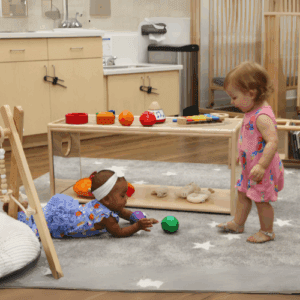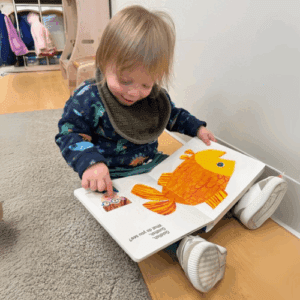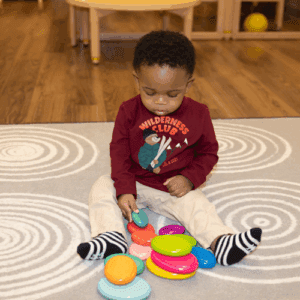
Ever watched a group of toddlers play? You’re seeing social-emotional learning in real-time. It’s in the shared toy, the negotiation for the slide, and the comfort offered to a friend. This is how kids learn to be people in the world, alongside other people. It’s so much more than just being nice. It equips children with the tools to manage their emotions, show empathy, and build strong relationships. The benefits of social emotional learning are huge, creating a positive ripple effect on academics and friendships that prepares them not just for kindergarten, but for life.
Key Takeaways
- SEL prepares your child for academic learning: Skills like managing frustration and focusing attention are not separate from academics; they are the very tools that allow a child to listen during story time, persist with a puzzle, and engage fully in the classroom.
- These skills are for life, not just for school: Social-emotional learning gives your child a toolkit for building healthy relationships, managing emotions constructively, and developing the resilience needed to handle life’s ups and downs long after they leave preschool.
- You can support SEL at home and in your school choice: Reinforce these skills by talking about feelings during everyday moments, and look for a school that weaves SEL into its daily curriculum, values its teachers, and prioritizes a strong partnership with parents.
What is Social-Emotional Learning (SEL)?
If you’ve ever watched a toddler try to share a favorite toy, you’ve seen social-emotional skills (or the lack thereof) in action. It’s that tricky, wonderful, and sometimes messy process of learning how to be a person in the world. At its heart, Social-Emotional Learning (SEL) is how children learn to understand and manage their feelings, set and achieve goals, feel for others, build good relationships, and make thoughtful choices. It’s not a separate subject taught at a specific time; it’s woven into the fabric of every day.
Think of it as the essential toolkit children need to build a happy and successful life. When a child learns to name their feeling of frustration instead of throwing a block, that’s SEL. When they learn to ask a friend for a turn instead of grabbing, that’s SEL, too. These skills are just as important as learning letters and numbers because they create the foundation for all other learning to happen. A child who feels secure, understood, and capable of handling their emotions is a child who is ready to learn. At Strong Start, our entire approach is built around this idea. Through our Reggio Emilia-inspired curriculum, children explore their interests and learn to collaborate, communicate, and solve problems together, turning every moment into an opportunity to grow their social and emotional intelligence.
The 5 Core Skills Your Child Will Learn
SEL is built on five core, interconnected skills that help children thrive. We focus on helping your child develop:
- Self-Awareness: Recognizing their own emotions and understanding their strengths and challenges.
- Self-Management: Learning to handle their emotions in healthy ways, control impulses, and persevere through tasks.
- Social Awareness: Developing empathy and understanding the perspectives of others from different backgrounds.
- Relationship Skills: The ability to communicate clearly, listen well, cooperate with others, and ask for help when needed.
- Responsible Decision-Making: Thinking about the consequences of their actions and making constructive choices about their behavior.
These skills are practiced every day in our classrooms, from circle time discussions to collaborative play.
Wondering how social skills develop in toddlers? See our age-by-age breakdown of social milestones for toddlers, including when kids start making real friends.
How SEL and Academics Go Hand-in-Hand
Many parents wonder if focusing on emotional skills takes time away from academics. The truth is, SEL and academic success are deeply connected. A child who can manage their frustration is better equipped to tackle a challenging puzzle. A child who can communicate their needs can ask a teacher for help. Research consistently shows that children with strong social-emotional skills are more engaged in school and perform better academically.
In fact, one major analysis of SEL programs found that students’ academic performance increased by an average of 11 percentile points. These aren’t just “nice-to-have” skills; they create the mental and emotional space for your child to absorb information, think critically, and truly love learning.
Why is SEL So Important for Young Children?
Social-emotional learning isn’t just a nice-to-have; it’s a fundamental part of your child’s development. Think of it as building the emotional and social toolkit they’ll use for the rest of their lives. The skills they learn in these early years, from managing their feelings to understanding others, are just as critical as learning their ABCs and 123s. By focusing on SEL, we help children grow into well-rounded, confident, and capable individuals who are not only ready for school but ready for life. This early focus creates a positive ripple effect, influencing their relationships, their academic journey, and their overall well-being for years to come.
Why These Early Years Matter Most
The infant, toddler, and preschool years are a period of incredible brain development. Young children are like sponges, and this is the ideal time to introduce social and emotional skills because they learn so quickly. When children develop a strong emotional foundation, they tend to be happier, more curious, and have a better attitude about school. Research from the National Association for the Education of Young Children (NAEYC) shows that children who are socially and emotionally healthy are more eager to learn and perform better academically. At Strong Start, our Reggio Emilia-inspired curriculum is designed to nurture these skills naturally through exploration, interaction, and guided play.
Setting Your Child Up for Lifelong Success
The benefits of SEL extend far beyond the classroom walls. The skills your child learns today are directly linked to their success and happiness as adults. In fact, studies show that students who participate in SEL programs are more likely to succeed up to 18 years later. According to research from CASEL, SEL can even improve academic performance by as much as 11 percentile points. These skills help children grow into adults with better mental health, more successful careers, and stronger relationships. By partnering with parents, we work to build a consistent and supportive environment that sets your child up for a happy, healthy, and fulfilling future.
The Academic Benefits of Social-Emotional Learning
Social-emotional learning isn’t a separate subject; it’s the foundation for academic success. When children learn to understand their feelings, manage their reactions, and connect with others, they are better equipped to absorb everything school has to offer. These skills directly translate into a more focused, engaged, and confident learner who is ready to take on new challenges, from learning their ABCs to collaborating on their first group project.
Helping Your Child Stay Focused and Engaged
It’s hard for anyone to concentrate when they’re feeling overwhelmed or distracted, and it’s the same for our little ones. SEL gives children the tools for self-regulation, helping them manage their impulses and tune out distractions. This ability to focus is crucial for learning. It’s what allows a child to listen during story time, persist with a tricky puzzle, or follow a teacher’s instructions. Research shows that children who participate in SEL programs have improved attention spans, a skill that serves them well throughout their entire academic journey and helps them get the most out of their day.
Encouraging Confident Participation
A confident child is an engaged child. SEL helps build that self-assurance, empowering your child to raise their hand, ask questions, and share their unique ideas. When children feel secure in their relationships with teachers and peers, the classroom becomes a safe space for exploration and expression. This active participation is a game-changer for academic growth. It’s not just about getting the right answer; it’s about developing curiosity. Our exceptional educators are trained to create this nurturing environment where every child feels seen, heard, and encouraged to contribute.
Building Creative Problem-Solving Skills
Problem-solving in preschool goes far beyond puzzles. It’s about learning how to share a coveted toy, take turns, or work together to build a block tower. SEL teaches children the critical skills needed to handle these social challenges constructively. By learning to understand and empathize with others’ feelings, they can communicate more effectively and collaborate on solutions. This is the heart of our Project Approach, where children work together on long-term investigations. They learn to listen to different perspectives, negotiate ideas, and find creative ways to overcome obstacles as a team, building a foundation for complex problem-solving.
Improving Long-Term Academic Performance
The skills your child develops through social-emotional learning aren’t just for making friends on the playground; they have a direct and powerful impact on their long-term academic success. Research consistently shows that SEL is a key ingredient for achievement. In fact, a major analysis of SEL programs found that students’ academic performance increased by an average of 11 percentile points. This isn’t a small jump—it highlights how crucial these skills are for helping children absorb information, think critically, and build a genuine love for learning that lasts well beyond their preschool years.
So, how does learning to share translate into better grades? Children with strong social-emotional skills are more engaged in school and have better attention spans, which are essential for learning. When your child can manage their feelings, they can persist through a tricky task. When they have empathy, they can collaborate effectively on group projects. These skills—self-management, empathy, and responsible decision-making—are the foundation of academic achievement. They empower children to navigate challenges, ask for help when they need it, and participate confidently in the classroom, creating a positive cycle of learning and growth.
The investment in social-emotional learning during these early years pays dividends for a lifetime. The benefits aren’t just seen in kindergarten or first grade; studies show they can last up to 18 years later. By focusing on SEL, we are equipping children with the tools they need to thrive not just academically, but personally. This is why our approach at Strong Start is centered on nurturing the whole child. We believe that by building this strong foundation, we are preparing your child for lifelong success, helping them grow into confident, capable learners who are ready for whatever comes next.
The Social Superpowers of SEL
Beyond academics, school is one of the first places children learn to build relationships outside of their family. Social-emotional learning gives them the tools they need to make friends, communicate their feelings, and work with others. Think of these skills as social superpowers. They help your child understand the people around them and form positive, meaningful connections that make school a happier and more welcoming place to be.
When children feel socially and emotionally healthy, they are more confident, more eager to learn, and have a better attitude about school. These skills aren’t just about being polite; they are the foundation for collaboration, compassion, and community. At Strong Start, our Exceptional Educators guide children as they develop these essential abilities, creating a classroom environment where everyone feels seen, heard, and valued.
Building Stronger Friendships
For young children, making a friend can feel like the most important job in the world. SEL helps them succeed by teaching skills like sharing, taking turns, and listening to a friend’s ideas. Children who can understand and manage their own emotions are better equipped to handle the natural give-and-take of friendship. They learn how to join a group at play, offer a kind word to a classmate who is sad, and celebrate a friend’s success. This ability to form positive peer relationships makes children happier and more engaged, transforming the classroom into a place they are excited to be each day.
Communicating with Confidence and Kindness
Have you ever seen a toddler get frustrated because they can’t find the words to express a big feeling? SEL gives children the vocabulary to name their emotions, which is the first step toward managing them. Instead of acting out, they can learn to say, “I’m sad because you took my toy,” or “I’m excited to play outside.” Our teachers model this by acting as “emotion coaches,” helping children connect words to their feelings. This skill empowers them to express their needs clearly and kindly, and it also helps them become better listeners who can understand what their friends are trying to say.
Developing Empathy for Others
Empathy is the ability to understand and share the feelings of another person. It’s about putting yourself in someone else’s shoes. SEL helps children develop this crucial skill by encouraging them to notice how their actions affect others. Through stories, group discussions, and collaborative projects inspired by our Reggio Emilia approach, children learn to recognize emotional cues in their peers. This understanding helps them become more compassionate and supportive friends. Developing empathy reduces stress and helps children build a more positive view of themselves and the people around them, creating a kinder classroom community for everyone.
Learning to Solve Conflicts Peacefully
Disagreements are a normal part of life, even in preschool. SEL provides children with a toolkit for resolving conflicts constructively. Instead of resorting to pushing or yelling, they learn strategies like taking a deep breath to calm down, using their words to explain the problem, and brainstorming solutions together. Learning to manage frustration and wait their turn are key self-regulation skills that help them handle small problems before they become big ones. By promoting social and emotional health, we guide children to see conflict not as a fight, but as a problem to be solved together.
Creating a Safer, More Positive School Environment
A positive school environment is built on more than just rules; it’s built on a feeling of emotional safety and belonging. Social-emotional learning is the foundation for creating this atmosphere. When children learn to express their feelings constructively and understand their peers, the entire classroom becomes a kinder, more supportive place. Research from the Yale School of Medicine confirms that one of the biggest impacts of SEL is that students feel much safer and more included. This sense of security reduces behavioral issues because children who can regulate their emotions are less likely to be aggressive. At Strong Start, our focus on health and safety is holistic, encompassing both physical well-being and the creation of an emotionally secure space where every child feels connected and ready to learn.
How Does SEL Support Your Child’s Emotional Well-Being?
A child’s emotional well-being is the foundation upon which all other learning is built. When children feel safe, understood, and emotionally secure, they are free to explore, ask questions, and embrace new challenges. Social-emotional learning isn’t about preventing sadness or frustration; it’s about giving children the tools to work through those feelings constructively. It’s the process of teaching them that their emotions are valid and manageable.
At its core, SEL helps children develop a healthy inner world. They learn to recognize what they’re feeling, understand where those feelings come from, and express them in healthy ways. This emotional literacy is just as critical as learning their ABCs and 123s. By partnering with parents, we create a consistent and supportive environment where children feel empowered to handle their emotions. This builds a strong sense of self that will support them through their school years and into adulthood, creating a bedrock of confidence and resilience.
Learning to Manage Big Emotions
Toddlers and preschoolers experience huge emotions in their small bodies, and they often don’t have the words to explain what’s happening inside. SEL gives them that language. Instead of a tantrum born of pure frustration, a child might learn to say, “I’m mad because he took my toy.” This simple act of naming the feeling is a huge step toward managing it. We help children identify their emotions and practice strategies like taking deep belly breaths or finding a cozy corner to calm down. Research shows that these skills help children feel less stressed and more positive about themselves, equipping them to cope with problems and understand their feelings in a healthy way.
Building Resilience and Coping with Stress
Resilience is the ability to bounce back when things don’t go as planned, a skill that’s vital for lifelong happiness. For a young child, a “stressful event” might be a tower of blocks toppling over or a friend not wanting to play the same game. While these moments seem small to us, they are perfect opportunities to build coping skills. SEL teaches children how to handle disappointment, try again after a mistake, and see challenges as opportunities to grow. Children who are socially and emotionally healthy are often happier and more eager to learn. Our exceptional educators model this resilience every day, guiding children through small frustrations with patience and encouragement.
Growing Confidence and a Positive Self-Image
Confidence isn’t something we’re born with; it’s built through experience. When children learn they can solve a conflict with a friend, calm themselves down when they’re upset, or successfully ask for help, they begin to see themselves as capable and competent. This positive self-image is a powerful outcome of social-emotional learning. It encourages them to take healthy risks, like trying a new activity or speaking up in a group. Our curriculum, which is guided by The Project Approach, gives children countless opportunities to lead their own learning, make choices, and see their ideas come to life. This process naturally fosters a strong sense of self-worth and the confidence to take on whatever comes next.
Providing Critical Mental Health Support
The conversation around mental health is rightly starting earlier, and SEL is at the very heart of this proactive approach. It’s not about diagnosing problems, but about building a strong emotional foundation that can help prevent them. Research from the Yale School of Medicine highlights that SEL programs protect against mental health challenges by reducing emotional stress and fostering more positive attitudes. In a supportive classroom, when a child learns to name their frustration instead of being overwhelmed by it, they are building a crucial skill for life. These early lessons in emotional regulation are just as critical as learning their ABCs, creating a buffer that helps them navigate the world with greater confidence and less anxiety.
This focus on emotional well-being also creates a powerful sense of connection and belonging. When children learn to understand others’ perspectives and communicate with kindness, they build stronger, more supportive relationships with their peers and teachers. This feeling of inclusion is a key factor in reducing feelings of anxiety and depression. By creating an environment where every child feels safe and valued, we are actively supporting their mental health from the very beginning. Our commitment to partnering with parents ensures this supportive network extends beyond the classroom, creating a consistent and caring community for your child to thrive in.
The Lifelong Benefits of Social-Emotional Learning
The skills your child learns in their first few years are the building blocks for a happy and successful life. Social-emotional learning is a long-term investment in your child’s future well-being, creating a positive ripple effect that extends for decades. When children learn to manage feelings, communicate needs, and work with others, they develop a core strength that supports them through every stage of life. A child who learns to resolve a conflict over a toy is practicing the same skills they’ll one day use at work. This emotional foundation allows academic knowledge to truly take root, preparing them for success in school and beyond.
Success in School, Work, and Life
When children have a strong social-emotional foundation, they walk into the classroom ready to learn. They can manage distractions, focus their attention, and persist through challenging tasks. Research shows that children in SEL programs develop skills that contribute to positive lifetime outcomes for years to come. Because SEL and academics are deeply connected, a child who can express their needs can ask for help with a tricky math problem. These skills make school a more positive and productive experience.
Setting the Stage for a Fulfilling Future
The skills gained through early social-emotional learning are a direct pathway to a fulfilling future. It’s about more than good grades; it’s about developing the character needed for long-term success. Studies show students with strong SEL skills are more likely to graduate high school, complete college, and find stable employment. By learning to set goals and build positive relationships, children are preparing to succeed later in life. This foundation gives them the confidence to pursue their passions and build a meaningful future.
Supporting Lifelong Mental Health and Happiness
A child’s emotional well-being is just as important as their physical health. SEL provides the tools for a lifetime of good mental health. When children learn to recognize and manage their emotions early on, they are less likely to be overwhelmed by them later. This emotional literacy is the bedrock of resilience. Children who are mentally healthy tend to be happier, more motivated, and have a positive outlook. By practicing these skills in a safe space, they build a positive self-image and the inner strength to cope with life’s challenges.
Promoting Equity and Civic Mindedness
Social-emotional learning is about more than just managing personal feelings; it’s about understanding our role in a community. It plants the seeds for becoming a thoughtful friend, a compassionate neighbor, and an engaged citizen. SEL helps children grasp concepts of fairness, kindness, and responsibility to others. By learning to understand the perspectives of others from different backgrounds, they build empathy, a skill that is essential for creating a more equitable and caring world. These early lessons in collaboration and respect are the foundation for a lifetime of positive social interaction. Research even shows that children who participate in SEL programs are more likely to grow into adults who are committed to social justice and active in their communities.
Common Myths About SEL, Debunked
Social-emotional learning is a popular topic in education, and for good reason. But with all the buzz, a few misunderstandings have popped up. It’s easy to get the wrong idea about what SEL looks like in the classroom and why it matters so much for our little ones. Let’s clear the air and look at some of the most common myths about social-emotional learning.
Understanding what SEL truly is helps us see its incredible value. It’s not a passing trend; it’s a fundamental part of a high-quality education that prepares children for school and for life. By separating fact from fiction, we can better appreciate how these skills help our children grow into confident, capable, and kind individuals. Let’s explore what SEL is really all about.
Myth #1: It’s Just About “Being Nice”
While kindness is a wonderful outcome of social-emotional learning, thinking of SEL as just “being nice” is like saying learning to read is just about knowing the letter A. It’s so much more than that. SEL gives children the tools to understand and manage their own feelings, from the excitement of seeing a friend to the frustration of a block tower falling over. It’s about learning to see things from another person’s perspective and building healthy relationships. Our Reggio Emilia-inspired curriculum helps children develop this deeper understanding of themselves and others through collaboration and exploration.
Myth #2: It’s Only for Children with Behavioral Challenges
Another common misconception is that SEL is a special program reserved for children who are struggling with their behavior. This couldn’t be further from the truth. Social-emotional skills are essential for every single child, just like learning to count or write their name. SEL is a proactive approach that equips all children with the skills they need to handle social situations, manage stress, and make responsible decisions. Our exceptional educators weave these lessons into every part of the day, creating a supportive environment where every child can practice and grow these vital life skills.
Myth #3: It Takes Away from Academic Learning
Some parents worry that time spent on SEL will take away from important academic subjects like math and literacy. In reality, the opposite is true. Social-emotional learning and academics are deeply connected and actually strengthen one another. A child who can manage their impulses, focus their attention, and work well with others is a more effective learner. Research consistently shows that children with strong social-emotional skills perform better academically. Our use of The Project Approach is a perfect example of how children learn academic concepts while practicing communication, teamwork, and problem-solving.
How to Support Social-Emotional Learning at Home
The skills your child develops at school are just the beginning. When you continue the conversation at home, you create a consistent and supportive world for your child to practice what they’re learning. Supporting your child’s social-emotional growth doesn’t require a special curriculum or hours of extra work. It’s about weaving simple, intentional practices into the time you already spend together.
By turning everyday moments into learning opportunities, you help your child build a strong emotional foundation that will support them for years to come. Here are a few practical ways to reinforce these essential skills at home.
Easy Ways to Weave SEL into Your Day
You can easily incorporate social-emotional learning into your daily routines. During story time, for example, pause to ask questions about how the characters might be feeling. You could ask, “Why do you think the little pig felt scared when the wolf knocked on his door?” This helps your child develop empathy and understand that actions have emotional consequences for others.
You can also play simple games, like an emotion matching game with flashcards or role-playing how to ask a friend for a turn with a toy. Creating a “feelings chart” with happy, sad, and angry faces can give your child a simple way to show you how they feel, especially when they don’t have the words yet. These small activities make learning about emotions a fun and normal part of your child’s day.
Creating an Emotionally Safe and Supportive Home
One of the most important things you can do is create a home where your child feels emotionally safe. This means showing warmth and affection consistently, even when they’re having a tough time or misbehaving. When your child has a big feeling, like frustration or disappointment, try to validate it before you address the behavior. Saying, “I can see you’re very upset that playtime is over,” shows them that you understand and that their feelings are okay.
This consistent, caring connection builds a trusting relationship, which is the bedrock of healthy emotional development. When children feel secure and loved unconditionally, they are more willing to explore their feelings, take social risks, and learn how to manage their emotions in a healthy way. Our exceptional educators focus on building these same trusting bonds in the classroom.
Partnering with Your Child’s School for a Consistent Approach
When home and school work together, your child benefits most. A consistent approach ensures your child hears similar language and sees similar strategies for handling social situations in both environments. This predictability helps them feel secure and internalize skills more effectively. Keep the lines of communication open with your child’s teacher. Ask them what social skills the class is focusing on or how they approach common challenges like sharing.
This creates a powerful team effort. By partnering with parents, we can share insights and strategies that support your child’s growth from all angles. When you reinforce classroom concepts at home, you send a clear message that these skills are important everywhere, not just at school.
What to Look for in a School’s SEL Approach
When you’re touring a new school or childcare center, it’s easy to focus on the physical space, the daily schedule, and the academic curriculum. But understanding how a school approaches social-emotional learning is just as important for your child’s long-term success and happiness. A strong SEL program isn’t just an add-on or a special lesson; it’s woven into the very fabric of the school’s culture. It shows up in how teachers interact with children, how lessons are taught, and how the school communicates with you.
A great program creates an environment where your child feels safe, seen, and supported. This foundation of emotional security is what allows them to explore, take healthy risks, and truly absorb all the academic skills they’re learning. When children feel emotionally grounded, they are more engaged, more curious, and better able to handle the small frustrations that come with learning something new. As you evaluate your options, look for a few key indicators that show a school is truly committed to nurturing your child’s heart as well as their mind. Here’s what to keep an eye out for.
Why Great Teachers Are Key to SEL
The heart of any great SEL program is the teachers. An educator who feels supported and valued is better equipped to create a calm, positive, and nurturing classroom environment. When teachers are trained in SEL, they build stronger relationships with their students and are more skilled at managing classroom dynamics with patience and understanding. This creates a virtuous cycle: teachers feel less stressed, and children feel more secure.
When you visit a school, observe how the teachers speak to the children. Do they kneel to their level? Is their tone warm and respectful? A child who trusts their teacher is more likely to ask for help, express their feelings, and participate with confidence. Look for a school that invests in its team and prioritizes hiring exceptional early childhood professionals.
How SEL Supports Educators, Too
Social-emotional learning isn’t just another task on a teacher’s plate; it’s a powerful tool that supports their own well-being. When educators are trained in SEL, they develop a deeper understanding of their own emotions, which helps them manage the daily stresses of the classroom with greater calm and resilience. This leads to higher job satisfaction and less burnout, creating a more stable and positive learning environment for your child. Research consistently shows that teachers with strong social and emotional skills are happier and more effective in their roles. A school’s commitment to its staff is critical because a supported teacher is better equipped to provide the patient, nurturing guidance your child deserves. This is a core part of our philosophy for hiring and retaining exceptional educators.
A Curriculum Where SEL is Part of Every Day
Social-emotional learning shouldn’t feel like a separate, formal lesson. The most effective approach is one that integrates SEL into the natural rhythm of the day. Skills like sharing, problem-solving, and identifying emotions can be taught through everyday activities like storytelling, group games, and collaborative art projects. For example, a disagreement over a toy becomes a real-time lesson in taking turns and communicating needs.
Ask how the school’s curriculum supports social and emotional growth. A program inspired by philosophies like Reggio Emilia naturally encourages collaboration and respect for others’ ideas. This seamless integration not only builds crucial life skills but also supports academic achievement. When children feel emotionally secure and connected, they are better prepared to focus, learn, and succeed.
The “SAFE” Characteristics of an Effective Program
Not all SEL programs are created equal. The most effective ones share a few key traits, which researchers have helpfully organized into the acronym SAFE: Sequenced, Active, Focused, and Explicit. Sequenced means the skills are taught in a logical order, building on each other over time. Active learning ensures children practice these skills through hands-on activities, not just passive listening. Focused programs dedicate specific time and attention to developing social-emotional skills. Finally, Explicit means the skills are clearly defined and taught directly. Research confirms that programs with these SAFE characteristics produce the most significant benefits for children, creating a clear and intentional path for their emotional growth.
Look for Strong School-Family Partnerships
A school’s commitment to SEL should extend beyond the classroom walls and into its relationship with you. Consistent, two-way communication is essential for creating a supportive network for your child. You are the expert on your child, and your insights are invaluable. A great school recognizes this and actively seeks to build a strong connection with your family.
Look for a school that makes partnering with parents a priority. Do they offer regular updates, parent-teacher conferences, and opportunities to get involved? Clear communication helps you understand what your child is learning and how you can reinforce those skills at home. When home and school work together, your child receives a consistent message of support, helping them feel confident and secure as they grow.
How Do Great Schools Bring SEL to Life?
Social-emotional learning isn’t a subject taught from a textbook or a special lesson reserved for Friday afternoons. Instead, it’s woven into the very fabric of the classroom, brought to life through every interaction, activity, and routine. At Strong Start, our approach is to create an environment where these skills can be practiced and absorbed naturally, turning everyday moments into opportunities for growth. It’s about transforming the classroom into a living laboratory for emotional intelligence.
Our educators are skilled at seeing the learning potential in every situation, whether it’s a disagreement over a toy, a child feeling shy during circle time, or the shared joy of completing a group project. They guide children with intention and care, helping them understand their feelings and the feelings of others. This is where the magic happens: not in a formal lesson, but in the real, lived experiences of a child’s day. By integrating SEL into play, storytelling, and daily routines, we help children build a strong emotional foundation that feels as natural as learning to walk or talk. This philosophy is central to our Reggio Emilia-inspired curriculum, which honors the child as a capable and curious learner.
Using Play and Storytelling to Teach Empathy
Play is the natural language of children, and it’s one of the most powerful tools for teaching empathy. When children engage in pretend play, like caring for a baby doll or running a make-believe animal hospital, they are stepping into someone else’s shoes and practicing compassion. Our educators facilitate this by creating rich, imaginative play scenarios. Storytime is another wonderful way to explore emotions. Discussing a character’s feelings or asking, “What do you think they will do next?” helps children understand different perspectives and connect with experiences beyond their own. These playful activities make learning about complex emotions feel fun and accessible.
Weaving SEL into Daily Routines and Activities
From the moment children arrive, their day is filled with opportunities to practice social-emotional skills. Morning greetings are a chance to make eye contact and connect with friends. Working together to clean up after an activity teaches responsibility and teamwork. Even snack time becomes a lesson in sharing and patience. Our educators use these routine moments to gently guide children, helping them name their feelings, listen to their peers, and find solutions to small problems. This consistent practice is a key part of The Project Approach, where children collaborate on long-term investigations, learning to communicate and work together toward a common goal.
Creating a Classroom Community Where Every Child Belongs
A child’s ability to learn and grow depends on feeling safe, seen, and valued. That’s why building a strong, caring classroom community is our top priority. This starts with the warm, trusting relationships our exceptional educators build with each child. When children feel secure with their teachers, they are more confident to ask questions, try new things, and express their true selves. This sense of belonging reduces anxiety and creates a positive atmosphere where every child feels like an important member of the group. It’s in this nurturing environment that children develop the self-assurance they need to thrive, both in school and in life.
The Wider Impact of Social-Emotional Learning
The lessons learned in a preschool classroom don’t stay there. When a child learns to take turns with a coveted red crayon, they’re not just learning to share; they’re practicing patience and negotiation. When they learn to use their words to express frustration instead of hitting, they’re building the foundation for managing conflict constructively for the rest of their lives. These small, everyday moments are the training ground for becoming a good friend, a focused student, and eventually, a capable and compassionate adult. The impact of social-emotional learning creates a positive ripple effect, extending far beyond their early years and influencing their relationships, academic journey, and overall well-being for decades to come.
This early focus on emotional intelligence is what prepares children for the complexities of the world. The ability to understand another person’s perspective is just as crucial for collaborating on a group project in middle school as it is for being a supportive partner or effective team member later in life. A child who develops resilience after a block tower tumbles can better handle academic setbacks and professional challenges down the road. By partnering with parents to nurture these skills, we help build a comprehensive foundation that supports not just school readiness, but life readiness, ensuring children have the inner resources to thrive in any environment.
A Smart Investment in Our Children’s Future
Choosing an early education program with a strong focus on SEL is one of the most powerful investments you can make in your child’s future. The returns aren’t just emotional; they’re measurable. According to extensive research, for every dollar invested in social-emotional learning, there is an estimated $11 return in long-term benefits. These benefits show up in tangible ways, as students with strong SEL skills are more likely to graduate high school, complete college, and find stable employment. This is because SEL and academics are deeply connected; a child who can express their needs is better equipped to ask for help with a tricky math problem, leading to improved academic performance and a more positive school experience that lasts a lifetime.
Related Articles
Frequently Asked Questions
How is social-emotional learning different for a toddler versus a preschooler? That’s a great question because the approach really grows with your child. For toddlers, the focus is on the basics: helping them name their big feelings and learning simple social rules like taking turns. For preschoolers, we build on that foundation. They start to explore more complex ideas like empathy, understanding a friend’s point of view, and working together to solve problems during group projects.
Is this just a new term for teaching good manners? While good manners are certainly a positive outcome, social-emotional learning goes much deeper. Manners are about external actions, like saying “please” and “thank you.” SEL is about developing the internal skills that lead to those kind actions, such as self-control, empathy, and awareness of others. It helps children understand why we share or speak kindly, which makes the behavior more genuine and lasting.
What does SEL look like for infants? For our youngest learners, social-emotional learning is all about building a foundation of trust and security. It doesn’t look like a formal lesson; it looks like responsive, loving care. When a teacher quickly responds to an infant’s cries, makes eye contact during feeding, and provides a calm, predictable environment, they are teaching that baby that the world is a safe place and that they are valued. This secure attachment is the very first and most critical step in a child’s emotional development.
How do your teachers handle big emotions like tantrums in the classroom? Our first priority is to ensure the child is safe and to help them calm down in a supportive way. We see these moments not as misbehavior, but as a cry for help. Our teachers act as “emotion coaches,” staying calm and validating the child’s feelings by saying something like, “I can see you are very frustrated right now.” We never punish a child for having a feeling. Once they are calm, we can talk about what happened and guide them toward more constructive ways to express themselves next time.
How will I know if my child is making progress with these skills? Progress often shows up in small but powerful moments. You might notice your child using words to express their feelings instead of hitting, or you might see them try to comfort a friend who is sad. Maybe they’ll be able to wait for a turn with a toy with a little less frustration. We believe in a strong partnership with parents, so we’ll share these observations with you and celebrate these important victories together.
Written By
Marc Hoffman
Founder, Strong Start Early Care & Education
Marc founded Strong Start in 2014, inspired by his studies at Williams College, Yeshiva University, and research at Yale University. His child-centered, inquiry-based approach to early education has helped hundreds of families in the Trumbull and Bridgeport communities. As a parent himself, Marc understands the importance of finding a nurturing environment where every child can learn, grow, and flourish.