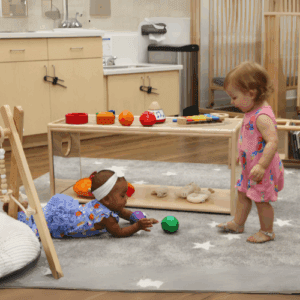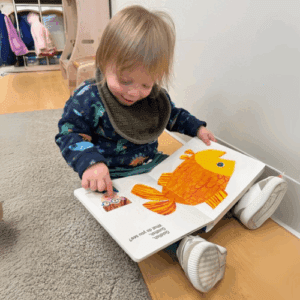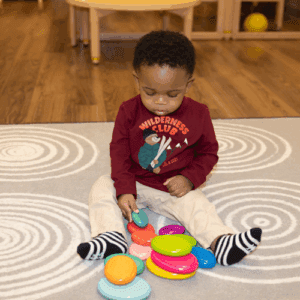
To a four-year-old, everything is play. Building a block tower, pretending to be a superhero, or digging in the sand is serious, important work. A high-quality Pre-K program understands this and harnesses the power of play to build a strong foundation for learning. Instead of drills and worksheets, children learn through hands-on exploration. One of the most significant benefits of pre kindergarten is how this purposeful play develops critical thinking, problem-solving, and social skills. It’s in these joyful moments that children build a genuine love for learning that will carry them into kindergarten and beyond.
Key Takeaways
- Pre-K prepares your child for kindergarten: This program is specifically for four and five-year-olds, helping them get comfortable with school routines and build the academic and social confidence needed for a successful start.
- Focus on the whole child, not just ABCs: The best Pre-K experiences nurture social and emotional development, teaching kids how to share, communicate, and work through disagreements, which are vital skills for school and life.
- The right program feels like a partnership: When choosing a Pre-K, look for caring teachers, a play-based curriculum, and a commitment to parent communication, ensuring you and the school work together to support your child.
Is Pre-K the Same as Preschool?
If you’re looking into early education for your child, you’ve probably seen the terms “preschool” and “pre-K” used a lot. While they sound similar and are sometimes used interchangeably, they actually refer to distinct stages in your child’s learning journey. Understanding the difference can help you choose the right environment for your little one at the right time. Both programs are incredibly valuable, but they serve slightly different purposes based on your child’s age and developmental stage.
Defining Pre-K: What It Means for Your 4-Year-Old
Think of pre-kindergarten, or pre-K, as the final step before your child starts elementary school. This program is specifically designed for four- and five-year-olds with the main goal of getting them ready for kindergarten. The curriculum is intentionally structured to build a strong foundation for future academic success. In our Preschool Classrooms, which serve this age group, children are introduced to the routines and expectations of a school day. This helps them feel confident and prepared when they finally walk through those big school doors for the first time, ready to take on new challenges.
The Key Differences Between Pre-K and Preschool
While pre-K focuses on kindergarten readiness, preschool programs are often for slightly younger children, typically three- and four-year-olds. Preschool is where many children get their first taste of a school-like setting. The focus is less on formal academics and more on learning through play, exploration, and social interaction. It’s a safe space for children to practice expressing their feelings, following directions, and solving simple problems with friends. Pre-K builds on these foundational skills but adds a more structured academic layer, often guided by a philosophy like The Project Approach. It introduces early concepts in reading, math, and science, all while getting children accustomed to the rhythm of a typical school day.
The Real Benefits of Pre-Kindergarten for Your Child
At four years old, your child is bursting with personality, ideas, and an incredible capacity to learn. This is a pivotal time when they move from parallel play to more cooperative, imaginative interactions. A high-quality Pre-K program meets them right where they are, channeling their boundless energy and curiosity into foundational skills for school and life. It’s so much more than just a place to be while you’re at work; it’s an environment designed to help them grow into confident, capable, and kind individuals.
In our Preschool Classrooms, we see this transformation every day. Children learn to ask questions, solve problems, and work with their peers. They build the social, emotional, and academic groundwork that makes the transition to kindergarten feel like a natural next step, not a giant leap. This year is all about giving them the tools and the confidence to walk into a bigger school setting ready to thrive. Inspired by philosophies like Reggio Emilia, we focus on nurturing their innate curiosity, creating a space where learning is an exciting adventure.
Fostering a Lifelong Love for Learning
Four-year-olds are natural scientists and explorers. They are constantly asking “why?” and figuring out how the world works. Pre-K gives them a safe and engaging space to do just that. A great program helps children be creative and curious in a structured way that prepares them for school. Instead of just giving them answers, teachers guide them to find solutions on their own.
Through hands-on activities and long-term investigations, like those in The Project Approach, children learn to think critically. Whether they’re building a block tower, observing a plant’s growth, or figuring out how to share art supplies, they are developing essential problem-solving skills that will serve them for years to come.
Developing Strong Communication Skills
A Pre-K classroom is a vibrant, language-rich environment. It’s filled with stories, songs, conversations, and questions. This constant exposure is key, as quality preschool is incredibly important for a child’s growth and future success. Children are not only expanding their vocabularies but also learning how to articulate their thoughts, listen to others, and understand different perspectives.
They practice taking turns in conversation during circle time, learn new words from a story read aloud by their teacher, and negotiate roles with friends during dramatic play. These daily interactions help them become more confident and effective communicators, which is a critical skill for building friendships and succeeding in kindergarten.
Growing Social and Emotional Skills
For many four-year-olds, Pre-K is their first real experience being part of a larger community of peers. It’s where social-emotional learning really takes off. A supportive Pre-K environment helps kids learn important skills like sharing, taking turns, understanding others’ feelings, and managing their own emotions. These moments can be tricky, but with gentle guidance from experienced educators, children learn how to handle social situations with kindness and empathy.
This is where they practice resolving disagreements, celebrating a friend’s success, and offering comfort. We believe in partnering with parents to continue this important learning at home, creating a consistent and supportive foundation for your child’s emotional growth.
Improving Coordination and Motor Skills Through Play
Running, jumping, climbing—it all looks like play, but it’s also crucial work for a developing four-year-old. Pre-K helps children develop their gross motor skills, like balance and coordination, through active outdoor and indoor play. At the same time, they refine their fine motor skills through activities like drawing, cutting with scissors, and manipulating small objects like beads or building blocks.
These skills are essential for everything from writing their name to tying their shoes. Our Enrichment Program, which includes activities like Fit Kids, provides even more opportunities for children to build strength, coordination, and a love for staying active. This focus on whole-body development ensures they are physically ready for the challenges of kindergarten.
Long-Term and Economic Advantages
Thinking about the cost of Pre-K is a practical part of the decision for any family. But it’s helpful to see it not just as a monthly expense, but as a profound investment in your child’s future. The benefits of a high-quality program extend far beyond kindergarten readiness. In fact, research from the National Institute for Early Education Research shows that for every dollar spent on high-quality preschool, society can get back up to $17 over a child’s lifetime. This incredible return comes from better long-term outcomes, including improved health and higher earning potential. High-quality programs also help close learning gaps before they widen, giving every child a more equitable start to their educational journey.
Early Identification of Learning Needs
One of the most valuable aspects of a Pre-K program is having a team of dedicated professionals who see your child in a learning environment every day. Our exceptional educators are trained to observe and understand the nuances of child development. They can spot if a child needs a little extra support to reach learning goals and can provide that help in a gentle, encouraging way. This early identification is not about labeling, but about providing personalized attention right when it’s most effective. By addressing small challenges before they become bigger hurdles, we can help children build confidence, self-control, and the foundational skills they need to thrive in school and beyond.
How Pre-K Prepares Your Child for Kindergarten
The leap to kindergarten is one of the biggest milestones in your child’s early years. A high-quality Pre-K program is designed to make this transition feel less like a scary jump and more like a confident next step. It’s about giving your child the tools, routines, and confidence they need to walk into their kindergarten classroom feeling capable and excited to learn. This preparation goes far beyond just knowing the alphabet; it’s about understanding how to be part of a classroom community, how to manage big feelings, and how to see themselves as a competent learner. This holistic approach ensures they are not just academically ready, but also socially and emotionally prepared for the new challenges and adventures ahead.
At its heart, Pre-K helps children build a strong foundation for a lifetime of learning. In our Preschool Classrooms, we focus on the whole child, nurturing their social, emotional, and cognitive growth. We create an environment where they can practice the skills needed for formal schooling in a safe, supportive, and playful setting. When children feel prepared, they can spend less time adjusting to the newness of kindergarten and more time soaking up everything it has to offer. This positive start can shape their entire attitude toward school for years to come, making them more engaged and resilient students.
Introducing Early Reading and Math Concepts
Pre-K is where the magic of academic readiness begins, sparking a genuine love for learning that lasts. It’s not about flashcards or rote memorization. Instead, we introduce foundational concepts in literacy and math through play, storytelling, and hands-on exploration. As research points out, Pre-K helps four and five-year-olds improve their school readiness and develop early reading skills. This might look like counting blocks during playtime, finding letters in a favorite storybook, or experimenting with measurements while baking. Our curriculum, inspired by the Reggio Emilia approach, encourages children to ask questions and make discoveries, turning learning into an exciting adventure rather than a chore.
Boosting Print Awareness and Early Reading
One of the most important steps toward reading is something called “print awareness.” It’s a child’s growing understanding that the written words they see everywhere—in books, on signs, on toy boxes—carry meaning. High-quality Pre-K programs are fantastic at developing this skill. In fact, research shows that children in Pre-K can see an 85% increase in their print awareness, which is a huge building block for literacy. This isn’t taught through drills. Instead, it’s woven into every part of the day. We label classroom areas, write down the stories children tell, and follow recipes during our Budding Bakers & Little Cooks enrichment. This approach helps children see reading and writing as useful, exciting tools for exploring their world.
Easing into the School Day Routine
One of the most practical benefits of Pre-K is helping children get comfortable with the rhythm and structure of a school day. The main goal is to get children ready for kindergarten, and a big part of that is adjusting to classroom life. Children learn to follow a schedule, listen during group lessons, share materials with friends, and transition between different activities. This predictability helps them feel secure and understand what’s expected of them in a school setting. By the time they start kindergarten, these routines feel familiar, allowing them to focus on learning and making friends. You can see an example of this structure by exploring what your child’s day with us looks like.
Strengthening Focus and Self-Regulation
So much of school success comes down to skills that aren’t purely academic, like focus, memory, and self-control. These abilities, often called executive functions, are like the brain’s air traffic control system, and Pre-K is the perfect training ground for them. A quality program helps kids learn to express themselves, manage their feelings, and follow rules. Whether it’s waiting their turn to speak during circle time, remembering multi-step directions for an art project, or working through a disagreement with a friend, children are constantly practicing these essential skills. Our use of The Project Approach is one way we help children build focus and persistence as they explore topics that truly interest them.
Improving Classroom Behavior
When children can manage their big feelings and follow classroom routines, their behavior naturally improves. A Pre-K setting is the perfect place to practice these skills in a safe, supportive environment. Research shows that kids in good Pre-K programs often have fewer behavior problems and are better at listening to their teachers. This isn’t by accident. In a quality program, children learn how to share, take turns, and understand how their friends are feeling. With gentle guidance from caring educators, they learn to express their needs with words instead of actions, making the classroom a more positive and cooperative space for everyone. This foundation in social skills is just as important as any academic lesson for ensuring a smooth transition to kindergarten.
Setting the Stage for Future School Success
The benefits of a great Pre-K experience don’t just disappear after kindergarten. In fact, research shows that children who attend good preschool programs gain advantages that can last throughout their school years and into their adult lives. They enter kindergarten with more confidence, stronger social skills, and a more positive outlook on learning, which sets a powerful trajectory for their future. This lasting impact comes from being in a high-quality environment that is intentionally designed to support child development. Our commitment to excellence is reflected in our NAEYC Accreditation, a sign that we meet the highest standards for early childhood education, ensuring your child gets the strongest possible start.
Building Friendships and Social Skills in Pre-K
While we often think of Pre-K in terms of ABCs and 123s, it’s also the first real classroom for learning how to be a good friend. This is where your child will practice the essential social skills that will carry them through kindergarten and beyond. In a supportive and caring environment, four-year-olds learn how to share, communicate their feelings, and work with others. These aren’t just “soft skills”; they are fundamental for building relationships, solving problems, and developing a strong sense of self. A child who can confidently ask to join a game or work through a disagreement with a peer is a child who is ready to thrive in a school setting.
At Strong Start, our preschool classrooms are designed to be vibrant communities where children learn from one another every day. Through guided play and collaborative projects, they discover the joy of being part of a group. Our teachers are there every step of the way, helping children understand social cues, celebrate each other’s successes, and work through the small challenges that are a natural part of learning together. This foundation helps them walk into kindergarten feeling capable, connected, and ready to learn.
Practicing Teamwork and Cooperation
For many four-year-olds, Pre-K is their first experience with true teamwork. They move from playing alongside their peers to actively playing with them. Whether they’re building a towering castle with blocks, creating a group mural, or deciding on the rules for a make-believe game, children learn how to listen to different ideas and contribute their own. They practice taking turns and sharing materials, which are the building blocks of collaboration. Our curriculum, which uses The Project Approach, naturally encourages this by having children work together on long-term investigations, teaching them that great things can be accomplished as a team.
Developing Conflict Resolution Skills
When you put a group of young children together, disagreements are bound to happen. And that’s a good thing! Pre-K provides a safe, supervised space for children to learn how to solve these everyday problems. Instead of a parent stepping in immediately, our exceptional educators guide children to use their words to express what they want and how they feel. They learn to say, “Can I have a turn when you’re done?” instead of grabbing a toy. This process teaches them negotiation, compromise, and respect for others’ perspectives, turning potential conflicts into valuable learning opportunities.
Nurturing Empathy and Emotional Awareness
Four-year-olds have big emotions, but they don’t always have the words to describe them. Pre-K is where they start building their emotional vocabulary. Through stories, songs, and daily conversations, children learn to identify feelings like frustration, excitement, sadness, and joy in themselves and their friends. This is the beginning of empathy, the ability to understand and share the feelings of another person. As children learn to recognize a friend’s sad face or excited smile, they also learn how to respond with kindness and support, creating a caring classroom community.
Fostering Independence and Self-Confidence
Every small social success helps your child’s confidence blossom. Successfully joining a game, sharing a toy, or helping a friend builds a powerful sense of belonging and competence. Pre-K also nurtures independence through simple daily routines, like managing their own cubby, helping set the table for snack time, or being a line leader. These small responsibilities give children a sense of ownership and capability. This growing confidence and independence are crucial for a smooth transition to kindergarten, ensuring they feel secure and ready for the new challenges ahead. We believe in partnering with parents to celebrate these milestones and support this growth both at school and at home.
Learning Self-Care and Responsibility
Pre-K is often the first place where children learn to take care of their own needs and belongings within a group setting. This goes beyond just academics; it’s about building life skills. Simple routines like washing hands before snack, putting their coat in their cubby, or helping to tidy up toys at the end of the day are powerful lessons in responsibility. These small tasks give children a sense of ownership and capability, showing them they are competent members of their classroom community. This growing independence is vital for a smooth transition to kindergarten, where they’ll be expected to manage more on their own. Our daily classroom structure, which you can see in a typical outline of your child’s day, is intentionally designed to provide consistent opportunities for children to practice these self-care skills in a supportive environment.
Is Pre-K Always Necessary? A Look at the Research
As you weigh your options, you might wonder if Pre-K is a non-negotiable step or simply a nice-to-have. The truth is, the answer isn’t a simple yes or no. Research shows that the benefits of pre-kindergarten are deeply tied to the quality of the program and a family’s unique circumstances. While not every child attends a formal Pre-K, a high-quality program can provide a significant advantage, especially when it comes to building a strong foundation for kindergarten. The key is to understand what makes a program effective and how that aligns with your child’s needs, ensuring they get the support and stimulation that will help them thrive in the years to come.
The “Fade Out” Concern: Why Quality Matters
You may have heard discussions about the “fade out” effect, where the academic advantages of preschool seem to diminish as children progress through elementary school. However, newer research from the National Institute for Early Education Research suggests this often happens when studies look at lower-quality programs. When a Pre-K program is truly high-quality—with skilled teachers, a thoughtful curriculum, and a supportive environment—the benefits are much more likely to last. This is why markers of excellence, like our NAEYC Accreditation, are so important. They signify a commitment to standards that foster deep, meaningful learning, giving children foundational skills that stick with them long after they’ve left our classrooms.
Closing the Gap for Low-Income Families
One of the most powerful findings from early childhood education research is the role high-quality Pre-K plays in leveling the playing field. Studies consistently show that for children from low-income families, a strong preschool program can help close learning gaps before kindergarten even begins. It provides a crucial boost in early reading, math, and social skills, giving children the tools and confidence they need to start school on more equal footing with their peers. This isn’t just about academics; it’s about creating opportunities and ensuring every child has the chance to reach their full potential, regardless of their background.
When Skipping Preschool Might Be an Option
While the benefits of a great Pre-K are clear, it may not be the right path for every single family. For families who are not in a lower-income group, some parenting experts suggest that it can be okay to skip a formal program, but with a big caveat. This approach works best if you can ensure your child has a consistently stimulating home environment. This means providing a rich play environment with plenty of open-ended toys, lots of time outdoors, and frequent opportunities for creative, child-led activities. A high-quality Pre-K program is designed to offer all of this and more, guided by the expertise of exceptional educators who know how to turn play into powerful learning.
Practical Considerations for Parents
Once you’ve explored the research, the decision shifts from “if” to “how” and “when.” This is where you get to focus on the practical side of things—looking closely at your own child, your family’s needs, and the specific programs available to you. It’s about more than just finding a school; it’s about finding the right fit. Thinking through these practical considerations will help you move forward with confidence, knowing you’re making an informed choice that feels right for your family. From understanding state requirements to recognizing the signs of readiness in your child, these next steps will help you find a path that leads to a happy and successful start to school.
Is Pre-K Mandatory?
Let’s clear up a common question right away: in most states, pre-kindergarten is not mandatory. Compulsory schooling typically begins with kindergarten. However, as experts note, deciding when to start school is a big step that can significantly impact a child’s social, emotional, and mental growth. While you aren’t required to enroll your child in Pre-K, it’s helpful to think of it as a bridge to formal education. It’s specifically designed to ease the transition into the more structured world of kindergarten, making that first year of required schooling a much smoother and more positive experience for your child.
Signs Your Child is Ready for Preschool
Readiness for Pre-K is less about a specific age and more about developmental milestones. Is your child showing curiosity about other kids and expressing a desire to play with them? Can they handle some basic self-care tasks, like using the toilet and washing their hands with some independence? A child who is ready can typically follow simple, two-step directions and communicate their basic needs and wants, even if their vocabulary is still developing. Recognizing these signs helps ensure that when they do start school, they are prepared to take full advantage of an environment where they can build friendships and social skills that will last a lifetime.
A Kindergarten Readiness Checklist
Instead of a rigid test, think of kindergarten readiness as a collection of skills that help your child feel confident on day one. A high-quality Pre-K program is designed to make this transition feel less like a scary jump and more like a confident next step. Socially, are they able to share and take turns? Emotionally, are they beginning to manage their feelings and show empathy for others? Academically, have they been exposed to letters, numbers, and stories in a playful way? A great Pre-K curriculum, like one that uses The Project Approach, nurtures all of these areas, ensuring your child is well-rounded and truly prepared for the road ahead.
Finding the Right School for Your Family
Choosing a Pre-K is a deeply personal decision, and the right school should feel like an extension of your family. As you tour different programs, look for a few key indicators of quality. Are the teachers warm, engaging, and genuinely happy to be there? Does the curriculum prioritize play-based, hands-on learning? Most importantly, does the school value open communication and see you as a partner in your child’s education? At Strong Start, we believe that partnering with parents is essential. The best environment is one where you feel heard, supported, and confident that your child is receiving the best possible care and education.
What Makes a Great Pre-K Program?
Choosing a Pre-K program is a big decision, and it’s about more than just finding a place for your child to spend their day. You’re looking for a community that will support their growth, honor their curiosity, and prepare them for the adventures of kindergarten and beyond. The right program feels like an extension of your family, a place where your child feels safe, seen, and celebrated. As you explore your options, it helps to have a clear idea of what makes a program truly exceptional. From the warmth of the teachers to the philosophy behind the curriculum, every detail matters. Think about the environment you want your child to learn in and the kind of partnership you want to have with their educators. Here are four key areas to focus on during your search.
Passionate and Experienced Teachers
The heart of any great Pre-K program is its teachers. Look for educators who are not just qualified but also genuinely passionate about working with young children. A caring teacher creates a warm, welcoming classroom where every child feels secure and valued. They are patient, encouraging, and skilled at seeing the world through a four-year-old’s eyes. High-quality programs invest in their staff, ensuring they have exceptional educators who are well-trained and supported. When you tour a school, observe how the teachers interact with the children. Do they get down on their level? Do they listen with interest? These small moments are a big indicator of the kind of experience your child will have each day.
A Child-Led, Play-Based Curriculum
Four-year-olds learn best when they are actively engaged and having fun. A play-based, child-centered curriculum puts their natural curiosity at the forefront of learning. Instead of rote memorization, children explore concepts through hands-on activities, collaborative projects, and imaginative play. This approach, inspired by philosophies like Reggio Emilia, helps children become creative thinkers and confident problem-solvers. It teaches them to ask questions, test their ideas, and learn from their discoveries. A curriculum that follows the child’s lead ensures that learning is always relevant and exciting, building a strong foundation for a lifelong love of learning.
Open Communication and Family Partnership
You are your child’s first and most important teacher, and a great Pre-K program will honor that. Look for a school that sees you as a partner in your child’s education. This means open, consistent communication that goes both ways. Does the school offer regular updates on your child’s day? Are there opportunities for you to get involved and share your own insights? A strong parent partnership creates a supportive network for your child, bridging the gap between home and school. When parents and teachers work together as a team, children feel more secure and are better able to thrive.
A Safe and Supportive Learning Environment
Above all, you need to know your child is in a safe and nurturing space. This includes physical safety, with clean, well-maintained facilities and clear health and safety protocols. It also means emotional safety, an environment where children are encouraged to express their feelings and are treated with respect. One of the best indicators of a high-quality program is accreditation from a respected organization like the National Association for the Education of Young Children (NAEYC). NAEYC Accreditation means a school has voluntarily met rigorous standards for excellence, giving you peace of mind that your child is receiving the best possible care and education.
Key Components of a High-Quality Program
When you put it all together, a high-quality Pre-K program is a careful balance of several key ingredients. It starts with passionate teachers who create a warm, secure classroom where every child feels seen and understood. The curriculum should be built around play and curiosity, allowing children to explore their own interests through hands-on discovery, much like the philosophy behind The Project Approach. This creates a joyful learning environment where children develop critical thinking skills naturally. Finally, a great program views parents as essential partners, maintaining open lines of communication and working together to support your child. It’s this combination of a nurturing environment, a thoughtful curriculum, and a strong home-school connection that truly sets the stage for your child to thrive.
The Strong Start Approach to Pre-Kindergarten
Choosing a Pre-K program is a big decision, and it’s important to find a place that sees your child as the unique, curious individual they are. At Strong Start, we believe that learning isn’t about memorizing facts; it’s about exploring, questioning, and discovering the world with wonder. Our approach is built on the idea that children are capable and competent learners who thrive when their interests guide their education. We don’t just prepare children for kindergarten; we aim to foster a lifelong love of learning that will serve them for years to come.
Inspired by the Reggio Emilia philosophy, we create a rich, stimulating environment where your child can take the lead. Our classrooms are designed to be a “third teacher,” filled with materials that invite exploration and collaboration. Through long-term investigations and The Project Approach, children get to dig deep into topics that fascinate them, whether it’s how gardens grow or what makes a building stand tall. This method helps them develop critical thinking skills, learn how to work with others, and build the confidence to share their ideas. We focus on the process, not just the product, celebrating every question and discovery along the way.
Encouraging Curiosity-Driven Learning
We believe that the most meaningful learning happens when children are actively engaged. Our educators are skilled observers who listen to your child’s ideas and create activities that build on their natural curiosity. Pre-K helps kids learn to express themselves, manage their feelings, and solve problems together. In our classrooms, your child will have countless opportunities to practice these skills, from negotiating roles in the dramatic play area to figuring out how to build a taller block tower. This hands-on approach helps children grow in so many ways, supporting their social skills, physical movement, and thinking skills all at once.
Enrichment Activities to Spark New Interests
A great Pre-K program offers different kinds of play that children might not get at home, helping them develop both fine motor skills, like holding a pencil, and gross motor skills, like balance and coordination. Our enrichment programs are designed to do just that, giving your child a chance to explore new interests in a fun, supportive setting. Whether they’re getting active in Fit Kids, experimenting with ingredients in Budding Bakers & Little Cooks, or creating masterpieces in Exploration Through The Arts, your child will be building confidence and discovering what they love to do. These activities are more than just fun; they’re an essential part of well-rounded development.
Our Promise of Excellence and Care
We know that the benefits of a high-quality Pre-K program can last a lifetime. Research shows that children who attend excellent preschool programs are better prepared for school and are less likely to need extra support later on. That’s why we are so dedicated to maintaining the highest standards, from our exceptional educators to our curriculum. Our NAEYC accreditation is a testament to this commitment, showing that we meet the nation’s most rigorous standards for early childhood education. When you choose Strong Start, you can feel confident that your child is in a safe, nurturing, and enriching environment designed to help them reach their full potential.
Related Articles
- Is Preschool Public School? A Parent’s Guide
- 4 Tips for Preparing for Preschool in Norwalk, CT
- A Guide to Preschool Programs for 3-Year-Olds
Frequently Asked Questions
What’s the simplest way to understand the difference between preschool and pre-K? Think of it this way: preschool is often a child’s first introduction to a school-like environment, usually for three and four-year-olds, with a big focus on learning through play and social interaction. Pre-K is the next step, specifically for four and five-year-olds, with the intentional goal of preparing them for the structure and learning expectations of kindergarten. It builds on those preschool skills by adding a layer of academic readiness.
Is pre-K just focused on academics like reading and math? Not at all. While pre-K does introduce foundational concepts for reading and math, that’s only one piece of the puzzle. A great program focuses on the whole child. This means a huge emphasis is placed on developing social skills, learning to manage emotions, solving problems with friends, and building the confidence to be an independent learner. The goal is to prepare them for kindergarten socially and emotionally, not just academically.
How can I tell if my four-year-old is ready for a pre-K program? Readiness isn’t about knowing the whole alphabet or counting to 100. It’s more about developmental signs. Is your child curious about the world and asking lots of questions? Can they follow simple, two-step directions? Are they showing an interest in playing with other children? If you’re seeing these signs, they are likely ready to thrive in a pre-K setting. Remember, our programs are designed to meet children exactly where they are and help them grow from there.
My child has never been in a group care setting before. Will the transition to pre-K be difficult? This is a very common concern for parents, and it’s completely understandable. A quality pre-K program is staffed with experienced educators who are experts at helping children feel safe and welcome. They know how to ease children into new routines and help them form connections with their teachers and peers. We also work closely with you to make the transition as smooth as possible, ensuring both you and your child feel supported every step of the way.
What makes the curriculum at Strong Start different from other programs? Our curriculum is guided by your child’s own curiosity. Instead of a one-size-fits-all approach, we use philosophies like Reggio Emilia and The Project Approach, which means learning is driven by the children’s interests. If they become fascinated by insects, we’ll build our lessons around that topic. This method doesn’t just teach them facts; it teaches them how to ask questions, investigate, and think critically, which fosters a genuine love for learning.