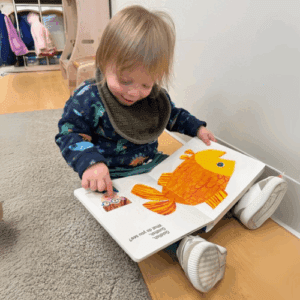

Let’s be honest: seeing the price for high-quality child care can be a shock. It’s easy to focus on the price tag, but what you’re really looking at is an investment in your child’s earliest, most formative years. That cost reflects the quality of the educators, the safety of the environment, and the curriculum that will spark their curiosity. We’ll break down the factors that influence daycare hours and rates and explore strategies for cost-effective scheduling for early education. This will help you see the incredible value behind the numbers and choose a program with confidence.
Key Takeaways
- Connect Price to Quality: The tuition you pay is an investment in key factors like low teacher-to-child ratios, highly qualified educators, and a safe, accredited environment—all of which are essential for your child’s development.
- Create a Complete Budget: Look past the monthly tuition and account for standard costs like registration or supply fees, and be sure to ask about savings opportunities like sibling discounts, employer-sponsored FSAs, and tax credits.
- Align Schedules with Your Child’s Needs: Whether you choose a full-time or part-time schedule, the right choice will fit your family’s logistics while providing your child with the consistent routine, rest, and social time they need to thrive.
What Hours Can You Expect From a Daycare?
Finding a daycare that fits your family’s schedule is one of the biggest pieces of the puzzle. While every center is a little different, most follow a similar structure designed to support working parents and provide a consistent, nurturing environment for children. Understanding the common schedules and policies will help you know what to expect and what questions to ask as you tour different facilities. It’s all about finding a rhythm that works for both your work life and your child’s well-being.
What a Typical Weekday Schedule Looks Like
Most daycare centers operate on a standard weekday schedule, typically opening early in the morning and closing in the evening. You’ll often find hours somewhere between 6:30 a.m. and 6:00 p.m. This range is designed to give parents enough time to handle their commute before and after a typical workday. This consistent schedule does more than just accommodate parents; it provides children with a predictable routine that helps them feel secure and settled. A structured day filled with play, learning, and rest is essential for their development, and knowing what to expect helps little ones thrive. You can often get a feel for this rhythm by looking at a center’s sample schedule for your child’s day.
Need More Flexibility? Exploring Extended Hours
Not everyone works a traditional 9-to-5, and some childcare centers recognize that. If your job requires you to be in earlier or stay later, it’s worth asking about extended hours. Some facilities offer care outside of their standard operating times for an additional fee. While this flexibility can be a lifesaver, it’s also important to consider what’s best for your child. Most child development experts suggest that children, especially younger ones, do best with around 8 to 10 hours of care per day. This gives them plenty of time for learning and socialization while also ensuring they have enough downtime with their family at home. Be sure to ask about scheduling options when you inquire about a program.
Meeting the Needs of Modern Families: Flexible Scheduling Models
The reality is that the classic 9-to-5 workday doesn’t fit every family’s life. Many parents work in fields with non-traditional hours, have rotating shifts, or manage freelance careers. High-quality childcare centers understand this and have adapted by offering more flexible scheduling models. Instead of a strict five-day, full-time requirement, you might find options for two or three set days a week, or even half-day programs. This approach allows you to find a rhythm that supports your work life without sacrificing the consistency your child needs. A center that offers this kind of adaptability demonstrates a commitment to truly partnering with parents, recognizing that supporting the whole family is key to helping a child thrive.
Planning for Holidays and Closures
One detail that can catch new parents by surprise is the policy on holidays and closures. Most daycare centers close for major federal holidays, such as New Year’s Day, Memorial Day, and Thanksgiving. They may also close for a few days each year for staff training and professional development, which is a great sign of a center that invests in its exceptional educators. It’s important to know that you will likely still be charged your regular tuition for these planned closure days. This policy is standard across the industry because it allows centers to cover fixed operational costs and provide consistent pay for their staff. When you tour a facility, always ask for a copy of their annual calendar so you can plan ahead.
How Much Does Daycare Actually Cost?
Figuring out the cost of daycare is one of the biggest steps in planning for your family’s future. It’s a significant investment, and the price can vary quite a bit depending on your child’s age, where you live, and the type of program you choose. Think of it less as a simple fee and more as an investment in your child’s early development, safety, and happiness. To give you a clearer picture of what to expect, let’s break down the typical costs for different age groups. This will help you understand the financial side of things so you can focus on finding the perfect fit for your little one.
How Much Does Infant Care Cost? (6-24 Months)
Infant care is typically the most expensive option, and for good reason. This stage requires the most hands-on, individualized attention. The need for very low teacher-to-infant ratios means more staff are needed to ensure every baby gets the nurturing care they deserve. Costs often reflect this high level of attention, covering everything from feeding and diapering to creating a safe, stimulating environment for the youngest learners. The specialized training and resources required in high-quality infant classrooms contribute to these rates, ensuring your baby is in the best possible hands during these critical early months.
What Are the Rates for Toddler Care? (2-3 Years)
As your child grows into a curious and active toddler, you’ll likely see a slight decrease in daycare costs. Toddlers are becoming more independent, and the teacher-to-child ratios can be slightly higher than in infant rooms. While still requiring close supervision, the focus in toddler classrooms shifts toward group activities, social skill development, and structured play. This transition allows for a different staffing model, which is often reflected in the tuition. You’re paying for a program designed to channel their boundless energy into learning and discovery, preparing them for the next steps in their educational journey.
How Much Should You Budget for Preschool? (3-5 Years)
Preschool tuition often lands somewhere between toddler and infant care rates. While children are more independent, the cost reflects a greater emphasis on a structured, educational curriculum designed to prepare them for kindergarten. These programs are typically led by educators with degrees in early childhood education who guide children through foundational concepts in literacy, math, and science. The investment here is in a curriculum that builds school readiness. High-quality preschool classrooms provide the tools, materials, and expert guidance needed to foster a genuine love of learning that will last a lifetime.
Does Your Location Affect Daycare Costs?
One of the biggest factors determining daycare tuition is your zip code. Childcare rates in urban centers or areas with a higher cost of living are generally more expensive than in suburban or rural communities. This is due to higher operational costs, including rent, utilities, and competitive staff salaries. Beyond location, the type of facility—whether it’s a large center or a smaller in-home daycare—and its accreditation status also play a role. When you begin your search, it’s helpful to research the average rates in your specific area to set a realistic budget. You can often find specific tuition information on a center’s website.
What Factors Influence Daycare Pricing?
When you start looking at daycare price tags, it can feel like you’re comparing apples and oranges. The truth is, you are. The cost of child care isn’t a flat rate because so many different factors go into creating a safe, nurturing, and enriching environment for your little one. Understanding what’s behind the price can help you see the incredible value you’re getting and make a choice that feels right for your family.
From the school’s physical location to the qualifications of its teachers, every detail plays a part in the final tuition. A center with a low teacher-to-student ratio, specialized learning programs, and national accreditation will naturally have a different price point than one without. Think of it as an investment in your child’s early development. The cost reflects the quality of care, the depth of the curriculum, and the expertise of the people who will be guiding your child through their earliest learning experiences. As you compare options, looking at these factors will give you a much clearer picture of what you’re paying for.
A Look Behind the Scenes: A Childcare Center’s Budget
Ever wonder where your tuition money actually goes? It’s not just a number; it’s a carefully calculated figure that keeps the lights on, the classrooms stocked, and the best educators by your child’s side. Running a high-quality early learning center is a complex operation with a budget that prioritizes safety, learning, and care above all else. When you understand the breakdown, you can see your tuition for what it is: a direct investment in the people, places, and programs that shape your child’s earliest educational experiences. Let’s pull back the curtain on the key financial components that make a great childcare center tick.
Staffing: The Largest Expense
The heart of any great childcare program is its people, and that’s where the bulk of the budget is focused. Typically, 70-80% of a center’s expenses go directly to staff salaries, benefits, and ongoing professional development. This is a crucial investment because the quality of care is directly tied to the quality of the educators. Centers committed to excellence hire degreed, experienced teachers who do more than just supervise—they nurture, guide, and inspire. Paying a competitive wage helps attract and retain these exceptional educators, ensuring your child is surrounded by passionate professionals who are dedicated to early childhood development. This significant investment in staff is what creates a stable, loving, and enriching environment for your little one to thrive in.
Facility and Operational Costs
Creating a safe, welcoming, and stimulating environment is another major piece of the financial puzzle. Facility costs, including rent or mortgage payments, utilities, and insurance, typically account for about 15-20% of a center’s income. Beyond the building itself, this portion of the budget covers everything needed to run the school day-to-day. This includes nutritious meals and snacks, art supplies, age-appropriate toys, and educational materials that support the curriculum. It also covers the rigorous cleaning protocols and maintenance required to uphold the highest standards of health and safety, ensuring the physical space is just as nurturing as the emotional one.
Diversifying Revenue Beyond Tuition
While tuition is the primary source of income, many centers work hard to find other revenue streams to keep their programs affordable and high-quality. Relying solely on parent fees can be limiting, so schools often apply for educational grants, hold community fundraisers, or build partnerships with local businesses. Some may also offer optional add-ons, like specialized enrichment programs, for an additional fee. This financial strategy helps centers invest in new classroom materials, fund special projects, or provide scholarships without placing the entire financial burden on families. It’s a sign of a well-managed school that is always looking for creative ways to support its mission.
Why Profit Margins Are So Slim
It might be surprising to learn that most childcare centers operate on razor-thin profit margins, often as low as 1-2%. Early childhood education is a labor of love, driven by a passion for helping children grow, not by a desire for huge profits. The high costs of qualified staffing and quality facilities mean that nearly every dollar of tuition is reinvested directly back into the program. This careful financial management is essential for maintaining the high standards required for credentials like NAEYC accreditation. It ensures the center can continue providing exceptional care and education for years to come, making your investment one that truly prioritizes your child’s development.
How Your Neighborhood Affects Pricing
Just like with housing, location is a major driver of child care costs. The price of care in a dense urban center will likely be higher than in a suburban or rural town, simply because the cost of living and running a business is higher. Everything from the building’s rent to staff salaries is influenced by the local market. That’s why you’ll see a wide range of prices, even within the same state. When a school like Strong Start has centers in different towns, such as Trumbull and Wilton, local economic factors can lead to slight variations in tuition.
Does Accreditation Affect the Price Tag?
The quality and safety of the physical environment are non-negotiable for parents, and they are also a significant factor in cost. A licensed center that meets and exceeds state health and safety regulations invests heavily in its facilities, from secure entryways to age-appropriate, high-quality classroom materials. When a school goes a step further to earn a credential like NAEYC Accreditation, it signals a deep commitment to the highest standards in early childhood education. This rigorous process requires continuous improvement and investment, which is reflected in the tuition but gives you peace of mind knowing your child is in a top-tier learning environment.
Why Staff-to-Child Ratios Influence Cost
You’re not just paying for a space; you’re paying for the people who will shape your child’s day. A center’s investment in its teaching staff is one of the most critical factors influencing cost. Schools that hire exceptional educators with degrees in early childhood education and provide ongoing professional development have higher operating costs. Similarly, maintaining low teacher-to-student ratios, especially in infant and toddler rooms, requires more staff. While this increases tuition, it ensures your child receives the focused, individual attention they need to thrive during these crucial formative years.
Investing in Quality: The Cost of Professional Development
When you choose a high-quality childcare center, a significant portion of your tuition is an investment in the people guiding your child’s learning every day. It’s not just about hiring teachers with degrees; it’s about committing to their continuous growth. Top-tier schools provide ongoing professional development to ensure their staff stays current with the latest research and teaching strategies in early childhood education. This commitment to nurturing exceptional educators is a major factor in a school’s operating costs, as it involves budgeting for regular training and workshops. Ultimately, this investment is crucial for maintaining the highest quality of care and education, ensuring your child is learning from professionals who are true experts in their field.
Are Enrichment Programs Worth the Extra Cost?
Beyond the core curriculum, many centers offer special programs that make the learning experience even richer. These can include everything from music and art to STEM and physical fitness activities. An enrichment program often requires specialized instructors and unique materials, which adds value and is factored into the overall cost. Other services, like providing nutritious meals and snacks or offering extended hours, also contribute to the price. Some schools may offer a small tuition discount for enrolling multiple children, so it’s always a good idea to ask about sibling policies when you inquire.
How Do Part-Time and Full-Time Schedules Affect Your Costs?
One of the biggest factors determining your monthly daycare cost is the schedule you choose. Whether you need care every day or just a few times a week, most centers offer different enrollment options to fit your family’s routine. Understanding the differences between full-time, part-time, and drop-in care will help you find the right balance between your budget and your needs.
What’s Included in Full-Time Pricing?
Full-time daycare typically means your child attends five days a week, covering standard work hours of about eight to nine hours per day. While the monthly total is higher, the daily rate for full-time care is often lower than part-time options, making it the most cost-effective choice for families who need consistent, daily coverage. Nationally, full-time care can range from $650 to over $1,500 per month for infants, with slightly lower rates for toddlers and preschoolers. Every school has its own pricing, so it’s always best to ask directly about their specific tuition structure to get an accurate picture for your family.
Can a Part-Time Schedule Save You Money?
If you don’t need care every day, a part-time schedule—usually two or three set days a week—can be a fantastic solution. This option costs less overall and gives you more flexibility, which is a huge plus for parents who work from home or have variable schedules. For many little ones, it’s also a gentler way to ease into a group setting. Don’t worry that they’ll miss out; even a few days a week provide valuable opportunities for socialization and learning. It’s amazing to see how children thrive and build friendships in our toddler classrooms with just a couple of days of interaction each week.
What Is Drop-In Care and How Much Does It Cost?
For those moments when you need last-minute, occasional childcare, drop-in care can be a lifesaver. It allows you to bring your child in for a day without a long-term contract, which is perfect for appointments or unexpected work demands. Not all centers offer this service, as it depends on having available space in the classroom. When it is an option, the daily rate is typically higher than the contracted full-time or part-time rates. If you anticipate needing this kind of flexibility, it’s a great question to ask during your tour. You can often find answers to common scheduling questions on a school’s FAQ page.
How Technology Helps Manage Schedules and Costs
Behind the scenes of every great childcare center, there’s a lot of coordination happening to make sure every day runs smoothly. Modern schools use technology not just for flashy gadgets in the classroom, but for the essential work of managing schedules, communicating with families, and ensuring everything is safe and sound. This operational efficiency is a quiet but powerful factor that helps centers manage costs effectively, allowing them to pour resources back into what truly matters: creating an incredible learning experience for your child.
Streamlining Operations to Save Time and Money
Think about all the moving parts in a school: staff schedules, classroom rosters, and family billing. Technology helps streamline these tasks, turning potential administrative headaches into simple, automated processes. When a center can efficiently manage flexible scheduling options, it not only meets the needs of modern families but also operates more cost-effectively. This smart planning means resources aren’t wasted, which helps keep tuition stable. For parents, this often translates into a smoother experience, with easy-to-use apps for payments and communication, strengthening the partnership between home and school and giving you one less thing to worry about.
Using Software to Ensure Safety and Compliance
Beyond logistics, technology plays a crucial role in keeping your child safe. High-quality centers use specialized software to monitor classrooms and maintain strict staff-to-child ratios, a key indicator of safety and quality care. These systems can automatically flag if a room is out of compliance, allowing directors to respond immediately. This same technology often powers secure check-in and check-out systems, ensuring only authorized adults can pick up your child. It also keeps vital information, like allergy lists and emergency contacts, organized and instantly accessible to teachers, reinforcing the center’s commitment to your child’s health and safety at every moment of the day.
What Other Fees Should You Expect?
When you’re budgeting for child care, the weekly or monthly tuition is the main number you focus on. But it’s smart to plan for a few other common fees so you have a complete picture of the total cost. These charges aren’t hidden surprises; they’re standard across the industry and cover specific services or supplies that help the center run smoothly and provide the best experience for your child. Think of them as investments in the details that make a school feel like a second home—from well-stocked art corners to special classroom projects that spark your child’s curiosity.
Understanding these potential costs ahead of time helps you compare centers and create a realistic family budget. Most schools are very transparent about their fee structures and will outline everything in their enrollment paperwork. From one-time registration fees to annual supply costs, knowing what to expect ensures there are no bumps in the road as you get started. We’ll walk through the most common fees you’re likely to see so you can feel fully prepared as you make this important decision for your family. It’s all part of finding a place where you feel confident and informed every step of the way.
The Upfront Cost: Registration and Enrollment Fees
Think of the registration fee as a one-time charge that officially saves your child’s spot at the center. This fee typically covers the administrative work involved in setting up your family’s account, processing paperwork, and getting your child formally enrolled in their new classroom. It’s a standard part of the process for most daycares and preschools.
This fee usually ranges from $50 to $125 and is non-refundable. It’s paid when you submit your application to confirm your commitment. For specific details on these kinds of policies, it’s always a good idea to check a school’s frequently asked questions or parent handbook.
Are There Extra Fees for Supplies and Activities?
Throughout the year, your child will be busy with hands-on projects, from painting and sensory play to special classroom activities. A supply or activity fee helps cover the cost of materials like craft supplies, paper, crayons, and other resources used daily. Some schools collect this as a small fee at the beginning of the school year, while others may build it into the tuition.
This fee ensures that educators have a well-stocked classroom ready for creative exploration. It directly supports the hands-on learning that is central to a quality early education experience, funding everything from art projects to our special enrichment programs.
What Happens If You’re Late for Pickup?
Life happens, and occasionally, you might run a few minutes late for pickup. Daycare centers understand this, but they also have policies in place to ensure their staff can leave on time. Late pickup fees, often charged by the minute (e.g., $1 to $2 per minute), are designed to compensate educators for their extra time.
These policies are in place to respect the schedules of the teaching staff, who also have families and commitments to get to. Clear communication is key. At Strong Start, we believe in partnering with parents, so if you know you’re going to be late, a quick call to the center is always appreciated.
Are Meals and Snacks Included in the Price?
Nutrition is a huge part of your child’s day, and centers handle meals in different ways. Some schools include the cost of breakfast, lunch, and snacks directly in the tuition. Others may offer a meal program for an additional fee, or they might ask parents to pack a lunch from home.
When you’re touring a center, be sure to ask about their approach to meals and what’s included. A quality program will prioritize nutritious, balanced options that give children the energy they need to learn and play. This commitment to well-being is a core part of our approach to health and safety for every child in our care.
Can You Make Daycare More Affordable?
Investing in high-quality early education is one of the most important decisions you’ll make for your child’s future. While the cost can feel daunting, there are several practical ways to make tuition more manageable for your family’s budget. Many families use a combination of strategies, from taking advantage of employer benefits to exploring government programs. It’s all about knowing what options are available and finding the ones that work for you. By planning ahead and doing a little research, you can find financial solutions that make an exceptional program like Strong Start a comfortable fit for your family.
Have More Than One Child? Look for Sibling Discounts
If you have more than one little one, you’re in luck. Many early learning centers offer a sibling discount to help ease the financial load for growing families. This typically involves a percentage off the tuition for the second (and any additional) child you enroll. The discount usually ranges from 5% to 15%, which can add up to significant savings over the year. It’s one of the most common and straightforward ways to reduce your overall child care costs. When you’re touring different schools, make sure to ask about their specific sibling discount policy—it’s a standard question, and they’ll be happy to explain how it works.
Check for Employer-Sponsored Childcare Benefits
Your workplace might be an untapped resource for making child care more affordable. A growing number of companies are offering benefits to support working parents. Some businesses partner directly with centers like Strong Start to offer a tuition benefit to their employees. Others provide access to a Dependent Care Flexible Spending Account (FSA), which is a fantastic tool. An FSA allows you to set aside pre-tax money from your paycheck specifically for child care expenses. This lowers your taxable income, meaning you save money that would have otherwise gone to taxes. Check with your HR department to see what child care benefits your employer offers.
Can You Qualify for Government Assistance?
Don’t overlook the support available through government programs. Both state and federal governments offer financial assistance to help eligible families afford quality child care. These programs come in many forms, including subsidies that cover a portion of your tuition, scholarships, or sliding fee scales that adjust the cost based on your family’s income. The eligibility requirements and application processes vary by location, so it’s worth exploring what’s available in your area. A great place to start is by checking out the resources provided by organizations like Child Care Aware, which can help you find local agencies and programs.
Using FSAs and Tax Credits to Your Advantage
Beyond employer benefits and government aid, the tax system offers a couple of key ways to get some money back. As mentioned, a Dependent Care FSA is a powerful tool for saving. In addition, you may be able to claim the Child and Dependent Care Tax Credit when you file your annual taxes. This federal credit helps offset a percentage of your child care costs. You can claim expenses up to $3,000 for one child or up to $6,000 for two or more children. This isn’t a deduction—it’s a credit, which directly reduces the amount of tax you owe. Be sure to consult with a tax professional to understand how to take full advantage of this valuable credit.
Center-Based vs. Home-Based Daycare: How Do Rates Compare?
When you start looking for child care, you’ll quickly find two main paths: center-based programs and home-based daycares. Each offers a different environment, structure, and, of course, price point. Understanding the key differences can help you decide which setting is the best fit for your child and your family’s budget. While one isn’t universally better than the other, their costs are often tied to the unique benefits they provide. Let’s break down what you can expect from each option.
What to Expect from Center-Based Daycare Costs
Center-based daycares are often what people picture when they think of child care: a dedicated facility with separate classrooms for different age groups. These centers typically provide a structured curriculum, a wide range of learning materials, and plenty of opportunities for socialization. The staff consists of trained early childhood professionals who are state-licensed and certified. This structured environment comes at a higher price, reflecting the costs of a larger facility, more staff, and comprehensive resources. Generally, you can expect center-based care to cost between $400 and $1,500 per month, depending on your location and the child’s age.
How In-Home Daycare Pricing Works
In-home daycares offer a smaller, more intimate setting, often run out of the provider’s own house. This can feel more like leaving your child with a family member, which many parents find comforting. Because they have lower overhead costs, home-based options are typically more affordable than centers. They may also offer more flexible schedules, which can be a lifesaver for parents with non-traditional work hours. While costs vary, you’ll usually find that home-based family care centers cost less than their commercial counterparts, making them an accessible option for many families.
Beyond Price: Comparing Quality and Safety
While cost is a major factor, it shouldn’t be the only one. The quality and safety of the environment are paramount. High-quality centers often pursue accreditation, like from the NAEYC, which holds them to rigorous standards for curriculum, teacher qualifications, and health and safety. In-home daycares are also licensed but may have different regulations. It’s important to remember that a higher price doesn’t automatically guarantee higher quality. Regardless of the setting, look for a provider who prioritizes safety, has a low teacher-to-child ratio, and fosters a true partnership with parents to support your child’s development.
Don’t Believe These Myths About Daycare Costs
Figuring out the cost of child care can feel like a puzzle, especially when there are so many common beliefs floating around. It’s easy to make assumptions, but getting the facts straight can save you from surprises and help you find the best fit for your family and your budget. Let’s clear up a few of the most common myths about daycare costs so you can approach your search with confidence.
Understanding what’s true and what’s not will help you ask the right questions during your tours and find a center that is transparent and truly partners with you. From hidden fees to the real indicators of quality, here’s what you need to know.
Myth #1: There Are Always Hidden Fees
One of the biggest worries for parents is that the advertised tuition rate is just the beginning. The truth is, many centers do have additional costs, but they shouldn’t be a surprise. It’s a common myth that these fees are always “hidden.” A transparent school will be upfront about any extra charges. These can include one-time registration fees, annual supply fees that cover classroom materials, or charges for special enrichment programs. It’s also standard to have late pickup fees. The key is to ask for a complete fee schedule before you enroll so you can see the full picture of your investment and avoid any unexpected bills down the road.
Myth #2: All Daycares Offer Flexible Hours
Many parents hope that a daycare’s hours will perfectly match their work schedules, but that’s not always the case. While some centers offer extended care, most have strict operating hours. This isn’t to make your life harder; it’s to provide a consistent and predictable environment for the children and to manage staffing effectively. A structured day helps little ones feel secure and thrive. When you tour a facility, be sure to discuss their standard hours, drop-off and pick-up windows, and their policies for holidays and closures to ensure it aligns with your family’s needs. This conversation will help you plan your routine and avoid any scheduling conflicts.
Myth #3: Financial Aid Is Too Hard to Get
The idea that high-quality child care is completely out of reach financially is a myth that discourages too many families. In reality, there are many resources available to help make it more affordable. Many parents are unaware of the different types of financial assistance programs they may qualify for, including state subsidies, employer-sponsored benefits, and flexible spending accounts (FSAs). Some schools also offer sibling discounts or have their own scholarship funds. Don’t hesitate to ask a school’s director what options might be available to you. You might be surprised by the support that’s out there.
Myth #4: A Higher Price Tag Means Better Quality
It’s easy to assume that the most expensive daycare in town must be the best, but price isn’t the only indicator of quality. While cost often reflects factors like teacher salaries and facility upkeep, it doesn’t guarantee a nurturing and effective learning environment. A better way to measure quality is to look at other factors. Are the educators qualified and passionate? Is the center accredited by a reputable organization like the NAEYC? Do the children seem happy and engaged during your visit? These are the true signs of a high-quality program that will support your child’s growth and development, regardless of the price tag.
How to Choose Hours That Support Your Child’s Development
When you’re thinking about daycare hours, it’s easy to get caught up in the logistics of your own work schedule. But the hours your child spends in care are a huge part of their day, and the right schedule can make all the difference in their happiness and growth. A consistent routine helps children feel secure, confident, and ready to learn. It gives their day a predictable rhythm—from morning greetings to afternoon stories—which is incredibly comforting for little ones who are still learning how the world works.
The best schedules are designed with a deep understanding of child development. They aren’t just about filling time; they’re about creating meaningful experiences that support every aspect of your child’s growth. This means finding a program that considers your child’s specific age and needs, provides a healthy balance of planned activities and free play, ensures adequate rest, and offers plenty of chances for social interaction. When you find a schedule that clicks, you’ll see your child thrive. It’s about finding a rhythm that supports their natural curiosity and energy levels, setting them up for a positive and engaging day, every day. A thoughtful schedule is a sign of a high-quality program that sees your child as an individual, not just another number.
How to Tailor a Schedule to Your Child’s Age
Every age group has its own developmental demands, and a one-size-fits-all schedule just doesn’t work. What a baby needs is completely different from the needs of a curious preschooler. For instance, our Infant Classrooms follow each baby’s individual cues for feeding, sleeping, and play. Their schedule is fluid and responsive. As children grow into toddlers and preschoolers, their stamina increases, and they’re ready for a bit more structure. Their day will include more group activities and collaborative projects, but the pacing is still carefully considered to match their energy and attention spans.
Finding the Right Balance Between Structure and Play
A well-planned schedule helps children feel safe and secure because they know what to expect. The predictable flow from circle time to outdoor play to lunch gives them a sense of control and comfort. But within that structure, there has to be room for flexibility. Some of the best learning happens spontaneously. A quality program knows how to lean into a child’s sudden fascination with a ladybug or a desire to spend extra time building a block tower. This approach, inspired by philosophies like Reggio Emilia, allows educators to follow the children’s lead and turn unexpected moments into powerful learning opportunities.
Why a Predictable Routine Matters More Than a Strict Schedule
It’s helpful to think in terms of a “routine” rather than a strict “schedule.” While a schedule can feel rigid, a routine is about creating a predictable rhythm that children can count on. This consistency is incredibly comforting for young children who are just beginning to understand how their world works. Knowing that circle time follows breakfast or that outdoor play comes after naptime helps them feel secure, confident, and ready to engage with their environment. This sense of safety is the foundation for all learning. When a child isn’t worried about what’s coming next, they are free to be curious, to explore, and to build relationships. You can see how this gentle structure shapes your child’s day into a series of positive, connected experiences.
Making Space for Child-Led Discovery and Unstructured Time
While a predictable routine provides comfort, it should also leave plenty of room for magic. The most meaningful learning often happens in unplanned moments—when a child’s curiosity is sparked by a wiggly worm on the playground or a fascinating shadow on the wall. A high-quality program empowers its educators to pause the plan and follow the children’s lead. This responsive approach is at the heart of educational philosophies like The Project Approach, where a simple question can blossom into an in-depth investigation. By balancing the security of a routine with the freedom of unstructured time, we give children the space to ask questions, solve problems, and develop a genuine love for discovery.
Why Consistent Nap Times Are So Important
Rest is non-negotiable for a child’s development. It’s when their brains process new information and their bodies recharge for more learning and play. For infants, a schedule includes flexible nap times based on their individual needs. As they get older, nap time usually happens at a set time each afternoon. Even if a child has outgrown napping, a quality center provides a mandatory quiet time for them to rest their bodies. This downtime is essential for preventing overstimulation and helps ensure they have the energy to stay engaged and happy for the rest of the day.
How the Right Schedule Encourages Social Skills
The hours your child spends in care are a golden opportunity for them to build crucial social skills. A great daycare schedule is intentionally designed to support these developmental milestones. It includes a mix of activities that encourage interaction, from teacher-led group projects to unstructured free play where children learn to share, take turns, and solve problems together. This is where they practice empathy and communication. Our Project Approach is a perfect example, as it encourages children to work collaboratively, listen to each other’s ideas, and achieve a common goal.
Your Action Plan for Choosing the Right Daycare
Finding the right daycare can feel like a monumental task, but breaking it down into manageable steps makes all the difference. The goal is to find a place that not only fits your logistical needs, like hours and location, but also aligns with your family’s values and provides a nurturing environment for your child to thrive. Think of it as finding a true partner in your child’s early development—a place where educators communicate openly and you feel confident and supported. This process is about gathering information, asking thoughtful questions, and trusting your instincts.
When you start comparing centers, you’ll see a wide range of philosophies, schedules, and costs. It’s helpful to create a simple spreadsheet or checklist to keep track of the key details for each option. Note things like teacher-to-child ratios, daily schedules, and how they handle communication with families. Remember to look beyond the surface. A beautiful facility is wonderful, but the quality of the educators and the warmth of the interactions you observe are what truly matter. By being methodical and knowing what to look for, you can move confidently toward a decision that feels right for your entire family. Strong Start is committed to partnering with parents to create a seamless and supportive experience for every child.
Your First Step: Where to Begin Your Search
Your search for the perfect daycare can begin right from your couch. Start by asking for recommendations from friends, neighbors, or colleagues whose parenting styles you admire. Local online parenting groups can also be a goldmine of candid feedback. Once you have a few names, head online. Your state’s licensing website is a crucial resource for checking a center’s official status and any reported violations. Beyond that, look for centers that have gone the extra mile to earn credentials like NAEYC Accreditation, which signals a deep commitment to quality. Reading online reviews can provide helpful insights, but always take them with a grain of salt and prioritize an in-person tour to form your own opinion.
Must-Ask Questions About Daycare Hours and Rates
Once you schedule a tour or a call, having a list of questions ready will help you make the most of your time. Start with the basics: What are your hours of operation, and what are the rates for your child’s age group? Then, dig a little deeper. Ask about their policies on discipline, how they support potty training, and what a typical day looks like for a child in their classroom. It’s also important to understand their communication style. How will you receive updates about your child’s day? A quality center will have clear, thoughtful answers to these questions, which you can often find on their Frequently Asked Questions page.
Decoding the Fine Print: Contracts and Payments
Before you sign on the dotted line, take the time to carefully review the enrollment contract and parent handbook. This is where you’ll find the nitty-gritty details that can impact your budget and schedule. Pay close attention to the payment schedule and policies regarding closures. Many centers charge for holidays or sick days, so it’s important to know what to expect. Look for information on late pickup fees, withdrawal notice requirements, and any other potential charges. A transparent center will have all of this information clearly laid out, ensuring there are no surprises down the road. Understanding these policies upfront helps create a smooth and predictable financial partnership.
Don’t Wait: Why It Pays to Plan Ahead
It might sound surprising, but it’s wise to start your daycare search much earlier than you think you’ll need it—sometimes even before your baby arrives. High-quality centers, especially those with dedicated infant classrooms, often have long waiting lists due to high demand and low teacher-to-child ratios. Don’t be discouraged if you hear the words “waitlist.” Getting your name on the list at your top-choice centers is a proactive step. It holds your potential spot and gives you options when the time comes. Starting early reduces stress and gives you the best chance of securing a place in a program that you and your child will love.
Related Articles
- A Parent’s Guide to Infant Care Daycare – Strong Start
- A Parent’s Guide to an Early Childhood Education Center – Strong Start
Frequently Asked Questions
Why do I have to pay for days my child doesn’t attend, like holidays or sick days? This is one of the most common questions parents have, and it’s a standard practice in the child care industry. Think of your tuition as reserving your child’s spot in the classroom for the entire year, not as a pay-per-day service. This policy allows schools to cover their fixed operational costs, like rent and utilities, and most importantly, provide consistent salaries for their dedicated teachers. It ensures the center remains stable and can retain high-quality educators for your child.
How far in advance should I really start looking for child care? Honestly, it’s never too early to start your research. For high-quality infant programs, it’s wise to get on waiting lists while you are still pregnant. For toddlers and preschoolers, starting your search six to nine months before you need care is a good rule of thumb. This gives you plenty of time to tour different centers, ask questions, and get on a waitlist without feeling rushed. The best programs fill up quickly, and planning ahead gives you the best chance of securing a spot at your top-choice school.
What’s the difference between the tuition rate and the total amount I’ll actually pay per year? The weekly or monthly tuition is the biggest piece of the puzzle, but it’s smart to budget for a few other costs to get a full picture. Most centers have a one-time, non-refundable registration fee to hold your spot. You might also see an annual supply or activity fee that covers materials for art projects and classroom activities. Be sure to ask about these when you tour so you can create a realistic budget and avoid any surprises.
Besides the cost, how does a part-time schedule affect my child’s experience at school? A part-time schedule can be a wonderful way for a child to ease into a school environment. Even attending just two or three days a week provides valuable opportunities for them to socialize, learn routines, and build relationships with teachers and friends. The key is consistency. A schedule with set days—like every Tuesday and Thursday—helps your child know what to expect, which makes them feel more secure and confident than a schedule that changes week to week.
Are there real benefits to a higher-priced center, or am I just paying for a fancier building? While a beautiful facility is nice, a center’s price tag is usually a reflection of things that happen inside the building. Higher tuition often supports lower teacher-to-child ratios, which means your child gets more individual attention. It also allows a school to hire and retain exceptional educators with degrees in early childhood education and to invest in their ongoing professional development. Finally, it can reflect a commitment to the highest standards, such as earning a rigorous national accreditation.