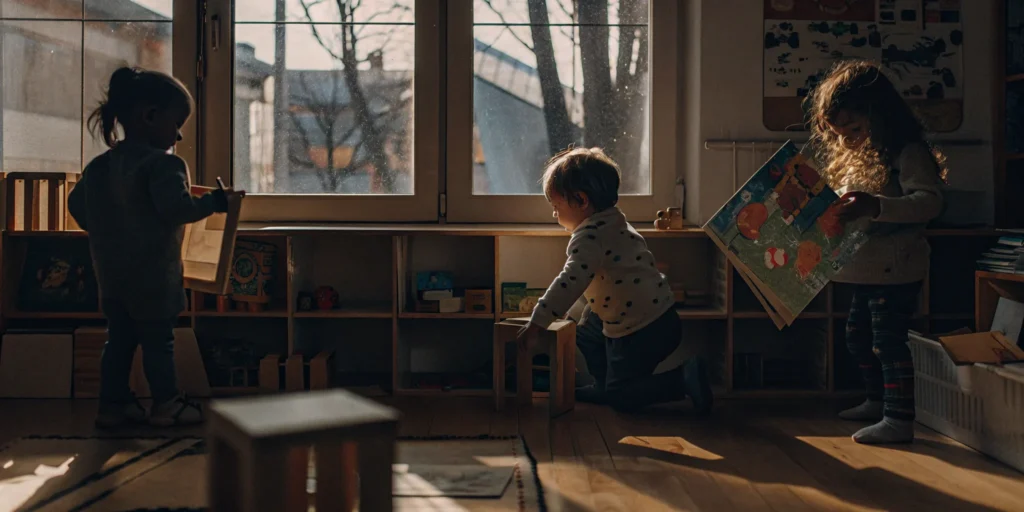
Preschool is your three-year-old’s first classroom, but it might not look like one. You’ll see kids building with blocks, singing songs, and painting masterpieces. It looks like fun and games, because it is! But this purposeful play is also building a critical foundation for all future learning. The real answer to what to teach 3 year olds in preschool isn’t about memorizing ABCs just yet. It’s about teaching them how to listen, cooperate, and solve problems. This guide breaks down exactly what those foundational skills look like in action.
Key Takeaways
- Social and emotional growth is the main event: Preschool is where your three-year-old learns the fundamentals of being a good friend and a capable person, from sharing toys and taking turns to naming their feelings and working through frustration.
- Play is the foundation for all future learning: Children build pre-reading, math, and science skills not with worksheets, but by listening to stories, counting blocks, and exploring their own questions, turning their natural curiosity into real knowledge.
- Confidence comes from growing independence: A quality program provides a safe space for your child to practice essential self-care skills, follow classroom routines, and solve small problems on their own, helping them see themselves as strong and capable.
What Your 3-Year-Old Will Learn in Preschool
Watching your 3-year-old step into a preschool classroom for the first time is a huge milestone. It’s so much more than just a new place to play; it’s a vibrant world designed to channel their boundless energy and curiosity into real, meaningful learning. At this age, children are like sponges, soaking up information and developing skills that will serve as the foundation for their entire academic journey. A quality preschool program doesn’t just prepare them for kindergarten—it helps them grow into more confident, capable, and compassionate little people.
In our preschool classrooms, we focus on the whole child, nurturing their social, emotional, physical, and intellectual growth all at once. Through a thoughtful blend of guided activities and child-led exploration, your 3-year-old will begin to understand the world in new ways, build their first friendships, and discover the pure joy of learning. It’s a year of incredible transformation, where they learn to see themselves as an important part of a community, gain the confidence to tackle new challenges, and find their own unique voice. We believe in creating an environment where every child feels seen, heard, and valued as they take these important first steps.
From First Words to Full Sentences
Your 3-year-old’s world is expanding, and so is their vocabulary. Preschool is where their language skills truly take off. Through daily conversations, story time, and singing songs, they move from simple phrases to speaking in full sentences of six words or more. You’ll notice them telling you about their day with more detail, asking thoughtful questions, and even starting to recognize some letters, especially the ones in their own name.
This language explosion is about more than just words. It’s about learning to listen to others, follow along with a story, and express their own ideas and feelings clearly. Our caring educators guide these interactions, helping children learn how to communicate kindly and effectively with their peers. This supportive environment encourages them to find their voice and build the confidence to share their thoughts with the group.
Asking “Who, What, Where, and Why”
If you have a three-year-old, you’re probably very familiar with the question, “Why?” This constant stream of “who, what, where, and why” isn’t just a phase; it’s a sign of a busy, developing mind at work. Their curiosity is how they make sense of the world, and a great preschool program will celebrate and encourage it. Instead of just giving simple answers, educators will turn these questions back to the children, prompting them to think critically and explore their own theories. This approach helps them become active participants in their learning, building a foundation for problem-solving and intellectual confidence. It’s how their natural wonder about a rainy day or a wiggly worm can guide an entire project.
Singing Songs and Repeating Words
Music is a powerful tool for learning, and for three-year-olds, it’s pure magic. Singing simple, repetitive songs does more than just fill the room with joy; it directly supports their language development. Each verse introduces new vocabulary, reinforces sentence structure, and helps children practice pronunciation in a fun, low-pressure way. The rhythm and repetition make it easier for them to remember words and phrases, which they’ll soon start using in their own conversations. In the classroom, singing songs is a daily ritual that helps children learn to listen, follow directions, and feel like part of a community, all while building the essential skills for effective communication.
Learning to Think and Solve Problems
A 3-year-old’s mind is always working to figure things out, and preschool provides endless opportunities to practice these emerging problem-solving skills. When a child works on a simple puzzle, figures out how to make a block tower stand tall, or follows a two-step direction like, “Please find your shoes and put them in your cubby,” they are building important pathways in their brain. These activities teach them to think sequentially and understand cause and effect.
We see these skills blossom as children engage in hands-on discovery. Our curriculum uses The Project Approach to let children explore topics that genuinely interest them, which encourages them to ask questions and test their own theories. They also begin to grasp basic concepts of time, like understanding the difference between morning and night, and learning the days of the week, which helps bring structure and predictability to their world.
Developing Cognitive Skills
At this age, every interaction is a chance to learn. Simple activities like sorting colorful blocks by shape, matching picture cards, or listening to a story and predicting what happens next are all powerful exercises for a developing mind. These moments of focused play are how three-year-olds learn to recognize patterns, categorize information, and think critically. Our curriculum, inspired by the Reggio Emilia philosophy, encourages children to be active participants in their learning. By exploring materials and ideas that capture their imagination, they naturally encounter small challenges that they are motivated to solve, building resilience and a genuine love for discovery.
Mastering Skills Through Repetition
Have you ever noticed your three-year-old wanting to read the same book every night or go down the slide over and over again? This isn’t just a phase; it’s a critical part of how they learn. Repetition helps children master new skills, whether it’s the physical coordination needed for climbing or the cognitive work of memorizing a favorite song. Each time they repeat an action, they are strengthening the neural pathways in their brain, making that skill feel more automatic and building their confidence. A predictable daily routine, filled with familiar songs, stories, and activities, provides a safe and comforting structure for this essential practice, allowing your child to feel secure as they work toward mastery.
From “Help Me” to “I Can Do It!”
One of the most exciting parts of being three is learning to do things “all by myself!” Preschool is the perfect place to practice these new skills in a safe and encouraging setting. Children feel a huge sense of pride when they learn to put on their own coat, wash their hands without help, or pour their own water at snack time. These simple self-care tasks are major steps toward becoming more independent and self-reliant.
Following classroom routines helps children learn to manage their own actions and belongings. Simple responsibilities, like cleaning up toys after playtime, teach them to care for their environment and contribute to the classroom community. A predictable schedule outlined in your child’s day helps them feel secure and understand what’s expected of them, giving them the confidence to handle tasks on their own.
Breaking Down Tasks into Small Steps
To a 3-year-old, a simple instruction like “get ready to go outside” can feel like a huge, confusing project. That’s why we break every task into small, manageable pieces. Instead of one big command, we guide them through a sequence: “First, let’s find your coat. Great! Now, can you put one arm in?” This step-by-step approach helps them process information without feeling overwhelmed. Think about handwashing; we teach it as a series of clear actions: one pump of soap, rub your hands together, rinse under the water. Each completed step is a small victory that builds their confidence and shows them they are capable of following directions and completing a task from start to finish.
Learning Responsibility with Simple Chores
Giving a 3-year-old a small job to do is a powerful way to teach responsibility and show them they are a valued member of the community. Simple tasks, like putting their toys back in the bin after playtime or helping wipe the table after a snack, instill a sense of pride and ownership. These aren’t just chores; they are lessons in caring for their environment and contributing to the group. In our preschool classrooms, we see how these small responsibilities help children feel connected and important. When they help, they learn that their actions make a positive difference, building a foundation for teamwork and respect for shared spaces.
How Preschool Helps Your Child Make Friends
For many three-year-olds, preschool is their first real opportunity to be part of a community of their peers. It’s one thing to play with a sibling or a cousin at a family gathering, but it’s another to spend your days with a group of children who are all learning the same things you are. This is where the magic of social learning happens. In a supportive classroom environment, children begin to see themselves as part of a group, learning how to communicate their needs, listen to others, and build their very first friendships.
At Strong Start, we see social and emotional development as a cornerstone of early learning. It’s not something that happens by accident; it’s woven into every part of our day. Our exceptional educators are skilled at guiding these interactions, helping children understand social cues and express themselves in positive ways. They create a safe space where your child can practice navigating the wonderful, and sometimes tricky, world of friendship. This foundation helps them build confidence and empathy that will stay with them long after they leave our classrooms.
Learning to Share and Take Turns
The concept of sharing is a huge milestone for a three-year-old. At this age, they’re just beginning to understand that other people have feelings and desires, too. In a preschool setting, sharing isn’t just about giving up a toy; it’s about learning patience, negotiation, and impulse control. When a child has to wait for their turn with the blue paint or the big dump truck, they’re practicing a critical life skill. Our teachers gently guide these moments, helping children find the words to ask for a turn and celebrate their success when they share with a friend.
Understanding Parallel Play
You might notice your three-year-old playing next to a friend rather than with them. This is called parallel play, and it’s a completely normal and vital stage of social development. It looks like two children sitting in the block corner, each building their own separate tower, occasionally glancing over to see what the other is doing. They are aware of each other and learning from one another, even without direct interaction. This is the first step toward cooperation, allowing them to get comfortable in a shared space and observe social cues from a safe distance before they’re ready to engage directly.
Parallel play is the bridge to more complex social skills. It’s how children learn the unspoken rules of being part of a group. By watching their peers, they pick up new ideas, see how others handle frustration, and learn about sharing resources, all without the pressure of direct collaboration. In our preschool classrooms, we see this as the foundation for building friendships. It’s where children learn to navigate a shared environment, laying the groundwork for the turn-taking and teamwork that will come next. This quiet observation is powerful, teaching them how to be part of a community.
Making Their First Friends
Watching your child make their first true friend is an incredible experience. Preschool provides the perfect environment for these special bonds to form. Through daily interactions during circle time, free play, and group projects, children discover peers with similar interests. Our teachers help foster these budding friendships by modeling positive social behaviors and giving children the language to invite others to play, share ideas, and work through small disagreements. They learn how to express their feelings constructively and listen to a friend’s point of view, building the foundation for healthy relationships.
Learning to Play and Work Together
Beyond one-on-one friendships, preschool teaches children how to be part of a team. Collaborative activities are a key part of our curriculum, from building a giant block tower to working on a mural together. This is where our Project Approach truly shines, as children unite to investigate a topic they’re all curious about. They learn that their ideas are valued and that combining their efforts can lead to amazing results. These early experiences in teamwork help children develop communication skills, learn to compromise, and feel a sense of belonging and shared accomplishment within their classroom community.
Your Child’s First Steps in Reading, Math, and Science
When you think about academics, you might picture desks and flashcards, but for a three-year-old, learning looks a lot like play. Preschool is where children build the essential foundation for reading, math, and science by exploring the world around them. It’s not about memorizing facts; it’s about nurturing their natural curiosity and helping them make connections. Through hands-on activities and guided discovery, children begin to understand the concepts that will support their formal education for years to come. This approach turns learning into an exciting adventure, driven by their own questions and interests.
Exploring Letters, Sounds, and Stories
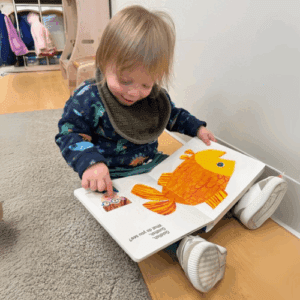
At age three, preparing for reading is all about discovering that written words have meaning. It begins with seeing their name on their cubby, listening to a story read aloud, and singing rhyming songs during circle time. In our classrooms, children are surrounded by print in a meaningful context. They might help a teacher write a label for a block structure or flip through picture books in the cozy corner, telling their own stories based on the images. These experiences help them understand that letters and words are symbols that represent real things and ideas. This is a core part of our Reggio Emilia-inspired approach, where we encourage children to find meaning and express their understanding in many different ways.
Engaging Literacy Activities
We bring literacy to life through activities that feel like pure fun. Daily story time isn’t just about listening; it’s about asking questions, predicting what happens next, and connecting the tale to their own lives. Singing songs and playing with rhyming words helps them tune their ears to the different sounds in language, a key pre-reading skill. And when your child sees their name on their cubby or a piece of artwork, they make the powerful connection that those squiggly lines are symbols that represent *them*. These moments are woven into the fabric of our preschool classrooms, helping children understand that words have meaning and sparking a genuine love for reading that starts long before they can decipher a page on their own.
Making Math Fun with Numbers and Shapes
Early math skills are built through hands-on, everyday experiences. You won’t find worksheets in our preschool classrooms. Instead, you’ll see children counting how many blocks it takes to build a tall tower, sorting beads by color, or noticing patterns on a friend’s shirt. Math happens naturally when they help set the table and count out napkins for their friends or talk about whether a box is big or small. These simple activities are teaching them fundamental concepts like quantity, size, and shape. Through The Project Approach, children use math as a practical tool to measure, organize, and solve problems that come up in their investigations, making numbers relevant to their world.
Hands-On Math Games
Math games for three-year-olds are all about touching, sorting, and counting real objects. Think about sorting colorful pom-poms into different cups, which teaches classification and color recognition. Or lining up toy cars and counting them one by one, which builds the crucial skill of one-to-one correspondence. Even activities like our Budding Bakers & Little Cooks program are packed with math, as children measure ingredients and count out spoonfuls of flour. These playful experiences make abstract concepts like numbers and shapes tangible and fun, showing children that math is a useful tool for exploring their world, not just a subject in a book.
Asking “Why?”: Early Science Exploration
For a three-year-old, science is all about observation, curiosity, and asking “why?” It’s about digging in the dirt to see what lives there, watching what happens when you mix blue and yellow paint, or talking about why the leaves change color in the fall. Our educators encourage this natural sense of wonder by providing materials and opportunities for exploration. Children learn about cause and effect, make predictions, and test their ideas in a safe, supportive environment. Our enrichment programs also introduce STEM concepts through fun, age-appropriate activities. This early exposure helps children develop critical thinking skills and a lifelong love for discovery as they learn about the weather, animals, and the world around them.
Discovering Through Hands-On Science
Science for a three-year-old is a full-body experience. It’s the feeling of squishing mud between their fingers, the excitement of watching a seed they planted sprout from the soil, or the surprise of seeing what happens when they mix vinegar and baking soda. These hands-on activities are their first science experiments. In our classrooms, we provide sensory tables, natural materials, and simple tools that invite children to explore and make their own discoveries. Our educators act as research partners, asking open-ended questions like, “What do you notice?” or “What do you think will happen next?” to encourage critical thinking. This approach, which is a key part of our enrichment program, helps children build a strong foundation for STEM learning by teaching them how to observe, predict, and test their own ideas about how the world works.
More Than Just Playtime: Developing Physical Skills
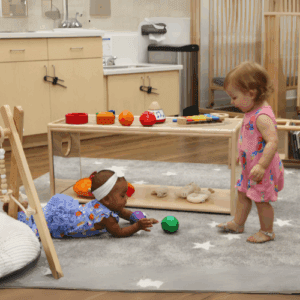
When you picture a preschool classroom, you probably imagine a lot of movement—and you’re right! But all that running, jumping, and creating is more than just unstructured play. It’s a carefully guided process of physical development that sets the stage for future learning. Preschool helps children build strength and control over their bodies in two key ways: through gross motor skills, which involve the large muscle groups for actions like running and climbing, and fine motor skills, which use the small muscles in their hands and fingers for tasks like drawing and buttoning.
A great preschool program provides a safe and stimulating environment where children can challenge themselves physically every day. Whether they’re navigating a playground structure, dancing to music, or carefully placing beads on a string, they are building a strong foundation for physical health and coordination. These skills are essential not just for sports or play, but for everyday tasks and even future academic success. Think about it: holding a pencil requires the same hand strength as gripping a climbing rope. At Strong Start, we see physical activity as an integral part of learning, weaving it into your child’s day to support their growth from head to toe.
Strengthening Little Hands for Writing
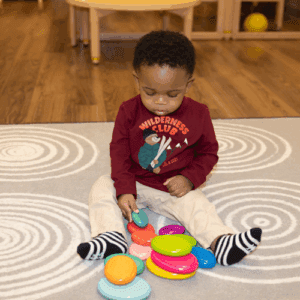
Before a child can write their name, they need to build strength and dexterity in their hands. Preschool is the perfect training ground for these fine motor skills. Activities like squeezing play-doh, painting with brushes, and stacking blocks all help strengthen the small muscles needed to hold a pencil correctly. When your 3-year-old learns to use kid-safe scissors to cut along a line or twists the cap off a bottle, they are developing the hand-eye coordination that is fundamental for writing letters and numbers down the road. Our enrichment programs, like Exploration Through The Arts, provide countless opportunities for children to practice these essential skills in a fun, creative setting.
Practicing with Safety Scissors
Handing a pair of scissors to your three-year-old might feel like a big step, but with proper supervision and kid-safe tools, it’s one of the best activities for developing fine motor skills. The simple open-and-close motion of cutting strengthens the very same muscles your child will later use to hold a pencil and form letters. As they focus on cutting along a line, they are building the crucial hand-eye coordination that is fundamental for writing. In our classrooms, this is always a carefully guided activity, ensuring children can explore and build confidence in a safe environment. It’s a perfect example of how purposeful play builds a direct bridge to future academic success, turning a simple craft project into a powerful learning experience.
Running, Jumping, and Climbing: The Power of Active Play
Running across the playground, climbing a ladder, and throwing a ball are some of the most joyful parts of being a kid—and they’re also critical for development. This type of active play builds gross motor skills, strengthening the large muscles in the arms, legs, and torso. Regular physical activity helps children develop endurance, balance, and spatial awareness. A well-equipped outdoor space gives them the freedom to run, jump, skip, and ride tricycles, which supports healthy bone and muscle growth. This isn’t just about burning off energy; it’s about building a strong, capable body that can carry them through a lifetime of learning and exploration.
Key Physical Milestones
As your three-year-old engages in daily play, you’ll start to see their physical skills take a huge leap forward. In terms of gross motor development, look for them to run more smoothly, jump with both feet leaving the ground, and maybe even start pedaling a tricycle. They’ll also get better at catching a large ball and walking up and down stairs, alternating their feet. For fine motor skills, you’ll notice them holding a crayon or marker with their fingers instead of a fist, making snips with child-safe scissors, and building towers with eight or more blocks. Each of these milestones is a sign of their growing strength and coordination, showing how their daily physical development is preparing them for more complex tasks ahead.
How Better Coordination Builds Confidence
As children practice their physical skills, they also improve their coordination—the ability to make their bodies do what their brains want them to do. Activities like balancing on one foot for a few seconds or learning to catch a ball require immense focus and practice for a 3-year-old. Each small success, from kicking a ball in the right direction to successfully navigating an obstacle course, is a huge win. This mastery builds more than just muscle; it builds confidence. When children feel physically competent, they are more likely to try new things and take on challenges in all areas of our preschool classrooms.
Understanding Big Feelings: Emotional Growth
Putting Words to Big Feelings
One of the most incredible shifts at age three is the dawning of empathy. Your child is starting to understand that they have feelings and, just as importantly, that their friends have feelings, too. Preschool is the perfect place to practice this new skill. In the classroom, children learn the words to match their emotions. Instead of just feeling a wave of frustration, they learn to say, “I’m mad.” Our exceptional educators guide this by naming feelings as they see them, helping children connect words to their experiences. This simple act of naming is powerful. It’s the first step toward managing emotions and showing affection and care for others, like offering a hug to a friend who is sad.
Simple Calming Techniques for Anxious Moments
Sometimes, those big feelings can become overwhelming, leading to moments of anxiety or a full-blown tantrum. Having a few simple calming techniques ready can make a world of difference. These strategies help your child feel grounded and safe when their emotions feel too big to handle. In our classrooms, our educators use these same gentle approaches to help children work through tough moments. The goal isn’t to stop the feeling, but to teach your child how to move through it. By practicing these techniques when they are calm, they’ll be better able to use them when they really need them.
Practicing the 3-3-3 Grounding Rule
When your child feels anxious, their mind can race with worries. The 3-3-3 Rule is a simple grounding technique that helps bring their attention back to the present moment. It uses their senses to interrupt the cycle of anxious thoughts. Ask your child to name three things they can see in the room. Then, have them listen carefully and identify three sounds they can hear. Finally, ask them to touch three different objects and describe how they feel. This simple exercise can help kids calm down by shifting their focus from their internal worries to their external environment.
Knowing When to Seek Professional Support
While learning to manage big emotions is a normal part of growing up, there are times when anxiety may require more support. If you notice that your child’s anxiety is happening very often, seems unusually intense, or is getting in the way of their daily life—like playing with friends or going to school—it might be time to talk to a professional. As a partner in your child’s development, we encourage you to share any concerns with us. Sometimes, self-help strategies aren’t enough, and seeking guidance from a pediatrician or child therapist is a proactive and loving step to ensure your child has the support they need to thrive.
Making Drop-Offs and New Routines Easier
The transition to preschool can bring up big feelings for everyone, especially during morning drop-offs. Saying goodbye is a skill, and it’s one we practice with patience and care. A predictable routine helps your child feel secure and understand what’s coming next. Our teachers work closely with families to create smooth, positive goodbye rituals that build trust and independence. We see this as a team effort, which is why partnering with parents is at the heart of what we do. By working together, we can help your child learn to separate with confidence, knowing they are in a safe, loving space and that you will always come back.
Building Resilience, One Feeling at a Time
Sharing a toy, waiting for a turn, or trying a tricky new puzzle can lead to frustration. These moments aren’t just challenges; they’re learning opportunities. In our classrooms, we guide children through these big feelings rather than simply trying to stop them. Our Reggio Emilia-inspired approach respects children as capable individuals who can learn to solve problems. Instead of grabbing, can they use their words to ask for a turn? If they feel angry, can they stomp their feet or squeeze a pillow instead of hitting? We help them find healthy ways to express themselves, building resilience and self-control that will serve them for years to come.
Inspiring Creativity and Imagination
Preschool is where your child’s imagination truly comes to life. It’s a time for them to explore big ideas, express themselves in new ways, and make sense of the world through creative play. While it might look like they’re just having fun, these activities are building a powerful foundation for learning. By painting, pretending, and dancing, three-year-olds learn to think outside the box, solve problems, and communicate their unique perspectives. Our curriculum is deeply inspired by the Reggio Emilia approach, which views creative expression as one of the many “languages” children use to learn and grow.
More Than a Mess: Learning Through Art
For a three-year-old, a paintbrush or a lump of clay can be a powerful tool for communication. Art gives children a way to share their thoughts and feelings long before they have all the words to do so. Activities like drawing, painting, and sculpting allow them to bring their ideas into the world, turning a simple thought into something they can see and touch. As they grip a crayon or pinch clay, they’re also developing the fine motor skills essential for writing later on. Our enrichment programs provide dedicated time for this “Exploration Through The Arts,” giving every child the chance to discover their inner artist.
Exploring Textures and Materials in Collages
Collage making is a fantastic way for three-year-olds to explore the world through touch. It’s not just about making a pretty picture; it’s a sensory adventure. When children get to choose between soft cotton balls, crinkly foil, smooth leaves, and rough sandpaper, they are learning about different properties and textures. This hands-on process of tearing, gluing, and arranging materials helps them build vocabulary to describe what they feel and see. It also strengthens those all-important fine motor skills as they carefully pick up and place each piece. This kind of multi-sensory learning is a cornerstone of our Reggio Emilia-inspired philosophy, where we encourage children to use a wide variety of materials to express their ideas and discoveries.
The Power of Pretend Play and Storytelling
When you see a group of preschoolers playing “house” or “superheroes,” you’re watching some serious learning in action. Through pretend play, children step into different roles, which helps them build empathy and understand social situations. They practice negotiating with friends, solving problems together, and making sense of their daily experiences. Storytelling works in a similar way, encouraging them to organize their thoughts, use new vocabulary, and share their imagination with others. This kind of imaginative work is a cornerstone of The Project Approach, where children often use role-playing to explore topics in depth.
Finding Rhythm with Music and Movement
Music and movement are natural languages for young children. They feel the beat and can’t help but move, whether they’re clapping, stomping, or twirling. These activities are fantastic for developing gross motor skills, coordination, and a sense of rhythm. Singing songs helps with memory and language development, while following the movements in a group dance teaches them to listen and cooperate with others. It’s a joyful way for children to express their emotions, release energy, and build confidence in what their bodies can do. This focus on physical development is a key part of what makes our preschool classrooms such vibrant, active learning environments.
Making Music with Everyday Objects
You don’t need a drum set or a piano to fill a room with music. When a child discovers that shaking a plastic bottle filled with rice makes a soft, swishing sound while tapping a wooden block makes a sharp clack, they’re conducting their first science experiment in sound. This hands-on exploration is at the heart of our Reggio Emilia-inspired philosophy, which sees the potential for learning in everyday materials. Using pots and pans for drums or clicking two spoons together teaches children about rhythm, volume, and cause and effect. It encourages them to be resourceful and see the world as full of possibilities, turning simple objects into tools for creative expression and joyful noise.
Common Bumps in the Road (And How to Help)
Starting preschool is a huge step, and with any big transition, there can be a few bumps along the way. It’s completely normal for three-year-olds to face some challenges as they get used to a new environment, new friends, and new expectations. Think of it less as “bad behavior” and more as your child learning and practicing brand-new skills in real-time. Whining, trouble with sharing, and the occasional temper tantrum are all part of the process as they learn to navigate a world built for groups. At Strong Start, our exceptional educators are experienced in guiding children through these moments with patience and understanding, turning challenges into opportunities for growth. We see these hurdles not as problems, but as a vital part of your child’s development.
Getting Used to the School Day
For many three-year-olds, preschool is their first experience with a structured day outside the home. Learning to follow a group schedule—from circle time to hand-washing to quiet time—is a major adjustment. Your child is learning to transition from one activity to the next alongside their peers, which takes practice. At first, this can be overwhelming, and they might resist or act out. We help them feel secure by establishing predictable, comforting routines. Our teachers provide gentle reminders and visual cues to help children understand what’s coming next in their day. This consistency helps them feel safe and confident, making it easier to embrace the rhythm of the classroom and participate with enthusiasm.
When “Mine!” Happens: Solving Conflicts
Learning to play with others is one of the most important—and sometimes trickiest—parts of preschool. Three-year-olds are still very much learning how to share, take turns, and see things from another person’s perspective. Disagreements over a favorite toy are bound to happen! Instead of simply intervening, our teachers act as coaches. They help children use their words to express their feelings and guide them in finding solutions together. This approach empowers them to solve their own problems and builds a foundation for empathy and cooperation. It’s through these small, guided conflicts that children learn the give-and-take of friendship and how to be a caring member of a community.
Talking Through Problems Together
Our approach is to give children the tools to talk through their problems, not just to have an adult solve them. When a conflict arises, our educators act as facilitators, getting down on the children’s level to help them find the right words. Instead of saying, “You need to share,” a teacher might ask, “How did it make you feel when he took the block?” and then help the other child understand, “She feels sad. What can we do to make it better?” This process respects children as capable individuals, a core belief in our Reggio Emilia-inspired philosophy. By guiding them to express their feelings and listen to one another, we empower them to find their own solutions, whether it’s taking turns with a timer or finding another toy to play with together.
The Hard Work of Waiting: Building Self-Control
Three-year-olds live in the moment, and waiting for a turn or controlling an impulse can feel almost impossible for them. Developing patience and self-control is a huge developmental task that unfolds over time, not overnight. We support this growth by modeling patience ourselves and creating a calm, supportive environment. We also provide plenty of structured opportunities for children to practice these skills in low-stakes situations, like waiting for their turn to speak in a group or passing out snacks. Acknowledging their feelings (“I know it’s hard to wait!”) while holding a gentle boundary helps them learn to manage frustration and build the self-regulation skills they’ll need for years to come.
What Makes a Great Preschool Program?
Choosing a preschool is about finding a place where your child will not only learn but also feel seen, supported, and loved. A quality program acts as a partner in your child’s development, creating an environment that nurtures their natural curiosity and helps them build a strong foundation for future learning. It’s a combination of a thoughtful curriculum, dedicated teachers, and a strong connection between school and home.
When these elements work together, your child gets so much more than just a place to spend their day. They get a community that is invested in their growth. From the way teachers guide play to how they share progress with you, every detail is designed to support your 3-year-old’s journey. This holistic approach ensures they are developing socially, emotionally, physically, and cognitively, all while having fun and feeling secure.
Why Learning Through Play Works
For a 3-year-old, play is serious work. It’s how they make sense of the world, test out new ideas, and practice social skills. A quality preschool program understands this and puts play at the heart of its curriculum. The main focus is often on social and emotional learning and getting comfortable with school routines, all of which happens through play. Whether they’re building a block tower with a friend or pretending to be a chef in the dramatic play area, your child is learning to share, problem-solve, and communicate. This isn’t just free-for-all time; it’s purposeful play, gently guided by teachers who use an approach like the Reggio Emilia inspiration to turn children’s interests into meaningful learning experiences.
The Role of a Great Preschool Teacher
The magic of a great preschool program lies in its teachers. In a nurturing environment, educators are more than just supervisors; they are intentional guides who see and support each child’s individual journey. They focus on helping children develop in key areas, from how they get along with others and solve problems to the early building blocks of reading, math, and science. Our exceptional educators are trained to observe, listen, and ask questions that encourage deeper thinking. They create a safe and predictable space where your child feels confident enough to take risks, try new things, and learn from their experiences, knowing a caring adult is right there to help.
Effective Classroom Strategies
Great teachers don’t just react to what’s happening in the classroom; they proactively create a positive environment using intentional strategies. The goal isn’t just to manage behavior, but to teach children the skills they need to manage themselves. This involves setting clear, simple expectations and turning every moment into a chance to learn. By establishing predictable routines and a supportive atmosphere, educators help children feel secure enough to practice new social and emotional skills. These are the same kinds of strategies we encourage families to use at home, which is why partnering with parents is so important to us. When the approach is consistent, children can truly thrive.
Modeling Behavior and Explaining Consequences
Two of the most powerful strategies are also the simplest: showing children the behavior you want to see and helping them understand how their actions affect others. Instead of telling a child to use their “inside voice,” a teacher will model it by speaking softly themselves. They also explain natural consequences in a way a three-year-old can grasp. For example, rather than just saying, “Stop shouting,” a teacher might say, “When you use such a loud voice, it hurts my ears.” This connects the action to a real-world effect, teaching empathy and cause-and-effect. It helps children learn *why* the rules exist, which is a much deeper lesson than simply following directions.
Why Parent-Teacher Partnership Matters
You are your child’s first and most important teacher, and a strong partnership between home and school makes all the difference. When parents and educators work as a team, it creates a consistent and supportive world for your child. Open communication is key. By sharing observations, progress, and milestones, we can ensure you feel informed, involved, and connected to your child’s educational journey. This collaboration helps us celebrate your child’s successes together and work through any challenges that may arise. We believe that partnering with parents is fundamental to creating a thriving community where every child can flourish.
How Parental Involvement Supports Learning
When your child sees that you and their teacher are a team, they feel more secure, and that security is the foundation for confident learning. Your involvement bridges the gap between school and home, making learning a continuous part of their world. When you know what’s happening in the classroom, you can reinforce those concepts in everyday life—if they’re exploring patterns during their daily activities, you can point out the stripes on their shirt or the sequence in a favorite song. This two-way communication also allows you to share insights about your child’s interests and needs, helping their teacher tailor the classroom experience just for them. This collaborative spirit, which we foster through open dialogue and our Family Council, shows your child that their most important adults are working together, creating a powerful support system for their growth.
How We Measure Growth and Progress
Understanding how your child is growing is essential, but it’s not about tests or grades at this age. Instead, quality programs use thoughtful observation and developmental assessments to track a child’s progress. These tools help educators see how children are developing against milestones in areas like language, fine motor skills, and social interactions. This isn’t to label or compare children, but to better understand their individual strengths and identify areas where they might need more support. This information allows teachers to tailor activities to meet your child’s unique needs and gives you a clear, reassuring picture of their development throughout your child’s day.
Meeting and Exceeding State Standards
State standards provide a helpful baseline for what children should be learning, but a truly exceptional program sees these as a starting point, not a finish line. While we ensure every child is developing the skills needed for kindergarten, our focus goes much deeper. We believe in nurturing the whole child—their curiosity, creativity, and social-emotional well-being. This holistic approach means that children don’t just learn to count; they learn to solve problems. They don’t just recognize letters; they learn to love stories. Our commitment to this higher level of quality is reflected in our NAEYC accreditation, which holds us to the most rigorous professional standards in early childhood education, far exceeding state licensing requirements.
What to Look For in a Preschool Program
When you start looking at preschools, you’ll quickly realize that every program has its own unique philosophy and approach. Finding the right fit for your family means looking beyond the basics and understanding how a school’s environment and teaching style will support your three-year-old’s growth. A quality program isn’t just about learning letters and numbers; it’s about nurturing curiosity, building confidence, and creating a safe space where your child feels seen and valued. It’s a place where learning is an adventure, not a checklist.
As you tour different schools, pay attention to how the educators interact with the children and how the classroom is designed to inspire exploration. The best programs are built on a clear, child-centered philosophy that guides everything from daily routines to long-term projects.
Our Child-Led, Reggio Emilia-Inspired Approach
You’ll often hear the term “play-based learning,” and for good reason—it’s how young children make sense of the world. Our curriculum is inspired by the Reggio Emilia philosophy, which views children as capable, curious individuals with a natural drive to learn. Instead of following a rigid lesson plan, our educators listen to your child’s interests and create learning experiences around them. If a group of children becomes fascinated by the bugs in the garden, that curiosity might spark a week-long investigation into insects. This approach honors your child’s voice and turns the classroom into a collaborative space where learning is driven by genuine wonder and discovery.
Going Beyond the Basics with Projects and Enrichment
We believe children learn best by doing. That’s why we use The Project Approach, where children take a deep dive into topics that capture their imagination. Through these hands-on projects, they learn to ask questions, solve problems, and work together. A simple question about how buildings stand up can lead to a project where children become architects, drawing blueprints and constructing their own towers with blocks. These engaging activities are also the perfect setting for learning crucial social-emotional skills, like managing frustration when a tower tumbles or sharing materials with a friend. It’s through these shared experiences that children build a foundation for lifelong learning and collaboration.
How Strong Start Integrates STEM and The Arts
At Strong Start, we don’t see STEM and the arts as separate subjects to be checked off a list; they are woven together in the fabric of our day. A child’s question about why their block tower keeps falling over is a natural engineering problem. This curiosity leads them to test new ideas, make predictions, and maybe even draw a “blueprint” to plan a stronger design—blending scientific inquiry with artistic expression. This is how we turn learning into an exciting adventure, driven by their own questions. Our Project Approach allows children to explore topics from every angle, using art to communicate complex ideas long before they have the words. Through our dedicated enrichment programs, we provide even more opportunities for children to discover that creativity is just as important in science as it is in painting.
Keeping Your Child Safe, Healthy, and Happy
Nothing is more important than your child’s well-being. A great preschool program is built on a foundation of trust, which starts with a serious commitment to health and safety. This includes everything from secure facilities to clear wellness policies. Beyond safety, look for a program that values a strong partnership between parents and teachers. We believe you are your child’s first and most important teacher, and we are dedicated to working with you. We keep you informed about your child’s progress and daily discoveries, ensuring you’re always connected to their educational journey. Our NAEYC accreditation is a testament to our commitment to meeting the highest standards of excellence in early childhood education.
Related Articles
- Preschool for 3 Year Olds: Is Your Child Ready?
- 4 Tips for Preparing for Preschool in Norwalk, CT
- Your Guide to Preparing for Preschool in Norwalk, CT
Frequently Asked Questions
My 3-year-old still has tantrums and doesn’t always share. Are they ready for preschool? This is a completely normal concern, and the short answer is yes! Preschool is the perfect environment for children to practice these exact skills. Learning to manage big feelings and navigate social situations like sharing are core parts of the curriculum. Our educators are experts at guiding children through these moments, helping them find words for their feelings and learn how to solve problems with friends. Think of the classroom as a safe place to learn and grow, not a place where they need to have it all figured out already.
It sounds like there’s a lot of play. Will my child actually be prepared for kindergarten? Absolutely. For young children, play is the most powerful form of learning. When they build with blocks, they’re exploring math and engineering concepts. When they engage in pretend play, they’re developing complex language and social skills. All of these play-based activities are intentionally designed to build the foundational skills needed for reading, math, and science. We focus on nurturing a love for learning and curiosity, which is the best possible preparation for kindergarten and beyond.
How will you help my child adjust, especially during morning drop-offs? We know that goodbyes can be tough for both children and parents. Our first priority is building a trusting relationship with your family. We partner with you to create a predictable and positive drop-off routine that helps your child feel secure. Our teachers are wonderful at welcoming children into an engaging activity right away, easing the transition from your care to ours. We’ll work together to find a rhythm that makes mornings a calm and confident start to the day.
What does a ‘project’ look like for a 3-year-old? It sounds a bit advanced. It’s much more natural than it sounds. A project simply starts with the children’s own curiosity. For example, if a few children become fascinated with the squirrels they see on the playground, that might spark a project. They might draw pictures of squirrels, build nests out of twigs and leaves, and read stories about them. The teacher guides this exploration, helping them find answers to their own questions. It’s a wonderful way for them to learn that their ideas are important and that learning is an exciting adventure.
How will I know how my child is progressing without tests or report cards? You will get a much richer picture of your child’s growth than a report card could ever provide. Our educators are skilled observers who document your child’s development through notes, photos, and samples of their work. We share these insights with you through regular communication, daily updates, and parent-teacher conferences. This approach allows us to celebrate their unique strengths and work together to support their individual journey, giving you a clear and ongoing understanding of their progress.
Written By
Marc Hoffman
Founder, Strong Start Early Care & Education
Marc founded Strong Start in 2014, inspired by his studies at Williams College, Yeshiva University, and research at Yale University. His child-centered, inquiry-based approach to early education has helped hundreds of families in the Trumbull and Bridgeport communities. As a parent himself, Marc understands the importance of finding a nurturing environment where every child can learn, grow, and flourish.