
As a parent, it’s easy to feel the pressure to be your child’s first teacher, armed with flashcards and structured activities. But what if your role was less about instruction and more about discovery? The Reggio Emilia approach invites you to be a co-explorer alongside your child, learning and wondering together. It honors you as an essential partner in their education. In this philosophy, the reggio emilia curriculum isn’t a checklist of things you need to teach. Instead, it’s the story that unfolds as you observe your child’s interests, ask thoughtful questions, and provide the tools for them to investigate their own big ideas.
Key Takeaways
- Follow Their Curiosity: Your child’s questions and interests are the curriculum. Instead of planning rigid activities, observe what fascinates them—whether it’s shadows, bugs, or mixing colors—and offer simple tools to help them explore those ideas more deeply.
- Become a Co-Researcher, Not an Instructor: Shift your role from being the expert with all the answers to a curious partner in discovery. Ask open-ended questions like, “I wonder what would happen if…” to encourage creative thinking and show your child that their ideas are valued.
- Make Learning Visible: Use your phone to snap photos of their process or jot down their profound questions on a sticky note. This simple act of documentation shows your child that their work is important and creates a beautiful story of their growth.
What is the Reggio Emilia Approach?
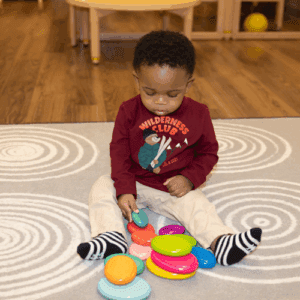
Have you ever watched your child become completely absorbed in stacking blocks, mixing mud and water, or figuring out how a shadow moves? That intense focus and curiosity is the heart of how they learn. The Reggio Emilia Approach isn’t a rigid curriculum with flashcards and lesson plans; it’s a philosophy centered on respecting and nurturing that natural drive to explore. It’s about seeing your child as the main character in their own learning story and creating a supportive world where their ideas can take flight.
This approach is built on a few key ideas: children are strong and capable, their environment is a crucial teacher, and they express themselves in countless creative ways. It’s a partnership between the child, the parents, and the teachers, all working together to follow the child’s lead. Instead of telling them what to learn, we listen to their questions and help them find the answers themselves through hands-on projects and play.
Where Did It Come From?
The story of this approach is truly inspiring. It began in the villages around a town called Reggio Emilia in Italy, right after World War II. The community was rebuilding, and a group of parents, led by an educator named Loris Malaguzzi, wanted to create a new kind of school—one that was different from the rigid systems of the past. They believed their children deserved an education that valued respect, democracy, and collaboration. The Reggio Emilia Approach was born from this shared hope, built by a community that wanted to raise children who were curious, critical thinkers capable of shaping a better world.
The Philosophy: Seeing Your Child as Capable and Strong
At its core, this philosophy views your child as strong, capable, and full of incredible potential from the moment they are born. Instead of seeing them as empty vessels to be filled with information, it sees them as active researchers, constantly forming theories about how the world works. This deep respect for the child’s abilities is central to everything. The approach is guided by the idea of “the hundred languages of children,” which recognizes that kids communicate their ideas in many ways beyond words—through painting, sculpting, music, and movement. Learning happens best when children can explore relationships and build knowledge together through shared, hands-on experiences.
What Are the Core Principles of Reggio Emilia?
The Reggio Emilia approach is built on a few beautiful, interconnected ideas. It’s not a rigid set of rules but a philosophy that honors your child’s natural curiosity and intelligence. Think of these principles as a lens through which you can see and support your child’s learning journey. They work together to create a rich, respectful, and collaborative environment where your little one can truly thrive. Understanding these core ideas can help you see the magic in your child’s everyday explorations and bring a little bit of that Reggio spirit into your own home.
The Environment as the “Third Teacher”
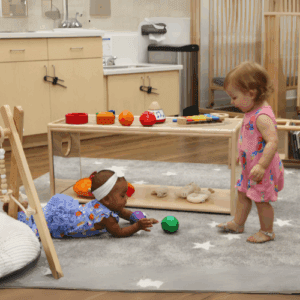
Imagine a space that inspires curiosity and invites exploration all on its own. In the Reggio Emilia philosophy, the physical space is considered the “third teacher,” right alongside adults and other children. This means the environment is intentionally designed to be beautiful, engaging, and full of possibilities. Think of classrooms with natural light, plants, and open access to the outdoors. At home, this could mean creating a cozy reading nook, setting up an art station with accessible materials, or simply organizing toys in a way that encourages creative play. The goal is to create a space that communicates respect for your child and empowers them to explore independently.
Letting Your Child’s Interests Lead the Way
Have you ever noticed how your child can spend ages fascinated by a single ladybug or a collection of rocks? The Reggio Emilia approach celebrates this innate curiosity. It’s a hands-on way of learning where children lead by exploring what genuinely interests them. Instead of a fixed curriculum, learning emerges from their questions and discoveries. As a parent or teacher, your role shifts from being an instructor to a co-explorer and guide. You observe their interests, provide resources to deepen their investigations, and ask thoughtful questions to extend their thinking. This emergent curriculum honors your child’s ideas and builds a true love for learning.
Documenting Their Learning Journey
Documentation is so much more than just saving cute artwork for the fridge. In Reggio Emilia, it’s a vital way to understand and honor a child’s learning process. Teachers and parents carefully observe and record children’s conversations, projects, and problem-solving attempts through photos, notes, and videos. This practice helps to “make their creative thinking visible.” By documenting their journey, we show children that their work and ideas are valued. It also gives us incredible insight into how they think and learn, helping us plan what to offer next. For parents, it creates a beautiful record of their child’s development and keeps you deeply connected to their learning adventures.
Learning Together as a Community
At its core, the Reggio Emilia approach is all about connection. Building strong, respectful relationships is central to everything—between children, between children and their teachers, and between the school and the families it serves. Learning isn’t seen as an individual pursuit but as a collaborative process. Children are encouraged to work together, share ideas, and learn from one another. Parents are viewed as essential partners in their child’s education, with unique insights that are deeply valued. This focus on community creates a supportive network where everyone feels a sense of belonging and works together to create the best possible learning environment for the children.
How is Reggio Emilia Different from Traditional Schooling?
When you picture a typical classroom, you might imagine desks in rows, a teacher at the front, and a set schedule on the board. The Reggio Emilia approach paints a very different picture. While both models aim to help children learn and grow, their philosophies on how that happens are worlds apart. It’s less about one being “better” and more about understanding which environment helps your unique child thrive. The main differences come down to who leads the learning, what is considered important, and how the day is structured.
Child-Led vs. Teacher-Directed Learning
In many traditional schools, the teacher directs the learning. They create the lesson plans, decide what subjects to cover, and set the pace for the entire class. The Reggio Emilia approach flips this dynamic. It’s a hands-on way of teaching where children lead their own learning by exploring what genuinely fascinates them. Instead of being the source of all information, the teacher acts as a guide and a partner. They observe the children’s interests, ask thoughtful questions to provoke deeper thinking, and provide resources to help them explore their ideas further. The child is seen as the protagonist in their own educational story.
Focusing on the Process, Not Just the Product
Think about the art projects your child brings home. In a traditional setting, the goal might be for every child to create a similar-looking snowman. The Reggio Emilia philosophy, however, values the journey of creating and discovering far more than the final product. The messy, experimental, and sometimes frustrating process of figuring things out is where the real learning happens. This often takes the form of long-term projects that spring from the children’s own questions. A simple interest in shadows could evolve into weeks of building, drawing, and storytelling, with the project taking unexpected turns based on what the children discover along the way.
Flexible Rhythms vs. Rigid Schedules
A traditional school day is often broken into rigid blocks of time for math, reading, and recess, guided by bells. The Reggio Emilia approach follows a more flexible rhythm that honors the natural flow of children’s interests and energy. The curriculum isn’t set in stone for the year; it emerges and adapts based on the group’s evolving curiosities. This means the learning environment itself is also adaptable, designed to change as projects and interests shift. This flexibility allows children to become deeply engaged in their work without being interrupted by a clock, fostering a genuine love for learning that follows their own pace.
What is the Parent’s and Teacher’s Role?
In the Reggio Emilia approach, the roles of parents and teachers are beautifully intertwined. Instead of a top-down dynamic where an adult holds all the knowledge, both parents and educators are seen as collaborators and researchers alongside the child. This philosophy honors the parent as the child’s very first teacher and views educators as partners in their learning journey. It’s a shift in perspective that can feel incredibly empowering. You don’t have to be an expert on every topic your child is curious about. Your role is to be a curious, supportive partner who learns and discovers right alongside them.
The Reggio Emilia approach identifies three main roles for the adults in a child’s life: a partner, a guide, and an observer. By embracing these roles, you can create a rich learning environment where your child feels seen, heard, and capable. It’s less about having a curriculum to follow and more about having a relationship to build. This collaborative spirit is what makes the experience so unique and effective, turning everyday moments into opportunities for connection and growth.
A Partner in Discovery
Think of yourself as your child’s co-conspirator in learning. You are their first and most important teacher, not because you have all the answers, but because you are their partner in finding them. When your child asks, “Why is the sky blue?” you don’t need to give a scientific lecture. Instead, you can partner with them in their curiosity by responding, “That’s a great question. What do you think?” This simple shift invites conversation and shows your child that their ideas have value. It’s about exploring questions together, celebrating the process of discovery, and modeling a love for learning that will last a lifetime.
A Guide for Exploration
As a guide, your job is to prepare the path for your child’s interests, not to dictate the destination. Teachers and parents act as “co-learners,” carefully observing what sparks a child’s curiosity and then providing the tools and opportunities for them to explore it further. If your little one is fascinated by shadows, you might set up a lamp and different objects to play with, or take a “shadow walk” on a sunny day. You’re not teaching a lesson on light and shadow; you’re simply guiding their natural exploration by creating an environment rich with possibilities and gentle provocations.
An Observer and Storyteller
This might sound formal, but at its heart, being an observer and storyteller is about paying attention and making your child’s learning visible. In Reggio Emilia, this is called “documentation.” Teachers and parents carefully watch and listen to children to understand their thought processes. You can do this by taking a photo of a complex block structure they built, writing down a profound question they asked, or saving a drawing they made. This practice of documentation helps you see your child’s growth and allows them to see how their ideas have evolved over time.
Understanding “The Hundred Languages of Children”
One of the most beautiful ideas from the Reggio Emilia philosophy is the concept of “The Hundred Languages of Children.” This isn’t about teaching your child to speak multiple languages; it’s a powerful metaphor for the countless ways children express their thoughts, feelings, and understanding of the world. While adults often rely on speaking and writing, children communicate through a rich tapestry of methods: painting, sculpting, dancing, building, singing, and imaginative play.
This approach sees children as powerful communicators, full of potential and curiosity. The goal isn’t to teach them a specific skill but to honor and support all the “languages” they use to make sense of their experiences. When we learn to listen to these different forms of expression, we get a much clearer picture of what’s happening inside our child’s mind. It’s about recognizing that a tower of blocks can be a story, a dance can be an expression of joy, and a clay sculpture can be a complex theory. By valuing every language, we show our children that all of their ideas are important and worthy of attention.
Encouraging All Forms of Expression
At its heart, this principle is about seeing your child as a capable and intelligent person from day one. Instead of correcting their drawing of a “purple sun,” we can ask, “Tell me about your purple sun.” This simple shift validates their perspective and encourages them to share their thinking. The Reggio Emilia approach believes children have endless ways to express themselves, and our role is to provide the tools and encouragement for them to do so. This might mean having drawing supplies readily available, putting on music for an impromptu dance party, or saving cardboard boxes for their next big building project. By celebrating their unique ways of communicating, we help them build confidence and a deep love for learning.
How Art Becomes a Voice
In Reggio Emilia-inspired schools, you’ll often find an atelier, or art studio, which is treated as a laboratory for thinking. This space is guided by an atelierista, an educator with a background in the arts. But you don’t need a formal studio to bring this idea home. Think of art materials—like clay, paint, wire, and recycled items—as tools for communication. When your child works with these materials, they aren’t just making a craft; they are giving form to their ideas. They might be exploring the texture of mud, figuring out how to make a structure stand up, or showing you how they felt when they were sad. Art becomes a powerful way to communicate complex thoughts and emotions that they might not have the words for yet.
Fostering Creative Problem-Solving
Learning in a Reggio-inspired way often happens through long-term projects that spring from a child’s own questions. Maybe your child becomes fascinated with the shadows in their room or wonders where snails go when it’s sunny. Instead of giving a quick answer, you can explore the question together. This might lead to drawing shadows at different times of day, building a snail habitat, or creating stories about a snail’s adventures. This project-based learning allows learning to unfold naturally. The focus is on the process of discovery, not on finding the “right” answer. This teaches children to think critically, test their theories, and work through challenges in a creative way.
How to See and Document Your Child’s Learning
One of the most beautiful parts of the Reggio Emilia approach is how it honors a child’s learning process. It’s not about tests or report cards; it’s about truly seeing your child, understanding how their mind works, and celebrating their unique way of exploring the world. “Documenting” might sound formal, but it’s really just about capturing those little moments of wonder and discovery.
Think of it as becoming the storyteller of your child’s learning journey. When you take a moment to write down a question they asked or snap a picture of their intricate block tower, you’re doing more than just making a memory. You’re sending a powerful message to your child: “Your ideas are important. Your work matters.” This simple practice helps you tune into their interests, see patterns in their play, and become a more thoughtful partner in their daily discoveries. It transforms everyday moments into a visible story of their growth.
Making Their Progress Visible
In the Reggio Emilia philosophy, documentation is all about making your child’s thinking visible. So much of their learning happens internally, and capturing it gives you a window into their world. It’s not about saving every single drawing, but about choosing pieces that show a new idea or a problem they solved. When you display their work or share a story about their process, you make their creative thinking tangible for them and for others.
This can be as simple as taking a photo of them deeply focused on sorting pebbles by color or using a voice memo app to record them explaining the rules to a game they invented. You could also write down a direct quote on a sticky note and place it next to their creation. These small acts preserve the process, not just the final product.
Simple Ways to Observe and Listen
Before you can document anything, you have to observe. This is the heart of the practice, and it doesn’t require any special tools—just your presence. It means taking a few minutes to sit back and simply watch your child play, without interrupting or directing. Notice what materials they choose, how they interact with them, and what problems they try to solve. Listen to the stories they tell themselves and the questions they ask.
This kind of careful observation helps you understand their likes and curiosities on a deeper level. Instead of asking, “What are you drawing?” try a more open-ended prompt like, “Tell me about your picture.” This invites them to share their thought process and gives you incredible insight into how they see the world.
Creating a Portfolio of Their Discoveries
A portfolio is simply a collection that tells the story of your child’s learning over time. Forget the idea of a formal binder; this can be whatever works for your family. It might be a digital album on your phone, a simple scrapbook, or even a special box where you keep treasured creations and your written observations. The goal is to gather a collection of moments that showcase their unique path.
This portfolio becomes a powerful tool for reflection. You can look through it with your child and talk about how their skills have grown. Seeing their own progress is incredibly affirming for them. It’s a tangible way to show them that their efforts are valued and to celebrate their personal journey and discoveries as they happen.
How to Bring Reggio Emilia Principles into Your Home
You don’t need to turn your living room into a preschool classroom to embrace the Reggio Emilia philosophy. It’s all about seeing your home and your interactions through a new lens. By making a few intentional shifts, you can create a rich learning environment that honors your child’s natural curiosity and intelligence. These small changes can have a big impact on how your child sees the world—and their important place in it.
Set Up an Inviting Learning Space
In the Reggio Emilia approach, the environment is seen as the “third teacher.” This simply means creating a space that is engaging, thoughtful, and encourages exploration. You can start by designating a small, accessible corner of a room for play. Keep it uncluttered with a few open-ended toys, like wooden blocks, animal figures, or colorful scarves, stored in low baskets your child can easily reach. The goal is to create a calm, beautiful space that invites your child to interact and feel respected as a capable learner. You can even involve your child in arranging the space to give them a sense of ownership.
Follow Your Child’s Curiosity
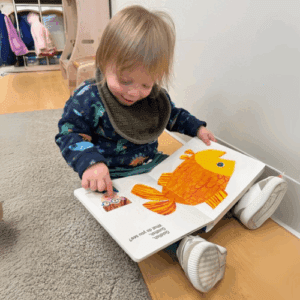
One of the most powerful things you can do is to simply watch and listen. What is your child interested in right now? Is it the way water moves in the tub, the squirrels they see at the park, or the different shapes of leaves in the backyard? Instead of directing their play, you can support their interests. If they’re fascinated by bugs, you might find a picture book about insects, offer them a magnifying glass for the garden, or set out some playdough to sculpt their own creepy crawlers. When you build on their interests, you show them that their ideas are valuable and that learning is an exciting adventure, not a set of instructions.
Encourage Teamwork and Exploration
Learning at home is a team sport. The Reggio Emilia philosophy sees parents and children as partners in the process of discovery. Rather than being the expert with all the answers, try positioning yourself as a co-explorer. You can do this by asking open-ended questions like, “I wonder what would happen if we added more water?” or “How could we make this tower stronger together?” When you work on a project side-by-side, whether it’s baking, building a fort, or sorting laundry, you’re modeling collaboration and creative problem-solving. This shared experience strengthens your connection and shows your child that you are on their team, figuring things out together.
Capture Their “Aha!” Moments
Documenting your child’s learning journey makes their thinking visible and shows them that their work is important. This doesn’t have to be complicated. It can be as simple as snapping a photo of an intricate block structure and writing down your child’s description of it on a sticky note. You can save a special drawing and ask them to tell you the story behind it, then jot down their words on the back. This practice of making learning visible helps you appreciate the incredible progress your child is making. It also creates a wonderful collection of memories that you and your child can look back on, reminding them of how much their unique ideas are valued.
Common Questions and Challenges for Families
Adopting any new approach to learning with your child comes with questions. It’s completely normal to wonder if you’re getting it right or how to fit it all into your already busy life. When you first hear about child-led projects and beautiful learning spaces, it can feel both inspiring and a little intimidating. You might think, ‘This sounds amazing, but can I really do it?’ The answer is a resounding yes, and you’re not alone in asking. Many parents feel a mix of excitement and apprehension when they decide to explore a new educational philosophy at home.
The good news is that bringing Reggio Emilia principles home isn’t about perfection or creating a Pinterest-worthy setup every single day. It’s about shifting your perspective to see the learning opportunities that already exist in your life and being present and curious alongside your child. It’s about valuing their ideas and giving them the space to explore them. Let’s walk through some of the common hurdles families face—from finding the time to feeling confident in your new role—and find simple, practical ways to clear them together. Remember, every family’s journey with this is unique, and these challenges are just stepping stones to finding what works best for you and your little one.
Finding the Time and Resources
One of the first questions parents ask is, “How will I find the time for this?” Life with young children is demanding, and the idea of planning elaborate projects can feel overwhelming. The Reggio Emilia approach to home education does involve preparation, but it doesn’t have to consume your schedule. Start small. Instead of a huge project, think about a simple “invitation to play.” This could be as easy as setting out some leaves, sticks, and playdough on a tray. It’s about creating small moments of discovery, not staging a classroom activity every day. You’ll find that a little intention goes a long way.
Balancing Screens with Hands-On Play
In a world full of screens, it can be tough to encourage hands-on, experiential learning. Many parents worry that screen time detracts from the interactive play that is so central to the Reggio Emilia philosophy. The key isn’t to eliminate screens entirely but to create an environment where other options are more compelling. Try setting up a dedicated creative corner with accessible materials or designating specific times for screen-free exploration. When your child sees you engaged and excited about a non-screen activity, their curiosity will often follow. This helps prioritize the experiences of Reggio Emilia-inspired learning.
Feeling Confident with a New Approach
Trying something new can bring up feelings of uncertainty. You might wonder if you have what it takes to guide your child’s learning in this way. It’s important to know that significant barriers to family engagement can sometimes affect a parent’s confidence, but you are your child’s first and most important teacher. You don’t need a degree in education to be a partner in their discovery. Trust your intuition and your knowledge of your child. Start by simply observing their interests and asking open-ended questions. Connecting with other parents and finding a supportive community can also make a world of difference in feeling empowered.
Finding the Right Materials
You don’t need to spend a fortune on fancy art supplies or educational toys. In fact, a core part of the Reggio Emilia philosophy is using natural, recycled, and everyday objects, or “loose parts.” The challenge of sourcing appropriate materials can actually become a fun treasure hunt for your family. Collect cardboard tubes, bottle caps, fabric scraps, stones, and pinecones. These open-ended items inspire far more creativity than single-purpose toys. Look at the world around you as a source of endless materials, and you’ll find that you already have everything you need to get started.
Simple Activities to Get You Started
Feeling inspired but not sure where to begin? That’s completely normal. Bringing Reggio Emilia principles home doesn’t mean you need to transform your living room into a full-blown art studio overnight. It’s about making small, intentional shifts in how you play and learn together. The goal is to follow your child’s lead and see where their curiosity takes you. You can start with simple activities using materials you already have around the house. These ideas are designed to be low-pressure starting points that help you and your child explore, create, and discover together. Think of them as invitations to play, not as a checklist to complete.
The most important thing is to stay present and observe what captures your child’s attention. Is it the way light reflects off a puddle? The texture of a fuzzy blanket? These small moments of wonder are the seeds of deep, meaningful learning. By offering simple materials and a bit of unstructured time, you create the space for their natural curiosity to guide the way. The following ideas are just that—ideas. Feel free to adapt them, combine them, or let them spark a completely new adventure based on what your child loves.
Try a Simple At-Home Project
Starting with a simple project can help you and your child get into the rhythm of collaborative learning. Forget about elaborate, time-consuming preparations. Instead, think about what your child is currently interested in. Do they love building? Gather all the cardboard boxes and tape you can find and create a city. Are they fascinated by mixing things? Set up a “potion station” with water, bowls, spoons, and maybe a little food coloring. The key is to focus on the process of creating together. These simple project ideas can get you started without feeling overwhelming.
Explore with Natural and Recycled Materials
You don’t need to buy expensive, specialized toys to encourage creativity. Children learn best when they can explore with their senses, and the world around them is full of interesting materials. Go on a nature walk to collect leaves, stones, and sticks. Save cardboard tubes, bottle caps, and fabric scraps from the recycling bin. These items are what educators call loose parts, and they are powerful tools for learning. Unlike a toy car that is always a car, a simple stone can be a bug, a piece of food, or a magic gem, letting your child’s imagination direct the play.
Spark a Long-Term Investigation
A long-term investigation sounds formal, but it’s really just about following a question your child has over a few days or even weeks. It starts with listening. When your child asks, “Where do birds go when it rains?” that’s your starting point. You can observe birds from the window, build a small shelter in the yard, read books about bird nests, and draw pictures of what you’ve learned. Your role is to be a co-researcher, helping them find answers through hands-on exploration. This project-based learning approach shows your child that their questions are important and that learning is an exciting adventure.
Is the Reggio Emilia Approach a Good Fit for Your Family?
Deciding on an educational philosophy can feel like a huge choice, but it really comes down to what resonates with your family’s values and your child’s unique spirit. The Reggio Emilia approach isn’t a rigid set of rules to follow; it’s a way of seeing the world alongside your child. It’s a great fit for families who value creativity, collaboration, and curiosity. If you believe that learning is a joyful, hands-on adventure rather than a race to a finish line, you’ll find a lot to love here. This approach is less about teaching specific facts and more about nurturing a child’s innate desire to explore, question, and create meaning for themselves.
How It Supports Different Personalities
One of the most beautiful parts of the Reggio Emilia philosophy is its view of children as strong, capable, and full of potential. It honors the idea that children have “a hundred languages“—countless ways of expressing their thoughts and understanding the world. This means it’s wonderfully suited for all kinds of personalities. The quiet, observant child can express their big ideas through drawing or building, while the more outgoing child might use drama or storytelling. There’s no single “right” way to learn or communicate, which allows every child to feel seen and valued for exactly who they are. It’s about providing the tools and space for their unique personality to shine through.
Adapting for Your Child’s Age
Because the Reggio Emilia approach is guided by a child’s own interests, it naturally adapts to any age and developmental stage. Learning happens through projects that spring from genuine curiosity. For a toddler, a project might be a deep dive into the different textures they can find in the backyard. For a four-year-old, it might become a long-term investigation into how shadows change throughout the day. The focus is always on the process of discovery, not a predetermined outcome. This flexibility ensures that learning is always relevant and engaging, meeting your child exactly where they are while gently encouraging them to take the next step in their developmental journey.
Connecting with Your Child Through Learning
This approach sees parents as essential partners and a child’s very first teacher. It’s not about dropping your child off and getting a report at the end of the day; it’s about becoming a co-researcher in their learning adventures. You’re invited to observe, ask questions, and wonder alongside them. This creates a powerful bond built on shared discovery. You can also bring this connection into your home by thinking of your environment as the “third teacher.” By setting up an inviting space with interesting materials—like a basket of smooth stones or a corner with paper and crayons—you create opportunities for you and your child to explore and learn together, strengthening your relationship through shared experiences.
Related Articles
- Reggio Emilia Inspiration – Strong Start
- reggio infant classroom – Strong Start Early Care and Education
- The Project Approach – Strong Start
- Partnering With Parents – Strong Start
- Teaching Children Emotional Intelligence – Strong Start
Frequently Asked Questions
Do I need to buy a lot of special toys or art supplies? Not at all. In fact, you probably already have everything you need. This approach celebrates using everyday, open-ended materials. Think less about single-purpose toys and more about things that can be used in countless ways. A collection of cardboard boxes, fabric scraps, smooth stones from the park, and pinecones can inspire far more creativity than a toy that only does one thing. The goal is to look at the world around you as a treasure chest of possibilities.
How do I know my child is learning if there’s no set curriculum? This is a great question because it gets to the heart of what makes this approach different. Learning isn’t measured by worksheets or tests, but by observing your child’s process. You’ll see learning happen when they spend thirty minutes figuring out how to make a block tower stable, when they ask a thoughtful question about why the moon is out during the day, or when they create a detailed story for their drawings. By documenting these moments—snapping a photo or writing down a quote—you create a visible record of their thinking and growth that is far more meaningful than a report card.
Is this approach just letting my child do whatever they want? It might look like unstructured play, but it’s actually a thoughtful partnership. While your child’s interests lead the way, your role as a parent or teacher is incredibly active. You are the guide who prepares the environment, asks questions to deepen their thinking, and provides the tools they need to explore their ideas. It’s not a free-for-all; it’s a dance between your child’s curiosity and your gentle, intentional support to help that curiosity grow into real discovery.
My child isn’t very artistic. Will this still work for them? Absolutely. The idea of “The Hundred Languages of Children” isn’t just about painting or drawing. It’s a way of recognizing that kids express their big ideas in countless ways. Your child’s “language” might be building intricate structures with blocks, organizing their toys into complex patterns, telling stories with their action figures, or moving their body through dance. This philosophy celebrates all forms of expression, giving every child a way to show you what they know and feel, regardless of their interest in traditional art.
This sounds great, but I’m so busy. How can I realistically do this at home? You don’t have to plan elaborate, time-consuming projects to bring this philosophy home. Start small by creating “invitations to play.” This could be as simple as setting out some playdough and leaves on a tray before your child wakes up from a nap. It’s about shifting your mindset to see learning opportunities in your daily routines, like talking about shapes while putting away groceries or exploring cause and effect while splashing in the bath. A little bit of intention goes a long way.