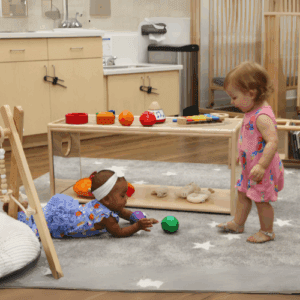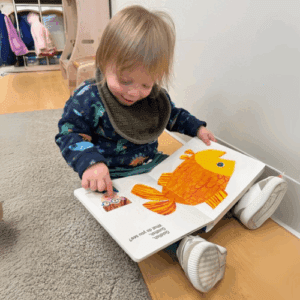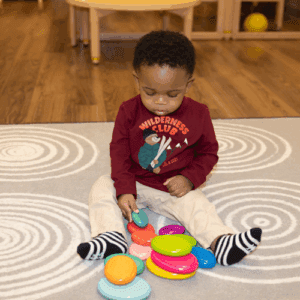
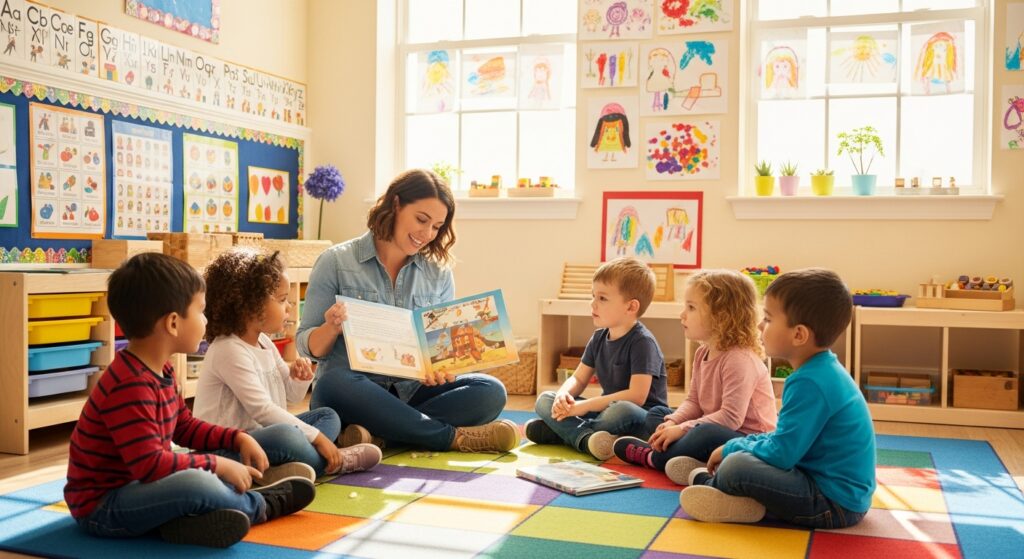
Is your 2-year-old suddenly insisting on doing everything “by myself”? Are they showing more interest in other children at the playground? These shifts are exciting, but they often bring up a big question: is it time for preschool? Recognizing these signs of growing independence is the first step. This article will help you identify if your child is ready for a group learning environment. More importantly, it provides simple, actionable advice on how to prepare your 2 year old for preschool, making their first school experience a confident and happy one from day one.
This guide walks you through the key developmental signs of preschool readiness, practical ways to prepare your child, and what to look for in a program that truly supports 2-year-olds.
What Does ‘Preschool Ready’ Mean for a 2-Year-Old?
Preschool readiness is not about knowing the alphabet or being able to sit still for long periods. At age 2, readiness is really about a child’s emerging independence, their curiosity about the world around them, and their growing ability to communicate needs and emotions.
Readiness looks different for every child. Some 2-year-olds are eager to explore new environments, while others need a little more time and support. Neither response is right or wrong. What matters is finding a program that meets your child where they are.
A quality early learning program for 2-year-olds focuses on building foundational skills through play, exploration, and nurturing relationships rather than formal academics.
Key Signs Your Toddler is Ready for Preschool
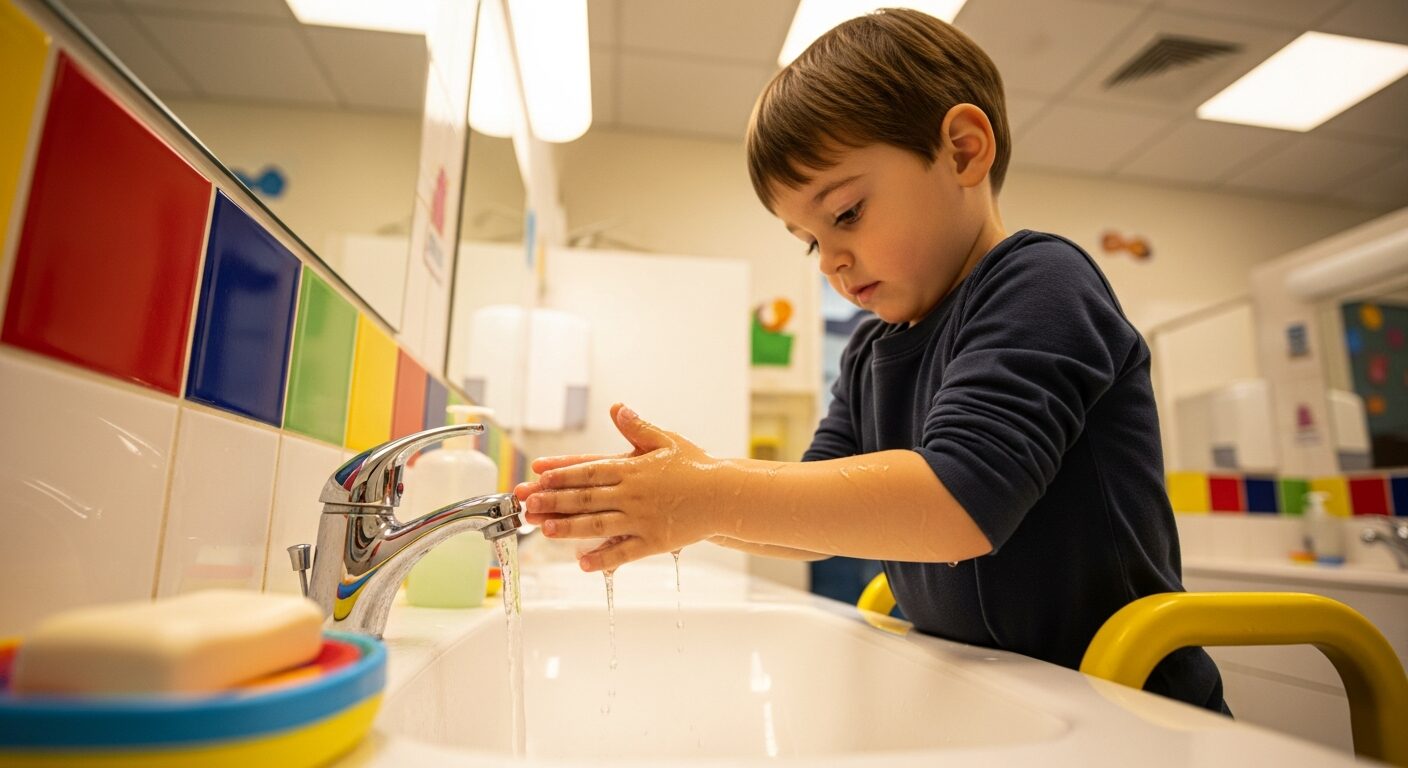
Understanding where your child is developmentally can help you feel more confident about the timing. Here are the key areas to observe.
Expressing Needs & Following Directions
By age 2, many children are beginning to use short phrases, point to objects they want, and follow simple directions. These communication milestones are important signals:
- Uses words or gestures to express basic needs like hunger, thirst, or discomfort
- Follows simple instructions such as “put the toy in the basket” or “come here”
- Points to familiar objects or people when asked
- Responds to their name consistently
Your child does not need to speak in full sentences to be ready for preschool. Many toddler programs are specifically designed to support language development through conversation, songs, and storytelling.
Handling Emotions & Making Friends
Social readiness at age 2 often looks like curiosity about other children rather than full cooperative play. Watch for these signs:
- Shows interest in other children, even if play is mostly side by side (parallel play)
- Can separate from a parent or caregiver for short periods, even if it takes some reassurance
- Begins to show empathy, such as looking concerned when another child is upset
- Expresses emotions, even if they still need help managing big feelings
Separation anxiety is very common at this age and does not mean your child is not ready. A supportive classroom with warm, consistent teachers helps children build trust and confidence over time.
How Independent Is Your Toddler?
Two-year-olds are naturally driven to do things on their own. This growing independence is one of the clearest signs of readiness:
- Wants to feed themselves, even if it gets messy
- Tries to put on shoes or clothing with some help
- Helps with simple tasks like picking up toys or wiping a table
- Can sit and focus on an activity for a few minutes at a time
These skills do not need to be fully developed. Preschool is where children continue to build independence with the guidance of trained educators.
Are Their Motor Skills Ready for Preschool?
Physical milestones also play a role in preschool readiness:
- Walks and runs with increasing coordination
- Climbs on and off furniture or playground equipment
- Begins to use crayons, markers, or finger paint
- Can hold a cup and use utensils with some success
Active exploration is a core part of any quality toddler program. Children at this age learn through movement, sensory play, and hands-on discovery.
Is It Better to Wait? Signs Your Toddler Isn’t Ready Yet
Not every 2-year-old is ready for a group learning environment, and that is perfectly okay. Consider waiting if your child:
- Becomes extremely distressed when separated from caregivers and does not calm down over time
- Shows very little interest in other children or new environments
- Is going through a major transition, such as a new sibling, a move, or a change in routine
- Has health or developmental concerns that a pediatrician recommends addressing first
If you are unsure, talking with your pediatrician or visiting a daycare for 2-year-olds can help you make a more informed decision. Many programs offer trial visits so you and your child can get a feel for the environment.
How to Prepare Your 2-Year-Old for Preschool
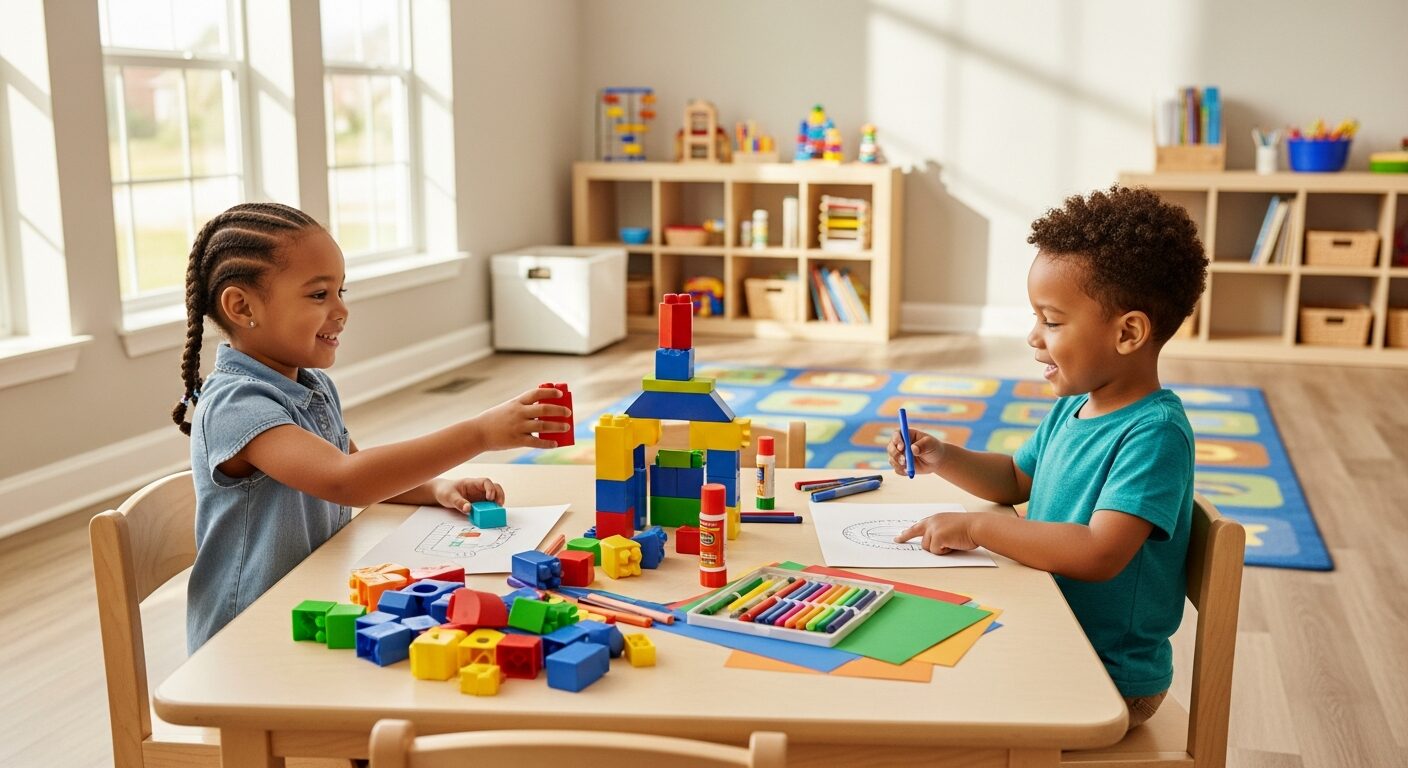
Once you have decided the timing feels right, there are simple ways to ease the transition.
Establish a Solid At-Home Routine
Children thrive on consistency. Start practicing a morning routine that mirrors what a preschool day might look like: breakfast, getting dressed, and a short activity before heading out. Predictable routines reduce anxiety and help children feel secure.
Ease into It with Short Separations
If your child has not spent much time away from you, start with small steps. Leave them with a trusted family member or friend for an hour, then gradually increase the time. This builds confidence for both of you.
Read Books About Preschool Adventures
There are many wonderful picture books about going to school for the first time. Reading these stories together helps your child understand what to expect and gives them language to talk about their feelings.
Book Ideas to Get Started
Stories are a powerful tool. Reading books about starting school helps your child understand what to expect, easing their transition into a new environment. It’s a simple way to partner with your child to build excitement and address any worries they might have. Some wonderful titles to explore together include:
- Llama Llama Misses Mama by Anna Dewdney, which gently handles the feelings of missing a parent.
- Maisy Goes to Preschool by Lucy Cousins, a cheerful book that shows all the fun activities of a typical day, from painting to snack time.
- The Kissing Hand by Audrey Penn, which offers a sweet and tangible way for children to feel connected to their parents even when they’re apart.
Visit the School Before Day One
Many preschool programs offer tours or open house events where you can explore the space together. Let your child see the toys, meet a teacher, and get comfortable in the new environment before their first day.
Talk About School in an Exciting Way
Use simple, reassuring language: “You are going to meet new friends and play with fun toys. Your teacher will take care of you, and I will pick you up after snack time.” Keep conversations warm and confident.
Practice Practical Self-Help Skills
Empowering your child with basic self-help skills can make a huge difference in their confidence as they enter a new environment. Preschool classrooms are busy places, and children who can manage simple tasks on their own often feel more capable and ready to participate. These skills are not about perfection; they are about fostering a sense of independence. Practicing these small but significant tasks at home helps your child build the muscle memory and confidence they need to feel comfortable and competent in a group setting, allowing them to focus more on learning and playing with their new friends.
Mastering Lunchtime
Lunchtime in a preschool classroom is a social and bustling part of the day. You can help your child feel prepared by letting them practice with their lunchbox at home. Teach them how to open their own lunchbox, unscrew the lid on their water bottle, and open various food containers. This small step gives them a big sense of accomplishment and ensures they can access their food without having to wait for a teacher’s help. Pack their lunch in the same containers they will use for school and have a few “practice picnics” in the living room or backyard to make it fun.
Dressing for Success
Preschoolers are constantly on the move, from playing inside to exploring the outdoors. Encourage your child to practice taking off their coat and hanging it on a low hook, putting on their own shoes (Velcro is your best friend here!), and pulling up their pants after using the bathroom. These simple acts of self-dressing are fundamental to the daily routine of a classroom. When your child can manage these tasks, it frees them up to join activities more quickly and gives them a powerful feeling of “I can do it myself,” which is a cornerstone of toddler development.
Encourage Basic Hygiene and Cleanup
Good hygiene is essential in a group care setting. At home, you can practice the foundational skills that will help keep everyone healthy. Teach your child how to wash their hands properly with soap and water, especially before eating and after using the bathroom. Show them how to blow their nose into a tissue and then throw the tissue away. You can also involve them in simple cleanup tasks, like wiping up a small spill with a cloth or helping put toys back in a bin. These habits not only promote a healthy and safe environment for all children but also teach responsibility.
Nurture Their Social and Emotional Skills
Entering a classroom full of new faces can be overwhelming for a 2-year-old. Their social and emotional readiness is just as important as their practical skills. This is the time to focus on giving them the tools to understand their own feelings and interact with others. By talking about emotions and practicing simple social scripts, you provide a foundation for them to build relationships and handle the new social dynamics of a preschool classroom. This preparation helps them feel more secure and understood, making it easier to connect with teachers and peers in their new community.
Talk About Feelings and Expectations
Your child will likely have a lot of feelings about starting preschool, and it is important to validate all of them. Let your child talk about their fears, whether it is “Will you come back to get me?” or “What if I miss you?” Reassure them that it is normal to feel a little scared or worried when starting something new. Talk about the fun things they will do, the friends they will make, and the exciting new toys they will play with. Keeping the conversation open and honest helps them process their emotions and builds a sense of trust and security around the upcoming change.
Teach Simple Social Scripts and Calming Strategies
Give your child the words to use in common social situations. For example, you can teach them to say, “Can I have a turn?” or “I don’t like that” if another child does something that makes them uncomfortable. Practice these phrases at home through role-playing with stuffed animals. It is also helpful to teach simple calming strategies, like taking a deep breath or finding a quiet corner when they feel overwhelmed. These tools empower your child to handle interactions with more confidence and are skills that we reinforce daily by partnering with parents to support their child’s development.
Create a Smooth Drop-Off Routine
The goodbye at drop-off can be one of the most challenging parts of the preschool transition for both children and parents. Creating a predictable and positive routine is the key to making this moment feel safe and manageable. A smooth drop-off sets a positive tone for the rest of the day, helping your child transition from your care to the classroom environment with confidence. Remember that the goal is to show your child that you are confident in their ability to handle this new adventure and that you trust the people who will be caring for them.
Plan a Gradual Start
If your schedule and the school’s policies allow, consider easing into the new routine. Instead of jumping straight into a full-day schedule, you might start with just an hour or two for the first few days. Some children benefit from a partial-day schedule for the first week, gradually extending the time as they become more comfortable. This gradual introduction can be especially helpful for a child who has never been in care outside the home before. It gives them time to acclimate to the new environment, teachers, and peers without feeling overwhelmed by a long day.
Establish a Goodbye Ritual
A special goodbye ritual can provide immense comfort and predictability during drop-offs. This does not need to be elaborate; it can be as simple as two hugs, a high-five, and a “see you after snack time!” or a special kiss you “put” in their palm to hold onto during the day. Whatever you choose, keep it consistent every single day. This predictable sequence signals to your child that it is time for you to leave but that you will be back, making the separation feel less abrupt and more secure. The ritual becomes a comforting anchor in their new routine.
Trust the Teachers and Resist Lingering
Once you have completed your goodbye ritual, it is important to leave promptly. Lingering after you have said goodbye can send mixed signals and often makes the separation harder for your child. It is natural for them to be sad or cry, but trust that their teachers are prepared to comfort them and redirect their attention to a fun activity. Our exceptional educators are experienced in helping children through this transition. A quick, confident, and loving goodbye shows your child that you trust their teachers and that you know they are in a safe and wonderful place.
Choosing the Right Preschool: What to Look For
Choosing the right program is just as important as deciding when to start. Here are the qualities that matter most for this age group.
Check for a Low Student-to-Teacher Ratio
Two-year-olds need a lot of individual attention. Look for programs with small class sizes and enough teachers to give each child the care and interaction they need throughout the day.
Meet the Teachers: Look for Experience & Warmth
Teachers who specialize in early childhood development understand how 2-year-olds learn. They know that toddlers communicate through behavior, and they respond with patience, warmth, and developmentally appropriate strategies.
Prioritize a Play-Based Curriculum
At this age, learning happens through play, exploration, and hands-on activities. A strong program for 2-year-olds incorporates sensory play, art, music, movement, and outdoor time into every day.
Programs that follow research-based approaches, such as the Reggio Emilia philosophy, emphasize following each child’s interests and supporting their natural curiosity.
Does the Classroom Feel Safe and Inviting?
The physical space should feel warm, organized, and designed for small children. Look for age-appropriate materials, secure outdoor play areas, and a clean, well-maintained facility.
Inquire About Health and Safety Protocols
Your peace of mind is paramount. When you tour a school, ask detailed questions about their health and safety policies. A high-quality program will have clear procedures for everything from daily cleaning and illness prevention to emergency drills. Find out how they communicate with parents about illnesses, what their staff’s first aid and CPR certifications are, and how they secure the building. A school that is transparent and thorough about its safety measures shows a deep commitment to protecting every child in its care, allowing you to feel confident when you say goodbye at drop-off.
Managing Food Allergies Safely
For parents of children with food allergies, safety is an even more specific concern. Research shows that young children are at the highest risk for food allergy reactions in early care settings. A prepared school should have a detailed plan. Ask if they require an emergency care plan for every child with a known allergy and how staff are trained to recognize reactions and administer epinephrine. Also, inquire about their cleaning protocols. Since hand sanitizer does not remove food allergens, look for a program that enforces strict hand washing with soap and water for both children and staff before and after meals.
How Will the School Keep You in the Loop?
A good preschool keeps families informed and involved. Whether through daily updates, parent-teacher conferences, or an open-door policy, strong partnerships with parents make a real difference in a child’s experience.
Frequently Asked Questions
What is the best age to start preschool?
There is no single “best” age. Many children thrive when they begin a quality early learning program around age 2, while others do best starting closer to age 3. The right time depends on your child’s individual development, temperament, and your family’s needs.
Can a 2-year-old handle a full-day preschool program?
Yes, many 2-year-olds do well in full-day programs, especially when the schedule includes plenty of rest time, free play, and a balance of structured and unstructured activities. Look for a program that follows a developmentally appropriate daily routine.
How long does it take for a 2-year-old to adjust to preschool?
Most children need two to four weeks to settle into a new routine. Some adjust within days, while others take a bit longer. Consistent drop-off routines and a warm, patient teaching team make the transition smoother.
What if my child cries at drop-off?
Crying at drop-off is very common, especially in the first few weeks. It does not mean your child is not ready. Most children calm down within minutes of their parent leaving and go on to have a great day. Trust the process, and communicate openly with your child’s teachers.
Should my 2-year-old be potty trained before starting preschool?
Many preschool programs for 2-year-olds do not require potty training. Check with the specific program, but most quality early learning centers are equipped to support children at all stages of toilet training.
You’ve Got This: Making the Right Choice for Your Family
Deciding whether your 2-year-old is ready for preschool is a big moment, and the fact that you are researching it shows how much you care about getting it right. Trust your instincts, observe your child, and remember that readiness is a process, not a single moment.
If you are exploring early learning options in the Shelton, Trumbull, or Wilton, Connecticut area, we would love to show you what a supportive, research-based program looks like for 2-year-olds. Book a tour to visit our classrooms and see how we help every child build a strong start.
Key Takeaways
- Readiness is about social and emotional growth: Look for signs of readiness in your child’s budding independence, like wanting to do things themselves, and their growing curiosity about other kids, rather than focusing on academic benchmarks.
- Small, consistent practices make a big difference: Ease the transition to preschool by establishing predictable home routines, practicing simple self-help skills like opening a lunchbox, and creating a quick, loving goodbye ritual.
- The right environment is nurturing and play-based: Choose a program with warm, experienced teachers, small class sizes, and a curriculum centered on exploration and discovery, as this is how 2-year-olds learn best.
Related Articles
- Is Your 2-Year-Old Ready for Preschool? Key Signs and How to Prepare
- Is Preschool for 2 Year Olds the Right Choice?
Written By
Marc Hoffman
Founder, Strong Start Early Care & Education
Marc founded Strong Start in 2014, inspired by his studies at Williams College, Yeshiva University, and research at Yale University. His child-centered, inquiry-based approach to early education has helped hundreds of families in the Trumbull and Bridgeport communities. As a parent himself, Marc understands the importance of finding a nurturing environment where every child can learn, grow, and flourish.