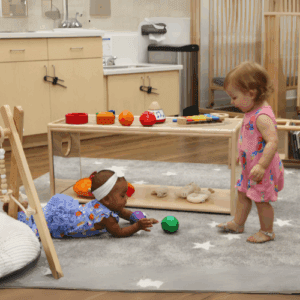
When your two-year-old wraps their arms around your leg and refuses to let go, it’s not a sign of defiance—it’s a sign of love. Those tearful goodbyes are a powerful, healthy indicator of the secure attachment they have with you. For a toddler, you are their safe space, and separating can feel overwhelming. Understanding the developmental reasons behind 2 year old separation anxiety preschool is the first step to helping them through it. This isn’t a problem to be fixed, but a phase to be supported. Ahead, we’ll explore what’s happening in your child’s growing mind and share actionable ways to honor their feelings while gently guiding them toward independence.
Key Takeaways
- Lay the groundwork before the first day: Help make the unknown feel familiar and exciting by practicing short separations at home, establishing a school-like routine, and reading positive books about making new friends and having fun at school.
- Create a predictable and positive drop-off routine: A special goodbye ritual that is loving, consistent, and brief is one of the most effective tools. Your calm and confident attitude is contagious and reassures your child that they are in a safe, happy place.
- Lean on your school as a partner: Communicate openly with your child’s teachers. They are experts in helping children adjust and can work with you to create a consistent strategy, offer support, and provide updates to ease your own worries.
What is Separation Anxiety in 2-Year-Olds?
If the thought of preschool drop-off fills you with a mix of excitement for your child and a little bit of dread, you’re not alone. Many parents worry about how their two-year-old will handle the separation. The good news is that those tearful goodbyes are often a sign of a completely normal and healthy stage of development called separation anxiety. Understanding what it is, why it happens, and what it looks like can help you and your child move through this phase with confidence.
Defining separation anxiety
So, what exactly is separation anxiety? Simply put, it’s the distress a child feels when they are separated from their primary caregivers. You might see it when you leave them with a new babysitter or drop them off at their preschool classroom. It’s their way of saying, “Hey, you’re my safe person, and I’m not sure about this new situation without you!” While it can be tough to watch, this reaction is a natural part of their emotional development. It shows they’ve formed a strong, secure attachment to you, which is a wonderful foundation for them to build other healthy relationships in the future.
Why it’s common for toddlers
Separation anxiety is a universal experience for young children. It often appears around eight months, gets stronger between one and one-and-a-half, and usually starts to fade by age three. For two-year-olds, it’s especially common as they become more aware of their surroundings and their dependence on you. They don’t have a solid concept of time yet, so when you leave, they don’t understand that you’ll be back soon. Remember, this is a sign of a healthy bond. It means you’ve done an amazing job creating a secure and loving connection with your child, and our exceptional educators are trained to help them build that same trust at school.
Signs to watch for
How do you know if it’s separation anxiety? The signs can be pretty clear. You might notice your child becoming extra clingy, crying, or even having a tantrum when you try to leave them at school. Some children might protest going to preschool altogether or have trouble sleeping alone at night. These behaviors are their primary way of communicating their feelings of uncertainty. While it can be heartbreaking to see them so upset, it’s helpful to know that these are all very typical reactions for this age. Recognizing these signs is the first step in helping your little one adjust to their new routine.
How to Prepare Your 2-Year-Old for Preschool
The weeks leading up to the first day of preschool are the perfect time to lay a foundation of confidence and familiarity for your child. By taking small, intentional steps together, you can transform an unknown experience into an exciting adventure. These practices help demystify the idea of school and build the trust your little one needs to step into the classroom feeling secure and ready to learn. Think of it as building a bridge from the comfort of home to the wonderful world of their new school community.
Start with short separations at home
Before your child separates from you at school, it helps to practice at home. Start with very short periods apart, like leaving them to play in a safe room by themselves for 15 minutes while you’re in the kitchen. You can gradually work up to leaving them with a trusted grandparent or friend for an hour. Each time you leave, offer a calm, simple goodbye and a smile. When you return, give them a warm hug. These mini-separations aren’t about pushing them away; they’re about teaching a crucial lesson: you always come back. This simple, repeated experience builds a core sense of security that they will carry with them on their first day.
Create a preschool-like routine
Toddlers thrive on predictability. A consistent routine helps them feel safe because they know what to expect next. Weeks before school starts, begin shifting your daily schedule to mirror a preschool day. This might mean waking up, eating breakfast, and getting dressed around the same time you’ll need to for school drop-off. You could even introduce a “circle time” with a book or a “craft time” with some crayons. By easing into the rhythm of a school day, you help their internal clock adjust, making the actual transition feel less like a sudden change and more like a natural next step. You can get a feel for a typical day by learning about our daily classroom schedules.
Practice independence skills
A little independence goes a long way in building a child’s confidence. In a bustling classroom, teachers are there to help, but children who can do a few things for themselves often feel more capable and at ease. You can practice simple skills at home in a fun, low-pressure way. Encourage your toddler to try putting on their own shoes, pulling up their pants after using the potty, or washing their hands by themselves. Celebrate their efforts, even if the shoes are on the wrong feet! These small wins help them see themselves as capable, which is a huge asset when they join a new classroom and navigate tasks alongside their peers.
Read books about starting school
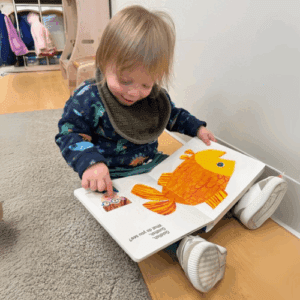
Stories are a wonderful way to introduce your child to the idea of preschool. Reading books about characters who are starting school helps your child visualize what it will be like and gives them words for the feelings they might be experiencing. Look for books with friendly illustrations and positive messages about making friends, playing with new toys, and meeting kind teachers. As you read, you can talk about the pictures and ask questions like, “Look at all those fun blocks! What would you build?” This makes school feel like a familiar story they get to be a part of, rather than a completely unknown place.
Visit the preschool together
Nothing makes a new place feel less intimidating than exploring it with a trusted parent by your side. Before the first day, be sure to visit the preschool with your child. Walk through the classroom, point out the different play areas, and take a turn on the playground slide. If possible, introduce them to their new teachers. This visit turns the abstract idea of “school” into a real, tangible place they’ve already been to. It helps replace feelings of uncertainty with memories of a fun, welcoming environment. We love when families schedule a tour to see our schools and meet our team.
Talk positively about the new experience
Your attitude about preschool is contagious. When you talk about school, use positive and exciting language. You can say things like, “You’re going to have so much fun painting and singing songs at your new school!” or “I can’t wait to hear about all the friends you’ll make.” Focus on the fun activities, the new friendships, and the caring teachers who are excited to meet them. By framing preschool as a wonderful opportunity, you help shape their expectations in a positive way. Your calm confidence becomes their calm confidence, assuring them that this new chapter is something to look forward to.
How to Make Preschool Drop-Offs Easier
The morning drop-off can be the hardest part of the day for both you and your child. Seeing them upset is heartbreaking, and it can leave you feeling worried for the rest of your morning. But with a few consistent strategies, you can transform tearful goodbyes into smooth transitions. The key is to create a predictable and reassuring routine that helps your child feel secure and confident as they start their day. It’s completely normal for toddlers to feel a pang of anxiety when separating from their primary caregivers—in fact, it’s a sign of their strong and healthy attachment to you! The goal isn’t to eliminate these feelings entirely, but to give your child the tools and confidence to work through them. By approaching drop-off with a clear plan, you can provide the stability they need to feel safe. Remember, this phase is temporary. As your child builds relationships with their teachers and friends and learns the daily rhythm of their classroom, their confidence will grow. These small adjustments can make a world of difference, building trust and helping your little one understand that you will always come back. Here are some practical steps you can take to make drop-offs a more positive experience for everyone.
Create a special goodbye ritual
A special goodbye ritual is a simple, predictable set of actions you do every single time you leave. It signals to your child that it’s time to separate, but in a loving and secure way. This could be a secret handshake, a high-five followed by a hug, or a silly “see you later, alligator” exchange. According to the American Academy of Pediatrics, these quick goodbye routines help manage anxiety. The ritual itself doesn’t matter as much as its consistency. It becomes a comforting, familiar moment that your child can count on, replacing uncertainty with a clear and positive end to your time together.
Keep goodbyes short and sweet
This might be the toughest tip to follow, but it’s one of the most effective. When your child is crying, your instinct is to stay and comfort them. However, lingering often makes their anxiety worse. A prolonged goodbye can send a mixed message, making your child think that if they cry long enough, you might stay. Instead, once you’ve completed your special ritual, give them a final hug and kiss, say a confident “I love you, and I’ll be back after naptime,” and then leave. A swift, loving departure shows them you’re confident in their ability to handle the separation, which in turn helps them feel more secure.
Bring a comfort item from home
A small piece of home can provide immense comfort in a new environment. Allowing your child to bring a transitional object, like a favorite stuffed animal, a small blanket, or even a laminated family photo, can help them self-soothe when they feel anxious. This item serves as a tangible link to you and the security of home. Talk to your child’s teacher about the school’s policy on comfort items. Often, they can keep the item in their cubby and access it when they need a little extra reassurance. As your child becomes more comfortable, they will naturally rely on it less.
Stay calm and confident
Your child takes their emotional cues from you. If you appear anxious, stressed, or sad during drop-off, they will pick up on those feelings and assume there is something to be worried about. Even if you’re feeling a little heartbroken inside, project a calm, confident, and positive attitude. Smile, speak in an upbeat tone, and remind them of all the fun things they’ll do at school. Your confidence is contagious. When you show them that you trust their teachers and know they are in a safe, happy place, it helps them believe it, too.
Be consistent with your routine
Toddlers thrive on predictability. A consistent drop-off routine helps them understand what to expect each day, which reduces anxiety and builds a sense of security. Try to arrive at school around the same time and follow the same steps in the same order. For example: hang up their coat, put their lunchbox away, wash hands, read one quick story in the reading corner, and then begin your goodbye ritual. This structure helps your child feel in control and builds their trust that school is a safe and predictable place. Over time, the routine itself becomes a source of comfort.
Partner with their teacher
You and your child’s teacher are a team. Open communication is essential for a smooth transition. Share what works to soothe your child at home and let the teacher know about your drop-off plan. They are experts in this area and can offer incredible support, often having a special activity ready to distract and engage your child right after you leave. At Strong Start, we believe in partnering with parents to create the best experience for every child. Don’t hesitate to ask the teacher to send a quick update a little while after you’ve left. A simple message or photo showing your child happily playing can ease your own worries.
When to Seek Professional Help
It’s completely normal to worry when your child is having a hard time with separation. Most of the time, these feelings fade as your little one gets used to their new routine. But sometimes, the anxiety is more intense or lasts longer than expected. Trust your instincts—you know your child best. If you feel like their anxiety is getting in the way of their happiness and daily life, it might be time to seek some extra support. Knowing what to look for can help you decide when to reach out for professional guidance.
Signs the anxiety is severe or persistent
A few tears at drop-off are one thing, but if your child’s distress is intense, happens frequently, and doesn’t seem to get better over several weeks, it could be a sign of something more. A key indicator is when the anxiety prevents them from participating in age-appropriate activities. You might also notice an extreme and persistent worry about being away from you or a fear that something terrible—like getting lost or sick—will happen to you or them while you’re apart. This goes beyond typical toddler worries and can be a signal to check in with a professional.
When it impacts daily life and development
Separation anxiety becomes a concern when it starts to interfere with your family’s daily life or your child’s development. For example, if your child refuses to go to a friend’s house, visit grandparents, or even be in another room at home without you, it might be time to talk to someone. While separation anxiety is common in toddlers, it generally lessens as they get older and more confident. If you’re worried that your child isn’t adjusting or that their anxiety is holding them back, we believe in partnering with parents to find solutions together.
Physical symptoms to look for
Sometimes, anxiety shows up in physical ways. Your child might complain of frequent stomach aches or headaches, especially on school days or when a separation is about to happen. Sleep can also be a major indicator. If your child has trouble falling asleep, insists on co-sleeping when they didn’t before, wakes up often during the night, or has recurring nightmares about being separated, their body might be telling you they’re struggling. Paying attention to these physical cues can give you a fuller picture of how they’re feeling.
Who to talk to for support
If you have concerns, your child’s pediatrician is always the best first stop. They can help you determine if what your child is experiencing is a typical phase or if it warrants a closer look. Your doctor can rule out any other medical issues and, if needed, refer you to a child psychologist or therapist. Your child’s teachers are also a valuable resource. Our exceptional educators can share observations from the classroom and work with you to create a consistent, supportive plan for your child.
How a Quality Preschool Supports Anxious Children
Choosing a preschool is a big step, and it’s completely normal to worry about how your child will adjust. The good news is that a high-quality early learning center is designed to help children through this transition. The right school won’t just care for your child; they will actively work with you and your little one to build confidence and make them feel secure. From the classroom environment to the teachers themselves, every element is intentionally structured to turn a tearful goodbye into a happy and engaging day of learning and discovery. A great preschool becomes a partner, providing the support and strategies needed to help your child thrive.
Nurturing a consistent, caring environment
Predictability is incredibly comforting for a two-year-old. When children know what to expect, they feel safe and in control. A quality preschool provides a consistent daily rhythm of activities, from circle time and snacks to outdoor play and quiet rest. This reliable routine helps anxious children settle in because they quickly learn the flow of their day. Beyond the schedule, the classroom itself is a warm and welcoming space filled with engaging materials that invite curiosity and play. This focus on creating a secure and predictable setting is a cornerstone of helping your child feel comfortable, allowing them to relax and open up to new experiences. You can see an example of this in your child’s day at Strong Start.
Building trust between children and teachers
The bond between your child and their teacher is the most important piece of the puzzle. A warm, responsive educator can make all the difference for a child feeling separation anxiety. Our exceptional educators are skilled at tuning into a child’s needs and offering gentle reassurance. One simple but powerful strategy is having the same teacher greet your child every single morning. This consistency helps build a trusting relationship, giving your child a familiar, friendly face to connect with as soon as they arrive. Over time, that teacher becomes a secure base at school, someone your child knows they can turn to for comfort, support, and fun.
Using gentle transition strategies
Experienced teachers have a toolbox of gentle strategies to make drop-offs smoother. They understand that a long, drawn-out goodbye can often make a child’s anxiety worse. Instead, they help you establish a quick and loving goodbye ritual. Once you leave, teachers are experts at redirecting your child’s attention to a fun and engaging activity, like a sensory table, a puzzle, or a favorite toy. Our toddler classrooms are intentionally designed to capture a child’s interest and draw them into play. This immediate engagement helps shift their focus from the goodbye to the fun that awaits, easing their transition into the school day.
Partnering with parents through the adjustment
You are your child’s first and most important teacher, and you should never feel like you’re going through this process alone. A true partnership between home and school is essential. We believe in partnering with parents through open and consistent communication. We encourage you to share your concerns and tell us what works best for your child at home. We are always happy to give you a call or send a message shortly after drop-off to let you know how your child has settled in. Working together as a team, we can share insights and strategies that ensure your child feels supported, confident, and happy at school.
Related Articles
- 4 Tips for Preparing for Preschool in Norwalk, CT – Strong Start
- 4 Tips for Preschool Parents for a Smooth Start – Strong Start
Frequently Asked Questions
How long does this phase of separation anxiety typically last? There isn’t a magic timeline, as every child is unique, but for most toddlers, the most intense period of separation anxiety at preschool drop-off lasts for a few weeks. As your child builds a trusting relationship with their teachers and becomes familiar with the daily routine, you’ll likely see the tears lessen and their confidence grow. The key is consistency from both you and the school during that initial adjustment period.
Is it a bad sign if my child doesn’t cry when I leave? Not at all! While tears are a very normal sign of a secure attachment, so is a child who confidently waves goodbye and happily joins their friends. It often means they feel secure in their bond with you and are also comfortable and excited about their school environment. Every child has a different temperament, and a smooth drop-off is a wonderful sign that they feel safe, prepared, and ready for their day.
I feel so guilty leaving my child when they’re crying. Am I doing the right thing? That feeling of guilt is completely understandable and felt by so many parents. It’s hard to walk away from your child when they’re upset. Remember that you are giving them a wonderful gift: the chance to build resilience, form new friendships, and learn from caring educators in a stimulating environment. By staying calm and confident in your decision, you are modeling strength for your child and showing them that school is a safe and positive place to be.
What if my child seems fine at drop-off but is clingy and emotional when I pick them up? This is actually very common and is sometimes called “after-school restraint collapse.” Your child works hard all day to follow directions, manage their emotions, and engage with others. When they see you, their safe person, they finally let go of all that pent-up feeling. It’s not a sign that they had a bad day; it’s a sign that they feel secure enough with you to release their emotions. A calm reunion with a snack and some quiet connection time can make a big difference.
Should I try sneaking out of the classroom to avoid a tearful goodbye? It can be tempting to slip away to avoid a scene, but this can actually make a child’s anxiety worse in the long run. When you disappear without saying goodbye, it can break their trust and make them feel insecure, wondering if you might vanish at any moment. A predictable, loving, and quick goodbye ritual, even if it causes a few tears initially, teaches your child that you always say goodbye and you always come back. This honesty is crucial for building their long-term security.
Written By
Marc Hoffman
Founder, Strong Start Early Care & Education
Marc founded Strong Start in 2014, inspired by his studies at Williams College, Yeshiva University, and research at Yale University. His child-centered, inquiry-based approach to early education has helped hundreds of families in the Trumbull and Bridgeport communities. As a parent himself, Marc understands the importance of finding a nurturing environment where every child can learn, grow, and flourish.