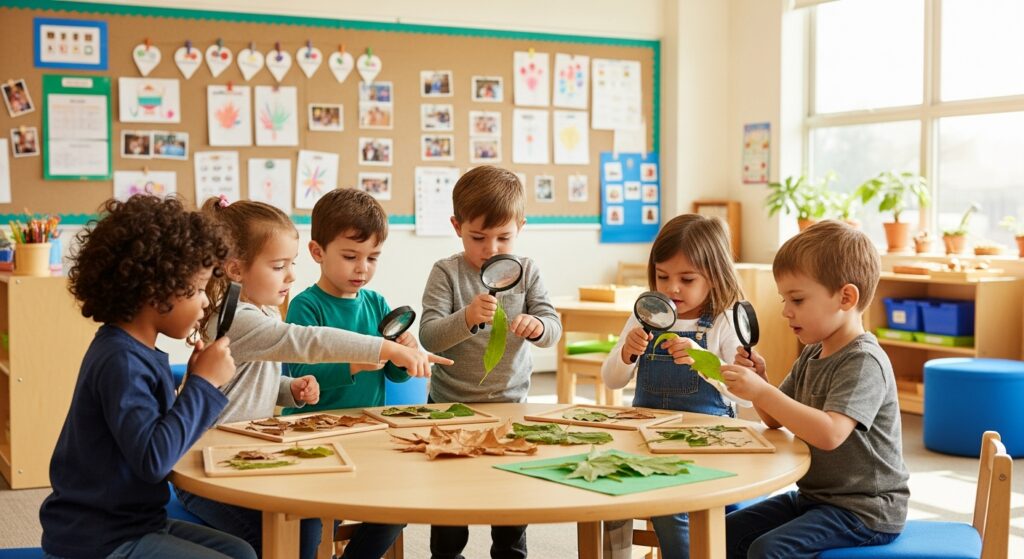
Your child asks why leaves change color. Instead of giving a quick answer, their teacher says, “Let’s find out together.” Over the next few weeks, your child collects leaves, sorts them by color, draws what they observe, and shares discoveries with classmates. By the end, they haven’t just learned about seasons. They’ve practiced science, math, art, communication, and teamwork, all from a single question they asked themselves.
This is early childhood project based learning in action. It’s a way of teaching that starts with children’s genuine curiosity and turns their questions into deep, meaningful investigations. For parents exploring early education options, understanding how project based learning works can help you choose a program that truly prepares your child, not just for kindergarten, but for a lifetime of confident learning.
What Is Project Based Learning in Early Childhood?
Project based learning (PBL) is an approach where children investigate real-world topics that matter to them over an extended period of time. Unlike traditional instruction where a teacher presents information and children listen, PBL puts children in the driver’s seat. Their interests, questions, and observations shape what happens in the classroom each day.
In early childhood settings, PBL is often connected to the Reggio Emilia approach, which views children as capable, curious individuals who construct their own understanding of the world. It’s also closely related to the Project Approach, a structured framework developed by Dr. Lilian Katz and Dr. Sylvia Chard that guides teachers in facilitating child-led investigations.
What makes PBL different from a simple theme or unit is depth. A “farm” theme might last a week and include coloring pages of animals. A farm project, on the other hand, might span several weeks as children visit a local farm, interview a farmer, grow their own seeds, compare different soils, and document their findings through drawings, photographs, and class discussions.
Why Project Based Learning Works for Young Children
Young children are natural investigators. They already learn by touching, testing, asking, and observing. Project based learning simply channels that natural drive into structured experiences that develop real skills.
It builds critical thinking early. When a child wonders why some things float and others sink, and then designs experiments to find out, they’re practicing the same scientific reasoning they’ll use throughout their education. Research published in the Early Childhood Research Quarterly shows that children in PBL classrooms demonstrate stronger problem-solving abilities than peers in traditional settings.
It strengthens language and communication. Projects give children real reasons to talk, listen, negotiate, and explain. A child presenting their findings to the class practices vocabulary, sentence structure, and public speaking in a meaningful context rather than through isolated drills.
It develops social-emotional skills. Working on a shared project requires cooperation, patience, and compromise. Children learn to listen to different perspectives, take turns leading, and manage frustration when experiments don’t go as planned. These are the exact skills that predict success in kindergarten and beyond.
It makes learning stick. Children remember what they discover through active investigation far longer than what they’re told to memorize. When your child builds a birdhouse because they became fascinated with birds in the schoolyard, the math skills they used to measure the wood become part of a meaningful experience, not an abstract worksheet.
What a PBL Classroom Actually Looks Like
If you walk into a child-centered preschool program that uses project based learning, you’ll notice a few things right away.
Documentation is everywhere. The walls display children’s drawings, photographs of their investigations, transcriptions of their conversations, and progress notes. This isn’t decoration. It’s a visual record of the learning process, and it helps children revisit and build on their own thinking.
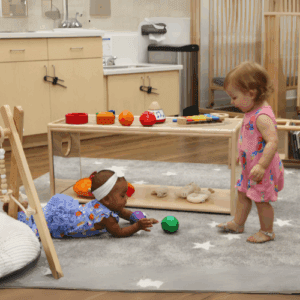
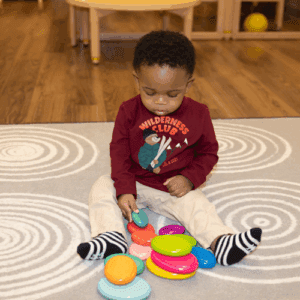
Materials are open-ended. You’ll see natural objects, recycled materials, art supplies, measuring tools, and magnifying glasses. These aren’t pre-packaged kits with one right answer. They’re invitations for children to explore, create, and experiment in their own way.
The teacher is a guide, not a lecturer. In a PBL classroom, the teacher observes carefully, asks thoughtful questions, and introduces new resources or experiences based on what children are interested in. They might say, “I noticed you’re curious about how bridges stay up. Would you like to try building one?” rather than, “Today we’re learning about bridges.”
Children are actively doing, not passively sitting. Small groups might be working on different aspects of the same project. One group sketches observations of a caterpillar. Another creates a chart tracking how it changes. A third builds a habitat from natural materials. Everyone is engaged because the work connects to their genuine interests.
The Three Phases of a Project
A well-structured project follows three phases, a framework outlined in the Project Approach. Understanding these phases helps you see how PBL goes far deeper than a typical classroom theme.
Phase 1: Beginning the Project
The project starts with a topic that emerges from children’s own interests or experiences. Maybe a child found a caterpillar on the playground, or the class noticed construction happening next door. The teacher facilitates a discussion to find out what children already know and what they want to learn. Children might draw their initial ideas, creating a “web” of questions and theories.
Phase 2: Developing the Project
This is where the real investigation happens. Children gather information through direct observation, experiments, field trips, and conversations with experts. A class studying water might visit a local stream, test what dissolves in water, and invite a parent who works in water treatment to talk with them. The teacher introduces new vocabulary, tools, and opportunities for representation. Children document their discoveries through drawings, building models, dictating stories, and creating charts.
Phase 3: Concluding the Project
Children reflect on what they’ve learned and share their findings with an audience, often parents, other classrooms, or the school community. This culminating event might include presentations, a gallery of their work, dramatic performances, or a class book. The sharing phase gives children a sense of accomplishment and reinforces their learning by requiring them to organize and communicate their ideas.
Project Based Learning Ideas for Preschool
One of the best things about PBL is that projects can emerge from almost anything that sparks children’s curiosity. Here are preschool project based learning ideas drawn from common interests at this age.
The Garden Project
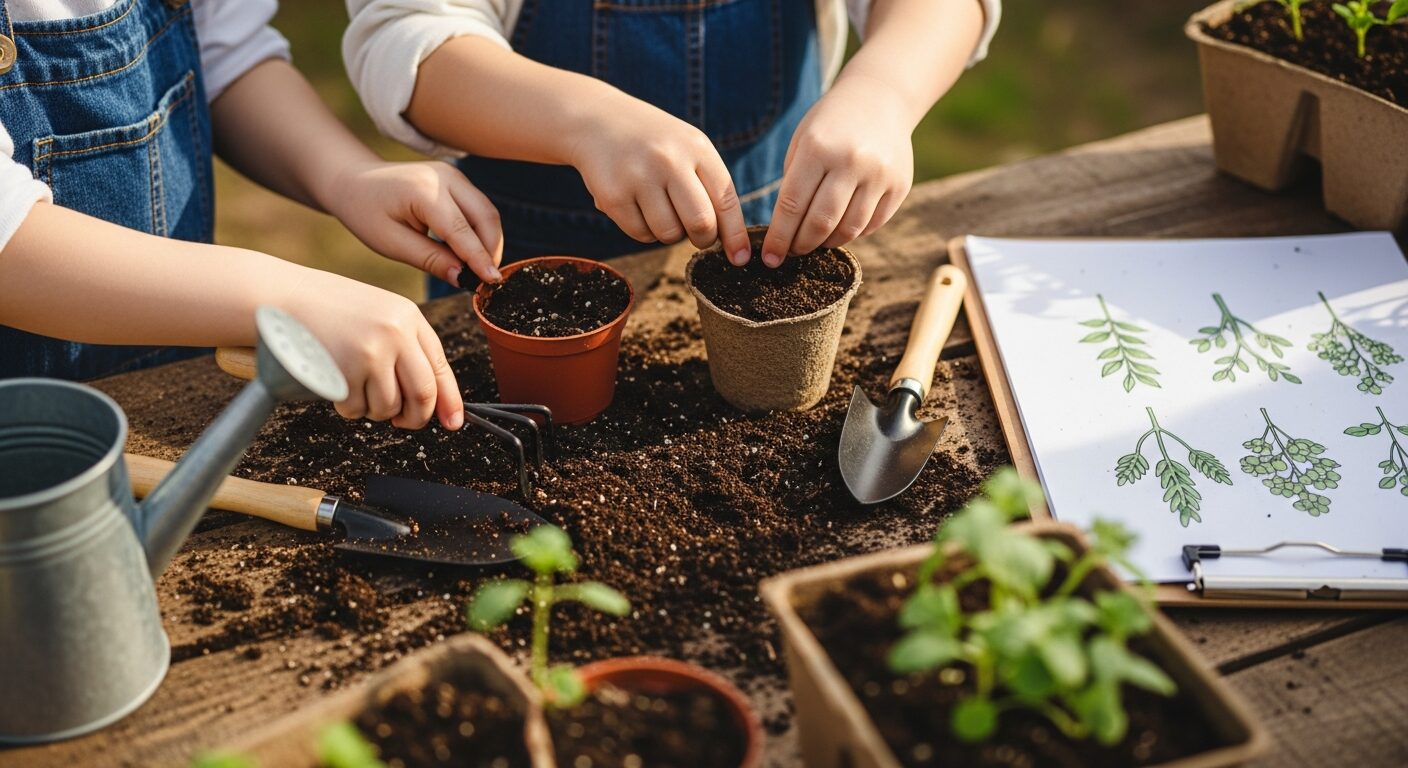
Children plant seeds, measure growth, compare different soil types, draw their plants at various stages, and learn about the life cycle of a plant. Skills practiced include measurement, observation, patience, and scientific documentation. This project naturally extends into nutrition discussions and cooking activities.
The Community Helpers Project
After a fire truck visits the school, children might investigate different community helpers. They interview a mail carrier, visit a fire station, and create a class book about “People Who Help Us.” This project builds social awareness, interview skills, and an understanding of their own neighborhood.
The Building and Construction Project
Sparked by construction near the school, children explore how structures are built. They experiment with blocks, test which shapes are strongest, draw blueprints, and construct their own buildings using recycled materials. Math concepts like measurement, symmetry, and geometry emerge naturally.
The Water Investigation
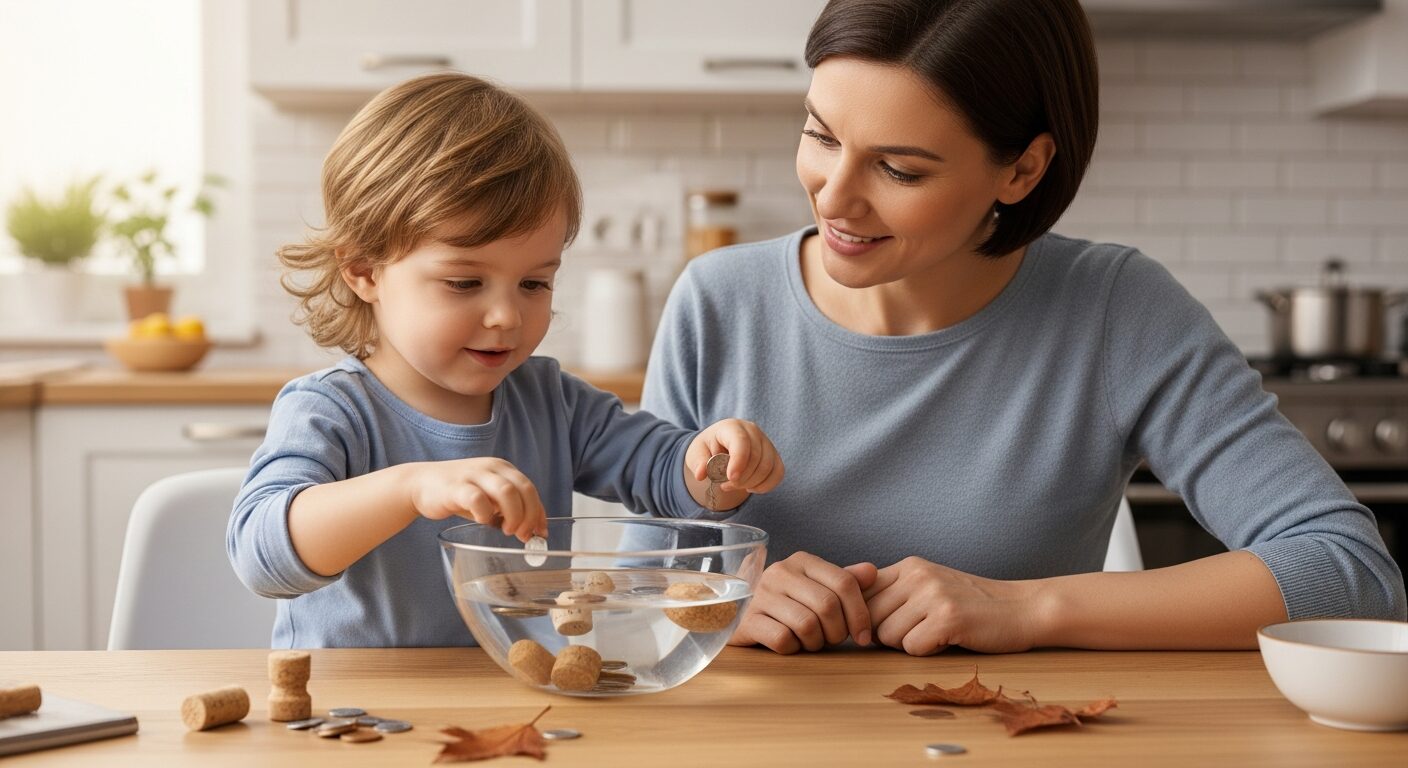
Children explore questions like: Where does water come from? Why do some things float? What happens when water freezes? They conduct sink-or-float experiments, create water flow systems, and learn about the water cycle through hands-on exploration.
The Bug and Insect Project
A natural fit for young learners, this project begins with observing insects on the playground. Children collect (and release) bugs, draw detailed observations using magnifying glasses, compare insects to non-insects, and create a class “field guide.” This project integrates science, art, literacy, and fine motor skills.
The Pet Store Project
After a child shares excitement about getting a new pet, the class creates a pretend pet store. Children research different animals, make habitat models, write care guides, and set up a dramatic play area. This project builds literacy through writing, math through pricing and counting, and empathy through caring for living things.
How to Support Project Based Learning at Home
You don’t need special training or materials to reinforce project based learning outside of school. The most impactful thing you can do is follow your child’s lead and show genuine interest in their discoveries.
Ask Open-Ended Questions
Instead of asking, “What did you learn today?” try, “What did you notice about your project?” or “What are you wondering about?” Open-ended questions encourage children to think more deeply and share more of their experience.
Provide Simple Materials
Keep a box of open-ended supplies at home: paper, tape, glue, scissors, recycled containers, natural objects like pinecones or shells, and art materials. When your child comes home excited about bridges, they’ll have what they need to keep investigating on their own.
Follow Their Interests
If your child is fascinated by birds, visit the library together to find bird books. Set up a bird feeder and keep a simple observation journal. Take a walk and count different species. You’re not teaching a lesson. You’re showing them that their curiosity matters and that learning happens everywhere.
Connect with Their Teachers
Ask your child’s teacher what project is currently underway. When you know the topic, you can naturally extend it at home. If the class is studying water, a trip to a creek or a simple experiment at the kitchen sink reinforces their classroom learning and shows your child that school and home are connected.
Resist the Urge to Direct
It’s tempting to correct or guide your child toward the “right” answer. But in PBL, the process matters more than the product. Let them build a tower that falls down. Let them try an experiment that doesn’t work. The problem-solving that happens in those moments is where the deepest learning occurs.
How to Know If a PBL Program Is Right for Your Child
Not every program that claims to offer project based learning implements it with the same depth or fidelity. Here’s what to look for when evaluating a project-based early learning center.
Ask about the length of projects. True PBL projects last weeks, not days. If a program cycles through a new “theme” every week, they may be doing thematic teaching rather than genuine project work.
Look for documentation. A program that practices PBL well will have visible documentation of children’s work, thinking, and progress. Ask to see examples of how they track and share a project’s development.
Ask how topics are chosen. In authentic PBL, topics emerge from children’s interests, not from a pre-set curriculum calendar. The teacher’s role is to notice what captivates children and build learning opportunities around those interests.
Observe the classroom environment. PBL classrooms look different from traditional ones. You should see children working in small groups, using a variety of materials, and engaged in active investigation rather than sitting at desks completing worksheets.
Ask about teacher training. Facilitating PBL requires specialized skills. Teachers need to know how to observe, document, scaffold, and extend children’s thinking. Ask how teachers are trained in the Project Approach or similar methodologies.
Frequently Asked Questions
What age is project based learning appropriate for?
Project based learning can begin as early as toddlerhood, though it looks different at each age. Toddlers might explore a topic through sensory play and simple observations, while preschoolers can engage in more structured investigations with documentation. The approach is adaptable to any developmental stage from infants through kindergarten and beyond.
How is project based learning different from play-based learning?
Play-based learning and PBL share many principles, especially the belief that children learn best through active engagement. The key difference is structure. PBL follows a defined investigation process with phases, documentation, and a culminating event. Play-based learning is broader and may not have the same level of intentional, sustained focus on a single topic.
Will my child still learn academic skills like letters and numbers?
Yes. Academic skills are woven naturally into every project. A child writing a list of questions is practicing letter formation and phonics. A child counting and comparing insects is doing math. A child describing their observations is building vocabulary and sentence structure. Research consistently shows that children in PBL programs meet or exceed academic benchmarks set for their age group.
What if my child doesn’t seem interested in the class project?
Skilled PBL teachers watch for varying levels of interest and engagement. They find ways to connect the project to each child’s strengths and preferences. A child who isn’t drawn to drawing might prefer building a model. A quieter child might contribute through photography or sorting materials. The flexibility of PBL allows every child to participate in a way that feels meaningful to them.
How does project based learning prepare children for kindergarten?
Kindergarten readiness isn’t just about knowing letters and numbers. It includes self-regulation, the ability to work with others, curiosity, persistence, and a love of learning. PBL develops all of these. Children who have spent time investigating topics deeply arrive at kindergarten confident in asking questions, collaborating with peers, and approaching new challenges with a problem-solving mindset.
Giving Your Child a Foundation That Lasts
Early childhood project based learning does something remarkable. It takes what children naturally do best, ask questions, explore, and make sense of the world, and turns it into the foundation of their education. Children who learn this way don’t just absorb facts. They develop the confidence, creativity, and critical thinking skills that will serve them for years to come.
If you’re looking for a program that values your child’s curiosity and prepares them for kindergarten through meaningful, hands-on experiences, we’d love to show you what project based learning looks like in our preschool classrooms. Schedule a visit and see it in action.