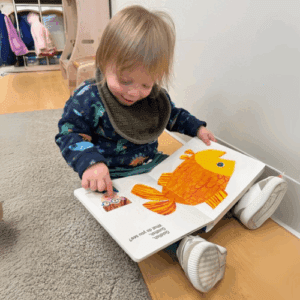

That knot in your stomach when you think about full-time daycare? It’s completely normal. The guilt, the worry, the second-guessing—I get it. But let’s reframe this decision. Choosing a nurturing, high-quality environment for your child is a loving and powerful act. You’re giving them a community, dedicated educators, and endless opportunities to grow. With full-time daycare availability being a real concern, finding the right spot is key. This article will help you move past the fears. We’ll talk through separation anxiety, sick days, and finding a true partner in your child’s teachers, helping you feel confident in your choice.
Key Takeaways
- Consistency fosters social and emotional growth: A full-time schedule provides a predictable routine and daily opportunities for peer interaction, which helps children feel secure, build their first friendships, and learn essential social skills like sharing and cooperation.
- A strong parent-teacher partnership is crucial for success: A smooth transition depends on open communication. Sharing insights about your child with their teachers and choosing a school whose philosophy aligns with your family’s values creates a supportive and consistent environment.
- Plan ahead for the practical challenges: It’s normal to encounter hurdles like sick days, separation anxiety, and budget adjustments. Creating a backup care plan and understanding the costs upfront will help your family manage these common situations with less stress.
What is Full-Time Daycare, Really?
When you hear “full-time daycare,” it generally means a program that offers care five days a week, typically for a full workday of about seven to nine hours. For many working families, this is the go-to option. It provides a reliable, consistent, and safe place for your child to spend their day while you’re at work. But it’s so much more than just a place for them to be. A high-quality full-time program is a structured environment where children learn, play, and socialize with their peers. It’s a community built just for them.
Think of it as your child’s home away from home, where they have a predictable rhythm to their day, surrounded by caring educators and friends. This consistency helps little ones feel secure and confident. It’s a place designed to support their growth at every stage, from the earliest days in an infant classroom to their final preparations for kindergarten. The goal is to create a seamless extension of the supportive environment you provide at home, making it a true partnership between your family and the educators. You’re not just dropping them off; you’re entrusting them to a team that cares deeply about their well-being and development, and who will share in the joy of their milestones right alongside you.
Full-Time vs. Part-Time: What’s the Difference?
Choosing between a full-time and part-time schedule is one of the first big decisions you’ll make, and there’s truly no one-size-fits-all answer. The best choice depends entirely on your family’s needs, your work schedule, and your child’s unique personality. A full-time schedule, with its daily consistency, often helps children adapt more quickly to the daycare environment. They get to know the routine, form strong bonds with their teachers and classmates, and fully immerse themselves in the classroom community. This regular interaction can make it easier for them to build those important early friendships and feel like they truly belong.
Pros and Cons of Part-Time Schedules
On the other hand, a part-time schedule can be a fantastic option, especially for families with more flexible work arrangements. It can be more affordable and offers a gentler transition for children who are new to a school environment, giving them a mix of classroom time and quiet time at home. This balance can feel just right for many families. However, it’s worth considering the potential downsides. With less frequent attendance, it might take your child a bit longer to settle into the classroom routine and build those strong, trusting relationships with their teachers and friends. It can also be trickier to find an open part-time spot, as many centers prioritize full-time enrollment to maintain consistency within the classroom.
Challenges of Full-Time Schedules
While a full-time schedule offers incredible benefits for social and emotional development, it’s important to acknowledge the challenges. The most obvious one is the cost, as full-time care is a significant financial commitment. Long days can also be tiring for little ones, especially in the beginning. You might find your child is exhausted and a bit cranky by the end of the day as they adjust to their new, stimulating environment. This is where a strong parent-teacher partnership becomes so important. Open communication about your child’s energy levels and needs can help educators provide extra quiet time or snuggles when needed, ensuring they feel supported throughout their day.
What a Typical Day Looks Like
A day in full-time care is a thoughtful blend of structured activities and free play, all designed to support your child’s development. While every center is different, your child’s day will likely include a mix of circle time for stories and songs, creative arts, hands-on projects, and plenty of outdoor time to explore and move their bodies. Meals and snacks are shared together, and a designated nap or quiet time helps everyone recharge. Each part of the day is an opportunity for learning—building with blocks becomes an early lesson in physics, while sharing toys helps develop crucial social-emotional skills. It’s a balanced, engaging rhythm that keeps children happy and learning.
The Real Pros of Full-Time Daycare
Deciding on full-time daycare is a major step for any family, and it’s natural to wonder if you’re making the right choice. While the logistics are one piece of the puzzle, it’s also helpful to focus on the incredible growth your child can experience. A high-quality, full-time program offers more than just supervision; it provides a rich environment where children can blossom socially, emotionally, and intellectually. Think of it as giving your child a dedicated space to practice new skills, build relationships, and discover their own capabilities, all with the guidance of caring professionals. These daily experiences create a strong foundation that will support them long after they’ve moved on to kindergarten. From learning how to navigate friendships on the playground to discovering a passion for building towering block structures, every day is filled with opportunities for learning and self-discovery. It’s a place where their natural curiosity is not just welcomed, but celebrated, setting the stage for a lifelong love of learning.
Helping Your Child Build Social Skills
One of the most significant benefits of full-time daycare is the daily opportunity for your child to be around their peers. In this group setting, children learn the delicate dance of social interaction—how to share a favorite toy, take turns on the slide, and use their words to solve disagreements. These early lessons in empathy, cooperation, and communication are fundamental. Under the gentle guidance of their teachers, children in our toddler classrooms and beyond begin to form their first friendships, building a sense of community and belonging. This consistent social exposure helps them become more confident and compassionate individuals.
Building a Foundation for School Readiness
A great daycare program is designed to prepare children for the next step in their educational journey. It’s not about flashcards and drills, but about sparking a genuine love for learning. Through play-based activities and exploration, children are introduced to foundational concepts in literacy, math, and science. For example, The Project Approach allows children to investigate topics that genuinely interest them, which helps them develop critical thinking and problem-solving skills. They learn to ask questions, test theories, and work together toward a common goal. This approach ensures that when they enter kindergarten, they arrive as curious, engaged, and capable learners.
The Data on Educational Outcomes
It’s one thing to talk about the benefits, but it’s another to see the proof. The research backs up what we see in our classrooms every day: high-quality early education makes a real difference. Studies show that children who attend these programs see significant positive outcomes. For instance, one report found that 97% of parents felt their child could approach challenges in new and creative ways after their daycare experience. Even more telling, 98% of parents and teachers agreed that these children developed a strong love for learning. This happens because a nurturing environment encourages children to explore their interests and ask big questions. When you have exceptional educators who partner with you, sharing insights and aligning on values, you create a consistent and supportive world for your child that sets them up for a lifetime of curiosity and confidence.
Why Kids Thrive on Routine
Young children thrive on predictability. A consistent daily routine helps them feel safe, secure, and in control of their world. Full-time daycare provides a reliable structure that children quickly learn to anticipate. From the morning welcome and circle time to meals, naps, and outdoor play, each part of the day flows into the next. This rhythm reduces anxiety and makes transitions smoother. Knowing what to expect allows children to relax and fully engage in learning and playing. You can get a better sense of this structure by learning more about what to expect from your child’s day in a full-time program.
Fostering Independence and Confidence
Daycare offers countless small moments for children to practice independence. Whether it’s learning to put on their own coat, pour their own water, or clean up their art supplies, these “I did it!” moments are huge confidence builders. Our exceptional educators are skilled at providing just the right amount of support, encouraging children to try things for themselves without stepping in too quickly. As children master new tasks, they begin to see themselves as capable and competent. This growing self-reliance is a critical part of their development, empowering them to take on new challenges with a positive and resilient mindset.
Tackling Common Daycare Challenges
Starting full-time daycare is a big step for the whole family, and it’s completely normal for it to come with a few bumps in the road. While every child’s adjustment is unique, some challenges are pretty common. The good news is that with a little preparation and a lot of grace for yourself and your little one, you can work through them together. Knowing what to expect can make all the difference, turning potential stressors into opportunities for growth and connection. Let’s walk through some of the typical hurdles and how you can handle them.
How to Handle Those Inevitable Sick Days
Let’s get this one out of the way: your child will probably get sick more often during their first year of daycare. It can be frustrating to juggle work and a sick little one, but try to remember that each cold is helping their immune system get stronger. Most of these illnesses are minor and short-lived. A high-quality center will have clear policies to keep everyone as healthy as possible. Look for a program that is transparent about its commitment to health and safety, with strict cleaning protocols and clear rules about when sick children should stay home. Prepare ahead by discussing a backup care plan with your partner or family.
Tips for Easing Separation Anxiety
Goodbyes can be tough, for both you and your child. A few tears are a normal and healthy sign of your strong attachment. To make drop-offs smoother, talk to your child about their new school in a calm and positive way. You can say things like, “Tomorrow, you’ll go to school and play with the big blocks, and then I’ll be back to pick you up after your snack!” This helps them imagine what’s coming next. A consistent, quick goodbye routine also helps. This is where partnering with your child’s teachers is key; they are experts at helping children transition into the classroom and will be your best ally in making your child feel secure.
Let’s Talk About Parental Guilt
It’s okay to feel a whole mix of emotions when your child starts daycare—excitement, relief, sadness, and yes, guilt. So many parents feel a pang of guilt about leaving their child, but you are making a thoughtful choice for your family. Remind yourself of all the positive reasons you chose this path: socialization for your child, a reliable routine, and the ability for you to focus on your career. Allow yourself to feel whatever comes up without judgment. Remember, choosing a nurturing and engaging environment for your child is a loving act. You’re giving them a place to learn, grow, and make new friends.
Managing After-Daycare Exhaustion
A full day of playing, learning, and socializing can be exhausting for a little one. You might find that your child is tired and a bit cranky by the time you get home. This can make evenings feel rushed and stressful. Instead of trying to pack in lots of activities, focus on simple, quiet connection. Maybe it’s cuddling on the couch to read a book, having a relaxed family dinner, or a longer bath time. Prioritizing low-key, quality time over quantity can help everyone recharge. This phase of post-daycare exhaustion usually passes as your child adjusts to their new schedule and builds up their stamina.
How to Make the Daycare Transition Smooth
Starting full-time daycare is a big step for your child and for you. A little preparation can make all the difference in helping your little one feel secure and excited about their new routine. The goal isn’t to prevent every tear but to build a foundation of trust and comfort that makes the transition smoother for everyone. By working together with your child and their new teachers, you can create a positive experience that fosters independence and resilience from the very first day.
Your First-Day-of-Daycare Checklist
Long before you pack their first lunch, you can start getting your child ready for their new adventure. Begin by talking about school in an upbeat and positive way. Read books about starting school, and describe the fun things they’ll do, like playing with new friends and creating art projects. If possible, visit the center with your child a few times before their official start date. Walking through the preschool classrooms and meeting the teachers together helps the new environment feel familiar and safe. This simple step shows them what to expect and lets them see you feeling comfortable and confident in the space.
How to Support Your Child’s Adjustment
When the first day arrives, it’s completely normal for your child to have big feelings—and you might, too. The key is to acknowledge and accept all of them. You can help your child feel a sense of control by talking them through what will happen. Speak in a calm, authentic voice, explaining, “I’m going to drop you off after we read a book, and your teacher will be there to play with you. I’ll be back to pick you up after your afternoon snack.” Allowing space for their feelings, whether it’s excitement or sadness, lets them know you’re there for them. A consistent and predictable goodbye routine can also create a sense of security during those first few weeks.
Building a Strong Partnership with Teachers
Think of your child’s teachers as your teammates. Open communication is essential for a successful transition. Share information about your child’s personality, routines, and what soothes them. This helps the educators understand their unique needs from day one. Spending a little time in the classroom with your child during those initial visits shows them that you trust their teachers, which in turn helps them build that same trust. At Strong Start, we believe in partnering with parents to create a supportive circle of care around every child. Your insights are invaluable, and working together ensures your child feels safe, seen, and ready to learn.
Using Modern Communication Tools
Let’s be honest: one of the hardest parts of daycare is not knowing what your child is doing all day. Thankfully, modern communication tools have made it so much easier to stay connected. Many centers use secure apps to share real-time updates, photos, and notes about meals, naps, and activities. This isn’t just about seeing a cute picture (though that’s a wonderful perk!); it’s about creating a seamless line of communication. These tools allow you to quickly share important information from home—like if your child had a rough night’s sleep—and for teachers to share insights from the classroom. This constant dialogue is the foundation of a strong parent-teacher partnership, ensuring everyone is on the same page and working together to support your child’s growth and well-being.
How to Find the Right Full-Time Daycare
Finding the right daycare can feel like a monumental task, but it’s really about finding a place that feels like an extension of your family—a partner you can trust with your child’s well-being and growth. When you start your search, it helps to break it down into a few key areas. Think about what matters most to you, from the practical details like location to the bigger picture of the school’s educational philosophy.
Touring different centers is one of the best ways to get a feel for what’s out there. As you walk through, pay attention to how the teachers interact with the children and how the kids seem to feel in the space. Are they happy, engaged, and comfortable? Trust your gut. The right place will not only check all your boxes but will also give you a sense of peace and confidence. This is a big decision, but by focusing on a few core priorities, you can find a wonderful environment where your child will thrive.
Start with Safety and Licensing
Your child’s safety is non-negotiable, so this is the perfect place to start. Every reputable daycare center should be licensed by the state, which means it meets essential health and safety requirements. Don’t be shy about asking to see their license and any recent inspection reports. Look for clear health and safety protocols, like secure entrances, detailed sign-in and sign-out procedures, and clean, well-maintained spaces. Some centers go a step further by pursuing accreditations, like NAEYC accreditation, which signals a deep commitment to the highest standards in early childhood education. These credentials show that a center is dedicated to providing a safe and nurturing environment for every child.
Emergency Procedures and Preparedness
It’s a topic no parent wants to think about, but it’s one of the most important questions you can ask: What is the plan for an emergency? A great center will have a clear, written disaster plan that covers everything from fires and medical situations to lockdowns. Ask to see it. But a plan is only as good as the preparation behind it. Find out how often they practice emergency drills with the staff and children. Regular practice ensures that everyone knows exactly what to do, which is crucial for keeping little ones calm and safe. Also, ask about their communication strategy. How will they get in touch with you during an emergency, and what is the procedure for reuniting with your child? Knowing a school has thoughtful, well-practiced emergency preparedness plans provides incredible peace of mind.
Does the Teaching Philosophy Fit Your Family?
Every daycare has its own approach to learning and child development. Some are play-based, while others follow specific models like Montessori or Waldorf. It’s helpful to choose a center with a philosophy that aligns with your own parenting style and values. For example, a curriculum with Reggio Emilia inspiration honors a child’s natural curiosity and treats them as a capable, active participant in their own learning. When you tour a school, ask the director to describe their educational approach. Does it resonate with you? Finding a good fit here ensures that the messages your child receives at school are consistent with what they learn at home, creating a seamless and supportive experience.
Examples of Early Childhood Curricula
“Curriculum” can sound like a formal, academic term, but it’s simply the framework a school uses to bring its philosophy to life. You’ll find many different approaches, each with its own unique focus. Many centers use a play-based model, where learning happens through hands-on exploration and discovery. Others might follow the Montessori method, which emphasizes independence and self-directed activities. Some schools, like Strong Start, are inspired by approaches like Reggio Emilia, which views children as curious, capable researchers. This is often paired with The Project Approach, where kids dive deep into topics that genuinely capture their interest, from learning about insects to designing a pretend restaurant. The best way to understand a school’s curriculum is to see it in action and ask how it supports your child’s growth.
What to Ask About Teachers and Ratios
The people who will care for your child every day are the heart of any daycare program. The quality of care your child receives is directly tied to the qualifications of the caregivers and the child-to-teacher ratios. Lower ratios mean more one-on-one attention, which is especially important for infants and toddlers. When you visit, ask about the credentials and experience of the lead teachers in the classroom. You can also inquire about staff turnover, as a low rate often points to a positive and stable work environment. A center that invests in exceptional educators is investing in your child’s development, creating a team of passionate professionals who are dedicated to their work.
Staff Qualifications and Training
A teacher’s qualifications go far beyond a basic background check. Look for educators with degrees or certifications in early childhood education, as this specialized knowledge is what transforms a classroom into a dynamic learning environment. These teachers understand child development and know how to create activities that are not just fun, but also purposeful. Ask about ongoing professional development, too. A center that invests in continuous training shows a commitment to staying current with the best practices in the field. These are the passionate professionals who will notice your child’s unique interests, gently guide them through social challenges, and celebrate their every milestone, making their first school experience a positive and nurturing one.
The Importance of Low Staff Turnover
When you’re touring a center, asking about staff turnover might not be the first thing that comes to mind, but it’s a powerful indicator of a program’s quality. A low turnover rate suggests that teachers are happy, respected, and supported in their roles—and that positive energy fills the classroom. For your child, a stable team of educators means consistency and the chance to form secure attachments. Seeing the same warm, smiling faces each day helps children feel safe and understood. This stability also builds a foundation of trust, which is essential for partnering with parents effectively, as teachers get to know your child’s unique personality and learning style over time.
Specific Questions to Ask on Your Tour
To get a real sense of the staff, go beyond asking about ratios and credentials. During your tour, try asking more specific questions that reveal the heart of the program. You might ask, “How do you support a child who is having a difficult time with separation?” or “Can you give me an example of how teachers incorporate children’s interests into their daily plans?” Inquiring about their approach to discipline or how they communicate with parents about a child’s progress can also provide valuable insight. The answers to these questions will tell you a lot about the center’s philosophy and whether the educators are truly dedicated to partnering with you. The goal of asking questions is to find a team whose values and approach feel like a natural fit for your family.
Don’t Forget Location and Environment
Practicality plays a big role in your decision. A daycare that’s conveniently located near your home or work can make mornings and evenings much smoother for the whole family. Beyond the address, consider the physical environment of the center. When you walk into the infant classrooms or preschool spaces, how do you feel? A great learning environment should feel warm, welcoming, and organized for exploration. Look for clean spaces filled with age-appropriate toys, books, and art materials. The atmosphere should be cheerful and calm, creating a place where children feel secure enough to play, learn, and be themselves.
Understanding Key Center Policies
The parent handbook might seem like a lot of reading, but it’s your guide to the day-to-day operations of the center. These policies aren’t just rules; they are a reflection of the school’s values and its commitment to keeping your child safe, healthy, and happy. Taking the time to understand them upfront helps you know what to expect and ensures you and the center are on the same page. Pay close attention to the sections on health, behavior, and communication, as these will have the biggest impact on your daily experience and help you feel confident that you’ve found a true partner in your child’s care.
Illness and Medication Rules
It’s an unavoidable truth of group care: germs will spread. However, a great daycare will have a clear and consistent illness policy designed to minimize sickness and keep everyone as healthy as possible. This policy should outline exactly when a child needs to stay home due to fever or other symptoms, and when they can safely return after an illness. A center that is transparent about its commitment to health and safety will also have strict cleaning protocols and clear procedures for administering medication. While it can be inconvenient to keep a sick child home, a firm policy is a sign of a responsible program that prioritizes the well-being of all its students.
Allergy Management
For families managing food allergies, a daycare’s allergy policy is a critical piece of the safety puzzle. A quality center will have a detailed plan for preventing exposure to allergens and responding effectively to an allergic reaction. When you tour, ask how they handle meal and snack times, whether they have allergen-free zones, and what training the staff receives on using an epinephrine auto-injector. Clear communication is essential. The right program will work closely with you to create a specific, documented plan for your child, ensuring all teachers and staff who interact with them are aware of their needs and prepared to act if necessary.
Behavior Management Approaches
Young children are still learning how to manage big emotions and navigate social situations. A center’s approach to behavior should focus on guidance, not punishment. Look for a philosophy that aims to teach children skills like problem-solving, empathy, and how to express their feelings with words. At Strong Start, our approach is rooted in respect for the child, viewing them as capable and competent individuals. We use positive language and redirection to guide children, helping them understand expectations and learn from their experiences. This method builds their confidence and self-esteem, creating a supportive and encouraging classroom community where every child feels seen and valued.
Navigating Waitlists and Enrollment
In many areas, finding a spot in a high-quality daycare can be competitive, and you might encounter waitlists. While this can feel discouraging, try to view it as a sign that you’re looking at a well-regarded program that many families trust. It’s always a good idea to get on the list for your top-choice centers as early as you can. The enrollment process itself is your first opportunity to build a partnership with the school. You’ll fill out paperwork that gives the teachers valuable insight into your child’s personality, routines, and needs. This information helps them prepare to welcome your child and make their transition as smooth as possible.
Considering Programs for Older Children
As your child grows, their developmental needs will change. If you’re enrolling an older toddler or preschooler, look for a program that will prepare them for the next stage of their education without sacrificing play. A strong preschool curriculum should build on a child’s natural curiosity, introducing foundational concepts in literacy, math, and science through hands-on exploration. Our preschool classrooms, for example, use a project-based approach that allows children to dive deep into topics that interest them, fostering critical thinking and a genuine love for learning. This ensures they enter kindergarten not just with academic skills, but as confident, capable, and engaged learners ready for the challenges ahead.
How Much Does Full-Time Childcare Cost?
The cost of child care is a major line item in a family’s budget, and it’s smart to plan for it. Thinking through the numbers ahead of time can help you feel more confident as you make this important decision. High-quality care is an investment in your child’s future, and with a little planning, you can create a budget that works for you. Let’s break down the costs and explore ways to make full-time daycare more manageable.
Understanding Tuition and Hidden Fees
When you see the price for full-time daycare, remember what that number represents. Full-time care typically covers five days a week for about seven to nine hours a day, but it’s much more than supervision. Tuition pays for experienced, qualified educators, a well-rounded curriculum, classroom supplies, and a safe, clean environment. Many centers also include meals and snacks. Costs can vary based on your location and your child’s age—infant care is often the most expensive due to lower teacher-to-child ratios. When you tour a school, ask for a detailed fee schedule so you know exactly what’s included.
Average Cost of Full-Time Care by Age
On average, families can expect to pay anywhere from $400 to $1,500 per month for full-time, center-based care. The exact amount varies quite a bit depending on where you live and your child’s age. You’ll find that care for infants is typically the most expensive. This is because babies require more one-on-one attention, and state licensing mandates lower teacher-to-child ratios to ensure every infant gets the nurturing care they need. As children get older and become more independent, these costs usually decrease. It’s helpful to view tuition not just as a fee, but as an investment in a safe, enriching environment with skilled educators who are dedicated to your child’s growth.
How Daycare Costs Compare to Other Options
When exploring your options, you’ll find that different types of care come with different price tags. A full-time nanny, for example, offers one-on-one care in your home but is often the most expensive choice. In-home daycares, which are run out of a provider’s residence, can sometimes be a more affordable option than a traditional center. Each model offers a unique environment. While a nanny provides individualized attention, a high-quality daycare center provides a structured curriculum and invaluable opportunities for socialization with peers. The right choice depends on your budget, your work schedule, and the kind of atmosphere where you believe your child will flourish.
Common Additional Fees to Expect
To create an accurate budget, it’s important to look beyond the monthly tuition. Many centers have additional costs that are standard in the industry. Be prepared for one-time expenses like an initial registration fee to hold your child’s spot or an annual supply fee that covers things like art materials and classroom resources. Some centers may also have policies regarding late pick-up or late payment penalties. A transparent school will be upfront about all potential charges. When you tour a potential daycare, always ask for a complete fee schedule so you can plan accordingly and avoid any surprises down the road.
Budgeting for Holiday and Staff Training Closures
One thing that often surprises new parents is that tuition is typically due even when the center is closed for holidays or staff training days. Most daycares calculate tuition as a flat annual rate, which is then divided into equal monthly payments for consistency. This model ensures the center can cover its fixed operational costs, like teacher salaries and facility maintenance, throughout the year. These planned closures for professional development are also essential, as they give educators dedicated time to learn and bring fresh ideas back to the classroom. It’s a good idea to factor these dates into your calendar and arrange for backup care in advance, just as you would for a sick day.
Where to Find Financial Assistance
Child care is a major expense, but there are resources available to help. Many families find support through government programs or workplace benefits. It’s worth looking into the Child and Dependent Care Tax Credit, which can help you recoup some expenses at tax time. Also, check with your employer’s human resources department. Many companies offer a Dependent Care Flexible Spending Account (FSA), which allows you to set aside pre-tax dollars for child care. Some employers even partner with local centers to offer their employees a tuition benefit, so be sure to ask what’s available.
Tax Credits for Child and Dependent Care
One of the most helpful financial tools for working parents is the federal Child and Dependent Care Credit. This isn’t a deduction; it’s a tax credit, which means it directly reduces the amount of tax you owe. It’s designed to help offset the costs of care that you need in order to work or look for work. You may be able to claim a credit for a percentage of your child care expenses, up to $3,000 for one child or $6,000 for two or more children. The exact amount you can claim depends on your income, but it’s a significant benefit that many families rely on. Be sure to keep all your receipts and payment records from your daycare provider so you have everything you need when tax season rolls around.
Government Assistance and Other Programs
Beyond federal tax credits, many states offer their own child care subsidy programs to help eligible families afford high-quality care. These programs are often based on family size and income, and they can significantly reduce your out-of-pocket costs. The best way to find out what’s available in your area is to search for your state’s “Child Care Assistance Program” or visit the U.S. Department of Health and Human Services website, which has resources to help you find local support. These programs are in place to ensure that all children have access to enriching early learning environments, so it’s always worth taking the time to see if your family qualifies.
Common Discounts to Look For
When you’re touring potential daycare centers, don’t hesitate to ask about any available discounts. Many schools offer ways to make tuition more manageable for families. One of the most common is a sibling discount, which typically gives you around 10% off the tuition for your second or third child. Some centers also provide a small discount, often up to 5%, if you’re able to pay for a full year or a semester upfront. These policies vary from school to school, but it never hurts to ask about your options. It shows you’re planning ahead and allows the center to share all the ways they can support your family.
Why You Need a Backup Care Plan
Life with little ones is full of surprises, and one of the most common is the inevitable sick day. When your child first starts daycare, their immune system is working overtime, so be ready for them to catch a few colds. This means you’ll need a reliable backup care plan. For many, this involves leaning on a grandparent, relative, or trusted friend. If that’s not an option, you might look for a local drop-in care center or plan to use your own paid time off. Whatever your plan is, it’s a good idea to budget for it—either by setting aside funds for a caregiver or accounting for potential unpaid days off work.
Related Articles
- When to Start Looking for a Daycare
- How To Prepare Your Toddler For Daycare
- Benefits of Introducing Your Child to School at a Young Age – Part 2
Frequently Asked Questions
How can I make morning drop-offs less stressful for my child (and me)? The key to smoother goodbyes is creating a consistent and predictable routine. Talk to your child about what to expect before you even leave the house, keeping your tone calm and positive. When you arrive, follow the same short and sweet steps every time—maybe it’s one hug, a kiss, and a cheerful “I’ll see you after your nap!” Lingering can often make the separation harder. Your child’s teachers are your best resource here; they are experts at helping children transition and will have plenty of strategies to welcome your child into the day’s activities.
What does the cost of full-time daycare actually cover? It’s helpful to think of tuition as an investment in your child’s early development, not just a fee for supervision. The cost covers the salaries of qualified and caring educators, a safe and clean learning environment, and all the materials needed for a rich curriculum. In many cases, it also includes nutritious meals and snacks. Essentially, you are paying for a comprehensive program designed to support your child’s social, emotional, and intellectual growth in a space created just for them.
My child is so young. Will they just be playing all day, or are they actually learning? For young children, playing is learning. A high-quality program intentionally designs play-based experiences that build foundational skills. When children build with blocks, they’re exploring concepts of gravity and balance. When they share crayons during an art project, they’re practicing negotiation and cooperation. This purposeful play is how they make sense of the world, develop critical thinking skills, and build a genuine love for discovery that prepares them for kindergarten and beyond.
What are the most important things to look for during a daycare tour? While you’ll want to check for basics like licensing and safety protocols, pay close attention to the overall feeling of the center. Watch how the teachers interact with the children—do they seem warm, engaged, and respectful? Look at the children themselves. Do they appear happy, comfortable, and busy with activities? A great daycare should feel like a vibrant and caring community. Trust your intuition; the right place will feel welcoming and give you a sense of confidence and peace.
Should I expect my child to be sick all the time when they start daycare? It’s very common for children to get sick more frequently during their first year in a group care setting. While it can be challenging to manage, each cold is helping to build a stronger, more resilient immune system. A reputable center will have strict health and safety policies to minimize the spread of germs, including regular cleaning and clear guidelines for when a child should stay home. It’s a temporary phase, and having a backup care plan in place can help you handle those inevitable sick days with less stress.
Written By
Marc Hoffman
Founder, Strong Start Early Care & Education
Marc founded Strong Start in 2014, inspired by his studies at Williams College, Yeshiva University, and research at Yale University. His child-centered, inquiry-based approach to early education has helped hundreds of families in the Trumbull and Bridgeport communities. As a parent himself, Marc understands the importance of finding a nurturing environment where every child can learn, grow, and flourish.