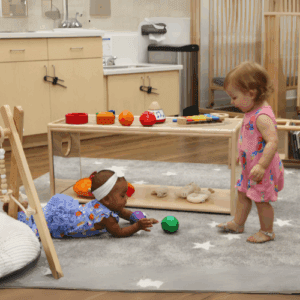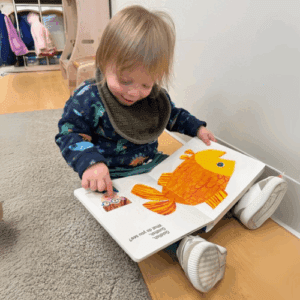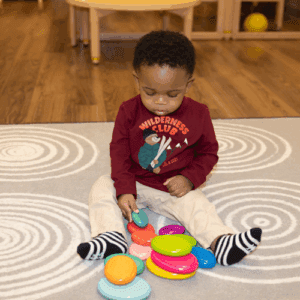

What does a great day look like for your child? It’s probably filled with laughter, exploration, and the freedom to get a little messy. That’s exactly what a high-quality educational daycare should feel like. The real daycare meaning in school isn’t about rote memorization; it’s about making learning the natural result of joyful discovery. The curriculum is built around your child’s own questions and interests. Whether they’re fascinated by bugs or the sounds of a passing truck, skilled educators use those moments to introduce new ideas about science, language, and math—all in a way that feels like play. This builds a strong foundation for a lifelong love of learning.
Key Takeaways
- Focus on Intentional Play, Not Formal Lessons: A great educational daycare uses your child’s natural curiosity to guide learning. Look for hands-on projects and purposeful play that support whole-child development, not just academic drills.
- Prioritize People and Professional Standards: The quality of a program is defined by its teachers and its principles. Seek out passionate, qualified educators, low teacher-to-child ratios, and formal accreditation like NAEYC, which signals a true commitment to excellence.
- Choose a True Partner for Your Family: The right daycare should feel like an extension of your home. Find a team that values open communication, respects your role as the primary parent, and works with you to support your child’s unique journey.
What Does “Educational Daycare” Actually Mean?
When you hear the term “educational daycare,” it’s easy to picture flashcards and formal lessons. But in reality, it’s a much more holistic and nurturing concept. It’s an environment designed to support your whole child—socially, emotionally, and physically—not just academically. Think of it less as a formal school and more as a community where learning is woven into every part of the day, from playtime to snack time.
The goal isn’t to rush development but to meet children where they are. A high-quality program provides a safe, caring space where your child’s natural curiosity is the main driver of their learning. It’s a place for them to grow and explore while you’re at work, guided by professionals who understand how to turn everyday moments into opportunities for discovery.
Clearing Up the Terminology: Daycare, Preschool, and More
The terms “daycare,” “preschool,” and “nursery school” are often used interchangeably, which can make the search for the right program feel a bit confusing. Historically, “daycare” focused on providing safe care and supervision for children while parents were at work, with a less structured, play-based approach. “Preschool,” in contrast, typically implied a program with a more formal curriculum designed to prepare children for kindergarten, often operating on a part-time or school-year schedule. Today, those lines have blurred. Many modern centers offer the best of both worlds: the full-day, year-round care that working families need, combined with an intentional, educational curriculum. At Strong Start, we embrace this integrated model, providing a nurturing environment where your child’s day is filled with purposeful play and discovery, ensuring they receive exceptional care and a rich learning experience all at once.
What Makes a Daycare “Educational”?
The “educational” part of daycare is all about intentionality. It means that instead of just supervising children, educators are actively creating experiences that support development. This approach focuses on the whole child, nurturing their social skills, emotional intelligence, cognitive abilities, and physical coordination. It’s about creating a rich environment where children can ask questions, solve problems, and learn through hands-on activities.
This philosophy recognizes that learning for young children isn’t separate from play—it is play. An educational program provides the structure and resources for children to build, create, and interact in ways that help them understand the world. It’s a great place for them to grow confidently while partnering with parents to ensure a consistent and supportive experience.
Educational vs. Traditional Daycare: What’s the Difference?
While traditional daycare primarily focuses on providing a safe and secure place for children, an educational daycare goes a step further. The key difference lies in the curriculum and the role of the educator. Instead of simply overseeing playtime, teachers in a learning-focused center act as guides, facilitating activities designed to meet specific developmental milestones. Many centers use established teaching styles, like play-based learning, to create a consistent framework for growth.
The environment itself is also different. It’s carefully designed to be a “home away from home” that encourages creativity and exploration at every turn. You’ll see spaces set up for different kinds of play, from quiet reading nooks to areas for messy art projects, all intended to help children discover new things and express themselves freely.
The “Why” Behind Learning-Based Childcare
At the heart of a great educational daycare is a strong, clear philosophy about how children learn best. At Strong Start, our progressive curriculum is built on a Reggio Emilia inspiration, which views every child as competent, curious, and full of potential. We see children as active participants in their own learning journey, not as empty vessels waiting to be filled with information. This approach fosters respect, responsibility, and a deep love of learning.
We bring this philosophy to life through The Project Approach, where children engage in in-depth studies of real-world topics that capture their interest. Whether it’s exploring how gardens grow or how buildings are constructed, these projects encourage critical thinking, collaboration, and problem-solving skills that will serve them for a lifetime.
The Long-Term Benefits of Quality Early Education
The benefits of a great early education program extend far beyond kindergarten readiness. It’s about building the foundation for a happy and successful life. A quality program focuses on the whole child, nurturing social and emotional intelligence right alongside cognitive growth. This is where children learn to share, communicate their feelings, and solve problems as part of a team. By engaging in hands-on projects driven by their own curiosity, they become active participants in their learning. This process builds critical thinking skills and, most importantly, fosters a genuine love of learning that sets a positive tone for their entire educational journey. It’s an investment in their future as confident, capable individuals—a transformation that our families see every day.
How Does Educational Daycare Compare to Other Options?
The world of childcare is full of terms that sound similar but mean very different things. It can be confusing to sort through options like preschool, nursery school, and daycare, especially when you’re just trying to find the best place for your child. Understanding the key differences helps you identify what matters most for your child’s needs and your family’s schedule. Let’s break down how a high-quality educational daycare stacks up against other common choices so you can make a decision with confidence.
Daycare vs. Preschool
Traditionally, daycare has been seen as a place focused on care and supervision, while preschool is viewed as the first step in formal education. Preschool programs often have a set curriculum aimed at getting children ready for kindergarten, with planned activities in early literacy and math. They typically operate on a school-year schedule with shorter hours, which can be a challenge for working parents who need full-day coverage.
An educational daycare blends the best of both worlds. It provides the full-day, year-round care that families need while also delivering a structured, learning-rich curriculum. For example, our preschool classrooms are not just about supervision; they are vibrant learning environments where children engage in projects and purposeful play that build foundational skills for kindergarten and beyond, all within a schedule that supports working families.
Daycare vs. Nursery School
The term “nursery school” is often used interchangeably with preschool, but it typically refers to a program specifically for toddlers and two-year-olds. Like preschool, it usually has a formal teaching plan and focuses on school readiness, but it often runs for only a few hours a day, a few days a week. This model is designed more for early socialization and learning than for full-time childcare, making it a great option for families who don’t need all-day care.
In contrast, an educational daycare offers a comprehensive program that serves children from infancy through their preschool years. It provides a consistent, full-day environment where even the youngest learners are guided by trained educators. This allows for a seamless developmental journey in a familiar setting, which is a significant benefit for both children and parents who need reliable, full-time care.
Daycare vs. Kindergarten
This is one of the clearest distinctions you’ll encounter. Kindergarten is the first official year of formal schooling and is part of the public or private elementary school system. Its primary purpose is education, with a state-mandated curriculum designed to prepare children for first grade. Daycare, on the other hand, is fundamentally a childcare service, even when it has a strong educational component.
While the focus is different, a high-quality educational daycare is the perfect preparation for the academic and social demands of kindergarten. By nurturing curiosity, encouraging problem-solving, and helping children learn to collaborate with their peers, it builds the confidence and skills they need to thrive when they make that big leap into elementary school.
Center-Based vs. In-Home Daycare
When choosing a daycare, you’ll often decide between a center-based program and an in-home provider. In-home daycares are run out of a caregiver’s residence and typically have a smaller, mixed-age group of children. This can create a cozy, family-like atmosphere that some parents find appealing and can sometimes offer more flexible hours.
A center-based program, like Strong Start, operates in a dedicated facility designed specifically for children. This setting offers distinct advantages, including separate classrooms for different age groups, a wider range of learning materials, and structured enrichment programs. Centers are also more likely to be licensed and pursue rigorous accreditations like NAEYC accreditation, which ensures high standards for curriculum, teacher qualifications, and health and safety protocols.
What Does a High-Quality Program Look Like?
When you start touring different centers, you’ll quickly notice that not all programs are created equal. A truly high-quality educational daycare moves beyond basic supervision and focuses on creating a rich, dynamic environment where children are active participants in their own learning. It’s a place where curiosity is the curriculum and every day brings new opportunities for discovery.
So, what are the key ingredients? A top-tier program is built on a thoughtful educational philosophy that respects children as capable and intelligent individuals. You’ll see this reflected in everything from the classroom layout to the daily schedule. Instead of rigid, teacher-led instruction, the focus is on exploration, collaboration, and hands-on experiences. The environment itself becomes a “third teacher,” intentionally designed to provoke interest and support learning. This means classrooms are organized, filled with natural light, and stocked with open-ended materials that invite children to build, create, and experiment. It’s about nurturing the whole child—their social, emotional, cognitive, and physical development—in a warm, supportive community where they feel safe to take risks and make mistakes. This holistic approach ensures that children aren’t just learning facts; they’re learning how to learn.
A Curriculum That Grows with Your Child
The best programs don’t rely on a static, one-size-fits-all curriculum. Instead, they use a child-centered learning model that adapts to the interests and developmental stages of the children in the classroom. This approach, often inspired by philosophies like Reggio Emilia, allows educators to act as guides rather than lecturers. They observe what sparks your child’s curiosity—whether it’s building towering block structures or watching squirrels outside the window—and build learning experiences around those moments. This keeps children deeply engaged and helps them see learning as a joyful process of discovery, not a chore.
What Special Activities Should You Look For?
A well-rounded education goes beyond the core subjects. A sign of a high-quality program is a variety of activities designed to introduce children to new skills and passions. These aren’t just add-ons; they are thoughtfully integrated into the week to support holistic development. Look for a robust enrichment program that might include things like physical education to develop gross motor skills, cooking classes that introduce basic math and science concepts, or art and music exploration to foster creativity. These experiences help children discover new talents and build confidence in a fun, low-pressure setting.
Putting Learning into Practice with Hands-On Projects
Children learn best by doing. That’s the idea behind The Project Approach, a method used in many high-quality centers. Instead of just hearing about a topic, children dive deep into it through long-term, hands-on investigations. For example, a simple question like “How does a garden grow?” can blossom into a months-long project where children plant seeds, measure sprouts, observe insects, and even cook the vegetables they’ve grown. This process encourages critical thinking, problem-solving, and teamwork as children work together to find answers to their own questions.
Making Space for Creativity and Exploration
In a high-quality program, art is more than just a craft-time activity—it’s a vital tool for communication and learning. The philosophy of the “hundred languages of children” recognizes that kids express themselves in many ways, whether through painting, sculpting, dancing, music, or storytelling. A great educational daycare provides a wide range of materials and opportunities for children to explore their ideas and share their understanding of the world. This approach honors their creativity and gives them multiple ways to make their thinking visible, building a strong foundation for confident self-expression.
Flexible Schedules for Modern Families
Life doesn’t always fit into a neat 9-to-5 box, and your childcare shouldn’t have to, either. The reality for many modern families includes shifting work hours, freelance gigs, or simply the need for a schedule that can adapt to life’s unpredictability. A high-quality daycare understands this and offers flexible scheduling options to match. This isn’t just about convenience; it’s about finding a true partner who supports your family’s unique rhythm. When a center provides flexible hours, it bridges the gap between your professional responsibilities and your desire for excellent care, giving you peace of mind. It shows a commitment to working with you, making it easier to manage everything on your plate without compromising on your child’s experience.
How to Evaluate a Program’s Quality
Once you have a shortlist of potential daycares, it’s time to dig a little deeper. A beautiful facility is nice, but the real quality of a program comes down to its people, its principles, and the environment it creates for your child every single day. Knowing what to look for can help you move past the surface-level tour and truly assess whether a center is the right fit for your family.
Meet the Teachers: Look for Passion and Qualifications
The heart of any great early childhood program is its teachers. These are the people who will be guiding, comforting, and inspiring your child, so you want to see warmth, energy, and genuine passion. During your visit, notice how the educators interact with the children. Are they down on the floor, engaged in conversation and play? Do they seem happy to be there? A quality program invests in exceptional educators who have the knowledge, skills, and experience to create a nurturing learning environment. As NAEYC notes, these professional competencies are essential, whether they work in a school, center, or home. A passionate teacher makes all the difference in your child’s daily experience.
The Non-Negotiables: Licensing and Accreditation
At a minimum, any program you consider should be licensed by the state, which means it meets basic health and safety standards. But for a truly high-quality educational experience, look for accreditation from a national organization like the National Association for the Education of Young Children (NAEYC). NAEYC accreditation is a voluntary, rigorous process that signals a program’s commitment to excellence far beyond the state minimums. It’s a clear sign that the center is dedicated to best practices in curriculum, teacher qualifications, and family partnerships. When centers invest in achieving these high standards, it shows they are serious about providing the best possible care and education for children.
What to Observe During Your Tour
A tour is your chance to be an observer. Look past the shiny toys and focus on the atmosphere. Do the children seem happy, engaged, and comfortable? Look for signs of a supportive environment where caregivers offer genuine affection and encouragement. As experts at Care.com suggest, kids need love and emotional support from all the adults in their lives. Watch how teachers respond to children’s needs—are they patient and respectful? The classroom itself should feel like a space for kids, with children’s artwork proudly displayed and materials easily accessible. This shows that the environment is designed to support curiosity and exploration throughout your child’s day.
Daycare Red Flags You Shouldn’t Ignore
Trust your intuition. If something feels off, it probably is. High staff turnover is a significant red flag, as it can disrupt the stability of the environment and the important bonds your child forms with caregivers. Be wary of staff who seem unwilling to answer your questions or are vague in their responses. A great program values partnering with parents and will welcome your inquiries. Other warning signs include a chaotic, disorganized environment, or one that feels overly rigid and silent. Children should be joyfully engaged, not wandering aimlessly or sitting silently for long periods. Your child deserves a safe, transparent, and positive place to spend their days.
How a Great Program Supports Key Milestones
When you choose an educational daycare, you’re investing in a program designed to support your child’s growth in every area. It’s about more than just learning letters and numbers; it’s about building a strong foundation for all future learning. A high-quality program will intentionally foster development across several key domains, helping your child become a confident, capable, and kind little person. These milestones are the building blocks for success in school and in life, and the right environment will help your child reach them with curiosity and joy.
Learning to Play, Share, and Understand Feelings
This is where it all begins. Before a child can learn to read or count, they need to feel safe, seen, and secure. A nurturing environment helps children develop trust and emotional security, which are the bedrock for healthy social interactions. In a classroom setting, this looks like learning how to share toys, take turns in a game, and express big feelings with words instead of tantrums. It’s about navigating friendships and learning empathy. The relationships your child builds with their teachers are crucial. Our exceptional educators are trained to provide the caring guidance that helps children build confidence and learn to connect with others in a positive way.
Getting Ready for Kindergarten (and Life!)
Kindergarten readiness is about so much more than academic checklists. A great educational daycare prepares children for the transition to elementary school by fostering essential skills like problem-solving, critical thinking, and independence. Does your child know how to ask for help? Can they work with a friend to build a block tower? Do they stick with a tricky puzzle? These are the skills that matter. Through approaches like The Project Approach, children learn to ask questions, investigate answers, and work together on long-term projects. This process builds the curiosity and resilience they’ll need to thrive in kindergarten and beyond.
Helping Little Voices Find Their Words
A classroom full of chatter, songs, and stories is a classroom where language skills are blooming. From infancy, children are absorbing language from the world around them. An educational daycare creates a language-rich environment where children are constantly hearing new words and are encouraged to express their own ideas. This happens during circle time, one-on-one conversations with teachers, and while playing with friends. We believe that partnering with parents is key to supporting this growth, ensuring that the language and communication skills learned at school are reinforced at home. This consistent exposure helps children build a strong vocabulary and become confident communicators.
From Grasping to Galloping: Building Motor Skills
Running, jumping, and climbing are just as important as sitting still for a story. These big movements, known as gross motor skills, build strength, coordination, and balance. At the same time, activities like painting, drawing with crayons, and threading beads help develop fine motor skills—the small, precise hand movements needed for writing. A well-rounded program provides plenty of opportunities for both. Our Enrichment Program includes activities that get kids moving and creating, ensuring they develop physical confidence and control. Through a balance of active play and focused activities, children build the physical skills essential for exploring their world.
How Programs Adapt for Different Age Groups
One of the clearest signs of a high-quality educational daycare is how it tailors its approach to different ages and stages. A curriculum that works for a curious four-year-old won’t meet the needs of a six-month-old who is just learning to grasp a toy. The best programs understand that children’s brains and bodies are developing at an incredible pace, and they create distinct environments and learning goals for each group. This isn’t a one-size-fits-all model; it’s a thoughtful, responsive journey that evolves right alongside your child.
From the gentle, sensory-rich world of an infant room to the bustling, project-based environment of a preschool class, the daily rhythm, activities, and teacher interactions should look very different. This intentional design ensures that your child is not just safe and cared for, but is also being challenged and nurtured in a way that’s perfectly suited to their developmental stage. It’s about meeting them exactly where they are and giving them the right tools to grow. You should be able to see and feel the difference as you walk from one classroom to the next, recognizing how the space and the curriculum work together to support specific milestones.
What Care Looks Like for Infants and Toddlers
For the youngest learners, education is all about connection and exploration. In infant and toddler classrooms, the focus is on creating a warm, safe, and responsive environment where little ones can build secure attachments with their caregivers. This isn’t about flashcards or formal lessons; it’s about gentle interactions, cozy cuddles, and a predictable routine that helps them feel secure. The curriculum is built around sensory experiences—exploring different textures, sounds, and sights. Educators in top-tier infant classrooms are experts at reading babies’ cues, responding to their needs, and turning simple moments like feeding or diaper changes into opportunities for connection and language development. As they grow into toddlers, the environment encourages safe exploration, movement, and the very beginnings of social play.
The Preschool Years: A Foundation for Learning
As children enter their preschool years, the educational focus begins to shift toward school readiness, but play remains the most important vehicle for learning. A great preschool program uses a more structured day to introduce foundational concepts in literacy, math, and science through hands-on, engaging activities. You’ll see children working together on long-term projects that spark their curiosity and encourage critical thinking. Social-emotional development is a huge piece of the puzzle here. Teachers guide children as they learn to share, solve conflicts, and manage their feelings. The goal of these preschool classrooms is to foster independence and a genuine love of learning, ensuring children have the academic and social skills to step confidently into kindergarten.
How Programs Help with the Jump to Kindergarten
That final year before elementary school is a unique and important one. Many educational daycares offer transitional or bridge classrooms specifically designed to prepare older preschoolers for the more structured environment of kindergarten. This program helps children refine the skills they’ll need to thrive, like following multi-step directions, participating in group discussions, and working more independently. The curriculum often involves more complex, collaborative projects that require planning and problem-solving. By focusing on self-regulation and social skills alongside academic foundations, these programs help ensure that the leap to “big kid school” feels exciting and manageable, not overwhelming. It’s the perfect stepping stone to build confidence for the journey ahead.
What to Expect from the Teaching Team
The heart of any educational daycare is its people. The teachers and staff are the ones who will guide, nurture, and inspire your child every single day. When you entrust your child to a program, you’re also entrusting them to its educators. A high-quality program invests in a team that is not only qualified but also genuinely passionate about early childhood development. This means looking beyond basic certifications to find a team dedicated to creating a warm, supportive, and engaging environment where your child can thrive.
Think about it: these are the people who will celebrate your child’s first steps, comfort them after a tumble, and spark their curiosity about the world. Their energy, patience, and expertise shape your child’s earliest experiences with learning. A great teaching team doesn’t just follow a curriculum; they bring it to life. They see each child as an individual and create a classroom community built on respect and kindness. From their professional background to the way they communicate with you, the teaching team sets the tone for your family’s entire experience. Here’s what you should look for in a team of exceptional educators.
Beyond the Basics: Teacher Qualifications and Training
Great teachers don’t just love kids; they are professionals with a deep understanding of child development. Look for lead teachers with degrees in early childhood education or a related field. Their expertise is the foundation of a strong curriculum. According to the National Association for the Education of Young Children (NAEYC), early childhood educators have important knowledge and skills that should be valued and respected.
Beyond their initial qualifications, the best educators are lifelong learners. A quality program supports its staff with ongoing professional development, ensuring they are up-to-date on the latest research and teaching strategies. This commitment to growth shows that the center values its exceptional educators and is dedicated to providing the best possible care and education.
Working Together: What a Strong Parent-Teacher Partnership Looks Like
You are your child’s first and most important teacher, and a great educational daycare will honor that. The teaching team should view you as a partner, working with you to support your child’s development. This partnership is built on a foundation of open and consistent communication. You should expect regular updates about your child’s day—not just what they ate and when they napped, but also the little moments of discovery and friendship.
Look for a program that offers formal and informal ways to connect, from daily chats at drop-off to scheduled parent-teacher conferences. A school that actively encourages partnering with parents through family events or councils shows a true commitment to building a strong community around your child. You should always feel heard, respected, and involved in your child’s learning journey.
Why Low Teacher-to-Child Ratios Matter
One of the most significant indicators of quality in an early childhood setting is the teacher-to-child ratio. Lower ratios allow teachers to provide the individualized attention that is so critical for young children’s social and emotional development. When a teacher has a smaller group of children, they can form secure, trusting bonds with each one, learn their unique personalities, and tailor activities to their specific interests and needs.
Programs with NAEYC Accreditation are held to high standards for health, safety, and teacher-to-child ratios. This ensures that your child isn’t just another face in a crowded room but a valued individual who receives the focused care and attention they need to feel safe and confident as they learn and explore.
What Are Ideal Staff-to-Child Ratios?
Ideal ratios change with age, as younger children require more hands-on care. For infants, a ratio of one teacher for every three or four babies is a sign of a high-quality program. For toddlers, it might be closer to one teacher for every five or six children, and for preschoolers, it could be one for every ten. These numbers aren’t arbitrary; they directly impact the quality of care. Lower ratios mean teachers can provide the individualized attention needed to form secure bonds, respond to needs quickly, and create a calmer, safer environment. Programs that meet the rigorous standards of NAEYC accreditation are required to maintain these low ratios, ensuring every child gets the focus they deserve.
Common Myths About Educational Daycare
Choosing a daycare is a big decision, and it’s easy to get tangled up in myths and misconceptions. You’ve probably heard a few things from well-meaning friends, family, or online forums that gave you pause. Let’s clear the air and talk about what really happens inside a high-quality educational daycare. Understanding the difference between fact and fiction can help you feel more confident and prepared as you find the right fit for your family.
Myth vs. Reality: What’s True About Educational Daycare?
One of the most common myths is that educators “just watch kids play all day.” This couldn’t be further from the truth. In a high-quality program, play is the work of childhood. It’s not random or unsupervised; it’s carefully designed and guided by trained professionals. Our educators are experts at creating intentional experiences where children build critical thinking skills, solve problems, and learn social cues. What looks like simple block-building is actually a lesson in physics and collaboration. This philosophy of learning through discovery is at the heart of The Project Approach, where children’s interests guide deep, meaningful investigations.
What to Realistically Expect for Your Child’s Progress
It’s completely normal to worry that your child might become more attached to their teachers than to you. Please know that the strong, nurturing bonds your child forms with their educators are meant to support, not replace, your relationship. These connections help your child feel safe and secure, allowing them to thrive when they’re away from you. Another common thought is that teachers will handle major milestones, like potty training, all on their own. While we are absolutely here to help, success always comes from a team effort. We see ourselves as your allies, and maintaining a strong partnership with parents is fundamental to ensuring your child gets consistent support both at school and at home.
Is It All Work and No Play? Finding the Right Balance
Some parents worry that a play-based environment means their child won’t learn foundational academic skills like literacy and math. In reality, this is where the magic happens. Children learn these concepts best when they’re integrated into activities they genuinely enjoy. They absorb early literacy skills by listening to stories, singing songs, and seeing words in print all around them. They learn math by counting snacks, sorting objects by color and size, and recognizing patterns during group activities. Our preschool classrooms are intentionally designed to blend play and structure, creating a rich environment where learning happens naturally and joyfully, setting the stage for a lifelong love of learning without the pressure of formal instruction.
Find the Right Educational Daycare for Your Family
You’ve done the research and you know what a high-quality educational daycare looks like. Now comes the big part: finding the one that feels like a second home for your child and a true partner for your family. This decision involves balancing your head and your heart. It’s about finding a program that not only meets your child’s developmental needs but also fits seamlessly into your family’s life. Let’s walk through the final steps to making a confident choice.
How to Balance the ‘Perfect’ School with Your Real Life
Let’s be real: the “perfect” daycare also has to be practical. Your final choice needs to work for your family’s daily routine, budget, and location. Start by mapping out the non-negotiables. Consider the center’s proximity to your home or work, its hours of operation, and the overall cost. While these logistics are crucial, they are just one part of the equation. The goal is to find a place that meets these practical needs without compromising on the quality of care and education. A program might have a great curriculum, but if getting there adds an hour of stress to your commute, it might not be the right fit. At Strong Start, we understand this balance and offer tuition benefits and multiple locations to support working families.
Essential Questions to Ask on Your Visit
Your tour is your chance to play detective. Go prepared with a list of questions that dig deeper than the information on the website. Ask about teacher turnover, how they handle discipline or challenging behaviors, and what a typical day looks like for your child’s age group. Inquire about how they keep you in the loop—is there a daily report, an app, or regular check-ins? A great question to ask is, “How do you gather feedback from parents?” This shows you how much they value creating a strong partnership with families. The answers you receive should feel clear, confident, and aligned with your own parenting values. Don’t be shy; the right program will welcome your questions.
Making the Final Call: Why You Should Trust Your Gut
After you’ve toured, compared notes, and asked all your questions, take a moment to listen to your gut. How did you feel when you were in the space? Were the children happy and engaged? Did the educators seem genuinely warm and connected to the kids? These observations are just as important as any accreditation or curriculum. Be mindful of red flags, like a chaotic environment, unresponsive staff, or an unwillingness to answer your questions directly. High teacher turnover can also be a warning sign. Ultimately, you are looking for a place that feels safe, nurturing, and joyful. The best sign of a wonderful program is seeing the positive relationships our exceptional educators build with each child.
Related Articles
- 4 Tips for Preparing for Preschool in Norwalk, CT – Strong Start
- Preschool for 3 Year Olds: Is Your Child Ready? – Strong Start
- Daycare vs. Preschool: What’s the Difference?
Frequently Asked Questions
How is an “educational daycare” really different from a traditional one? The main difference comes down to intention. While a traditional daycare focuses on providing a safe and caring environment, an educational daycare does that and more. Every part of the day, from playtime to snacks, is designed by trained educators to be a learning opportunity. The focus is on guiding your child’s natural curiosity to help them develop socially, emotionally, and cognitively, not just keeping them supervised.
Will my child learn academics like reading and math in a play-based program? Absolutely. In a high-quality program, academic skills are woven into activities that children already love. They learn foundational math concepts by counting blocks as they build a tower or sorting objects by color. Early literacy skills are developed through listening to stories, singing songs, and engaging in rich conversations with teachers and friends. This approach helps children build a genuine love of learning without the pressure of formal lessons.
What does “learning” even look like for infants and toddlers? For our youngest children, learning is all about connection and sensory exploration. It’s not about structured lessons but about building a strong sense of trust and security with their caregivers. Learning happens when a teacher sings to your baby during a diaper change, describes the texture of a soft blanket, or encourages a toddler to safely explore a new toy. It’s about creating a responsive, language-rich environment that makes them feel safe enough to explore the world around them.
When I tour a center, what is the single most important thing to observe? Pay close attention to the people. A beautiful facility is wonderful, but the heart of any program is the interaction between the educators and the children. Watch to see if the teachers are warm, engaged, and down on the children’s level. Do they seem to genuinely enjoy being there? A positive, respectful, and joyful atmosphere created by passionate educators is the clearest sign of a high-quality program.
How will I be kept in the loop about my child’s day and development? A great program sees you as a partner, so communication should be open, consistent, and go both ways. You should expect more than just a basic report of naps and meals. Look for a center that uses a mix of daily updates, photos, and personal conversations to share the small moments of discovery and the big milestones. You should always feel comfortable asking questions and feel confident that you are part of a team supporting your child.
Written By
Marc Hoffman
Founder, Strong Start Early Care & Education
Marc founded Strong Start in 2014, inspired by his studies at Williams College, Yeshiva University, and research at Yale University. His child-centered, inquiry-based approach to early education has helped hundreds of families in the Trumbull and Bridgeport communities. As a parent himself, Marc understands the importance of finding a nurturing environment where every child can learn, grow, and flourish.