
Finding the right childcare is about building your village. You’re looking for more than just caregivers; you’re searching for partners who will work with you to support your child’s development. A great program feels like an extension of your family, a place where communication is open, your values are respected, and you feel like part of a supportive community. This partnership between home and school is the secret ingredient that helps children feel secure, confident, and ready to learn. As you explore your options, this guide will help you identify the programs that truly prioritize this connection, making your search for an educational daycare in Bridgeport, CT, a quest for the perfect team.
Key Takeaways
- Look for an intentional learning approach: A high-quality program uses a thoughtful curriculum, like Reggio Emilia, where professional educators guide learning through play in a classroom designed for discovery.
- Confirm the highest standards are met: A top-tier center will have NAEYC accreditation, low teacher-to-child ratios for personalized attention, and transparent health and safety policies.
- Seek a strong parent-teacher partnership: Look for a program that actively fosters open communication, ensuring you and the educators work as a team to support your child’s growth.
Educational Daycare vs. Traditional Childcare: What’s the Difference?
When you start looking for care for your little one, you’ll quickly see terms like “daycare,” “childcare,” and “early education center.” While they all provide a safe place for your child while you work, there’s a key distinction between traditional childcare and an educational daycare. Traditional childcare often focuses on providing a safe, caring environment and meeting children’s basic needs like feeding and napping, with unstructured playtime making up most of the day.
An educational daycare, on the other hand, does all of that and more. It’s a place where care and education are woven together seamlessly. These centers are built around a specific educational philosophy and a structured curriculum designed to support every aspect of a child’s development, from social skills to early literacy. The educators are professionals with a background in child development, and the classroom itself is intentionally designed to inspire curiosity and learning. Think of it as the difference between a babysitter and a teacher; both care for your child, but one has a clear, professional focus on their growth and learning.
The Role of a Formal Curriculum
The biggest difference you’ll find in an educational daycare is the presence of a formal curriculum. This doesn’t mean your toddler will be sitting at a desk doing worksheets. Instead, it’s a thoughtful, intentional framework that guides learning through exploration and play. Programs like Strong Start use proven approaches, such as Reggio Emilia inspiration, to create a curriculum that follows your child’s interests.
This approach turns everyday activities into rich learning experiences. Building with blocks becomes a lesson in physics and collaboration, while time in the garden introduces concepts of life science. A quality program also recognizes that you are your child’s first teacher and actively encourages partnering with parents to create a consistent and supportive experience between home and school.
Why Qualified Educators Matter
In an educational daycare, the people caring for your child are more than just caregivers; they are professional educators. These teachers typically have degrees or specialized training in early childhood education and a deep understanding of child development. They know how to create engaging learning experiences and can recognize and support your child’s individual learning style and needs.
This level of expertise makes a world of difference. Exceptional educators don’t just supervise play; they facilitate it, asking thoughtful questions and introducing new ideas to deepen a child’s understanding. They are trained to foster social-emotional skills, manage classroom dynamics positively, and create a stable, nurturing environment where children feel secure enough to explore, take risks, and learn. This consistency and expertise are foundational for a high-quality early learning experience.
Creating a Purposeful Learning Environment
Step into an educational daycare, and you’ll notice the classroom itself feels different. The space is intentionally designed to be a “third teacher,” with every detail arranged to encourage curiosity, independence, and discovery. Instead of random toys, you’ll find carefully selected materials organized in accessible, well-defined learning centers for art, science, building, and reading.
This purposeful environment allows children to make choices and direct their own learning. The classroom layout might change to reflect what the children are currently exploring through The Project Approach, immersing them in the topic. This thoughtful design ensures the environment is not just a holding space but an active, engaging participant in your child’s education, sparking their natural curiosity and making learning an exciting adventure every day.
What Ages Do Bridgeport Educational Daycares Serve?
When you start looking for an educational daycare in Bridgeport, you’ll find that most centers welcome children from infancy through their preschool years, typically from six weeks old until they start kindergarten. These programs are thoughtfully designed to support your child’s specific developmental stage, from the earliest days of tummy time to the exciting countdown to kindergarten. Unlike traditional childcare that may focus primarily on supervision, an educational daycare provides a curriculum and environment tailored to each age group. This ensures your child is not just cared for, but is also actively learning and growing every day in a setting built for discovery.
Understanding what to expect from each program can help you find the perfect fit for your family. The journey is broken down into distinct phases, each with its own milestones and learning goals. A high-quality center will have separate classrooms and dedicated educators for infants, toddlers, and preschoolers, creating a space where your child can thrive alongside their peers. This age-specific approach allows teachers to focus on the unique needs of each group, from fostering secure attachments with babies to encouraging complex problem-solving with four-year-olds. Let’s look at what each of these programs typically offers.
Infant Programs (6 weeks – 12 months)
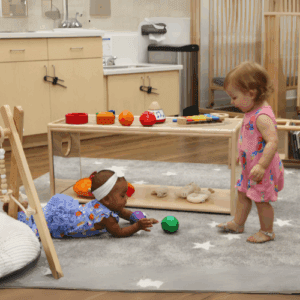
The first year of life is all about building trust and security. Top-tier infant programs focus on creating a warm, nurturing, and responsive environment where your baby feels safe and loved. Educators act as primary caregivers, learning your baby’s unique cues for hunger, sleep, and comfort to create a predictable routine that mirrors what you do at home. The classroom itself should be a calm, clean, and sensory-rich space designed for safe exploration. Learning at this age happens through gentle interaction, song, and simple sensory play. Strong Start’s infant classrooms are designed to provide this exact kind of attentive, individualized care that helps your baby form secure attachments and a positive view of the world.
Toddler Programs (1 – 2 years)
Once your little one is on the move, their world expands dramatically. Toddler programs are built to support this newfound independence and boundless curiosity in a safe, engaging way. The focus shifts to language development, social skills, and both fine and gross motor skills. As noted by local centers, a great program helps toddlers learn new words, understand their feelings, and begin to socialize with their peers. You’ll see educators guiding children through activities that encourage movement, problem-solving, and creative expression. A well-designed toddler classroom provides plenty of opportunities for hands-on exploration while also introducing the early foundations of routine and group activities.
Preschool Programs (3 – 5 years)
Preschool is where your child’s learning becomes more complex as they prepare for the transition to kindergarten. The curriculum in a quality preschool program is designed to foster independence, confidence, and a genuine excitement for learning. While play is still the primary vehicle for discovery, it becomes more purposeful. Children engage in activities that build pre-reading and early math skills, ask questions, and work together on long-term projects. This is where educational philosophies like The Project Approach truly shine, allowing children to explore topics that genuinely interest them. The goal is to help them become confident learners who can think critically and collaborate well with others.
Finding the Right Educational Daycare in Bridgeport
Choosing an educational daycare is a big decision, but it doesn’t have to be overwhelming. The goal is to find a place that feels right for your child and aligns with your family’s values. It’s about more than just childcare; it’s about finding a partner in your child’s early development. When you start your search in Bridgeport, think about the environment, the people, and the educational philosophy that will help your little one thrive. A great program will offer a safe, engaging space where your child can explore their curiosity and build a strong foundation for a lifetime of learning.
What to Look For in a Top-Tier Program
When you tour a daycare, look for a program that matches your child’s specific developmental needs. A top-tier center prioritizes safety with clear protocols, including background checks and up-to-date immunizations for all staff. Pay attention to the educators. Are they warm, engaged, and knowledgeable? The best programs invest in their teachers through ongoing training and education. You want to see exceptional educators who are genuinely passionate about what they do. A clean, organized, and child-friendly environment is also a must. Look for spaces that invite play and exploration, with materials that are accessible and age-appropriate for every child.
A Closer Look at Strong Start’s Approach
As you explore your options, it helps to see what a high-quality program looks like in practice. At Strong Start, the curriculum is inspired by the respected Reggio Emilia philosophy and the Project Approach, which centers learning around your child’s natural interests. This inquiry-based method encourages children to ask questions, investigate, and discover answers through hands-on projects. Serving children from infants through preschool, the program is designed to support every stage of early development. Strong Start’s commitment to excellence is also reflected in its NAEYC Accreditation, a sign that it meets the highest national standards for early childhood education, so you can feel confident in the quality of care and learning your child receives.
The Importance of Community and Values
A great daycare feels like an extension of your family. It’s a community where your child feels safe and you feel supported. This starts with building a strong connection between families and educators. Look for a center that prioritizes open communication and actively encourages partnering with parents. Do they provide regular updates on your child’s day? Are there opportunities for you to get involved? When educators and parents work together, it creates a consistent and nurturing environment for children. This collaborative spirit ensures that your child’s unique needs are understood and met, helping them feel secure and confident as they learn and grow.
Key Educational Philosophies to Look For
When you start touring daycares, you’ll hear a lot of terms like “play-based,” “child-led,” and “Reggio-inspired.” It can feel like learning a new language, but understanding these educational philosophies is one of the best ways to find a program that truly fits your family’s values. The right approach goes beyond just keeping your child safe and happy; it shapes how they see the world, solve problems, and interact with others.
Different philosophies guide how teachers structure the day, design the classroom, and interact with children. Some centers prioritize academic readiness with structured lessons, while others focus on learning through exploration and social interaction. There’s no single “best” method, but there is a best fit for your child. Thinking about what you want for your child’s early years will help you ask the right questions and recognize a great program when you see one. Below are a few key philosophies that are hallmarks of a high-quality educational daycare.
Reggio Emilia-Inspired Learning
The Reggio Emilia approach is a beautiful philosophy that views children as capable, curious individuals with a natural drive to learn. Instead of following a rigid, pre-planned curriculum, learning is guided by the children’s own interests. If a child is fascinated by shadows, the teachers will create activities and projects around light and reflection. At Strong Start, our curriculum is inspired by the Reggio Emilia approach and the Project Approach, which emphasize inquiry, discovery, and hands-on learning. The classroom itself is seen as a “third teacher,” intentionally designed with natural light, open spaces, and engaging materials that invite exploration and collaboration.
Play-Based Curriculum
Don’t let the name fool you; a play-based curriculum is much more than just free time. It’s a thoughtful approach where learning happens through guided play. While there’s plenty of room for unstructured fun, educators design activities that help children develop crucial skills. Building with blocks can teach physics and teamwork, while playing in a pretend kitchen builds vocabulary and social skills. Play-based learning is vital for a child’s overall development because it makes learning joyful and meaningful. Children in these programs follow a daily routine that balances structured play, group activities, and independent exploration, all designed to support their growth.
STEM and Enrichment Programs
A great educational daycare also provides opportunities for children to explore specific interests and develop new talents. This is where enrichment programs come in. These specialized classes are woven into the weekly schedule and give children a chance to dive into subjects like science, art, cooking, and music. At Strong Start, our enrichment programs include Fit Kids, Budding Bakers & Little Cooks, Exploration Through The Arts, and STEM Learning. These activities provide a comprehensive and engaging educational experience, allowing children to experiment, create, and discover new passions in a supportive and fun environment.
A Focus on Social-Emotional Growth
Academic skills are important, but a child’s ability to understand their feelings, empathize with others, and build healthy relationships is the foundation for lifelong success. Top-tier daycares place a strong emphasis on social-emotional growth. Teachers model kindness, help children work through conflicts, and create a safe space where every child feels valued. This focus also extends to families. Quality programs actively encourage partnering with parents through regular updates and collaborative activities. This strong connection between home and school creates a consistent, supportive network that helps children thrive emotionally and socially.
Understanding the Cost of Daycare in Bridgeport
Figuring out the cost of childcare is a huge piece of the puzzle for any family. It’s more than just another monthly bill; it’s an investment in your child’s early development and your own peace of mind. In the Bridgeport area, the cost of educational daycare can vary quite a bit depending on your child’s age, the type of program, and the specific center you choose. Infant care, for example, typically costs more than preschool because it requires a lower teacher-to-child ratio and more individualized attention.
When you start looking at tuition rates, it’s helpful to think about what’s included in that number. High-quality educational daycare isn’t just babysitting. The cost covers so much more, including the salaries of qualified and caring educators who are experts in early childhood development. It also funds a well-maintained and safe facility, nutritious meals and snacks, and all the materials needed for a rich, play-based curriculum that sparks curiosity and a love of learning. Understanding these components can help you see the incredible value behind the price tag and make a confident choice for your family.
Breaking Down Average Tuition Rates
While every center sets its own rates, it helps to have a general idea of what to expect. Childcare costs in Connecticut can be significant, so it’s wise to plan your budget accordingly. The price often reflects the quality of care, including lower staff-to-child ratios and the credentials of the teaching staff. An educational daycare with a formal curriculum and degreed teachers will naturally have a different cost structure than a more basic childcare setting. When you inquire about tuition, ask for a full fee schedule so you can see the breakdown. Many schools also offer different rates for full-time and part-time schedules to accommodate working families.
Factoring in Additional Fees
Tuition typically covers the core educational program, but it’s smart to ask about other potential costs. Many centers have a one-time registration fee when you enroll or an annual fee for supplies and materials. You might also find separate charges for special enrichment programs, field trips, or extended hours. It’s also important to know a center’s policy on late pickup fees. Remember that a portion of these costs goes toward maintaining a safe and compliant environment. For example, all daycares in Bridgeport must be licensed by the health department, which ensures the facility meets critical standards for your child’s well-being.
Exploring Financial Assistance Programs
High-quality childcare is a major expense, but there are resources available to help make it more manageable. Many families in Connecticut qualify for programs like Care4Kids, which helps cover childcare costs. It’s always worth asking a center’s director if they accept state assistance or can guide you through the application process. Additionally, some companies offer a tuition benefit or a Dependent Care Flexible Spending Account (FSA) that allows you to set aside pre-tax dollars for childcare expenses. Taking the time to explore these options can make a top-tier educational experience more accessible for your family.
Key Signs of a High-Quality Daycare
When you start touring different centers, it helps to have a mental checklist of what to look for. Beyond a bright, colorful space, certain key signs indicate a program is truly dedicated to your child’s well-being and development. These are the foundational elements that create a safe, nurturing, and stimulating environment where children can thrive. Paying attention to these details will help you see past the surface and find a center that aligns with your family’s values and provides the best possible start for your little one.
NAEYC Accreditation and State Licensing
First things first, any legitimate daycare must be licensed by the state. This is the baseline requirement that ensures the center meets fundamental health and safety standards. But if you’re looking for a program that goes above and beyond, check for accreditation from the National Association for the Education of Young Children (NAEYC). This is a voluntary and rigorous process that signals a deep commitment to excellence. NAEYC accreditation means a center meets the highest standards in areas like curriculum, teacher qualifications, and family partnerships. It’s a clear indicator that the program is dedicated to providing a top-tier educational experience.
Low Teacher-to-Child Ratios
The number of children per teacher has a huge impact on your child’s daily experience. Lower ratios allow educators to provide more individualized attention, which is crucial for infants and toddlers. When a teacher has a smaller group, they can form stronger bonds with each child, respond quickly to their needs, and create a calmer, more manageable classroom environment. This personal connection helps your child feel safe and secure, giving them the confidence to explore, learn, and build relationships with their peers. It’s a key factor in creating the nurturing atmosphere that little ones need to flourish.
Strong Health and Safety Protocols
Nothing is more important than your child’s safety. A high-quality center will have comprehensive health and safety measures in place that are both visible and clearly communicated. Look for secure entrances, clean and well-maintained spaces, and age-appropriate toys. Don’t hesitate to ask about their specific policies for things like illness, allergies, and emergency procedures. A great program will be transparent about its protocols and have clear systems for everything from hand-washing to safe sleep practices. This attention to detail shows that the center prioritizes creating a secure environment where you can feel confident leaving your child.
Consistent, Caring Educators
The heart of any great daycare is its teaching staff. During your tour, observe how the educators interact with the children. Do they seem warm, engaged, and genuinely happy to be there? A program with low staff turnover is a positive sign, as it means your child can build stable, trusting relationships with their caregivers. Centers that invest in their team through professional development and support attract exceptional educators who are passionate about early childhood education. These are the people who will be your partners in nurturing your child’s curiosity and celebrating their growth every step of the way.
How to Make the Most of Your Daycare Tour
Once you’ve narrowed down your list of potential daycares, the tour is your chance to see everything in action. This is more than just a walk-through; it’s an opportunity to get a real feel for the environment where your child could be spending their days. Pay attention to the details, from the way the director answers your questions to the interactions you see in the classroom. A great tour will leave you feeling confident and informed, helping you make the best choice for your family. Come prepared with questions and a keen eye for what matters most: a safe, nurturing, and stimulating atmosphere for your little one.
Essential Questions to Ask the Director
This is your time to connect with the center’s leadership and understand their core philosophies. Don’t hesitate to ask detailed questions about their approach. A great starting point is to ask how the center handles communication. Understanding how you’ll receive updates and share information about your child is key to a successful partnership. You can also ask about staff qualifications and training. Inquire about their hiring process, background checks, and the ongoing professional development their exceptional educators receive. The director’s answers should give you a clear picture of the center’s commitment to safety, quality, and partnering with parents.
What to Observe in the Classroom
As you walk through the classrooms, shift your focus from asking to observing. Look at how the educators and children interact. Are the teachers on the floor with the kids, actively engaged in their activities, or are they standing back? A positive learning environment is one where children are guided by curious and involved teachers. Notice the types of activities available. Children learn best through play, so look for spaces that encourage exploration and creativity. Seeing children happily engaged in a variety of hands-on activities is a wonderful sign that the center’s curriculum is both fun and effective.
Gauging the Center’s Atmosphere
Beyond the curriculum and qualifications, the overall feeling of the center is incredibly important. Does the space feel warm, welcoming, and happy? Observe the interactions between staff members and with other families you might see. A supportive atmosphere where everyone feels comfortable is essential for building the strong parent-teacher relationships that help children thrive. When you feel a sense of community and trust, it’s easier to initiate conversations and work together. Ultimately, you’re looking for a place that feels right. Trust your intuition and the feedback from other families to guide your decision.
Smart Strategies for Choosing the Right Daycare
Choosing a daycare is one of the first big decisions you’ll make for your child, and it’s completely normal to feel the weight of it. You’re not just looking for a place to watch them while you’re at work; you’re searching for a community that will support their growth, spark their curiosity, and keep them safe. While the logistics are important, the right fit goes much deeper. It’s about finding a program that aligns with your family’s values and provides a nurturing environment where your little one can truly thrive.
To make a confident choice, it helps to have a clear strategy. This means looking past the surface-level details and digging into what really matters for your child’s early development. Think about the quality of the educators, the approach to learning, and the overall feeling you get from the center. By focusing on these core elements, you can find a place that feels like a true extension of your home.
Looking Beyond Simple Convenience
It’s so tempting to choose a daycare simply because it’s on your way to work or closest to your home. While a convenient location is definitely a plus, it shouldn’t be the only factor in your decision. Prioritizing quality over proximity can make a world of difference in your child’s early learning experiences. A top-tier program with a thoughtful curriculum and exceptional educators will have a much greater impact on your child’s development than a shorter commute. Take the extra time to explore options that might be a few more minutes away but offer a richer, more engaging environment. It’s an investment that pays off in your child’s happiness and growth.
How to Get the Full Picture
A daycare should feel like a team effort between you and the educators. The best way to gauge this is by observing how they handle communication. Open, consistent dialogue is the foundation of a strong partnership and is essential for understanding and meeting your child’s needs. When you tour a center, ask how they keep parents informed. Do they send daily updates, photos, or reports? Are teachers available for quick chats at drop-off or pick-up? A center that prioritizes partnering with parents creates a supportive loop where everyone is working together to help your child succeed, both at school and at home.
Finding Authentic Parent Feedback
Online reviews can be a helpful starting point, but to get a real sense of a daycare’s environment, try to connect with families who are currently enrolled. Authentic feedback from other parents provides invaluable insight into the day-to-day experience. You can learn about the staff’s responsiveness, how they handle challenges, and what the community culture is really like. Don’t hesitate to ask the director if they can connect you with a current parent. Hearing directly from families who have been in your shoes can help you make a much more informed and confident decision. You can also check a center’s website for testimonials to see what families are saying.
How to Partner With Your Child’s Educators
Choosing a daycare is the first step, but building a strong relationship with your child’s educators is where the real magic happens. Think of it as creating a team with your child at the center. When parents and educators work together, your child feels more secure, understood, and ready to learn. This partnership ensures consistency between home and school, which is incredibly important for little ones. It helps educators tailor their approach to your child’s unique personality and gives you peace of mind knowing you’re all on the same page.
When a child sees their parents and teachers communicating openly and positively, it models healthy relationships and builds their sense of trust. This connection makes the transition between home and school feel seamless and safe. It also means that challenges, whether they’re developmental milestones or just a tough morning, can be handled with a unified approach. You become co-experts on your child, combining your deep knowledge of their history with the educator’s expertise in child development. This synergy helps identify strengths, address concerns early, and celebrate every victory together. A great program doesn’t just care for your child; it actively involves you in their learning journey by partnering with parents to create a supportive community.
Establishing Open Communication
The foundation of any strong partnership is clear and consistent communication. From day one, you should feel comfortable talking with your child’s educators. A great program makes this easy, providing regular updates on your child’s progress, daily activities, and any concerns that pop up. Look for centers that use a mix of communication tools, like daily reports, photos, and direct messaging apps, to keep you connected to your child’s day. This open line of communication isn’t just for big updates; it’s for the small moments, too. Sharing a funny story from the weekend or a new interest your child has developed helps their teacher connect with them on a deeper level and makes your child feel seen and understood.
Sharing Your Child’s Unique Needs
You are the expert on your child, and sharing your insights is one of the most valuable things you can do. Let educators know about your child’s routines, what soothes them, what excites them, and what might be happening at home that could affect their day, like a poor night’s sleep or a visit from grandparents. This information helps exceptional educators understand your child’s behavior and respond with care and sensitivity. Effective two-way communication means the center also creates opportunities for you to share your thoughts and questions. This collaborative approach ensures that your family’s values are respected, creating a consistent and nurturing environment for your child both at home and at school.
Supporting Learning at Home
The learning that happens at school is just the beginning. A true educational partnership extends into your home, with educators providing ideas and resources to support your child’s development. This doesn’t mean you need to become a teacher overnight. It can be as simple as getting suggestions for books that align with a classroom theme, activities that build on a new skill, or questions to ask your child about their day to encourage conversation. When you understand the educational philosophy, like The Project Approach, you can see how your child’s curiosity is being nurtured. This connection helps reinforce new concepts and shows your child that learning is a fun and important part of life, both in and out of the classroom.
Related Articles
- What to Look For in a Learning and Educational Daycare
- Daycare Hours and Rates: A Complete Breakdown
Frequently Asked Questions
What’s the main difference between an educational daycare and traditional childcare? Think of it this way: traditional childcare focuses on providing a safe and caring environment, which is essential. An educational daycare does that too, but it also intentionally weaves learning into every part of the day. It operates with a specific educational philosophy and a curriculum designed to help children develop socially, emotionally, and academically through play and exploration. The staff are professional educators, not just caregivers, who are trained to guide your child’s natural curiosity.
My child is only one. Do they really need an educational curriculum? It’s a great question. A curriculum for a one-year-old doesn’t look like schoolwork; it looks like purposeful play. At this age, learning is all about building secure relationships, exploring through the senses, and developing motor skills. A high-quality infant or toddler program creates a curriculum around these needs, ensuring that every interaction, from singing songs to playing with textures, is an opportunity for your child to learn and grow in a safe, nurturing environment.
What is NAEYC accreditation, and why is it so important? NAEYC accreditation is the gold standard for early childhood education programs. While state licensing ensures a center meets basic health and safety requirements, NAEYC is a voluntary and much more rigorous process. It means a program has demonstrated excellence in everything from teacher qualifications and curriculum to its relationships with families. When you see that a center is NAEYC-accredited, you can feel confident that it is committed to the highest standards of quality for your child’s care and education.
Besides asking questions, what should I look for in the teachers during a tour? Observe how they interact with the children currently in their care. Are they down on the floor, engaged in conversation and play, or are they standing back and supervising from a distance? Look for warm, patient, and responsive interactions. A great educator’s passion is visible in the way they listen to a child, ask thoughtful questions, and create a calm, positive classroom atmosphere where children feel seen and respected.
How can I stay involved in my child’s learning without being overbearing? The best way to stay involved is to build a strong, communicative partnership with your child’s educators. Share insights about what’s happening at home, like a new interest or a change in routine, as this helps teachers understand your child better. Ask them for simple ways to extend classroom learning at home, such as reading a certain type of book or trying a simple activity. This creates a supportive connection between home and school and shows your child that you and their teachers are a team.