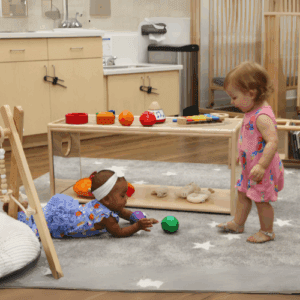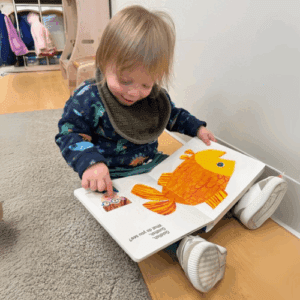

When you enroll your child in daycare, you’re inviting new people into your family’s life. You’re looking for a partner—someone who will work with you, communicate openly, and share in the joy of watching your child reach new milestones. This partnership is built on trust, especially when it comes to infant toddler care. The search is about more than logistics; it’s about finding a place that feels right. A warm, welcoming environment where you can picture your child flourishing. This guide will help you identify the qualities of a strong school-family connection and find that supportive, caring second home.
Key Takeaways
- Understand the local childcare landscape: Bridgeport offers diverse options, from structured centers with specific learning philosophies to cozy in-home daycares, allowing you to find an environment that truly suits your child.
- Prioritize safety and quality credentials: Look beyond a friendly atmosphere by confirming the center’s state license, asking about advanced accreditations like NAEYC, and inquiring about teacher qualifications and background check procedures.
- Make your final choice with confidence: Schedule tours to see the environment firsthand, ask specific questions about daily routines and financial aid, and then weigh the practical details with your own gut feeling to find the best fit for your family.
What Are My Daycare Options in Bridgeport, CT?
When you start looking for childcare in Bridgeport, you’ll find a few different types of programs, each with its own unique environment and approach. Understanding these options is the first step to finding the right fit for your child and your family’s needs. From structured learning centers to cozy in-home settings, here’s a breakdown of what’s available.
Choosing a High-Quality Early Education Center
For families prioritizing a curriculum-based approach, early education centers are a fantastic option. These centers operate like schools for young learners, with structured days and a focus on school readiness. They often follow a specific educational philosophy to guide their teaching. In Bridgeport, organizations like the Alliance for Community Empowerment run several Early Learning Centers that provide a nurturing environment and structured programs. These centers are designed to promote child development, helping them build a strong foundation for future learning through guided activities and social interaction with peers in a classroom setting.
Is Center-Based Daycare Right for You?
Center-based daycare is another popular choice, offering reliable care in a licensed and regulated facility. These centers typically group children by age, providing age-appropriate activities and a consistent routine that helps many children thrive. They are staffed by multiple teachers, ensuring constant supervision and support. A great local example is Donna’s Little Doves Inc., which serves children from infancy up to 12 years old. This wide age range can be a huge plus for families with siblings, offering a single drop-off and pick-up location for both a toddler and an older child.
What to Expect from In-Home Family Daycare
If you’re looking for a more intimate, home-like setting, an in-home family daycare might be the perfect fit. These daycares are run out of a provider’s home and have a smaller number of children, creating a cozy, family-style atmosphere. This can be a wonderful transition for little ones new to childcare. Many in-home providers offer rich educational experiences. For instance, Mekosha Daycare Center focuses on social skills, academics, music, and art, providing a well-rounded curriculum in a personalized environment that feels like a second home.
Hiring a Nanny vs. Enrolling in Daycare
Beyond organized centers and in-home settings, you might also be thinking about hiring a nanny for one-on-one care. The decision often comes down to cost and your family’s specific needs. A nanny provides dedicated attention in the comfort of your own home, which is a wonderful, personalized option. But that one-on-one attention usually comes with a higher price tag. Data shows the average weekly cost for a nanny is around $612, compared to an average of $340 for a daycare center. While daycare is often more budget-friendly, its benefits go beyond cost. It provides a structured environment where your child can socialize with peers, learn to share, and build friendships—all crucial skills for their development. High-quality centers also offer a reliable team of educators and a curriculum designed to prepare children for school.
Parent-and-Child Enrichment Classes
If you don’t need full-time care or are just looking for ways to supplement your child’s learning, parent-and-child enrichment classes are another great option. These programs offer a fantastic way for you to bond with your little one while engaging in fun, developmentally appropriate activities together. Organizations like the YMCA offer classes in art, movement, and early reading that help children grow physically and emotionally. These shared experiences not only support your child’s development but also create lasting memories. Many top-tier early education centers recognize this value and incorporate these activities into their daily schedules. At Strong Start, our own enrichment program includes everything from STEM learning to cooking, ensuring children enjoy a well-rounded experience as part of their everyday learning and play.
Your Options for After-School and Summer Care
Childcare needs often extend beyond the preschool years. Once your child starts elementary school, you may need reliable care after school or during summer break. These programs are designed to keep older kids safe, engaged, and active, often offering a mix of homework help, sports, and creative activities. The Central Connecticut Coast YMCA is a well-known provider of these services in Bridgeport. Their programs give children and teens a place to learn and grow in a supportive environment when they are not in school.
Finding the Right Infant, Toddler, and Preschool Care
As you begin your search, you’ll quickly notice that daycare programs are tailored to specific age groups. This is because the needs of a six-month-old are vastly different from those of a four-year-old. A great childcare center understands these developmental stages and creates environments that support your child exactly where they are. Look for programs that offer distinct classrooms and curriculums for infants, toddlers, and preschoolers, ensuring your child receives age-appropriate care and learning opportunities as they grow.
What to Look for in Infant Care
When looking for infant care, your top priorities are safety, warmth, and responsiveness. You want a space where your baby will be held, nurtured, and cared for by attentive professionals. Look for low caregiver-to-infant ratios and a clean, calming environment. Many local organizations, like the Central Connecticut Coast YMCA, aim to provide a safe and caring place where even the youngest children can thrive. At Strong Start, our infant classrooms are designed to be a home away from home, with dedicated educators who partner with you to follow your baby’s unique schedule for sleeping, eating, and playing.
Low Caregiver-to-Child Ratios
One of the most critical factors in high-quality infant care is the caregiver-to-child ratio. When groups are small, each baby receives the focused, individual attention they need to feel secure and build strong attachments. A low ratio means your baby’s caregiver can quickly respond to their needs, whether it’s a diaper change, a feeding, or a comforting cuddle. This constant, attentive care is fundamental for healthy emotional development. When you tour a center, ask specifically about their ratios in the infant room. This number tells you a lot about the center’s philosophy and their commitment to providing personalized care from exceptional educators who can truly get to know your child.
The Role of a Primary Caregiver
Imagine your baby having one special person at daycare who is their go-to for comfort and care. This is the concept of a primary caregiver. Instead of being passed between different staff members, your child builds a consistent, trusting relationship with one main educator. This person learns your baby’s unique cues, rhythms, and preferences, creating a predictable and secure environment that eases separation anxiety. This bond is the foundation of your child’s experience at school and makes the center feel like a true extension of home. A strong primary caregiving system is a hallmark of a program that prioritizes emotional well-being and values deep, meaningful partnerships with parents.
Responsive Caregiving and Individual Schedules
Babies thrive on routine, but that routine should be their own. Look for a program that practices responsive caregiving, meaning they follow each infant’s individual schedule for sleeping, eating, and playing, rather than imposing a rigid, one-size-fits-all timeline. An educator who is truly responsive will watch for your baby’s hunger cues, notice when they’re getting sleepy, and engage them in play when they’re alert and curious. This approach respects your child as an individual and teaches them that their needs are important and will be met. It ensures that your child’s day is tailored to their unique developmental pace, creating a nurturing and stress-free atmosphere.
Language and Cultural Support
A truly great daycare is one where every child and family feels a sense of belonging. This starts with creating an inclusive environment that respects and celebrates different backgrounds, cultures, and languages. Ask how a center supports families who speak languages other than English at home. Do they make an effort to learn key words in a child’s home language? Do they incorporate diverse books, music, and traditions into the classroom? This cultural responsiveness helps children feel seen and valued for who they are. It also shows a deep commitment to building a strong community where every family is a respected partner in their child’s early education journey.
What Makes a Great Toddler Program?
Toddlers are full of energy and curiosity. The ideal program for this age group provides a balance of structured activities and plenty of room for exploration and play. This is the time when children are developing social skills, expanding their vocabulary, and testing their independence. Centers like Donna’s Little Doves Inc. offer daycare services that cater to this dynamic stage. A quality toddler program should have a stimulating environment filled with age-appropriate toys and materials that encourage discovery. Our toddler classrooms focus on hands-on learning, helping little ones build confidence and make new friends in a supportive setting.
Understanding Toddler Behavior: The 80/20 Rule
Let’s be honest: the toddler years can be tough. If you feel like you’re constantly correcting, redirecting, and saying “no,” you are definitely not alone. It can be reassuring to hear from pediatricians like Dr. Mike Milobsky, who explains that this challenging behavior is a completely normal and necessary part of development. To help maintain a positive connection through this stage, many parents use a simple framework called the 80/20 rule. The goal is to make sure about 80% of your interactions are positive or neutral—sharing a smile, reading a book, or just being together. The other 20% is for the necessary moments of discipline and boundary-setting. This balance helps ensure your relationship is built on connection rather than correction, creating a more peaceful and cooperative home environment for everyone.
How Preschool Prepares Your Child for School
A strong preschool program prepares your child for a smooth transition to kindergarten and beyond. It should focus on building foundational academic skills alongside crucial social-emotional development. Look for a curriculum that encourages problem-solving, creativity, and collaboration. The goal is to find a nurturing and enriching environment where children can build a lifelong love of learning. For many families, affordability is also a key factor. Programs like Care 4 Kids can help make high-quality care accessible. Our preschool classrooms use a project-based approach to get children excited about learning, ensuring they are confident and ready for the next step in their education.
Which Learning Philosophy is Best for Your Child?
When you start looking at daycare centers, you’ll quickly realize they’re much more than just places for your child to be supervised. Many centers are built around specific educational philosophies that shape everything from the classroom layout to daily activities. Understanding these approaches can help you find a program that aligns with your family’s values and your child’s personality. Some philosophies are very structured, while others are more child-led and flexible.
The right environment can make a huge difference in how your child experiences learning during these formative years. It’s about finding a place where they feel seen, supported, and excited to learn. As you tour different centers in the Bridgeport area, you’ll likely encounter a few common approaches. Let’s look at some of the most popular learning philosophies you might find, so you can feel confident in what to look for and what questions to ask.
What is the Reggio Emilia Approach?
The Reggio Emilia philosophy views children as curious, capable individuals with a natural desire to explore the world around them. Instead of following a rigid, pre-planned curriculum, learning is driven by the children’s own interests and questions. Classrooms inspired by this approach are often filled with natural light, open-ended materials, and displays of the children’s work, treating the environment itself as a “third teacher.” Educators act as guides and collaborators, documenting the children’s learning process and encouraging them to express their ideas in many different ways. This Reggio Emilia inspiration fosters a deep sense of respect for the child as a powerful learner.
Why Play-Based Learning Works
A play-based curriculum is built on a simple but powerful idea: children learn best when they are actively engaged in play. This doesn’t mean the day is a free-for-all. Instead, teachers intentionally design activities and learning stations that invite exploration and discovery. Whether they’re building with blocks, creating art, or engaging in dramatic play, children are developing critical social, cognitive, and problem-solving skills. The curriculum in these programs is also carefully tailored to be age-appropriate, ensuring that activities in the preschool classrooms meet children where they are developmentally while gently challenging them to grow.
How Daycares Weave in STEM and the Arts
Many modern early education programs weave science, technology, engineering, math (STEM), and the arts directly into daily learning. For young children, this doesn’t look like worksheets and lectures. It looks like hands-on, project-based activities that spark curiosity. They might build a ramp to see how fast a car can go, plant seeds in a garden to observe growth, or mix colors to create a new shade of paint. This approach, often called The Project Approach, helps children develop critical thinking skills and creativity. It shows them that learning is an exciting process of asking questions, experimenting, and finding answers.
Does the Curriculum Adapt to Your Child?
Ultimately, the best learning philosophy is one that recognizes and celebrates each child as an individual. A high-quality program will focus on supporting your child’s unique growth by paying close attention to their personal interests, strengths, and needs. Educators get to know each child and create a nurturing environment where they feel safe to take risks and try new things. This personalized approach builds self-confidence and a genuine love for learning. It also depends on a strong school-to-home connection, where educators are actively partnering with parents to ensure every child thrives.
How to Check for Safety and Certifications
As a parent, your child’s safety is your top priority. When you’re looking for a daycare, you want to feel confident that you’re leaving them in a secure and nurturing environment. While a warm and friendly atmosphere is important, official licenses and certifications provide the concrete proof that a center meets and exceeds established standards. Think of them as a checklist for excellence. A great program will be proud to share this information with you, as it reflects their commitment to providing the best possible care for every child.
Before you make a final decision, it’s essential to look into a few key areas. You’ll want to verify the center’s state license, check for any higher-level accreditations, understand the qualifications of the teaching staff, and review their daily health and safety protocols. Doing this homework will give you peace of mind and help you find a place where your child can truly thrive. It’s about finding a partner in your child’s care who values their well-being as much as you do. This process empowers you to ask the right questions and make a choice based on clear, verifiable facts. It helps you move beyond a first impression to truly understand the foundation of quality and care that a center is built on, ensuring you find a program that aligns perfectly with your family’s needs.
Why State Licensing Matters
Every legitimate daycare center in Connecticut must have a state license to operate. This is the absolute minimum requirement and is non-negotiable. A license from the state means the program has met foundational standards for health, safety, and caregiver-to-child ratios. According to the City of Bridgeport, licensing ensures that centers are regularly inspected and held accountable for maintaining a safe environment. When you tour a facility, ask to see their current license. It should be prominently displayed. If it’s not, or if the staff is hesitant to show it to you, consider that a major red flag. Verifying a center’s license is the very first step in ensuring your child’s safety.
What is NAEYC Accreditation (And Why It Matters)
While state licensing sets the floor for safety and quality, accreditation is what sets a program apart. The National Association for the Education of Young Children (NAEYC) offers the most respected accreditation in the field. Earning NAEYC Accreditation is a voluntary and rigorous process. It means a center goes above and beyond state requirements in ten key areas, including curriculum, teacher qualifications, and family partnerships. Choosing an accredited program means you’re selecting a center that is deeply committed to the highest standards of early childhood education and is dedicated to continuous improvement. It’s a clear sign that the program is focused on providing a superior learning experience for your child.
Are the Teachers Qualified? Here’s How to Check
The people who will care for and teach your child every day are the heart of any daycare program. You want to ensure they are not only warm and caring but also highly qualified. Ask the director about the educational background and experience of their staff. Look for lead teachers with degrees in early childhood education or a related field. Just as important, every single employee who interacts with children must undergo a comprehensive background check. This should include state and federal criminal history checks. A quality center will be transparent about their hiring practices and proud of their team of exceptional educators.
Look for Specialized Training like PITC
Caring for infants and toddlers requires a unique set of skills that goes far beyond basic supervision. Because their brains are developing so rapidly, caregivers need special training to understand how to best support their growth. This is where programs like the Program for Infant Toddler Care (PITC) come in. PITC focuses on responsive caregiving, teaching educators to pay close attention to each baby’s individual signals—their coos, cries, and movements—and respond in a way that is respectful and nurturing. This approach helps build a strong, trusting relationship, which is the foundation for all future learning. When you find a center that invests in this kind of advanced training for their educators, it’s a clear sign of their commitment to providing the highest quality care for the youngest children.
A Checklist for Health and Safety Protocols
A center’s commitment to safety is evident in its daily routines and emergency preparedness. Ask for a copy of their health and safety handbook. Look for details on secure building access, sign-in and sign-out procedures, and plans for emergencies like fires or medical situations. Staff should be trained in pediatric First Aid and CPR. It’s also important to understand their policies on illness, allergies, and administering medication. A clean, well-maintained facility is another indicator of a program that prioritizes children’s health. These protocols are the practical application of a center’s promise to keep your child safe and well every day.
Infant-Specific Safety: Safe Sleep and Clean Spaces
For infants, safety protocols go even deeper. You’ll want to ask specifically about their safe sleep policy. A high-quality center will be able to clearly explain their procedures, which should align with expert recommendations—always placing babies on their backs to sleep, in a crib that is free of blankets, bumpers, and toys. This isn’t just a preference; it’s a critical safety measure. Beyond sleep, the cleanliness of the environment is paramount. Because infants are more vulnerable, you should see evidence of rigorous cleaning schedules for toys, eating surfaces, and changing stations. A center’s commitment to these health and safety details demonstrates that they understand the unique needs of the youngest children and are dedicated to creating a truly secure and nurturing space for your baby to grow.
What Does a Typical Day Look Like?
Wondering what your little one will actually do all day? While every daycare has its own unique schedule, most high-quality centers build their days around a predictable rhythm that helps children feel secure. This structure blends learning, play, rest, and meals to support your child’s development from drop-off to pick-up. A consistent routine gives children the confidence to explore and learn. Here’s a closer look at the key components you can expect to see in a typical day.
How Structure and Play Shape Their Day
A typical day is a gentle blend of structured activities and free exploration. Mornings often start with free play as children arrive, followed by a group circle time with songs and stories. The core of the day is dedicated to learning through play, where children might build with blocks, paint at an easel, or engage in sensory activities. This isn’t just fun and games; it’s how young children develop critical thinking and social skills. Many centers follow a specific curriculum, like The Project Approach, to guide these discoveries. After lunch, a designated quiet or nap time helps everyone recharge for an afternoon of more learning and play before it’s time to go home.
What About Outdoor Play and Enrichment?
Beyond the core curriculum, many centers offer activities that make each day special. Look for programs that include art, music, and movement to let your child’s creativity shine. Getting outside is also a huge part of the day. Daily outdoor time allows children to develop gross motor skills, burn off energy, and learn about the world around them, whether they’re on a playground or exploring a nature path. Some schools offer dedicated enrichment programs that introduce children to new experiences like cooking, yoga, or STEM projects. These activities help create a well-rounded experience that keeps your child engaged and excited to learn.
What Will My Child Be Eating?
Fueling all that learning and playing is important, so most full-day programs provide nutritious meals and snacks. Centers typically follow guidelines to ensure children get a balanced diet throughout the day. When you tour a facility, always ask to see a sample menu and find out where the food is prepared. It’s also the perfect time to discuss how the center handles food allergies or dietary restrictions. A quality program will have clear protocols in place to keep every child safe. This focus on nutrition is a key part of a center’s overall commitment to health and safety, ensuring your child is well-cared for in every respect.
How to Find Financial Assistance for Childcare
High-quality childcare is one of the most important investments you can make for your child, but it’s also a significant family expense. The good news is that you don’t have to figure it out alone. Connecticut offers several programs designed to make early education more affordable for working families. Understanding your options is the first step toward finding a solution that fits your budget, and many childcare centers can help guide you through the process.
Are You Eligible for the Care 4 Kids Program?
The main resource for families in our state is the Care 4 Kids program. This program helps make childcare affordable for low- to moderate-income families in Connecticut, allowing parents to work or attend school or training programs. Eligibility is based on your family’s income and circumstances. The best way to see if you qualify is to visit their website directly. The state has made it simple to review the requirements, and you can check your eligibility on the official Care 4 Kids site. Many high-quality centers across Bridgeport accept Care 4 Kids, so it’s a great first step.
Where to Find Local Childcare Assistance
Beyond state-level aid, many communities offer their own forms of support. Some childcare centers partner with local agencies to provide tuition assistance or have access to grants that can lower costs for families. When you tour a school, it’s always a good idea to ask the director if they are aware of or participate in any local initiatives. You can also use online databases to find help in your area. Websites like findhelp.org allow you to search for financial assistance programs in Bridgeport, connecting you with organizations that may offer support.
Exploring Paid Parent Caregiving Programs
For some families, particularly those with children who have significant disabilities or medical needs, another financial option exists: getting paid to be your child’s caregiver. This isn’t a typical childcare subsidy. Instead, these programs are designed for situations where a child requires what’s often called “extraordinary care”—a level of support beyond what a typically developing child of the same age would need. The rules for these programs are changing quickly and vary greatly by state, but they are often funded through specific Medicaid waiver programs or other state initiatives for in-home support. If your child has complex needs, it may be worth researching your state’s specific regulations to see if this is a possibility for your family. This path requires careful research but can provide essential support for families in unique circumstances.
Don’t Forget to Ask About Flexible Payments
Don’t hesitate to have an open conversation about tuition with the centers you’re considering. Many schools understand that every family’s financial situation is different and may offer flexible solutions. Ask about payment plans that allow you to spread out costs over time or if they offer a discount for siblings. Some centers also have internal scholarships. It’s also worth checking if your employer offers any childcare benefits. Some companies partner with centers to provide a tuition benefit for their employees, which can make a big difference. The only way to know is to ask.
How to Choose the Best Daycare for Your Family
Finding the right daycare is a personal decision that involves balancing practical needs with your family’s values. Once you have a shortlist of potential centers, it’s time to dig a little deeper to find the perfect fit. This final step is all about visiting in person, asking detailed questions, and trusting your intuition. By focusing on a few key areas, you can move forward with confidence, knowing you’ve found a place where your child will be safe, happy, and supported.
Your Daycare Tour Checklist: What to Ask
Reading about a center online is one thing, but seeing it in person is essential. Schedule a tour at each of your top choices to get a real feel for the environment. Pay attention to the little things: Are the classrooms clean and inviting? Do the children seem happy and engaged? How do the teachers interact with them? Come prepared with a list of questions about everything from daily routines to communication policies. A great center will be happy to explain what your child’s day will look like and how they partner with parents to support every child’s growth.
Does the Teaching Style Fit Your Family?
Every daycare has a unique approach to early education. Some are play-based, while others follow a specific philosophy like the Project Approach. Think about what kind of learning environment will best suit your child’s personality. The most important element, however, is the people. Look for a center that invests in exceptional educators who are not only qualified but also warm and caring. Don’t be afraid to ask about staff certifications, training, and the background check process. A quality program will prioritize safety and ensure its teachers are prepared to help every child learn and grow.
How the Center Partners with Families
Connecting You with Community Resources
A great daycare does more than care for your child; it supports your entire family. This partnership extends beyond the classroom walls, creating a network of support that helps everyone thrive. High-quality programs often serve as a community hub, connecting families with valuable local resources. According to the Child Development Council, top-tier centers can help families connect with important community services, whether that’s finding a pediatrician, getting mental health support, or learning about social services. This commitment to family well-being is a hallmark of programs that are truly invested in the community. When you find a center that is actively partnering with parents in this way, you know you’ve found more than just a daycare—you’ve found a community that is genuinely invested in your family’s success.
The Final Decision: Cost, Location, and Trusting Your Gut
Finally, it’s time to weigh the practical details. Location is a major factor for busy families, so consider the daily commute. Cost is another critical piece of the puzzle. Many centers offer flexible payment options, and programs like Care 4 Kids can make childcare more affordable for eligible families. After you’ve compared the logistics, take a moment to check in with yourself. Which center felt the most welcoming? Where can you truly picture your child thriving? Sometimes, the best choice comes down to a gut feeling. Trust your instincts to guide you to the right place for your family.
Related Articles
- How Much Is Daycare a Week in CT? A Parent’s Guide
- Connecticut Daycare Guide: Choosing the Best for Your Child
Frequently Asked Questions
What’s the real difference between a licensed daycare and an accredited one? Think of state licensing as the essential foundation for safety. It confirms a program meets Connecticut’s minimum health and safety standards, which is non-negotiable. Accreditation, especially from an organization like NAEYC, is a sign of exceptional quality. It’s a voluntary, in-depth process where a center proves it exceeds those basic standards in areas like curriculum, teacher qualifications, and its partnership with families. It shows a deep commitment to providing the best possible learning environment.
How can I tell if a center’s learning style is a good match for my child? The best way is to observe a classroom in action during your tour and consider your child’s personality. Does your child learn best by exploring independently, or do they prefer more structured, guided activities? Watch how the teachers interact with the children. A program centered on child-led discovery, like one inspired by Reggio Emilia, will look very different from a more traditional one. A quality program should be able to explain how its approach supports different learning styles and helps all children feel successful.
What are the most important things to observe during a tour? Look past the colorful walls and focus on the interactions. Do the teachers seem genuinely happy to be there, and are they speaking with children respectfully? Are the children engaged and comfortable with their caregivers? A warm, positive relationship between staff and students is the most important ingredient for a great program. Also, pay attention to the overall atmosphere. A classroom filled with the happy hum of activity is a wonderful sign.
My child has specific dietary needs. How should I approach this with potential daycares? You should bring this up from your very first conversation. A professional and safe center will welcome your questions. Ask to see their allergy policy in writing and have the director explain their specific procedures for meal preparation, preventing cross-contamination, and handling an allergic reaction. Their ability to answer confidently and provide a clear, detailed plan will tell you everything you need to know about how seriously they take health and safety.
What’s the first step I should take if I think I need financial assistance? Your best first step is to visit the official Care 4 Kids website. This is Connecticut’s main childcare subsidy program, and their site has an eligibility screening tool you can use right away. This will give you a clear understanding of what support you might qualify for based on your family’s income. Knowing this information upfront can help you focus your search on programs that will fit your budget.
Written By
Marc Hoffman
Founder, Strong Start Early Care & Education
Marc founded Strong Start in 2014, inspired by his studies at Williams College, Yeshiva University, and research at Yale University. His child-centered, inquiry-based approach to early education has helped hundreds of families in the Trumbull and Bridgeport communities. As a parent himself, Marc understands the importance of finding a nurturing environment where every child can learn, grow, and flourish.