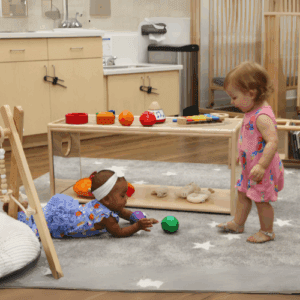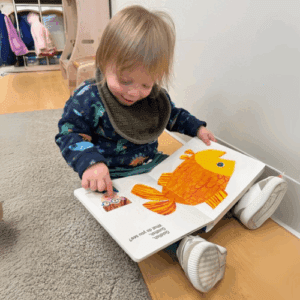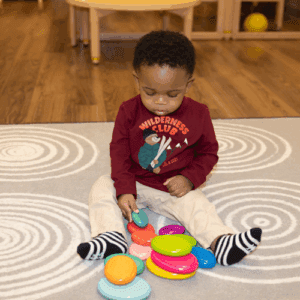
Think about the environment where your baby spends their day. Does it spark curiosity or just contain them? The Reggio Emilia philosophy sees the classroom itself as the “third teacher,” a powerful partner in your child’s development. A true reggio infant classroom swaps bright, overstimulating plastic for calm, beautiful spaces filled with natural materials that invite touch. This is one of the key benefits of the Reggio Emilia approach. It creates a secure, engaging atmosphere where your baby is empowered to move, investigate, and learn on their own terms, following a child-led reggio curriculum.
Key Takeaways
- Your infant guides their own learning: This approach trusts your child’s innate curiosity. Instead of a fixed curriculum, educators observe your baby’s interests and provide experiences that support their unique developmental path.
- The classroom is designed for discovery: The environment acts as a “third teacher,” using natural materials and an accessible layout to create a calm, sensory-rich space that encourages movement, exploration, and problem-solving.
- Secure relationships build confidence: Learning is built on a foundation of trusting bonds. Responsive care from educators and a close partnership with your family create a supportive community that helps your infant feel safe, seen, and ready to explore.
What is the Reggio Emilia Approach for Infants?
When you watch your baby, you can see their mind at work. They are constantly exploring, testing, and making sense of the world around them. The Reggio Emilia approach is a philosophy of education that honors this incredible, innate curiosity. It’s not a strict curriculum with flashcards and drills; instead, it’s a way of thinking that views infants as capable, intelligent individuals who are full of potential from the moment they are born. This approach is built on a few core ideas that work together to create a rich learning experience for even the youngest children.
At its heart, this philosophy believes that children learn best through relationships and exploration. It centers on the partnership between the child, the educator, and the family. The educator’s role is to observe and listen, discovering what interests your child and providing opportunities to explore those interests more deeply. The classroom environment is also a key piece of the puzzle. It’s thoughtfully designed to be a “third teacher,” a space that is both comforting and stimulating, inviting your baby to touch, move, and discover. This approach creates a nurturing foundation for a lifetime of learning.
The Core Beliefs of the Reggio Philosophy
The Reggio Emilia philosophy is guided by a deep respect for infants as competent and capable learners. It creates a warm and comfortable classroom where babies can feel secure enough to explore freely while still benefiting from a clear, predictable routine. This balance of freedom and structure helps your child feel safe and confident. A central belief is that relationships are the foundation of all learning. Our approach is built on fostering positive, gentle interactions between your baby and their educators, as well as with other infants. This focus on connection is a key part of our Reggio Emilia inspiration and helps your child build a strong sense of self from day one.
The Educational Roots of Reggio Emilia
The Reggio Emilia approach didn’t just appear out of nowhere; it’s a thoughtful philosophy built on decades of research in child development. It’s more than just a style of classroom decoration—it’s a deep way of thinking about how children learn, grounded in strong community values and educational theory. This approach was developed in the villages around Reggio Emilia, Italy, after World War II by a teacher named Loris Malaguzzi and the parents of the community. They wanted to create a new kind of school, one that respected children as powerful thinkers and citizens. To do this, they drew inspiration from some of the most influential minds in education, blending their ideas to create a truly unique and child-centered way of learning.
Influences from Piaget, Vygotsky, and Dewey
The philosophy is deeply influenced by the work of three key thinkers. From Jean Piaget, it takes the idea that children are active builders of their own knowledge—little scientists who learn by doing. From Lev Vygotsky, it embraces the power of social learning, recognizing that children learn best through collaboration with peers and guidance from caring adults. And from John Dewey, it adopts the belief that learning should be connected to real-life experiences. This is why our curriculum is built around The Project Approach, where children’s questions spark long-term investigations. Our exceptional educators act as researchers alongside your child, creating a dynamic learning environment where curiosity leads the way.
Reggio Emilia vs. Traditional Childcare: What’s the Difference?
Unlike some traditional childcare models, the Reggio Emilia approach sees the environment itself as a teacher. Our Infant Classrooms are intentionally designed with natural light, soft textures, and open-ended materials that invite curiosity and exploration. You won’t find rows of high chairs, but rather spaces that encourage movement and interaction. Another key difference is the collaborative spirit. Educators work together as a team, observing children, documenting their progress, and planning experiences based on their interests. This approach believes children are powerful learners with many ways to express themselves, and our job is to support them as they show us what they know and what they want to learn next.
The Teacher’s Role: A Partner in Discovery
In a Reggio Emilia-inspired classroom, the educator is not just a caregiver but a co-learner and researcher alongside your child. Our exceptional educators focus on building trusting, responsive relationships with each infant, which is essential for healthy development. This secure attachment gives your baby the confidence to explore their world. We believe in “the hundred languages of children,” the idea that children have countless ways of expressing themselves. For an infant, these languages might include babbling, reaching, kicking, or intently watching a mobile. Our educators are skilled at observing and interpreting these cues, responding in ways that make your child feel seen, heard, and understood.
How the Curriculum Emerges from Your Child’s Interests
One of the most powerful aspects of the Reggio Emilia philosophy is how it honors your child’s own ideas. Instead of following a rigid, pre-planned schedule of activities, the curriculum is fluid and emerges directly from the children’s interests and explorations. This means that learning is always relevant, engaging, and meaningful to your baby because it starts with what they are already curious about. If your infant is fascinated by the way light reflects off a surface or the texture of a soft blanket, our educators notice. They then use these observations as the starting point for creating rich, hands-on learning experiences that are tailored to your child’s unique developmental journey.
Understanding the “Emergent Curriculum”
An emergent curriculum is built on trust—trust in your child’s ability to lead their own learning. Instead of a fixed curriculum, educators carefully observe your baby’s interests and provide experiences that support their unique developmental path. This approach trusts your child’s innate curiosity. For example, if an educator notices your baby is captivated by sounds, they might introduce different objects that rattle, crinkle, or chime. This responsive process is grounded in the secure relationships formed in the classroom. The focus on positive, gentle interactions between your baby and their educators is a key part of our Reggio Emilia inspiration, helping your child build a strong sense of self from day one.
Using “Provocations” to Inspire Exploration
Once an educator observes an interest, they intentionally set up “provocations”—thoughtful arrangements of materials designed to provoke further thinking and exploration. A Reggio-inspired classroom supports children’s growth in all ways, including their ideas, projects, and explorations. For an infant, a provocation might be as simple as placing a basket of smooth, cool stones next to a collection of warm, fuzzy pom-poms to explore different textures. The classroom environment itself becomes a key piece of the puzzle. It’s thoughtfully designed to be a “third teacher,” a space that is both comforting and stimulating, inviting your baby to touch, move, and discover what happens next.
Supporting Your Infant’s Social and Emotional Growth
From the moment they’re born, infants are learning how to connect with the world and the people in it. Their social and emotional development is just as important as their physical and cognitive growth, and this is where the Reggio Emilia approach truly shines. It’s a philosophy built on a foundation of deep respect for children as capable, curious individuals who are ready to form meaningful relationships from day one.
In our infant classrooms, we focus on creating a warm, loving atmosphere where your baby feels safe, seen, and understood. This sense of security is the bedrock for all future learning and exploration. When infants feel secure, they are more confident to interact with their surroundings, express their needs, and build the trusting bonds that are so critical in these early months. Our exceptional educators are not just caregivers; they are partners in your child’s journey, attentively responding to their cues and celebrating their unique personality. This responsive care helps your baby understand that they are valued, which is the first step toward developing a strong sense of self and empathy for others.
Creating Secure Attachments Through Responsive Care
A secure attachment is the loving, trusting bond that forms between an infant and their primary caregivers. It’s the feeling your baby gets when they know their needs will be met with warmth and consistency. In a Reggio-inspired classroom, building these attachments is our priority. We create a calm and comfortable environment with predictable routines that help your baby feel safe and settled. Our educators are trained to be keen observers, learning your infant’s unique cues for hunger, comfort, and play. By responding promptly and tenderly, we show your baby that they can trust the adults in their life. This consistent, responsive care is the foundation for healthy social and emotional well-being.
Supporting Early Communication and Expression
Long before your baby says their first word, they are communicating with you. A cry, a coo, a wiggle, or a gaze are all powerful forms of expression. The Reggio Emilia philosophy honors these early efforts through the concept of the “hundred languages of children.” We believe infants have infinite ways of expressing their thoughts and feelings, and our role is to listen and respond to all of them. We engage your baby in rich, back-and-forth “conversations,” mirroring their sounds and gestures. We also provide opportunities for them to explore communication through movement, sound, and sensory play, validating their ideas and encouraging them to share their inner world with us.
Creating an Emotionally Safe Space for Your Infant
An infant’s emotional world is brand new, and they rely on caring adults to help them make sense of it. A key part of our approach is creating an environment that feels emotionally safe. Predictable daily rhythms for feeding, napping, and playing help your baby understand their world and feel secure in it. When life feels predictable, infants are less stressed and more available for learning and connection. Our educators model gentle, positive interactions and help babies begin to understand their own feelings. This focus on relationships and routines creates a strong sense of security and belonging, which is essential for your child’s overall well-being and daily happiness.
How We Partner with You to Strengthen Family Bonds
We believe that you are your child’s first and most important teacher. That’s why a strong partnership between our educators and your family is at the heart of everything we do. The Reggio Emilia approach views education as a collaborative effort, creating a triangle of connection between the child, the family, and the school. We are committed to partnering with parents through open, daily communication to ensure a seamless and supportive experience for your child. By sharing observations and insights, we work together to celebrate your infant’s milestones and support their growth, strengthening the bonds that help your child thrive both at school and at home.
The Environment: Your Child’s “Third Teacher”
In the Reggio Emilia philosophy, the classroom environment is seen as the “third teacher,” working alongside educators and families to guide your child’s learning. This means the physical space is much more than just a room; it’s a carefully and intentionally designed world filled with purpose and potential. Every element, from the lighting to the materials on the shelves, is chosen to spark curiosity, encourage exploration, and make your infant feel secure and capable.
This approach transforms the classroom into an active participant in your child’s development. Instead of a loud, overstimulating space filled with plastic toys, you’ll find a calm, beautiful, and engaging atmosphere that respects your infant’s need for both comfort and challenge. Our Reggio Emilia-inspired classrooms are designed to be responsive to the children within them, evolving as they grow and their interests change. The environment invites communication, collaboration, and discovery, empowering even our youngest learners to actively shape their own educational journey from the very beginning.
Designing a Sensory-Rich World with Natural Materials
When you step into one of our infant classrooms, you’ll notice the focus on natural, open-ended materials. We choose items made of wood, fabric, metal, and stone because they offer a rich sensory experience that plastic simply can’t replicate. These materials have different weights, textures, and even temperatures, which helps your baby build connections and understand the world through touch. The learning space is thoughtfully designed to engage an infant’s senses and help them develop crucial cognitive skills. We fill our rooms with soft rugs, smooth wooden toys, intriguing baskets, and plenty of natural light to create a warm and welcoming atmosphere that feels more like a home than a school.
The Importance of a Neutral Color Palette
You’ll also notice that our Infant Classrooms are designed with a calm, neutral color palette. This is a deliberate choice that sets a peaceful, home-like tone and minimizes visual overstimulation for your baby. In a world that is already so full of new sights and sounds, a serene background helps infants focus their attention on what truly matters: their explorations, the materials in front of them, and the faces of their caregivers and friends. Rather than competing with brightly colored walls and furniture, your child becomes the vibrant center of the space. This approach respects your baby’s developing sensory system and creates a beautiful, inspiring environment where their work and their presence are the main event.
Using “Loose Parts” and Simple, Open-Ended Toys
In our classrooms, you won’t find many toys that light up or play music with the push of a button. Instead, we fill our spaces with simple, open-ended materials often called “loose parts.” These are items like smooth wooden rings, soft fabric squares, nesting cups, and chunky blocks that can be used in countless ways. Unlike a single-purpose electronic toy that dictates the play, these materials invite your baby to be the inventor. They encourage problem-solving, creativity, and discovery as your infant explores how to stack, sort, mouth, and manipulate them. This approach is central to our Reggio Emilia inspiration, as it trusts your child to be an active, capable learner who can create their own meaning and direct their own play.
Creating a Classroom That Invites Exploration
A key part of the “third teacher” concept is creating a world that is accessible and inviting from an infant’s perspective. We arrange our classrooms to feel both cozy and open, giving your baby the freedom to explore while feeling safe and secure. Materials are placed on low, open shelves, allowing children to see their options and make their own choices. This simple act of empowerment builds confidence and independence from a very young age. Our infant classrooms are designed to be a comfortable and predictable space where babies can move freely, investigate interesting objects, and interact with their caregivers and peers in a calm, supportive setting.
Starting with Blank Walls to Showcase Children’s Work
It might seem unusual to imagine a classroom for babies that doesn’t start with colorful cartoon characters and pre-made posters on the walls. However, in a Reggio-inspired setting, the walls begin as a blank canvas for a very important reason: they are reserved for your child. This approach honors the belief that the environment should reflect the people who live and learn within it. Instead of being filled with commercial decorations, the walls gradually become a gallery of your infant’s own experiences. This includes photos of them exploring, documentation of their discoveries, and displays of their sensory art projects. This practice sends a powerful message to your child: “You are important. Your work matters. This space belongs to you.”
Organizing the Room into Specific Learning Areas
A thoughtfully organized environment helps infants feel secure and understand their world. Rather than having a single open space with toys scattered about, our classrooms are arranged into distinct, purposeful areas that invite different kinds of exploration. You might find a cozy, soft corner with books and pillows for quiet moments, a designated area with low mirrors and bars to encourage pulling up and movement, and a sensory space with baskets of natural objects to touch and investigate. This intentional design helps create a calm, predictable flow to the day. By providing specific zones for rest, active play, and discovery, we support all aspects of your infant’s development and empower them to make choices about how they want to engage with their surroundings.
Making the Classroom a Reflection of the Children
Ultimately, the classroom environment is not static; it is a living space that evolves right alongside the children. As educators observe your infant’s budding interests—perhaps a fascination with shadows or a love for crinkling different fabrics—they adapt the environment to support and extend that curiosity. This responsive process ensures the classroom is always relevant and engaging. It becomes a mirror, reflecting the identities, interests, and cultures of the children and families in the community. Through our commitment to partnering with parents, we also incorporate elements that connect your child’s experience at school with their life at home, creating a seamless and deeply personal learning world.
Making Space for Movement and Discovery
An infant’s primary way of learning is through movement, and our environments are built to support this fundamental need. The classroom layout is intentionally designed to encourage both fine and gross motor skills. You’ll find soft, open spaces for tummy time, rolling, and crawling, as well as sturdy, low furniture that babies can use to pull themselves up to a standing position. We carefully select activities and materials that inspire reaching, grasping, and manipulation. By placing intriguing objects just within reach, the environment itself motivates your child to move their body, solve problems, and discover what they are capable of, all at their own natural pace.
Health and Safety in the Infant Classroom
While the Reggio Emilia philosophy celebrates beauty, curiosity, and exploration, none of it is possible without an unwavering commitment to your child’s well-being. A learning environment can only become a “third teacher” when it is fundamentally safe and secure. This foundation of trust allows your infant to explore with confidence, knowing they are protected and cared for. Our approach to health and safety is woven into every aspect of our day, from the design of our classrooms to our daily routines, ensuring your baby has the secure base they need to grow and thrive.
Our Commitment to Safe Sleep Practices
Peaceful, restorative sleep is essential for your baby’s development, and we are dedicated to providing the safest possible environment for them to rest. Our infant classrooms feature separate, quiet areas designed specifically for naps, away from the active play spaces. Each baby is assigned their own crib that meets all current safety regulations, ensuring they have a personal, comfortable space. These cribs are carefully spaced to allow for healthy air circulation and to give our educators a clear line of sight for frequent checks, ensuring your little one is sleeping soundly and safely at all times.
Ensuring Constant Supervision and a Child-Proofed Space
Your peace of mind is our priority, which is why our educators provide constant and diligent supervision. They are always positioned to see and hear every child in their care, whether they are playing, eating, or sleeping. Even during naptime, we conduct regular checks to ensure each baby is resting comfortably and breathing well. Because we encourage movement and discovery, our infant classrooms are meticulously child-proofed. Every detail, from covered outlets to secured furniture and age-appropriate materials, is thoughtfully managed to create a space where your child has the freedom to explore without compromising their safety.
Hygiene and Organization for a Healthy Environment
A clean and organized classroom is a healthy classroom. We follow rigorous hygiene protocols to minimize the spread of germs and keep your baby healthy. All surfaces, toys, and equipment are cleaned and sanitized frequently throughout the day, especially after diaper changes, feedings, and messy play. To ensure personalized care, each infant has a labeled cubby for their personal items, like diapers and extra clothes. All bottles and food are also clearly labeled with your child’s name and the date, reflecting our deep commitment to careful, individualized attention in a pristine and well-managed environment.
Supporting Your Infant’s Cognitive and Physical Growth
When we think about learning, we often picture books and lessons. But for infants, learning is a full-body experience. Their minds and bodies are growing together at an incredible rate, and the Reggio Emilia philosophy is designed to support this connection. It’s not about drills or flashcards; it’s about creating a world that naturally invites them to think, move, and discover. Every time your baby reaches for a toy, they are not just practicing a physical skill, they are also solving a problem: “How do I get that interesting thing?”
This approach recognizes that cognitive and physical milestones are deeply intertwined. A baby who is given the freedom and space to roll, crawl, and eventually pull up is also gaining a new perspective on their world, which sparks new questions and ideas. By providing carefully chosen materials and a safe, engaging environment, we help infants build strong bodies and curious minds. We trust that they are natural explorers, and our role is to provide the perfect landscape for their adventures. This foundation helps them become confident, capable learners who understand how to interact with the world around them.
Why Child-Led Exploration is Key to Learning
The Reggio Emilia approach sees infants as intelligent and active learners from day one. Instead of a rigid, adult-led schedule, learning happens organically by following your child’s lead. When your baby is fascinated by the way light reflects off a toy, we notice. We might add other reflective materials nearby to let them explore the concept further. This method respects their innate curiosity and shows them that their interests are important. This approach helps babies learn and grow by creating a warm, comfortable classroom where they feel free to explore. By honoring their choices, we help them build confidence and develop a genuine love for discovery that will last a lifetime.
Developing Language Through Meaningful Interactions
Long before they say their first word, infants are powerful communicators. They tell us what they need through cries, coos, and body language. In our infant classrooms, we focus on developing language through responsive and meaningful interactions. When your baby babbles, we babble back, treating it like a real conversation. We talk to them throughout the day, describing what we’re doing and what they’re seeing. Through this constant exposure to rich language and attentive conversation, infants begin to understand the rhythm and flow of communication. They learn that their voice matters and that they can have an impact on the world around them, laying the groundwork for strong language skills.
Supporting Gross and Fine Motor Skill Development
From the tiniest grasp to the first wobbly steps, physical development is a huge part of an infant’s first year. Our environments are intentionally designed to support both fine and gross motor skills. We provide soft, open spaces for tummy time, rolling, and crawling, which builds core strength and coordination. We also offer a variety of interesting objects and materials that encourage babies to practice their fine motor skills, like reaching, grasping, and passing a toy from one hand to the other. These activities are more than just play; they are the building blocks for future skills like writing, drawing, and even getting dressed.
Fostering Independence and Self-Care Skills
It might seem early to think about independence, but the seeds of self-reliance are planted in these first few months. We foster this growth by creating a world where your infant can make choices and have an impact. Our thoughtfully designed environment places interesting, safe materials on low, open shelves, allowing your baby to choose what they want to explore. This simple act of empowerment sends a powerful message: “Your interests are valid, and you are capable of making decisions.” By respecting their ability to direct their own play, we help them build confidence and a sense of agency. This foundation of trust in their own abilities is the first step toward learning to do things for themselves, from self-soothing to eventually feeding themselves.
Sparking Curiosity with Sensory Play
Infants learn about the world by touching, tasting, seeing, smelling, and hearing it. Sensory exploration is essential for brain development, as it helps build neural pathways. Our approach to Reggio Emilia inspiration means we fill our classrooms with rich sensory experiences. This might include baskets of natural materials with different textures, the sound of gentle music, or the sight of colorful mobiles moving in the breeze. We provide safe, stimulating materials that invite infants to explore with all their senses. This hands-on, sensory-rich play sparks their natural curiosity and helps them make sense of the complex world around them, one discovery at a time.
How We See and Support Your Child’s Unique Growth
Every baby is on their own unique timeline, and that’s something to be celebrated. The Reggio Emilia approach sees your infant as a capable, curious individual from day one. Instead of following a rigid, one-size-fits-all curriculum, our role is to carefully observe your child, understand what fascinates them, and support their natural development. We see ourselves as partners with you and your child, creating a learning story that is entirely their own. This personalized approach ensures that your infant feels seen, understood, and confident as they explore the world around them. It’s a process built on respect for your child’s individuality and a deep partnership with your family.
Observing and Documenting Your Child’s Growth
How do we know what your infant is learning and thinking? We watch, listen, and document. Instead of formal assessments, our educators spend their time observing your child’s interactions and explorations. Documentation of children’s learning is a key practice, allowing us and you to see and celebrate each moment of growth. This might look like a photo of your baby discovering their reflection, a written note about the sounds they make when a favorite song plays, or a collection of materials they engaged with during sensory play. This process makes your child’s learning visible and helps us thoughtfully plan what to offer next to support their interests.
Addressing Accountability Without a Formal Curriculum
It’s a fair question: If there isn’t a pre-written curriculum, how do you ensure my child is learning and developing? The answer lies in a practice that is central to the Reggio Emilia philosophy: making learning visible. Instead of following a generic checklist, our educators engage in careful observation and detailed documentation of your child’s unique journey. This process—which includes photos, notes on interactions, and examples of their explorations—creates a living record of their growth. This approach provides a deeper form of accountability because it’s tailored to your child. It allows our teaching teams to collaborate, reflect on your infant’s progress, and thoughtfully plan the next steps to support their specific interests and developmental needs.
Honoring Each Child’s Individual Pace
In our infant classrooms, you won’t see us pushing babies to meet milestones on a set schedule. We believe in honoring each child’s natural rhythm. Our educators observe and respond to each infant’s unique interests and needs, which allows for truly personalized learning experiences. If your baby is fascinated by grasping objects, we’ll provide a variety of safe, interesting items for them to explore. If they are starting to show an interest in moving, we ensure the environment is safe and inviting for them to practice rolling, scooting, or crawling. This responsive care builds your child’s confidence and lets them know that their efforts are valued.
Involving You in Your Child’s Learning Story
We see you as your child’s first and most important teacher. That’s why partnering with parents is at the heart of everything we do. We recognize the vital role your family plays in your child’s early learning journey and view our relationship as a true collaboration. We regularly share our observations and documentation with you and are always eager to hear about the discoveries your child is making at home. This open communication creates a strong, consistent support system for your infant, bridging the gap between home and school and enriching their overall experience.
The Benefits of a Reggio Start: Creativity and School Readiness
The care and attention your infant receives now lays the groundwork for their future. The Reggio Emilia approach helps children learn to express themselves with confidence, develop creative problem-solving skills, and welcome new experiences. By honoring their curiosity and supporting their individual journey from the very beginning, we are nurturing a lifelong love of learning. These foundational skills are what true school readiness is all about. Your child will grow into a toddler and preschooler who is not just prepared for academic learning, but who is also a curious, resilient, and joyful learner ready for the adventures ahead.
Reggio Emilia vs. Montessori for Infants
As you explore early education for your infant, you’ll likely come across two highly respected, child-centered philosophies: Reggio Emilia and Montessori. Both approaches value children as capable learners and have wonderful strengths, but they differ in their views on the learning process, the classroom environment, and the roles of the teacher and parent. Understanding these key distinctions can help you find the philosophy that feels like the best fit for your baby and your family’s values. While Montessori often emphasizes independent, structured learning with specific materials, the Reggio Emilia approach is built around collaborative exploration, relationships, and a curriculum that emerges from your child’s own curiosity.
Key Differences in the Classroom Environment
Both philosophies believe the classroom environment is crucial, but they put this belief into practice differently. A Montessori infant room is orderly and precise, with specific materials on low shelves, each designed to teach a single skill. The environment is structured to support independent work and concentration. In contrast, the Reggio Emilia approach sees the environment itself as a “third teacher.” Our Infant Classrooms are intentionally designed to be beautiful, calming, and sensory-rich, filled with natural light, soft textures, and open-ended materials that invite curiosity. Instead of toys with a single purpose, you’ll find baskets of smooth stones, interesting fabrics, and wooden blocks that your baby can explore in countless ways, sparking creativity and problem-solving from the very beginning.
Comparing Curriculum and Learning Materials
The curriculum in a Montessori setting is more defined. Infants are introduced to a specific sequence of materials that build upon each other, mastering one skill before moving to the next. The materials are often self-correcting, allowing a child to learn through repetition and individual discovery. The Reggio Emilia philosophy, on the other hand, uses an “emergent curriculum.” This means learning is not predetermined but flows from the interests and discoveries of the children. Educators observe what fascinates your infant—perhaps the way a shadow moves or the texture of a soft blanket—and then provide materials and experiences, or “provocations,” to explore that interest more deeply. This approach believes children are full of ideas and makes learning a personal and joyful process.
The Role of the Parent in Each Approach
Both philosophies value family involvement, but the nature of that partnership can feel different. In Montessori, parents are often encouraged to create consistency by applying Montessori principles at home, fostering independence and order. The Reggio Emilia approach views parents as essential partners and collaborators in their child’s educational journey. We believe you are your child’s first and most important teacher, and we are committed to partnering with parents through open, daily communication. Your insights about your child’s life at home are vital to our planning. This creates a strong, supportive community around your child, where educators and families work together to celebrate every milestone and discovery.
Which Philosophy Might Be the Right Fit for Your Child?
Ultimately, the best choice depends on your child’s temperament and your family’s goals. Both approaches offer a beautiful, respectful start to a child’s education. The structured, predictable nature of Montessori can be a wonderful fit for an infant who thrives on routine and enjoys deep, independent focus. The Reggio Emilia approach, with its emphasis on relationships, creativity, and collaborative exploration, is often a great match for a child who is highly social and curious about the world around them. If you envision an early learning experience where your child’s unique interests guide their day and where they learn alongside caring educators and peers, the community-focused, discovery-based world of Reggio Emilia may be the perfect place for them to begin their journey.
Related Articles
Frequently Asked Questions
What makes a Reggio Emilia infant classroom look and feel different from a typical daycare? The biggest difference is the calm and intentional atmosphere. Instead of bright primary colors and plastic toys, our classrooms are filled with natural light, soft textures, and materials made from wood, metal, and fabric. Everything is thoughtfully arranged from a baby’s point of view, with low shelves and open spaces that invite movement and exploration. The goal is to create a beautiful, home-like environment that feels secure and engaging, not overstimulating.
My baby is so young. How can they really “lead” their own learning? Infant-led learning is all about being a great observer. Your baby communicates their interests constantly, even without words. When they are fascinated by the way a shadow moves on the wall or the texture of a soft blanket, that’s them showing us what they want to learn about. Our educators notice these moments of curiosity and then provide more opportunities to explore that specific interest. It’s a responsive way of teaching that honors your child’s intelligence from day one.
Without tests or formal reports, how will I know what my baby is learning? We track your child’s growth by telling their unique learning story through documentation. Our educators take photos, write down observations, and collect examples of materials your baby engages with. This creates a rich, visible record of their development and discoveries over time. We share this with you regularly, so you can see your child’s progress and celebrate their milestones with us. It’s a much more personal and meaningful way to understand their journey.
Is this approach just unstructured playtime all day? Not at all. While it may look like simple play, every part of the day is filled with purpose. The environment is carefully designed to encourage specific types of discovery, and the materials are chosen to support developmental skills. Our educators are active participants, not just supervisors. They are constantly observing, interacting, and thoughtfully planning experiences based on your child’s interests. It’s a very intentional process that respects a baby’s natural way of learning through exploration.
How does this approach in infancy prepare my child for preschool and beyond? This approach builds the foundation for a lifetime of learning. By fostering secure attachments, we help your child feel safe and confident. By honoring their curiosity, we nurture their natural desire to explore and ask questions. And by celebrating their many ways of communicating, we help them find their voice. These core skills, like confidence, creativity, and resilience, are what truly prepare a child for the social and academic adventures of preschool and elementary school.
Written By
Marc Hoffman
Founder, Strong Start Early Care & Education
Marc founded Strong Start in 2014, inspired by his studies at Williams College, Yeshiva University, and research at Yale University. His child-centered, inquiry-based approach to early education has helped hundreds of families in the Trumbull and Bridgeport communities. As a parent himself, Marc understands the importance of finding a nurturing environment where every child can learn, grow, and flourish.