
The end of the day can feel like the final boss battle for parents. You’ve made it through dinner, baths, and clean-up, but the biggest challenge still lies ahead: getting your little one to sleep. For many families, the hours leading up to bedtime are filled with negotiations, tears, and exhaustion. A peaceful goodnight bedtime can feel like a distant dream. But what if it didn’t have to be a struggle? A consistent, calming routine is more than just a way to get your child into bed; it’s a foundational skill that supports their emotional security and development. This guide offers practical, actionable steps to transform your evenings from chaotic to calm.
Our day care in Trumbull is called Strong Start Early Care & Education and we believe in doing everything we can to give children just that, a strong start in life and education. We offer programs for preschoolers, toddlers, and infants. During these early years of life, patterns are set that will determine future behavior, and so it’s important to think about the future as well as the present. One behavior that is important to help children to develop during these years is the habit of nighttime self-soothing. In this two-part blog, we’ll look at an example of a good bedtime routine as well as two schools of thought about how to deal with sleep disturbances and how to teach self-soothing. There are two main schools of thought regarding self-soothing We’ll look at both of these today and the possible consequences they can create. We leave it to parents to decide which fits their family and their child, but either way, an intentional decision will help give your child the strong start you want for them.
Set the Stage
Regardless of which school of thought you end up deciding on (and most parents try both in the struggle to get baby to sleep), it is important to remember that bedtime starts long before the lights go out. Giving your child a bedtime routine plays many roles, for both them and you. Having a set routine gives signals that bedtime is coming. Your child will come to understand this routine and they will find comfort in it. A bedtime routine also gives you something to do with your baby in the time before bedtime arrives and gives your some great bonding time. It can also be the time when the parent who has been working all day joins in and bonds with their child.
Bedtime Routine Example
- After dinner, and a quick washcloth clean-up, give your child some time to play while you get the kitchen cleaned up. When you are ready, head toward the bathtub.
- A nice long bath is play time, as well as time for a thorough washing. Playing in warm water soothes the nervous system and is a great way to set the stage for bedtime.
- After bedtime, it’s pajama time! Pajama time is the perfect time to work on dressing skills and can be used by parents to do a bit of tidying in the bedroom.
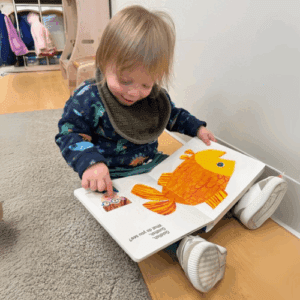
- After pajamas are on, it’s book time! Reading three books of the child’s choosing is a great routine. Some parents have the child choose two and always end with a third of their choosing, so that they always end with the same book, Goodnight Moon for instance.
- Turning the lights off and singing the same three lullabies with a nice little backrub reinforces the nighttime ritual.
- The child will come to know that the end of the songs, with their special stuffed animal or security blanket in place, soft music playing, and light down low, it is time to sleep.
More Tools for a Peaceful Bedtime
A consistent bedtime routine is the foundation of a good night’s sleep, but some nights call for a little something extra. Whether your child is going through a developmental leap, feeling a bit restless, or just needs more help winding down, having a few extra tools can make all the difference. Think of these not as replacements for your established routine, but as enhancements you can pull out when needed. From calming digital resources used mindfully to simple, screen-free activities, these ideas can help soothe a busy mind and body, making the transition to sleep smoother for everyone. The key is to find what resonates with your child and integrates seamlessly into the peaceful atmosphere you’re creating.
Digital Bedtime Resources
While we often hear about limiting screen time before bed, not all digital content is created equal. When used thoughtfully, certain apps, podcasts, and videos can be powerful allies in your bedtime toolkit. The goal is to choose resources specifically designed to be calming rather than stimulating. Look for content with soft voices, gentle music, and slow-paced visuals, if any. These tools can introduce new stories and soothing sounds into your routine, providing a bit of novelty that captures your child’s attention in a relaxing way and helps them shift their focus from the day’s excitement to a state of restfulness.
Podcasts and Audiobooks
Audio-only stories are a fantastic way to engage your child’s imagination without the stimulating blue light from screens. Listening to a calm voice tell a story encourages focus and can be incredibly soothing for a little one settling into bed. A great option to try is Nickelodeon’s Goodnight Bedtime Stories podcast, which offers a mix of gentle songs and stories designed to help children wind down. It’s a perfect example of how audio can create a serene environment, helping your child drift off while listening to a comforting narrative.
Mobile Apps for Sleep
The right mobile app can be a wonderful resource for interactive, calming content. Many apps are designed specifically for bedtime, featuring lullabies, guided meditations, and interactive stories with gentle touch features. For example, the free “Tap to Sleep” app from Bedtime Story Co offers interactive stories and lullabies created to help babies and toddlers sleep better. When choosing an app, preview it first to ensure the colors are muted, the music is soft, and the interactions are simple and slow-paced to avoid overstimulation before sleep.
Calming YouTube Channels
If your child responds well to visual stories, there are YouTube channels that offer relaxing content perfect for bedtime. Bedtime Story Co, for instance, has a popular channel with animated stories that over 60,000 parents use for soothing nighttime viewing. To minimize sleep disruption, consider turning the screen brightness all the way down and positioning the device out of direct sight, allowing your child to focus more on the audio. You can also use the “listen on repeat” feature for a familiar story, which can be just as comforting as a favorite lullaby.
Other Types of Soothing Content
Beyond digital tools, incorporating simple mindfulness and relaxation techniques into your routine can have a profound impact on your child’s ability to settle down. These activities don’t require any special equipment—just a few quiet moments of connection. By introducing concepts like positive affirmations and gentle body movements, you’re not only helping your child sleep better tonight, but you’re also giving them valuable skills for managing stress and emotions as they grow. These practices align perfectly with a developmental approach that nurtures the whole child, mind and body.
Nighttime Affirmations
Nighttime affirmations are short, positive statements that can help ease anxieties and build self-confidence. Repeating phrases like “I am safe,” “I am loved,” and “I am ready for a good sleep” can replace worried thoughts with feelings of security. This practice helps transition a child’s mindset from the active engagement of playtime to the calm acceptance of bedtime. It’s a simple yet powerful way to end the day on a positive note, reinforcing the loving and secure environment you work so hard to create for them.
Gentle Stretches and Imagination Activities
A child’s body can hold onto the energy of the day, and a few simple, gentle stretches can help release it. Think slow, easy movements like reaching for the stars, curling into a tiny ball like a sleeping mouse, or pretending to be a floppy ragdoll. You can pair these movements with imagination activities, like asking your child to picture a calm, happy place. This combination of light physical release and guided imagery helps quiet both the body and the mind, making it easier to relax into sleep.
Sensory Products for Sleep
For some children, especially those who are sensitive to their environment, sensory products can be game-changers for sleep. These tools work by providing calming, consistent sensory input that can help regulate an active nervous system. A dark, quiet room is a great start, but items like a white noise machine can mask disruptive household sounds, while blackout curtains can block out stimulating light. For children who seek deep pressure, a weighted blanket may be comforting, but it’s crucial to consult safety guidelines and speak with your pediatrician to ensure you are using it correctly for your child’s age and weight. These products help create a peaceful, womb-like environment that signals to your child that it’s time for restorative rest, which is essential for their busy days of learning and discovery.
The Rub!
The next step is the tricky part, and this is where the struggles start. Will they get up 12 times until you sit with them? Will they stay awake playing with their toys? Will they cry? Will they fall asleep peacefully only to awake in two hours to play out a bedtime drama? This is when the let them cry it out, or attachment parenting comes into play. We will cover the two schools of thought in our next blog, be sure to check back! In the meantime call Strong Start Early Care & Early Education for a tour of our facility. Also in the meantime, we wish you many good nights of sleep for you and your young child!
A Note on Finding What Works
Balancing Digital Tools and Stimulation
Beyond the classic storybook, many families are finding digital resources helpful for establishing a calming bedtime routine. Story podcasts and audiobooks for children are excellent tools for winding down, often combining gentle music and soothing narration to ease the transition to a restful night. These auditory cues can signal that it’s time to relax, much like a familiar lullaby. This predictability is a key part of a successful routine, helping children feel secure as they prepare for sleep.
Finding the right balance is key. While digital tools can be a wonderful supplement, they shouldn’t replace the personal elements of a bedtime routine. The warmth of a hug, turning the pages of a physical book, and quiet conversation are invaluable for connection. The goal is to use technology thoughtfully, not as a substitute for your presence. At Strong Start, we encourage a hands-on approach to development, and that principle applies at home, too. The most effective routines blend different elements to meet a child’s unique needs, ensuring they receive both comforting content and essential one-on-one parental engagement.
Frequently Asked Questions
How long should our bedtime routine actually take? There isn’t a magic number, but a good range to aim for is between 20 and 45 minutes. The goal is to create a calm, predictable transition, not to rush through a checklist. A shorter routine might work for an infant, while a toddler or preschooler might enjoy a slightly longer one with more time for stories or quiet connection. The most important thing is keeping the sequence of events consistent each night.
You mentioned digital tools, but I’ve heard screen time before bed is bad. How do I make that work? That’s a great question, and the concern is completely valid. The key is to be intentional about what your child is watching or listening to and how they’re doing it. Avoid interactive games or fast-paced cartoons, which are definitely stimulating. Instead, think of these tools as digital storybooks. Choose calming audio stories, podcasts, or slow-paced animated videos with soft music. Dim the screen brightness all the way down and use it as a supplement to your routine, not a replacement for a good cuddle and a physical book.
What if my child still fights sleep after the entire routine is finished? This is often the most challenging part of the evening. When your child resists sleep after the routine is over, the goal is to remain calm and consistent in your response. The routine’s job is to prepare them for sleep, but it can’t force it to happen. A quiet, brief return to their bed with a simple phrase like, “It’s nighttime now, I love you,” reinforces the boundary without creating a big, engaging drama. How you handle repeated struggles is a personal decision, but consistency is your best friend.
Our evenings are chaotic. If I can’t do the full routine every single night, what should I prioritize? Life happens, and it’s completely unrealistic to expect a perfect routine every single night. On those hectic evenings, focus on connection and consistency, even if it’s condensed. The most critical elements are the ones that clearly signal sleep is coming. Maybe you can’t manage a long bath, but you can always change into pajamas, read one book, and sing one song. A simple, predictable sequence, no matter how short, is far more effective than an elaborate routine that you can’t maintain.
Is it too late to start a bedtime routine if my child is a toddler or preschooler? Absolutely not! It is never too late to introduce a positive habit. While a younger baby might adapt more quickly, an older child can actually participate in creating the routine, which gives them a wonderful sense of control and ownership. You can let them choose their pajamas, pick the books, or decide which lullaby to sing. It might take a little more patience as they adjust to the new structure, but the benefits of security, predictability, and a calmer evening are well worth it at any age.
Key Takeaways
- Consistency is your foundation: A predictable routine with steps like a warm bath, pajamas, and stories creates a comforting rhythm that signals to your child it’s time for sleep, making them feel safe and secure.
- Keep extra calming tools on hand: For restless nights, add resources like story podcasts, simple stretches, or sensory products to your routine to help your child release the day’s energy and settle into sleep.
- Prioritize connection over perfection: While tools and techniques are helpful, the most important part of any routine is the quiet, one-on-one time you share. Find what works for your family, but never let a new tool replace a goodnight hug.